Author Archives: Jeanne Jackson

A rare bird was seen the week after the Christmas Bird Count in January. Diane Hichwa wrote, “Last Wednesday Bill and Paget Lenarz, who had come up to help with the Bird Count, were still watching for birds. They noticed at Pebble Beach a very light gull on the sand below. Not wanting to disturb it, they stayed on the bluff trail. They called me, and I phoned Craig Tooley to get photos. This was just what was needed to document the bird!”
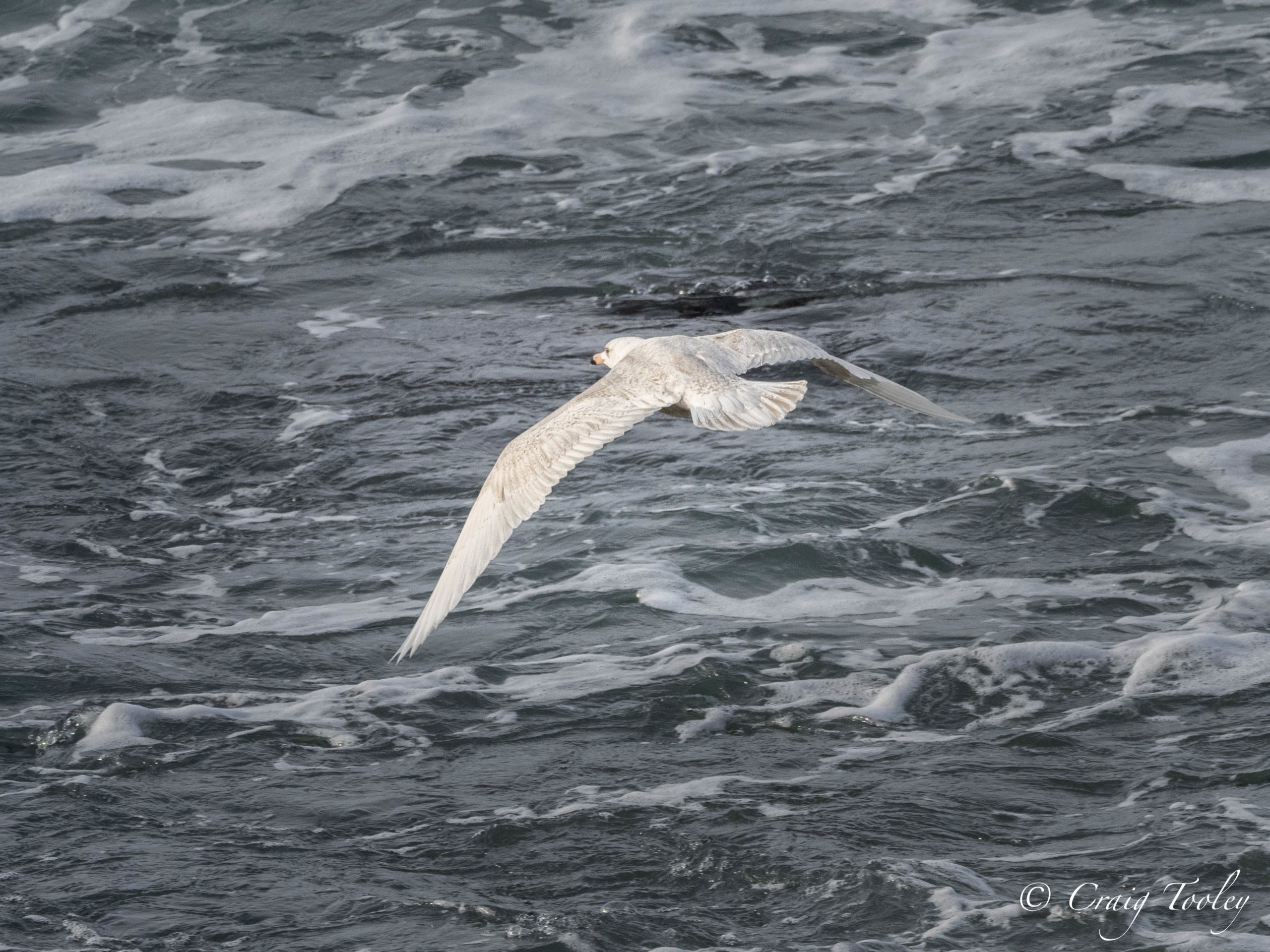
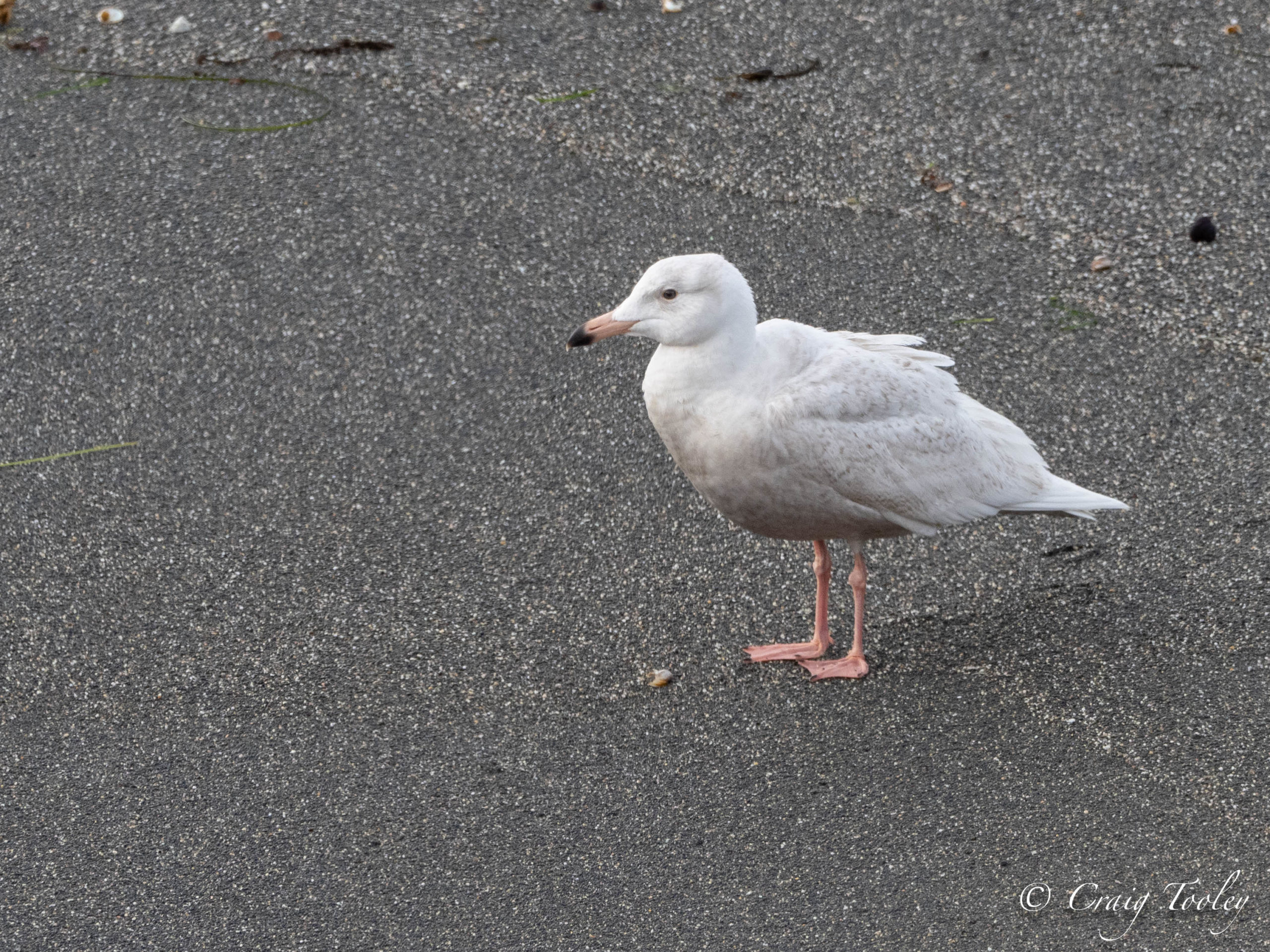
Diane sent Craig’s photos to Dan Nelson, a Sonoma County expert on gulls, and he confirmed the sighting. He wrote, “A classic first winter Glaucous Gull. Nice!!” The Audubon Guide describes this gull as “a big, pale, ghostly gull of the far north.”

It's easy to take gulls for granted, but they can travel great distances, and have a story to tell. Glaucous Gulls are the second-largest gulls in the world! You can hear their calls at this link to the Cornell Lab of Ornithology: https://www.allaboutbirds.org/guide/Glaucous_Gull/sounds

Thanks to Craig for allowing me to share his photos with you here. To see much more of Craig's nature photography, here is the link to his website: www.ruffimage.com

The wind arrived during the night. Today the ocean is whipped up into a froth and it's sunny, but chilly.
3 Comments

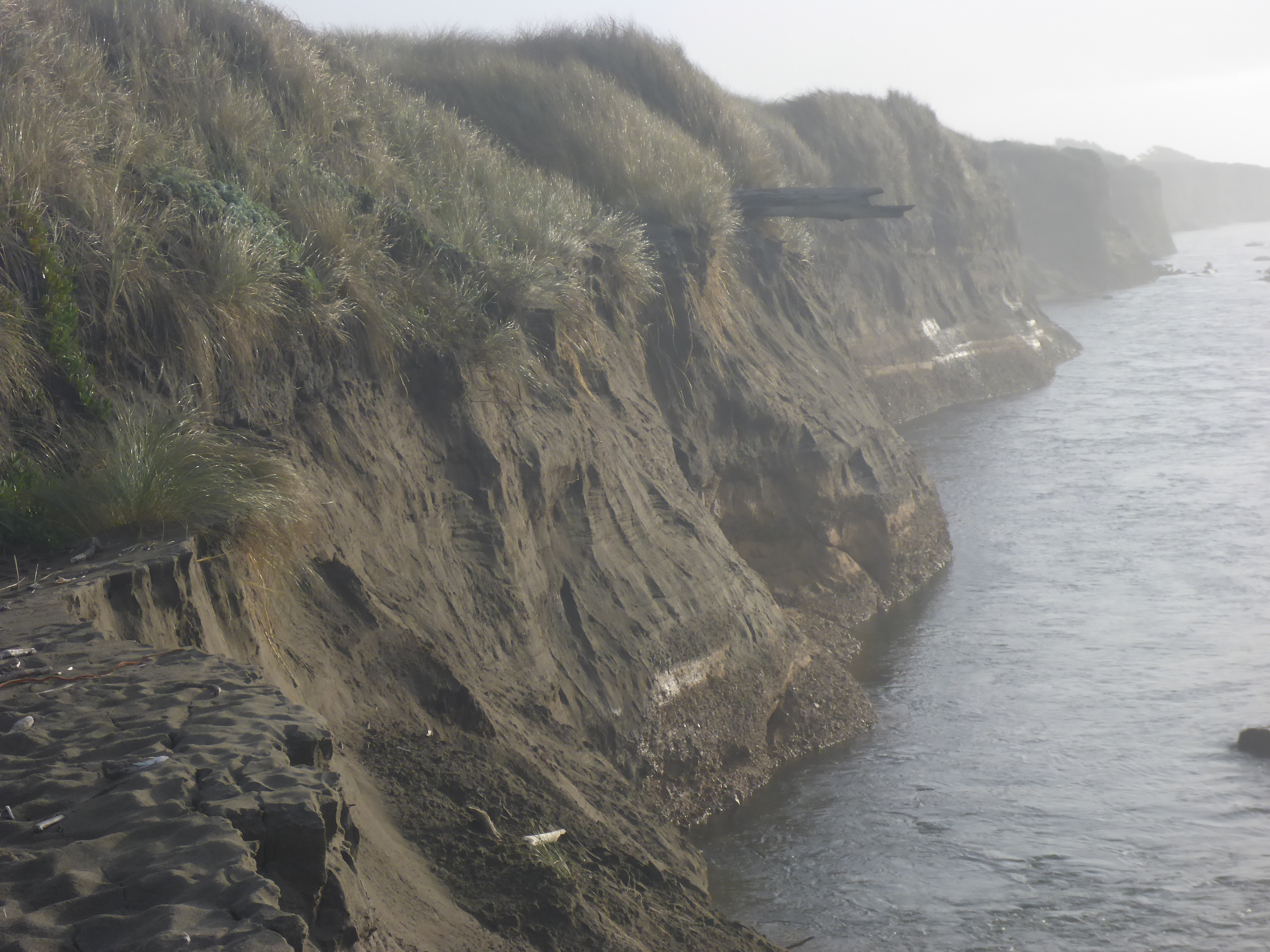
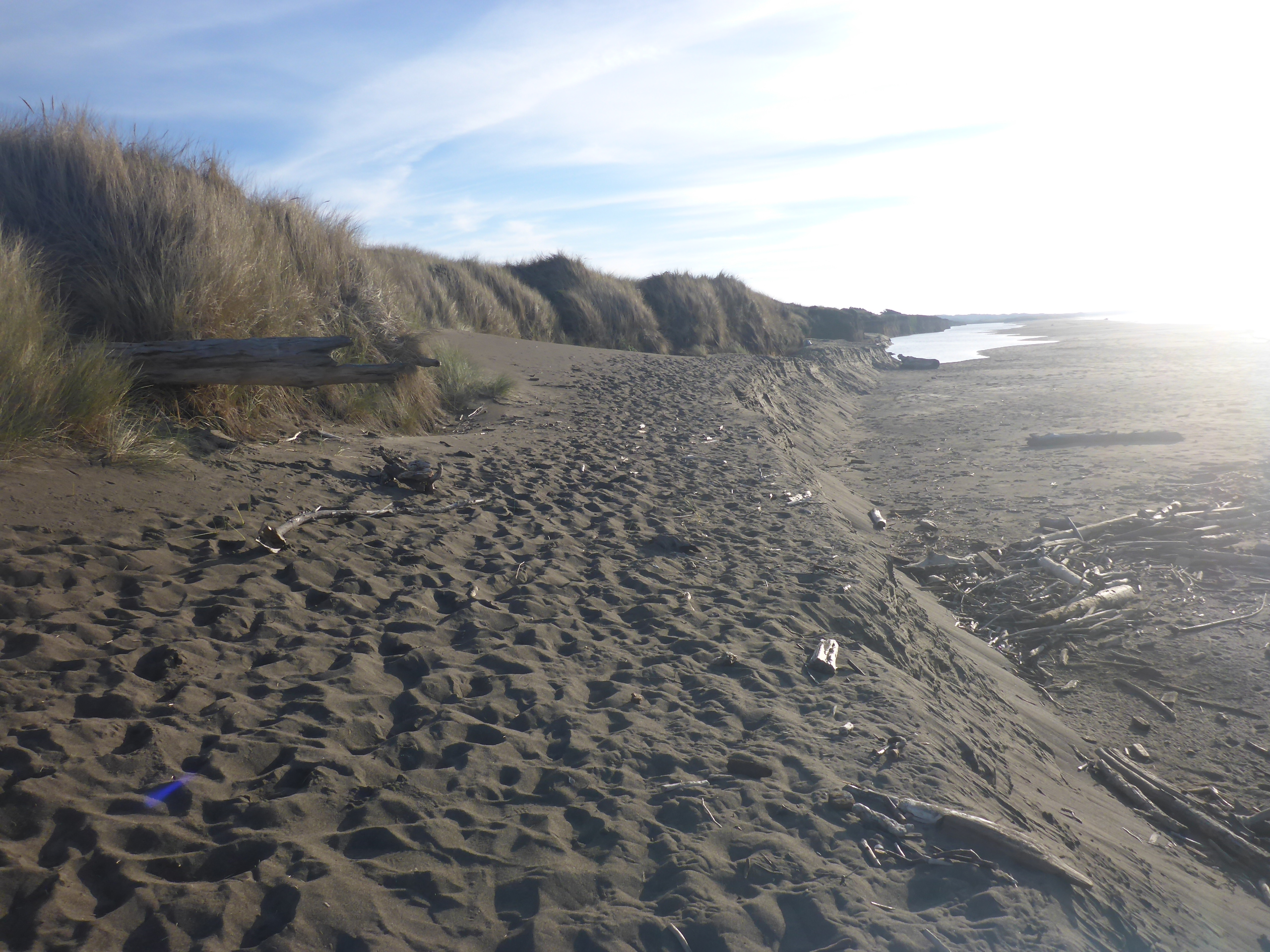
Doug Forsell noticed a huge change at Brush Creek, at Manchester State Park on Jan. 31. Doug wrote, “Brush Creek has moved north past the beach entrance at Kinney Road, washing away 20 to 30 feet of sand that was there three weeks ago. Tell people not to run down the entrance or let their children do so.” Here's what Brush Creek looks like now. Note the horizontal snag sticking out of the bluff face.

Here's what it looked like at the beginning of January. You can see the horizontal snag. That is a tremendous amount of sand that is now gone.

Brush Creek is found at Manchester State Beach, the Kinney Road entrance. You can learn much more about this fabulous beach at this link: https://www.parks.ca.gov/?page_id=437

Thanks to Doug for allowing me to share his photos with you here.

We are having unbelievable weather for the middle of winter - very little breeze, warm temps. Daffodils are beginning to bloom, as they are wont to do when we have a stretch of warm weather. We do hope the rains will return but there is no rain in the forecast until late next week. Come to the coast!

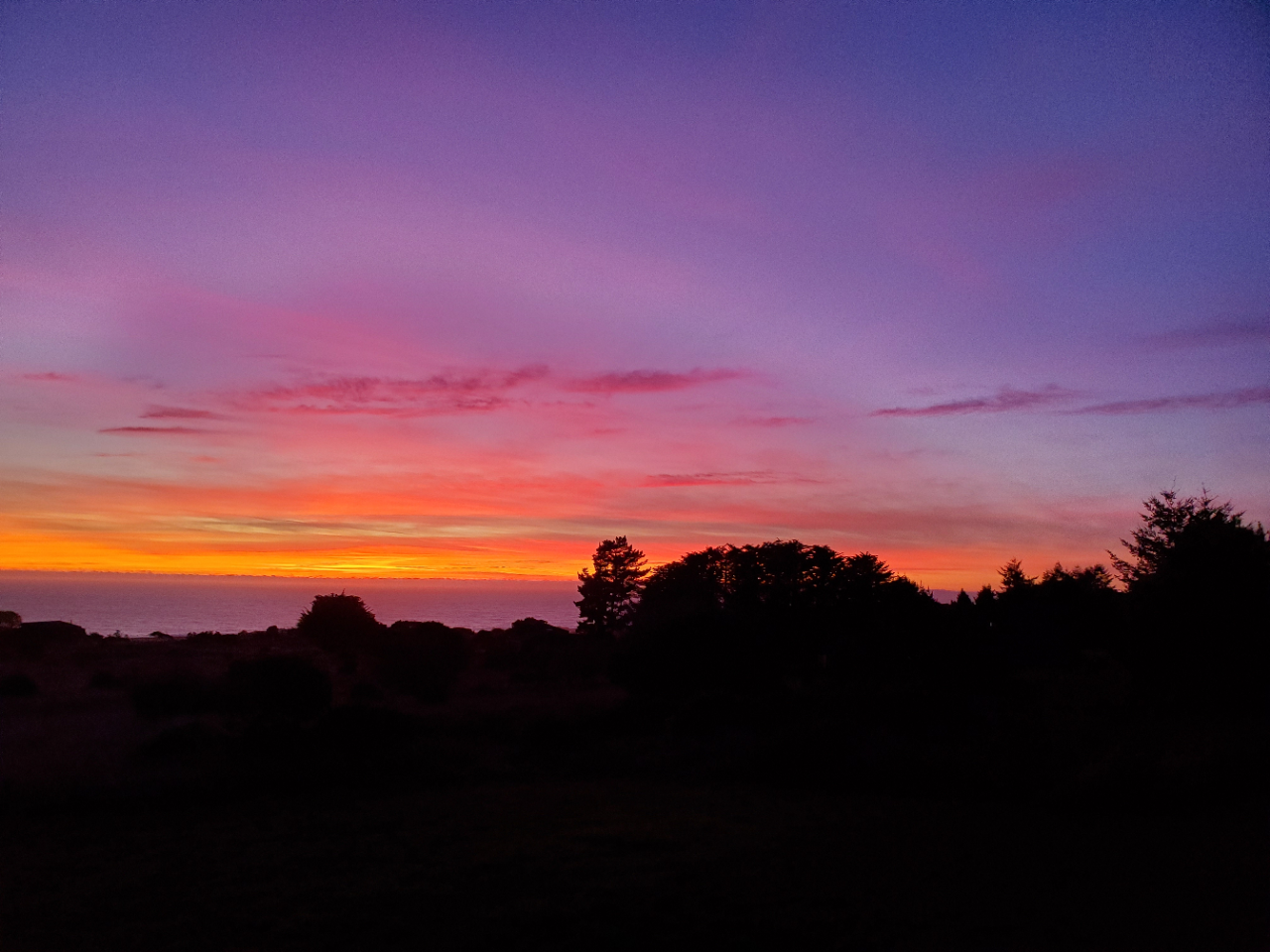
Tricia Schuster photographed the unusual sunset. Can you see the white arc? Almost like a white rainbow. Tricia described it as an aura.

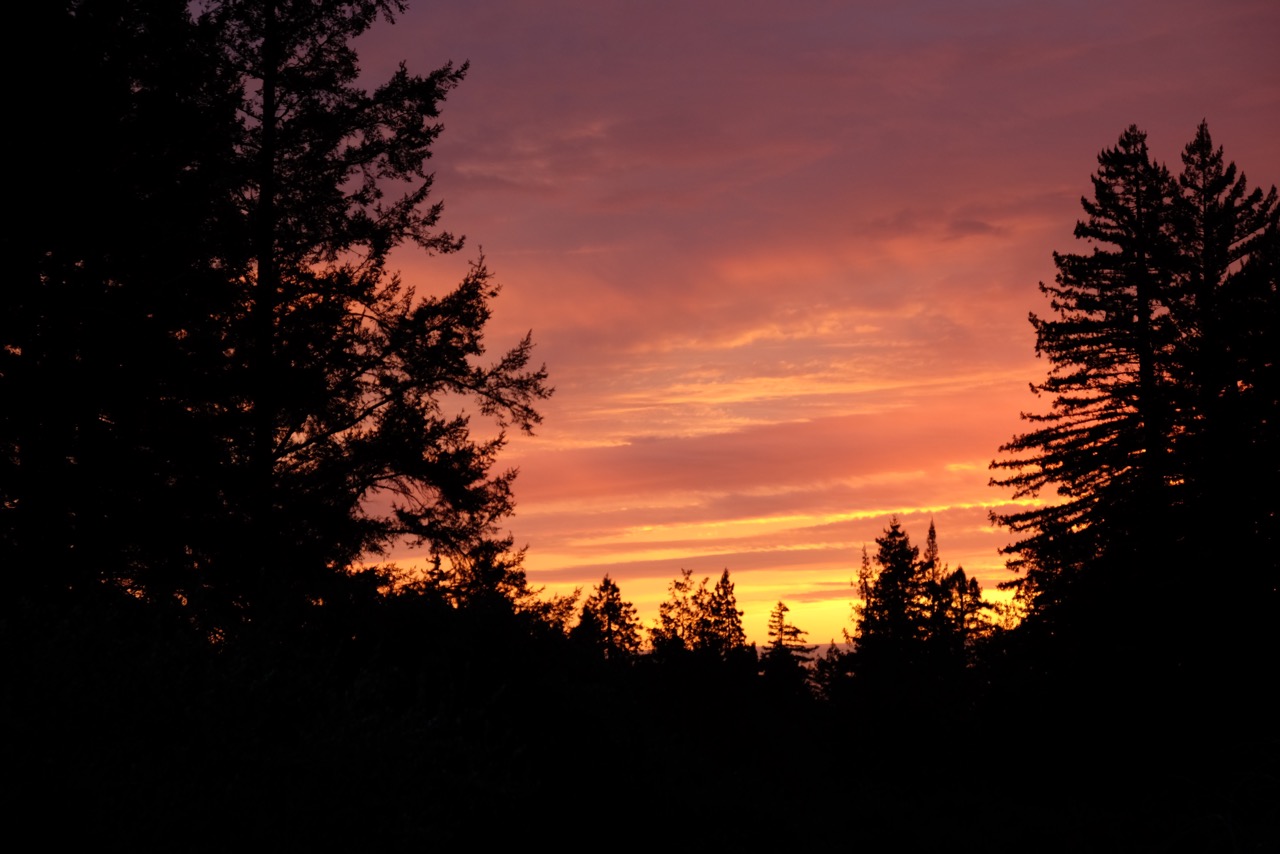
Maurice Franco photographed this beautiful sight through the trees.

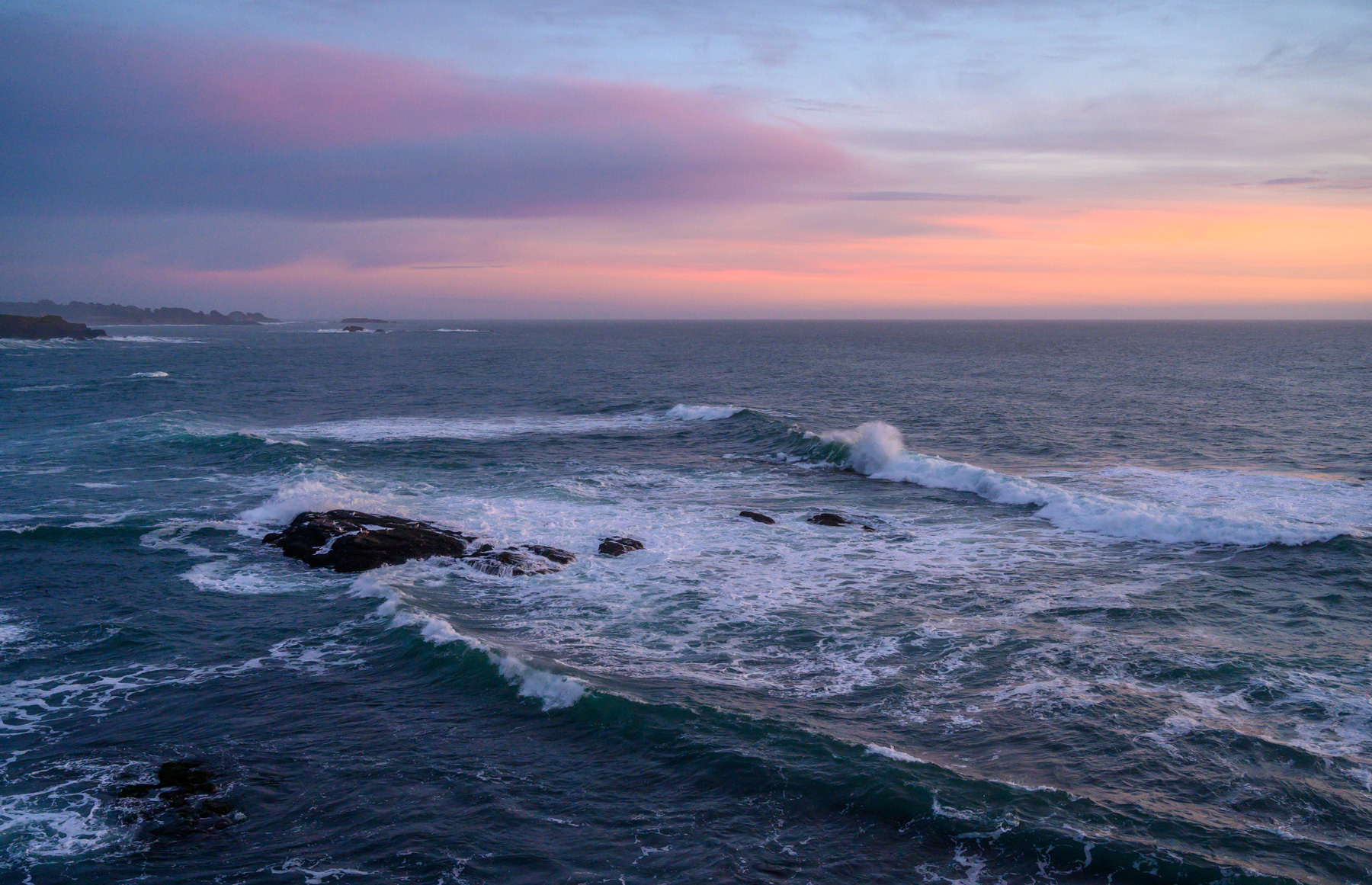
And Paul Brewer was the edge of the Pacific Ocean to get this lovely photo.

Thanks to Tricia, Maurice and Paul for allowing me to share their photos with you here. To see much more of Paul's nature photography, here is his website: http://www.capturingnatureswonders.com/

Sunny and cold here today. It was a very cold 36 degrees at our place in Anchor Bay at sunrise. brrrr!

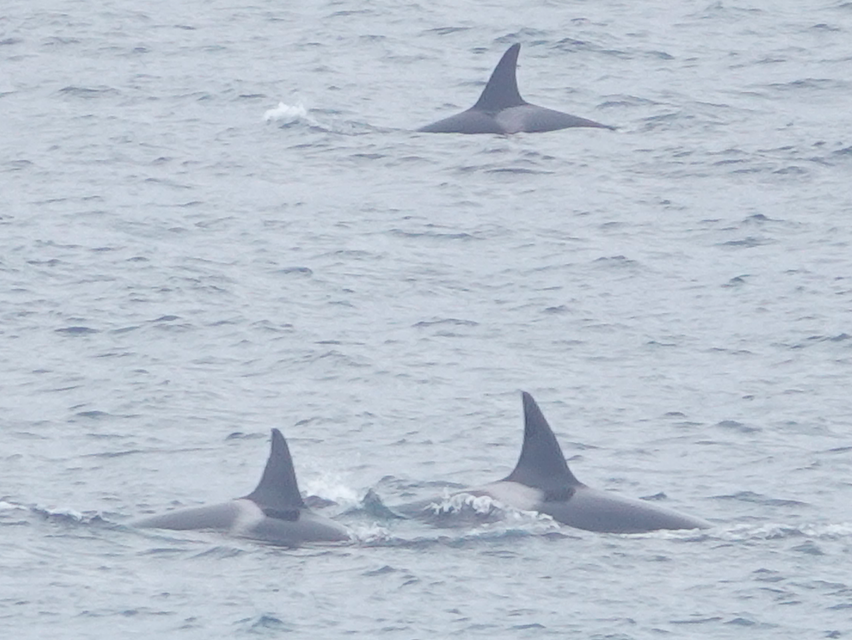
A week ago Thursday, eagle eyes at the Point Arena Lighthouse spotted a pod of Orcas. Sara Bogard and Scott & Tree Mercer were notified. Luckily they were out on the bluffs already, and Sara had her long lens camera. Sara wrote, “Scott, Tree, and I were blessed with this amazing sighting of eight Orcas a half-mile out on January 23, 2:30 to 4 pm. There were two males, and a mother and calf with the pod. This was the most amazing sighting after finishing up my Harbor Seal survey of 111 total count. Also, a North American River Otter was foraging. I’m so grateful for this sighting.”

The Mercers were excited too. Scott wrote, “The excitement this week arrived on Thursday afternoon with the surprise arrival of eight Killer Whales arriving from the northwest. OrcaNetwork in Washington, Orca experts Alisa Janiger and Nancy Black, and Jodi Smith of Naked Whale Research were notified immediately and were sent photos. Janiger and Black quickly identified the Orcas as meat-eating transient Orcas. We see Orcas on average, once a year, and rarely close, so this relatively close sighting was very exciting. Sara Bogard’s excellent photos made identification possible.”

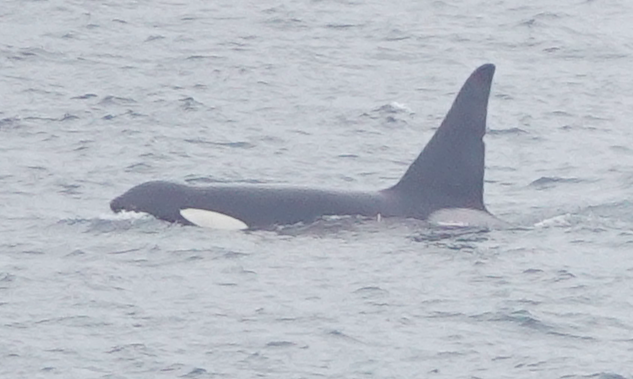
This second photo is of one of the males. Note the very tall dorsal fin. The Orca experts were able to identify several of the females, CA26 and CA180. Nancy Black wrote, “CA26 is one of our oldest females. She lost her son many years ago so she now often travels with the other older females. [They are called] ‘the golden girls.’”

You can read about these golden girls at this link: https://ftw.usatoday.com/2019/09/orcas-golden-girls-grab-spotlight-monterey

Thanks to Sara for allowing me to share her photos with you here.

A spring-like day, full of sun and warmth, today.