Tag Archives: Ron Bolander

2 Comments

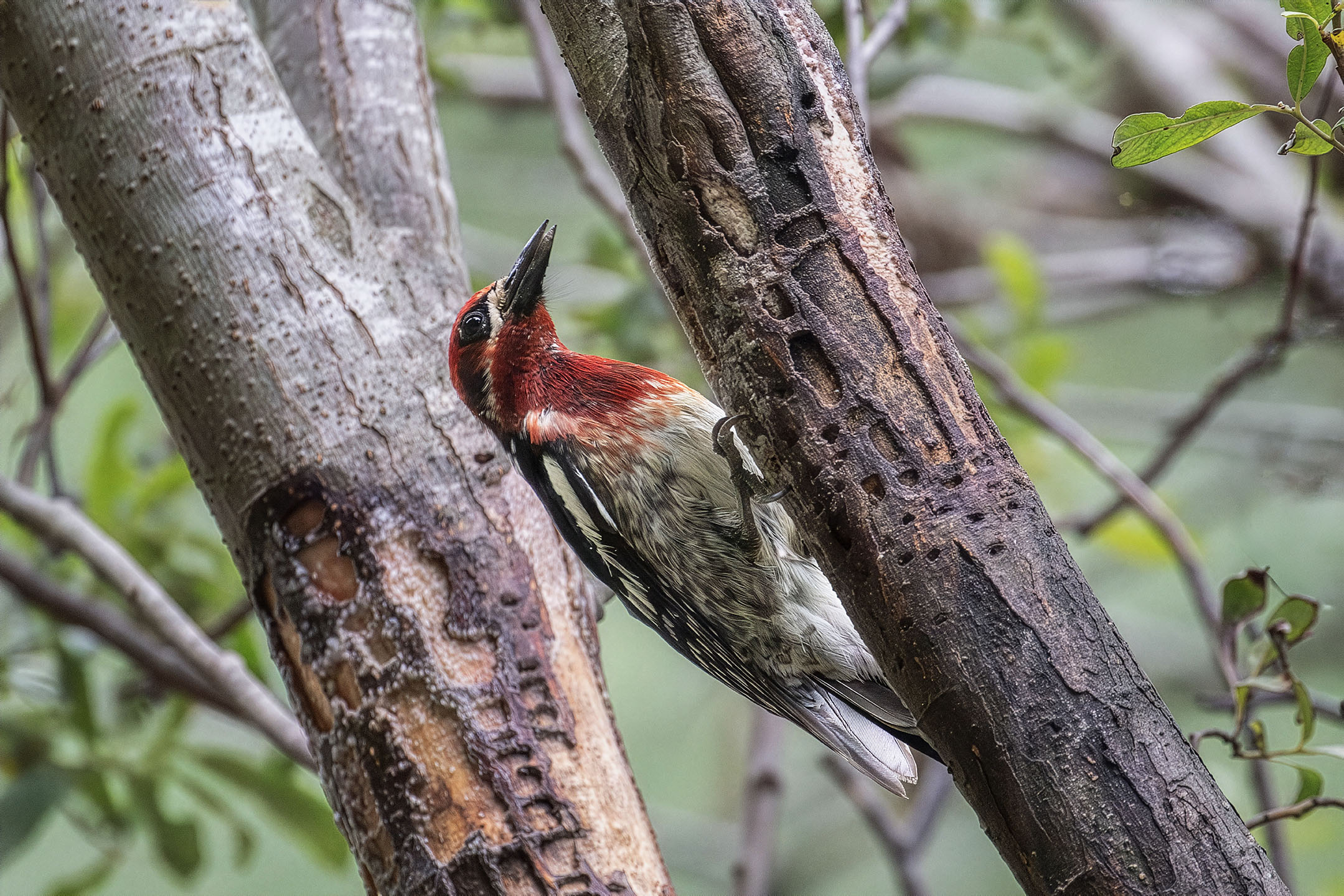
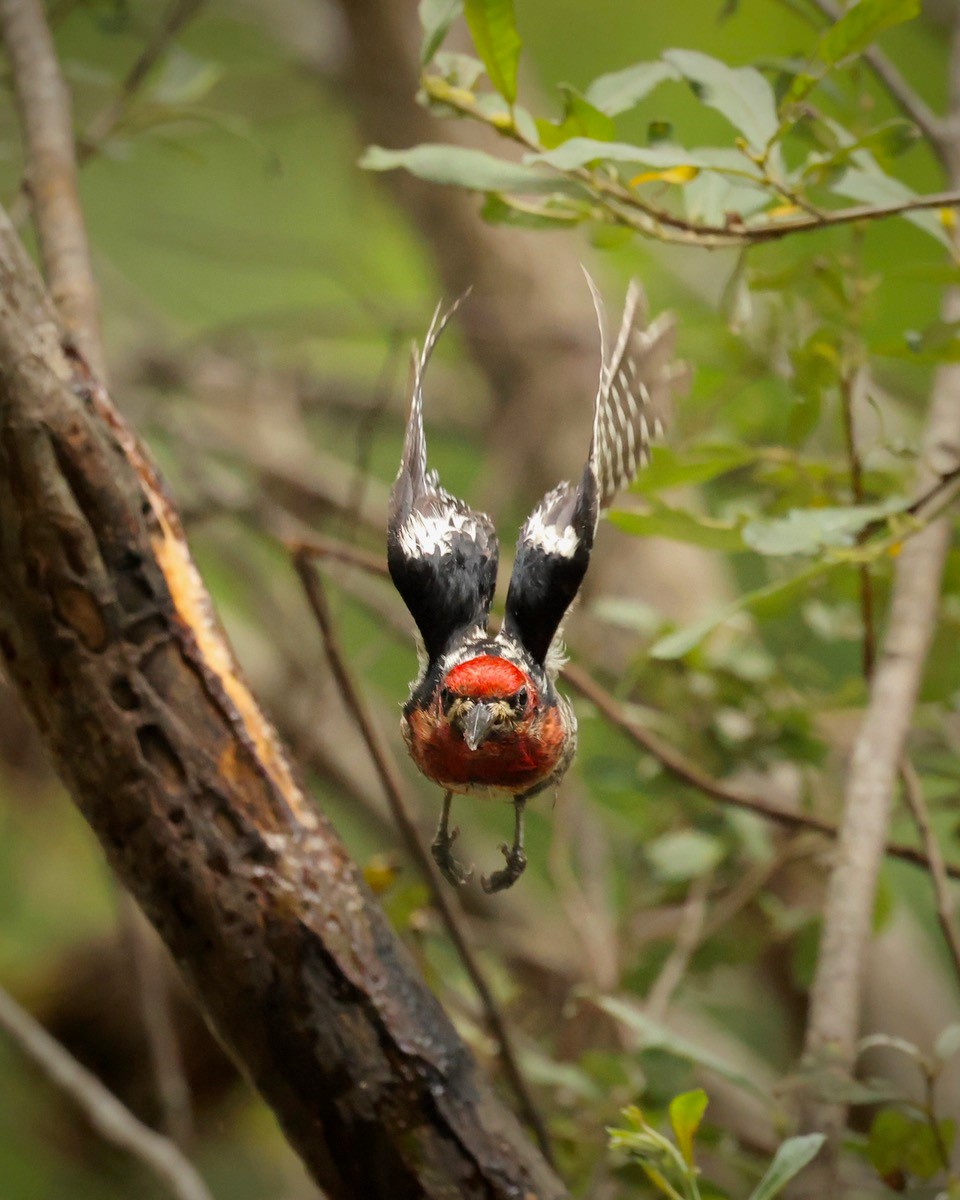
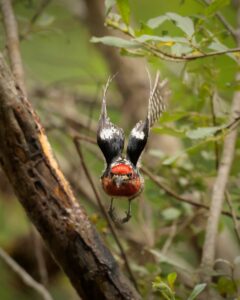
A walk along the Gualala River is certain to bring you great sightings and joy. Ron Bolander had discovered a group of willow trees, we think Sitka willows, that red-breasted sapsuckers were drilling holes – called wells – in the bark to get the sap. Other creatures then use these wells to feed, so the sapsuckers are important for the ecosystem. Ron invited Shari Goforth and me to take a hike with him on Saturday to see the show.
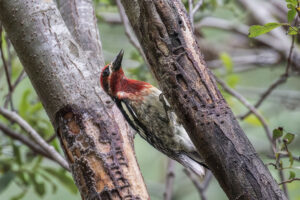
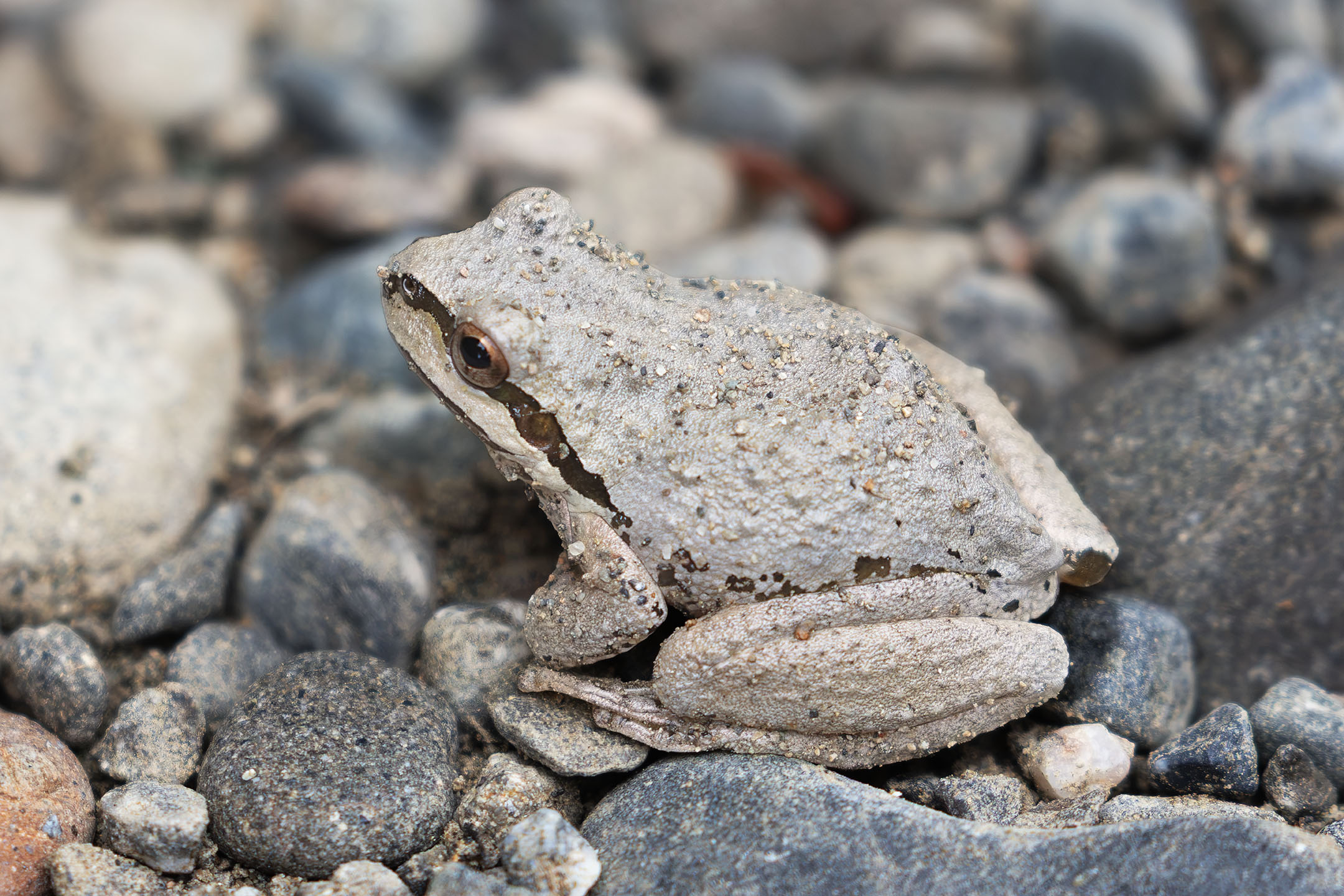
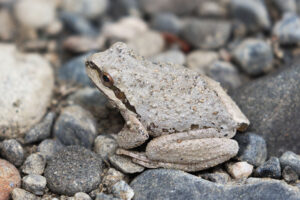
While walking on the cobbles by the river, we saw a tiny Sierran treefrog, normally colored emerald green, which was colored tan to match the stones. It was so well camouflaged that we kept losing sight of it.
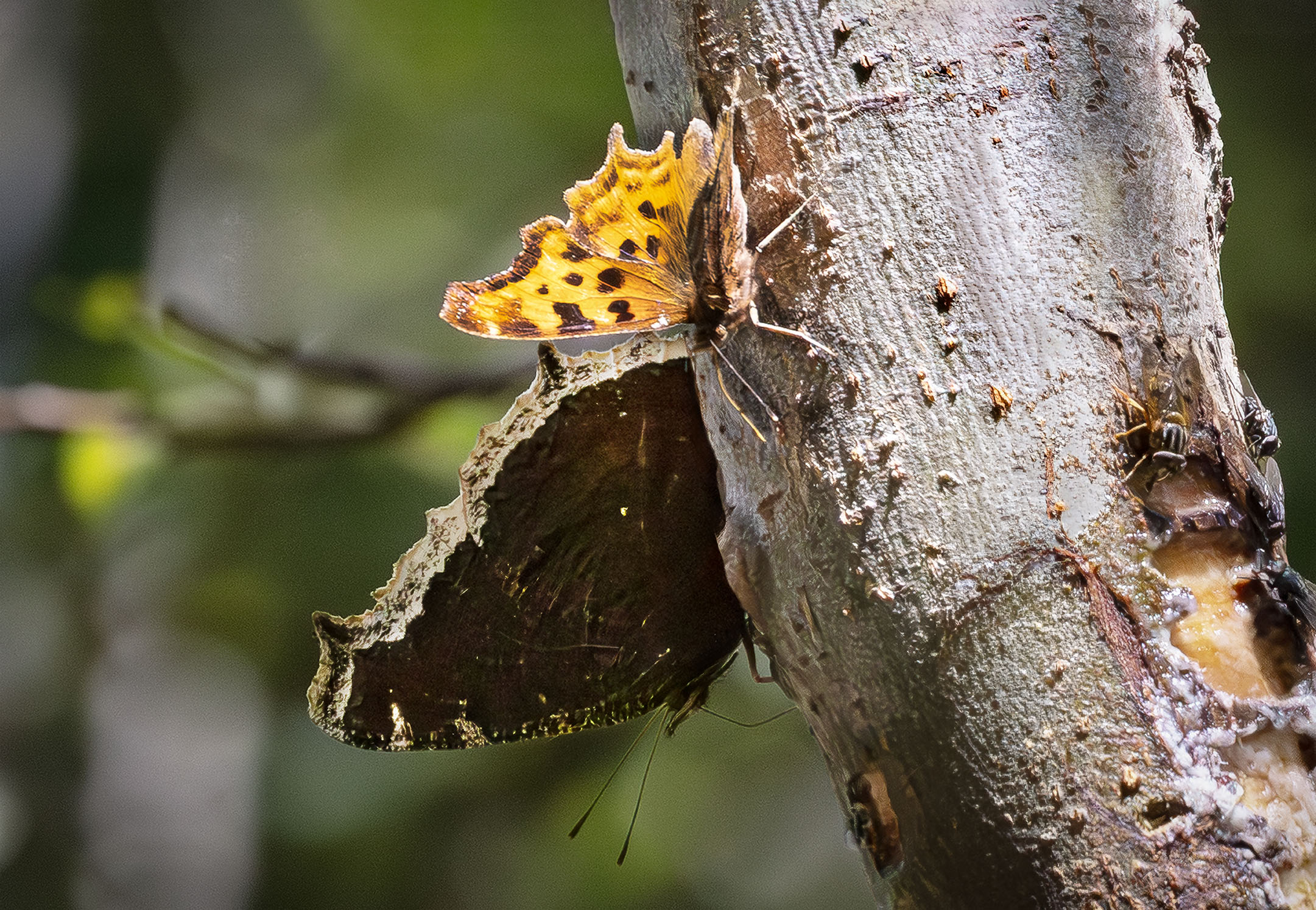
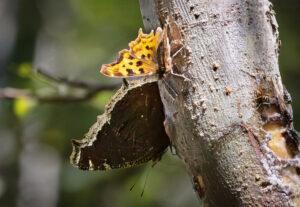
When we came to the willow trees, we watched from a distance as a red-breasted sapsucker appeared, the male. Some minutes later the female arrived. Ron told us there must be a nest nearby. When the sapsuckers were gone, other birds moved in to feast, including Anna’s and Allen’s hummingbirds. A Wilson’s warbler stopped by, perhaps eating insects in the sap. Then several beautiful butterflies appeared, a satyr comma and a mourning cloak, and fed. It was quite wonderful to see.
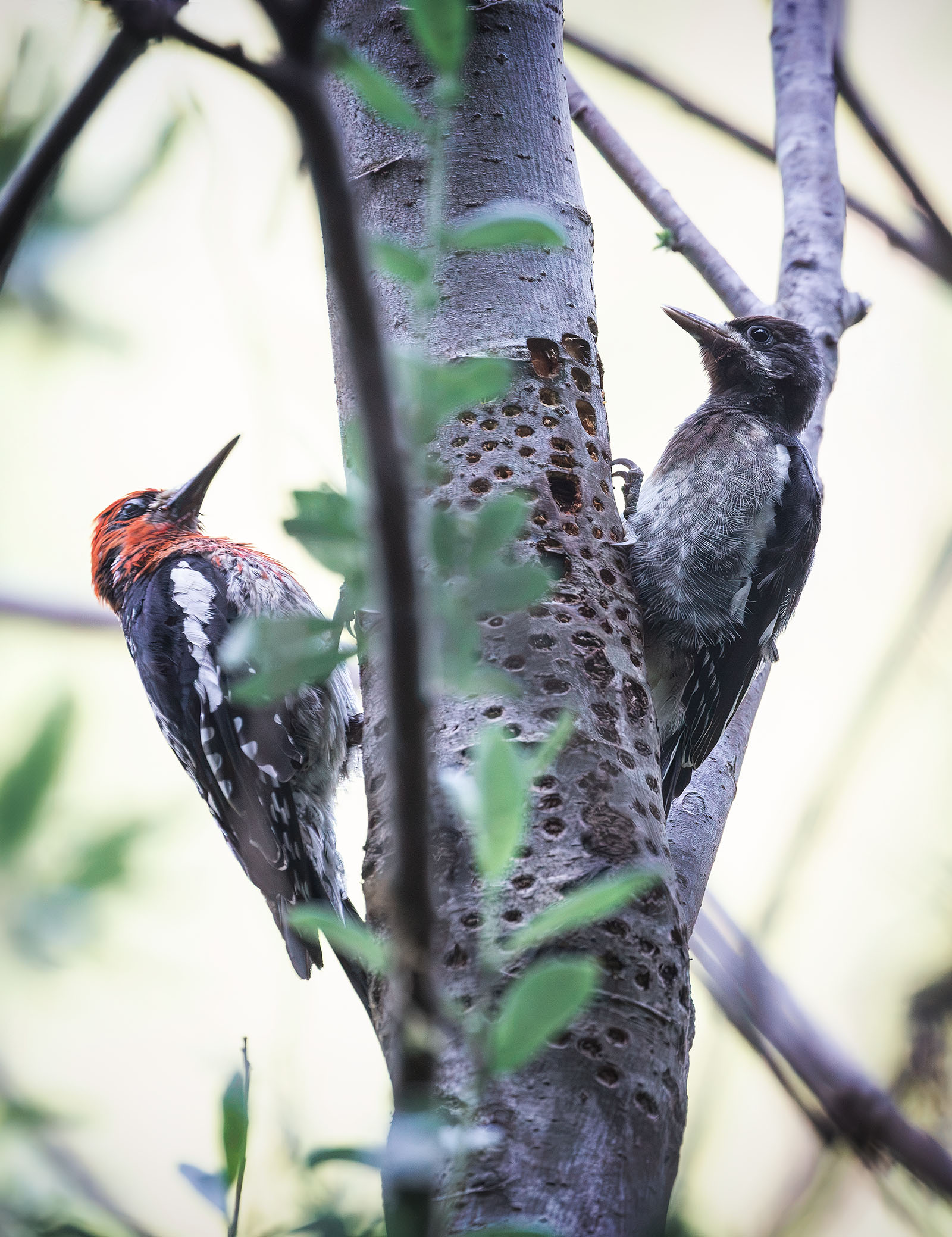
The next day, Sunday, Ron returned to the same place and found two red-breasted sapsuckers on the willow trees, but this time one was a fledgling, perhaps just out of the nest!
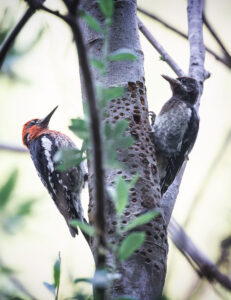
A bonus photo from Shari of one of the adults flying straight at her.
Thanks to Ron and Shari for allowing me to share their photos with you here.

Quite foggy here today, but sunny up on the ridge. Temps in the 60's. With those heat domes in the eastern part of the US and in Europe, we're not going to complain about the cooling fog.
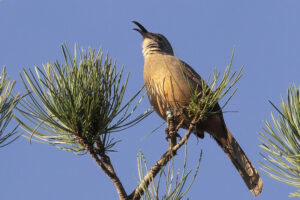
A friend of Ron Bolander told  him about this thrasher at his property on the ridge behind Anchor Bay. These relatives of mockingbirds are not usually seen close to the coast - they are birds of chaparral. But the friend told Ron this bird had been here for months.

Ron played me a recording of this bird's song and it is quite unique. You can hear it at this link at the Cornell Lab of Ornithology: https://www.allaboutbirds.org/guide/California_Thrasher/sounds  Like mockingbirds, thrashers also mimic other bird calls.

I'll be looking and listening for this bird...once the storms are behind us.

Thanks to Ron for allowing me to share his photo with you here.

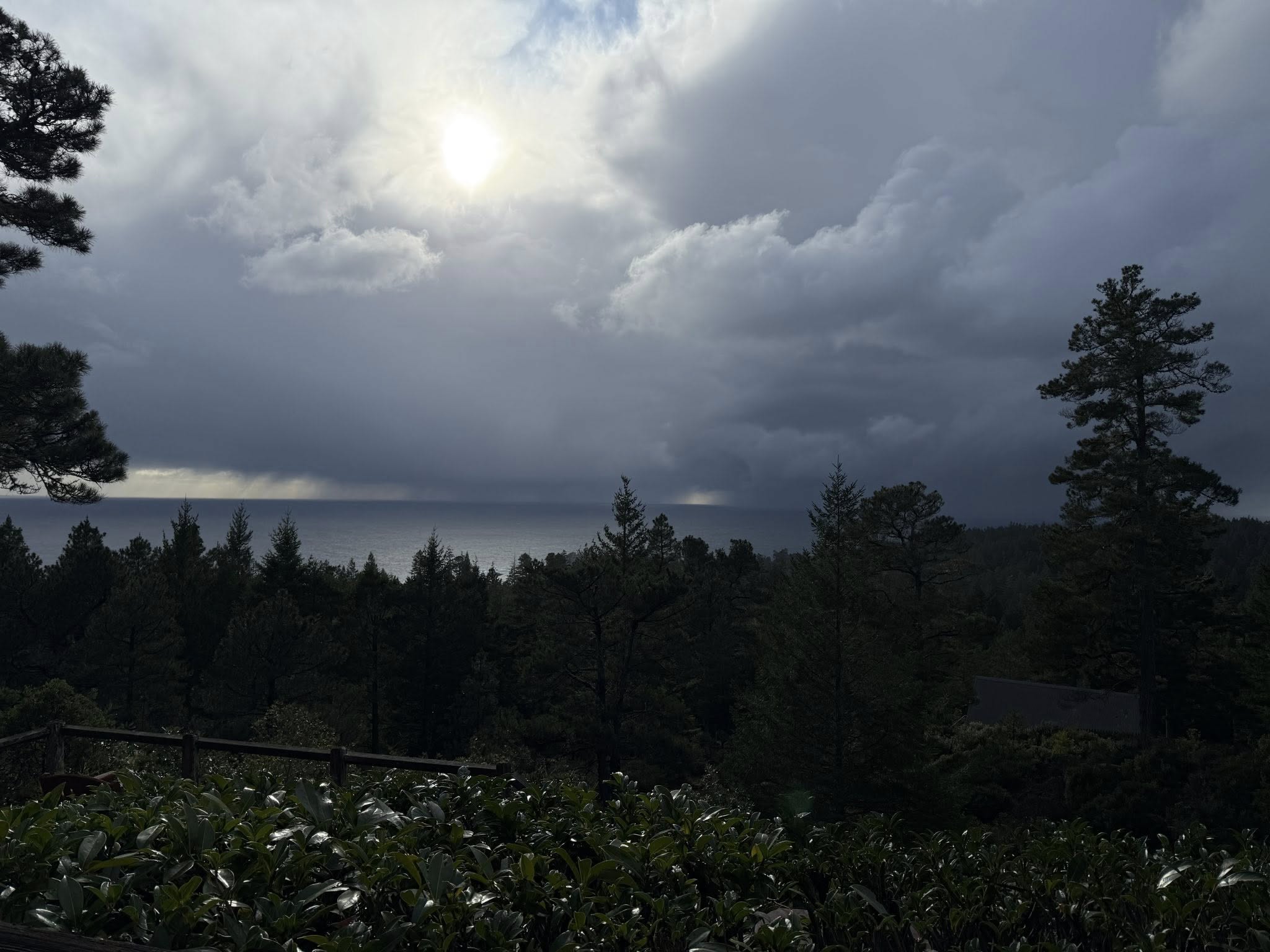
It's a-storming today! And it's cold enough for hail. I just took a photo of a lurking storm cloud offshore - yikes!

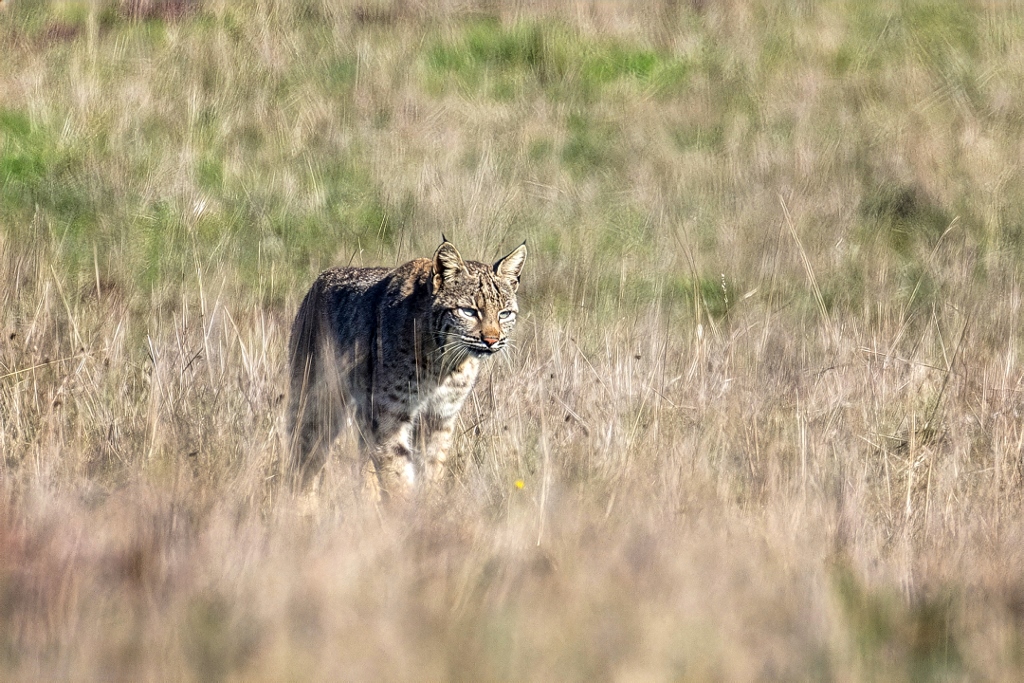
As you can see, Bobcats hunt in grassy meadows. They are listening and looking for rodents. In Ron Bolander's photo, you can clearly see the tufted ears of this beautiful creature.

Bobcats are year round residents of the Mendonoma Coast and they are often seen in the daylight hours, such as when Ron got this photo.

Thanks to Ron for allowing me to share it with you here.

Cold fog right on the coast but warm sunshine just a bit away. Rain is in our forecast for next week!


Ospreys fish in the ocean and in rivers for fish. Their other name is Sea Hawks. Yep, the Seattle Seahawks are named after an Osprey...I presume! Ron Bolander was out with his camera and he was ready when this Osprey flew by with its catch.

If you know what kind of fish this is, I'd love to know. So would Ron. See how the Osprey has positioned the fish? It's the best aerodynamic position for the big bird to fly with the fish.

This is a good time to see and hear Ospreys on the Mendonoma Coast. The chicks have fledged and they are beginning to fish for themselves. To hear the distinctive call of an Osprey, here is a link to the Cornell Lab of Ornithology: https://www.allaboutbirds.org/guide/Osprey/sounds

Thanks to Ron for allowing me to share his photo with you here. And get well soon, Ron!

The heat has left the immediate coast and the fog has returned. We also have some high clouds drifting through, making it a little humid today. Temps in the low 70's. Yay!

I love watching Ospreys fish, with their talons ready to grab one.  But in this case an ocean wave tossed this fish onto the sand and all the Osprey had to do was pick it up!

Ron wrote, "When the wave receded this fish must have offered itself to the Osprey. This was photographed on the bluff opposite Gualala Point Island."

Gualala Point Island is off the north end of The Sea Ranch. You can view it by the public access trail that begins at the southwest corner of Gualala Point Regional Park. There are lots of nesting seabirds on the island!

Thanks to Ron for a great photo and for allowing me to share it with you here.

Big fog bank over the ocean, and foggy in places. Sunny by mid-morning in Anchor Bay, temps in the mid 70's. Bonus sighting - two adult Gray Whales were seen yesterday in the approximate area the Blue Whale was seen the day before.