Sightings

2 Comments

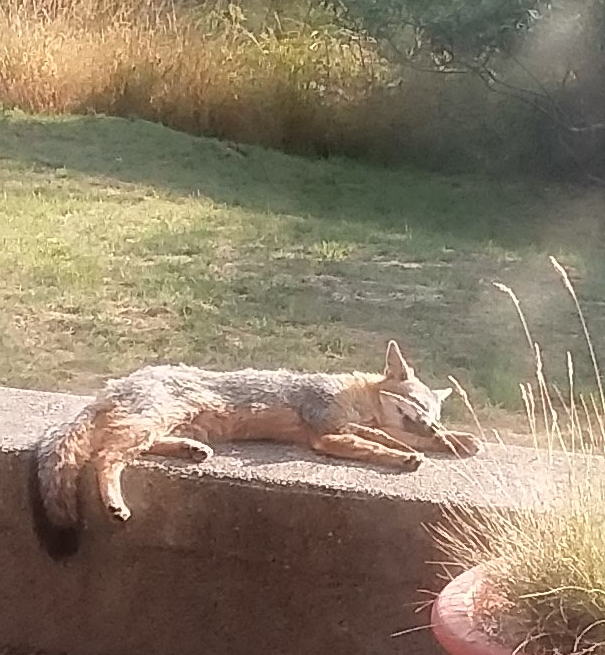
Maria Bardini-Perkins has a visitor to her property - a Gray Fox. He/she obviously feels very comfortable and safe there. Look at this relaxed Gray Fox!
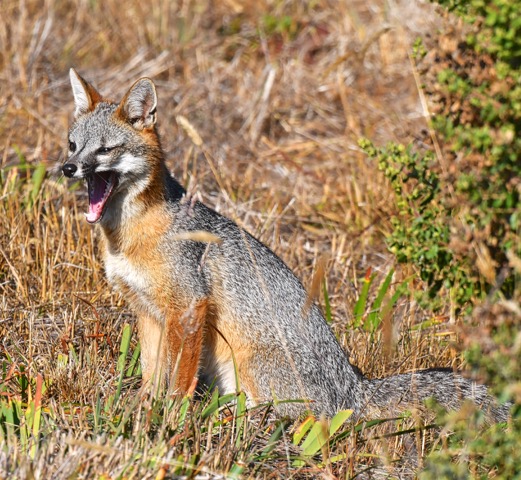
Allen Vinson also photographed a Gray Fox in the sun, this one is yawning.
We haven't had much sun recently, at least close to the Pacific Ocean. It's been quite foggy. The month of August, at least the past ten days, has lived up to its nickname of "Fogaust." You don't have to travel far, though, to reach sun. Go a mile or two east and you are out of the fog.

Thanks to Maria and Allen for allowing me to share their photos with you here. To see more of Allen's nature photography, here is the link: http://allenvinson.smugmug.com/

2 Comments

Marilee Wintz titled this photo "I walked in silence with an early bird."

Marilee took this beautiful photo on Walk On Beach, one of the public access points on The Sea Ranch.

Thanks to Marilee for allowing me to share her photo with you here. To see more of Marilee's nature photography, here is her website: https://beautyinspiresus.com/

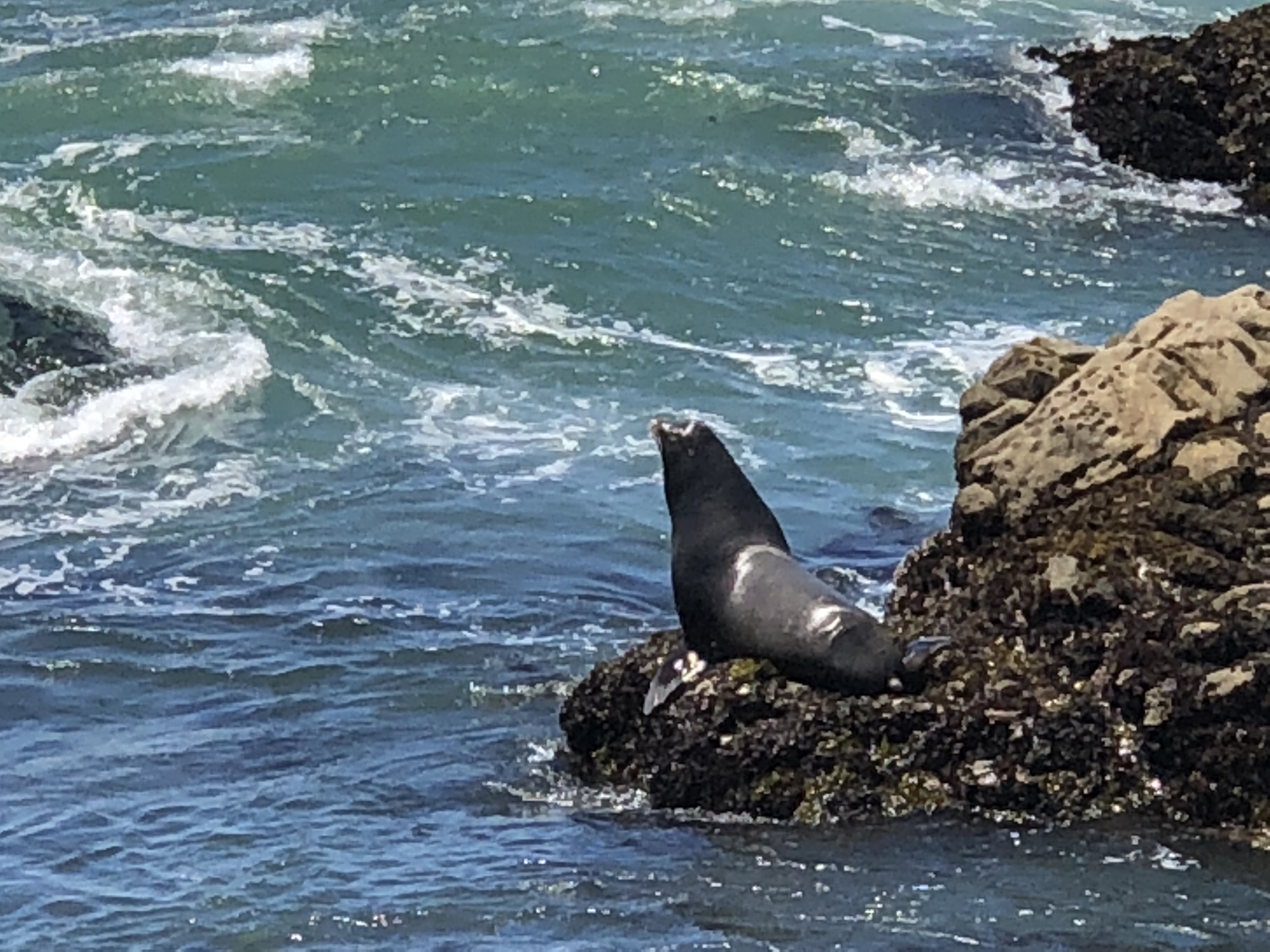
Mostly we see male California Sea Lions off the Mendonoma coast. Jennifer Terry recently photographed one appearing to be looking out to sea.

There is a colony of male CA Sea Lions on Fish Rocks just off of Anchor Bay. In the spring, most of them leave to mate with females to our south, returning to their rocky home when mating is over. They are able to "walk" with their flippers. Sea Lions are very intelligent, and they seem to have a lot to say, as they bark seemingly all day and night!

You can learn more about CA Sea Lions on the Marine Mammal Center's website at this link: http://www.marinemammalcenter.org/education/marine-mammal-information/pinnipeds/california-sea-lion/

Thanks to Jennifer for allowing me to share her photo with you here.

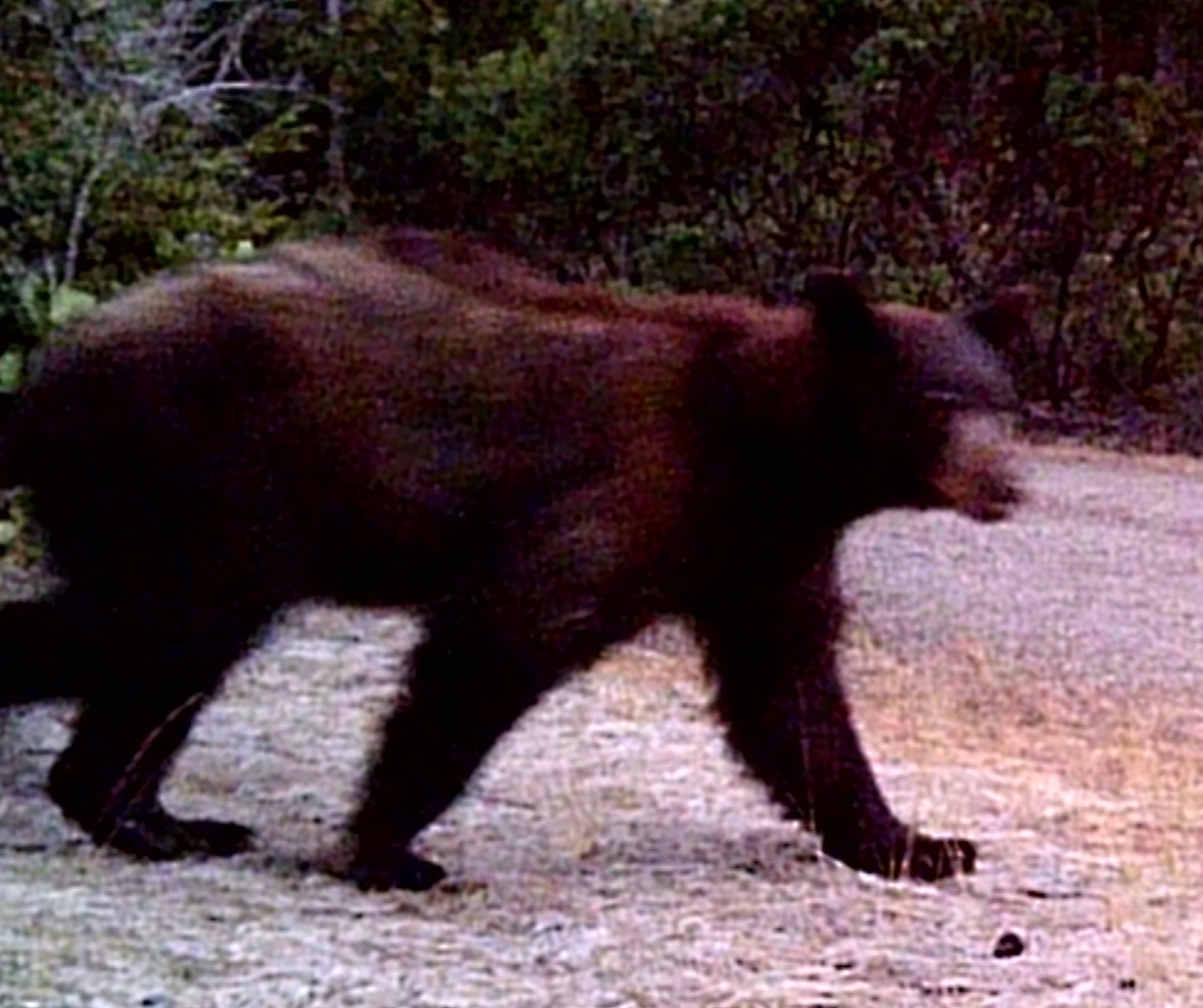
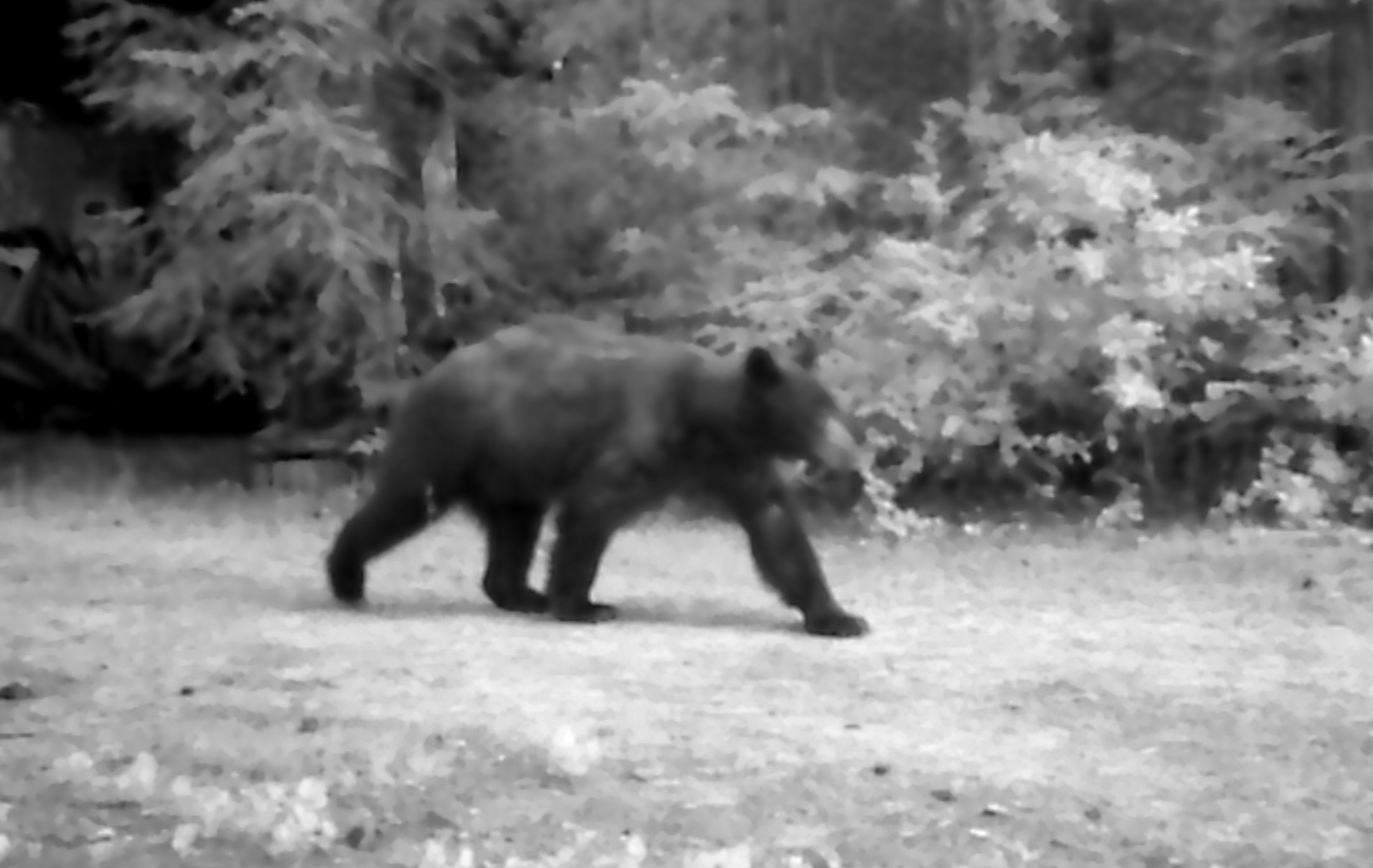
When you install a motion detector camera, you open a new window to the world of nature. In Pat Sorensen’s case, he has three outdoor cameras at his place on the Gualala Ridge. He has many nocturnal sightings, including Gray Foxes who sometimes drink out of his birdbath. On July 7, and again on July 17, his cameras picked up the sighting of a huge Black Bear. The photos are a little blurry, but you can see it's a big bear!

Pat said, “The bear did no damage and left no ‘calling cards.’ He walked by the shed and headed east into the brush.” The territory of a female Black Bear is typically 2.5 to 10 square miles. A male Black Bear’s range is between 10 and 59 square miles.

It’s not surprising to have a Black Bear sighting, especially with huckleberries ripening up. Pat noticed American Robins, in particular, were in berry-laden bushes, and Deer are eating the berries too.

Thanks to Pat for allowing me to share his photos with you here!

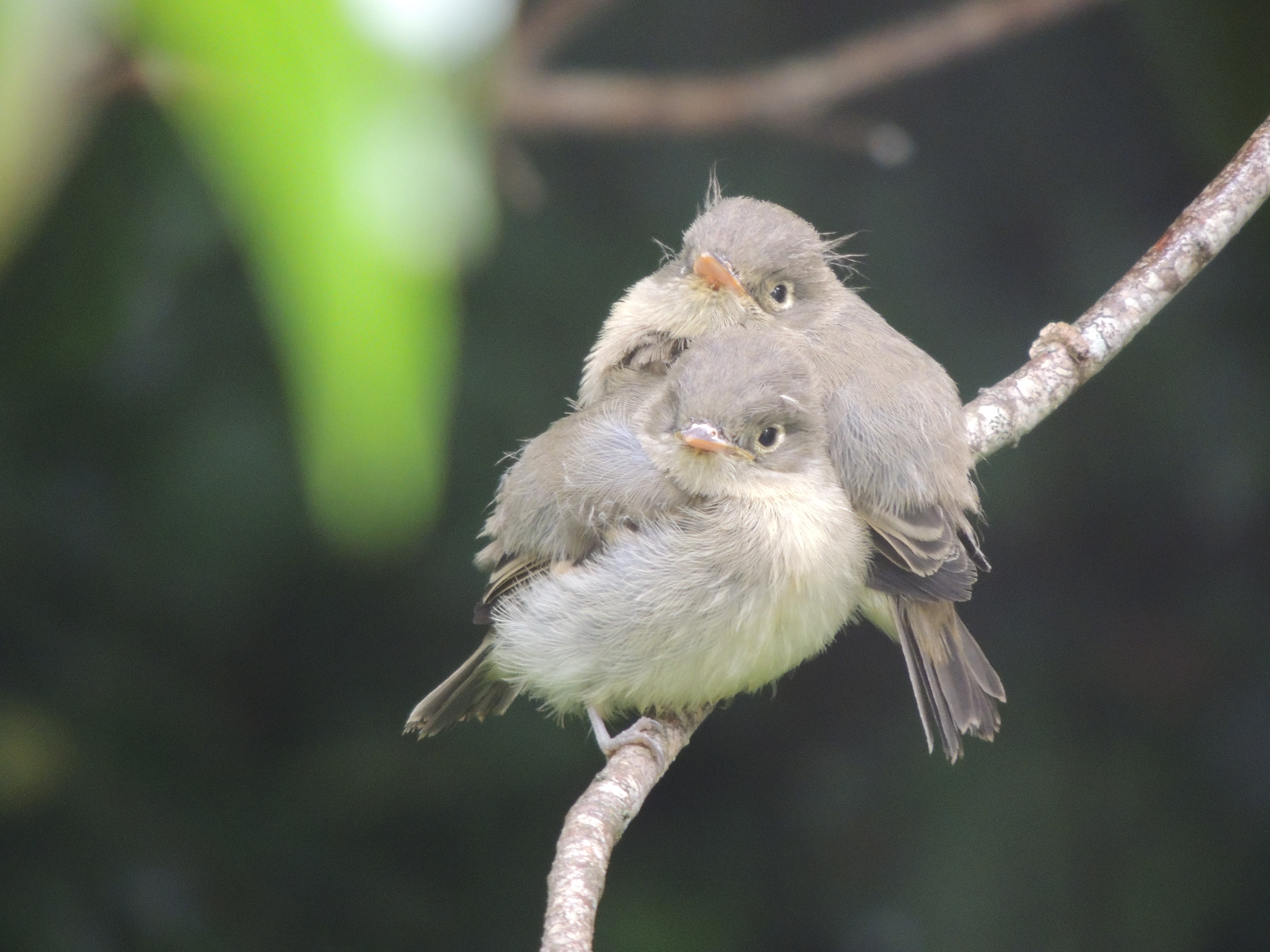
Nancy Morin wrote, “I thought this photo of two Pacific-slope Flycatcher chicks might be ‘sightings worthy.’ They hang out in my side garden. Adults have spent summers here every year, but this is the first time I’ve seen babies.”

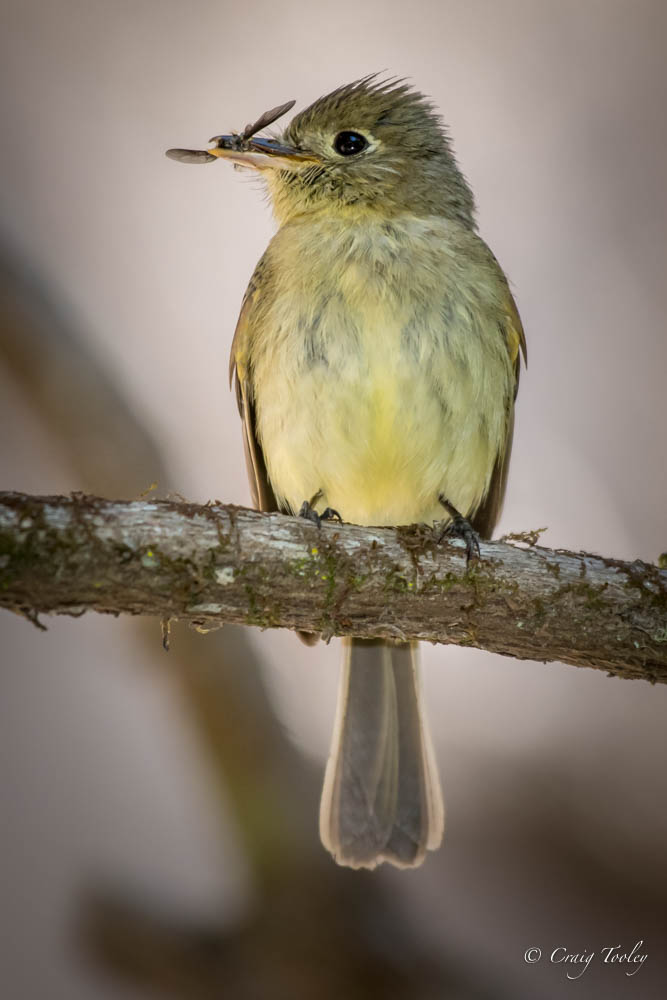
They are pretty darn cute.  As adults they will be small yellow-ish birds of the forests and streams. They are insect eaters. Pacific-slope Flycatchers are only found along the Pacific coast states. I often hear them in our forest. You can hear their call at this link: https://www.allaboutbirds.org/guide/Pacific-slope_Flycatcher/sounds

Here is a photo of an adult, taken by Craig Tooley. The bird has an insect in his mouth. He was probably about to bring it to chicks in a nest.

Thanks to Nancy and Craig for allowing me to share their photos with you here.