Author Archives: Jeanne Jackson

1 Comment

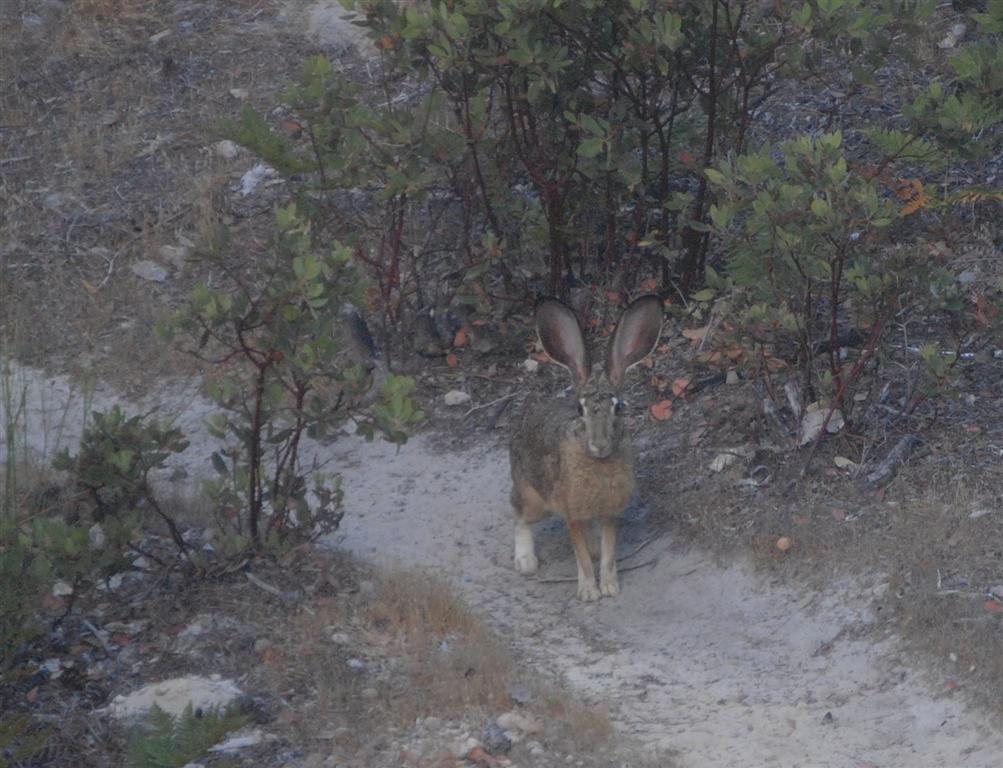
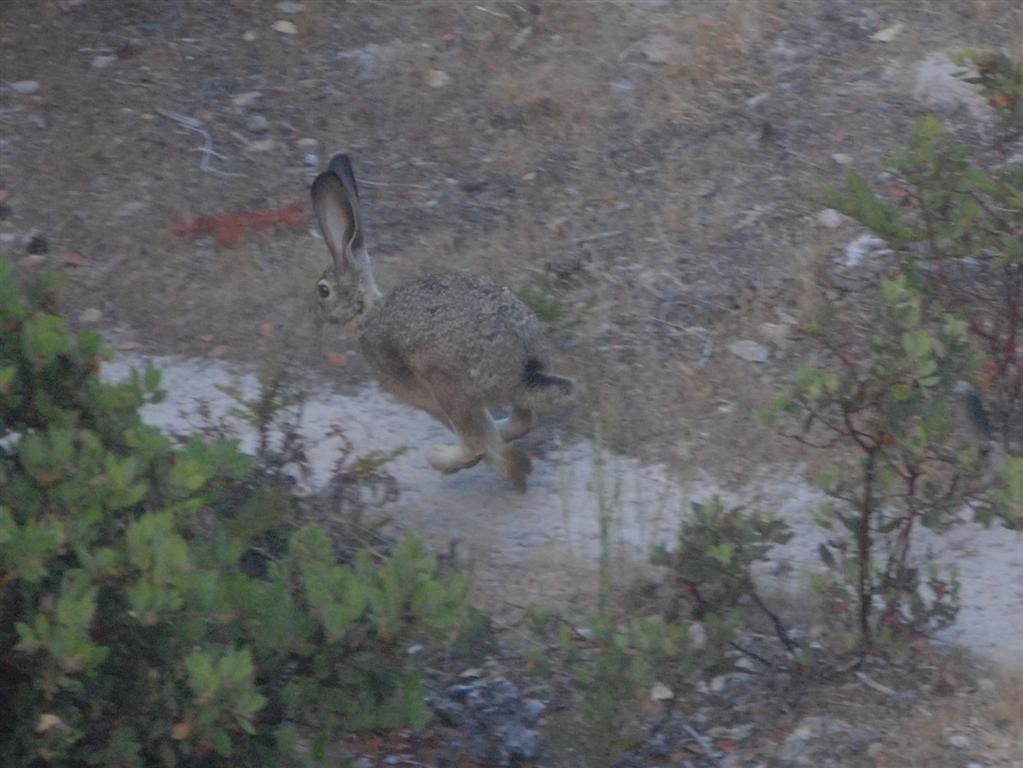
Earlier this week Rick looked out the window to find a Jackrabbit running up and down a portion of a trail in front of our house in Anchor Bay. We couldn't fathom what was going on! The Jackrabbit continued for several minutes, long enough for me to get my camera. I quietly went out on the deck, hoping it would reappear for its close-up. Rick whispered, "Here he comes again." I snapped a picture and the Rabbit froze, looking up at me. I was about 40 yards away. The Rabbit stared for several minutes while I took a few more photos and then high-tailed it out of there. The photos were taken in heavy fog. Perhaps you could consider it mood lighting!
2 Comments

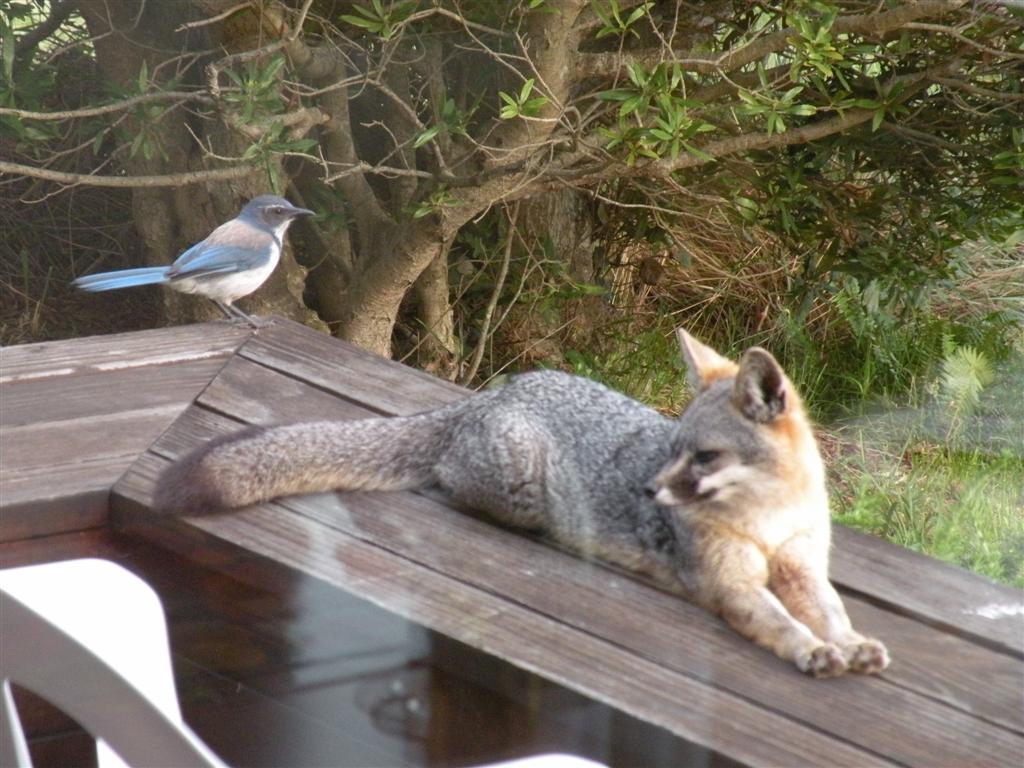
Ron Blubaugh photographed a Gray Fox lounging on a bench with a Western Scrub Jay perched nearby. Perhaps the Fox was full or just lazing the day away on the Mendonoma Coast!

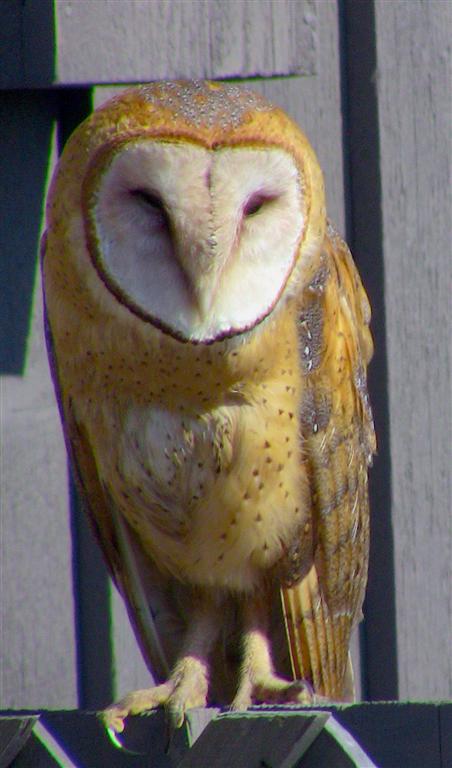
Rich Kuehn's neighbor on The Sea Ranch called him to come over and see if this large Barn Owl was doing okay. When Rich got there it was perched on a fench and nodding off. Rich theorized she - yes, it's a female - was hunting for her young, which a nocturnal Owl such as this usually does at night. But if needs be, a mother will do what she has to do.

To see another photo of this beautiful Barn Owl, go to the ICO's web site, click on on-line features and then Sighting photos! http://www.mendonoma.com/

1 Comment

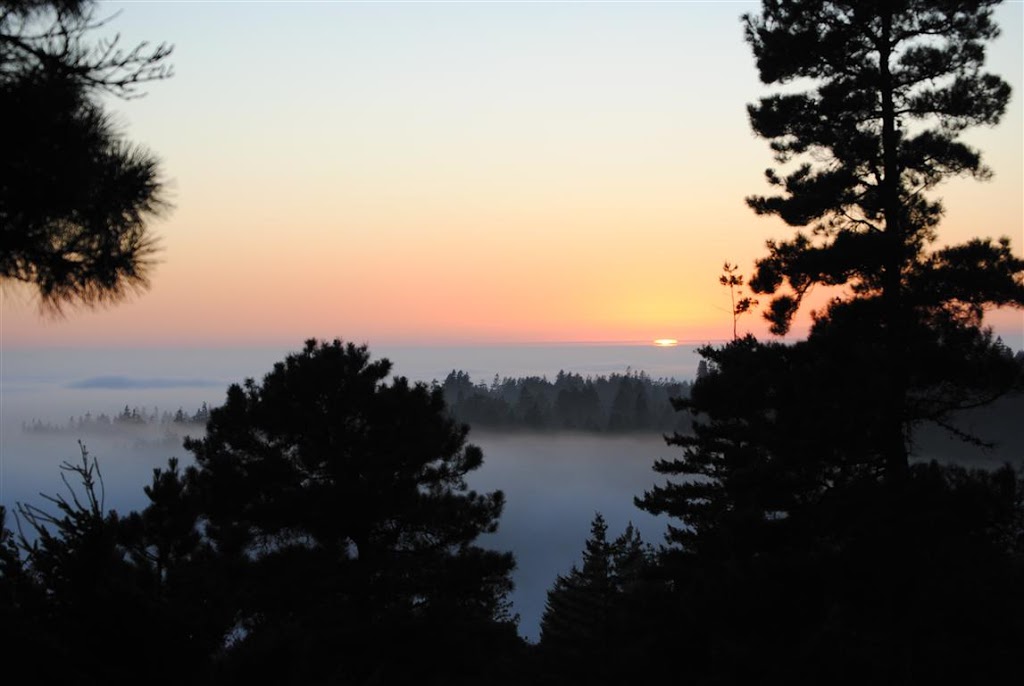
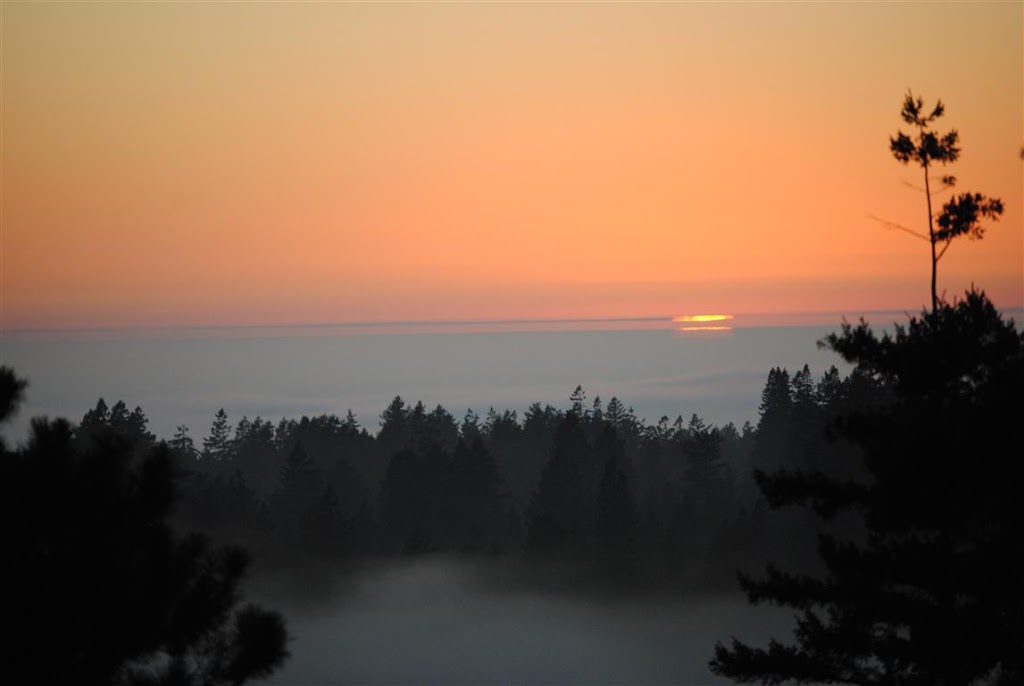
The fog hugged the immediate coast late yesterday but when we came home just before sunset, we were above the fog. The way the fog swirled up the canyons made it look like we were living in a dream. Here are two photos of last night's sunset.

Today the fog has gone and sunshine abounds. We might be talking about a green flash tonight!

1 Comment

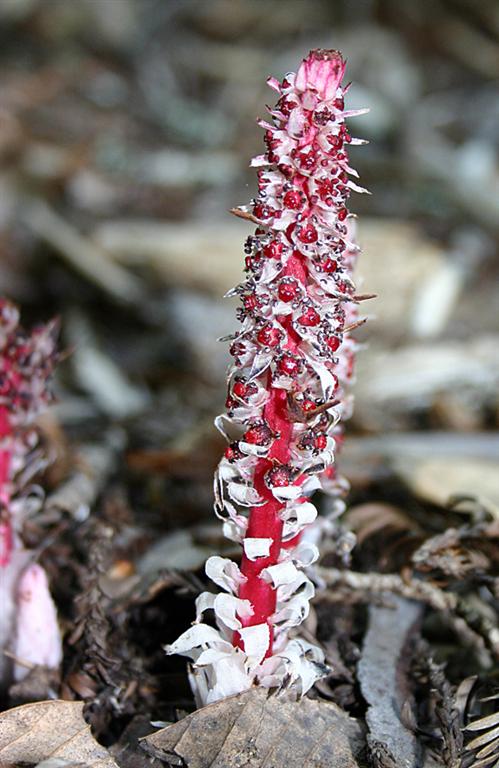
Sugarstick, also called Candystick, is a very unusual plant that grows on the West Coast. Its Latin name is Allotropa virgata. "Allotropa" means turned differently and refers to the flowers that turn outward or upward on this plant. It's unusual in that it doesn't have chlorophyll and is incapable of photosynthesis. So how does it survive? It obtains its food from fungi that are associated with host trees such as Douglas-Fir and Tan Oak.

It's a rare treat to find one. Nan Brichetto photographed this beauty and I thank her for allowing me to show it to you here.