Author Archives: Jeanne Jackson

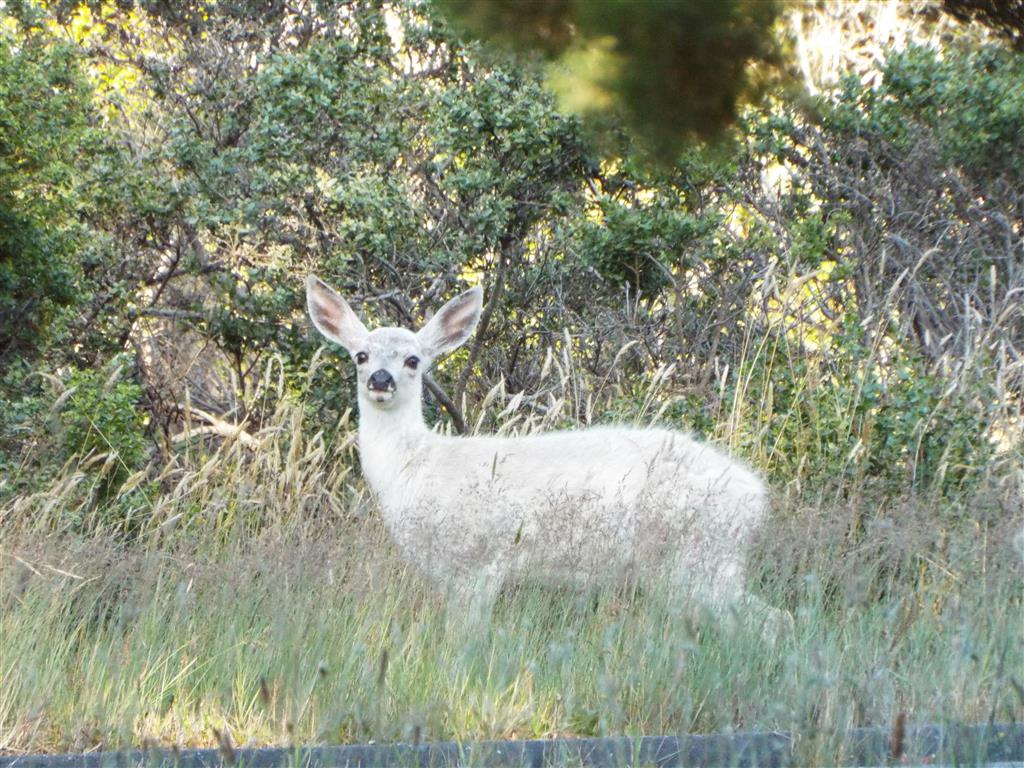
To see the white fawn on The Sea Ranch is like seeing something you can't quite believe. Several residents snapped photos recently. Darla Buechner got a nice close-up of this special fawn.
And below Rosey Beall got a cute photo of the fawn jumping.
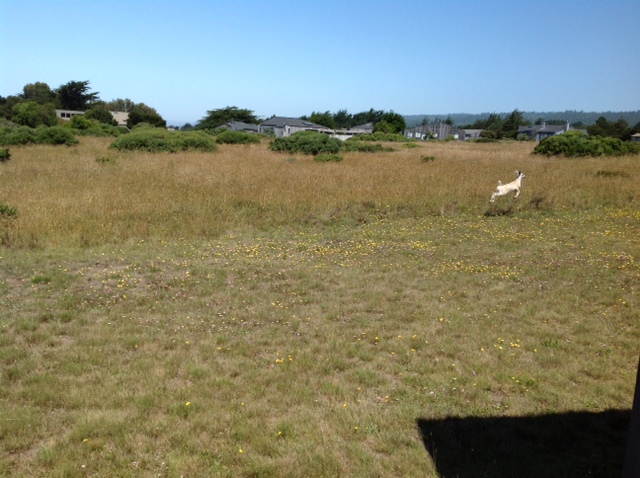
It is usually found near the 8th or 9th hole of The Sea Ranch golf links. We're not sure if this fawn is partially leucistic or if its a towhead, which means it would eventually color up. Time will tell!
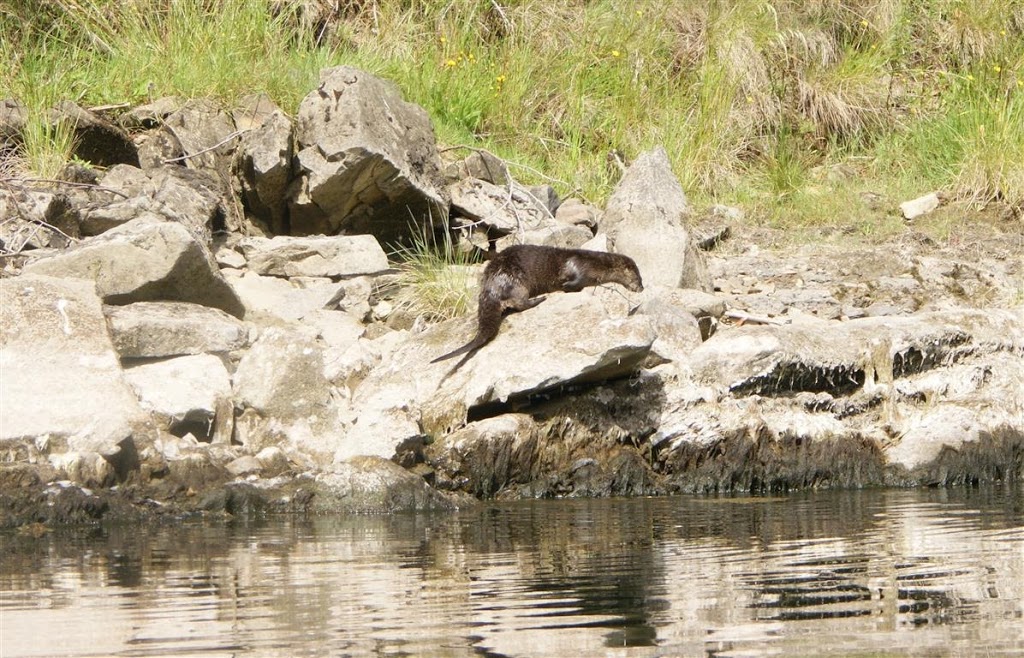
North American River Otters, Lontra canadensis, can only survive in unpolluted waters, a testament to the clean waters of the Mendonoma Coast. On our recent kayak trip, Rozann Grunig photographed a River Otter that had just climbed out of the Gualala River and onto the riverbank of the lagoon.

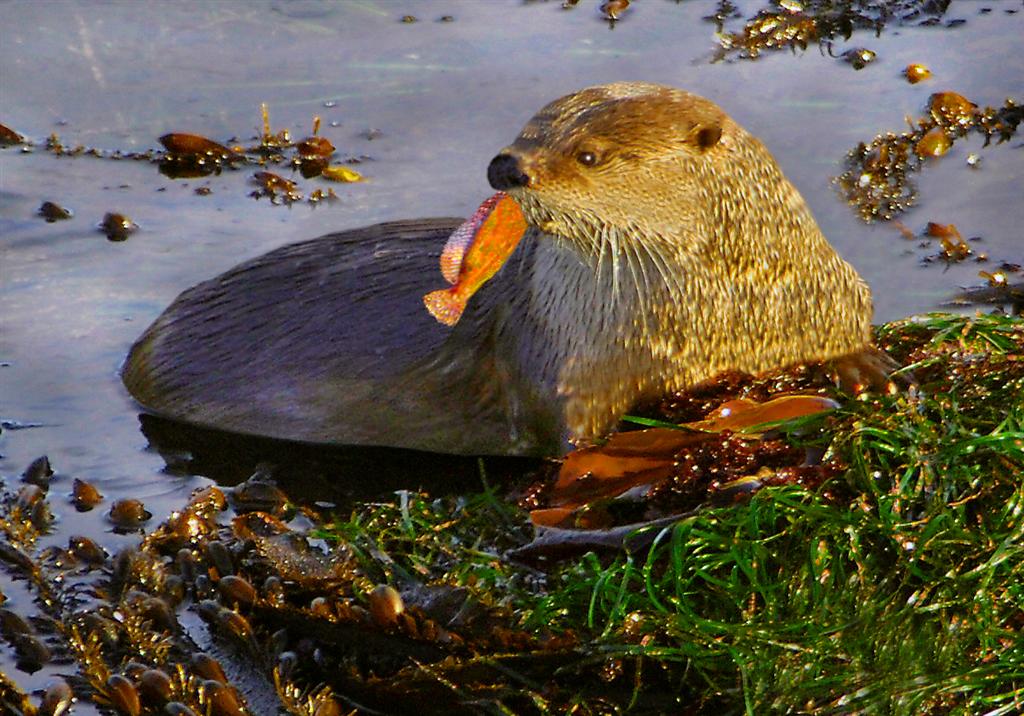
And below is a photo Siegfried Matull took of a River Otter with a fish in its mouth. 

Along with their favorite food, fish, River Otters have been seen cooperatively taking a Gull, or even a Brown Pelican, found resting on the river, unknowing there was danger.

River Otters have been seen playing - sliding down riverbanks or along kelp beds. They are part of the fabric that is the Mendonoma Coast.

Thanks to Rozann and Siegfried for allowing me to share their photos.

1 Comment

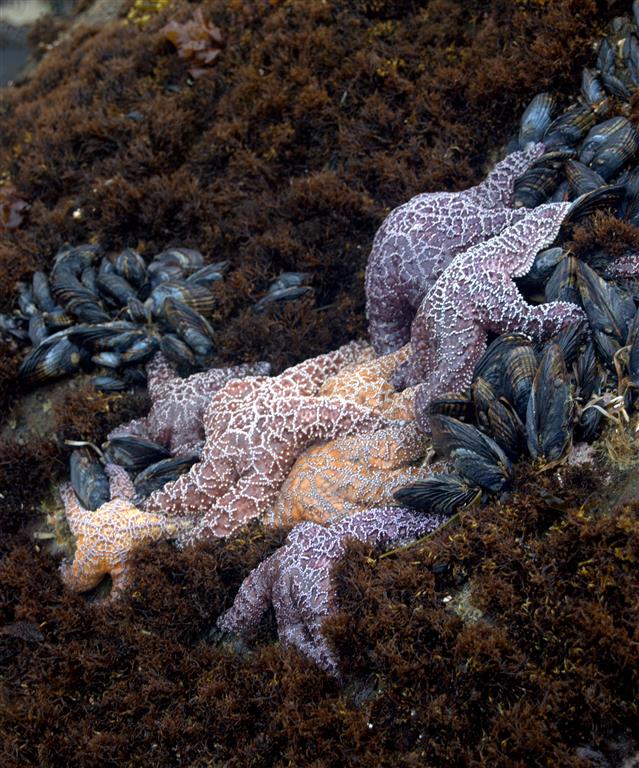
I always save the Independent Coast Observer's tide table and put it on my refrigerator door so I know when the low tides are. Peggy Berryhill keeps her eye on the low tides too. She went out recently and here's what she discovered - beautiful Sea Stars nestled in with mussels.

Sea Stars, often called Starfish, are in the class Asteroidea. There are over 2,000 species of Sea Stars living in the world's oceans. They are closely related to Sea Urchins and Sand Dollars. One strange fact about Sea Stars is that they have no brains and no blood; they use filtered sea water in place of blood.

And when the tide is low, their loveliness is revealed to all.

Thanks to Peggy for allowing me to share her photo with you here.

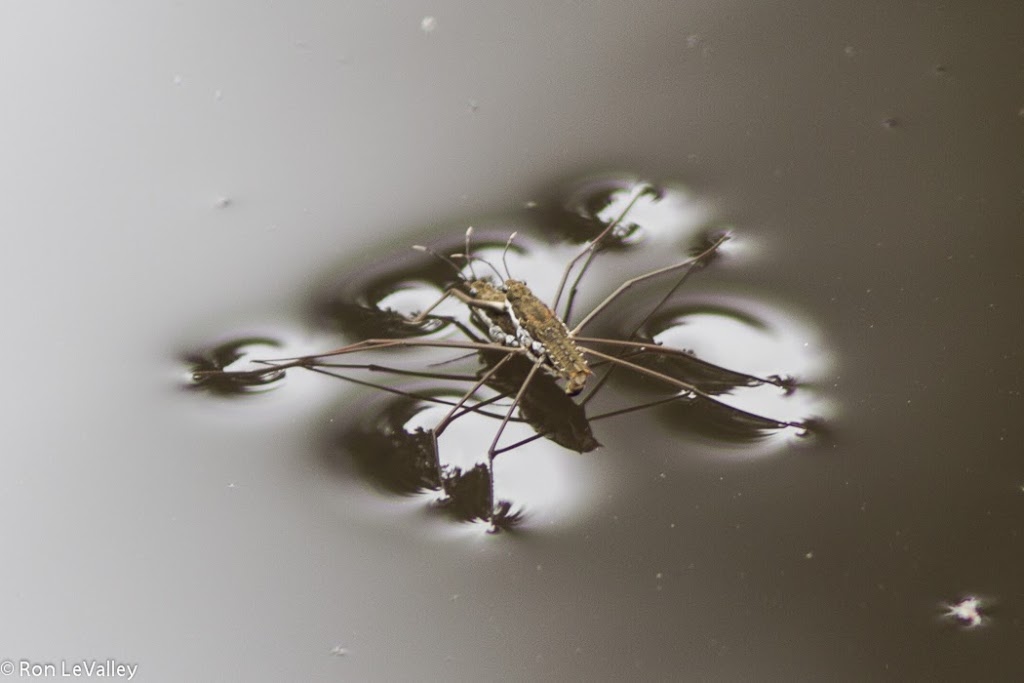
Ron LeValley photographed a pair of Water Striders mating on a pond. Look closely at the surface tension of the water - trees are reflected.

Water Striders are bugs that can literally walk on water. They eat insects on the surface of the water.

Beauty surrounds us if we but pause to notice. Lucky for us that Ron has allowed me to share his photo here. To see much more of  Ron's photography, here is his website: http://www.levalleyphoto.com/home/

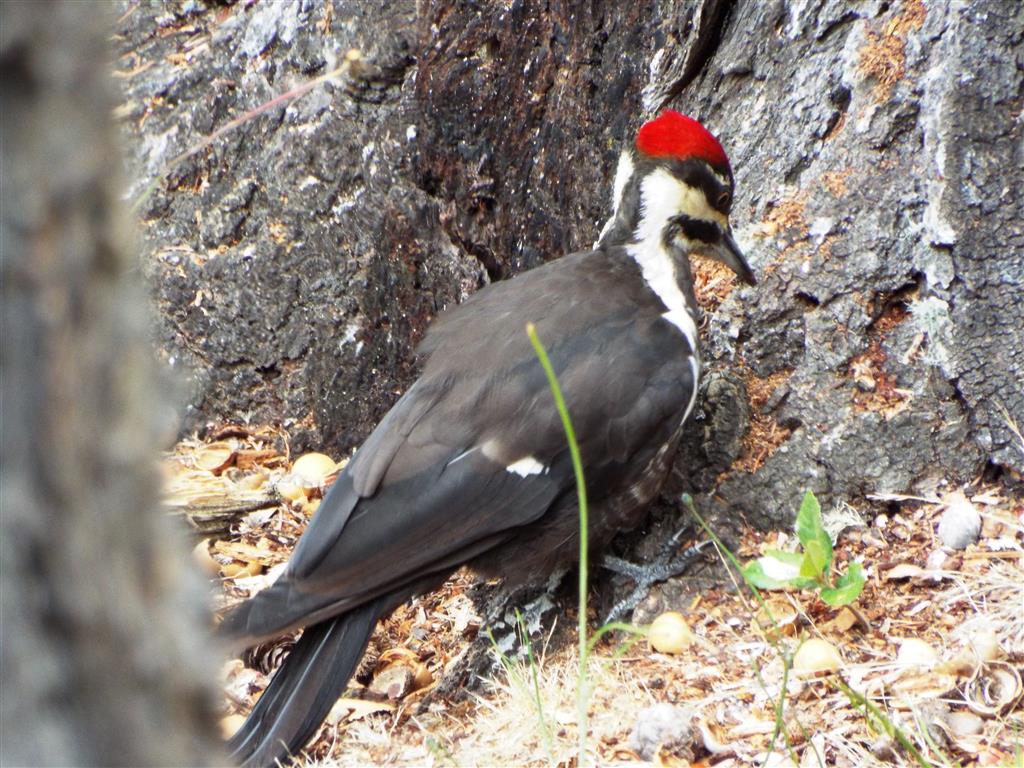
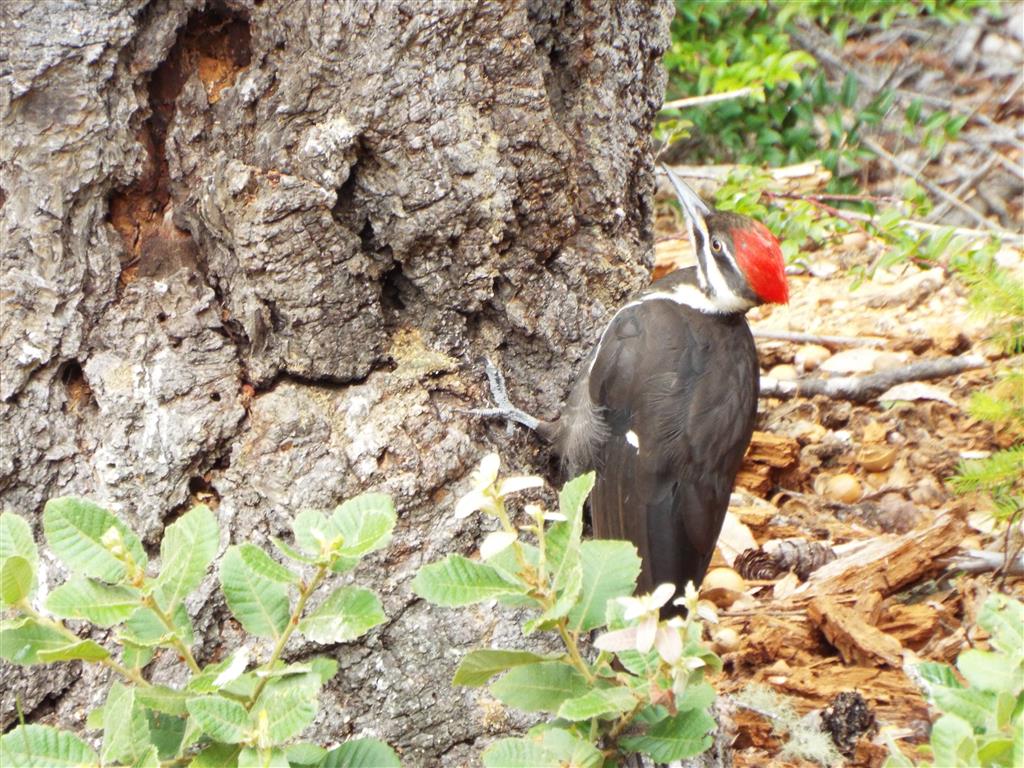
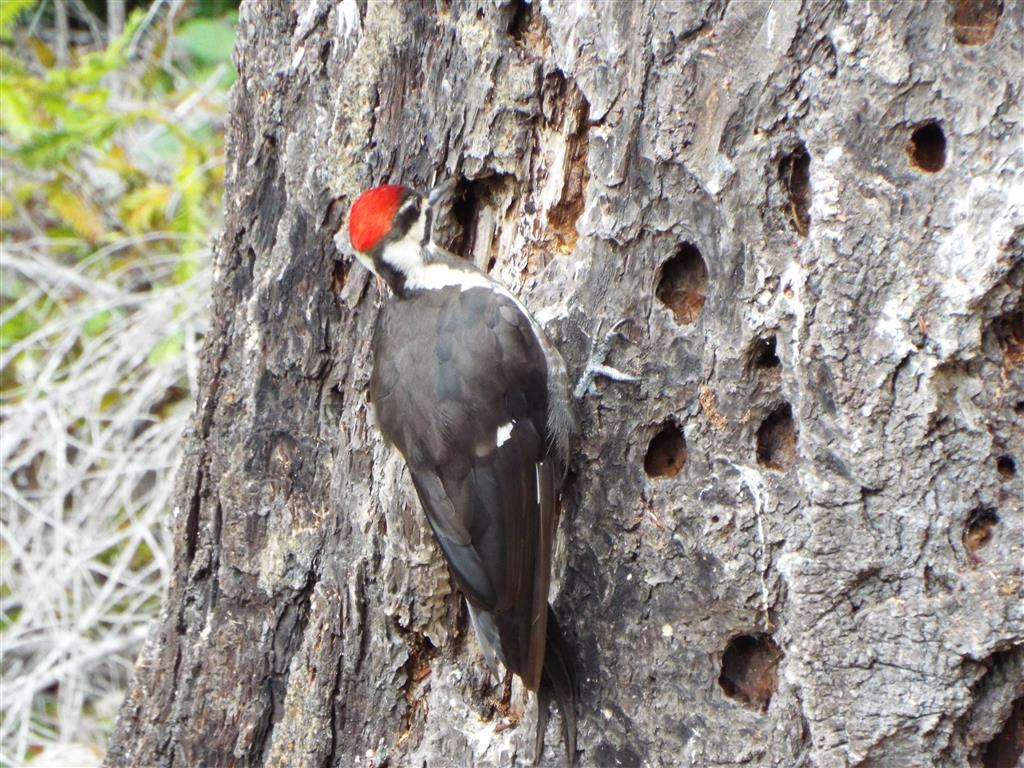
I often hear the unique call of a Pileated Woodpecker as they travel through the forest. Yesterday two of these distinctive birds landed on a tree in front of our house. Darla Buechner had one land just off her deck and she got some great photos.

Pileated Woodpeckers eat ants and other insects, drilling away in dead wood. They make rectangular holes, which is unique to them.

You can see pieces of wood to the right of the photo above. This is indicative of a Pileated hard at work.

In the photo above the Pileated is on a granary tree, a snag that Acorn Woodpeckers are using to store acorns in the round holes. Darla thought the Pileated might be stealing the acorns and I guess that could be true. But I think it more likely this bird was snacking on bugs attracted to the acorns.

Thanks to Darla for allowing me to share her photos with you here. To hear the sounds of a Pileated Woodpecker, here is the link to the Cornell Lab of Ornithology: http://www.allaboutbirds.org/guide/pileated_woodpecker/sounds

And to see a cavity nest with two juvenile Pileateds taken by Nan Brichetto, here is the link: http://www.mendonomasightings.com/2011/05/31/pileated-woodpecker-feeding-two-babies-a-fantastic-photo-taken-over-the-weekend/