Author Archives: Jeanne Jackson

Bettye Winters regularly walks the north end of Manchester State Park Beach with her dog, Hunter. This is what Bettye had to say, “This morning there was another first waiting for me. I’ve never come across a shark on our beach. It was small and still alive. I put Hunter on a down/stay. I tried to get it back in the water by rolling it with a big stick but it would just get washed right back to the sand. It was thrashing around and those teeth were awfully sharp looking.”
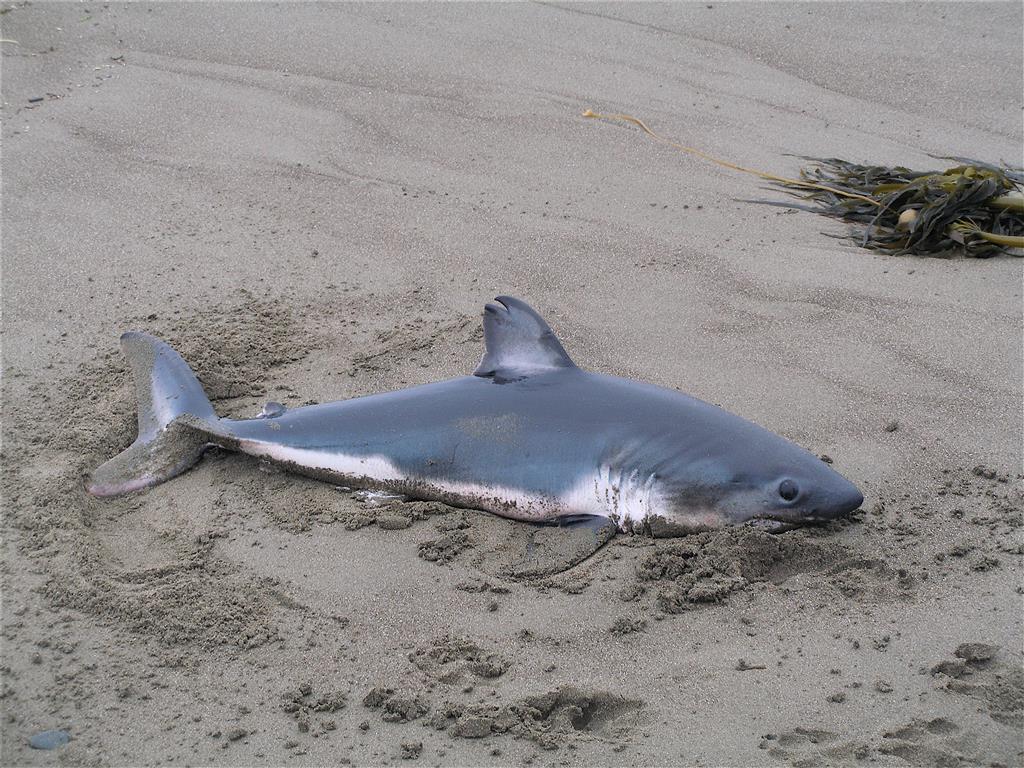
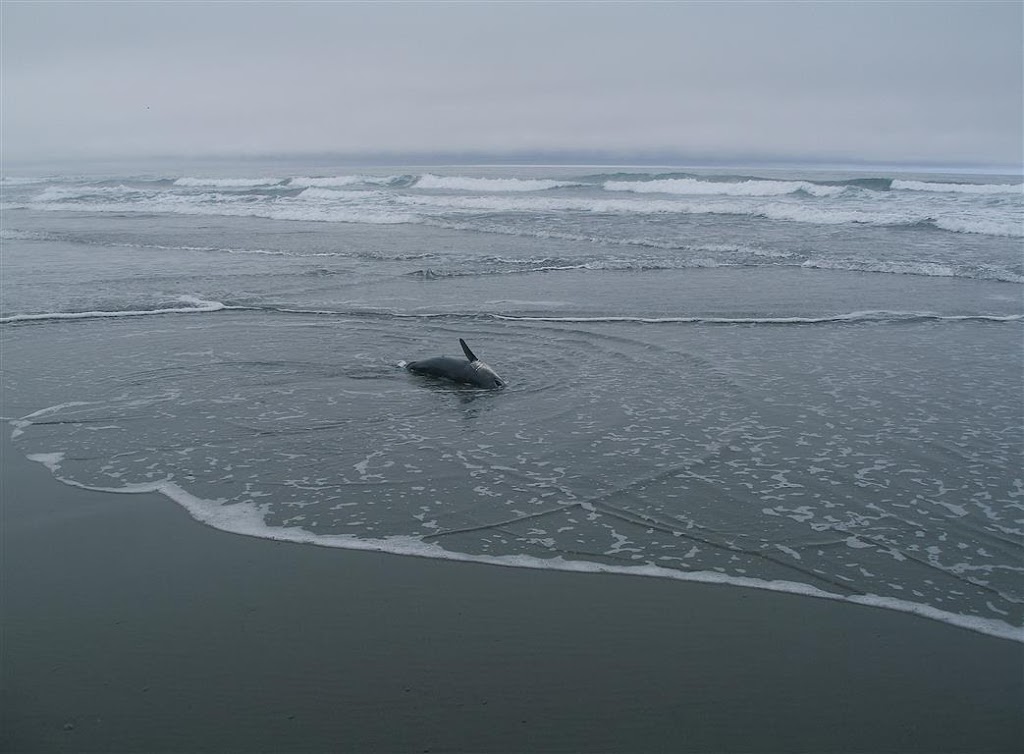
High tide was coming in and Bettye hoped the tide would take it further out to sea so it could survive but that wasn’t to be. The next day she found its body down by Alder Creek, about a mile from where she originally spotted it.
This was a Salmon Shark, Lamna ditropis. They eat salmon, squid, sablefish and herring. They resemble a Great White Shark in that their eyes are close to their snout. The Salmon Shark, however, only grows to ten feet long.

The question is why this shark died up on the beach. Eric Anderson had a good theory. He wrote, "I talked to a state biologist a few years ago because one had washed up on Anchor Bay Beach. I took it down to the Bodega Bay labs. The shark biologist told me they get about ten a year that wash up on beaches. He suspected they eat other fish that have eaten too much plankton.”

So, while we are sad this Salmon Shark died, we feel lucky we got the chance to see it. Thanks to Bettye for allowing me to share her photos with you here.
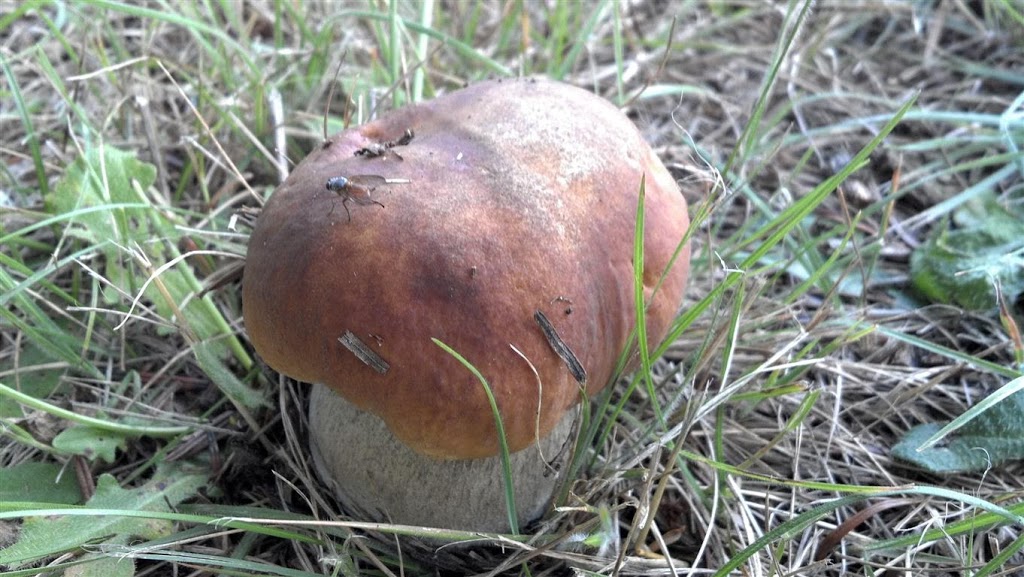
A choice, edible mushroom that *normally* blooms in the fall, usually in November, has fruited on the Mendonoma Coast. Cathleen Crosby had a half dozen pop up near her home in Gualala

This is exactly what you look for - a big, fat mushroom with a thick, white stalk and a brown cap. Under the cap is a sponge rather than gills. This mushroom is a joy to find and delicious to eat. Now I wonder what will happen when our fall rains begin. Will we get a normal bloom of King Boletes?

Our summer edible mushroom is The Prince, Agaricus augustus. It is blooming on schedule as Leslie Hoppe's photo shows you. The Prince often pops up near roads and trails. When it is young it tastes sweet and almondy; when older it tastes more "mushroomy."

Thanks to Cathleen and Leslie for allowing me to share their photos with you here.

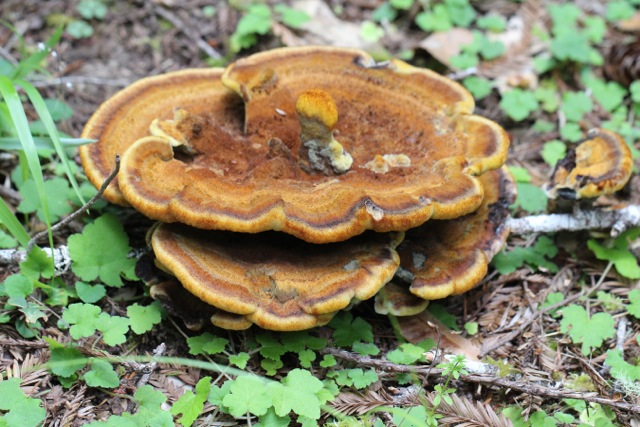
You'd expect to find Prince mushrooms on the Mendonoma Coast in summer. And, in fact, they are fruiting. But with the unusual heavy rain we received the end of June, we've have autumn mushrooms fruiting now - King Boletes, Chanterelles, a lone Sweettooth Hedgehog and several Cocorras. Now a Dyer's Polypore has fruited, at least a month earlier than normal. Is this the new normal? Time will tell. Nan Brichetto photographed this beauty Saturday in our forest in Anchor Bay.

This fungus helps the forest by decomposing dead wood. It is prized by dyers of yarn. When young, like this specimen, it dyes yarn yellow or orange. As the polypore ages it will dye yarn a warm brown.

Thanks to Nan for allowing me to share her photo with you here. I will enjoy watching this mushroom evolve and plan on sharing photos for you to see in the weeks to come.

Here's Peter Baye's experience recently on a kayak trip on Ten Mile River, north of Fort Bragg.

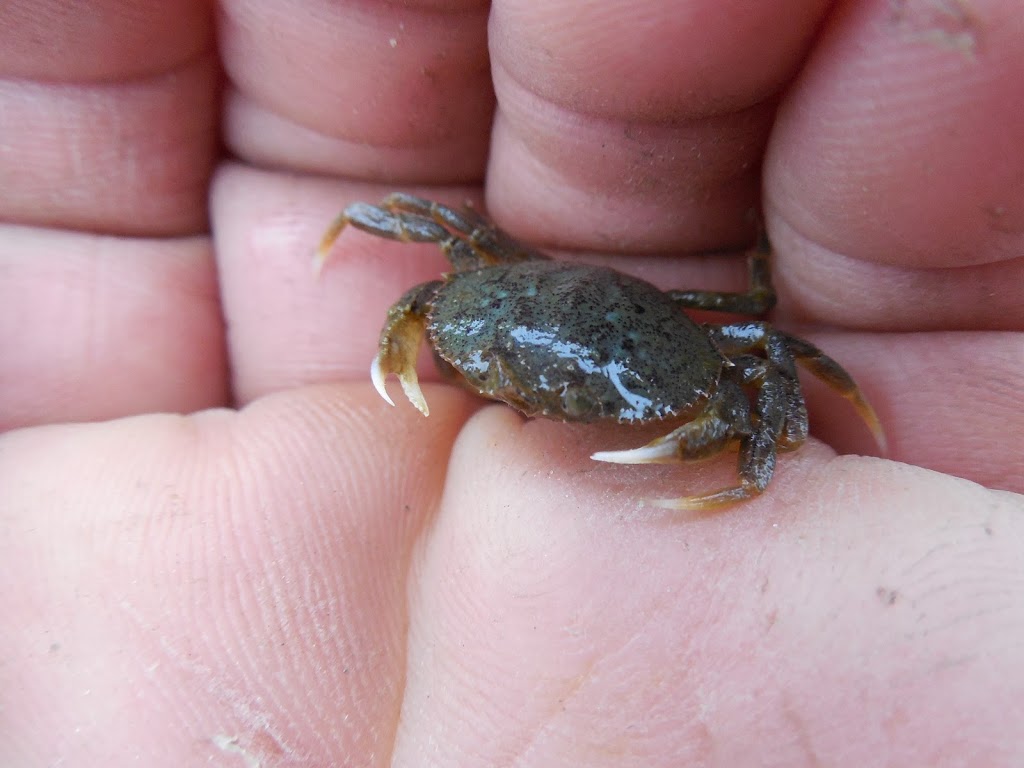
“Will Erickson and I found innumerable small crabs covering the eelgrass beds of the estuary, and running over the bottom on the flood tide as though stampeding! We estimated at least 50 per square yard. They looked like little Dungeness Crabs, and it turns out that’s exactly what they are! The eelgrass beds seem to be a nursery.”

A Dungeness Crab nursery, how wonderful is that? Dungeness Crab from the waters off the Mendonoma coast is delicious. Knowing that there are so many baby crabs in the estuary is like having money in the bank!

Ten Mile River is found ten miles north of the mouth of the Noyo River in Fort Bragg.

Thanks to Peter for allowing me to share his photo with you here.

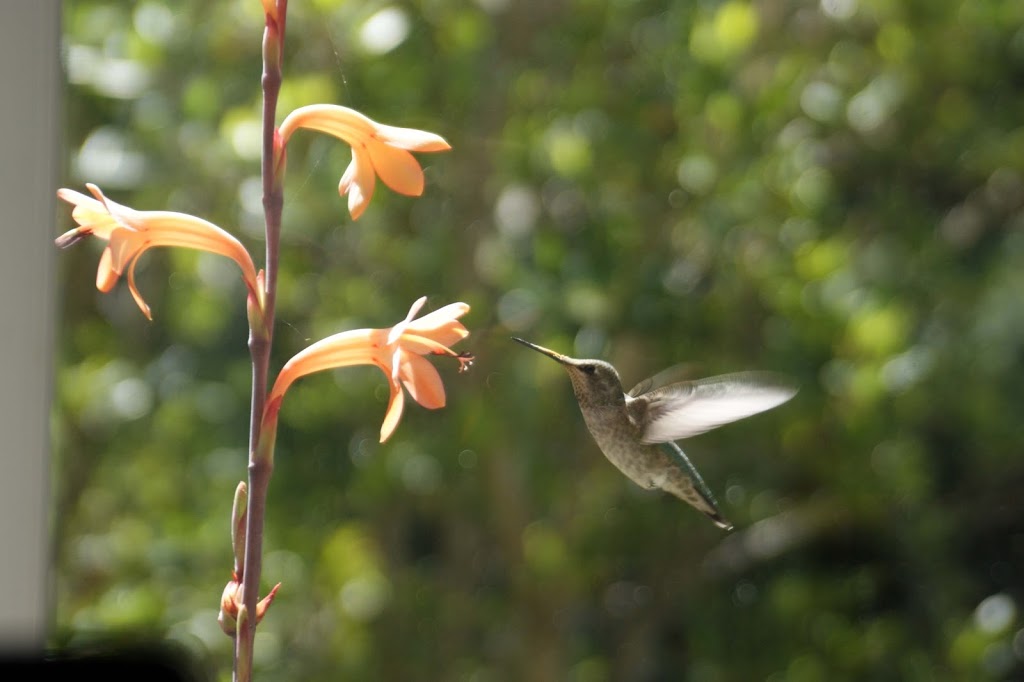
Rozann Grunig saw this Anna's Hummingbird feeding on Watsonia and captured this beautiful photo.

Anna's Hummingbirds are only found on the Pacific Coast. They are year round residents of the Mendonoma Coast. They weigh no more than a nickle.

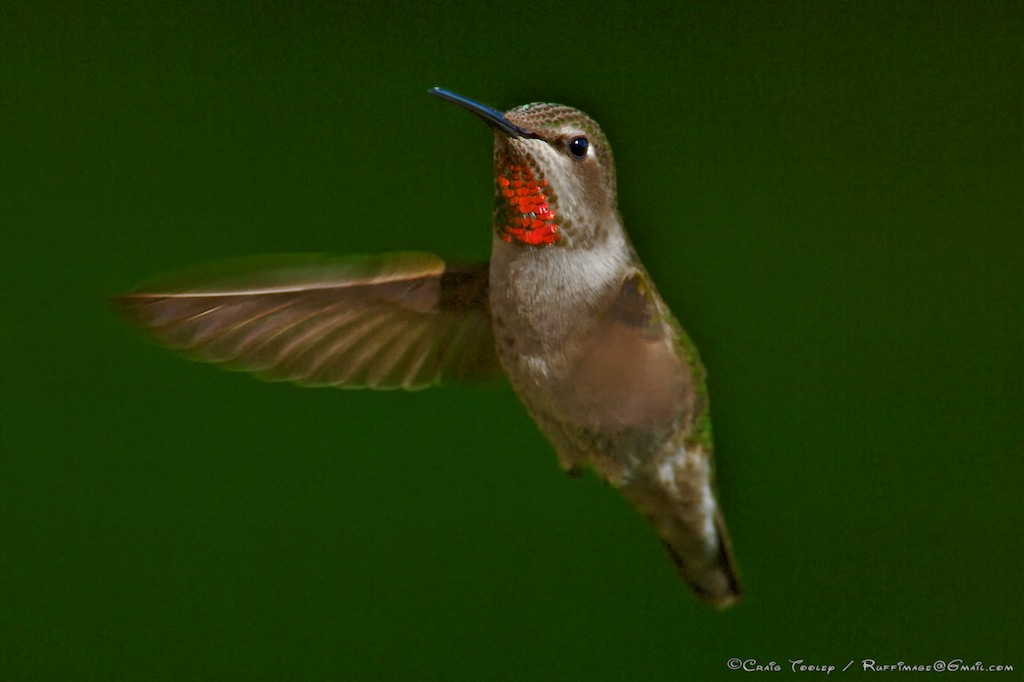
When the sun hits the throat of a male Anna's, the beautiful iridescent reddish feathers are revealed. Craig Tooley's photo shows this.

Thanks to Rozann and Craig for allowing me to share their photos with you here. To see much more of Craig's photography, here is his website: www.ruffimage.com