Author Archives: Jeanne Jackson

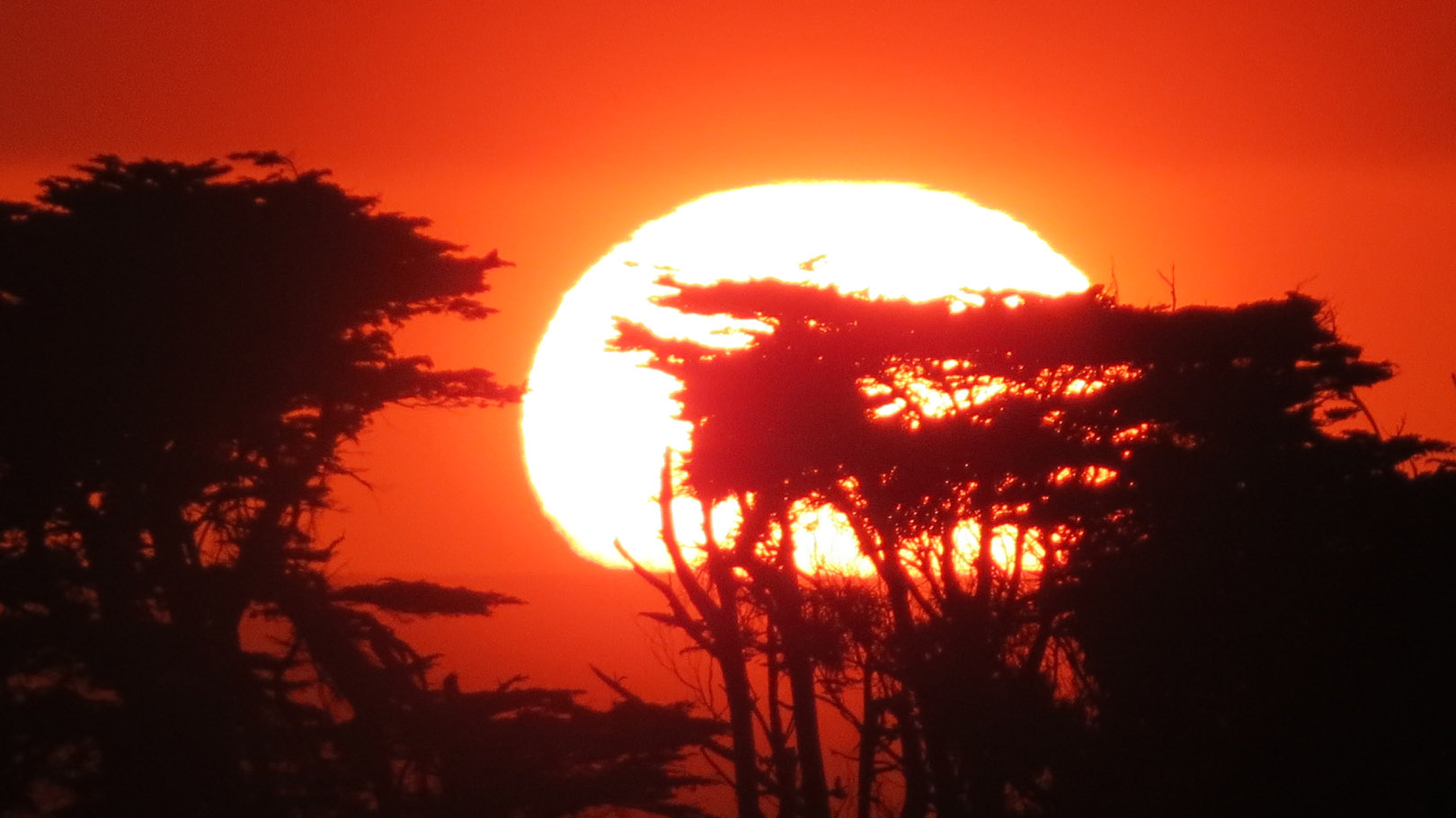
Mark Simkins photographed the setting sun through trees near Manchester recently.  The sun looks huge!

A magnificent sunset at Manchester by Mark SimkinsSeeing the sun set "into the ocean" is one of the privileges of being on the Mendonoma coast.

We've had a lot of fog since last Saturday. But the fog lifted this afternoon and blue skies are now the rule.

Thanks to Mark for allowing me to share his photo with you here.

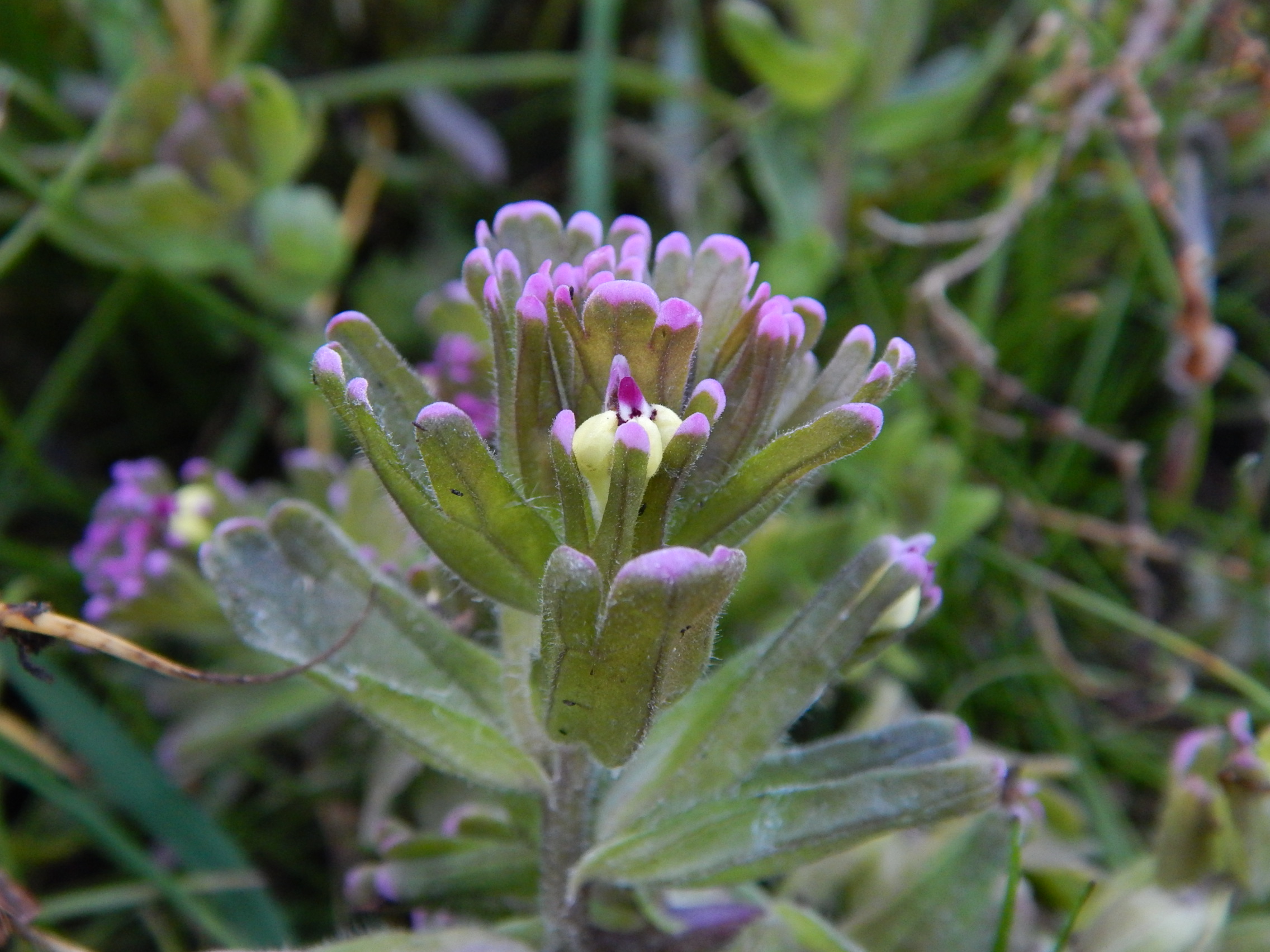
Peter Baye wrote, “I found a new rare plant at the Stornetta Lands along the P’da Hau [Garcia] River estuary last week, Humboldt Bay owl’s clover, Castilleja ambigua, subspecies humboldtiensis.”

Humboldt Bay owl's-clover, Castilleja ambigua  humboldtiensis, by Peter Baye

This plant is found in tidal marsh locations and was originally thought to be endemic to Humboldt Bay, hence its common name. But it’s been found in Mendocino County at Big River. And now it’s been found at the Point Arena-Stornetta Lands.

Peter wrote further, “The surprises of the Stornetta Land’s varied habitats have only been open to botanical exploration for a few years. Perhaps more botanical gems await discovery!”

Thanks to Peter for allowing me to share his photo with you here. I look forward to new discoveries in the special Stornetta-Point Arena Lands.

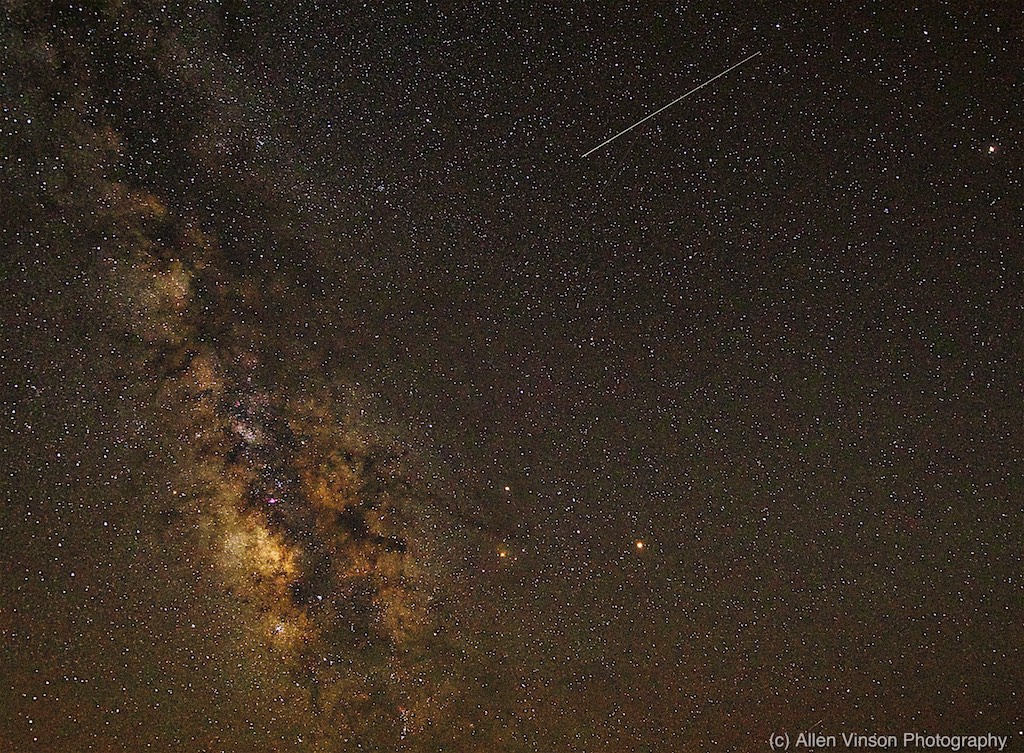
Here on the Mendonoma Coast we celebrate our lack of light pollution. That allows for some wonderful night sky views. Allen Vinson is the latest coast photographer to try his hand at photographing the Milky Way and he got a bonus "shooting star." Allen said this first photo was a 20 second exposure.
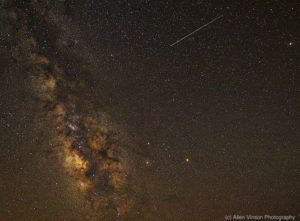
Milky Way by Allen Vinson

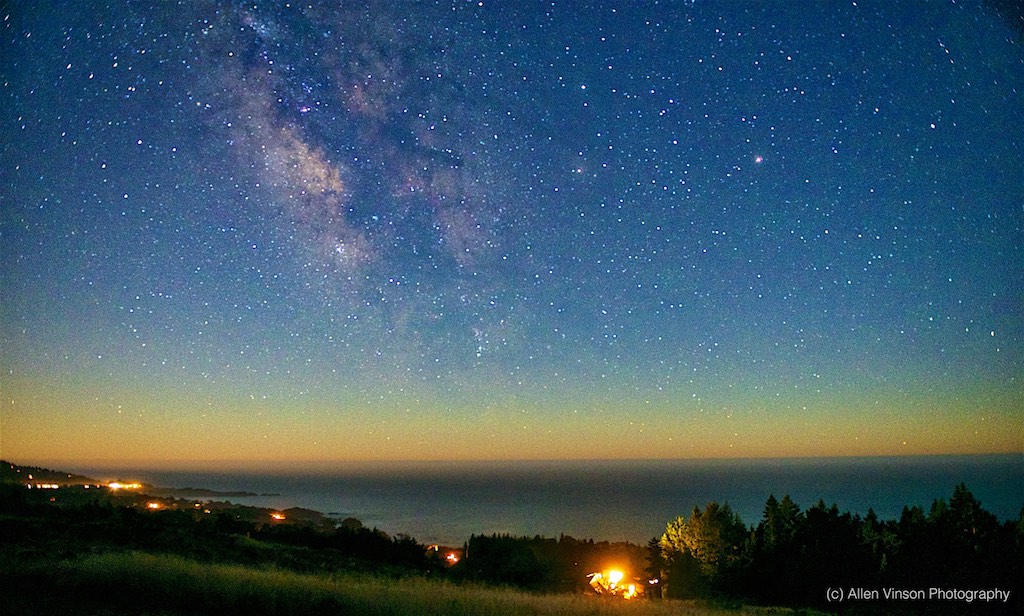
Allen took another photo which shows some of The Sea Ranch.
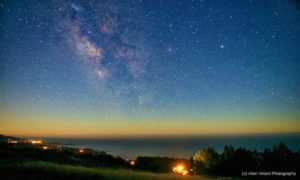
The Milky Way over The Sea Ranch by Allen Vinson

I asked Allen how he photographed this. He wrote,

"The Sea Ranch Lodge is in the lower left.
The photo info is:  ISO 3200, f/2.8, 15 second exposure, 14 mm lens.
I read up on how to photograph the Milky Way, and on a dark night, a 30 second exposure is recommended.  Here, the moon may have been getting close to rising.
Rather than time lapse, which I have used to record the changing clouds every 20 seconds over a 3 hours period so it plays back in just a couple of minutes, this is a long exposure."

Thanks to Allen for allowing me to share his beautiful photos with you here. To see more of Allen's nature photography, here is the link: http://allenvinson.smugmug.com/
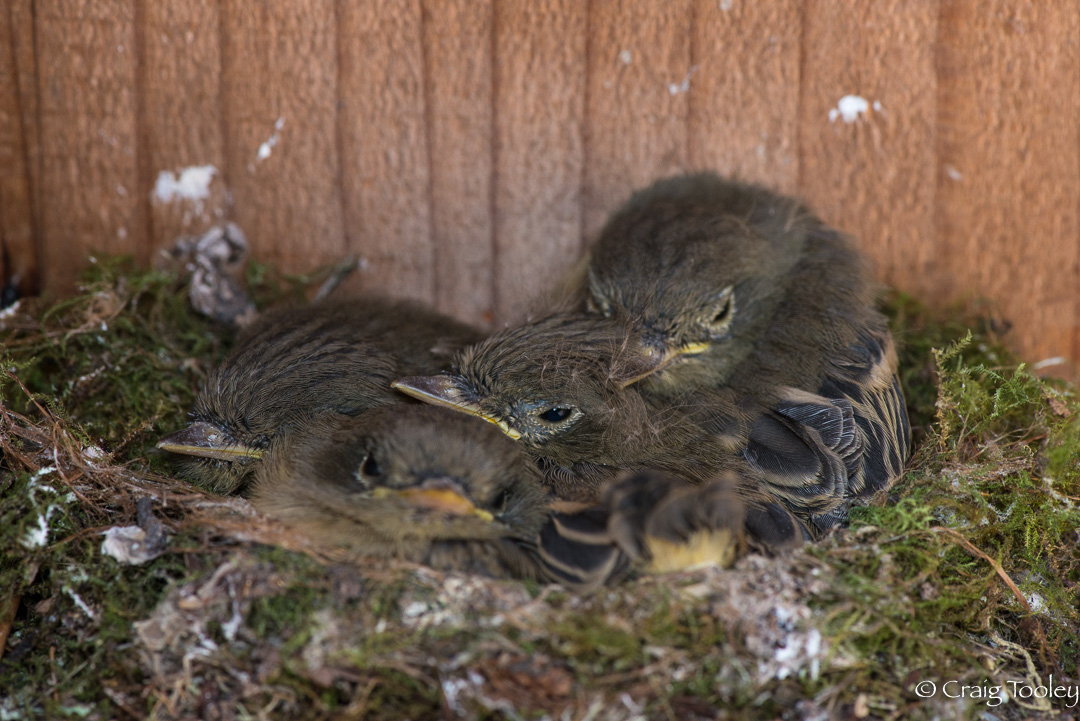
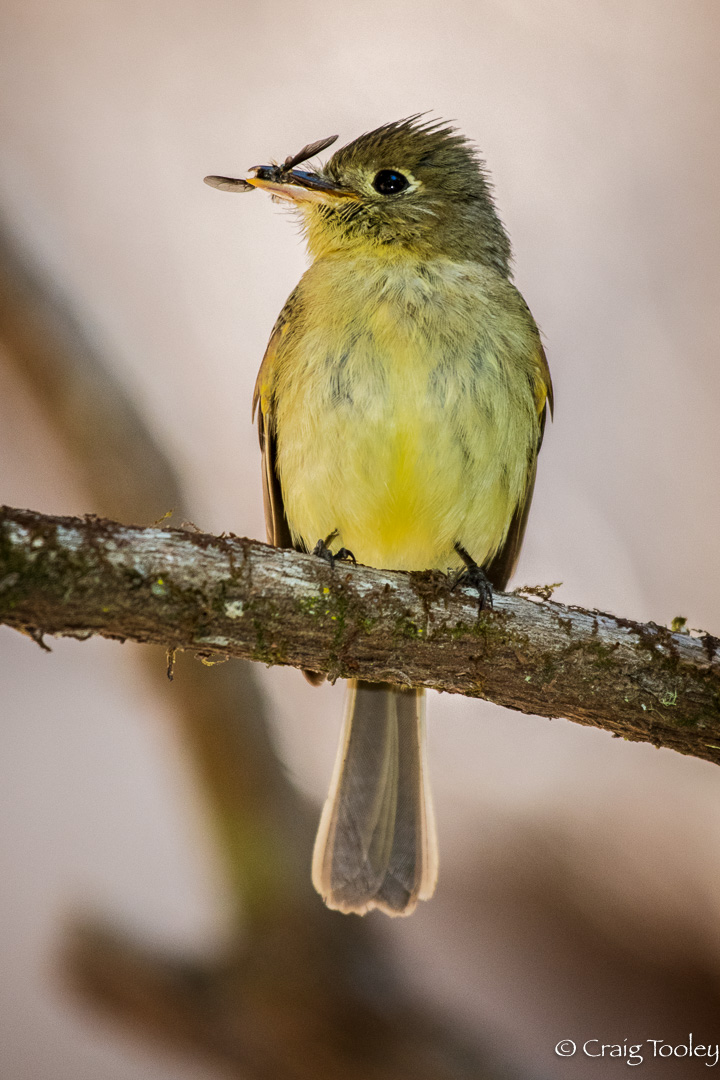
Pacific-slope Flycatchers are small birds of the forest. Craig Tooley recently found a nest of chicks waiting to be fed.Pacific-slope Flycatcher chicks waiting to be fed by Craig Tooley Not to worry, one of the parents had just caught a bug and would be soon flying to the nest.

Pacific-slope Flycatcher with a bug by Craig TooleyTo hear the calls of this bird, here is a link to the Cornell Lab of Ornithology: https://www.allaboutbirds.org/guide/Pacific-slope_Flycatcher/sounds

Thanks to Craig for allowing me to share his photos with you here. To see much more of Craig's nature photography, here is the link to his website: www.ruffimage.com


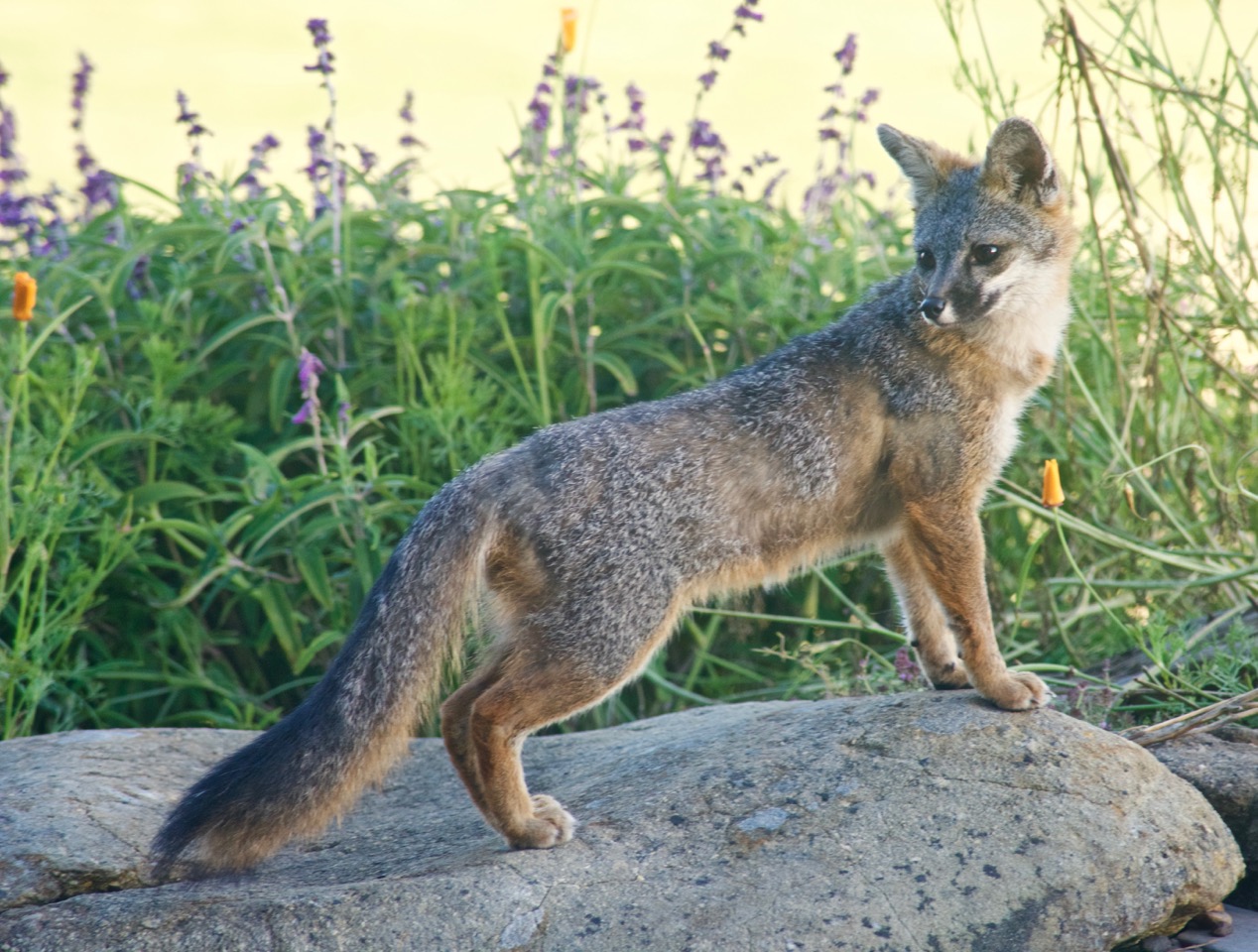
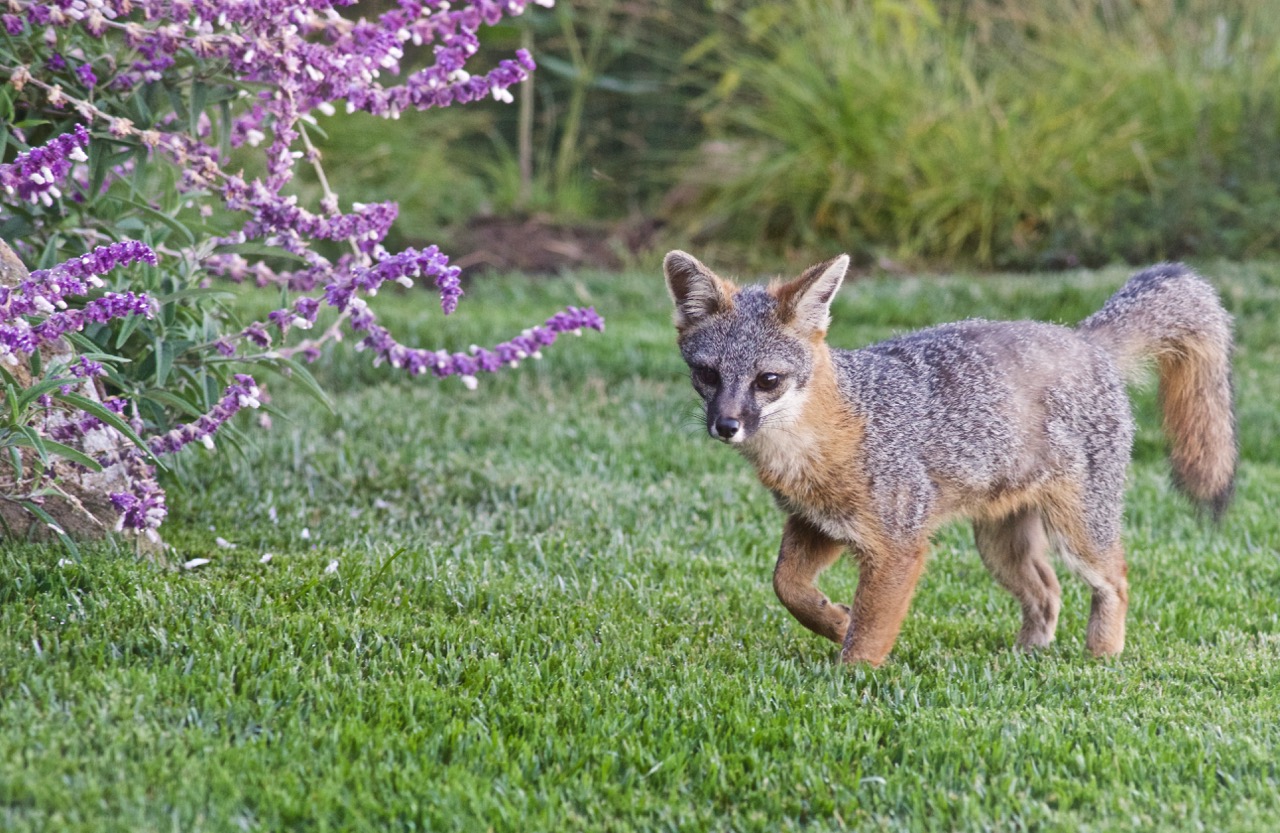
Gray foxes have had their kits, and the kits are growing up. They love to play with each other and they are very cute to see. Grace O'Malley has had two healthy-looking kits coming to her place near Timber Cove for water.

Young Gray Fox kit by Grace O'Malley Gray Fox kit by Grace O'MalleyMaya Looney photographed what looks like an adult near The Sea Ranch.

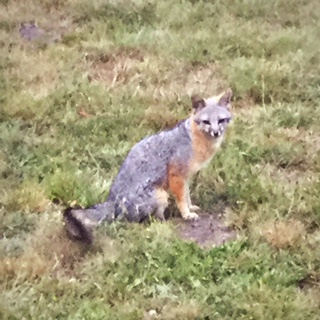
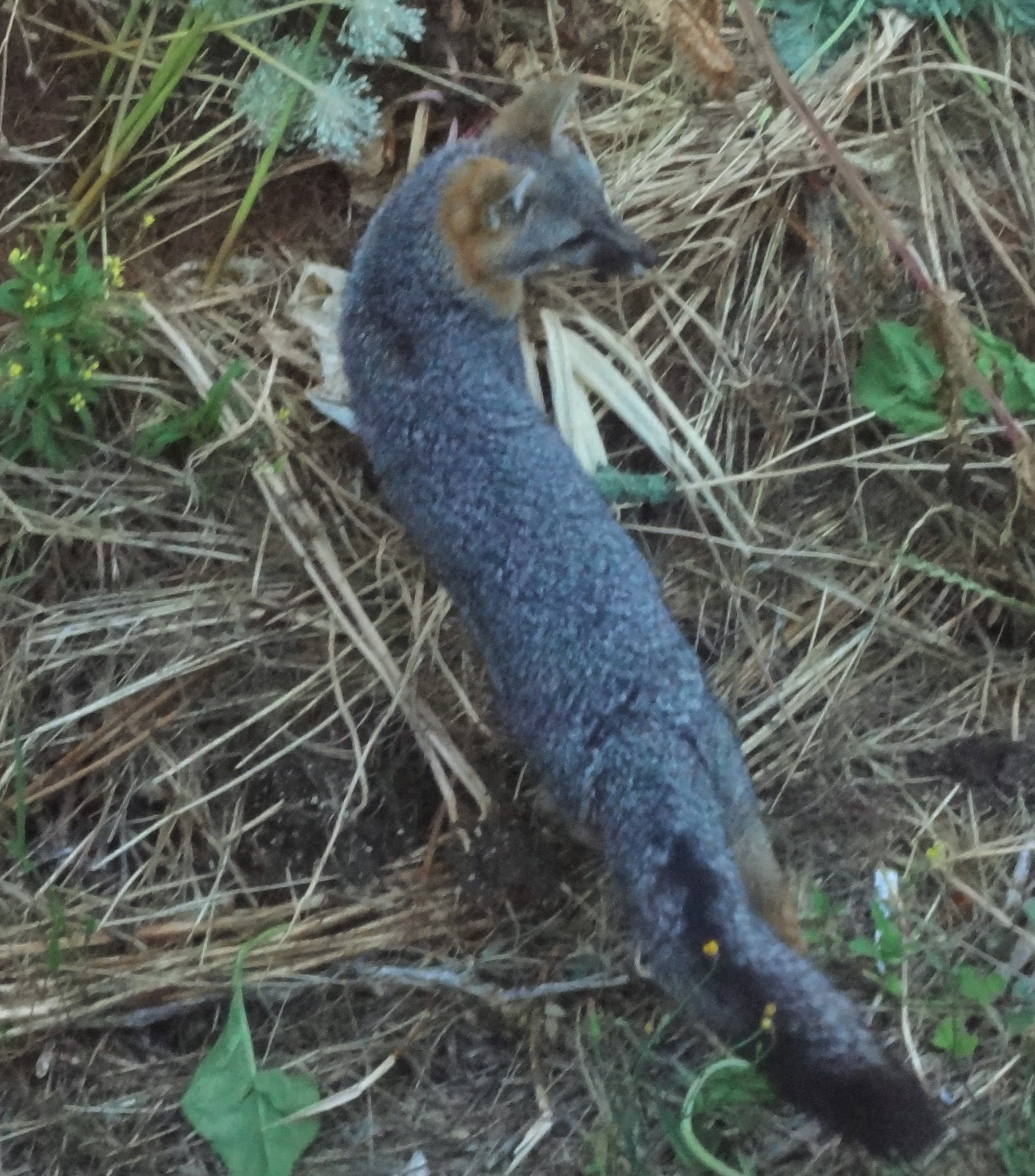
Gray fox by Maya LooneyAnd Karen Scott has this adult Gray fox visit her compost pile, eating the kale she had tossed in.

Gray Fox visits a compost pile by Karen ScottGray foxes are great rodent hunters. They also eat wild mushrooms, berries, and now we know they eat kale!

Thanks to Grace, Maya and Karen for allowing me to share their photos with you here.