Author Archives: Jeanne Jackson

Bob Rutemoeller recently photographed a beautiful Leopard lily, Lilium pardalinum. They are also called Tiger lilies.
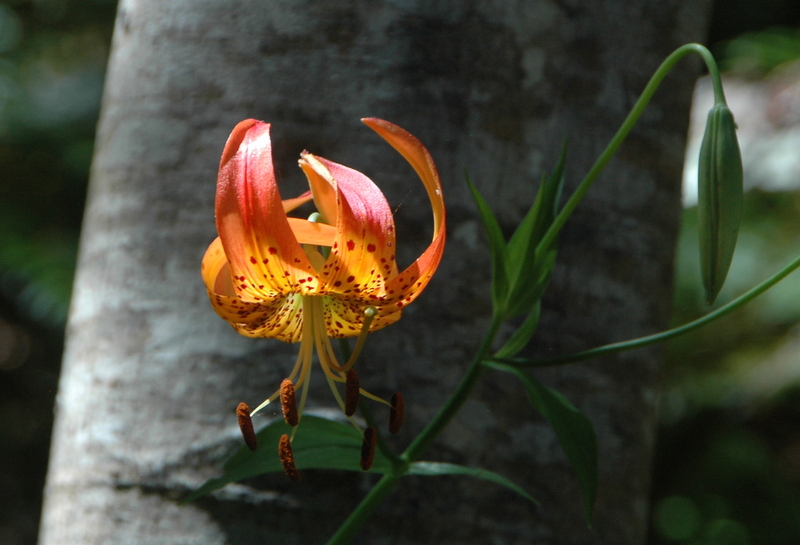
Leopard Lily by Bob RutemoellerYou can see in Bob's photo that there is a bud in the background. This tall lily puts out multiple blooms. I have some growing near our place in Anchor Bay. They can grow several feet high. Never pick the flowers, though! They need to develop seeds in the flower head so they will grow again next year.

In my book, Mendonoma Sightings Throughout the Year, I have a fun fact about this native wildflower: It you smell a Tiger Lily, you are sure to get freckles.

Thanks to Bob for allowing me to share his photo with you here.
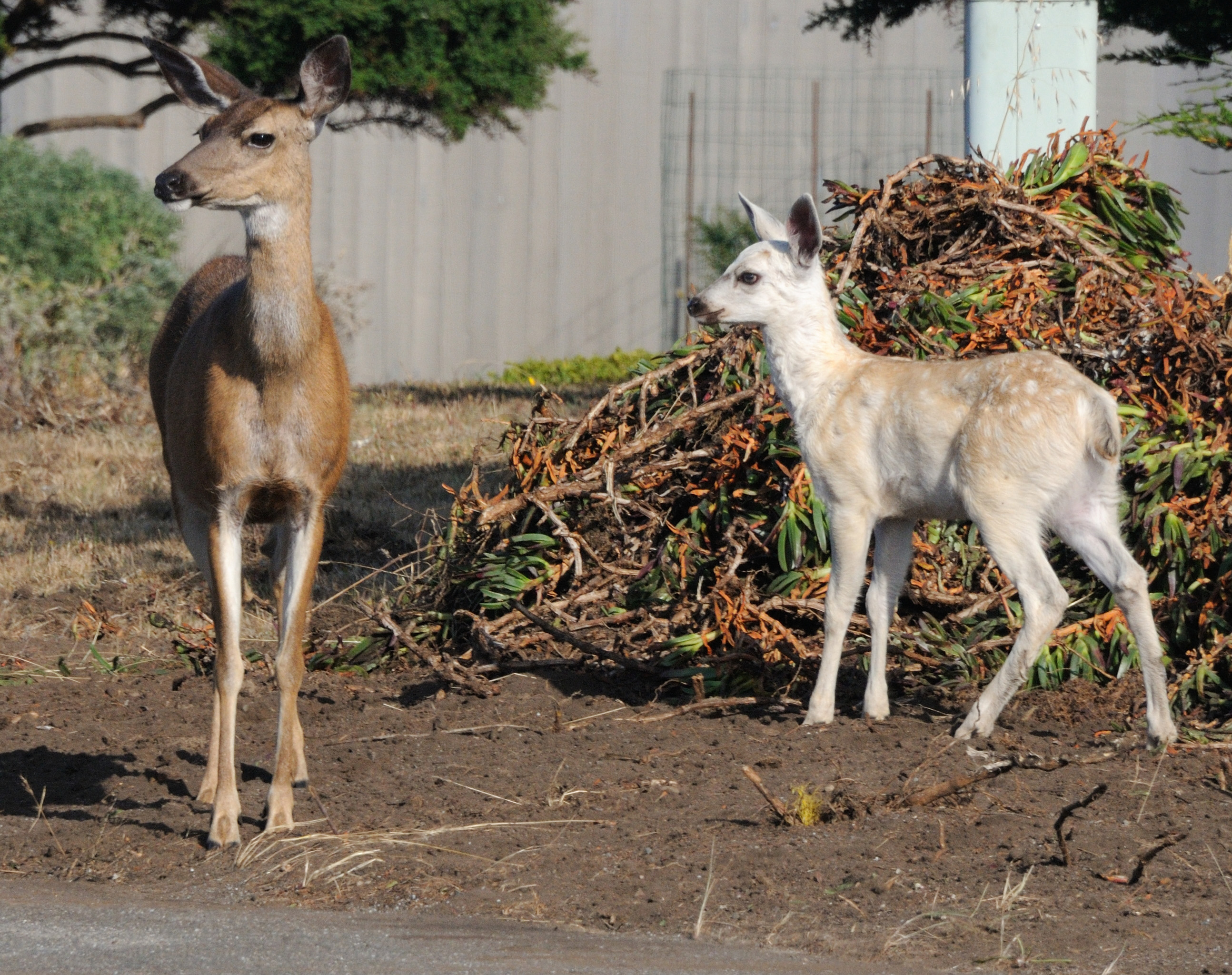
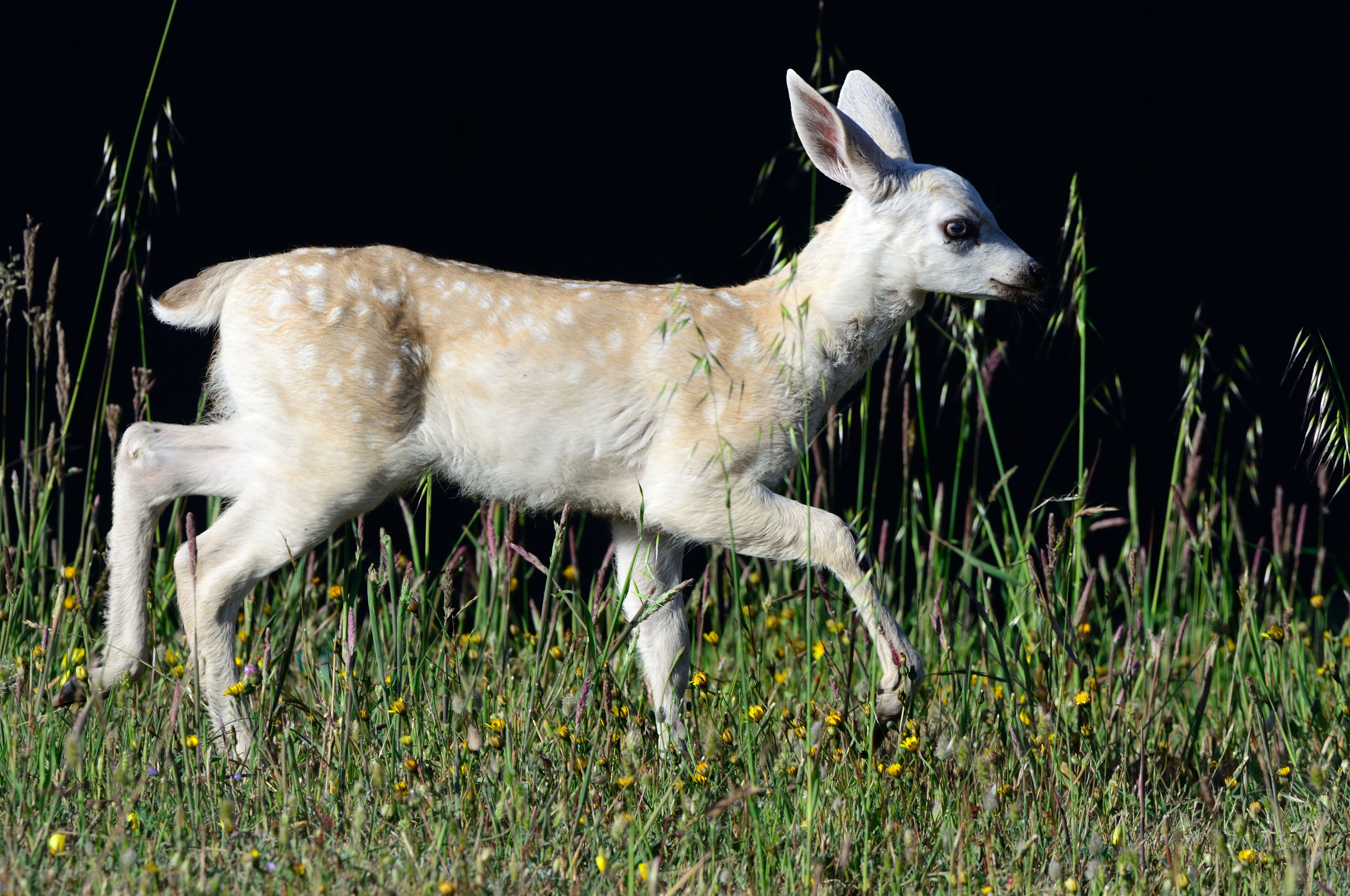
A nearly-white fawn was born on The Sea Ranch. Not an albino, but considered a towhead. It will eventually color up. John Batchelder recently got a photo of the cute fawn with its mother.

White Fawn with its mother by John BatchelderYou will see it is acquiring some color on its back. Here's another look at the fawn.

Nearly-white Fawn by John Batchelder

It's wonderful to see the fawn looking so healthy. John says the fawn is very active, jumping and playing. Life is good when you are a cute fawn on The Sea Ranch!

Thanks to John for allowing me to share his photos with you here.

2 Comments

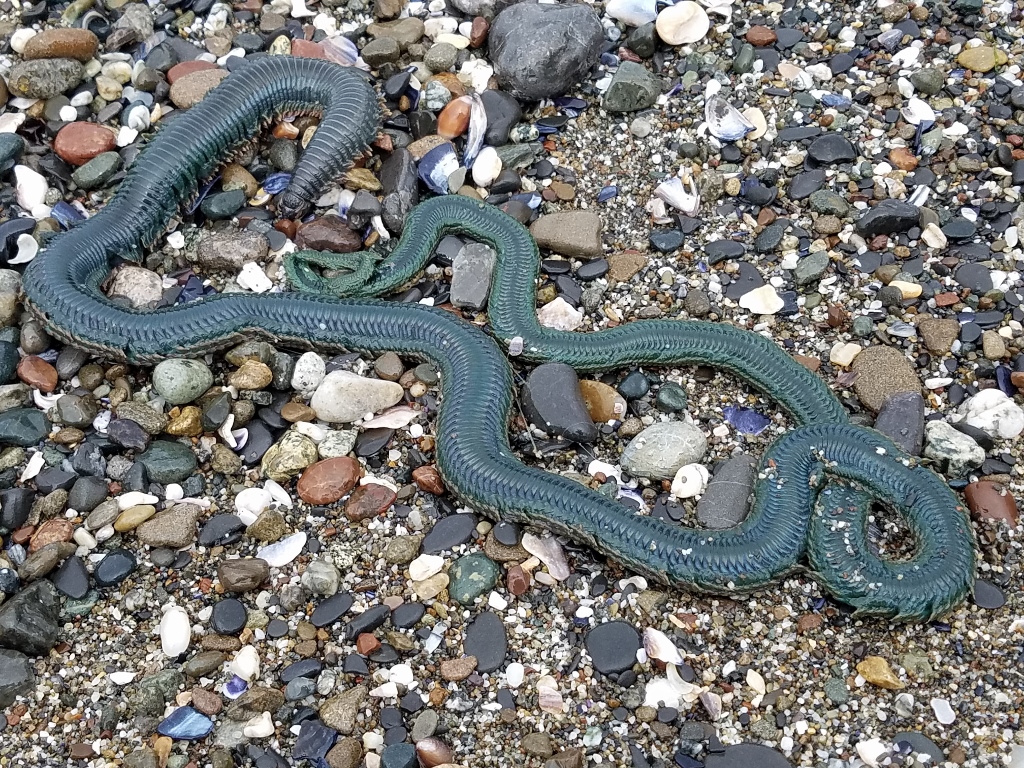
Several unusual creatures washed up on Tide Pool Beach at The Sea Ranch recently, discovered by the Sarkisian family of Portland, Oregon. Christy Sarkisian wrote, “There were several sea-looking centipedes that washed up on July 3rd. In 20 years of coming to Sea Ranch we have never seen anything like it. They were like a centipede with thousands of legs, but on the side of their bodies, wiggling. They were unable to really move on the sand at all.

Mussel Worm, Nereis vexillosa, by Christy Sarkisian (1024x768)

“They were green in color and light red on their undersides. Of the four that washed up, they varied in size from 12 to 36 inches, all curled up. One rode the tide out, and seemed to swim away like an eel.”

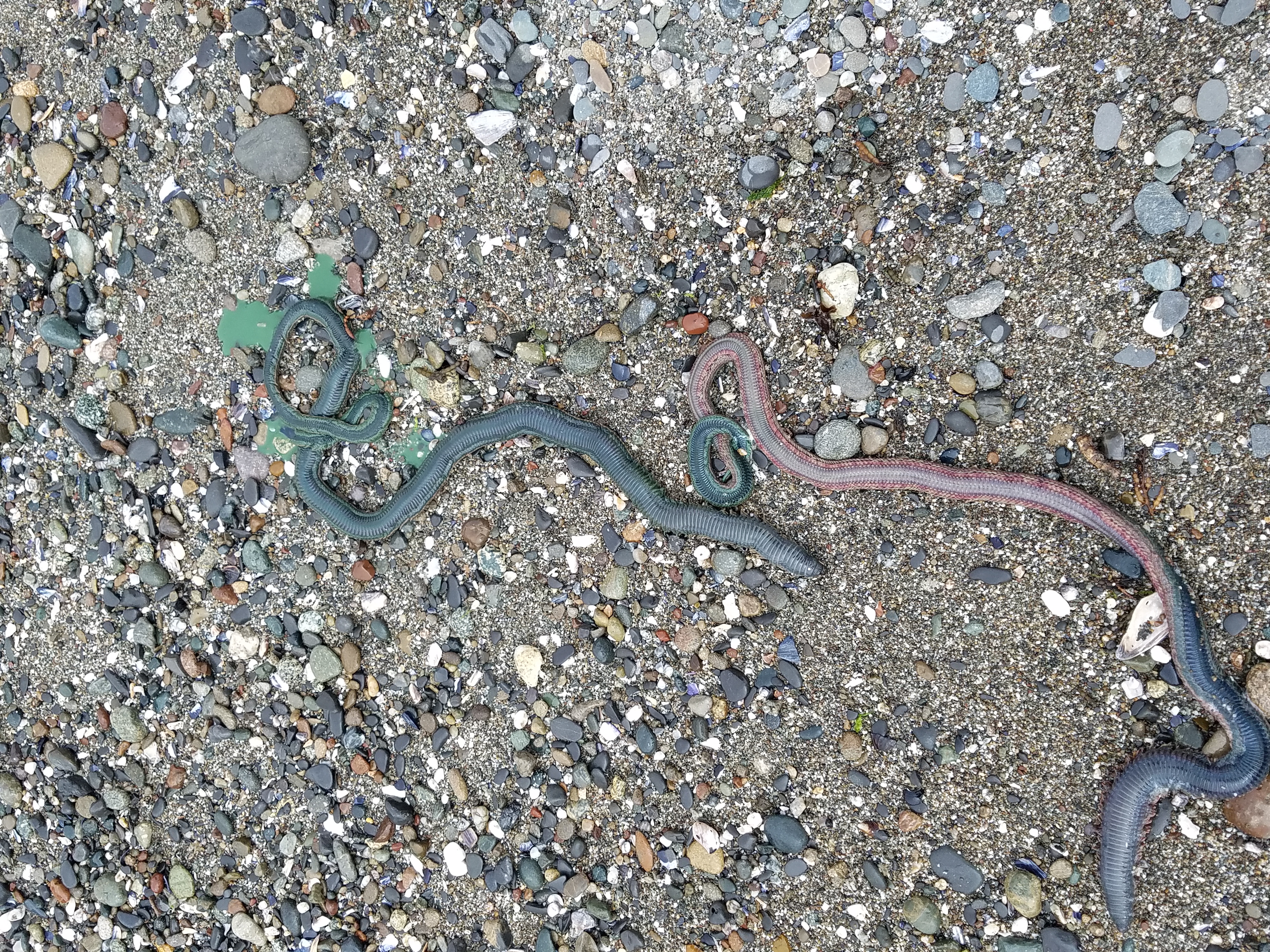
Two Mussel Worms, Nereis vexillosa, by Christy Sarkisian

Local diver Eric Anderson knew they were worms, guessing Clam worms. Carol Preston of NOAA believes they were Mussel worms, Nereis vexillosa. She wrote, “I have seen them a few times, but not often. They can get quite big, and they mainly feed on other worms.”

Thanks to Christy for allowing me to share her photos with you here. It's fun to learn more about the fascinating creatures that live in the ocean.

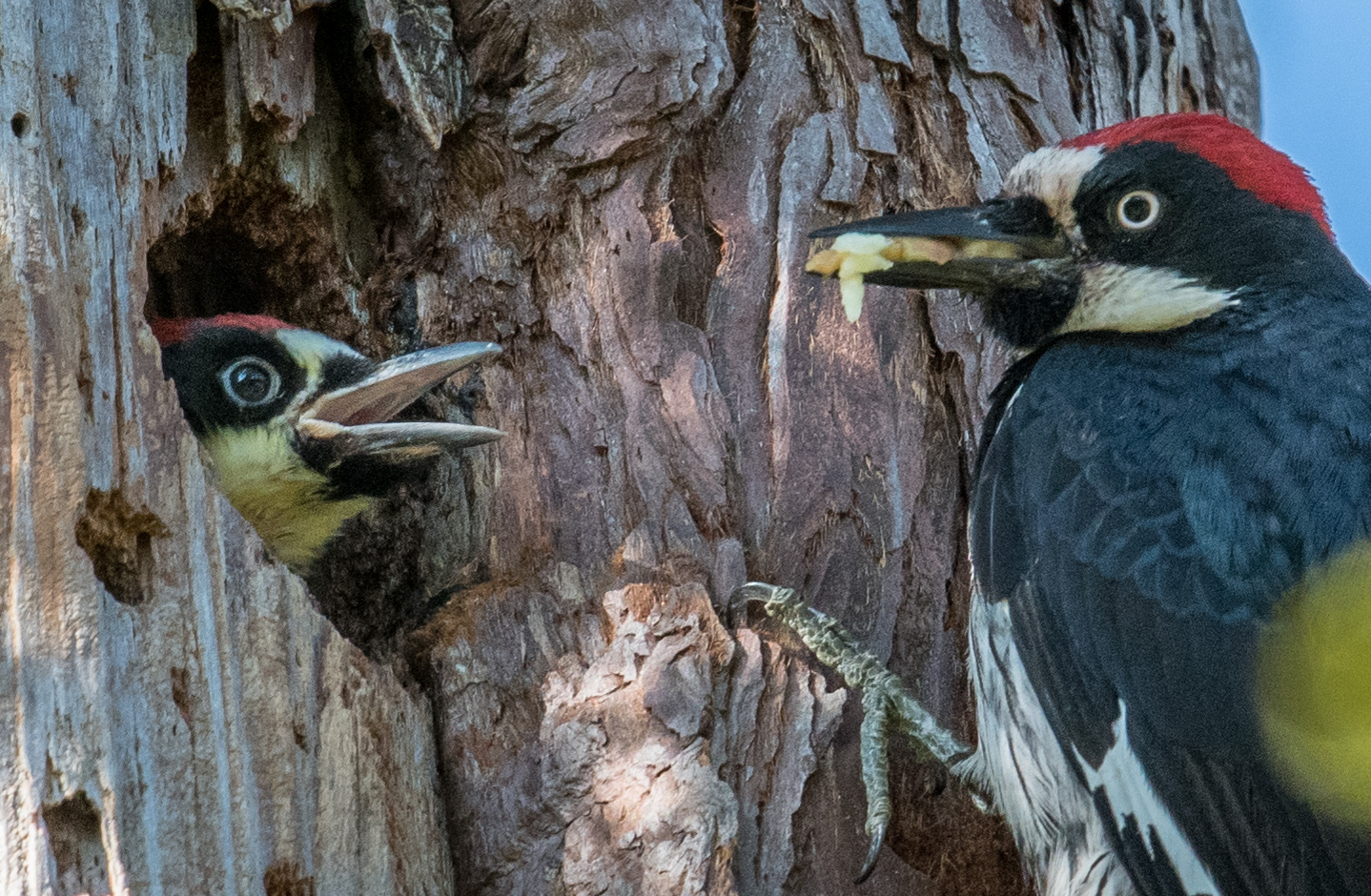
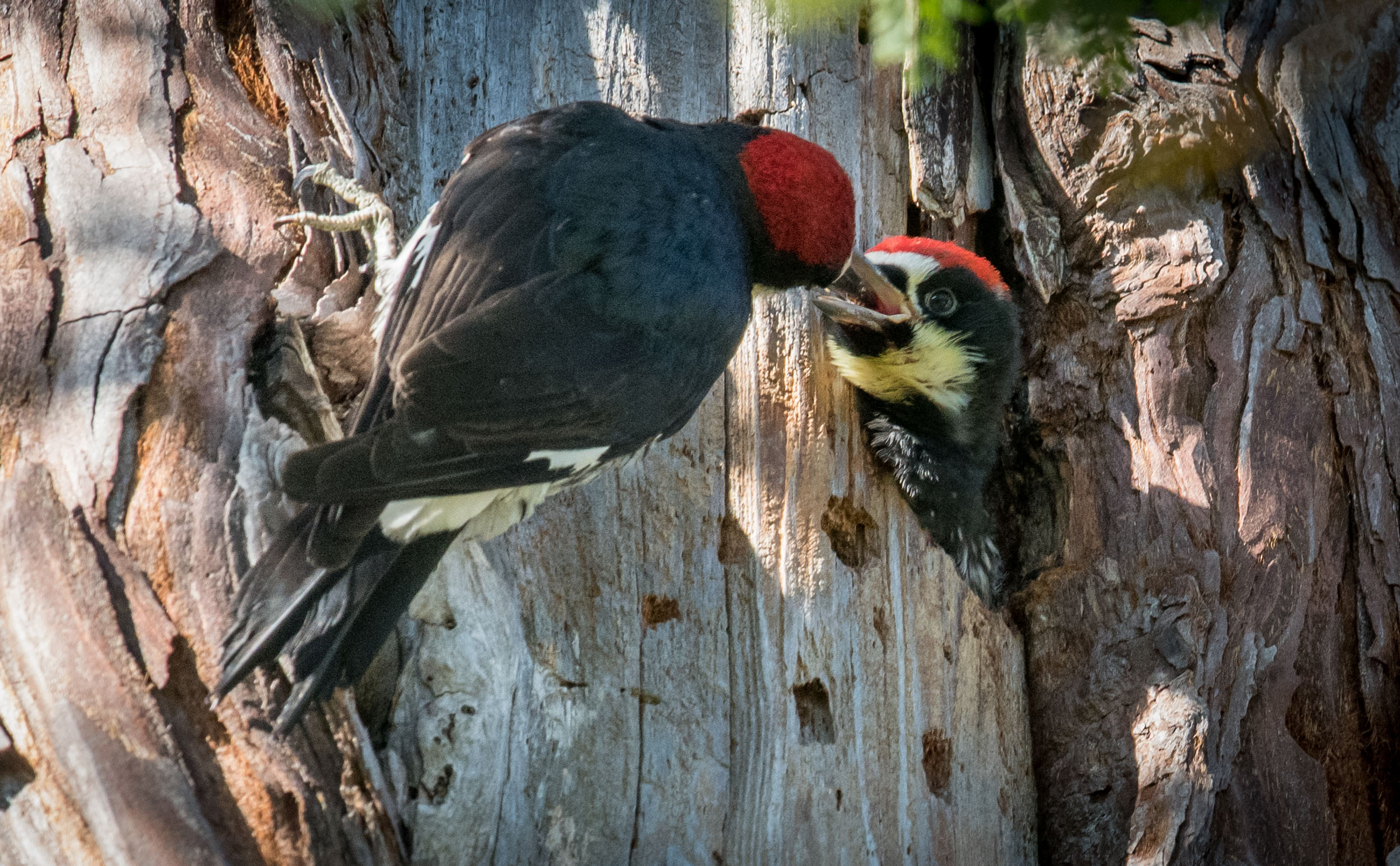
Finding a bird’s nest is a lucky sighting. Paul Brewer wrote, “Brenda and Erik Draaijer located an Acorn woodpecker nest and were kind enough to point it out to me so I could photograph it. The baby sure is cute, and I owe this opportunity to two wonderful friends.”

Male Acorn woodpecker feeds its offspring by Paul Brewer

Sharing a sighting doubles the excitement, and in this case reaps two beautiful photos by Paul of the male Acorn woodpecker feeding its offspring.

Open wide - an Acorn woodpecker chick being fed by Paul BrewerThanks to Paul for allowing me to share his photos with you here. To see much more of Paul's nature photography, here is his website: http://www.capturingnatureswonders.com/

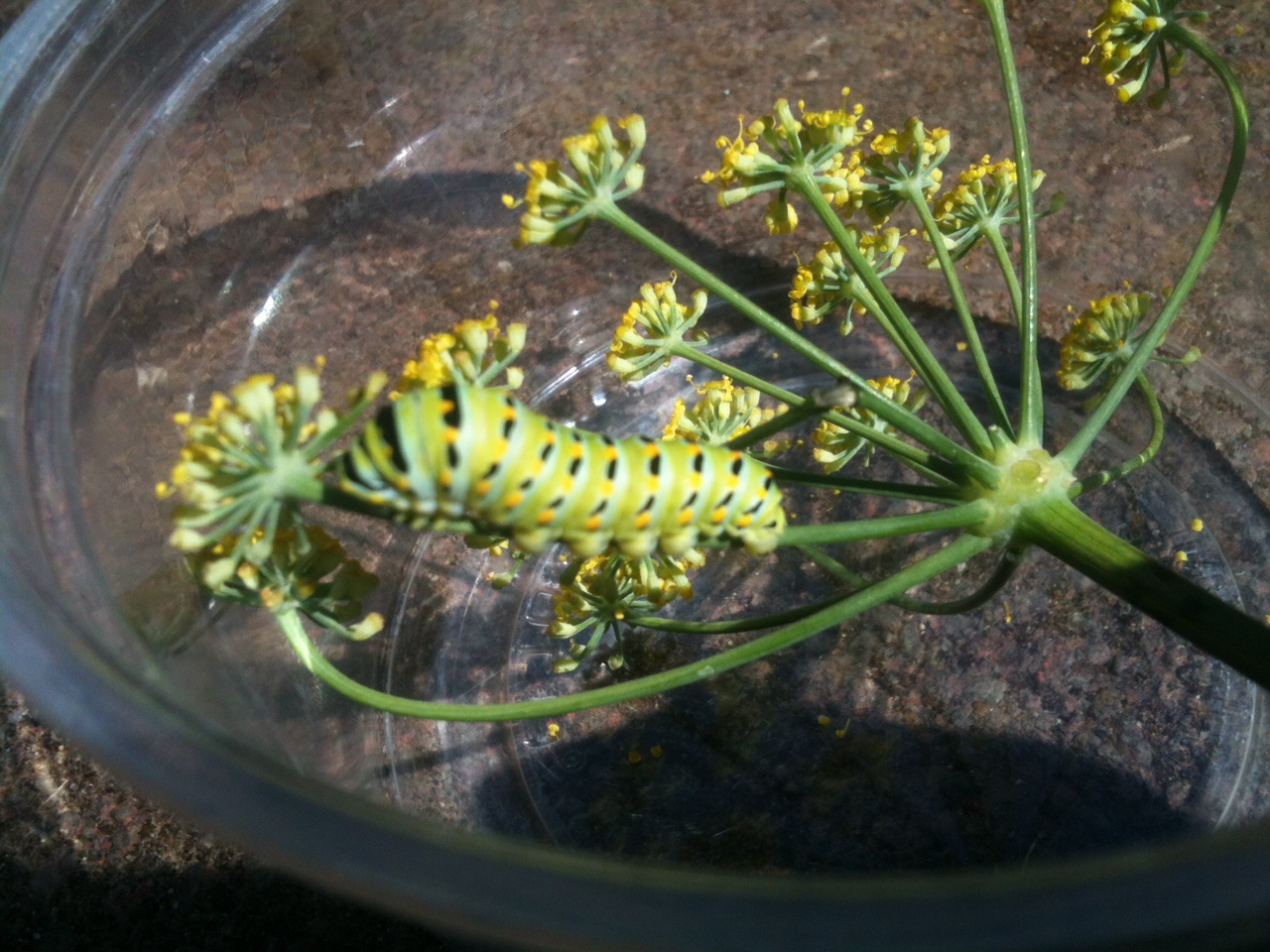
Allan Hogle found this caterpillar feeding on a flowering fennel head. He wondered just what it was.

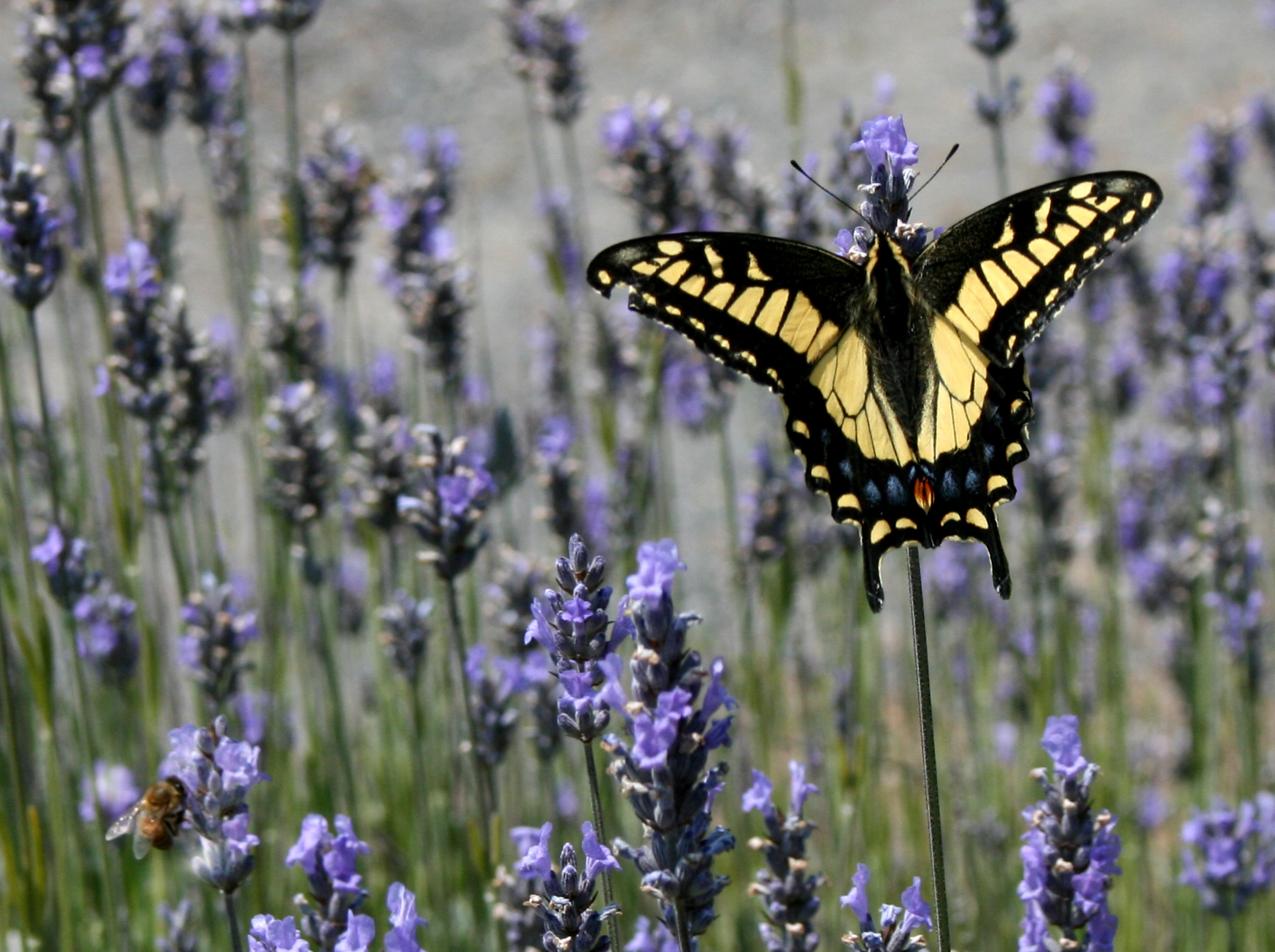
Anise Swallowtail caterpillar by Allen HogleIt's an Anise Swallowtail caterpillar. Their host plants are dill, parsley...and fennel!  Here is what it will turn into, a Anise Swallowtail butterfly. Such a beautiful butterfly. This photo taken by Drew Fagan,An Anise Swallowtail nectaring on Lavender by Drew FaganI just acquired an excellent booklet for identifying butterflies and caterpillars, titled “Butterflies of Central and Northern California” by Jim Brock. The Four-eyed Frog Bookstore in Gualala will be carrying it. http://www.foureyedfrog.com/

Thanks to Allan and Drew for allowing me to share their photos with you here.