Author Archives: Jeanne Jackson

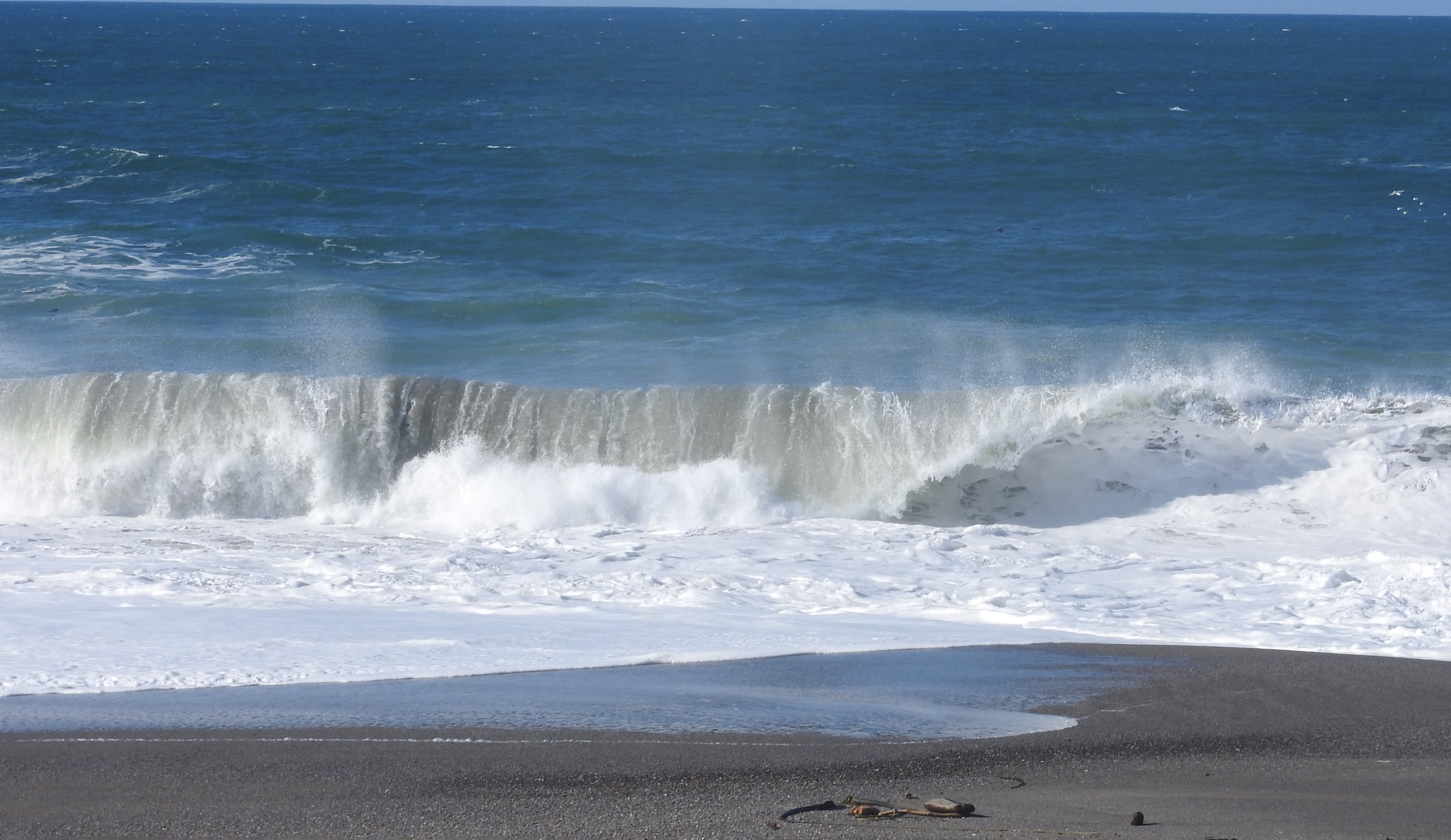
Rick and I took a walk with Sunny, our golden retriever, at Gualala Point Regional Park. When we got to the bluffs, we could see the magnificent waves, with big rollers coming in.

gualala-point-beach-11-17-16-by-jeanne-jacksonThe spray drifted up to the bluffs were we stood and we got a little salt-water blessing. A little further along the bluffs, I took this video of a couple of waves coming in.

We have a pretty big storm coming in late on Friday. The Pacific Ocean is showing us in advance that changes are afoot!

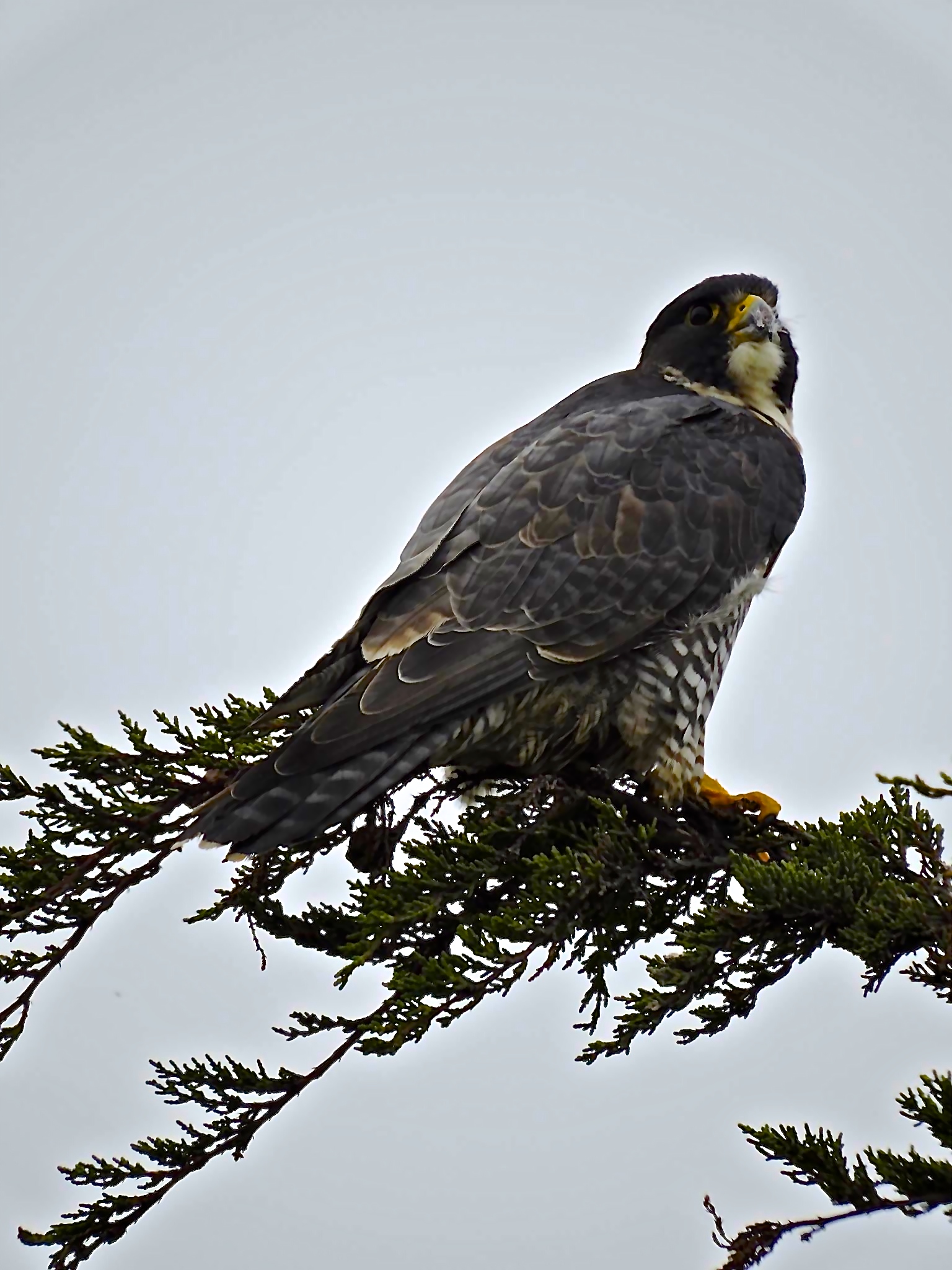
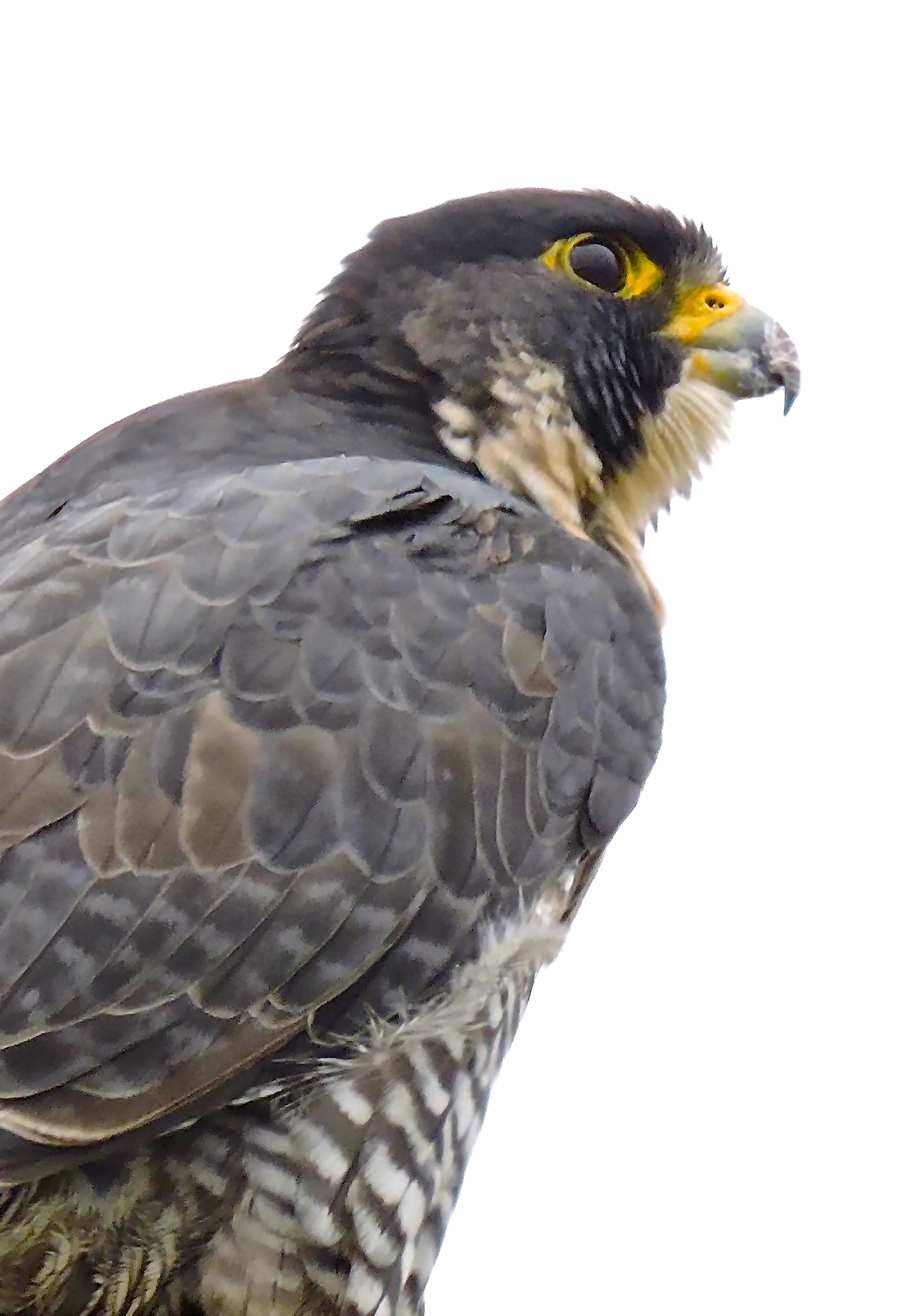
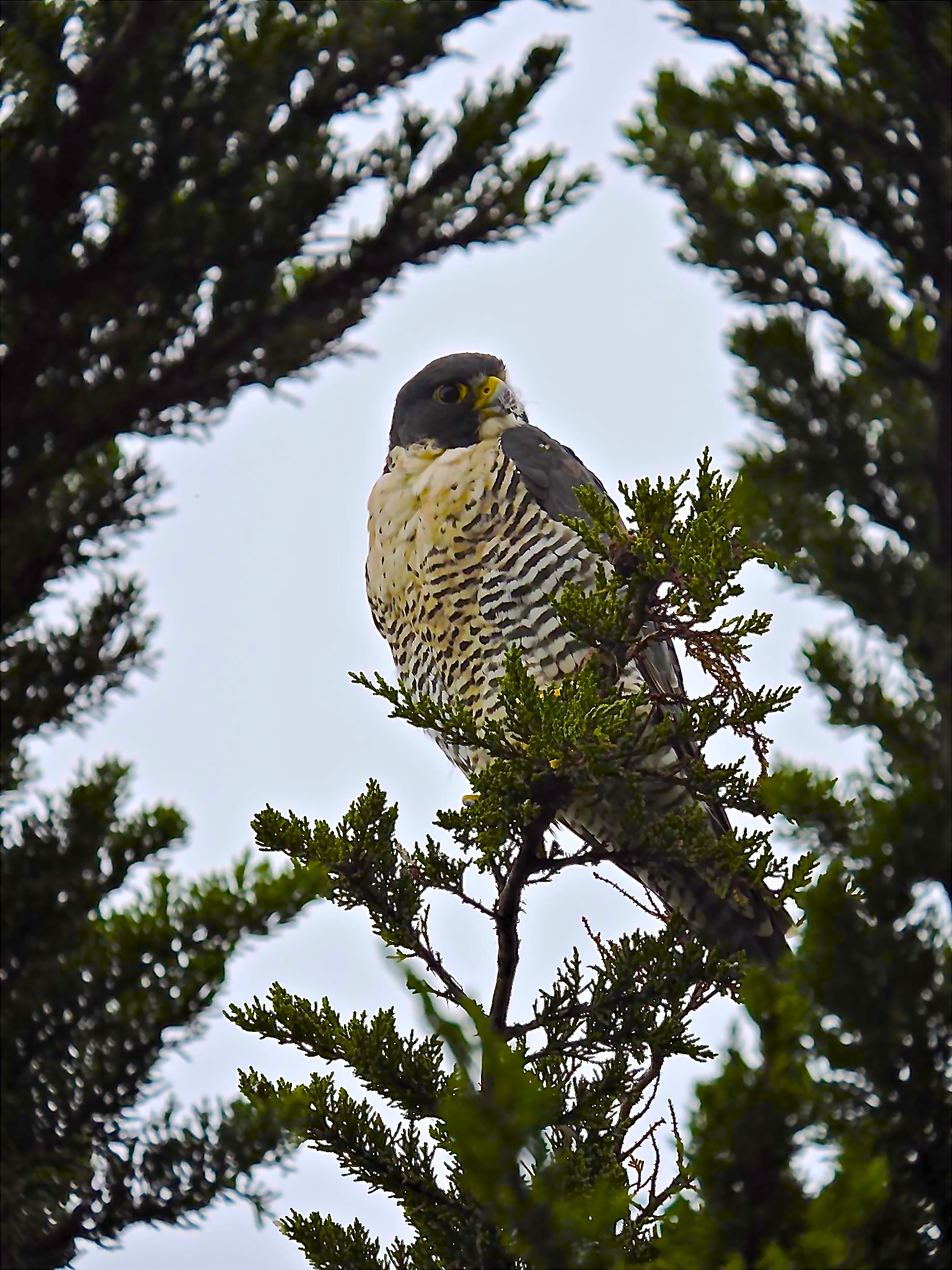
Eric Zetterholm was ready with his camera when he recently saw a Peregrine Falcon perched atop a tree.

peregrine-falcon-1-by-eric-zetterholm peregrine-falcon-by-eric-zetterholm peregrine-falcon-2-by-eric-zetterholmA Peregrine Falcon can reach speeds of up to 200 miles per hour on its dash for prey. They eat mostly birds. Here on the Mendonoma Coast, they often prey on Common Murres. They also eat bats! Peregrine means wanderer. We are glad several Peregrines wandered to the coast this year.

In tomorrow's Independent Coast Observer, there will be a dramatic photo taken last week by Ken Bailey of an adult Peregrine apparently chastising an impudent juvenile in the air. Don't miss it!

Thanks to Eric for allowing me to share his photos with you here.

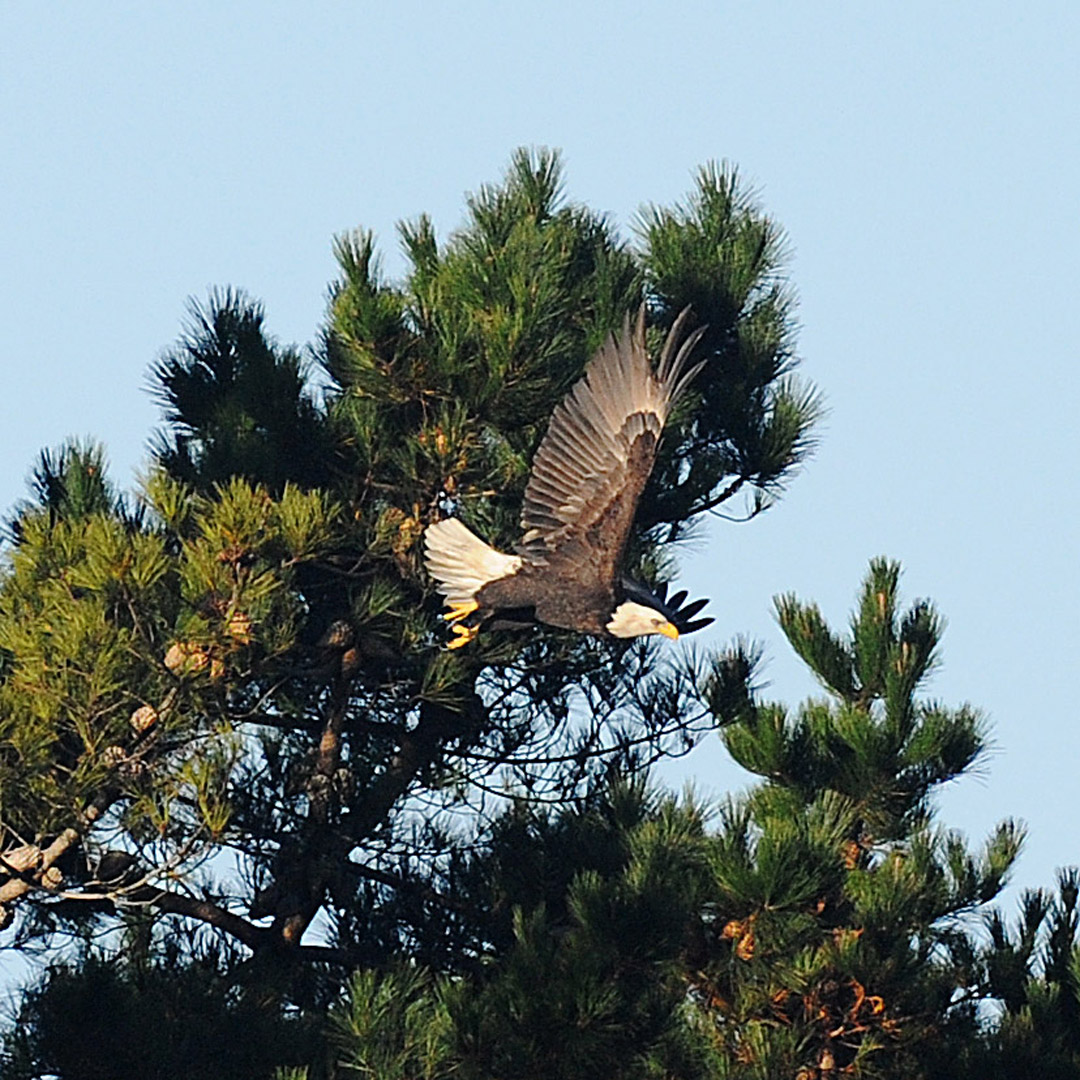
Besides the juvenile Bald Eagle, which I showed you last week, two adult Bald Eagles have been seen near the mouth of the Gualala River. Ken Bailey photographed one of them in flight last Thursday.

adult-bald-eagle-by-ken-baileyWhat a thrill it is to see this majestic eagle! We hope a mated pair will decide to build a nest in the watershed of the Gualala River.

Thanks to Ken for allowing me to share his photo with you here. To see much more of Ken's photography, including his wonderful underwater photography, here is the link to his website: http://www.seadreams.org/

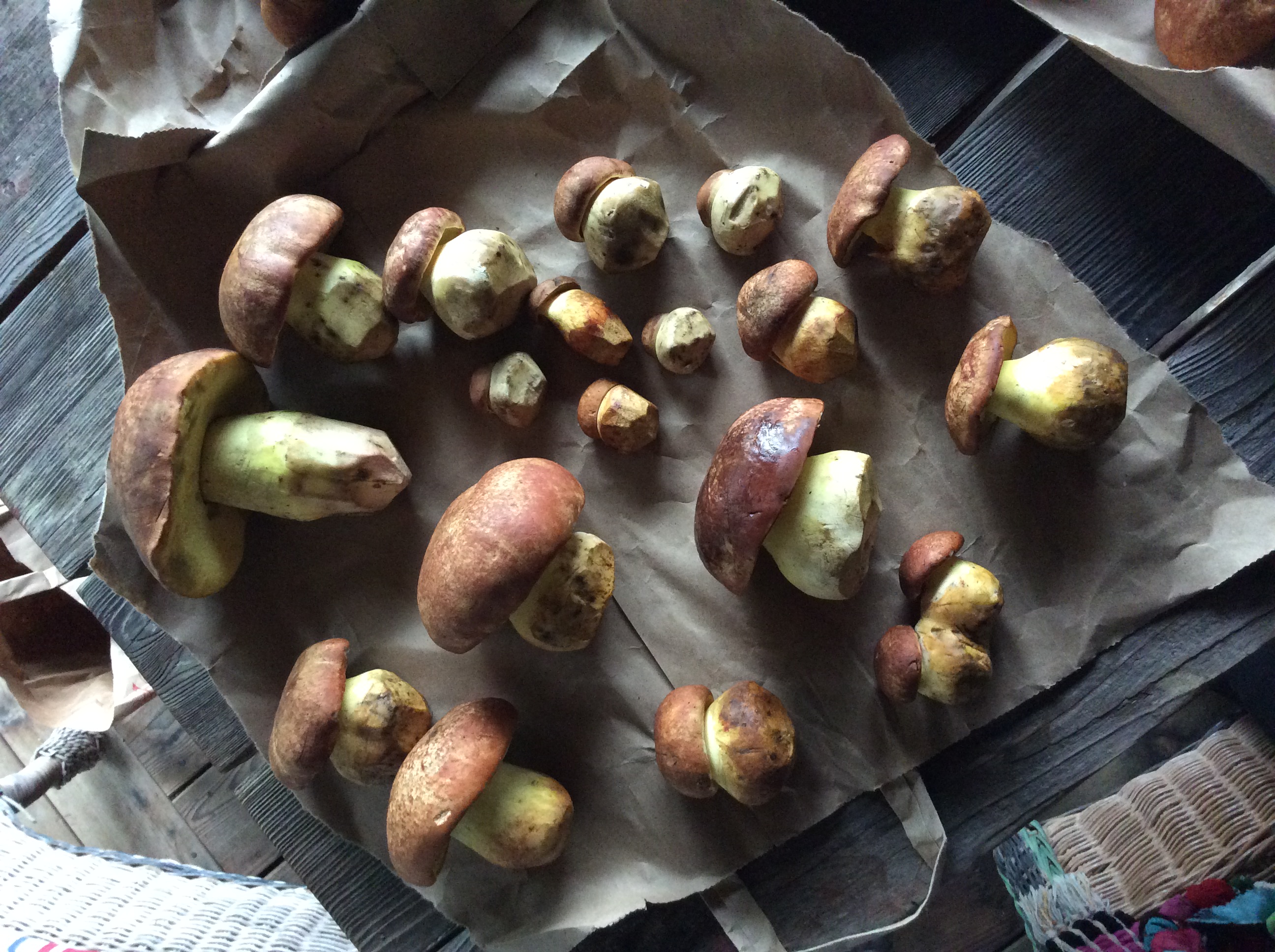
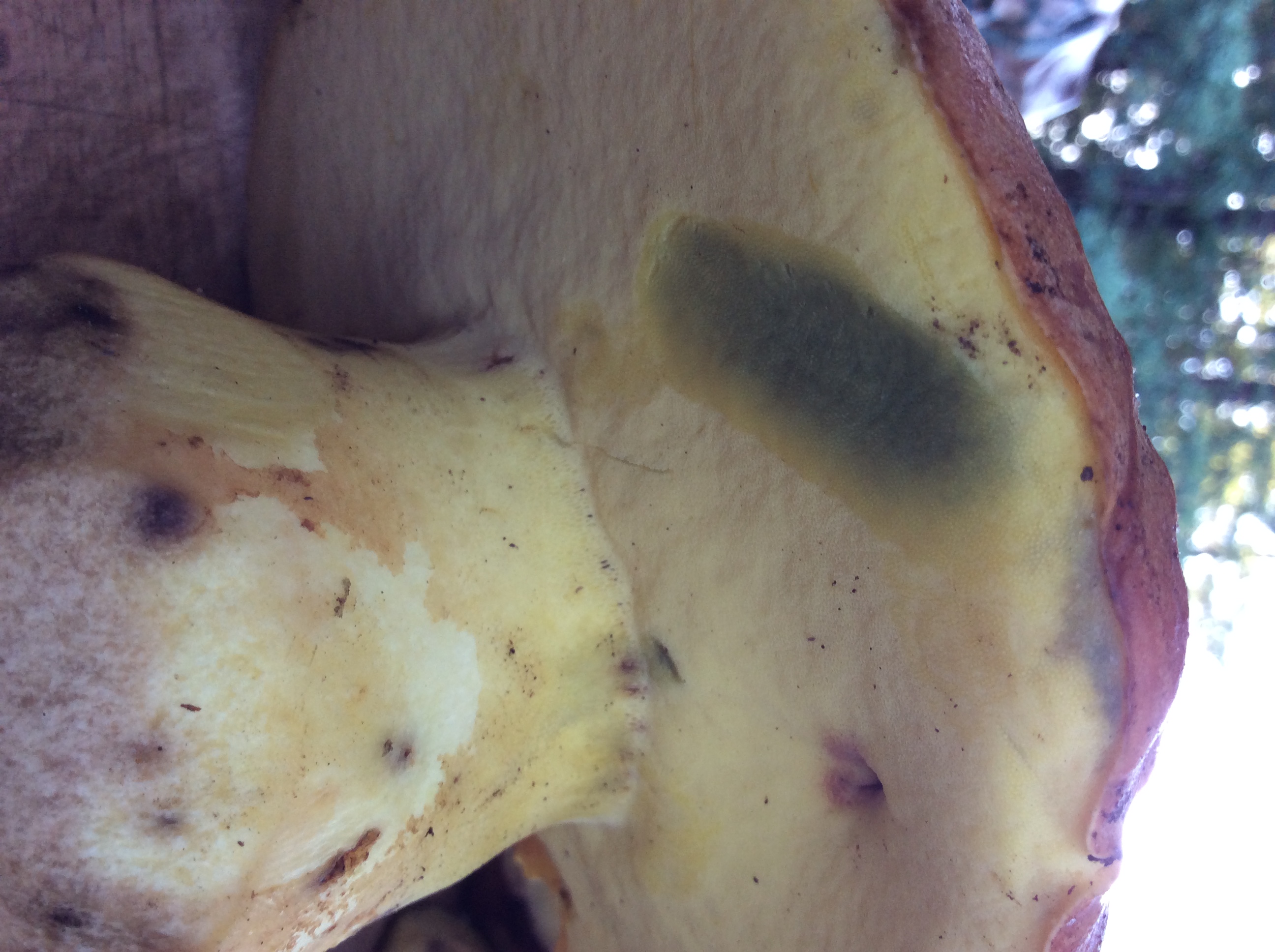
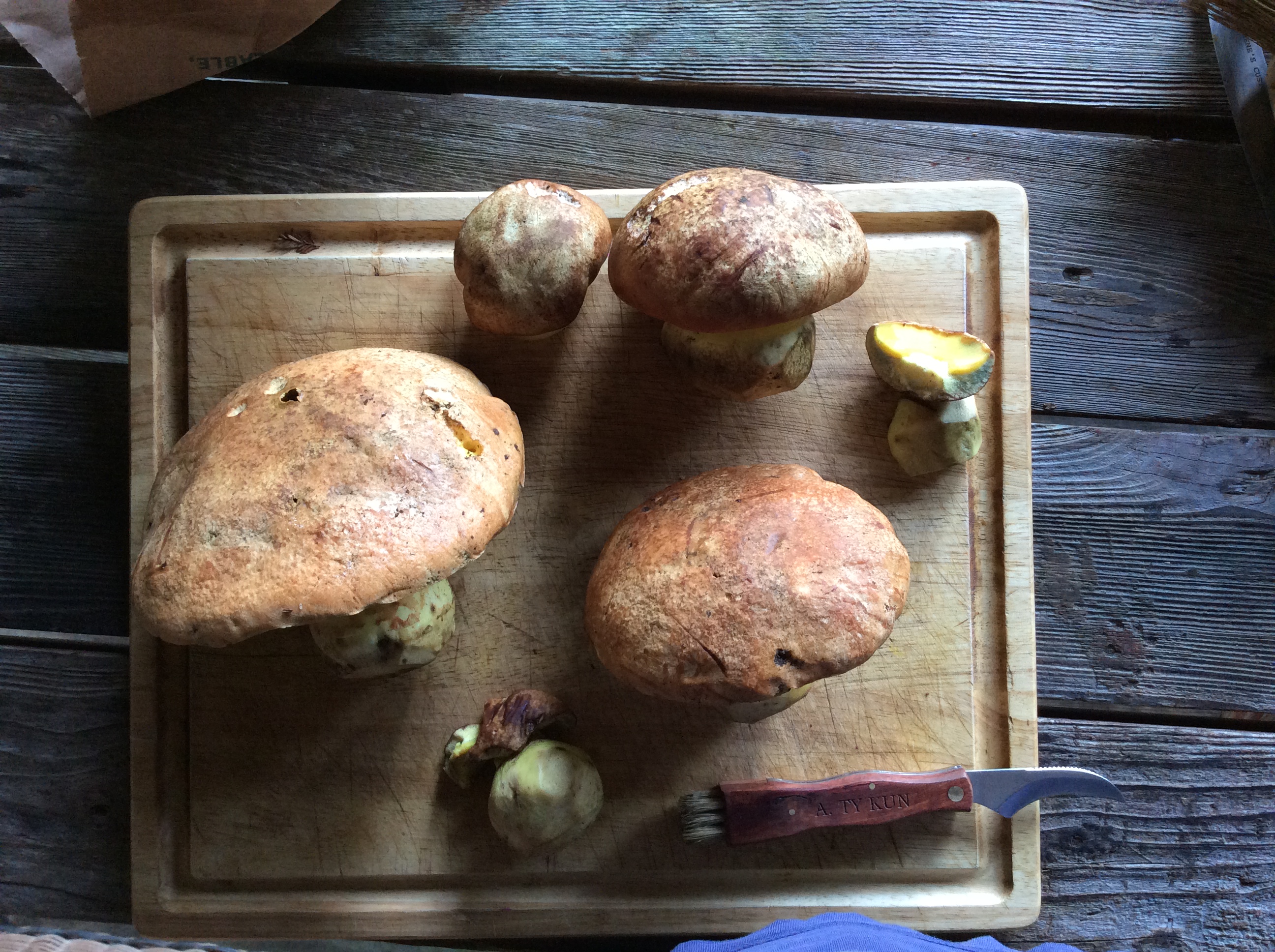
I keep looking for this wonderful edible mushroom year after year, but I've never found one. Alex Kun hit the jackpot when he found this bounty of Boletus appendiculatus, Butter Boletes.

UPDATE: David Arora let me know that this mushroom's scientific name has been changed. It's now classified as Butyriboletus persolidus. To read more about these mushrooms, here is a link to Arora's article titled "Clarifying the Butter Boletes" - http://davidarora.com/uploads/Clarifying_the_Butter_Boletes.pdf
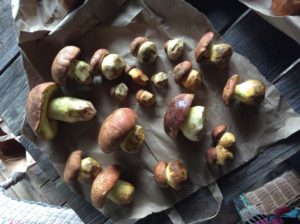
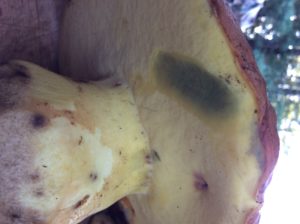
butter-boletes-1-by-alex-kun butter-boletes-2-by-alex-kun butter-boletes-3-by-alex-kunAlex wrote, "Behold the elusive and relatively rare Boletus appendiculatus. More specifically, a beauteous bounty of bulbous Butter boletes. Everything goes better with butter!”

These boletes are found in the early autumn under hardwoods like Tan-oak. All Alex would say is he found them south of Gualala within one mile of the Mendonoma Coast. Lucky guy!

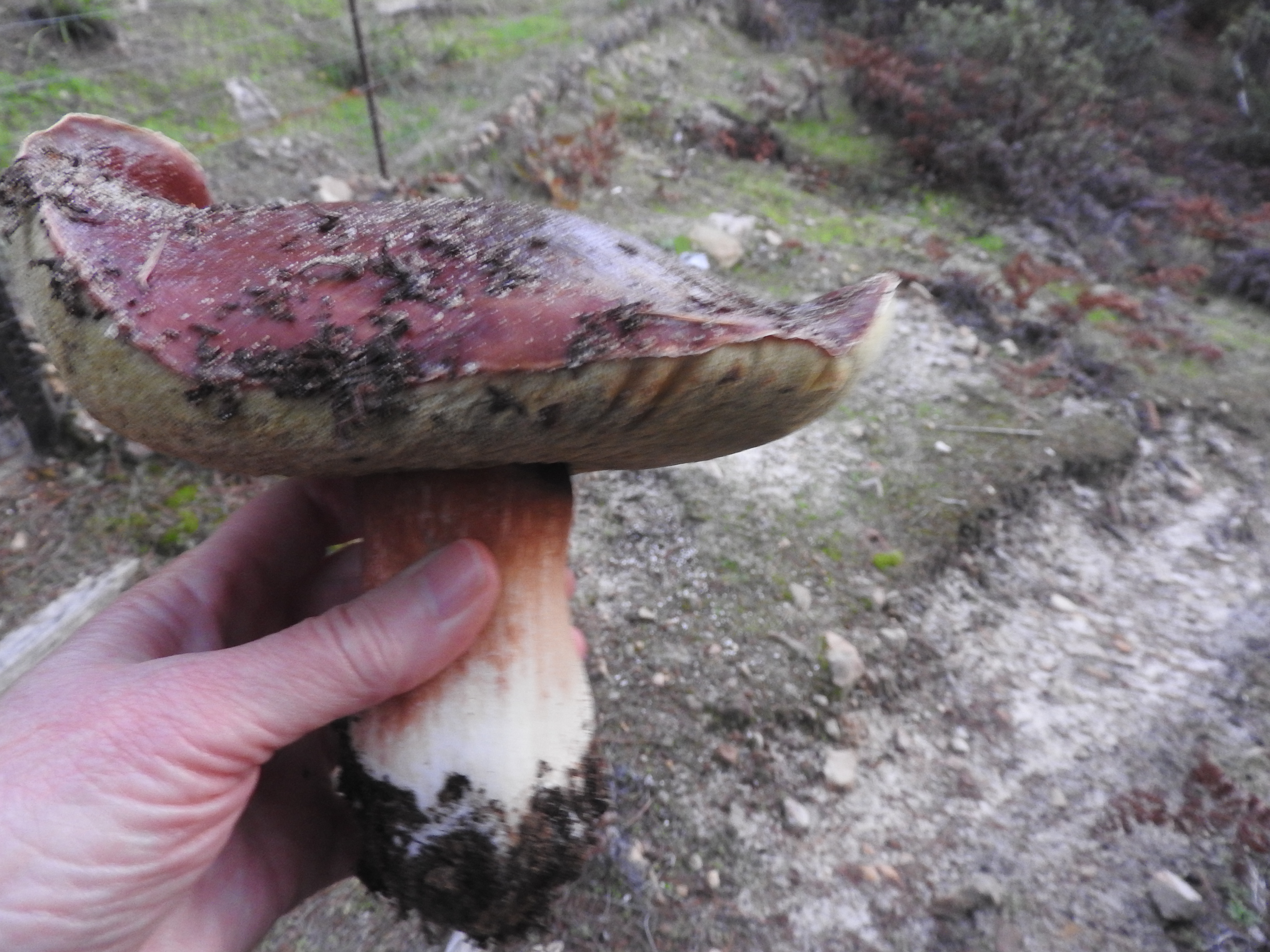
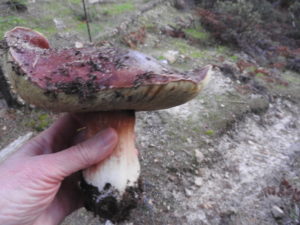
Rick and I found this beautiful, big Queen Bolete late yesterday [the cap is darker than it looks in the photo - it's quite dark brown], Coccoras are nearly everywhere, and more Matsutakes are peeking up under the duff. What a great mushroom year we are having!
dscn0944

Thanks to Alex for allowing me to share his photos with you here.
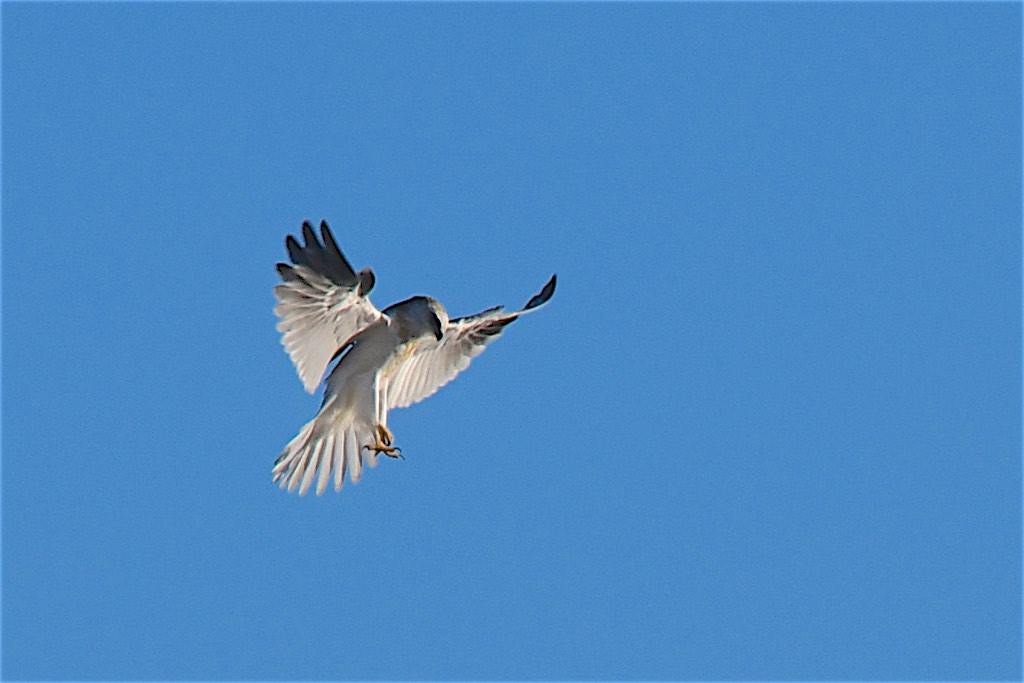
White-tailed Kites have been sighted recently here on the Mendonoma Coast. Sometimes affectionately called "Hover Birds," they are seen hovering in the sky while they search for a tasty rodent. Allen Vinson got this beautiful photograph.

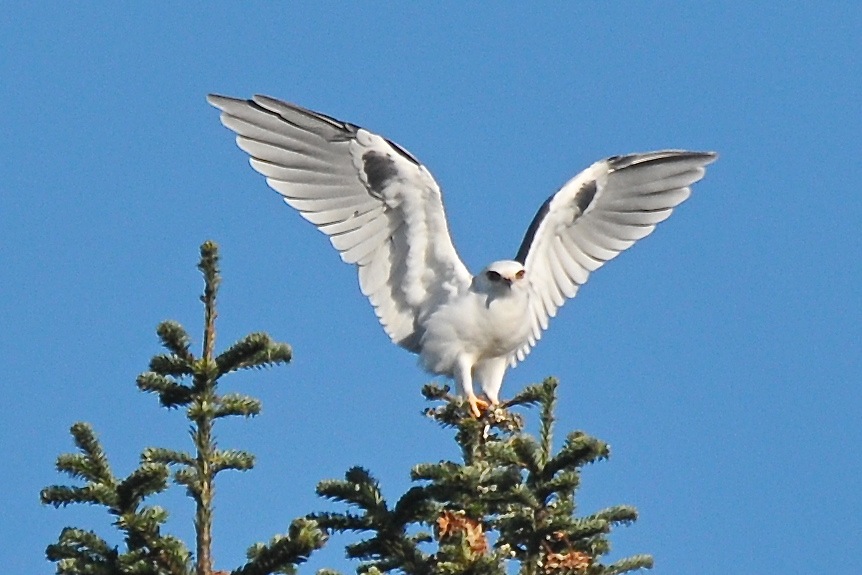
white-tailed-kite-by-allen-vinsonHere's another photo of Allen's where the Kite landed on top of a tree.

white-tailed-kite-by-allen-vinsonThese raptors have a rather musical chirp. Here's a link to the Cornell Lab of Ornithology if you'd like to hear it: https://www.allaboutbirds.org/guide/White-tailed_Kite/sounds

Thanks to Allen for allowing me to share his photos with you here. To see more of Allen's nature photography, here is the link: http://allenvinson.smugmug.com/