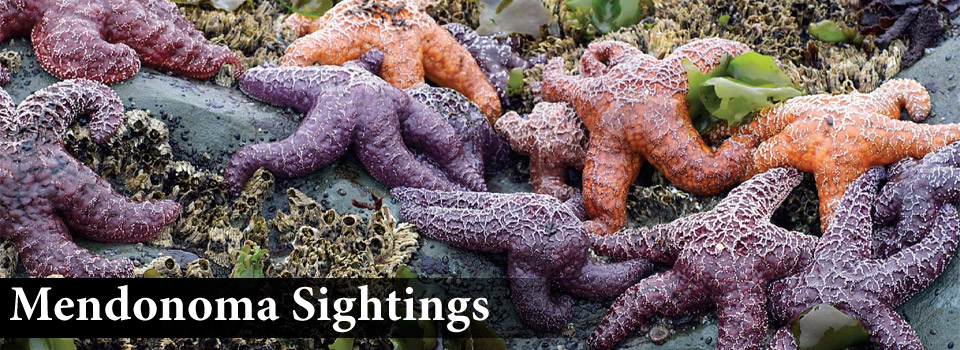
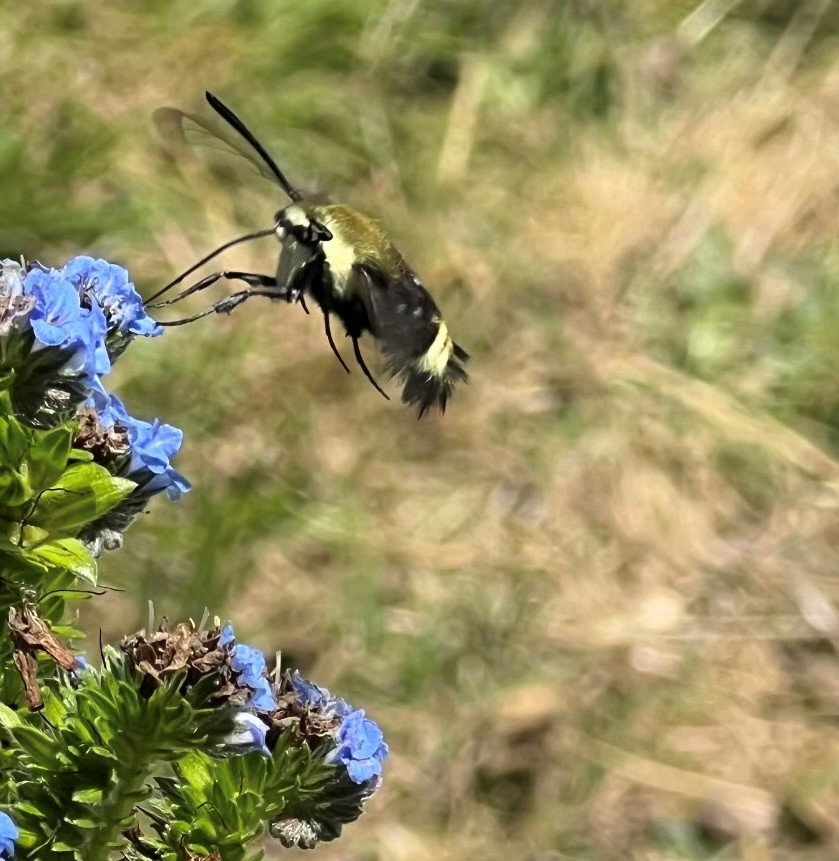
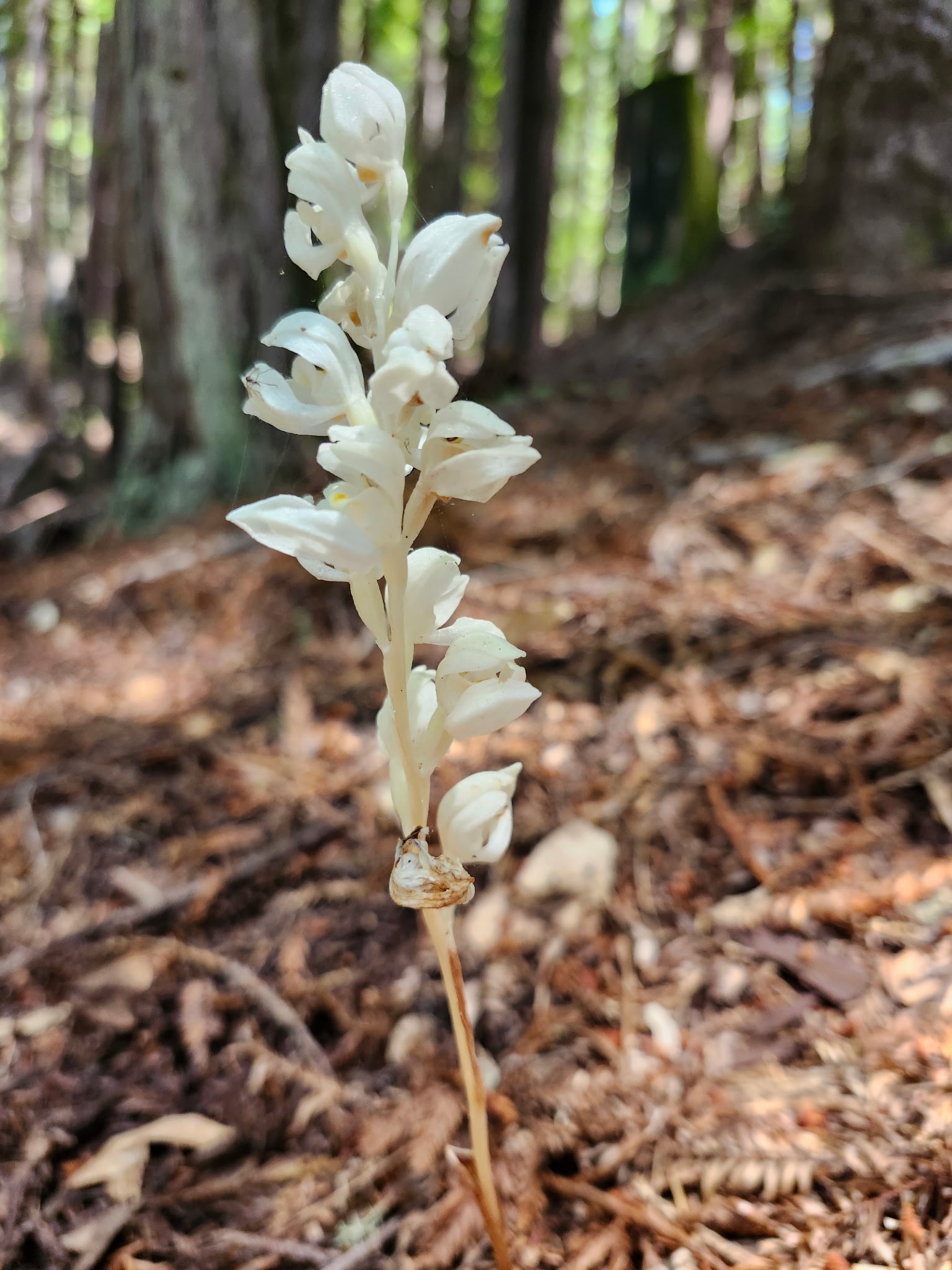
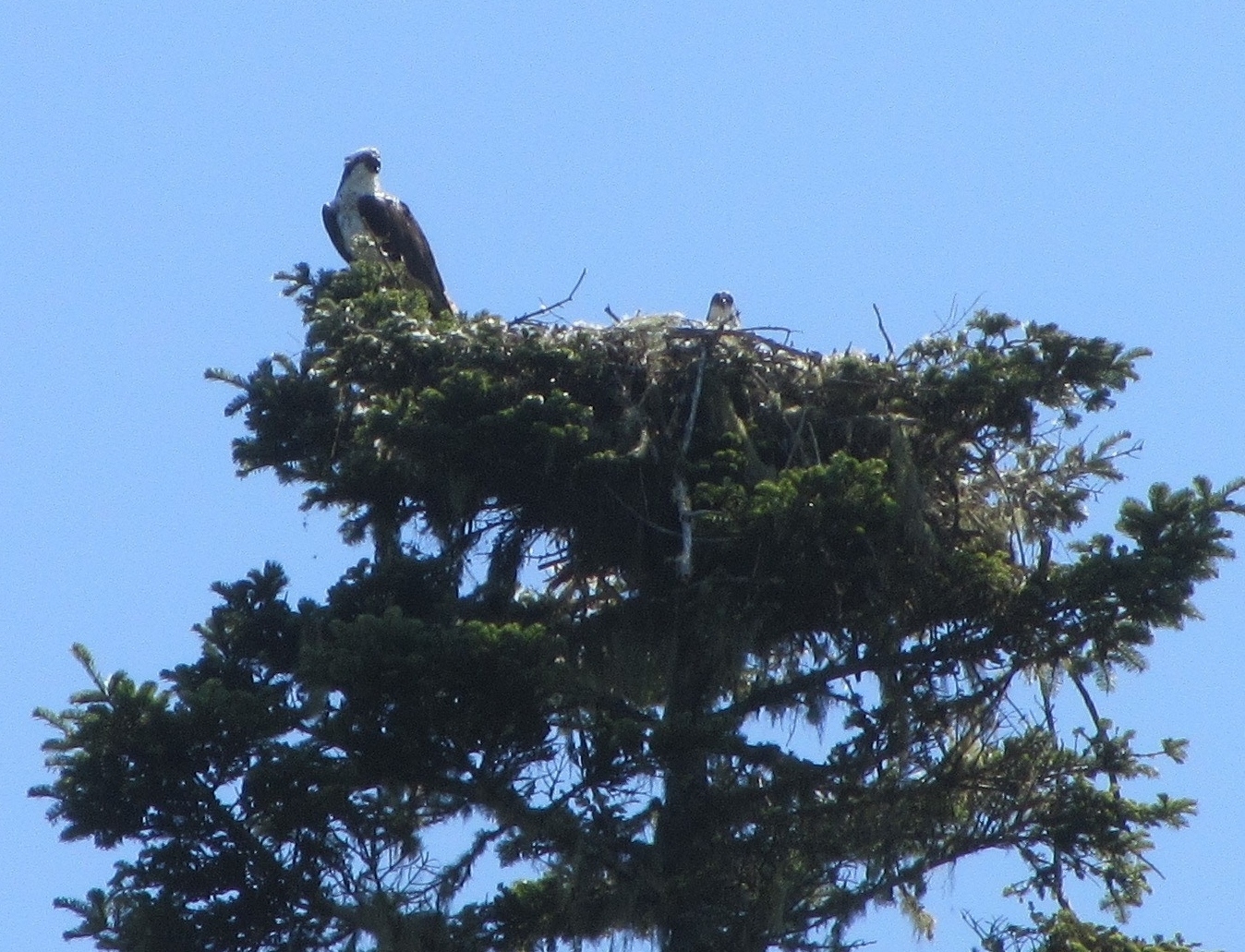
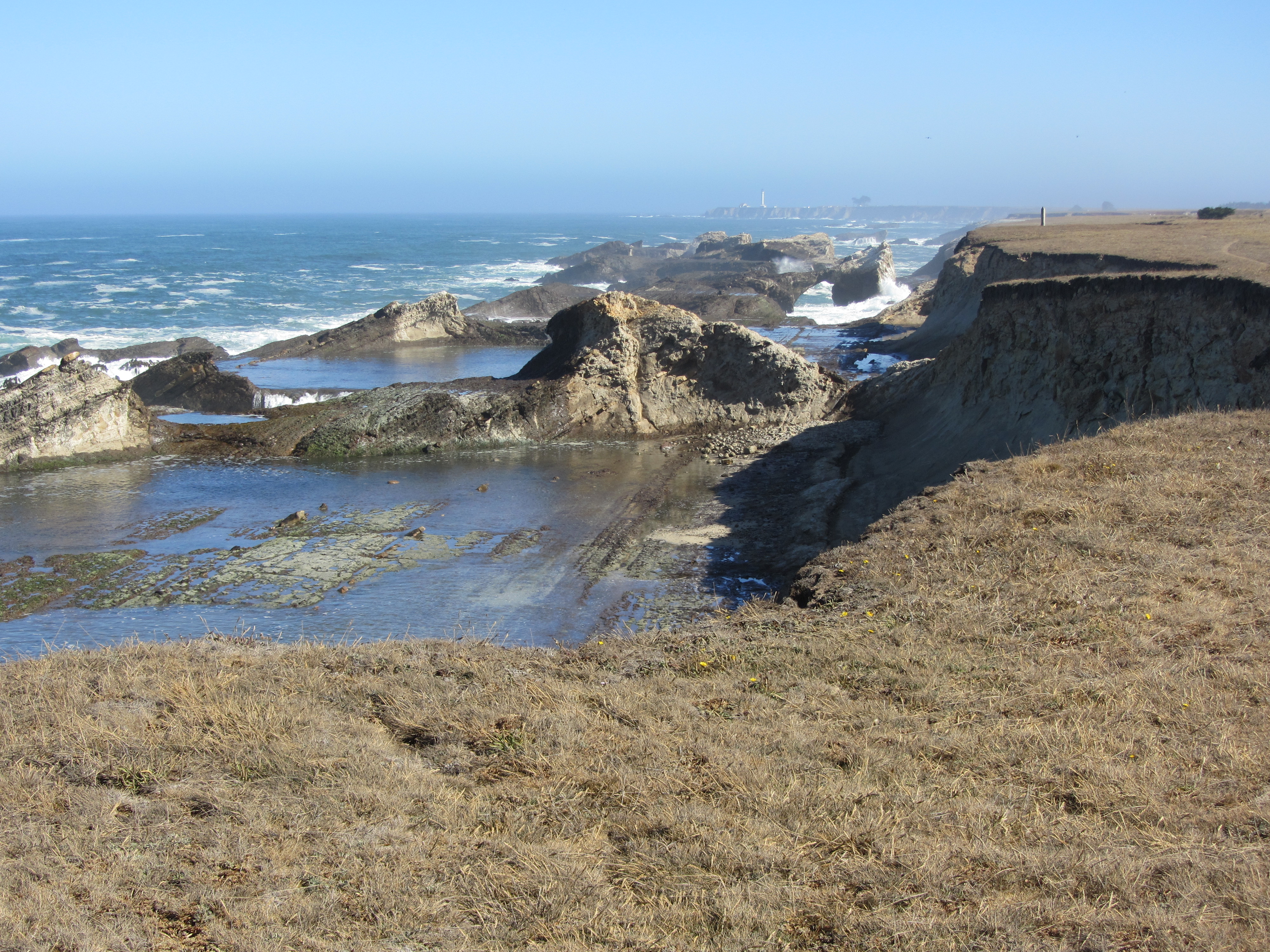
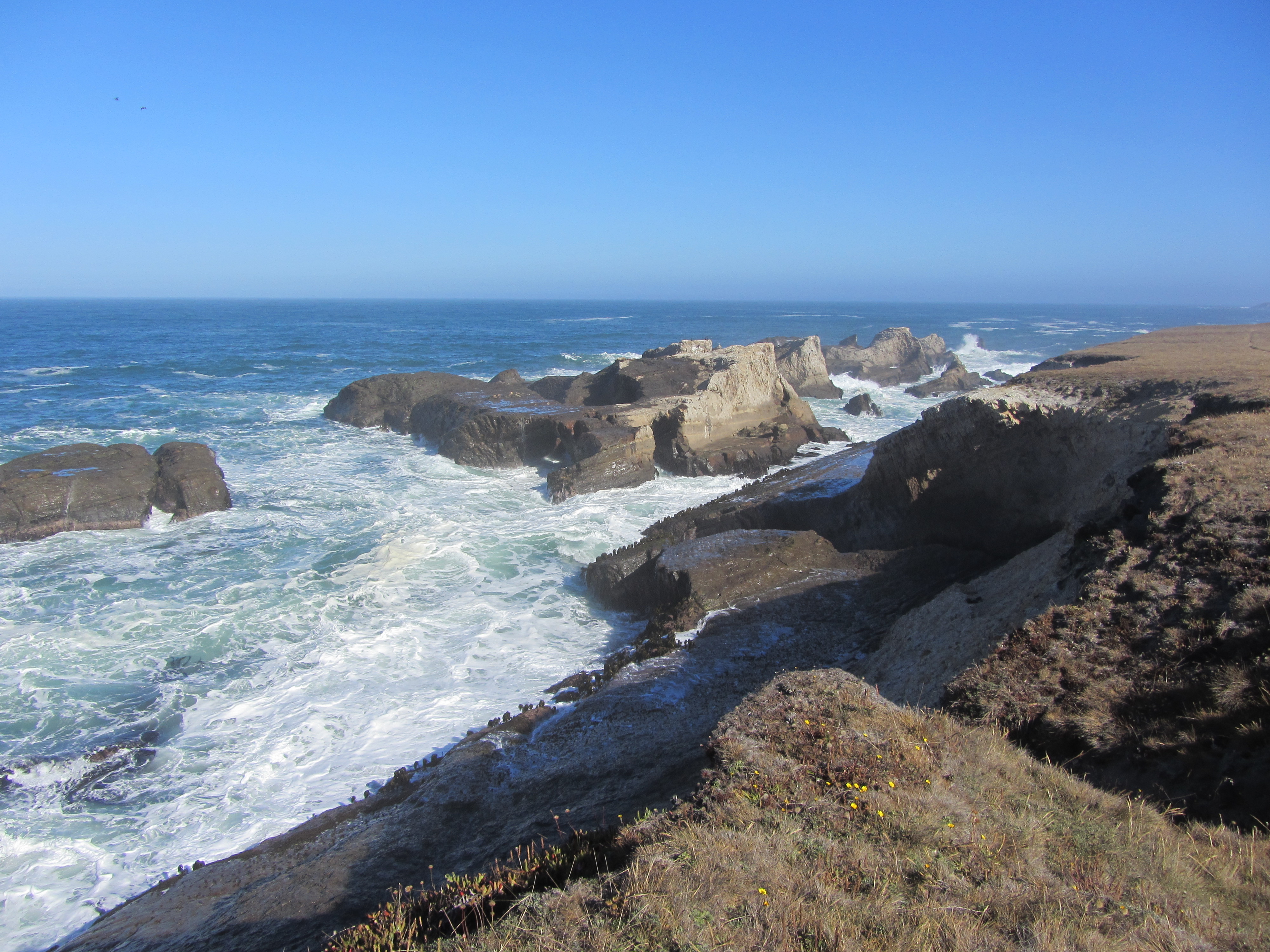
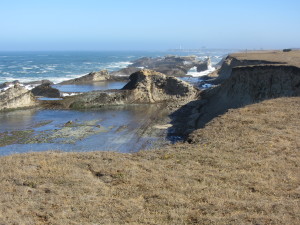
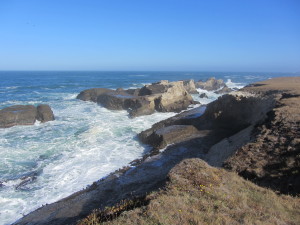
The Point Arena-Stornetta Lands are achingly beautiful. Terry Pfardresher hiked there earlier this week and took these two photos at the southern end of the Lands. The first photo shows a low tide.
On Saturday August 1st, there is a BIG event called Discover the Coast. Leslie Dahlhoff describes it for us:
"Don't miss it! Discover the Coast is on this Saturday, starting at 10am.
Lots of info and food. No Speeches! All Free!
Open House at the Mendocino College Coastal Field Station.
Free admission to the Lighthouse.
Free Shuttle Bus all day between City Hall to the Lighthouse will
provide access for one-way hiking on the Discovery Trail.
Become a founding member of Friends of Point Arena - Stornetta Lands.
Hope to see you there."
The shuttle bus will run from 9:30 am to 4 pm. Park near the Point Arena Lighthouse or by City Hall.
The Lighthouse is open from 10 am to 4 pm.
City Hall, the Field Station, and the Discovery Trail open 10 am to 2 pm.
Here is a list of the docents who will be along the Discovery Trail:
Discovery Trail Docent Stations
- Beach Watch & MPA Watch, Greater Farallones National Marine Sanctuary Beach Watch Monitoring Program, and Marine Protected Area Watch
What to see: Coastal wildlife; including various nesting coastal seabirds, Harbor seals, California and possibly Stellar’s sea lions, possibly whales. Even the occasional Mola mola if you have a good eye! Also, see a demonstration of Beach Watch and MPA Watch survey activities.
Docents: Jamie Hall, Taylor Nairn, Margaret Lindgren. Meet Greater Farallones National Marine Sanctuary staff and volunteers involved with the Beach Watch and MPA Watch programs. Beach Watch is a twenty-one year old sanctuary monitoring project which just expanded, with the sanctuary, to include this very coastline and offshore area. Local citizens survey beaches for live and dead wildlife and coastal human uses. Beach Watch is a partner in the statewide MPA Watch monitoring effort which identifies human uses in coastal areas inside and adjacent to California State Marine Protected Areas.
- Seabirds
What to see: Coastal birds, possibly some whales and seals, possibly Pelagic Cormorant and Western Gull chicks.
Docent: Doug Forsell is a retired U.S. Fish and Wildlife Service seabird biologist. He spent ten years in Alaska, 4 years on wildlife refuges in the central Pacific Ocean, and 22 years working in Chesapeake Bay and Atlantic Coastal waters. Doug currently conducts monthly bird, mammal, and marine debris surveys on 9 local beaches, monitors nesting cormorants, and is trying to restore the native vegetation around his home on Iversen Point.
- Geology : Nuclear Plant and Oil Rigs, what could have been. What to see: Recent folding and faulting, marine terraces, petroleum source rock. Observe/discuss how geology constrains land use.
Docent: Dr. Mike Lane is a Registered Geologist with the State of California. Mike has worked as a resource exploration geologist (geothermal, oil & gas, and uranium), and as a consulting geologist involved in groundwater contamination issues. During a varied career,he also served as Adjunct Faculty, teaching classes in environmental geology at Hamilton College and Mohawk Valley Community College in upstate New York.
- History. What to see: A view into Arena Cove from a historical site.
Docent: Julie A. Verran is a general naturalist educated at UC Berkeley, University of Nevada Reno, and College of the Redwoods Mendocino Coast. She has worked as a lab or field assistant in several fields including history, and as a news reporter/photographer specializing in nature, local history and government.
- Plants & Lichens
What to see: Samples and identification of local wildflowers, native plants and lichens.
Docent: Jon Thompson is a botanist and member of the Dorothy King Young Chapter of the California Native Plant Society. He has worked for the U.S. Forest Service, and as a private botanical consultant in Mendocino County. He has over twenty years of professional experience in the field of botany. Examples of local lichens will also be on display.
It will be a spectacular event, one not to be missed.
Thanks to Terry for allowing me to share her photos with you here.