Tag Archives: Peter Baye

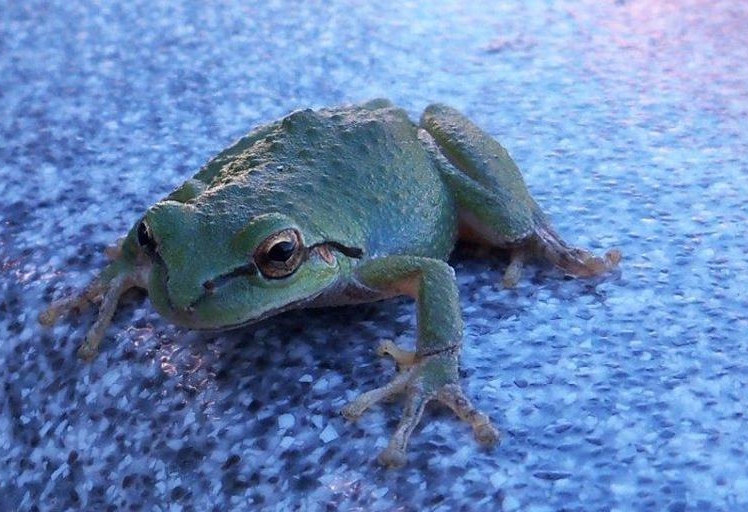
Cathleen Crosby recently photographed a Pacific Tree Frog, Pseudacris regilla, sitting on her spa. This frog can change colors to match their environment but they can't change to match a blue spa. Usually they are green but I've seen them turn brown and rusty-red. They eat insects, occasionally almost as big as they are. They have the ability to expand their body, something that would be helpful for humans at Thanksgiving!
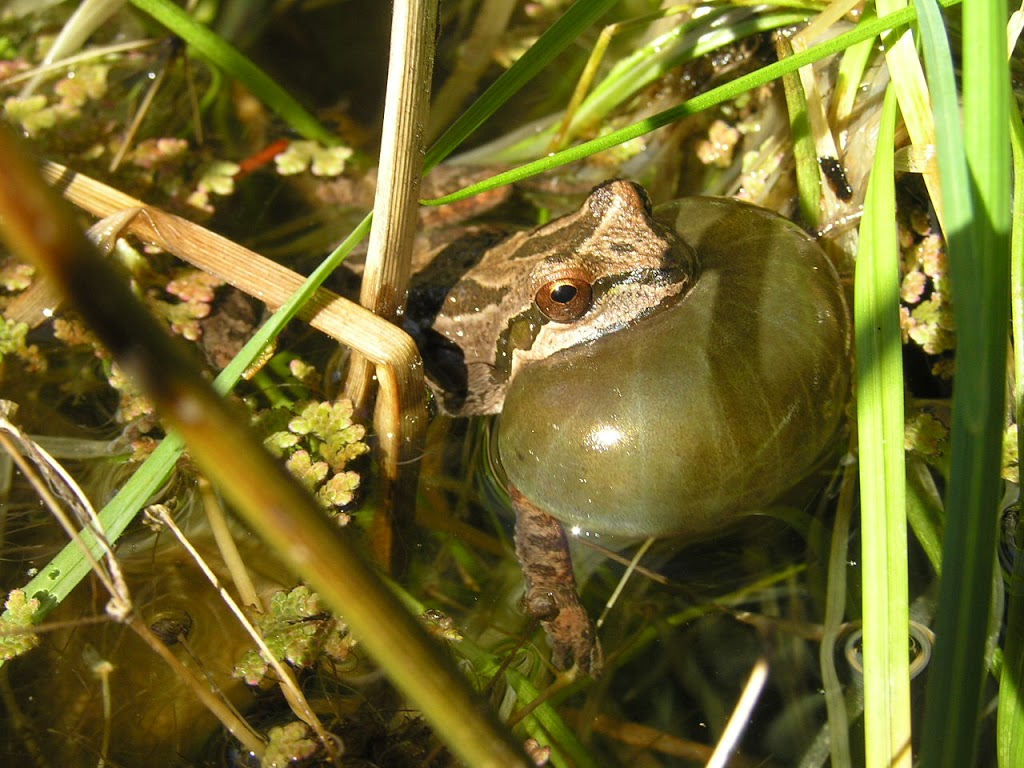
This small frog is found on the west coast of the United States. Males are slightly smaller than the females and they have a black patch on their throats. This patch is actually their vocal sac. I can attest to the loudness of a male calling for a mate. Here Peter Baye photographed one in "full throat." Fun fact - this is the only frog who's call is "ribbitt."
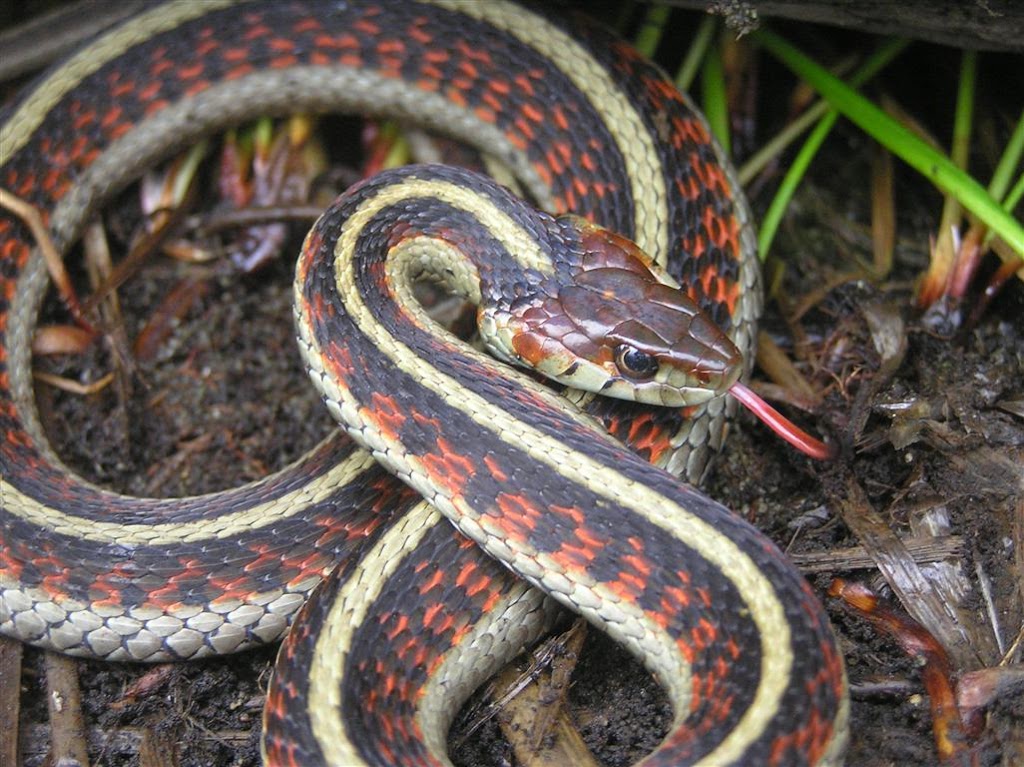
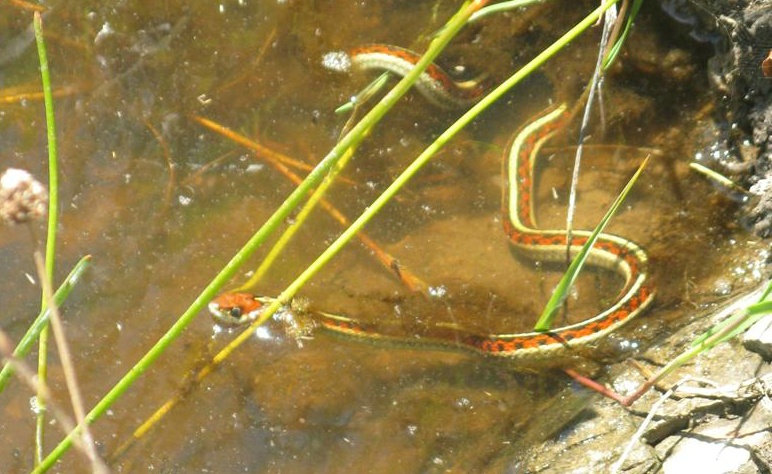
I know not everyone likes snakes but we share the Mendonoma Coast with several species. Peter Baye recently photographed this CA red-sided Garter Snake on the Mendocino Coast. Its Latin name sounds like a Harry Potter spell - Thamnophis sirtalis infernalis.

This snake is a good swimmer as you will see in C'Anna Bergman-Hill's photo below. It has the ability to eat Pacific Newts, which are poisonous to most other predators. It has toxin in its saliva that it uses to capture its prey, but this snake is considered harmless to humans.

Thanks to Peter and C'Anna for allowing me to share their photos here!

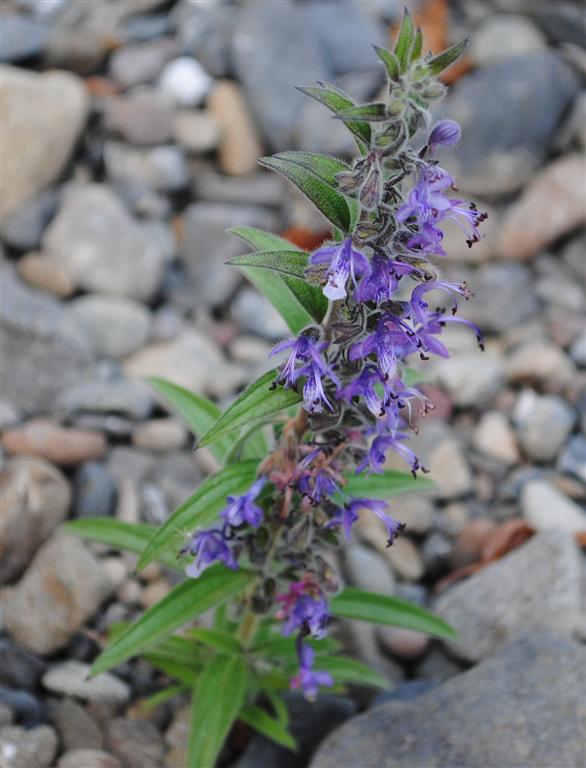
On a recent walk of the banks of the Gualala River I spotted a small, purple wildflower growing in the gravel bed. Its tiny blooms were orchid-like. Not knowing its name, I sent the photo to Peter Baye. I could almost hear his chortle when he wrote back with the identification. Vinegar-weed, he wrote, aka Turpentine weed. "Too bad you didn't smell it," he said, "the aroma of the leaves can give you whiplash, kind of like smelling salts." Well, I'm very glad I didn't smell it!  I think I'll just admire it from a distance.

It's a California native and its Latin name is Trichostema lanceolatum. Like many other CA native plants it has medicinal qualities. Native American peoples used it as a cold and fever remedy, for pain relief and...wait for it!...a flea repellent.

Ten Mile Dunes is found north of Fort Bragg. On a recent visit Peter Baye photographed four rare wildflowers. I've already shared two of them with you. Here are the other two.

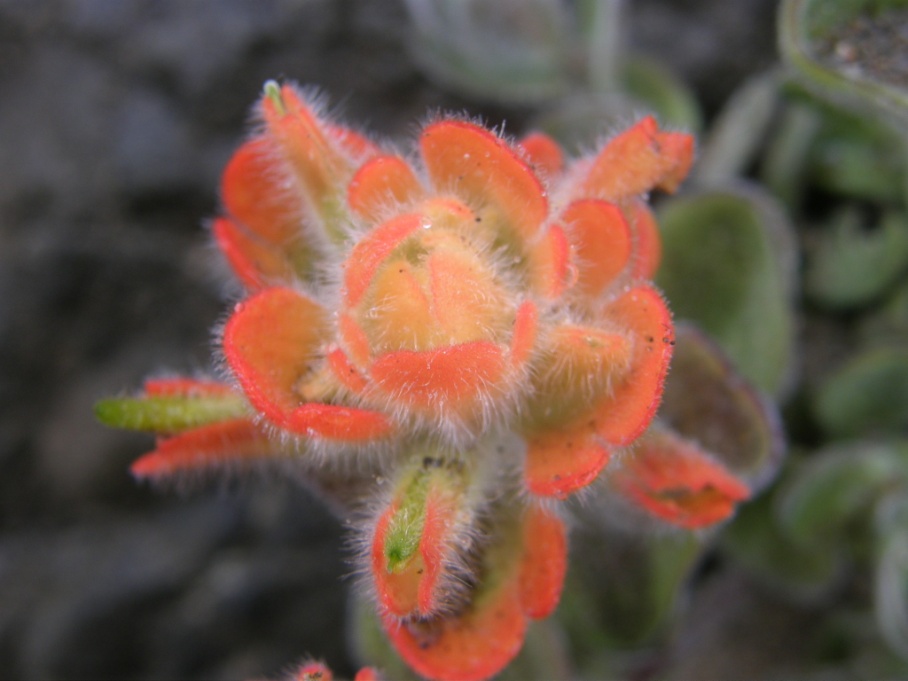
Mendocino Coast Indian Paintbrush - Castilleja mendocinensis - is a perennial herb that only is found in California and Oregon. It is endangered and needs protection from non-native plants. Look how lovely it is.

Round-headed Chinese Houses is the common name for Collinsia corymbosa - an annual herb that is only found on the coastline of Northern California. It too is listed as endangered. These wildflowers are truly special. Thanks to Peter Baye for allowing me to share them here!

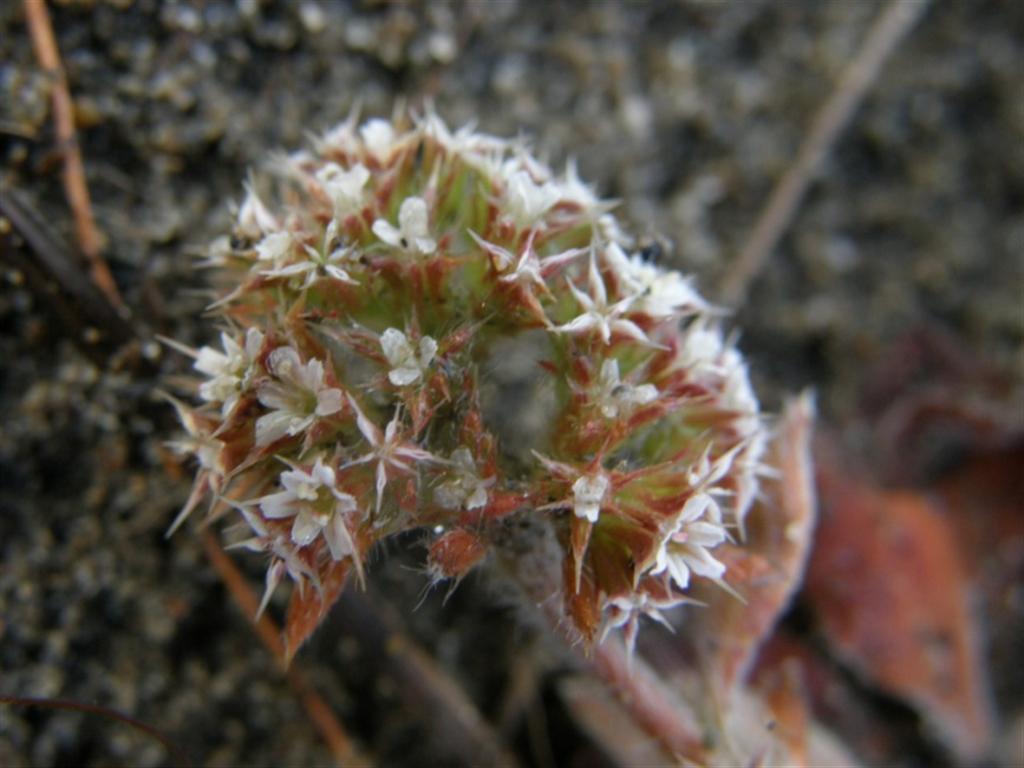
Peter Baye, camera in hand, went exploring at Ten Mile Dunes, which is north of Fort Bragg. On the dunes Peter found some rare wildflowers, the first one being Howell's Spineflower, Chorizanthe howellii. It's an annual herb that is native and endemic to California. In fact, Cal-Flora only shows this flower in Mendocino County. It is listed as threatened by the State of California and listed as endangered by the federal government.

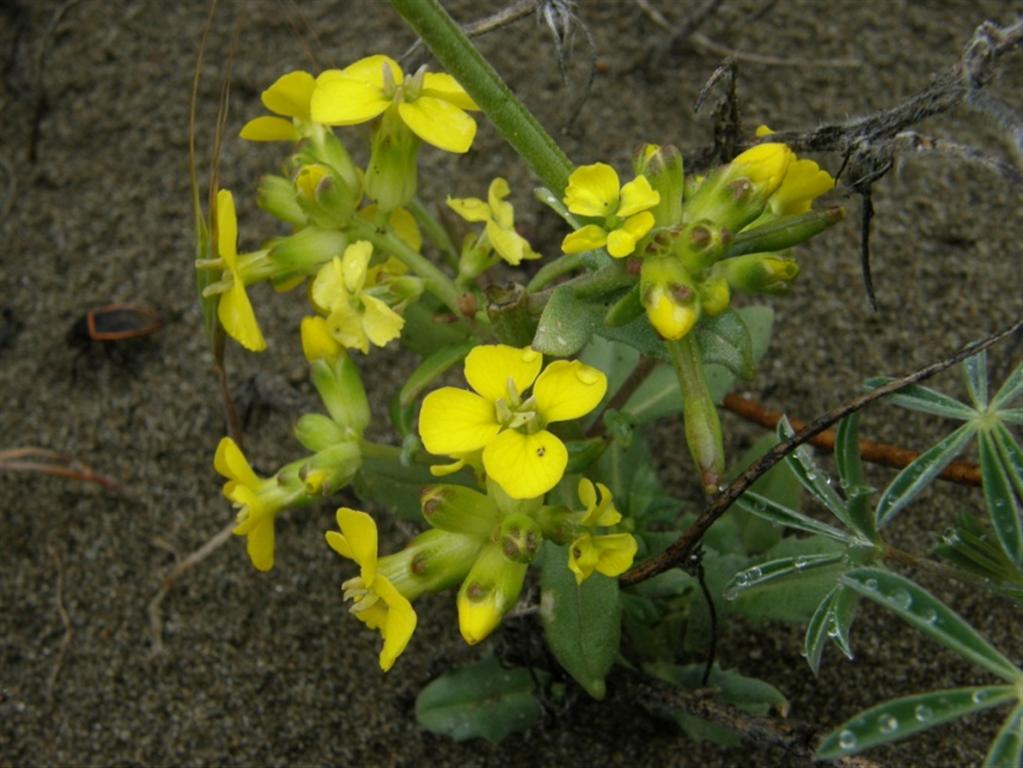
Another rare wildflower found was Menzies' Wallflower, Erysimum menziesii. It's a perennial herb and another endangered California native.

I have two more to show you but they will have to wait for another day! Thanks to Peter for allowing me to show you these beauties.