Tag Archives: Diane Hichwa

Ron Bolander used the new Merlin bird ID app to try and identify a shorebird but it steered him wrong. Ron wrote, “While I was on the beach, mid Tuesday afternoon, I got some pictures, that "Merlin" identified as Semipalmated Sandpipers.  Checking on the Cornell site for information, these are not supposed to be here.  They migrate from the Arctic to South America, but the migration is east of the Rocky Mountains.”
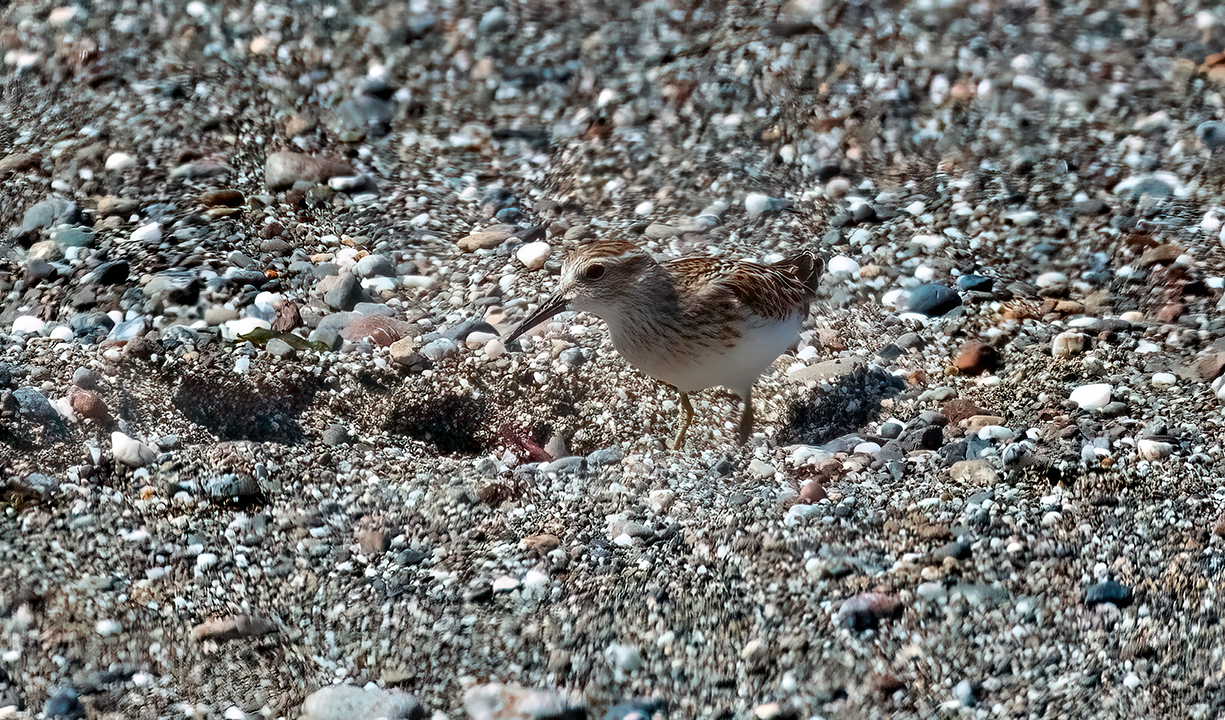
I sent Ron’s photos to Diane Hichwa, who in turn sent them to a shorebird expert, Lisa Hug, who wrote, “It is a Least Sandpiper - yellowish legs, dark streaking on chest.” Diane commented, “Shorebirds are SELDOM easy, and in transitions from breeding plumage to winter plumage, they are even more challenging.”

Ron also photographed a Western Sandpiper.
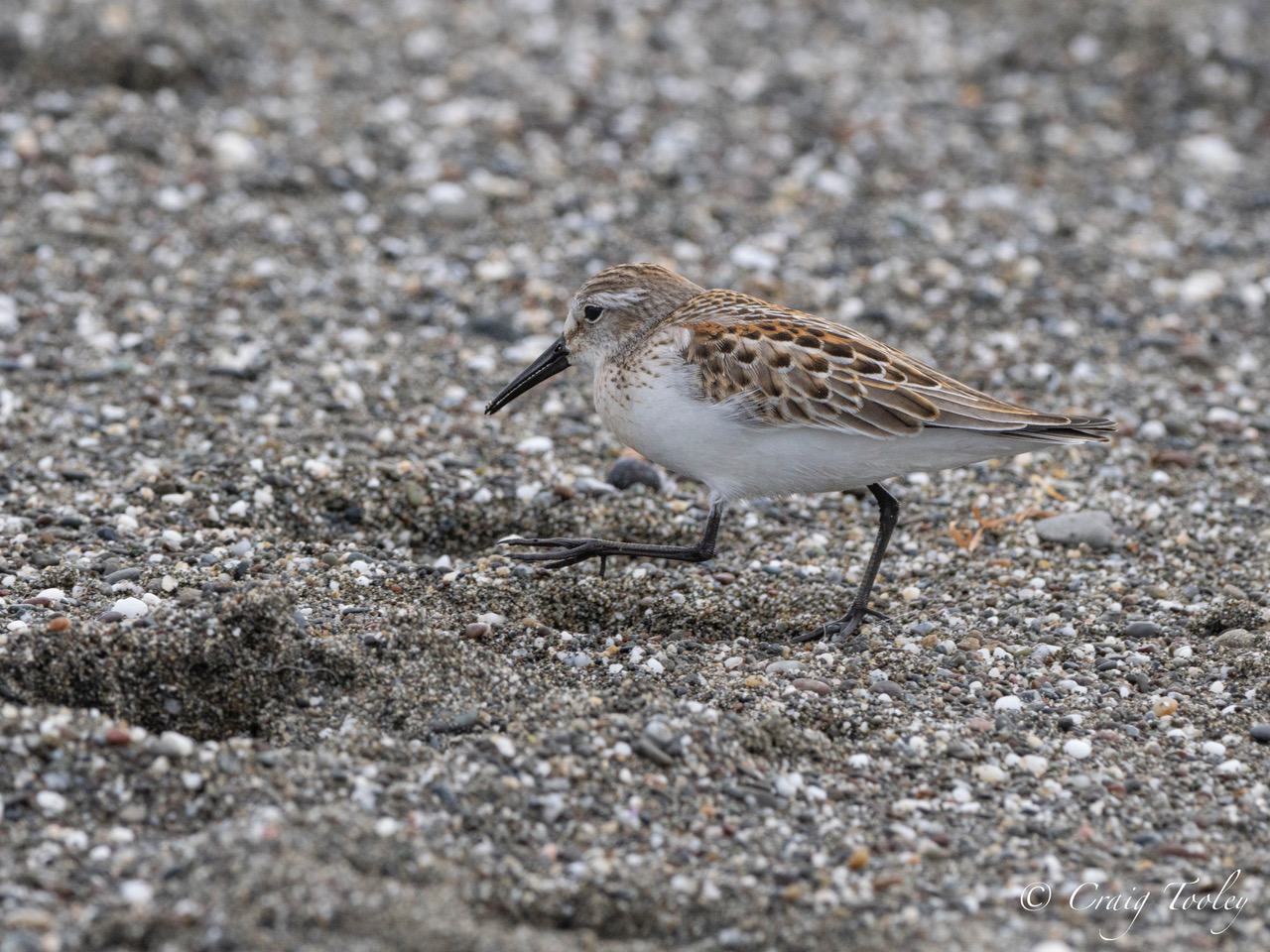
Such beautiful birds plying our beaches! Thanks to Ron for allowing me to share his photos with you here.

The weather is changing! We actually have some rain headed our way beginning Saturday evening.  Today it is windy and mild. It feels very good to know rain is in our near future!

Sunday night, May 15th, brought a celestial phenomenon, a total lunar eclipse. The Moon glowed red and orange, hence it’s often referred to as Blood Moon. Barry and Kathryn Weiss went to a suitable spot on The Sea Ranch to witness and photograph the event. Barry wrote, “So there we were, at the end of Piper’s Reach waiting for sunset. Friends driving by us would stop and ask if we were okay or did we need any help. ‘No, just waiting for sunset.’ ‘Waiting for the eclipse.’ They’d respond, ‘Oh,’ and then drive off. So there we were, freezing our…let’s say feet…off and then we saw it. When I examined my photos I saw that I might have captured the planet Jupiter in it.”

I sent Barry’s photo to sky watcher Mel Smith. Mel believes Barry photographed a star, not the planet Jupiter. Mel said if the eclipse happened during the Zodiac sign of Scorpio, which it did, then Barry photographed Antares. Mel said, “I’ve never seen a star next to an eclipsing Moon before.” There appears to be another faint star on the right side of the Moon.

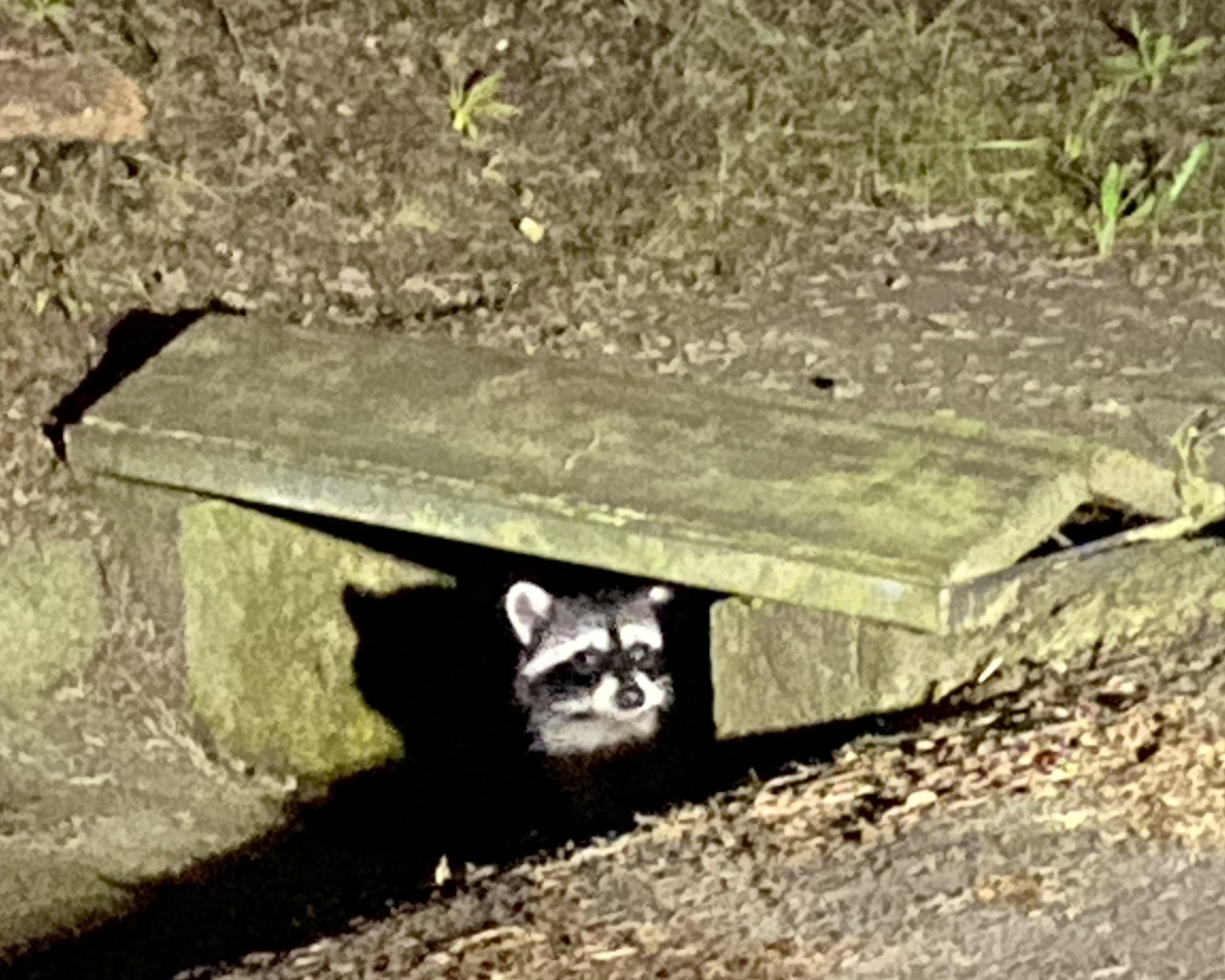
Diane Hichwa also drove to view the eclipse. As the eclipse continued, she drove past a Raccoon that was huddled in a culvert.

Diane wondered if the Raccoon was scared by the event. When the eclipse was over, the Moon returned to its normal color and the excitement was over.

Thanks to Barry and Diane for allowing me to share their photos with you here.

It's very warm here today, after a warm day yesterday. Hot up on the ridge! Bring back our fog!

2 Comments

Bob Rutemoeller wrote, “I first thought this might be a Whimbrel but after looking up info online, I think it is a Long-billed Curlew. We had walked from Kinney Road along the beach to the Garcia River. There are lots of Kelp piles on the beach, and also lots of Jellyfish.”

Diane Hichwa confirmed the ID of this big shorebird. Just look at that long thin beak!

Thanks to Bob for allowing me to share his photo with you here.

oh my, it's terribly windy here today, Monday. I hope it calms down soon.

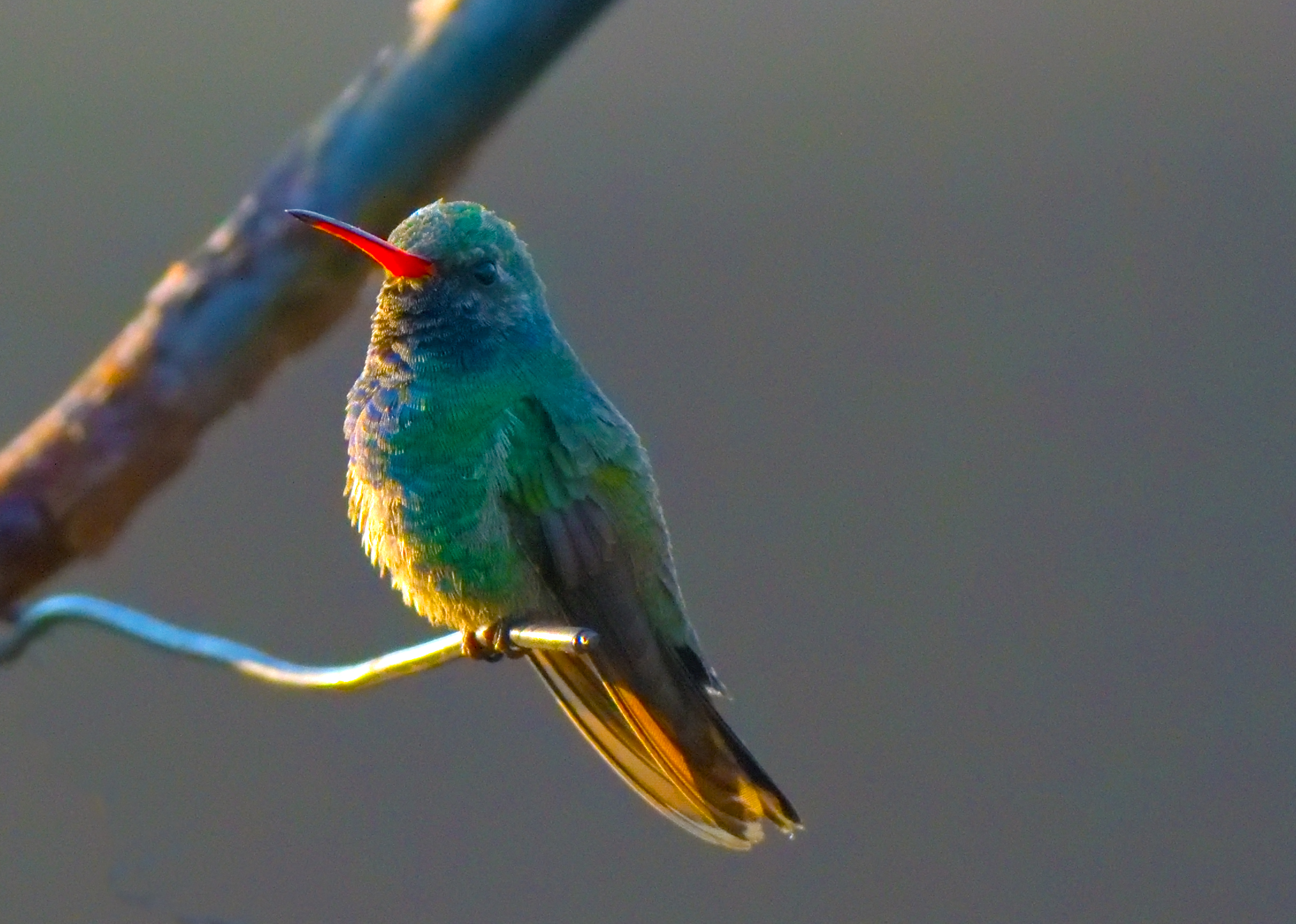
A beautiful hummingbird was seen on October 2 and 3 at The Sea Ranch. John Batchelder’s daughter, Marianne, was the first to see it and identify it.

BBIH @TSR 100220

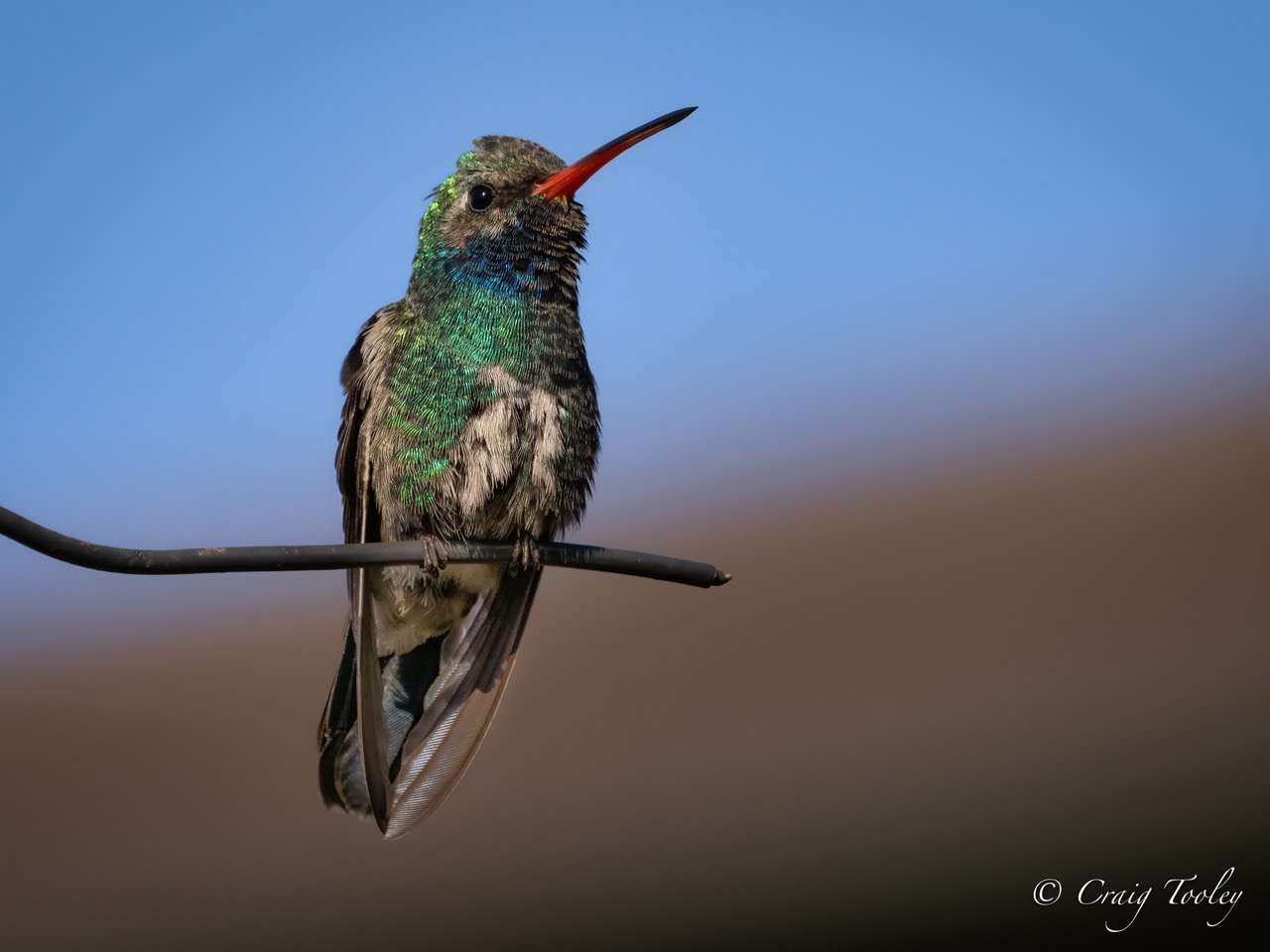
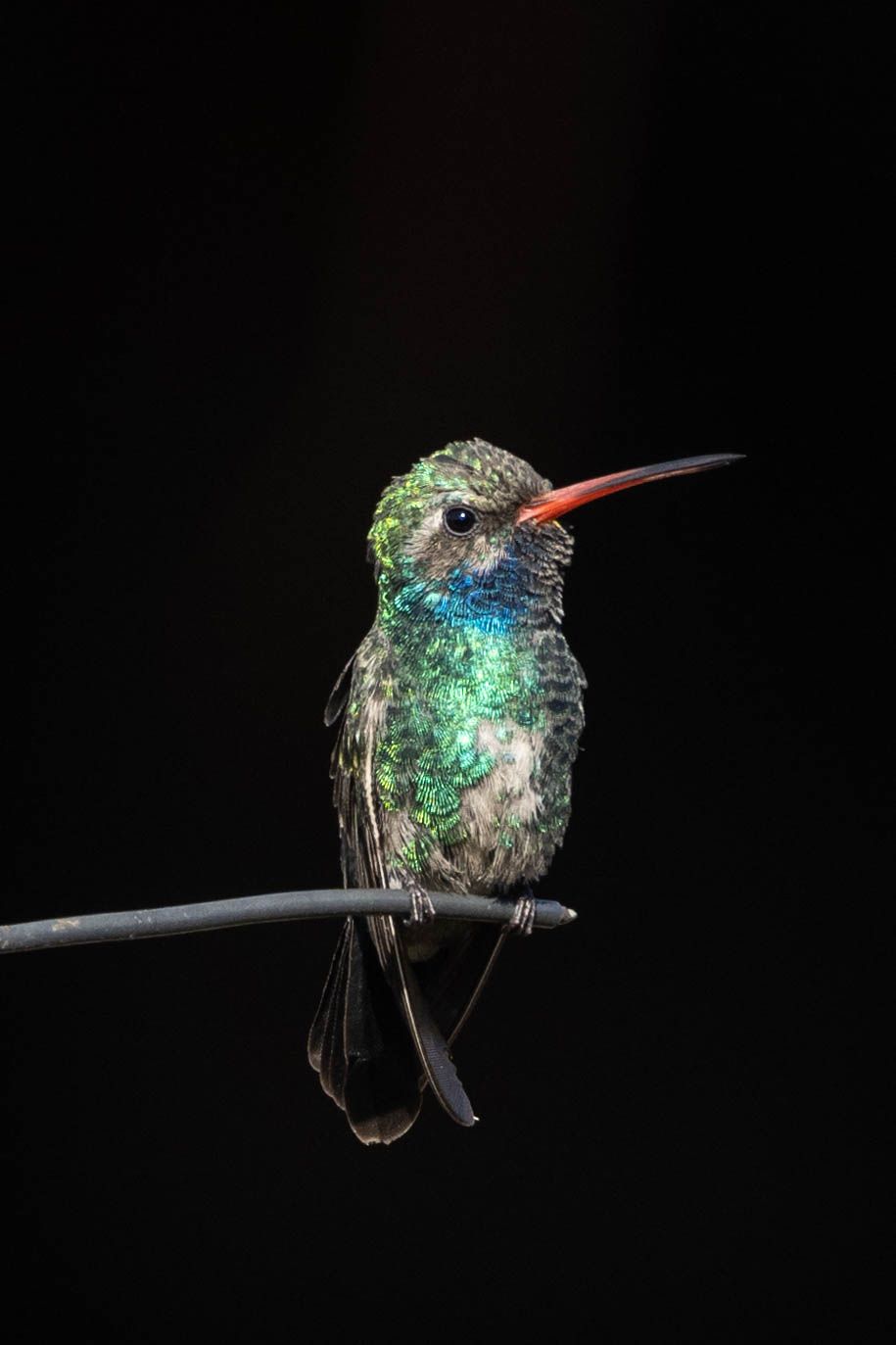
Diane Hichwa wrote, “There is a rare bird staying for a few days at Sea Ranch - a Broad-billed Hummingbird. It has been seen on two other occasions in Sonoma County.  It SHOULD be in Arizona, New Mexico and Mexico, but not here. But it is.”

Several other photographers got wonderful photos of the colorful hummer, including Craig Tooley.  Craig wrote, “It is spectacular. Also, it makes a very different sound than our local Hummers.” Here is a link to hear their calls, which are quite different! https://www.allaboutbirds.org/guide/Broad-billed_Hummingbird/sounds

Karen Wilkinson also photographed the beautiful hummingbird.

Why this little bird was so far from its normal territory is a puzzle, but we know how to appreciate beauty when we see it. Welcome to the Mendonoma Coast, little hummer!

Thanks to John, Craig and Karen for allowing me to share their photos with you here.

We are having a oh-so-lovely autumn day today. Perhaps a little rain tomorrow, please rain gods and goddesses!

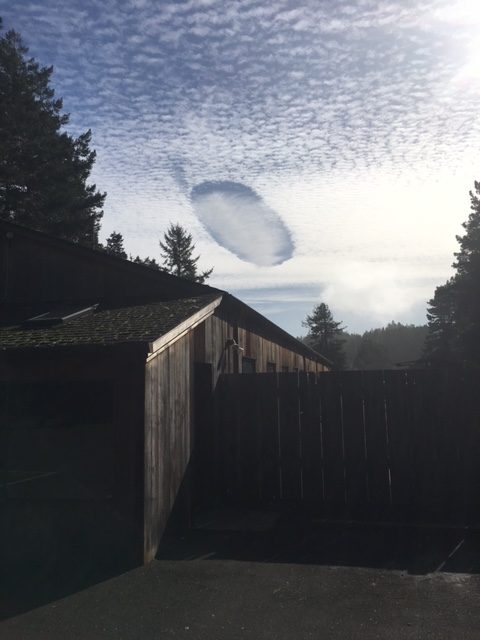
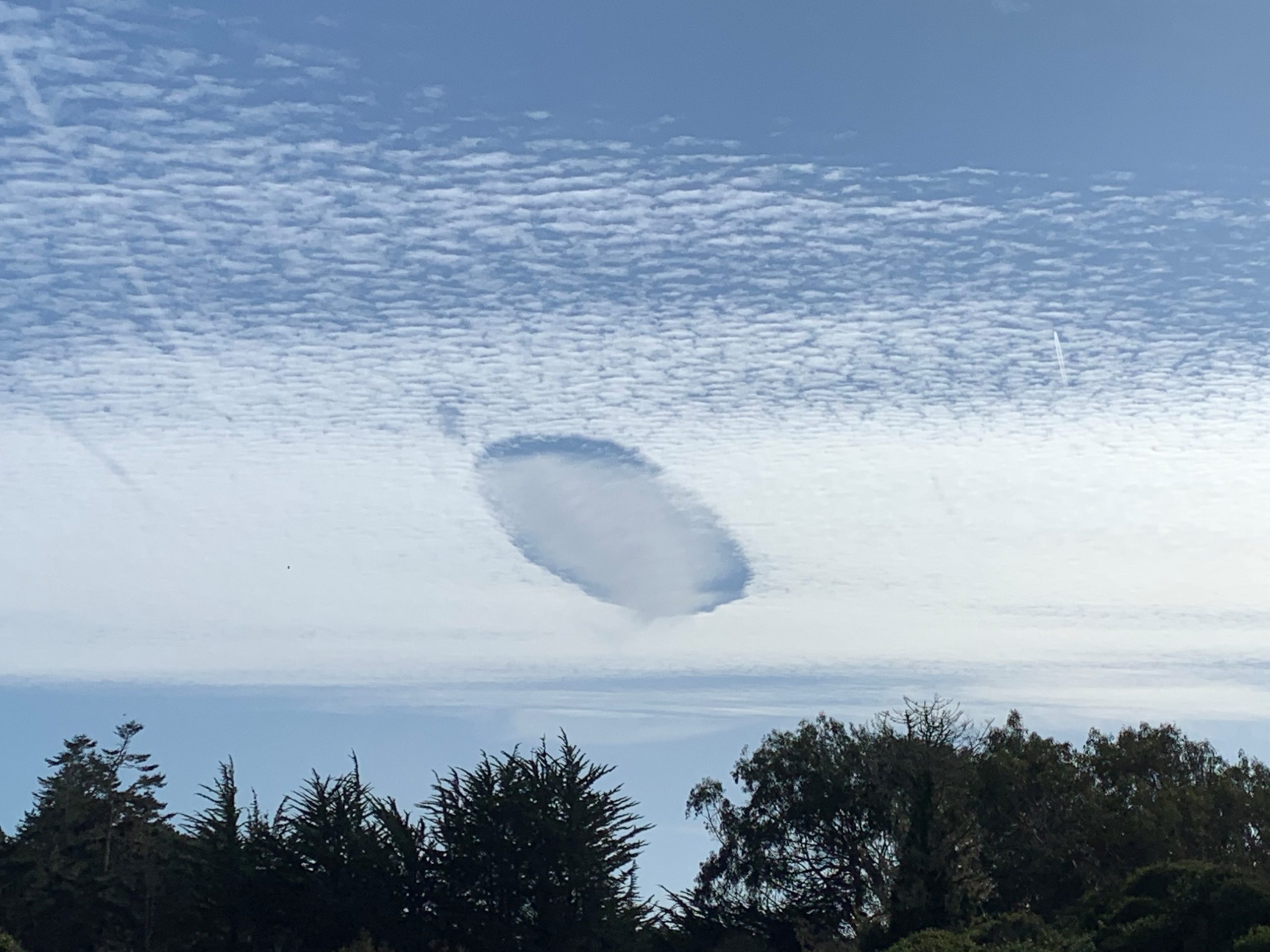
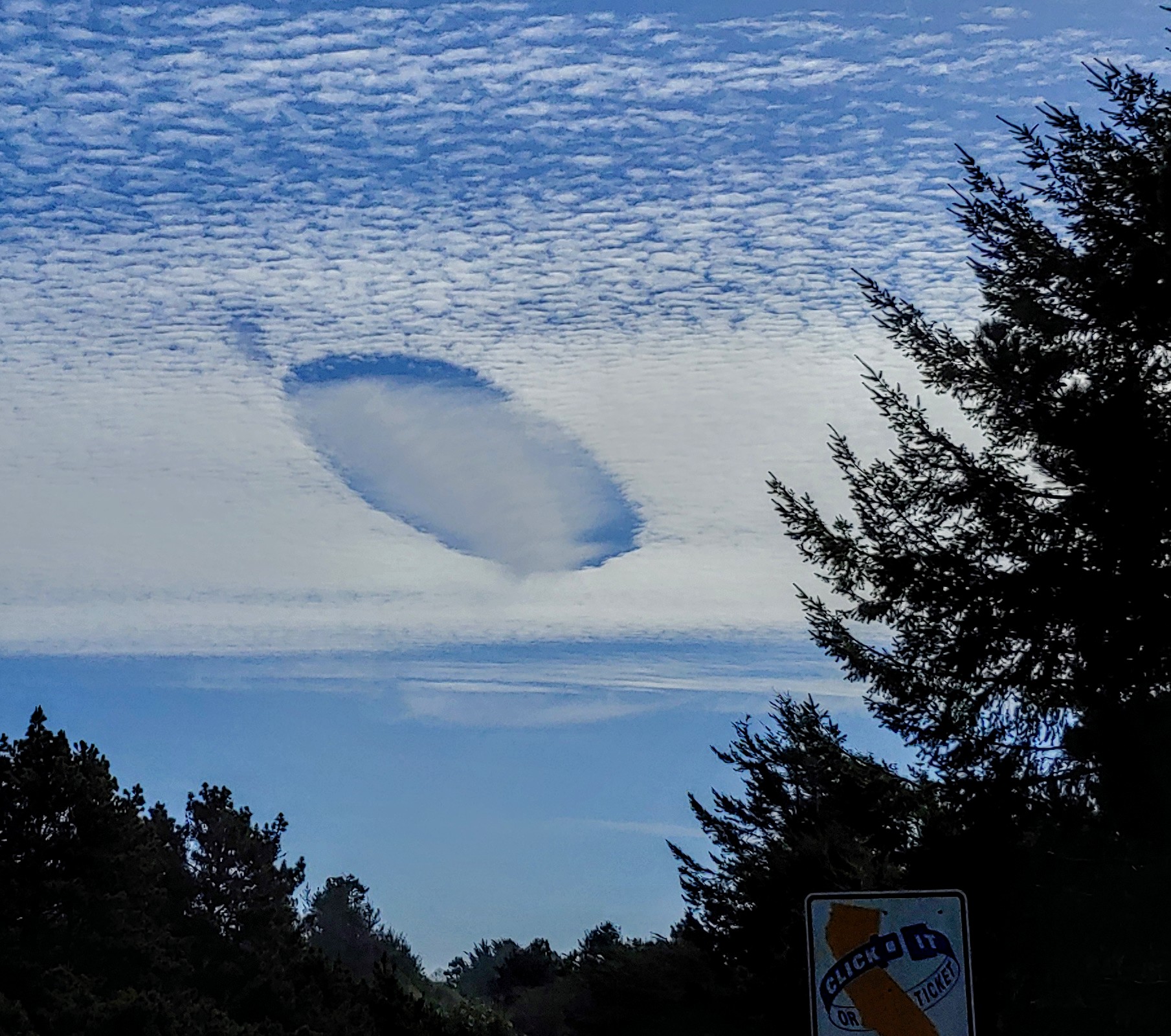
This unusual cloud formation was seen in the late morning on Feb. 1st over Gualala and The Sea Ranch. It had been cold that day. Perhaps that’s why a rare phenomenon appeared in the sky. It was seen and photographed by quite a few coast residents. Janet Pierucci was the first to send in photos of a Fallstreak Hole. She wrote, “My husband, James Adrian Adams, and I both took pictures of the Fallstreak Hole which appeared around noon. So exciting to see.”

John Mills photographed the unusual cloud too.

Diane Hichwa also photographed it. She wrote, “I was driving on Highway 1, looked up and went. ‘WOW, how odd??? I watched it for a half mile and decided I should pull over and get a photo. It persisted for quite a while.”

Janet kindly sent a link regarding this cloud formation, which is also called a cavum, hole punch cloud, punch hold cloud, skypunch and more. It’s a large gap, usually circular or elliptical, that can appear in cirrocumulus or altocumulus clouds. A Fallstreak Hole is formed when the water temperature in the clouds is below freezing, but the water has not yet frozen. It’s amazing to learn about this cloud.

Thanks to Jane, James, John and Diane for allowing me to share their photos with you here.

Our unseasonable warm weather came to a screeching halt today, as a cold fog greeted us at daybreak.