Tag Archives: Craig Tooley

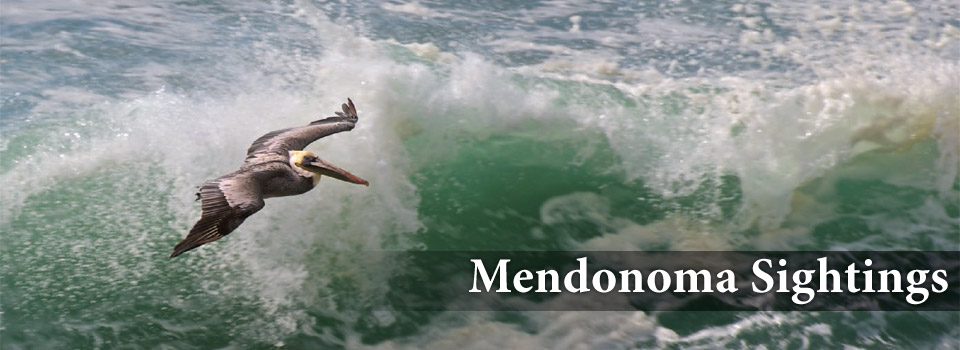
Brown Pelicans use offshore rocks to rest overnight on their travels. So it's not surprising to see hundreds roosting on Gualala Point Island. Craig Tooley photographed the sight.

GPI is off the north end of The Sea Ranch.

Thanks to Craig for allowing me to share his photo with you here. To see much more of Craig's nature photography, here is his website: http://www.ruffimage.com

Heavy fog this morning, with sun this afternoon/

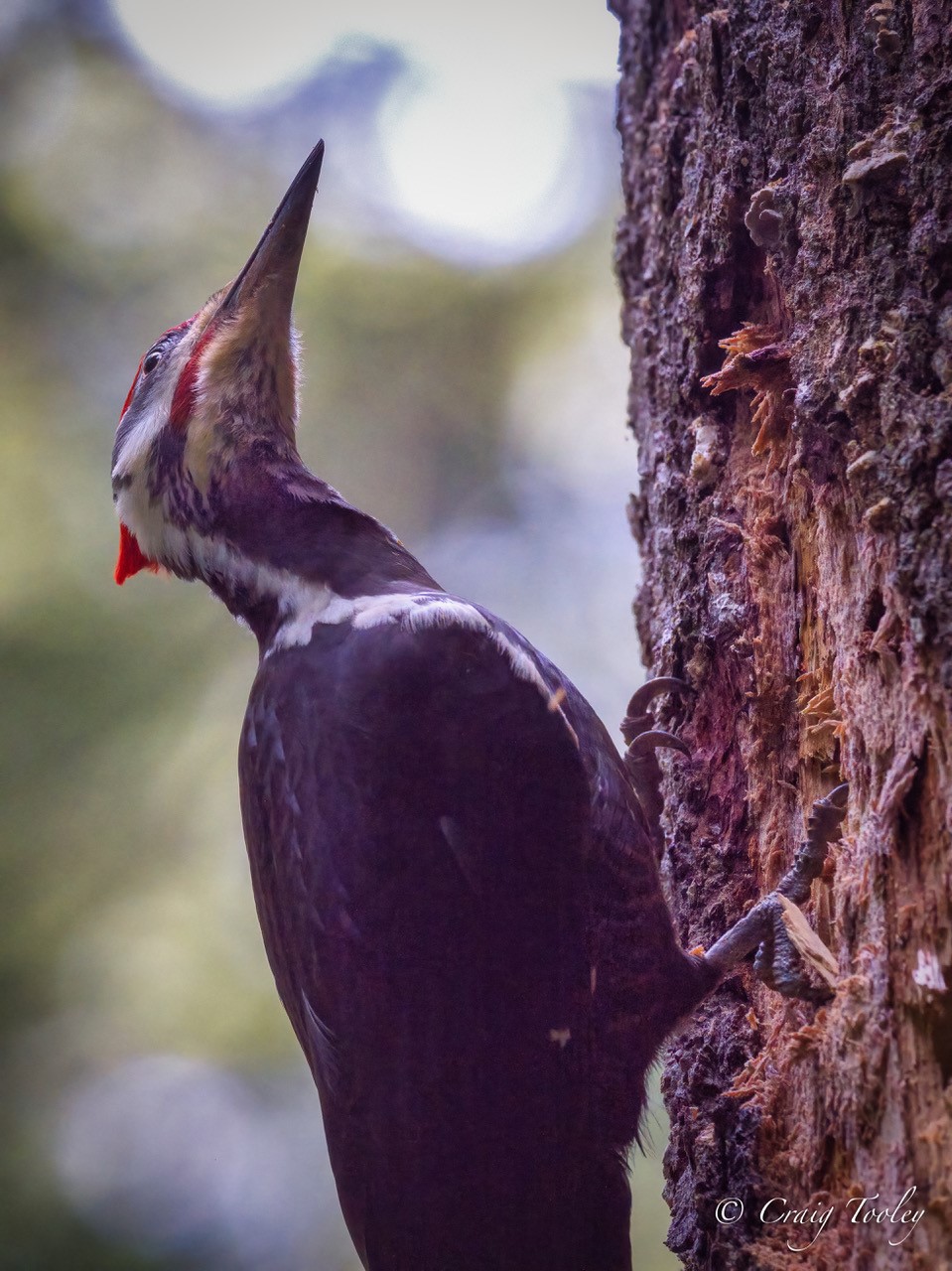
Craig Tooley recently found one of my favorite birds, the Pileated Woodpecker. I heard one calling in the Anchor Bay area this morning.

These prehistoric-looking birds are quite large - their wingspan can be 29 inches. The red streak on the woodpecker's cheek tell us this is a male. They have a very unique call, which you can hear at this link to the Cornell Lab of Ornithology: https://www.allaboutbirds.org/guide/Pileated_Woodpecker/sounds

The folks at the Cornell Lab of Ornithology have created a fabulous, free app that you can upload to your smart phone. It's called the Merlin Bird ID  app, and I've been having so much fun with it! You hold your phone up to birdsong and the app identifies the bird, showing you a photo along with the name. You can find it at this link: https://apps.apple.com/us/app/merlin-bird-id-by-cornell-lab/id773457673

The Merlin app is brilliant and sure to be a hit with youngsters too!

Thanks to Craig for allowing me to share his photo with you here. To see much more of Craig's nature photography, here is the link to his website: http://www.ruffimage.com

Today is simply lovely here on the Mendonoma Coast. Clear skies and a gentle breeze. Two Finback Whales were seen yesterday morning, which means there is a lot of feed - anchovies! - in the ocean. We're hoping to see our first Blue Whale of the season any day.


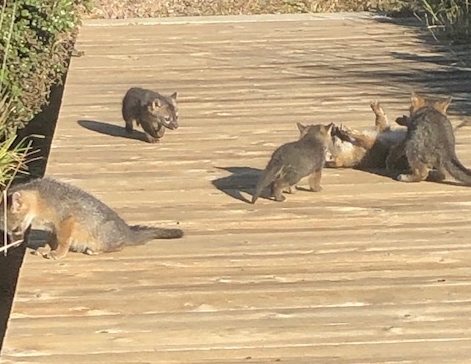
Mirka Knaster wrote, “Mother and kits were living under the ramp of my studio and playing like kittens, apparently without fear of me. I even had a ‘conversation’ with mama fox."

"They’re gone now but such fun when they were here.”

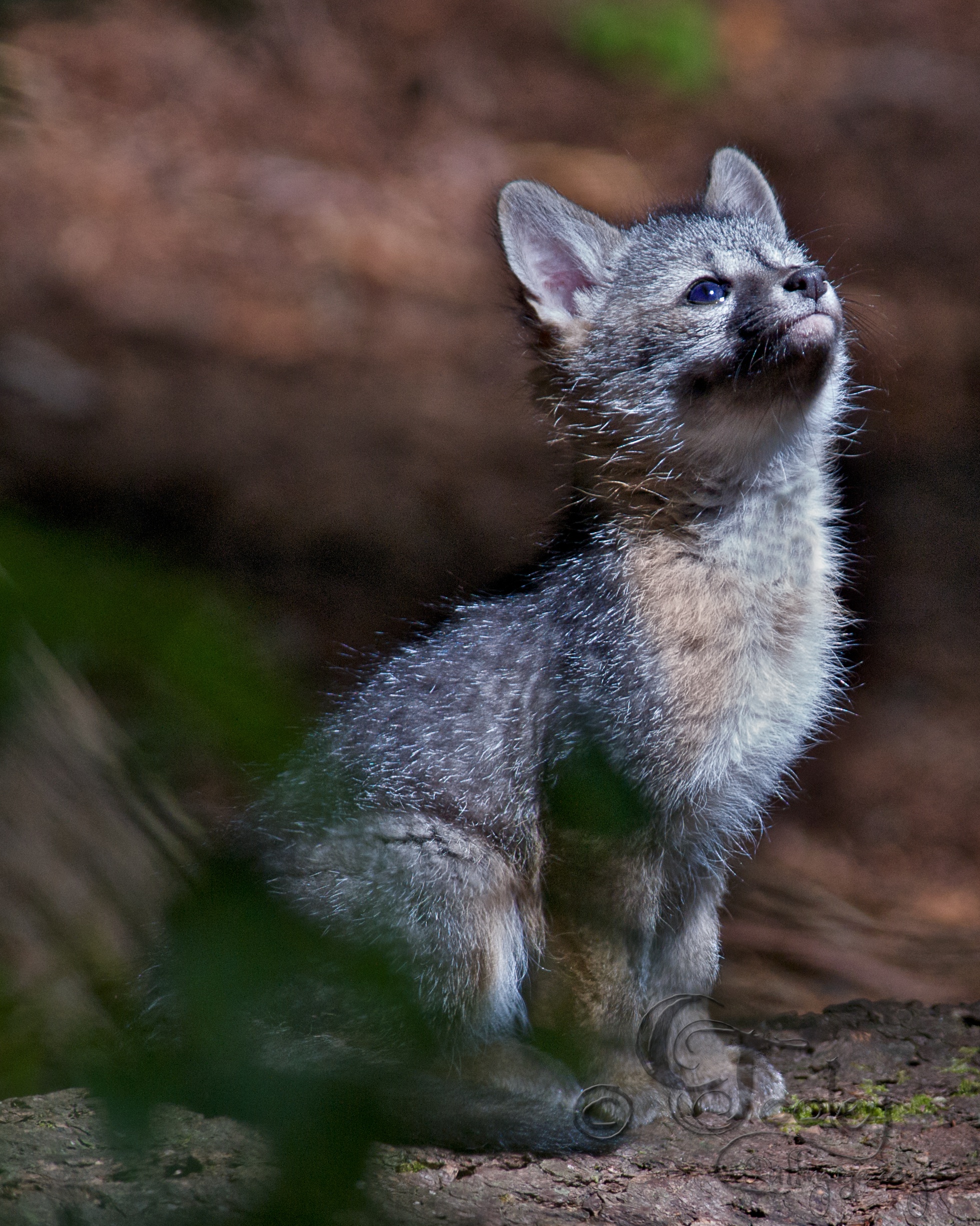
I must say that I'm jealous. I wish a Gray Fox family would be under one of my decks! I love Gray Fox kits so much that I picked a photo of one, taken by Craig Tooley, for our beautiful books, Mendonoma Sightings Throughout the Year.

Thanks to Mirka and Craig for allowing me to share their photos with you here.

Our short but intense heatwave is over, thank goodness. Cool breezes came with the dawn. It's just about perfect today. The Mendonoma Coast is calling you!

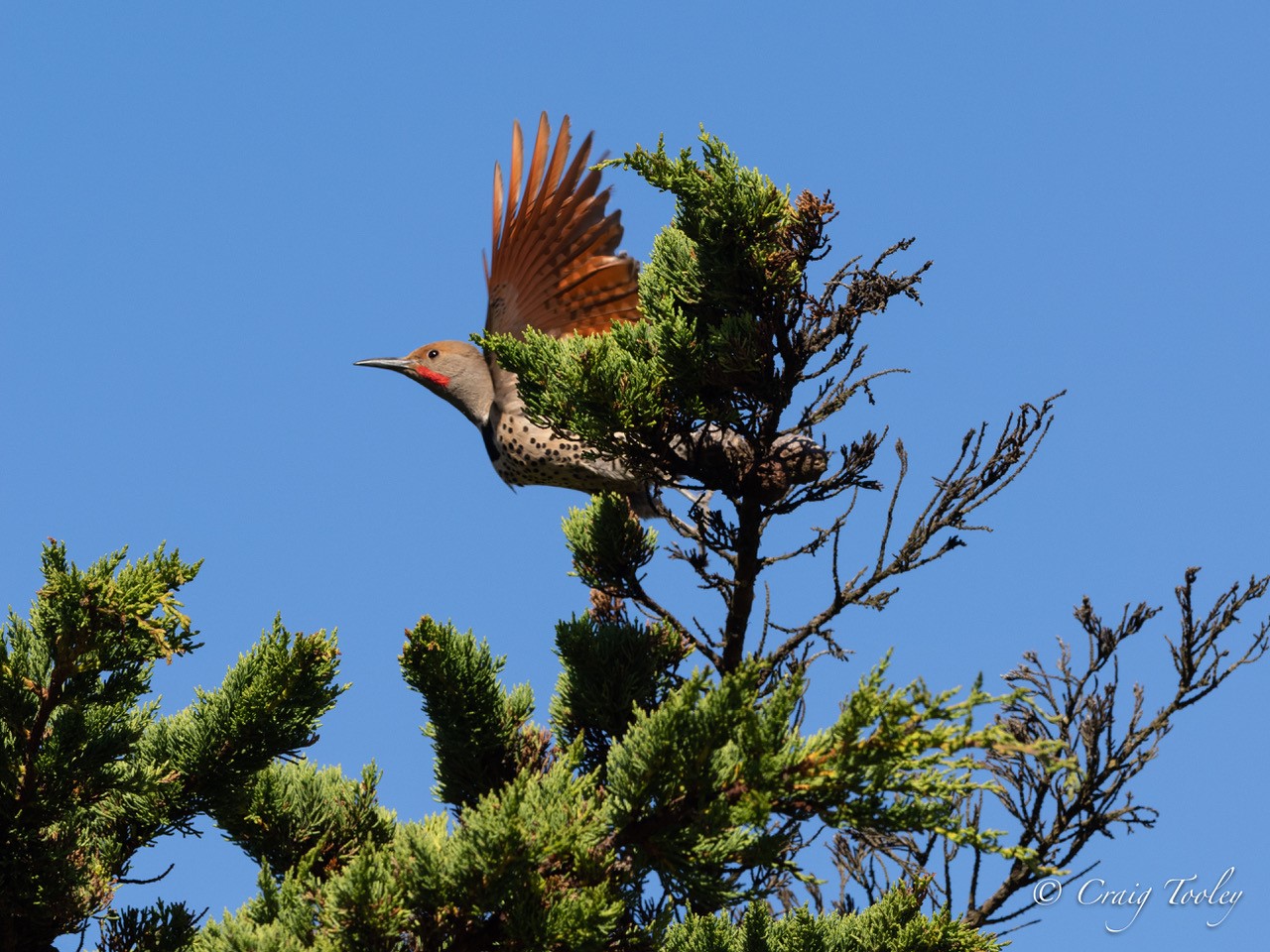
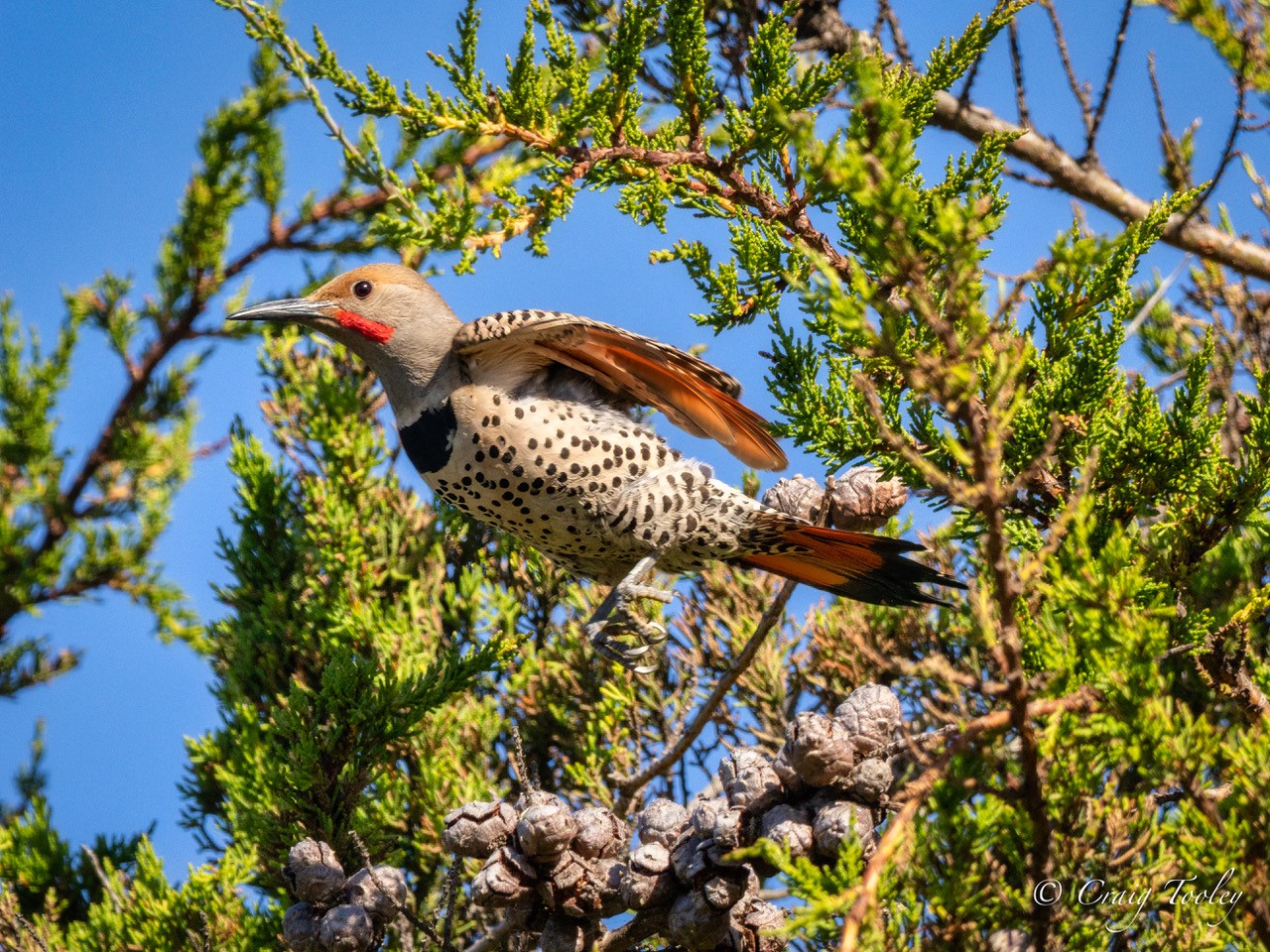
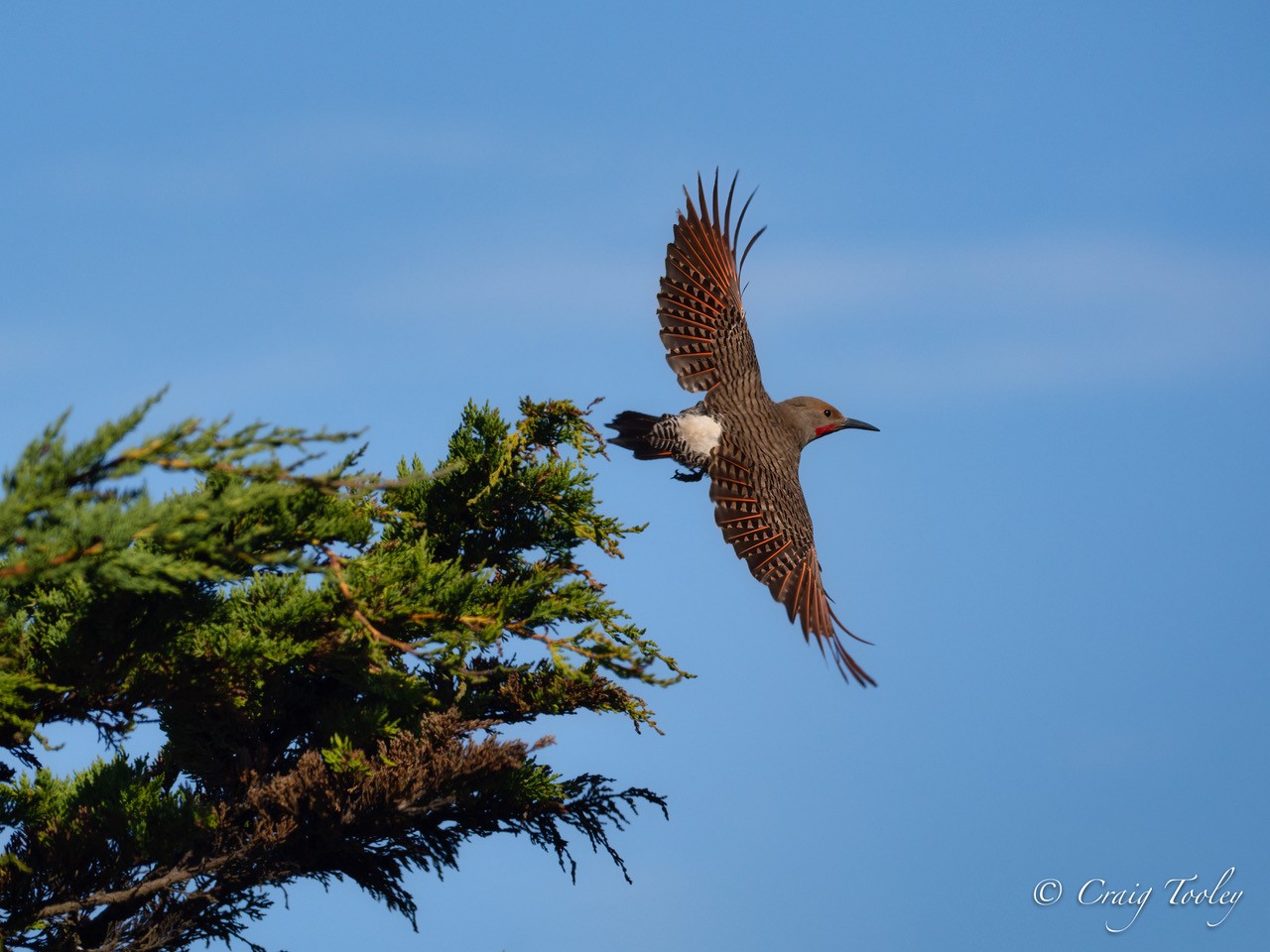
Craig Tooley has been out in Nature, training his camera on a beautiful male Northern Flicker.

Northern Flickers are woodpeckers. They are often seen on the ground as they eat ants and beetles. They use their beaks to dig the insects up. Craig's photos shows the orange-red color on the flicker's wings. If you were in the eastern part of the US, the flicker's wings would show yellow. So the flickers here are Red-shafted Northern Flickers. The red feathers on this flicker's face show us he is a male.

To hear the calls of these woodpeckers, here is a link to the Cornell Lab of Ornithology: https://www.allaboutbirds.org/guide/Northern_Flicker/sounds

Thanks to Craig for allowing me to share his photos with  you here. To see much more of Craig's nature photography, here is the link to his website: http://www.ruffimage.com

It's beautiful here on the Mendonoma Coast today. Sunny, mild with a gentle breeze - nice!

It takes a talented photographer to get a photo of an insect while flying! Craig Tooley wrote, “I was out looking for little creatures the other day and thought this one was an interesting bee, or fly, or wispy creature. I thought you might enjoy seeing it. They move so fast, a lot of times you don't get a good look at these impressive little creatures. Where did it get those sunglasses?”
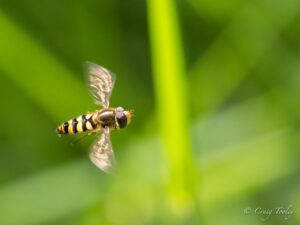
I sent Craig’s photo to entomologist Mary Lou Flint. She wrote, “It’s a Syrphid Fly, sometimes called a Hover Fly or Flower Fly because it hovers over flowers to feed on pollen and nectar. These are wonderful beneficial insects. Their larval stages are little maggots that feed on aphids and sometimes other soft-bodied insects. They can clean up an aphid infestation in a jiffy! The adults resemble bees or wasps, and this mimicry may protect them from some predators. However, as you can tell from Craig’s photo, they only have one pair of true wings, thus they are called Diptera. The rear wings have been reduced to knobs called halters. Bees and wasps have four full wings.”

I also learned these important pollinators, unlike bees and warps, do not sting!

Thanks to Craig for allowing me to share his photo with you here. To see much more of Craig's nature photography, here is the link to his website: http://www.ruffimage.com

It's sunny and breezy today!