Tag Archives: Carolyn Case

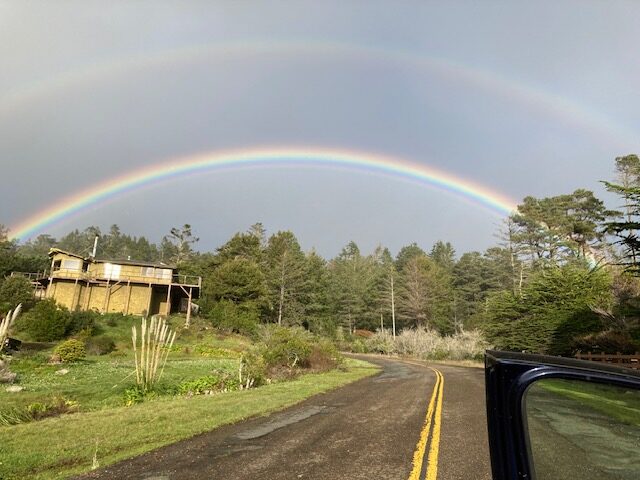
The sun came out briefly late this afternoon and I saw  a glimpse of a rainbow to the east. During the last series of storms there were multiple late afternoon rainbows one day, and many people photographed them. Joan Rhine got this double rainbow in Gualala.
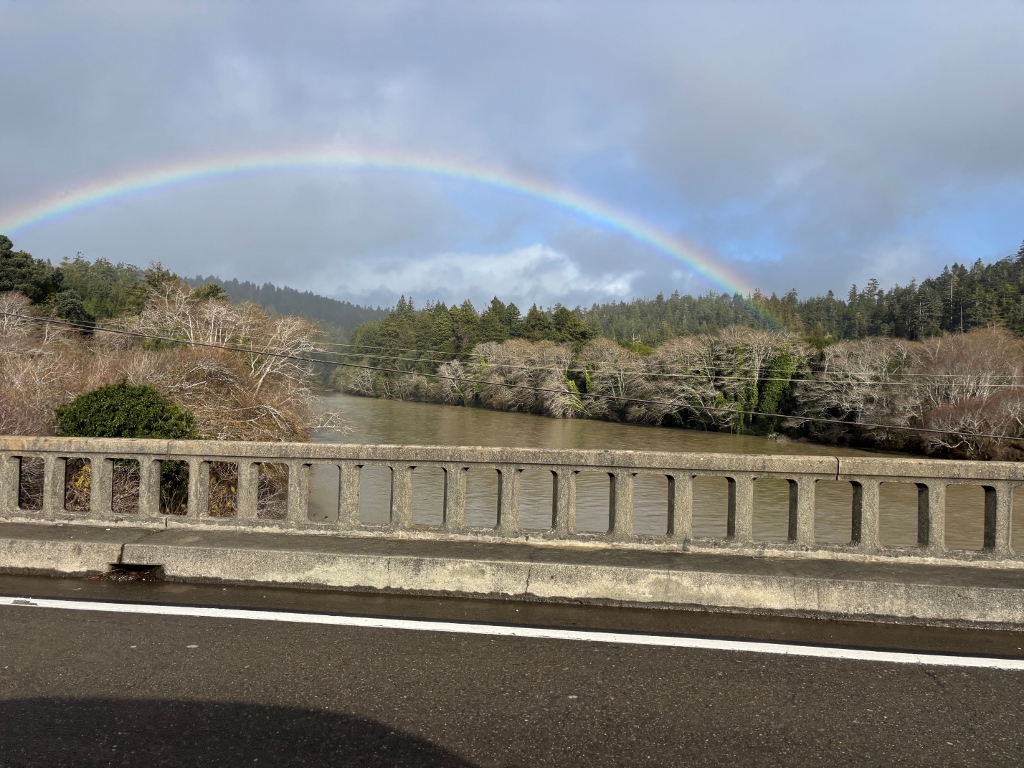
And Seve Cardosi got this one as she crossed the Gualala River Bridge. See how full the river is, and how muddy from the storms.
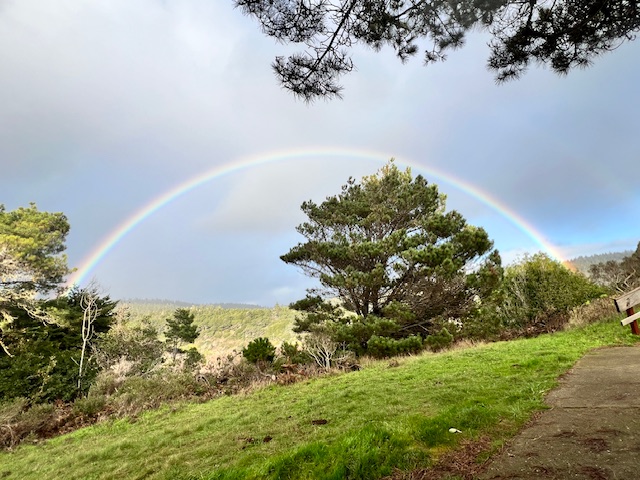
Carolyn Case was happy to find this afternoon rainbow at Gualala Point Regional Park.
Tomorrow I will show you some more from that day, including rainbows and a giraffe at B Bryan Preserve in Point Arena!

Thanks to Joan, Seve and Carolyn, aka CC, for allowing me to share their photos with you here.

Lots of rain today. The main storm seems to have passed late this afternoon, with showers at dusk. We've had six inches since the series of storms began on Jan. 1st. and a little over 30 inches season to date. The forecast says we will have a string of dry days ahead after the remnants of today's storm moves out. This could be a GREAT time to visit the Mendonoma Coast.
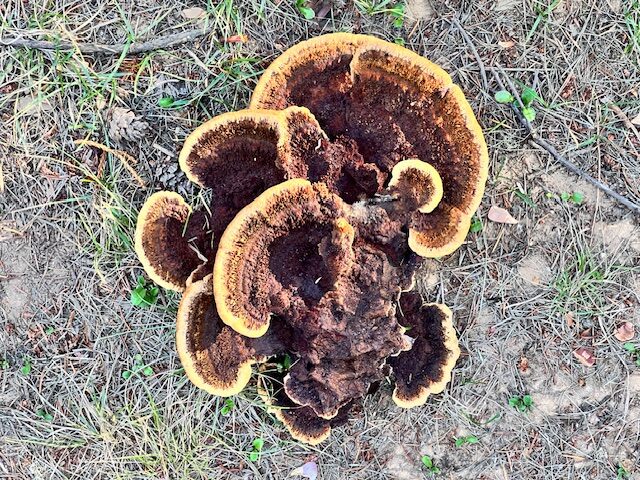
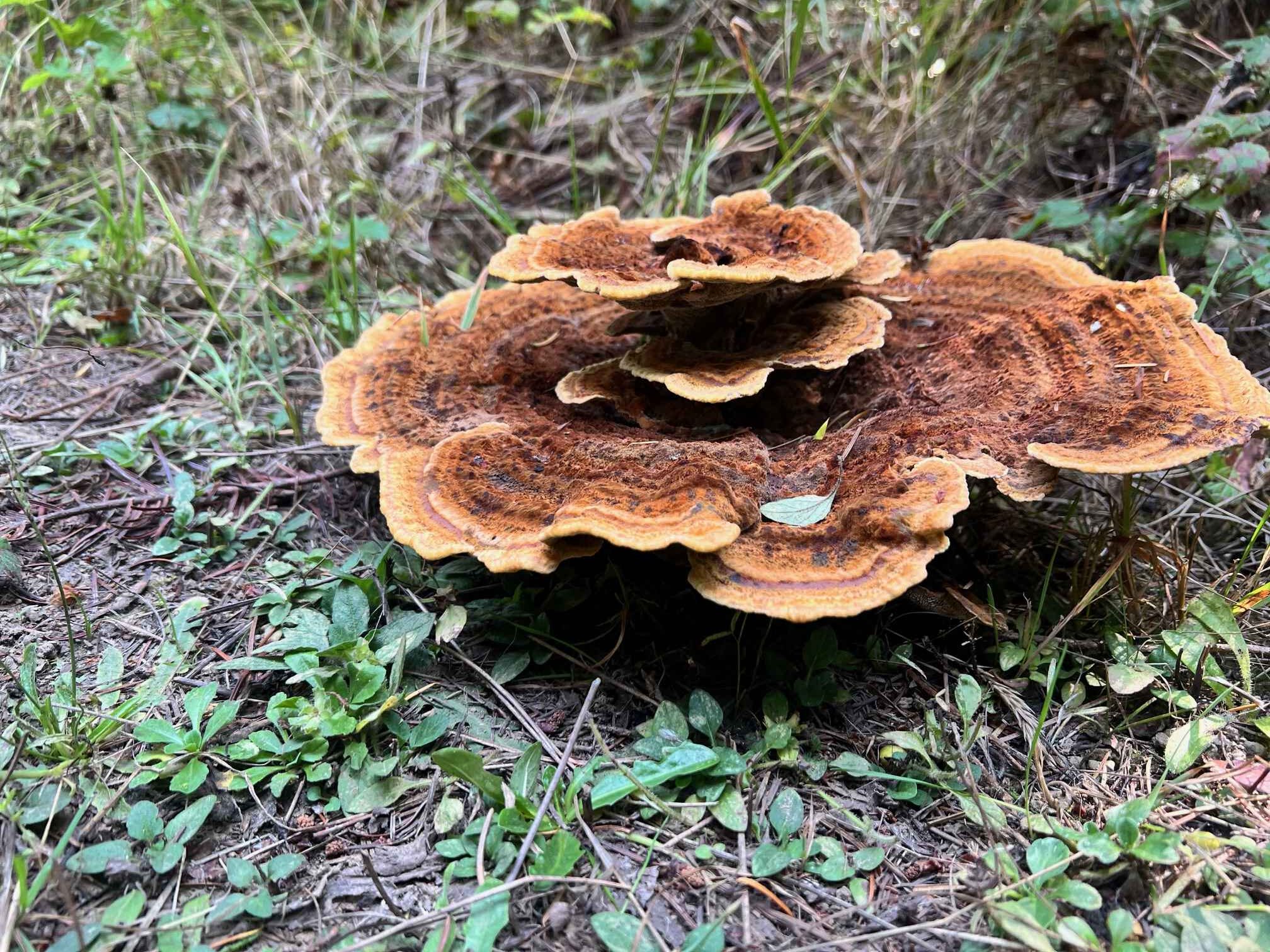
A sign of autumn, Dyer's Polypores are fun to spot in forests. Carolyn Case found two of them.

And Thane Frivold found one.

Dyer’s polypores are harbingers of autumn, letting us know the season is changing. Their role in nature is to decompose dead wood. They get their common name because dyer’s of wool use these mushrooms to dye the wool. When the mushroom is young, it dyes yellow, then orange, and then as it has aged, it dyes brown. I so enjoy watching them evolve in the forest.

Thanks to Carolyn and Thane for allowing me to share their photos with you here.

Bonus sightings today: Susy Rudy found two King Boletes, boletus edulis, yesterday - the first I have heard of this season. Hooray! And Humpback Whales are being seen today and the past couple of days in large numbers.

1 Comment

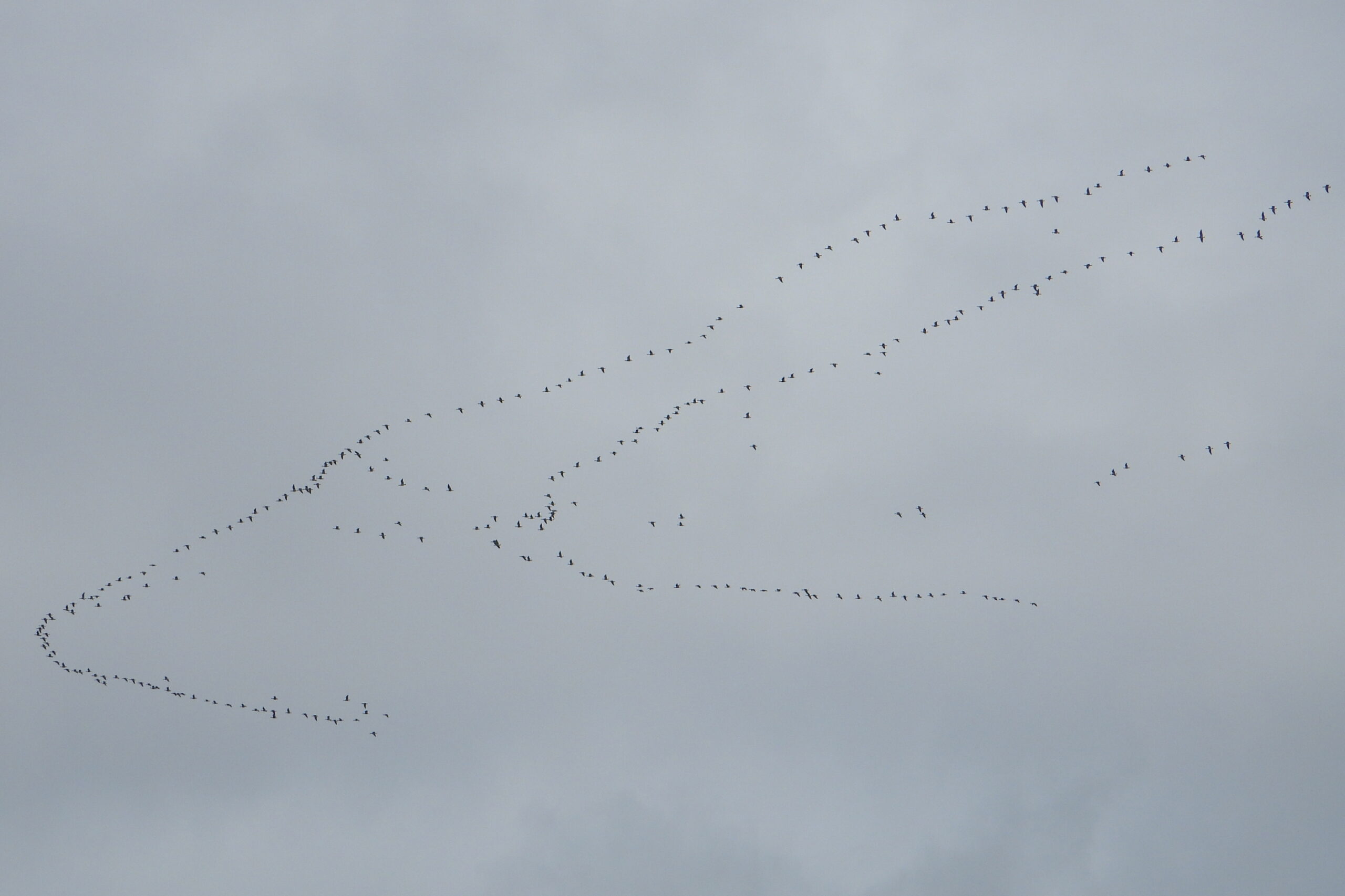
A week ago Tuesday, sightings of these talkative geese came flooding in. The Aleutian Cackling Geese are on the move in huge numbers. Eric Zetterholm photographed this huge skein.

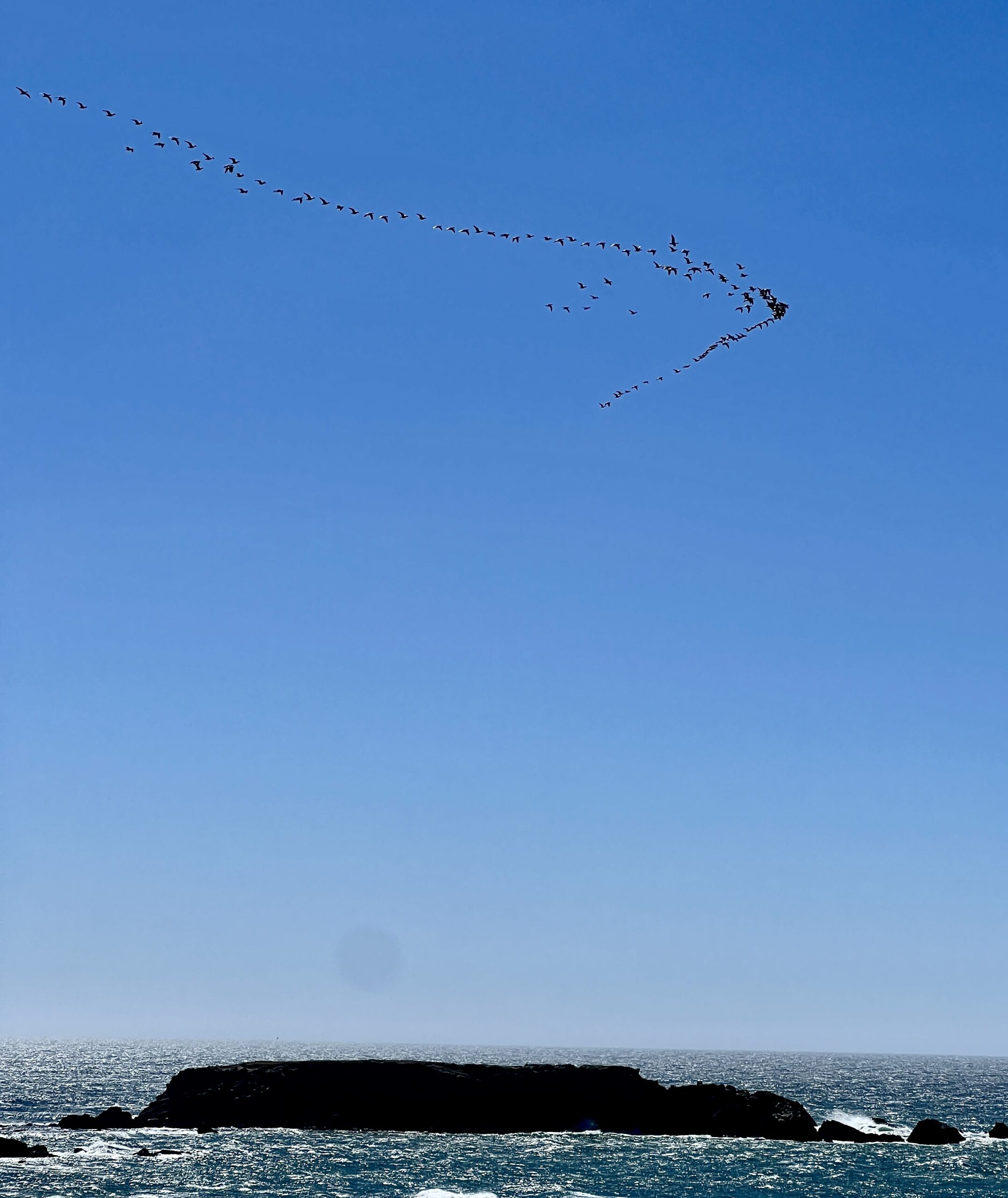
That Sunday Carolyn Case found more passing by, this time on a sunny day, flying over Gualala Point Island.

It's interesting that the two photos look like they are going both north and south, but it's all about where the photographer was standing.

The numbers of the Aleutian Cackling Geese have special meaning for Doug  Forsell, formerly a migratory seabird biologist with the US Fish and Wildlife Service. Doug wrote, “Quite a few flocks passing over my house today. I counted about 3,400 geese flying by in two and a half hours including one flock of about 1,400 birds. I think that is the largest flock I've seen. That one flock was four times the entire population of Aleutian Cackling Geese in the early 1970's, when they were put on the endangered species list.” Foxes had been introduced to the islands with devastating results to the nesting geese. Doug was part of the successful effort to save them from extinction, something to be very proud of.

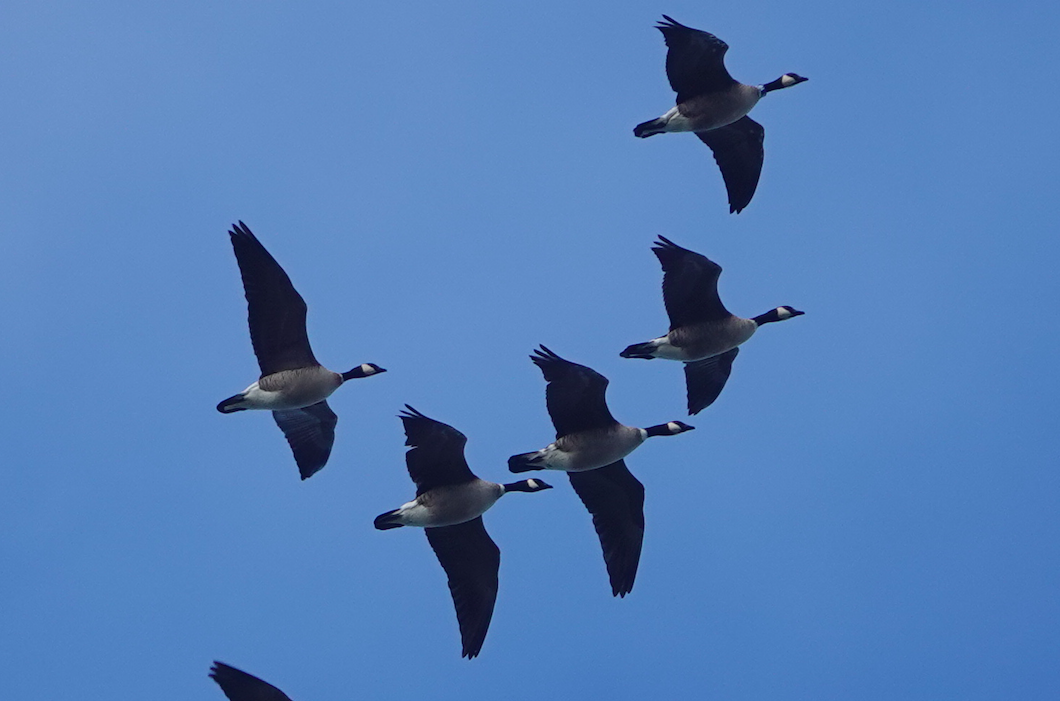
Some people mistake these geese for Canada Geese. Here's a closer look, photo by Sara Bogard.

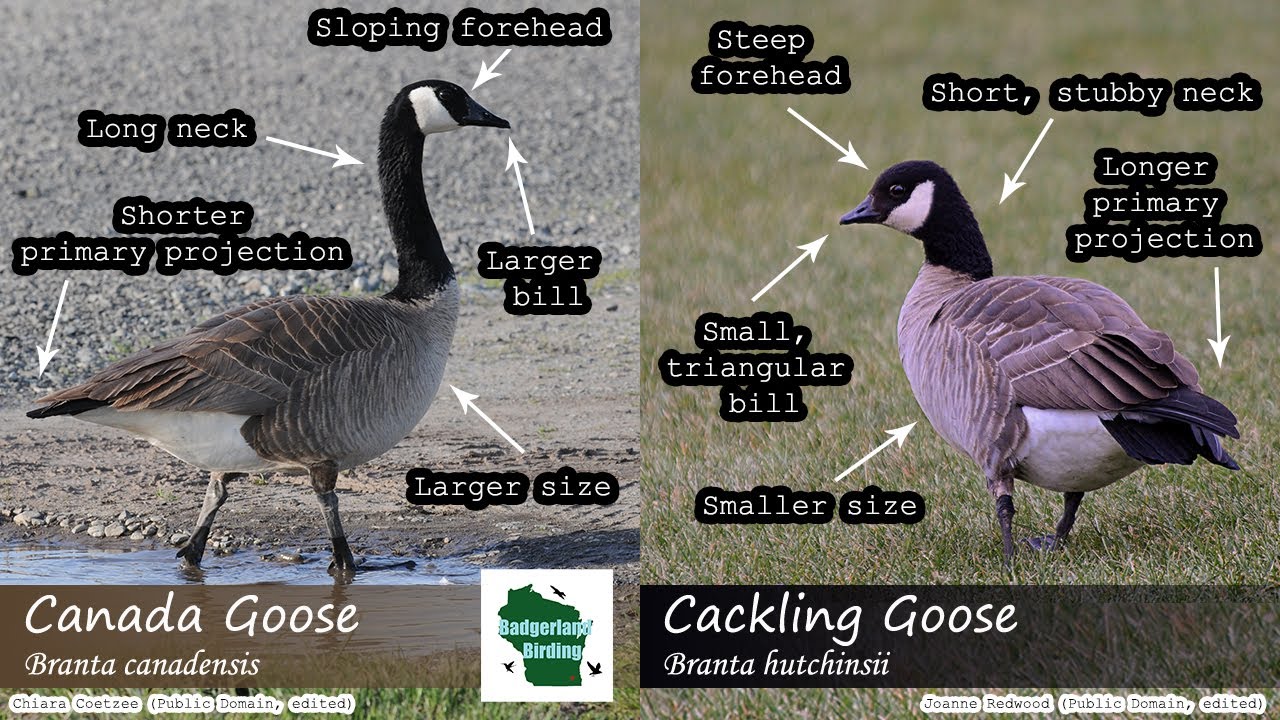
From the web I found this graphic showing the difference between the two birds

Thanks to Eric, Carolyn, and Sara for allowing me to share their photos with you here.

Lots of rain yesterday, 1.42 inches in our gauge. Some showers passed by this morning, with sun reappearing in the afternoon. Another storm tomorrow! Over 52 inches season to date!

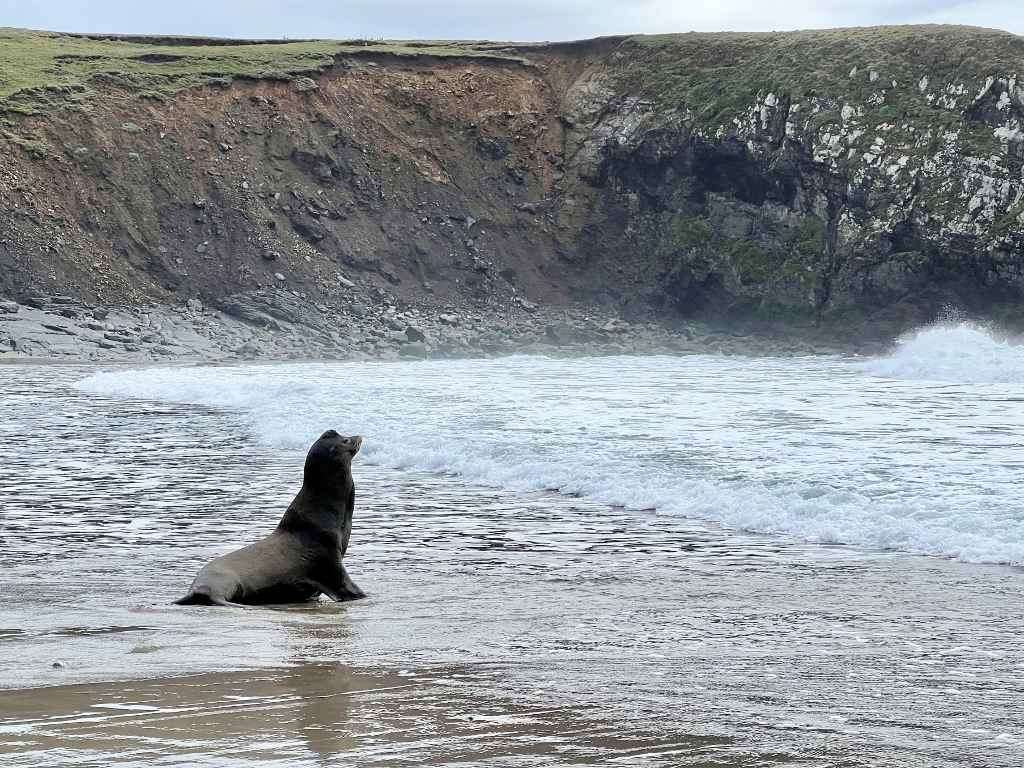
Carolyn Case wrote, "[Two weeks ago], I stopped by Cooks Beach. There were no other visitors, and as I walked towards the water’s edge at the north end, I suddenly heard a barking behind me and saw a large Sea Lion heading toward the water. I think we were both surprised."

"It was an exciting sighting but I was sorry to have disturbed it; it must have been resting among the rocks as I had walked right by without noticing it.” Several others had seen this male California Sea Lion and wondered if he was injured. But CC’s photos show what appears to be a healthy Sea Lion. There is an active colony of male Sea Lions living on Fish Rocks off Anchor Bay.

Thanks to CC for allowing me to share her photo with you here. To learn more about Cooks Beach, which was brought to us by the Redwood Coast Land Conservancy, here is a link: https://www.rclc.org/property-map/

It's chilly today - the wind is cold. Lots of clouds drifting by with intermittent sunshine...and achingly beautiful!

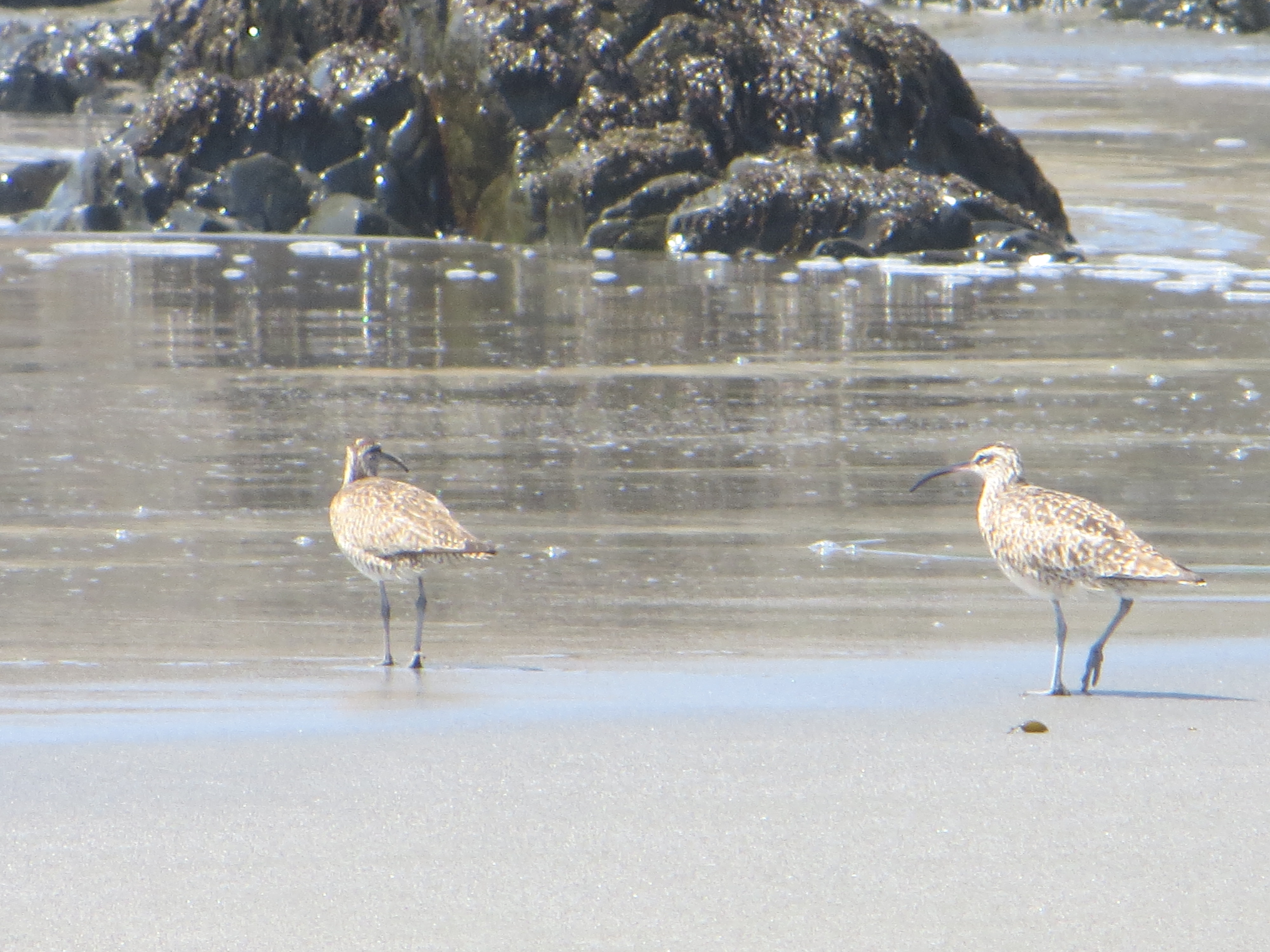
Whimbrels fly great distances and often need to rest and feed on quiet beaches. Carolyn Case photographed two of these shorebirds recently.

Whimbrels by Carolyn Case

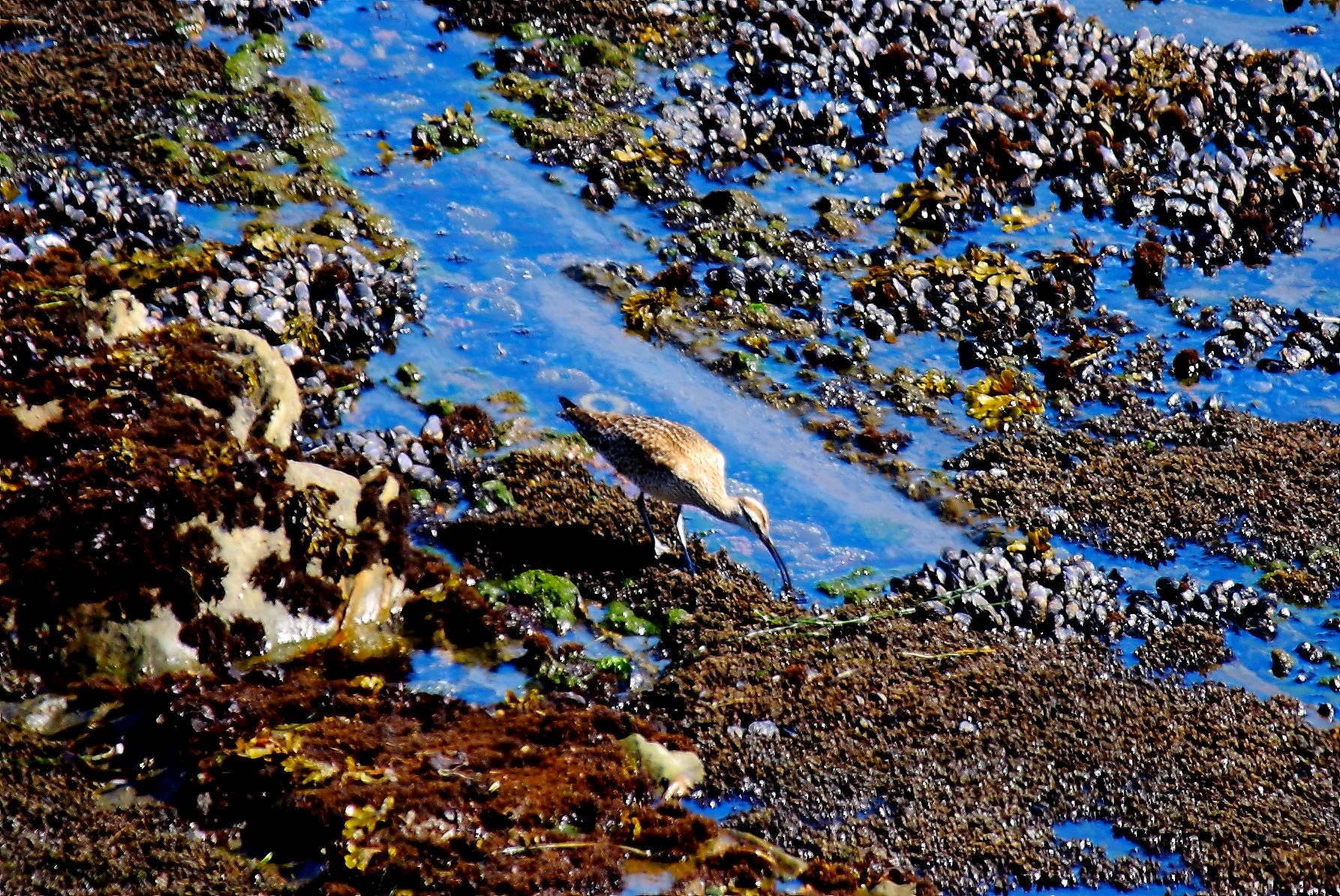
They use their long, curved bill to dig in the sand, searching for invertebrates. They also eat insects and berries.

To hear their call, here is a link to the Cornell Lab of Ornithology: http://www.allaboutbirds.org/guide/whimbrel/sounds

Thanks to Carolyn for allowing me to share her photo with you here.