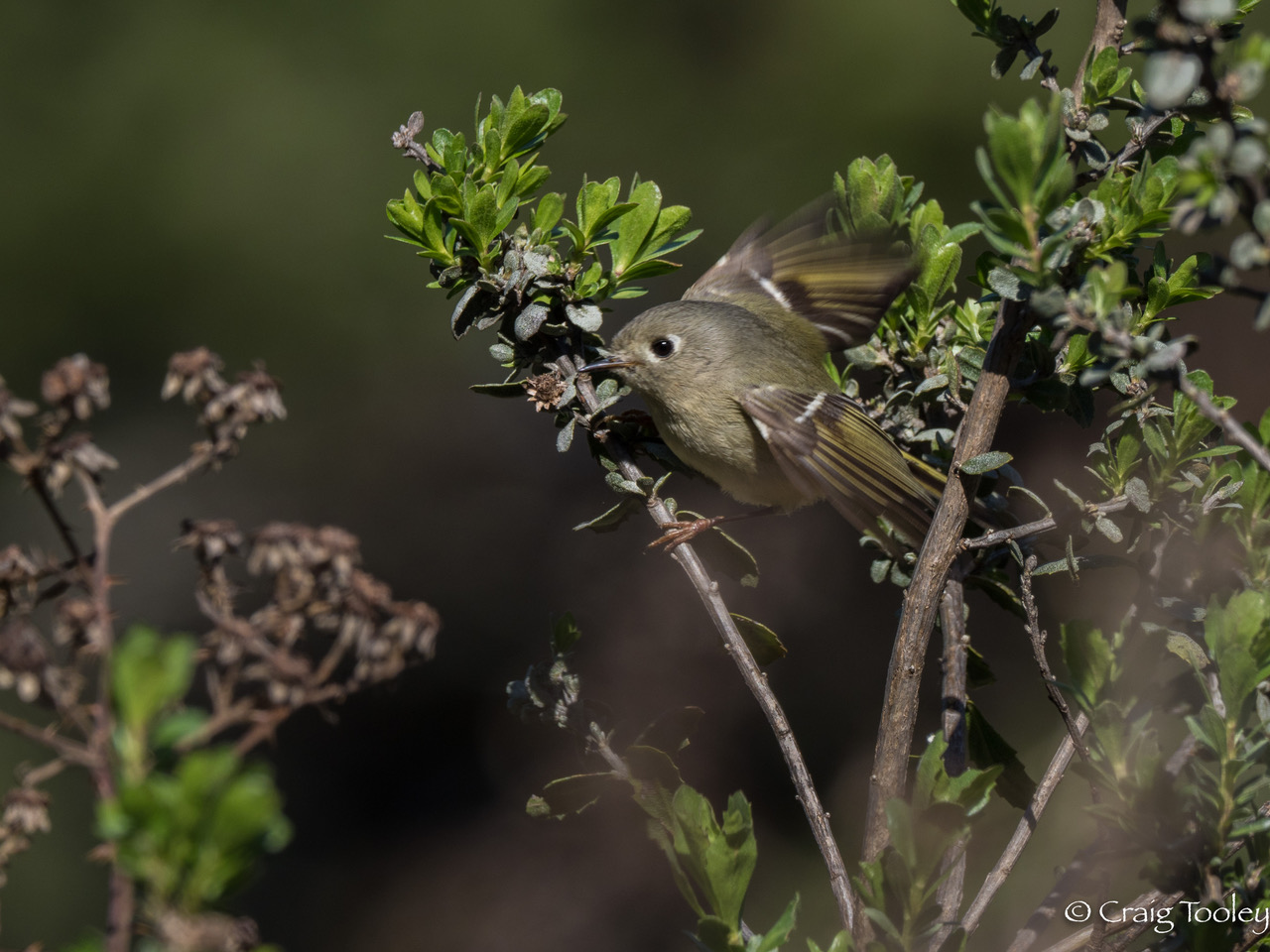
It's rare to see the red on top of a Kinglet's head. The "ruby-crown" doesn't show in Craig Tooley's photo. This tiny bird constantly flicks its wings, making it even more difficult to photograph.
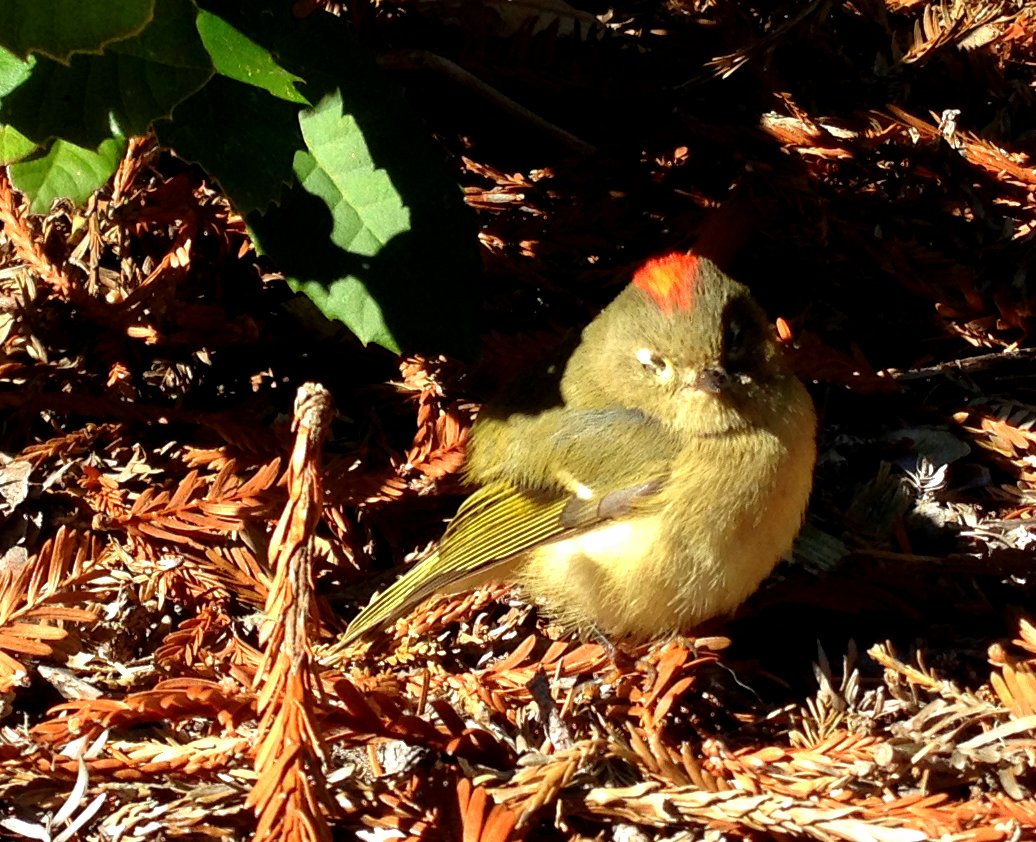
Susan Ruschmeyer was the lucky photographer who came across a Kinglet showing off his beautiful red top. This songbird has a beautiful song. You can hear it at this link: https://www.allaboutbirds.org/guide/Ruby-crowned_Kinglet/sounds

Thanks to Craig and Susan for allowing me to share their photos with you here. To see much more of Craig's nature photography, here is the link to his website: www.ruffimage.com
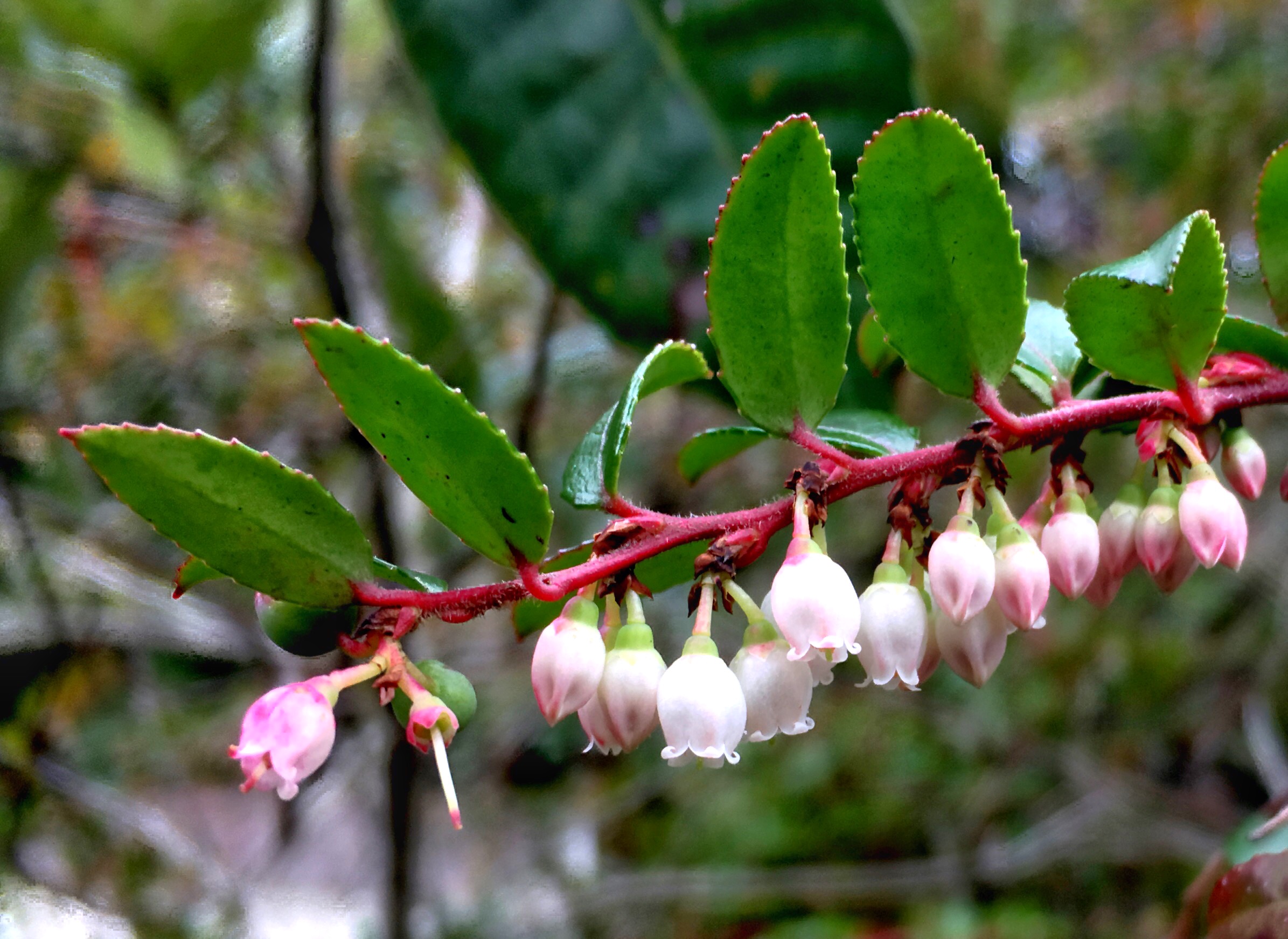
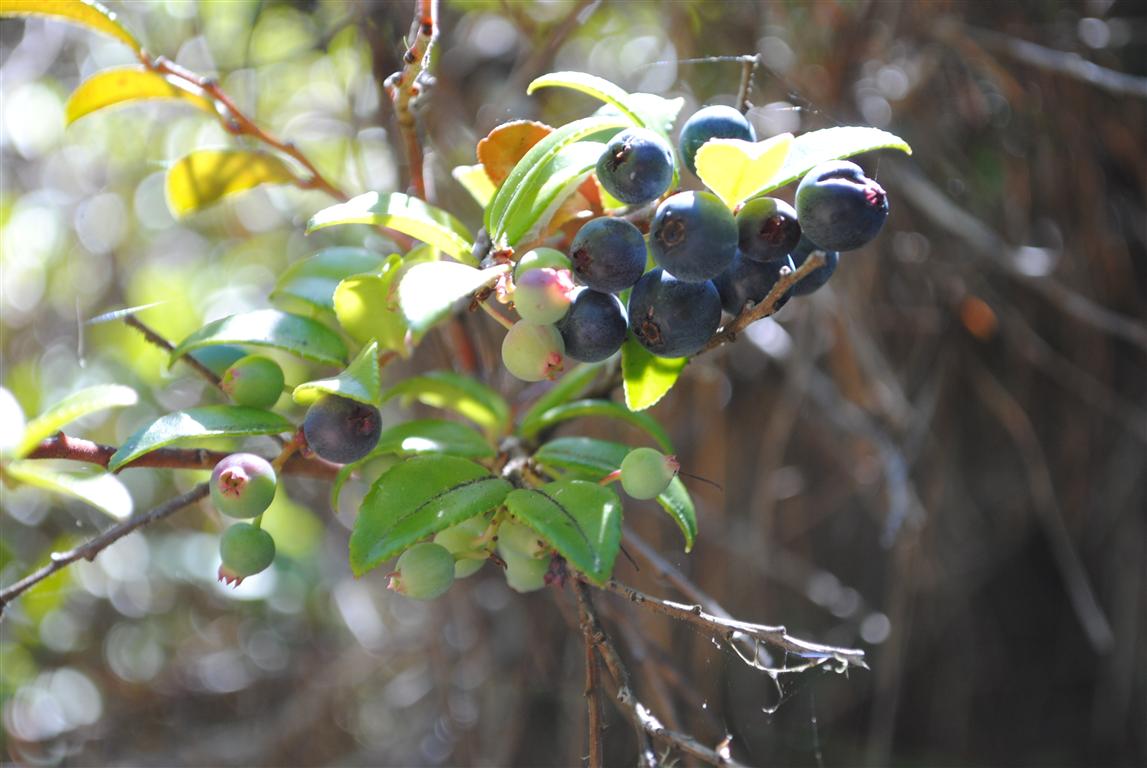
Huckleberries, wild blueberries, are prized by pretty much everyone. Birds love the berries, as do four-legged animals like Deer. Two-legged animals - humans - love them too. This spring the bushes are absolutely load with beautiful white blossoms - they obviously loved all the rain we received this winter. Hall Kelley recently photographed one branch, saying the blossoms looked like a string of pearls.

If you note which bushes are laden, it's easier to find the ripe berries beginning in August. The berries are either dark blue or black. Here is a photo of mine showing the first huckleberries ripening. The green ones will continue to ripen through September, October and even November.

I call huckleberries "Mother Nature's antioxidant pill." They are rather tart, but delicious. I put them in sourdough pancakes - delish!

Thanks to Hall for allowing me to share his photo with you here.

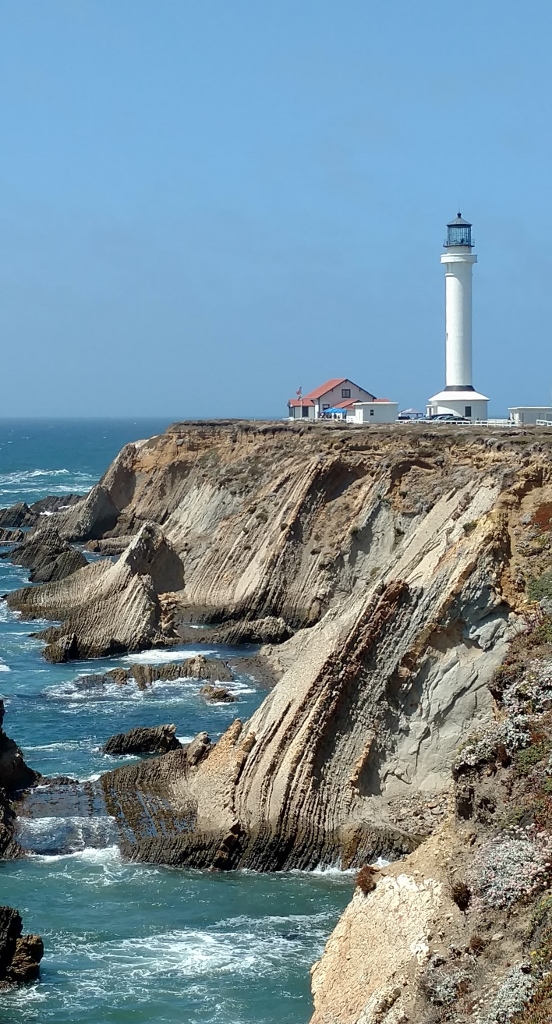
It is another glorious day on the Mendonoma coast. It's the perfect time to explore the Point Arena-Stornetta Lands. Bonney Ely was there recently and captured this beautiful sight from the Lands of the Point Arena Lighthouse.

Wildflowers are beautiful now too. It's hard to go wrong when it's springtime on the coast!

Thanks to Bonnie for allowing me to share her photo with you here.

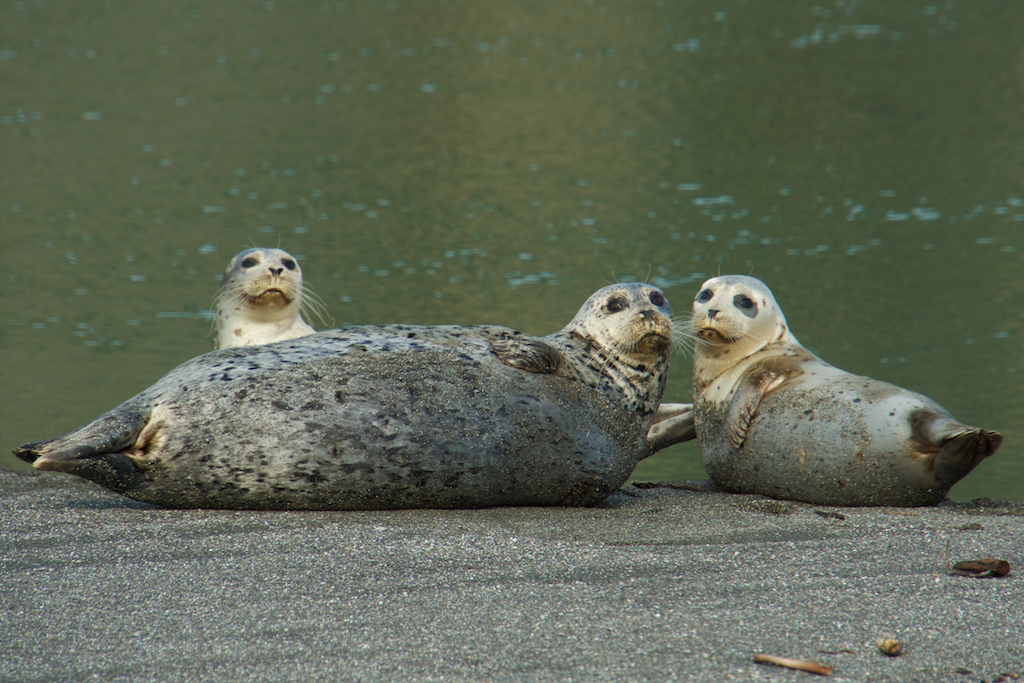
Sherry Scholl spotted this adult Harbor Seal with two smaller seals. Laura Cortright confirmed the two smaller ones are last year's pups.

It's just about time for pupping season. It's important to realize that mothers leave their newborn pups alone on secluded beaches so they can go feed. Never try to "rescue" a pup. If you see a Harbor Seal pup, or any other marine mammal in distress, the correct thing to do is call the Marine Mammal Center at 415) 289-SEAL. They will call a trained local resident to come and assess the situation.

And remember to keeps your dogs leashed when approaching any beach this time of year. We are fortunate that Harbor Seals thrive here, and we don't want to stress them in any way. Here's to many healthy pups this year!

Thanks to Sherry for allowing me to share her photo with us here.

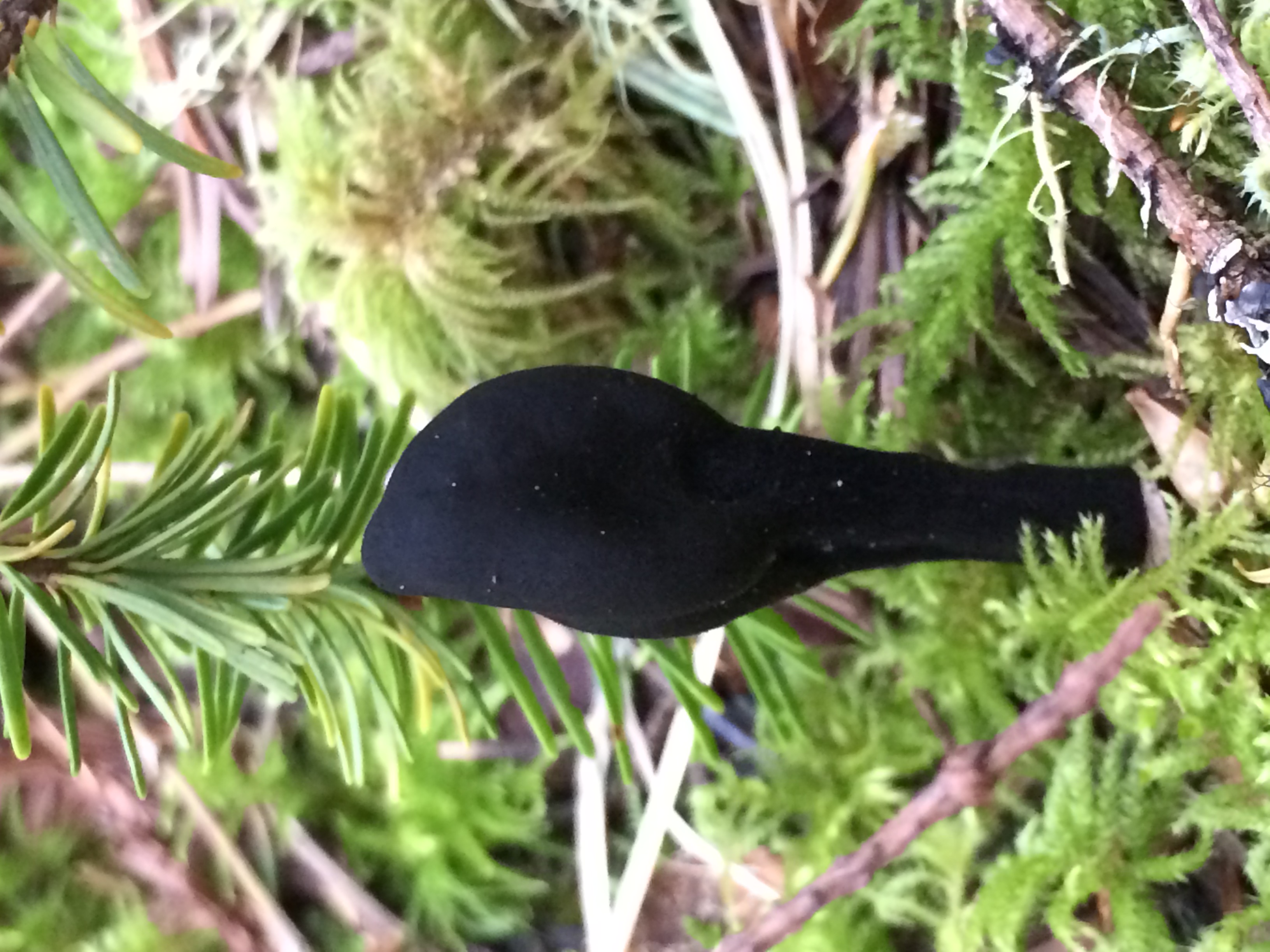
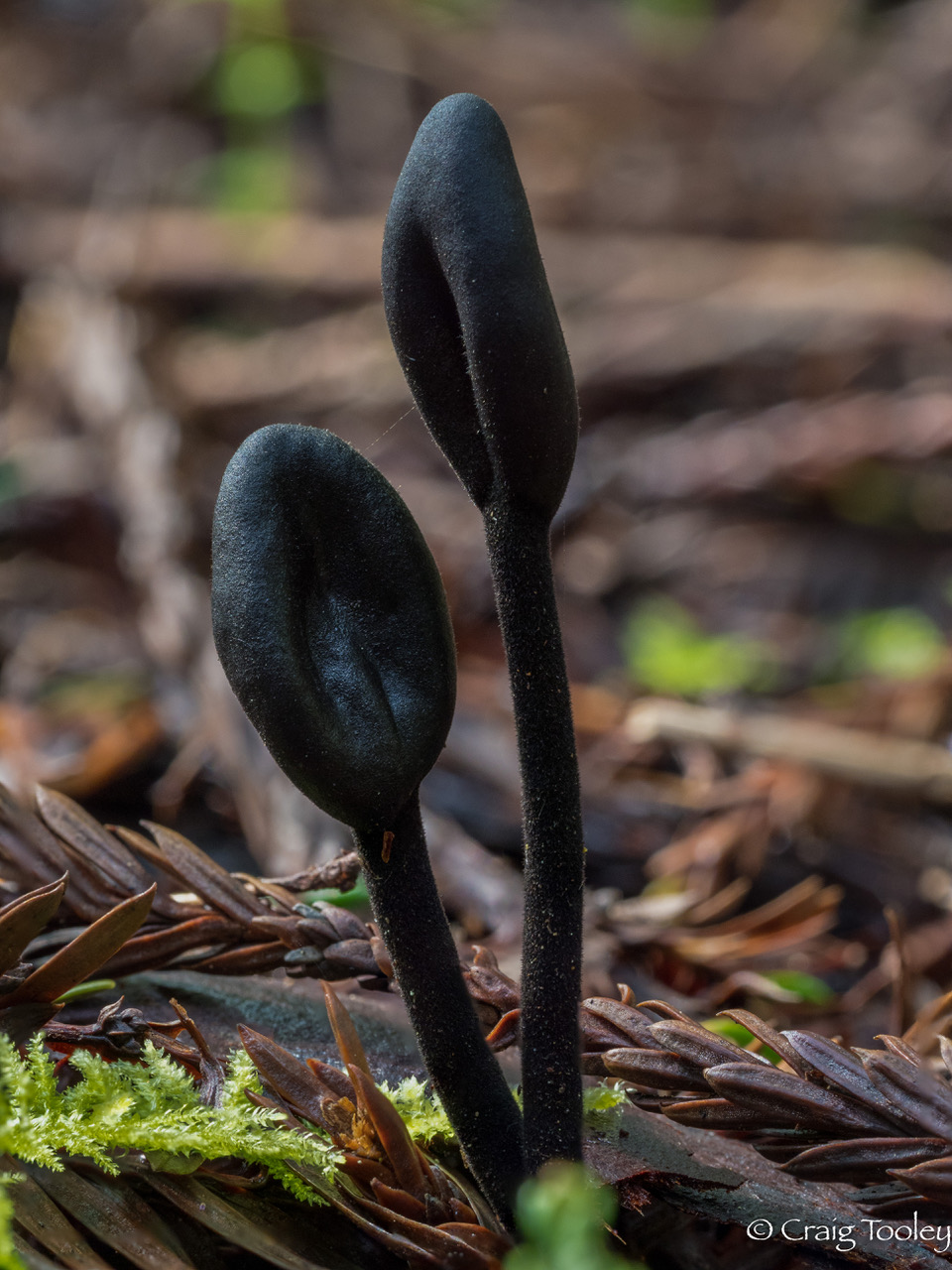
Craig Tooley and Amy Ruegg trained their cameras on a strange-looking black fungus, which turned out to be Velvety Black Earth Tongue, Trichoglossum hirsutum.

Amy Ruegg photographed several Earth Tongues.

In David Arora's book "Mushrooms Demystified," he states that they are common in our area, which doesn't explain why I've never spotted one. He does go on to say they are hard to spot, making me feel a little better. Possibly edible, but Arora says they are much too tough to eat. The velvety texture, Arora writes, comes from hundreds of minute hairs.

Thanks to Craig and Amy for allowing me to share their photos with you here. To see much more of Craig's wildlife photography, here is his website: www.ruffimage.com