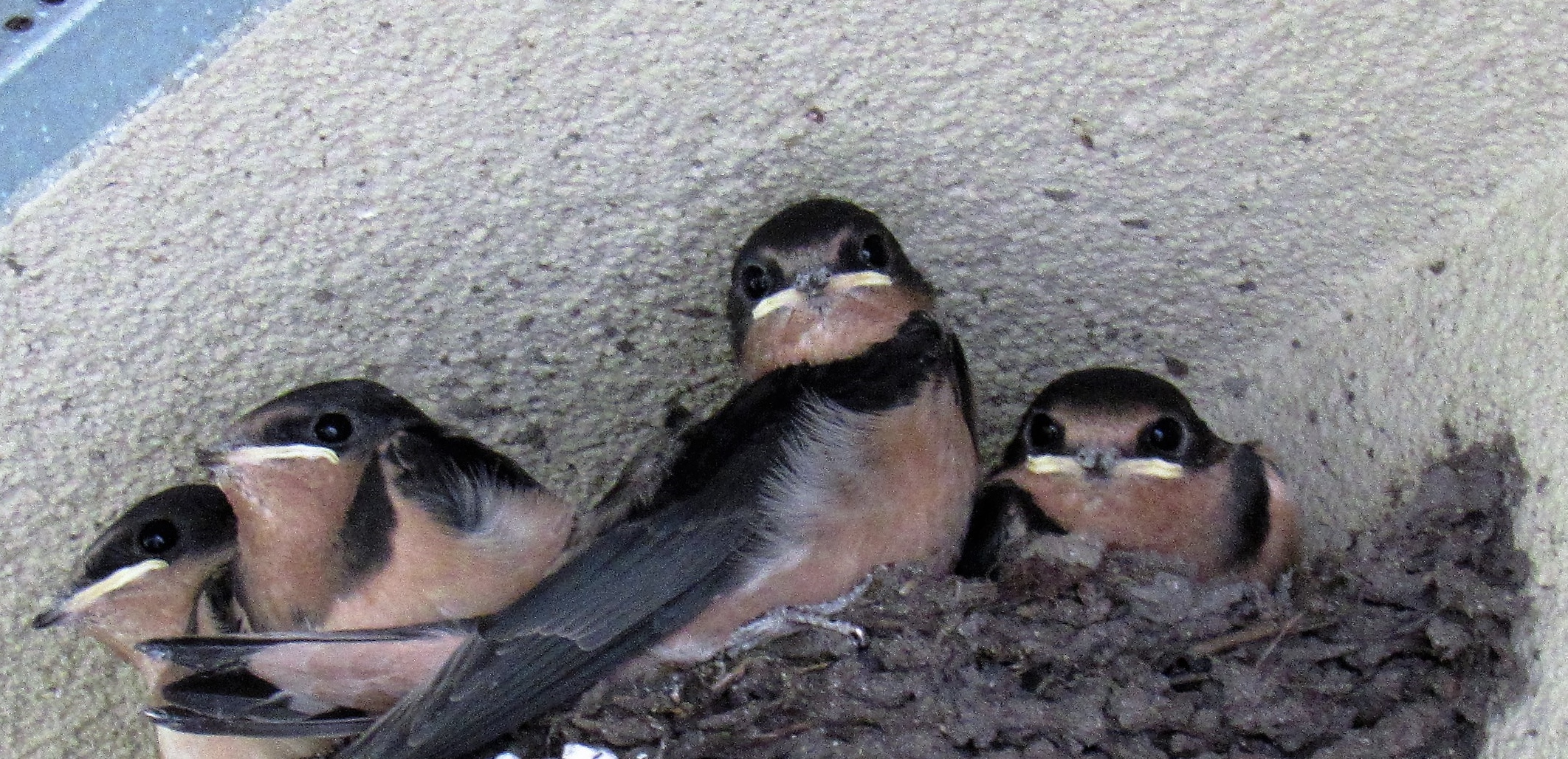
Harm Wilkinson photographed four Barn Swallow chicks in a nest above the front door of the Point Arena dental clinic.

They are patiently waiting to be fed by their parents. Kudos to everyone for allowing this nest to stay. Swallows eat as many as 1,000 insects in a day!

Thanks to Harm for allowing me to share his photo with you here.

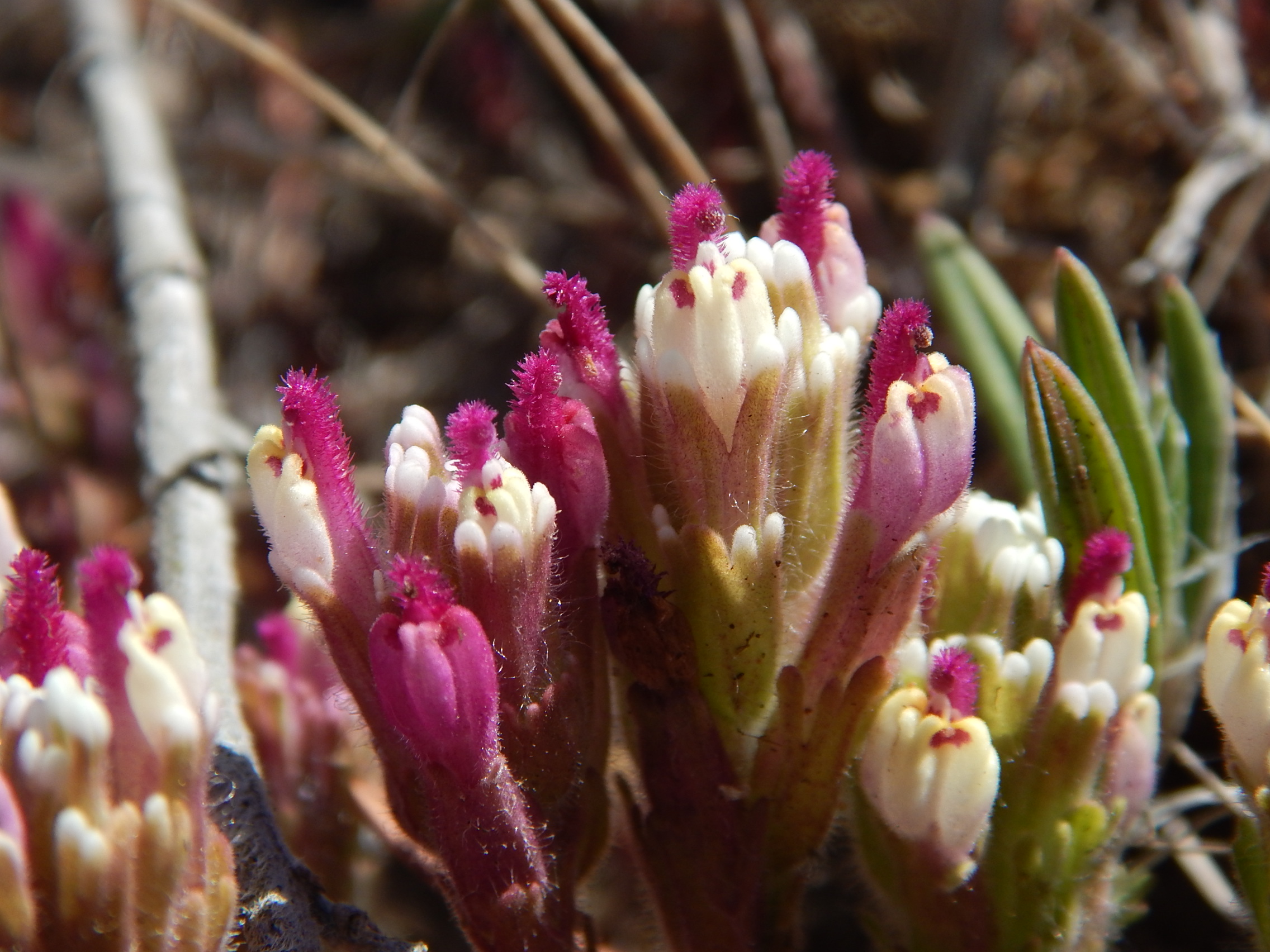
Peter Baye recently shared several photos he recently took of native wildflowers. The first is Purple Owls-Clover, Castilleja Exserta Latifolia.

This beautiful, small wildflower has medicinal qualities, used for rheumatism and as an astringent.

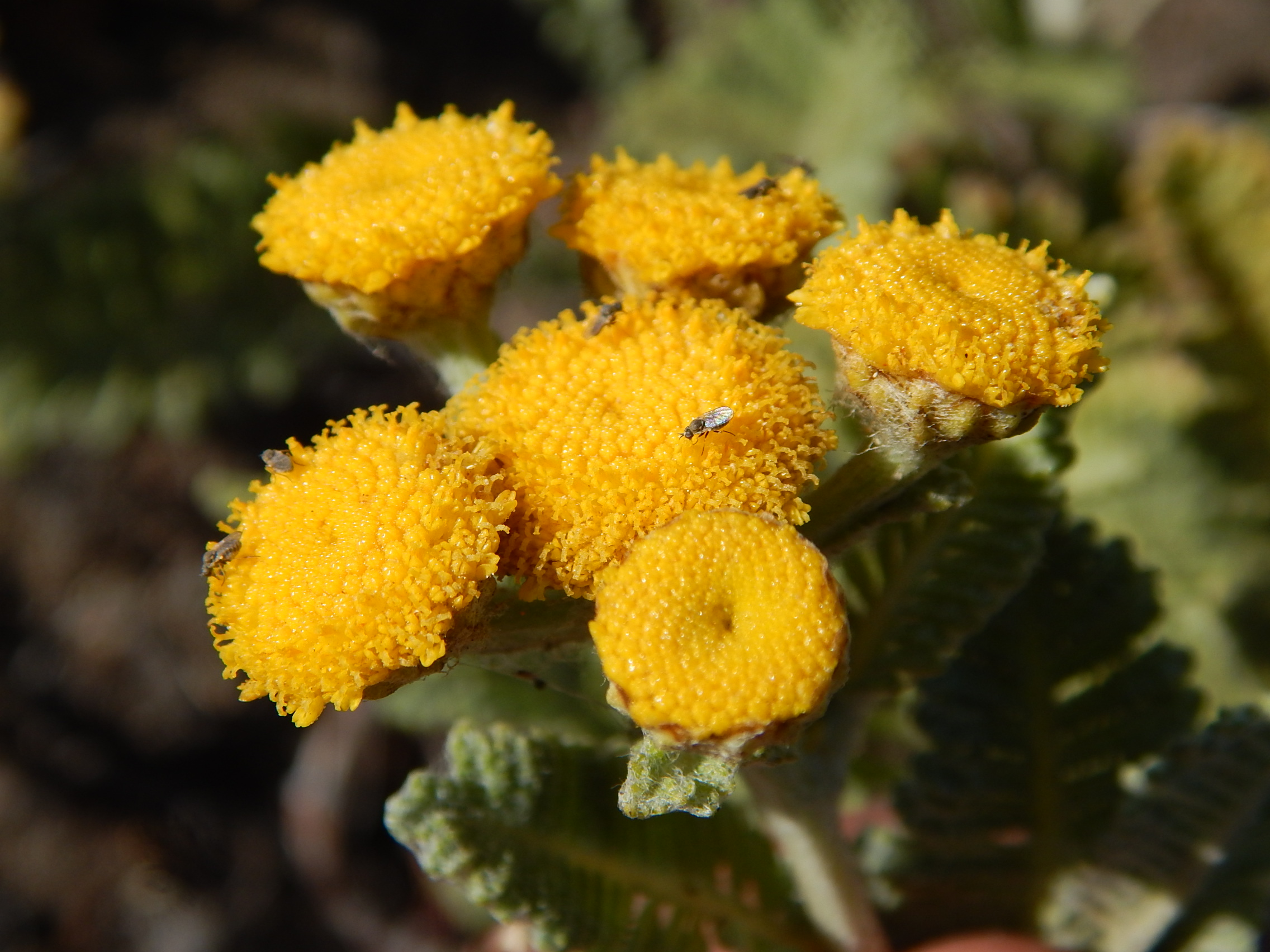
Peter also photographed Dune Tansy, Tanacetum camphoratum.

As you  might suspect, this wildflower grows in sand dunes. It's a member of the Aster family and has a camphor-like smell.

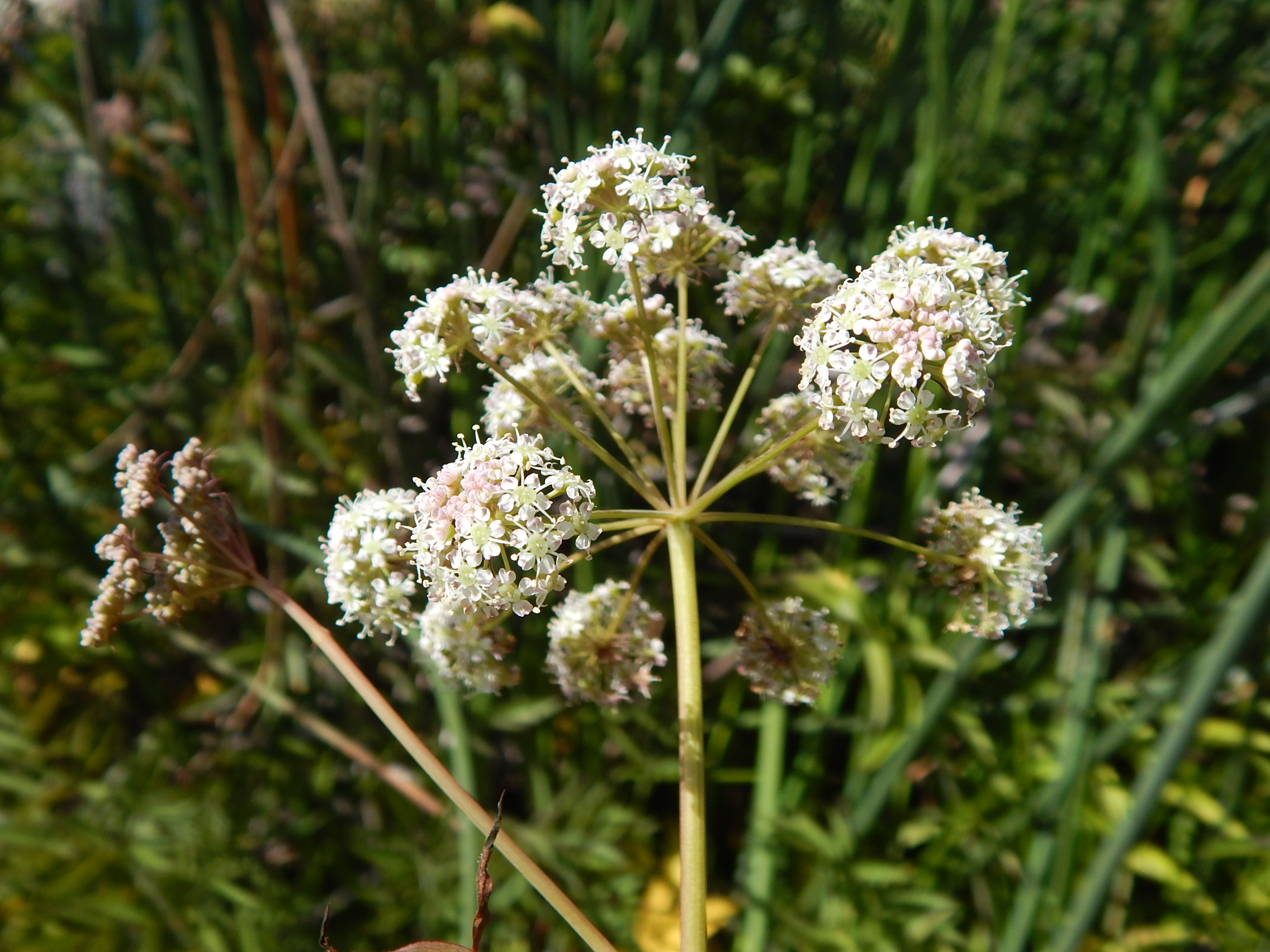
And here is Western Water-Hemlock, Cicuta douglasii.This is an extremely poisonous plant which needs water to thrive.

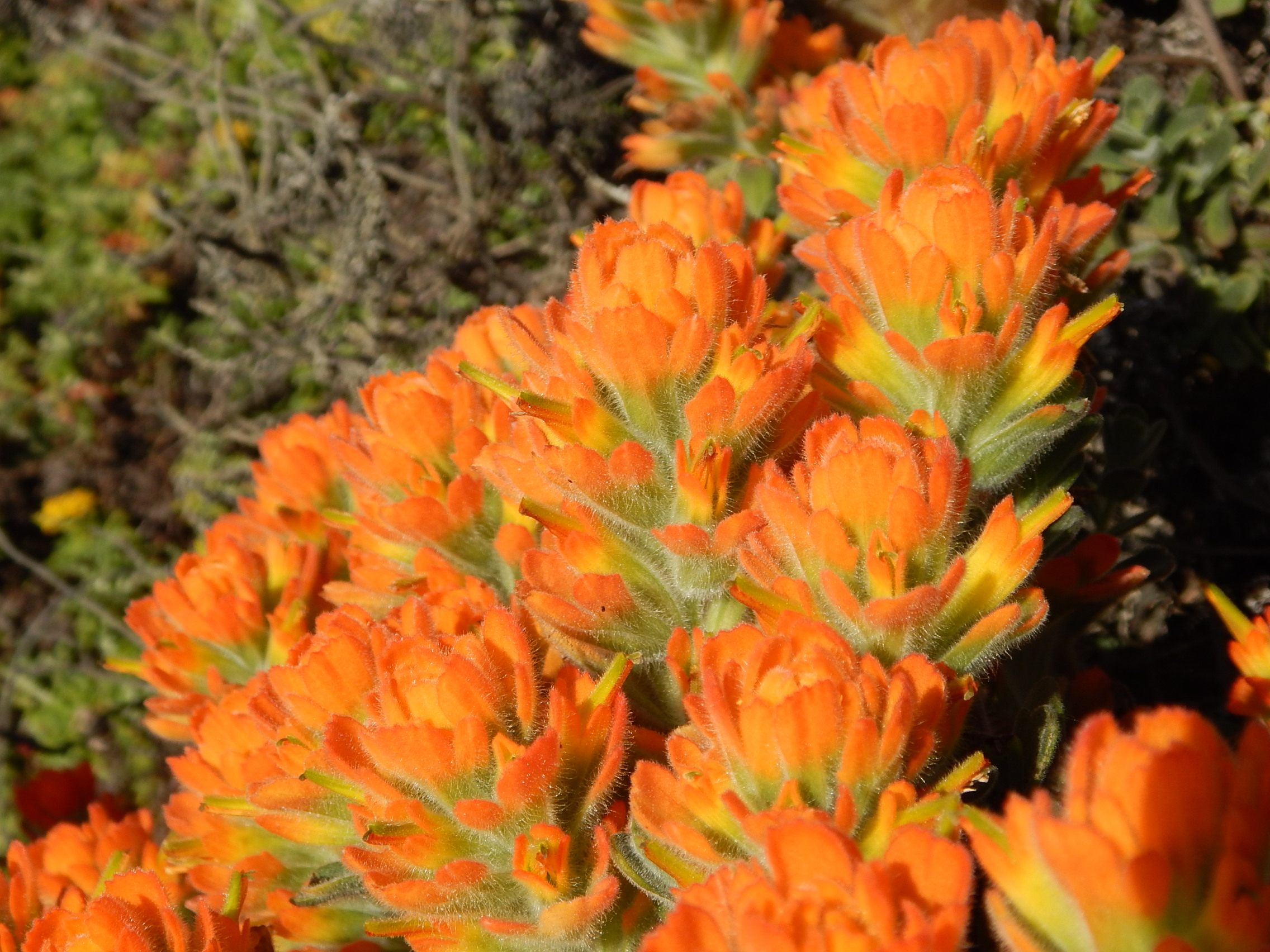
Lastly is Mendocino Paintbrush, Castilleja mendocinensis, a plant only found on the Mendocino coast.

Thanks to Peter for allowing me to share his photos with you here.

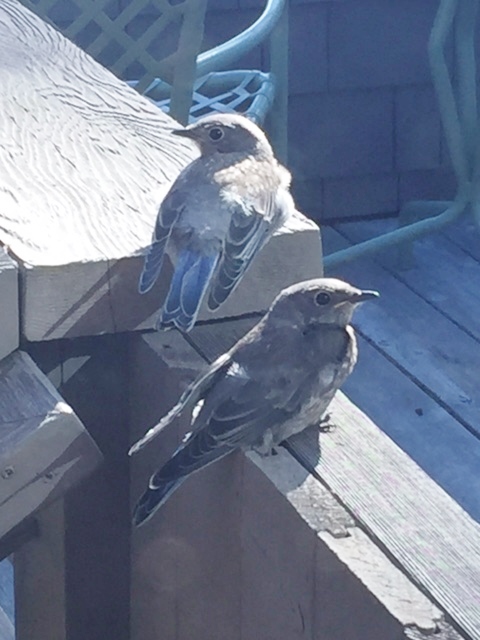
June Wilson watched as these two Western Bluebirds chicks left the nest.

These pretty birds are found near coastal bluffs. I am 1/2 mile back from the ocean, and I never see Western Bluebirds at my place.

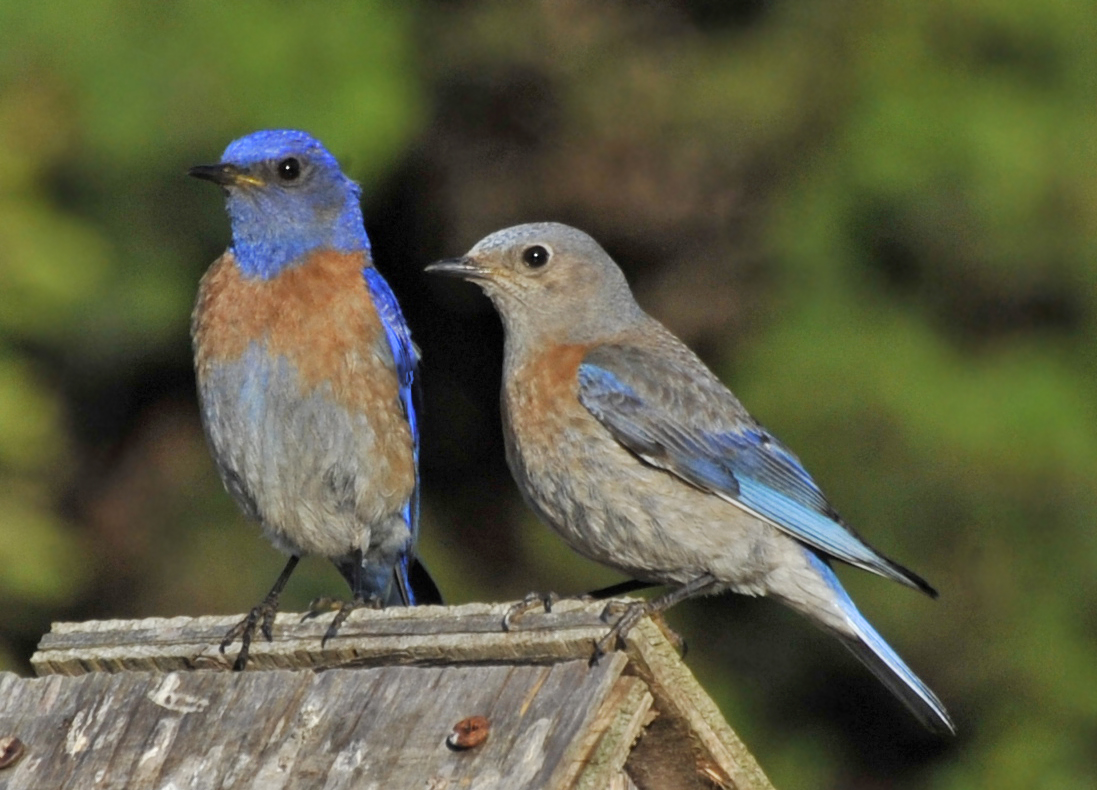
Here is a photo taken by Steve Wilcox showing an adult male on the left and the adult female on the right.

Steve also photographed the male at a nesting box, showing his beautiful blue feathers. He has a bug in his beak, about to feed one of his chicks. Yes, Western Bluebirds are cavity nesters. If you are in the right location, putting up a nesting box might tempt a pair to raise their family near you!

Thanks to June and Steve for allowing me to share their photos with you here.

Beth Kattleman wrote,

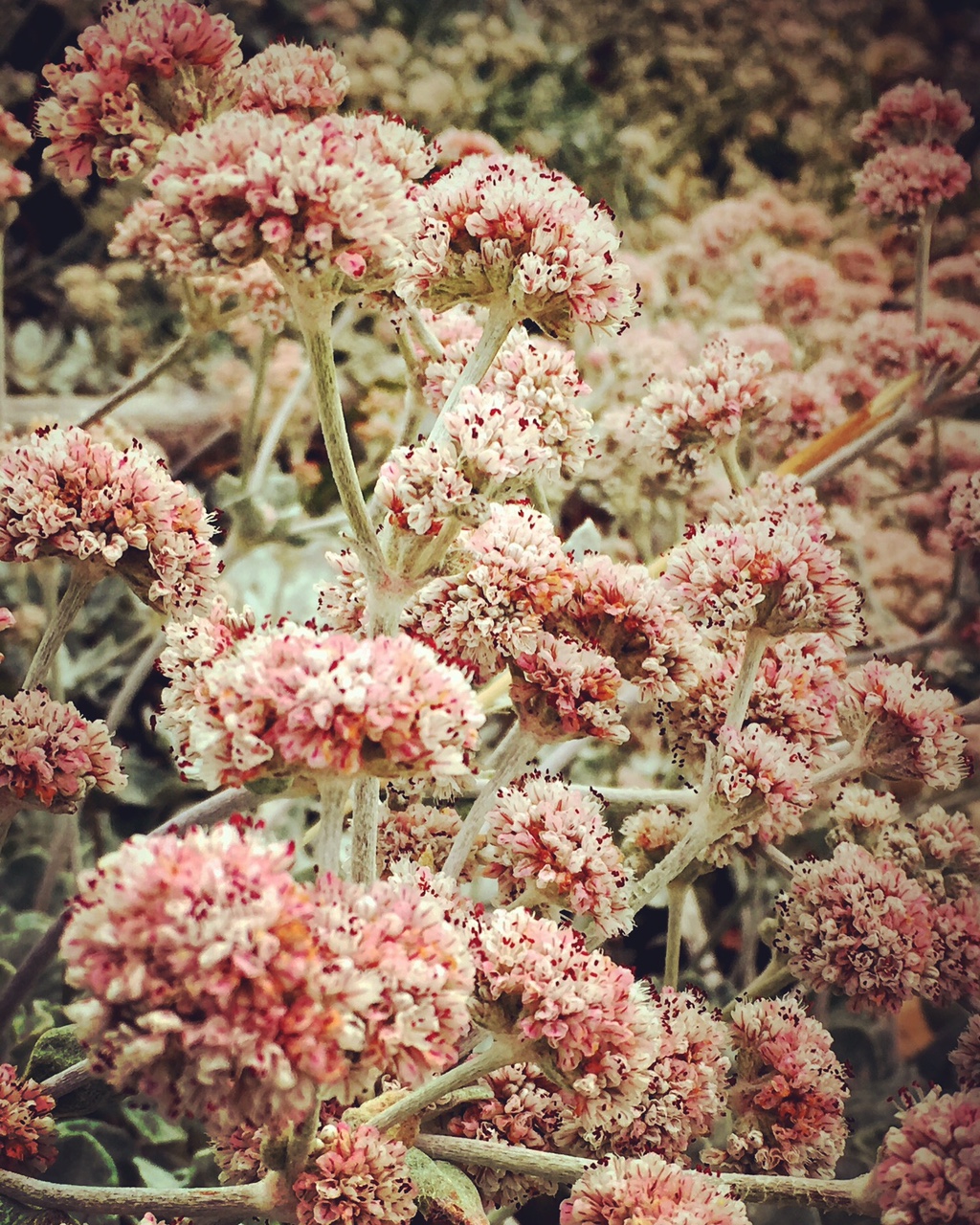
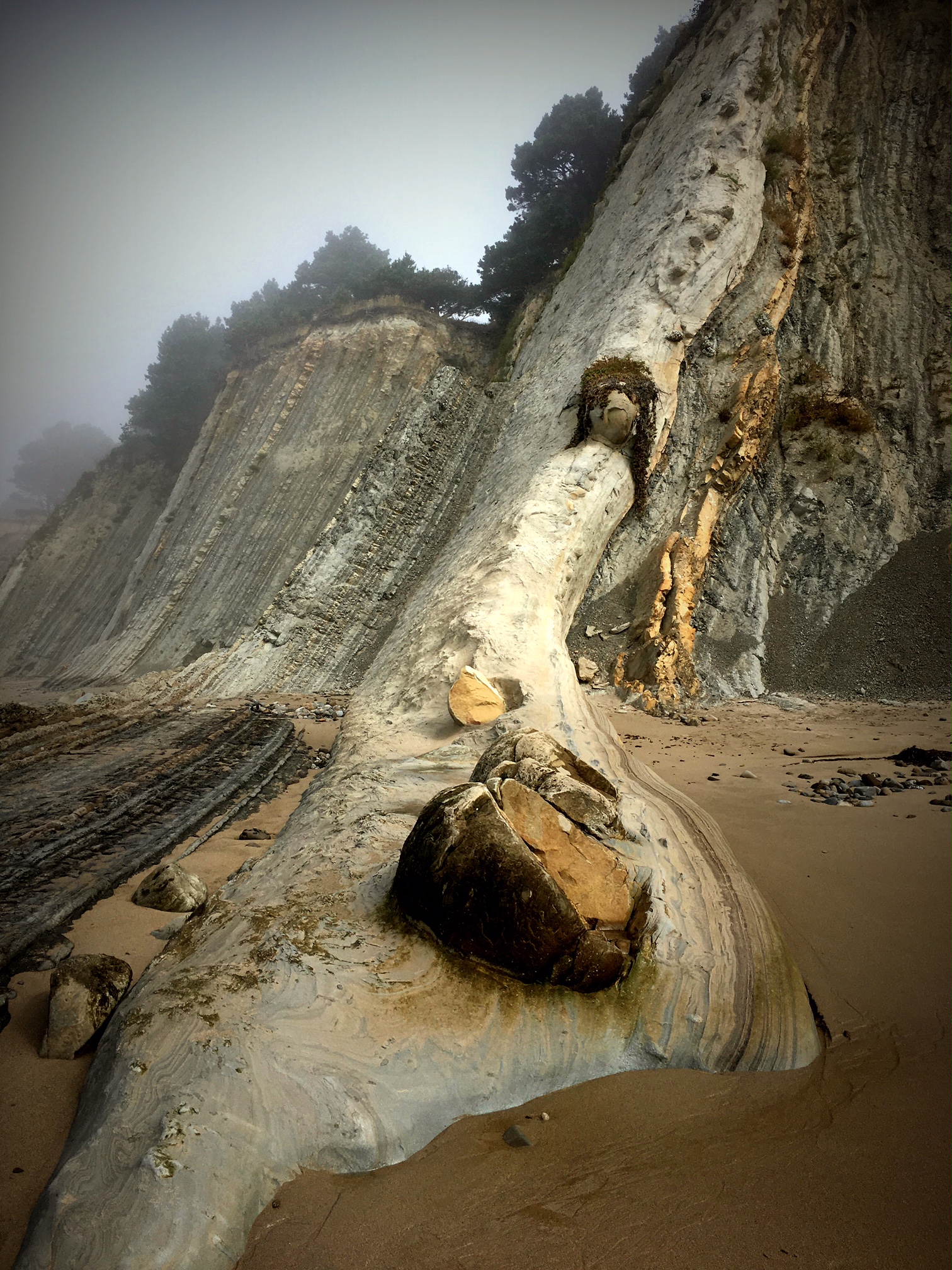
“I went on a hike to Bowling Ball Beach with my friend, Margaret Lindgren, owner of Unbeaten Path Hiking Tours. It was Marg who pointed out this beautiful patch of Coast Buckwheat just we entered the beach from the north side.
“It was a gorgeous morning – calm sea, low tide, and puffs of lingering fog. Marg also pointed out the sandstone concretions and other geomorphic marvels as we walked the length of Bowling Ball, while she also identified the various Seaweeds that were scattered on the rocky shore.
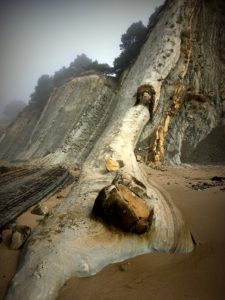
“I’m lucky to have such a knowledgeable friend! We then hiked the bluff trail between Bowling Ball and Moat Creek, and saw a handsome Osprey perched on a precipice!”

Bowling Ball Beach is found at Schooner Gulch State Park. To learn more about one of my favorite State Parks, here is the link: https://www.parks.ca.gov/?page_id=446

And to learn more about Margaret's Unbeaten Path Hiking Tours, here is the link to her website:

http://www.unbeatenpathtours.com/

Thanks to Beth for allowing me to share her photos with you here.
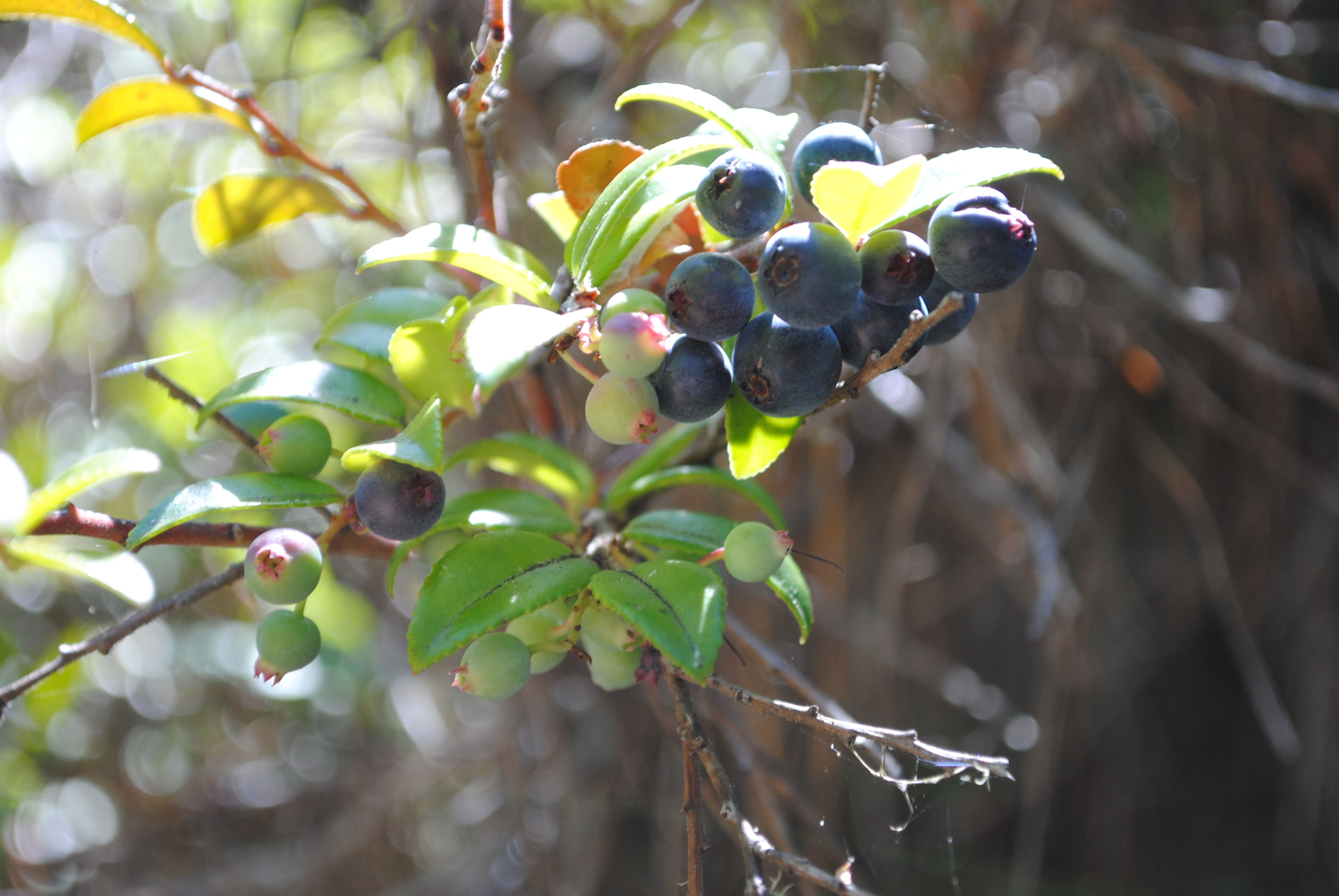
I love huckleberries. I call them Mother Nature's antioxidant pills. Usually they begin to ripen in August and continue ripening in the months to come. In other words, some of the berries are ripe now while others on the same stem are still green. It's wonderful that huckleberries have such a long season. Now is the time to go out and find the first ripe ones. They are often the biggest and the sweetest.

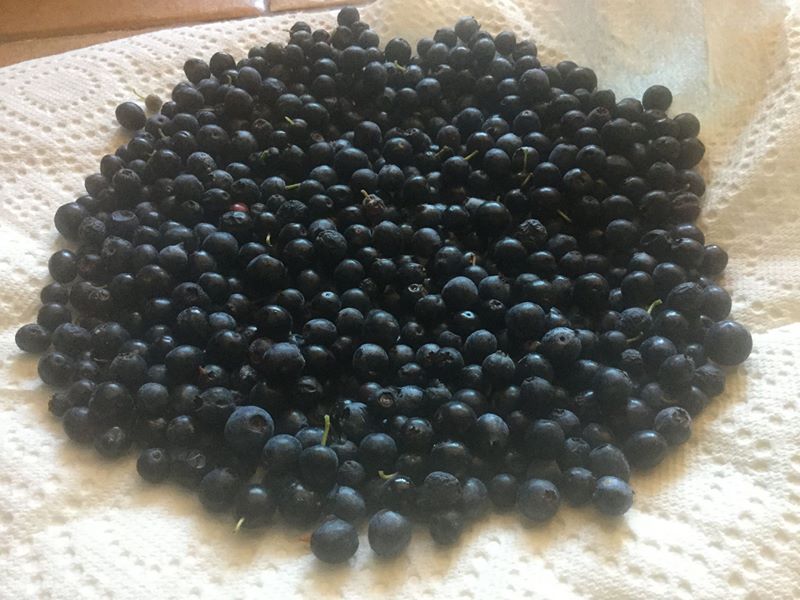
I went huckleberry picking yesterday and here is my haul. It does take time and a certain degree of patience to pick them. But I enjoy wandering to each bush and finding out if they have big ones. Today Rick went out with me and we got even more. Yay!

The smaller huckleberries we leave for wildlife. We two-legged creatures aren't the only ones who covet these wonderful berries. We had some of these berries in our sourdough pancakes this morning. After I clean them, removing any stems, I can then freeze them in a freezer bag. This way we will have huckleberries all during the year. The gift that keeps on giving!