Sightings

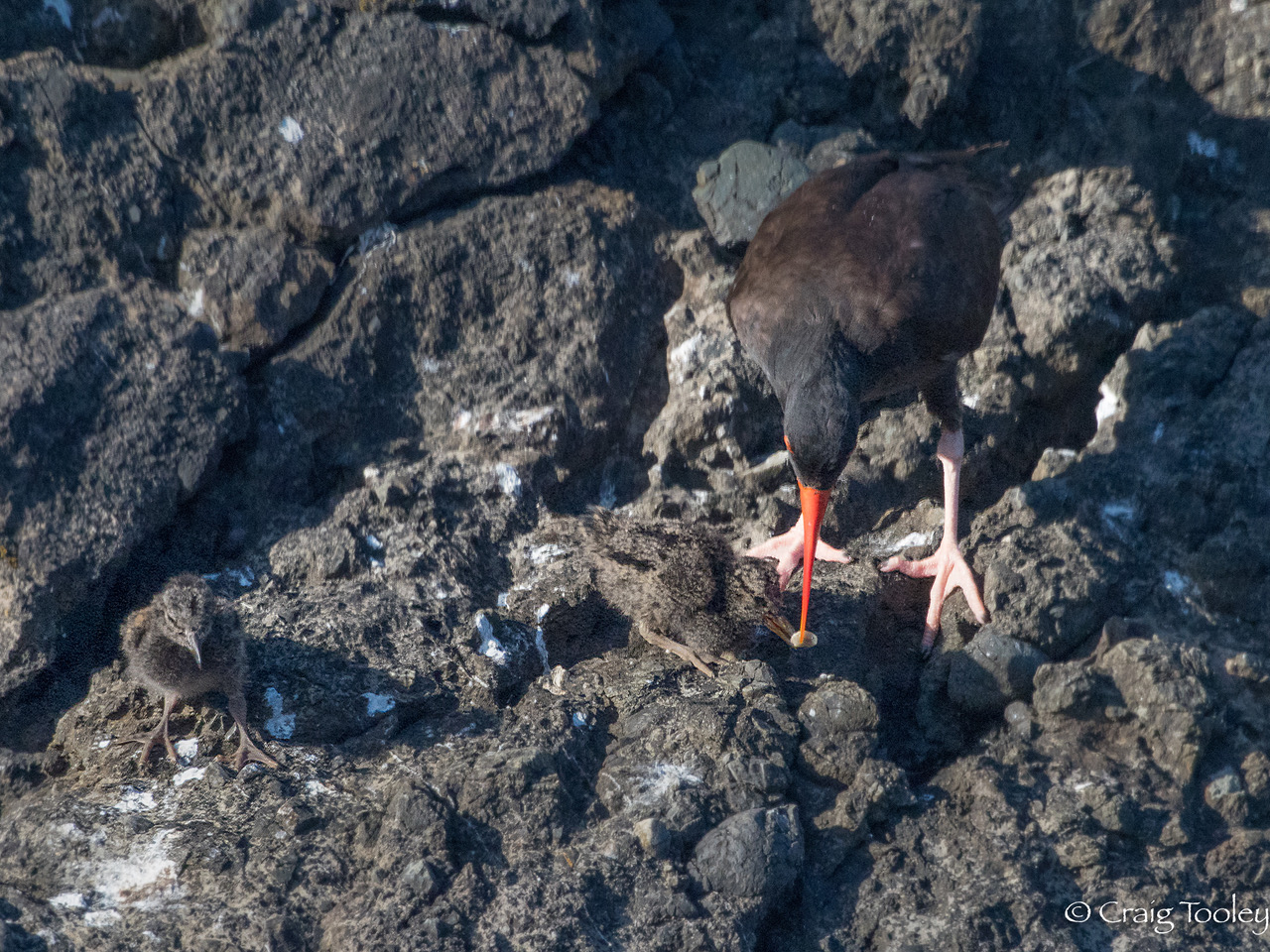
Craig Tooley photographed a Black Oystercatcher feeding her chick. Can you see the tiny, well-camouflaged chick? Follow the mother's beak down to the chick's tiny beak. There is a second chick on the left side of Craig's photo.
Black Oystercatchers are so distinctive with their long orange-red beak and pink legs! They nest in rocky areas above high tide. They are being studied to see how they cope with sea level rise.

They are talkative birds. One contributor to my column described them as "chattery." You can hear their call at the Cornell Lab of Ornithology's great website, allaboutbirds.org. Here's the link: https://www.allaboutbirds.org/guide/Black_Oystercatcher/sounds

Here is one of my favorite Oystercatcher photos, which was taken by Craig, a "dancing" Black Oystercatcher.
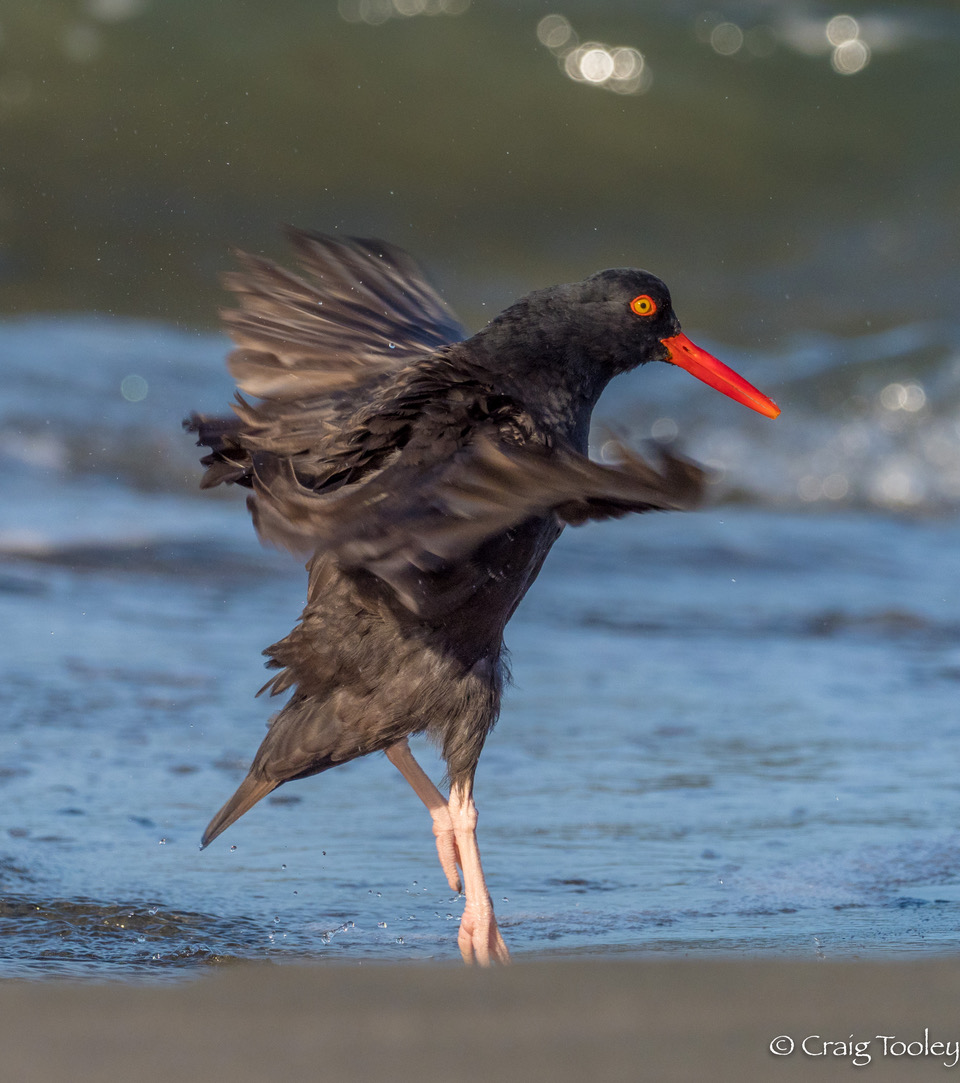
Thanks to Craig for allowing me to share his photos with you here. To see much more of Craig's nature photography, here is the link to his website: www.ruffimage.com
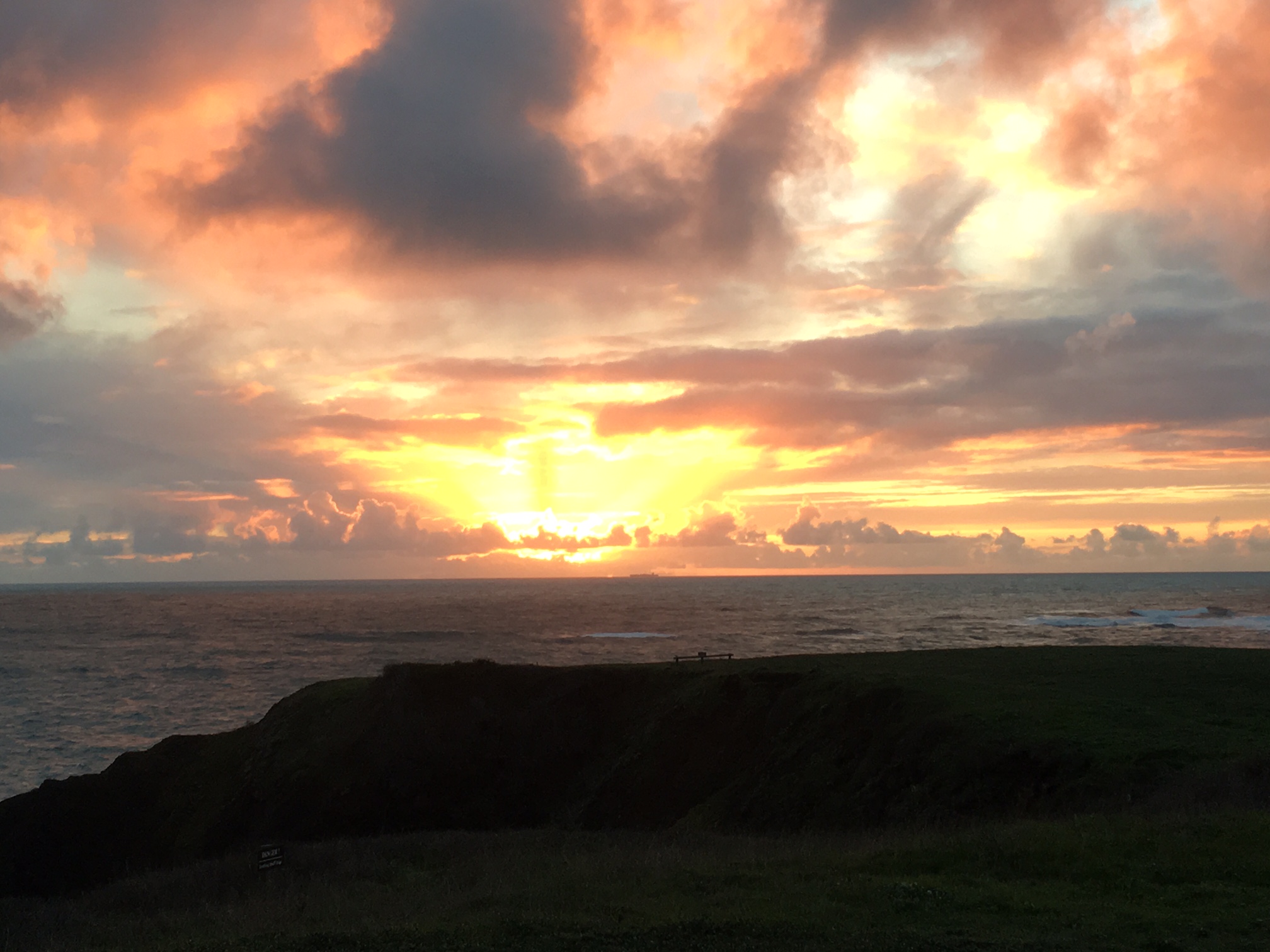
Clay Yale recently sent me this photo of a sunset. The sun reflecting through clouds seems to form a golden eagle!

It's never too late to share a beautiful photo. Thanks to Clay for allowing me to share it with you here.

2 Comments

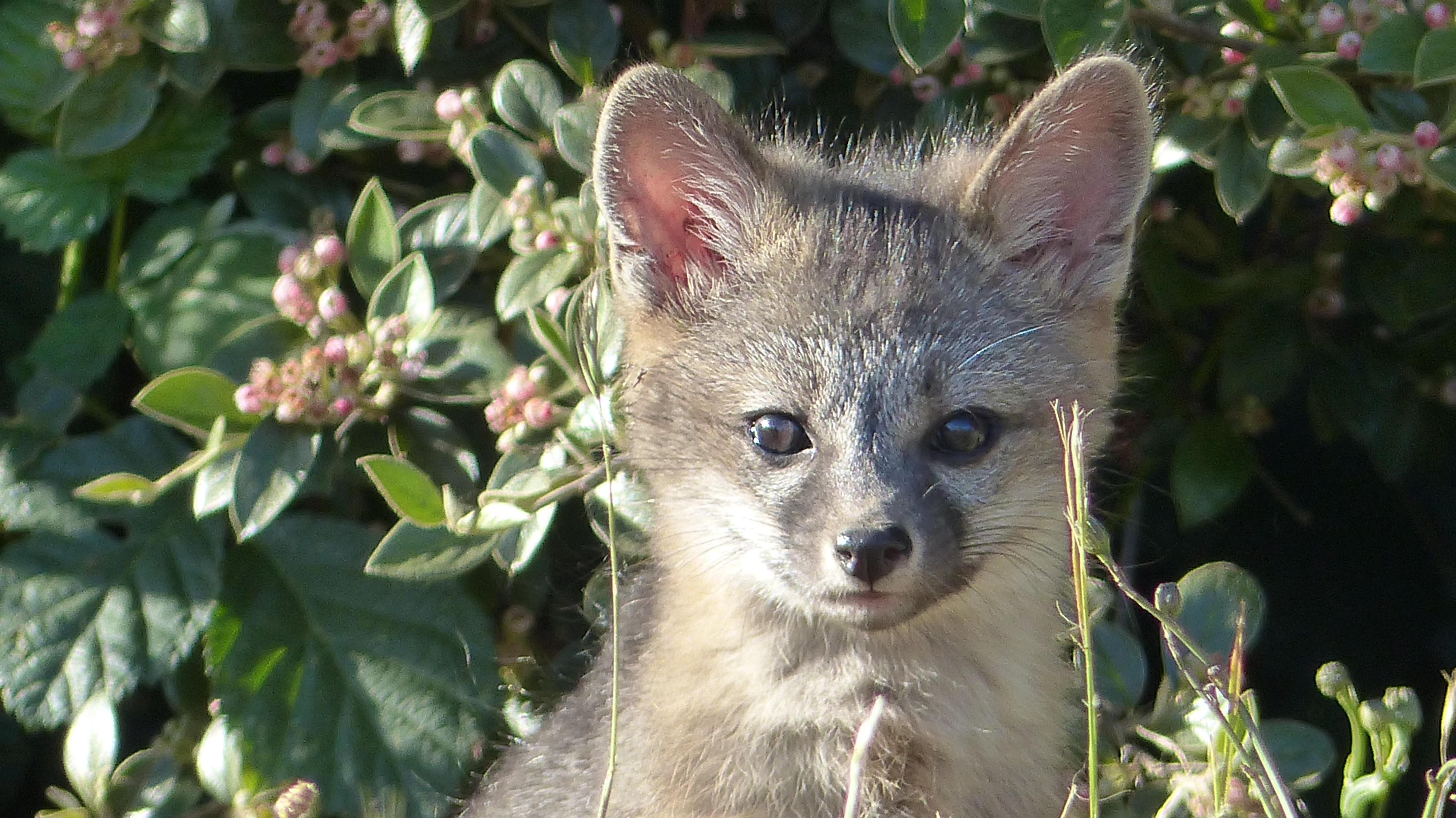
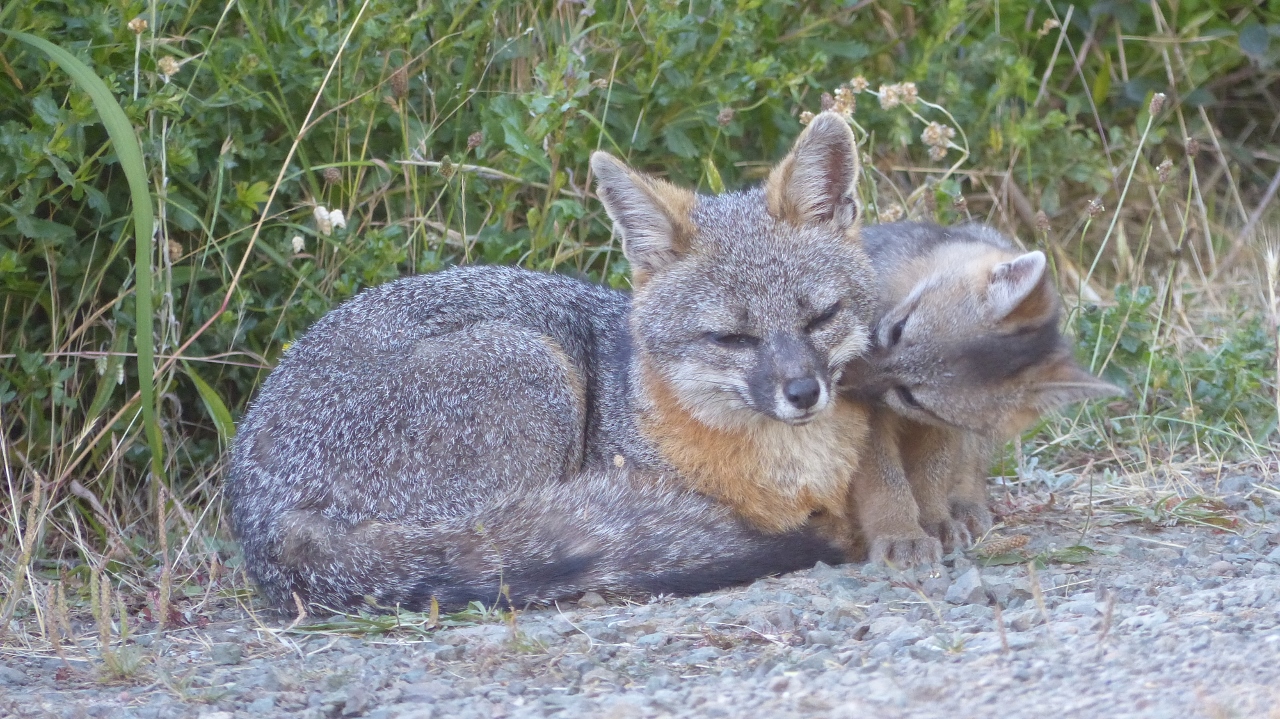
Yet another lucky coast resident had a den near her home, this time Marie De Santis. Her favorite photo of the bunch is this one of one of the kits nuzzling mom.

Marie got several other great photos of the cute kits.

The kits are getting bigger, and the family will most likely move on. But until then, Marie will surely enjoy her nature viewing!

Thanks to Marie for allowing me to share her photos with you here.

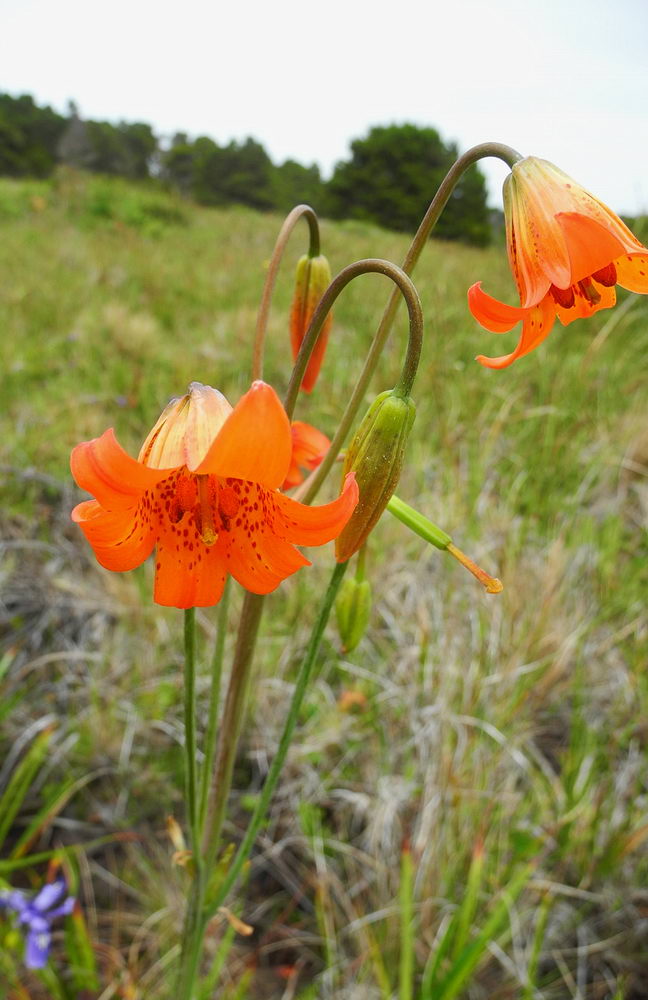
Mary Sue Ittner photographed these Coast Lilies, Lilium maritimum, on the Point Arena-Stornetta Lands recently.

These native wildflowers are endemic to the north coast of California, from San Francisco north. So we appreciate these lovely flowers even more. They should never be picked, as the flower head turns into a seed pod. Just enjoy their beauty if you are fortunate enough to see some.

Thanks to Mary Sue for allowing me to share her photo with you here.

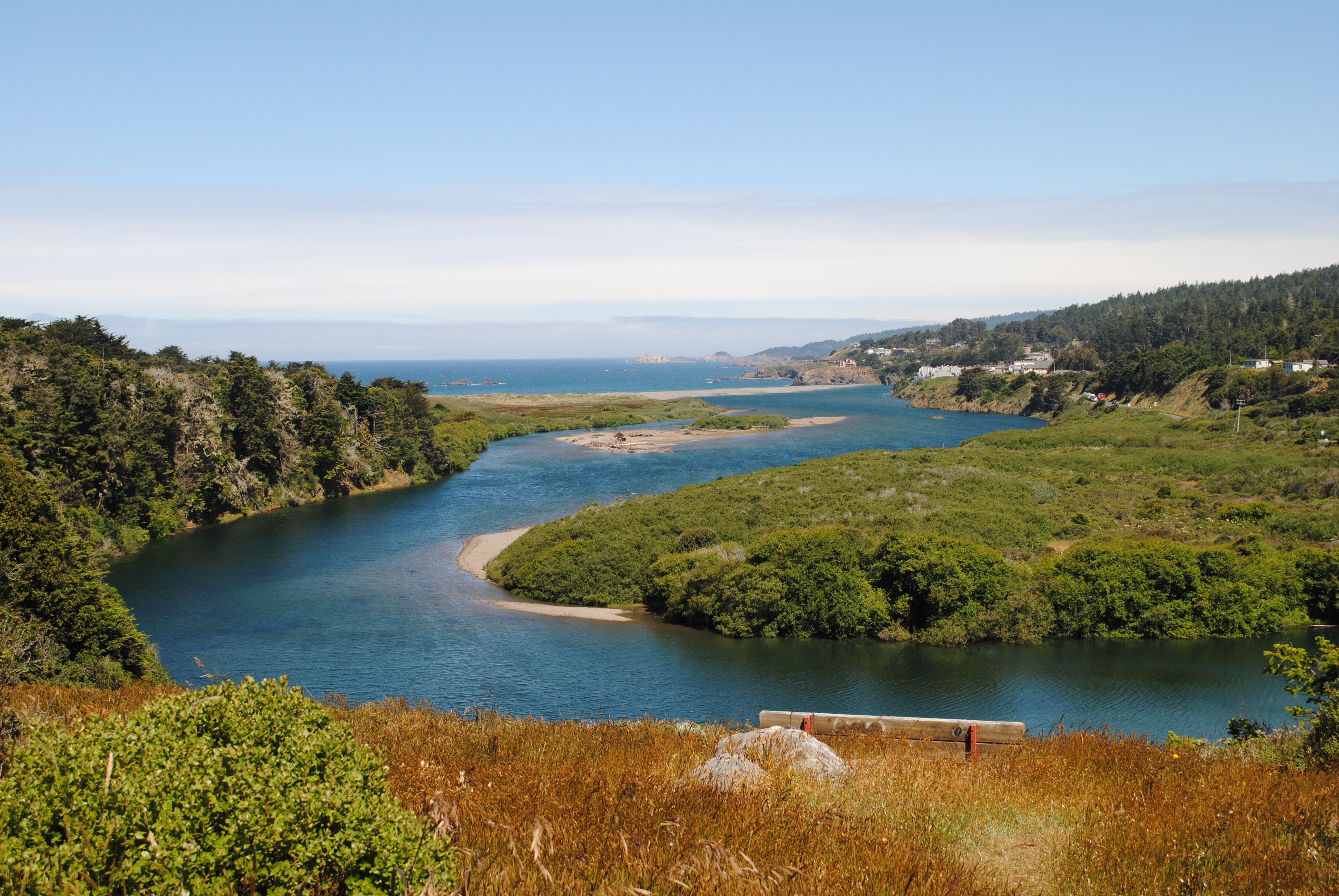
The Gualala River usually closes in the spring, after the winter rains. A big sandbar always forms at the river mouth, and the river then backs up and fills to the brim. We've been waiting and waiting for this to happen this year, and it finally happened mid-week.

Here is what the river looks like when it is closed - just beautiful.

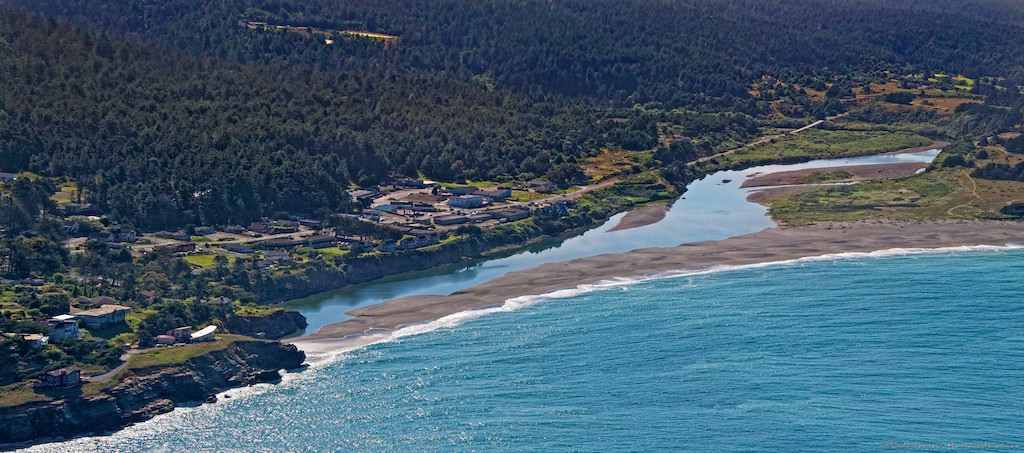
Craig Tooley took this aerial photo of the closed Gualala a few years ago.

You can see the big sandbar stretching across the river's mouth. Some of the river seeps through the sandbar and some of the water will evaporate, as the river slowly loses water. Now is the perfect time to kayak the river.

Fun fact: When the river is closed, the water at the mouth is called a lagoon. When the river is open, the water at the mouth is called an estuary.

Thanks to Craig for allowing me to show his aerial photo. To see much more of Craig's work, here is his website: www.ruffimage.com