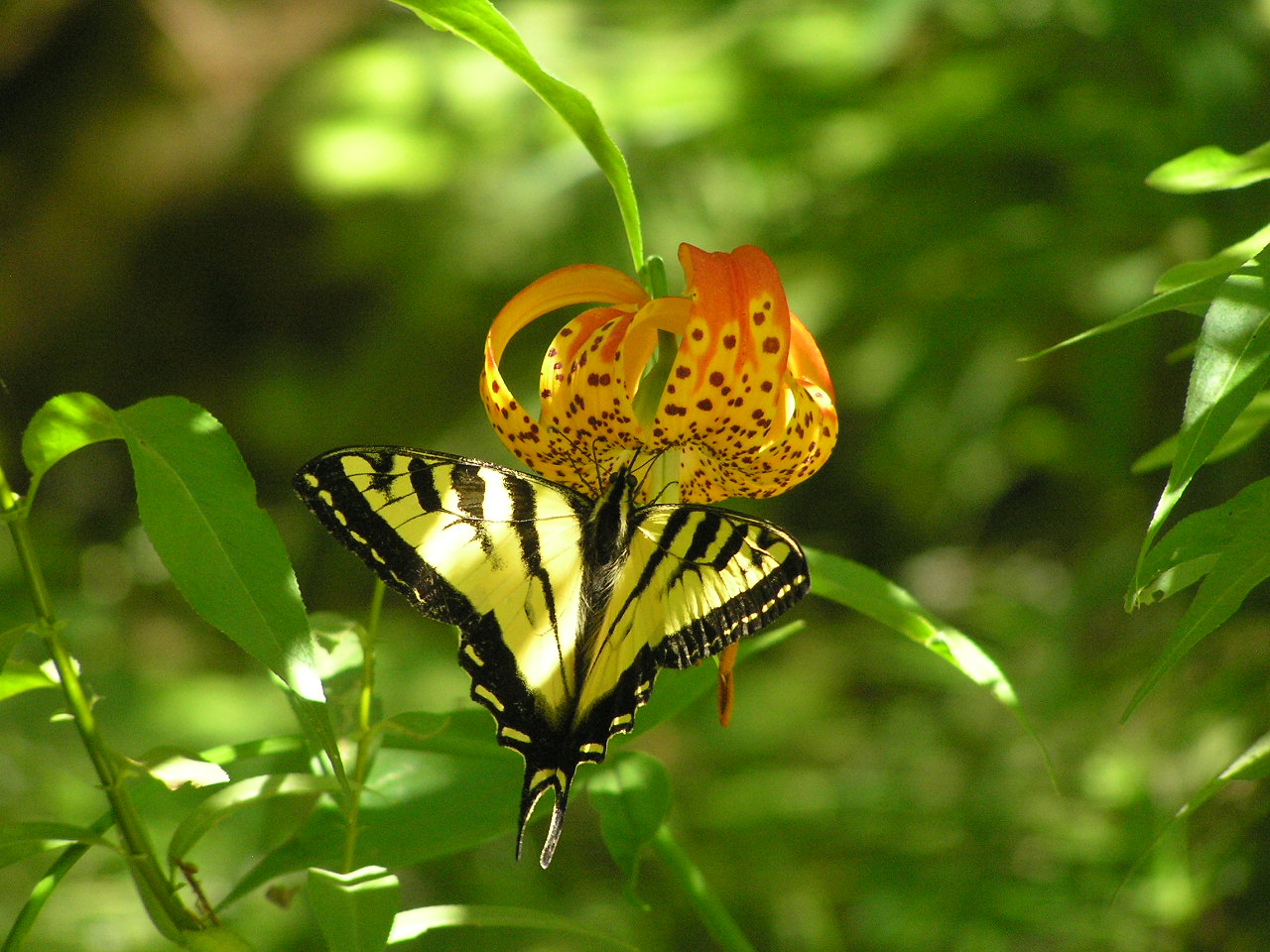
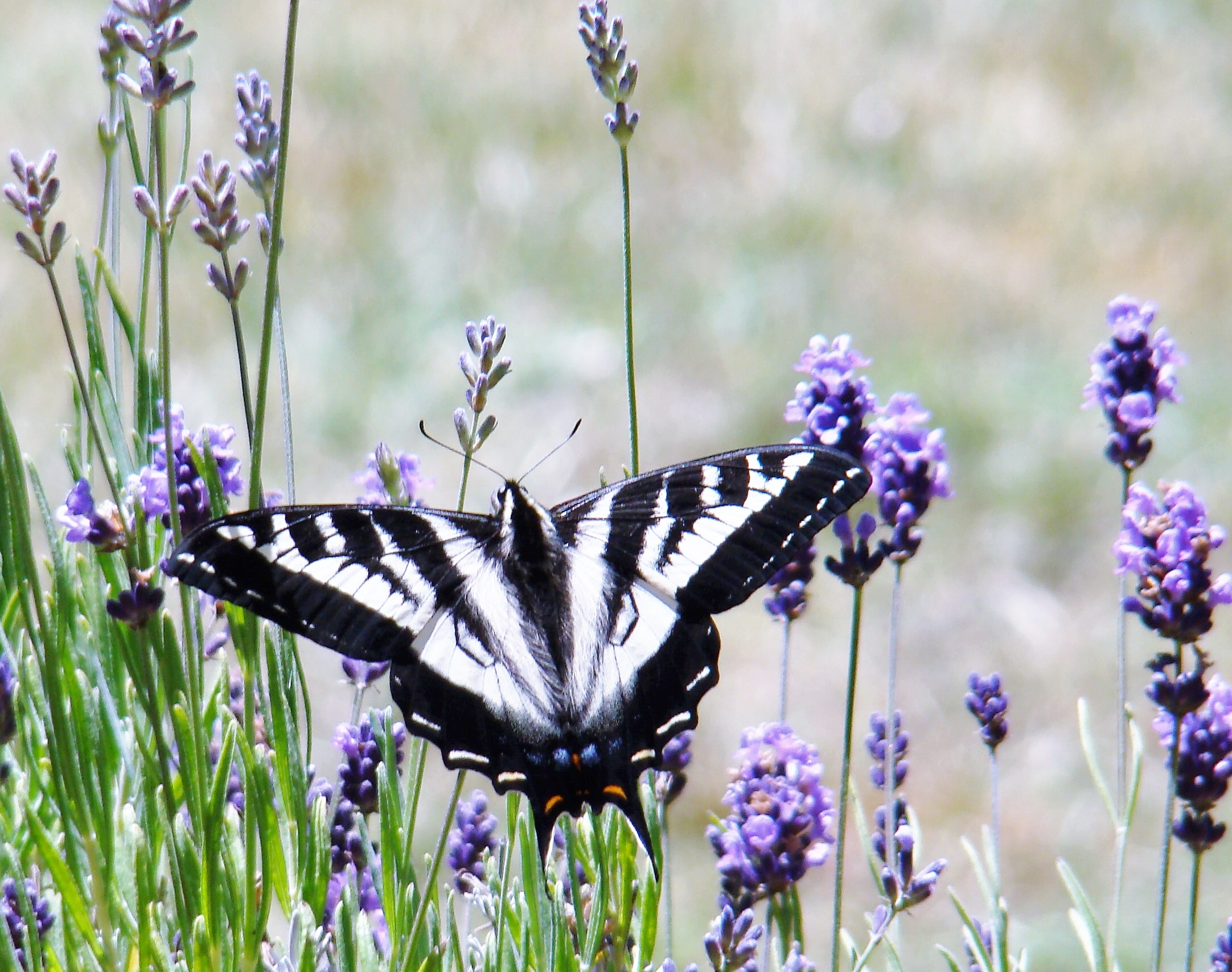
It's been downright hot if you get a little ways away from the bluffs and beaches, though today it cooled off a bit. Butterflies have been flitting through, delighting our senses. Recently Mary Hunter photographed a Pale Swallowtail Butterfly.
This beautiful butterfly was feeding - nectaring - on Mary's lavender blossoms. Pretty as a picture!
A close relative is a Western Tiger Swallowtail, with similar markings. This butterfly is feeding on a native wildflower, Leopard Lily, and was taken by Peter Baye.
OLYMPUS DIGITAL CAMERA
Thanks to Mary and Peter for allowing me to share their photos with you here.
Our Marine Sanctuaries, protected from oil extraction, are under attack. The current administration has called for a public comment period where YOU can tell our government how and why our National Marine Sanctuaries are important - important to locals, to visitors, to the health of our ocean and all who dwell within it. Here is the link to Save Our Marine Sanctuaries.org
Click on the red "Save our Sanctuaries" button to see a sample letter and the link to NOAA for public comment. If you'd like to go directly to the public comment site, here is the link:
The upwelling that takes place off of Point Arena ignites the whole food chain in the Pacific Ocean. It is a priceless occurrence off our coast that needs and deserves protection. The finite amount of oil that could be extracted isn't worth the disaster that an oil spill would bring.
Please take a moment and post your public comment. There are only a few weeks left to do so.
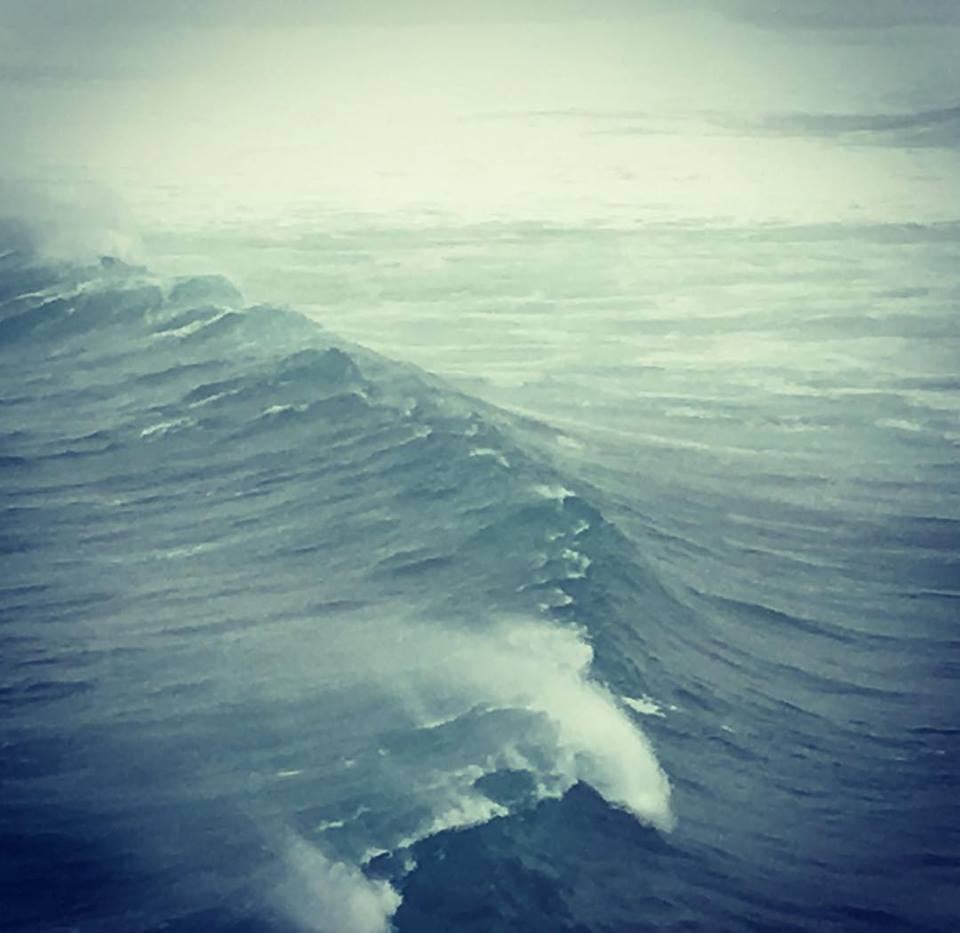
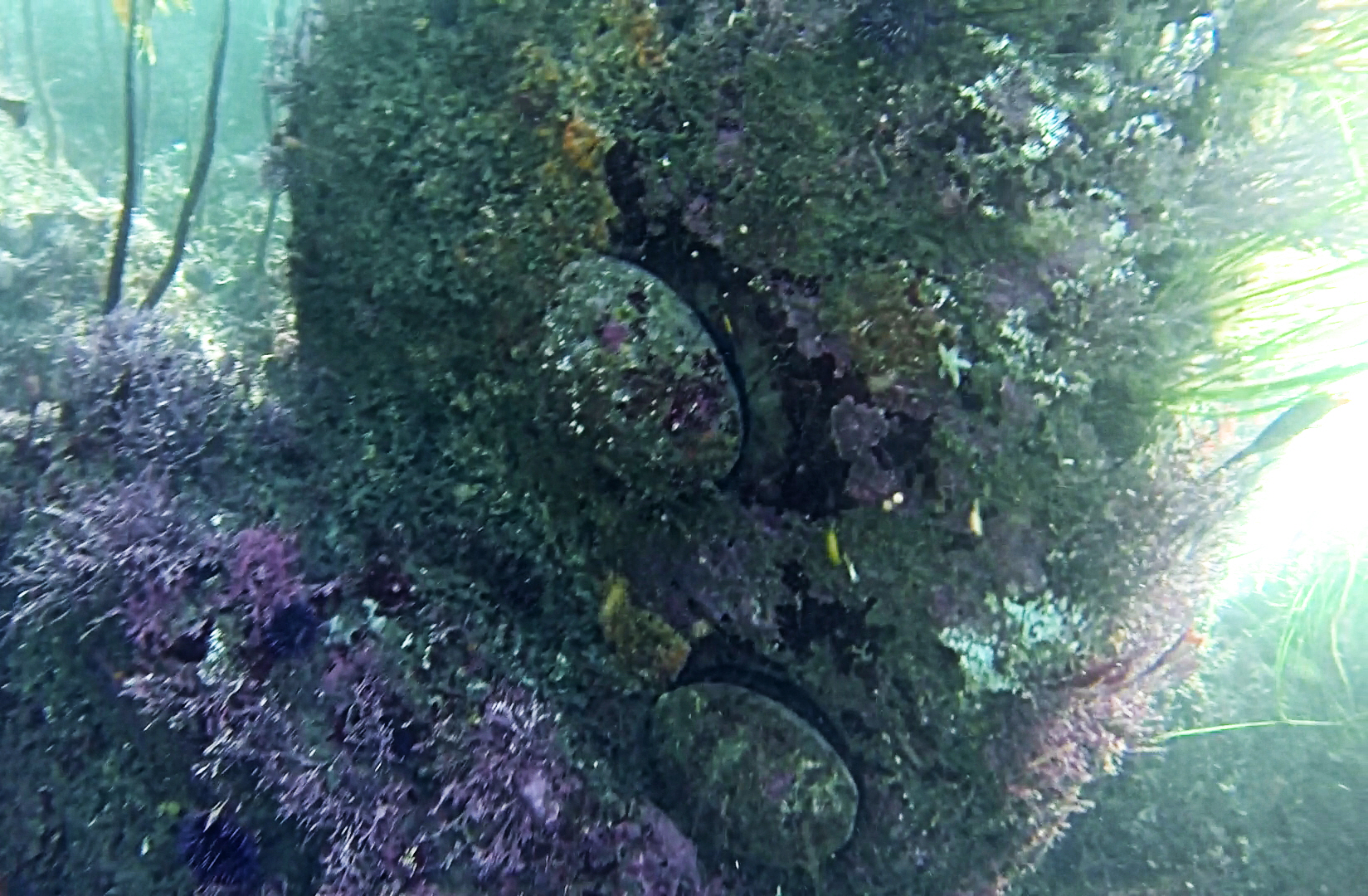
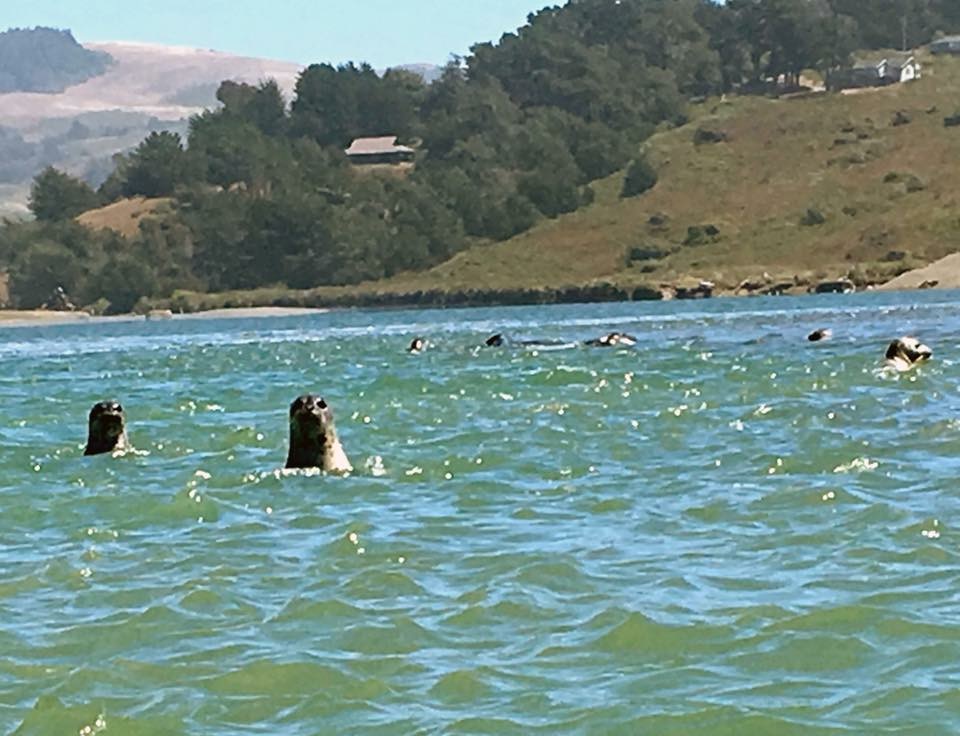
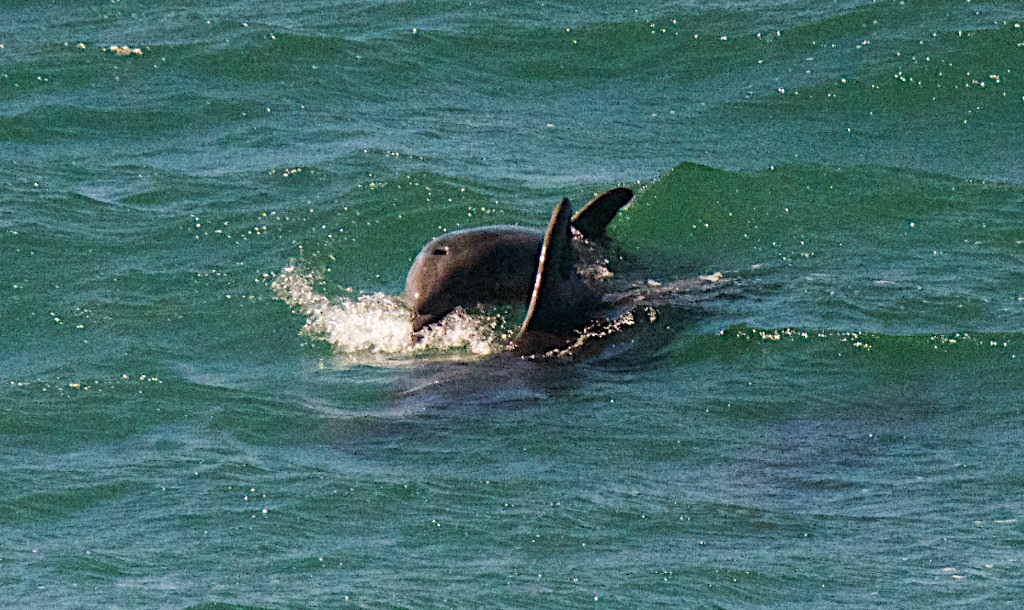
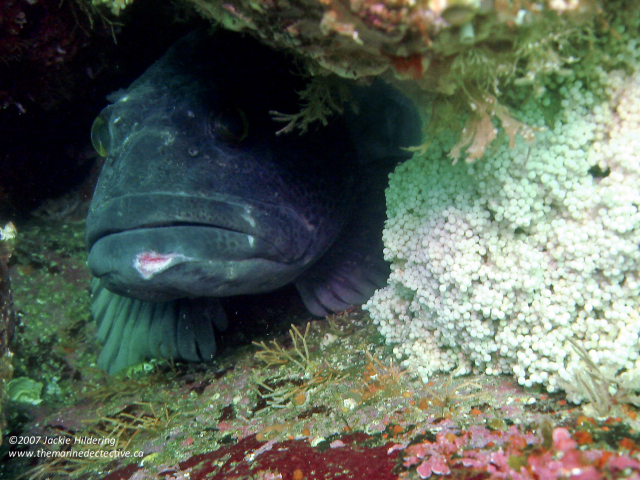
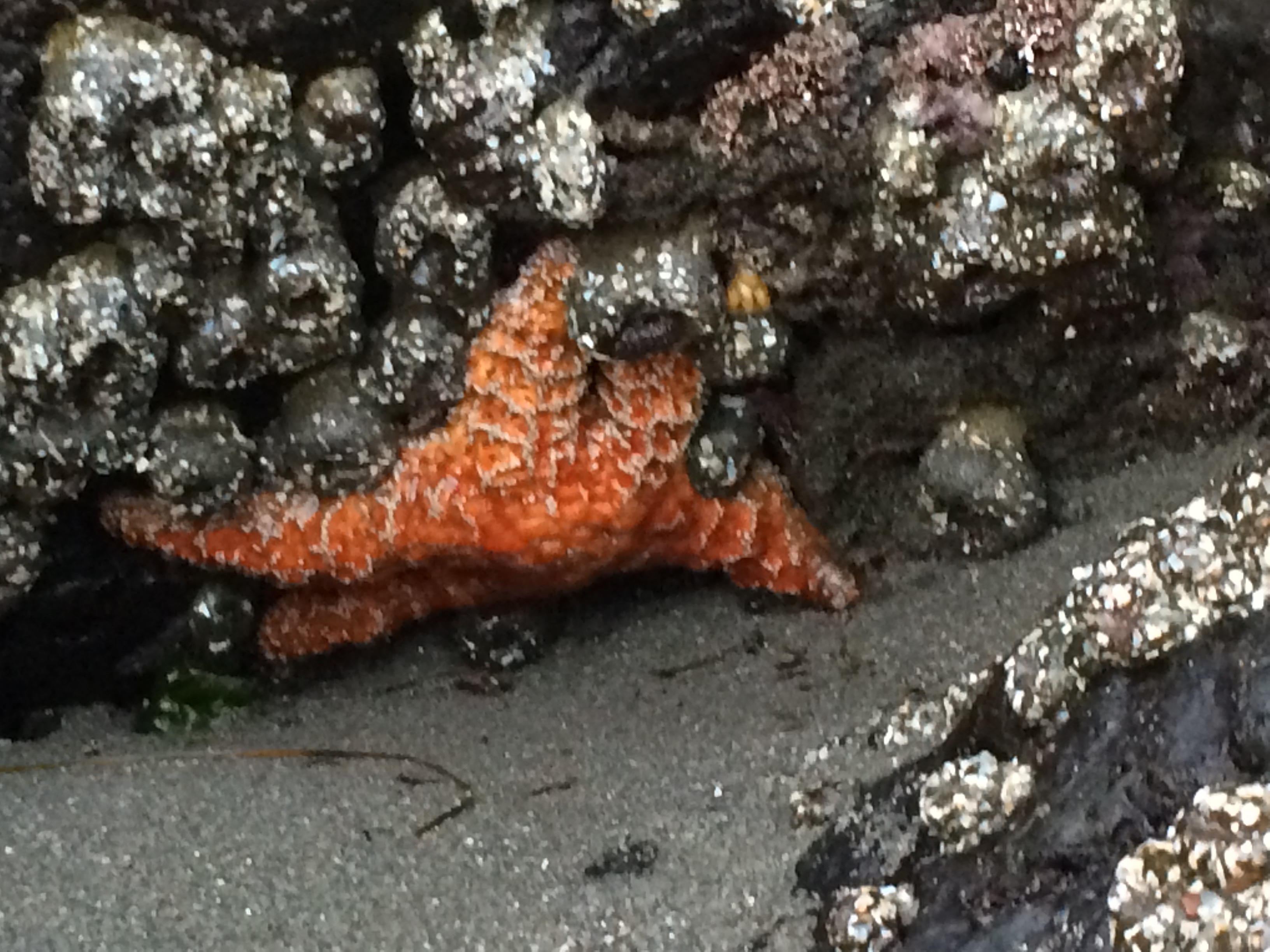
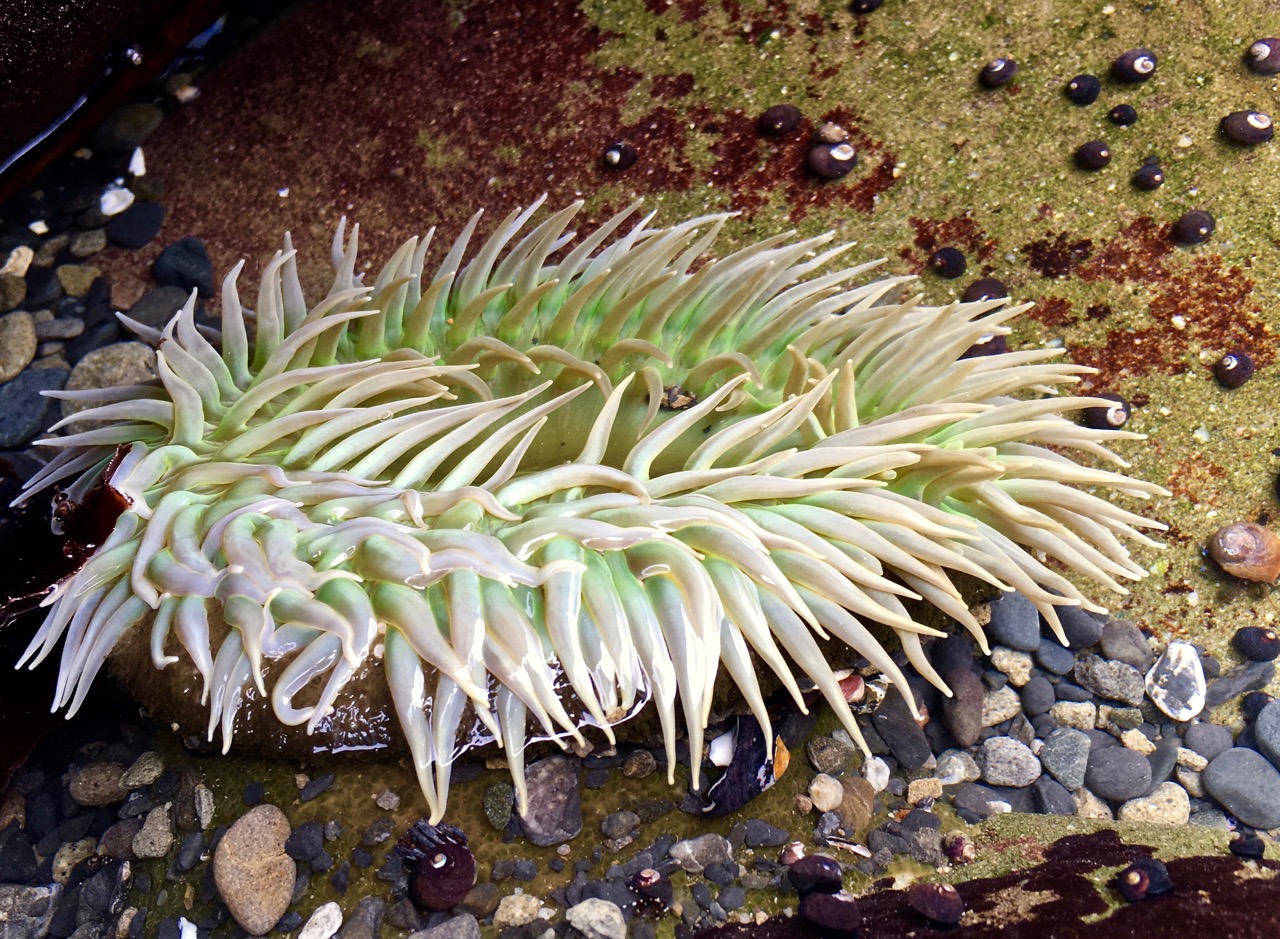
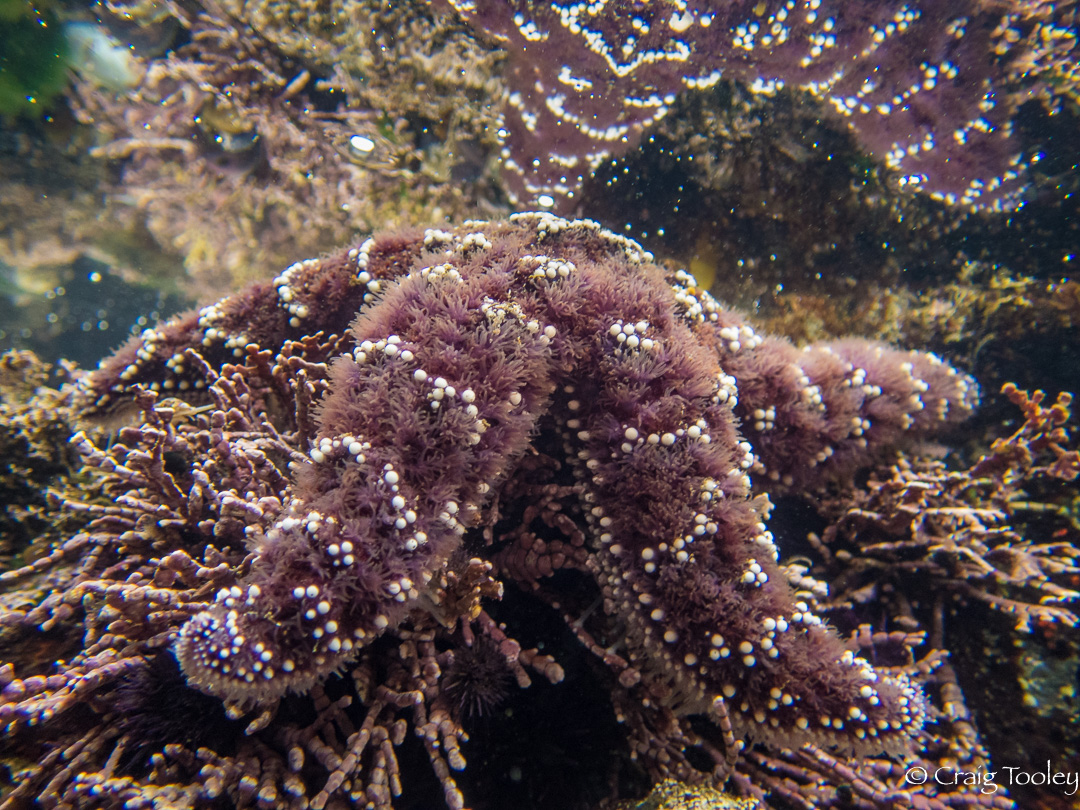
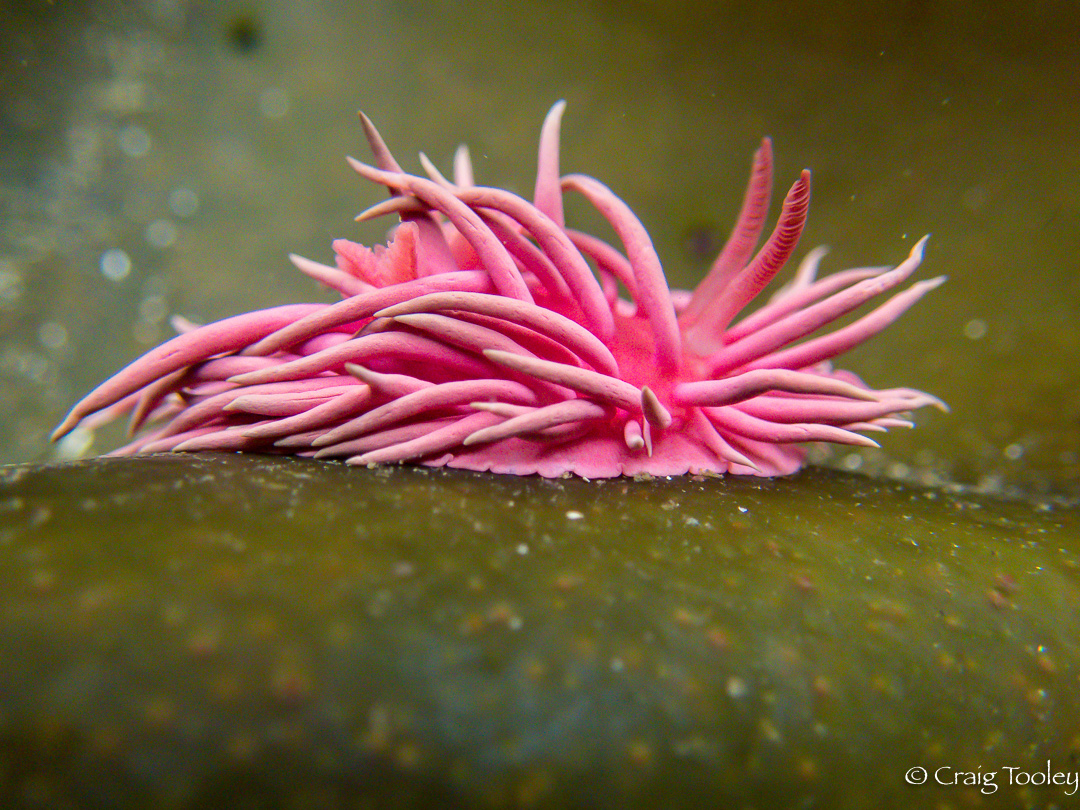
Here are some reasons why our coastline deserves this protection.
OLYMPUS DIGITAL CAMERAOLYMPUS DIGITAL CAMERA
I thank Beth, Paul, Roger, Allen, Jackie, Amy, Grace and Craig for allowing me to show you ten reasons why this coastline should be protected.
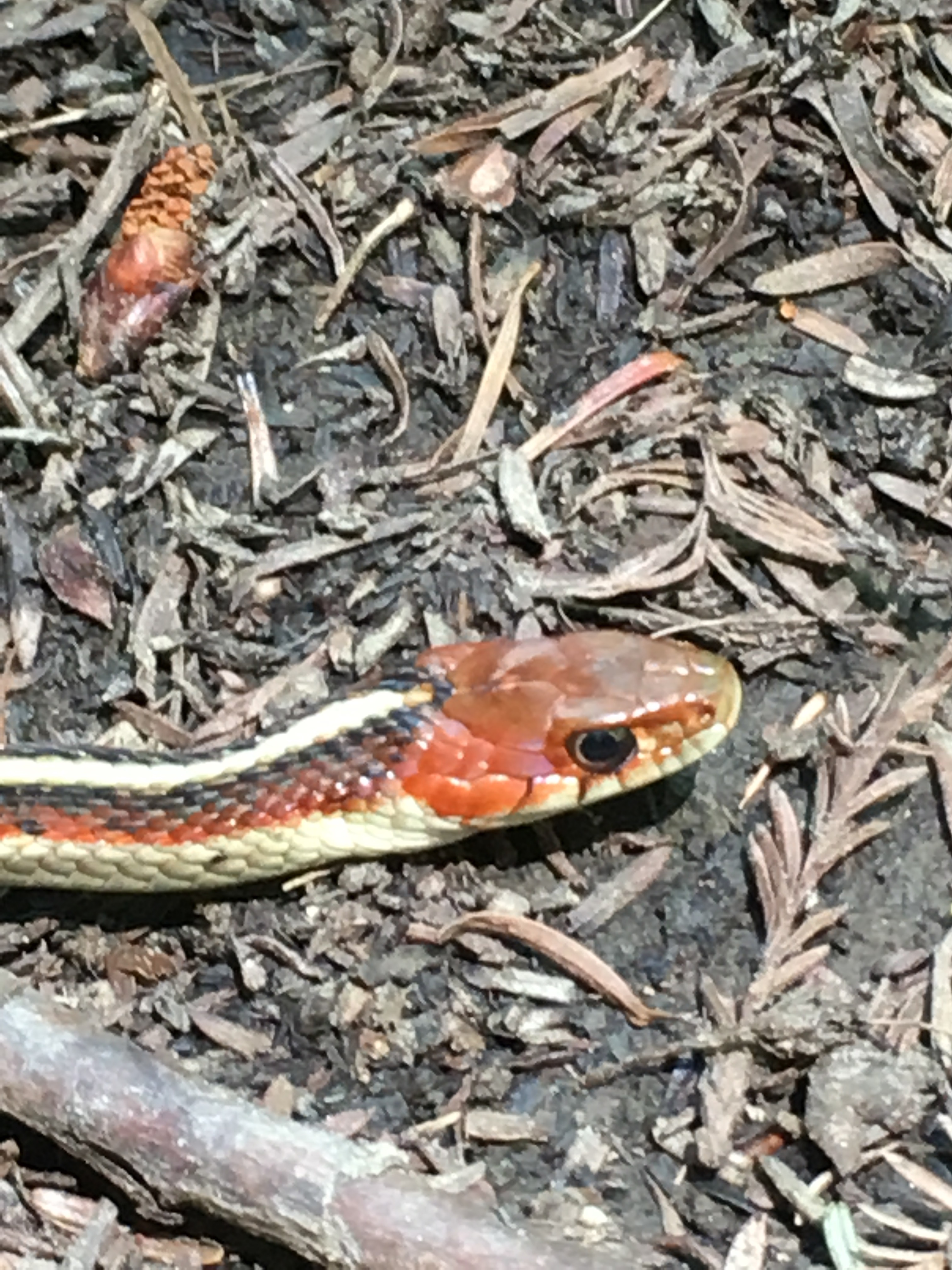
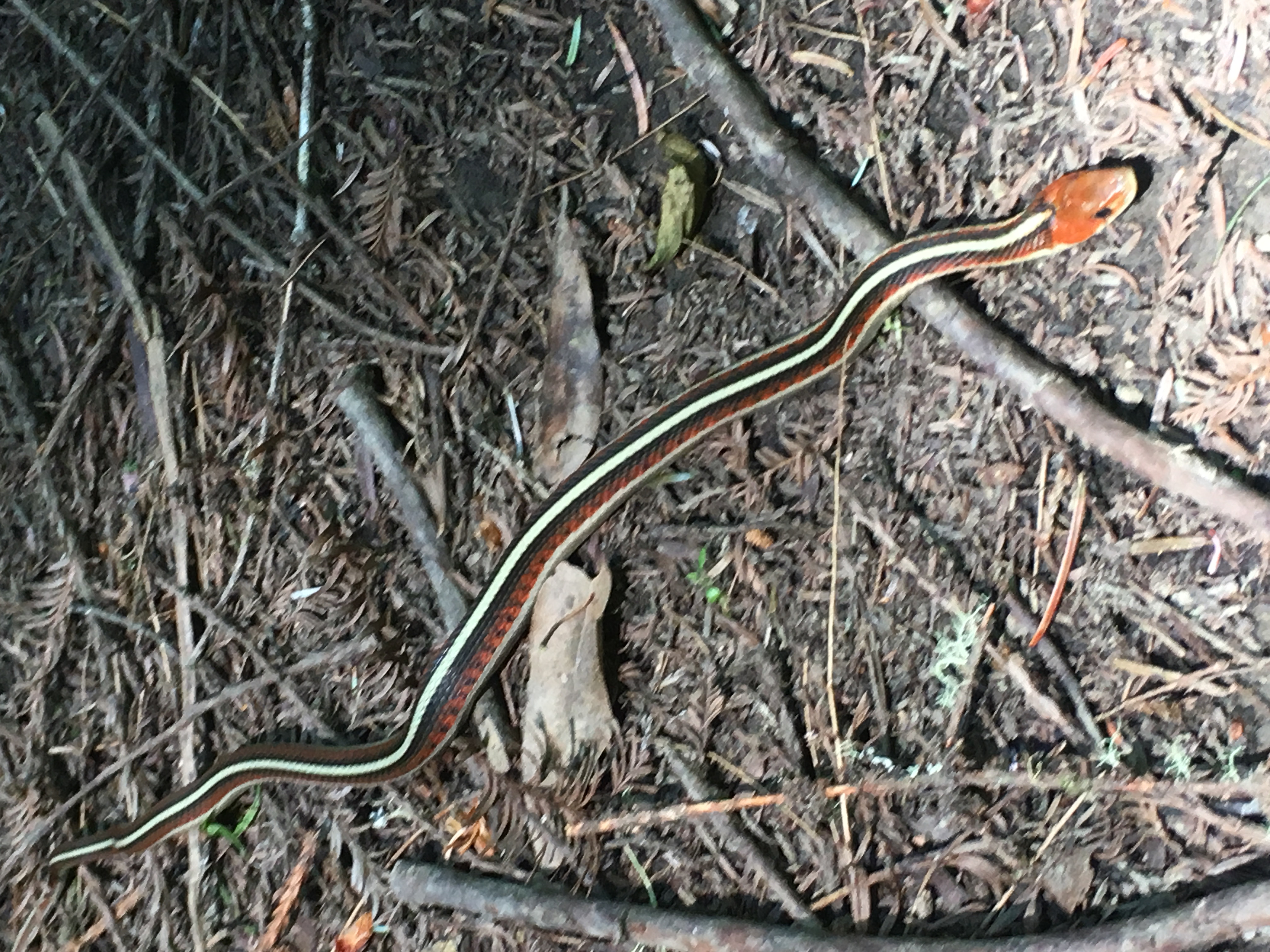
Ken and Martha Fischer wrote, “Here is a California Red-sided Gartersnake, a real handsome fellow! We encountered him, or her, while hiking near the Hot Spot on The Sea Ranch.”
A nonvenomous snake of the coast, these Gartersnakes are usually found near water, particularly the sag ponds of the San Andreas fault.
Thanks to Ken for allowing me to share his photos with you here.
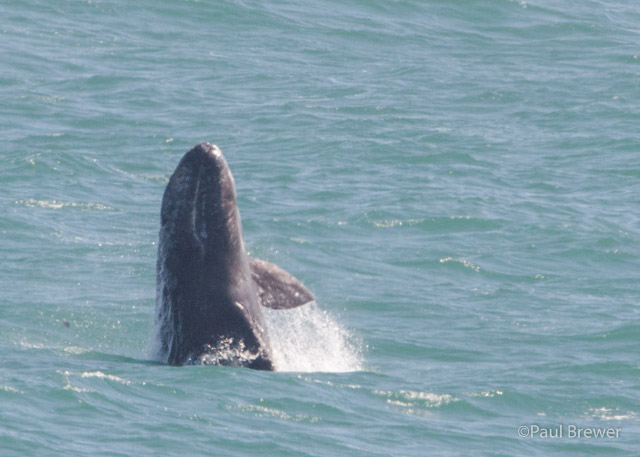
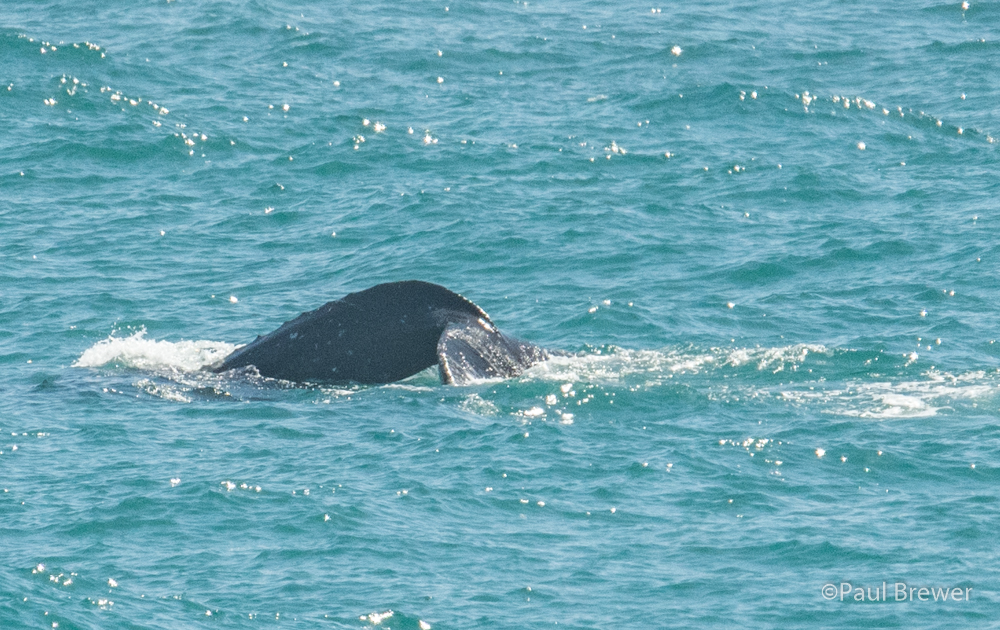
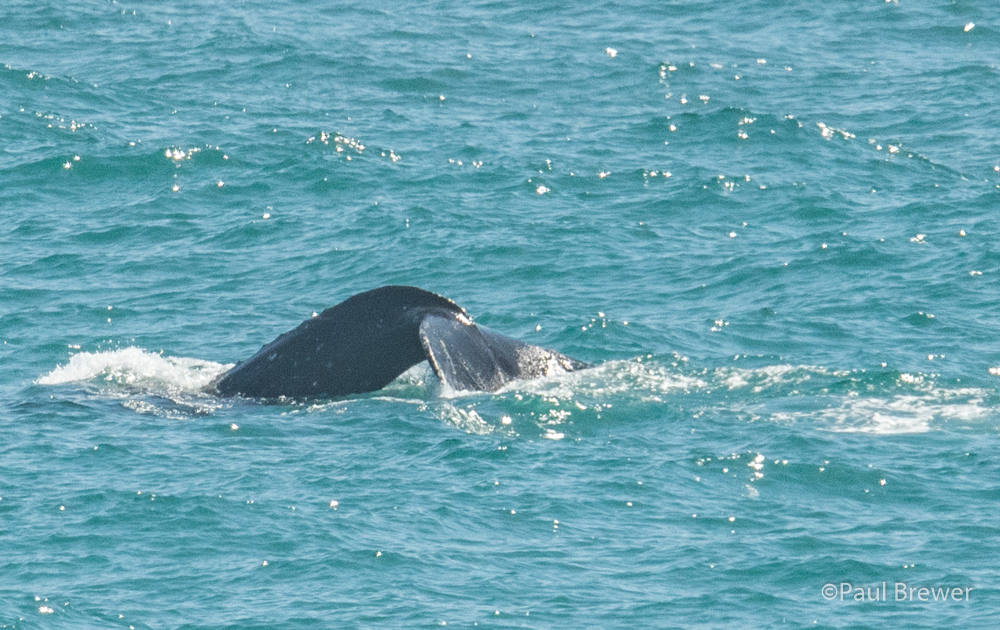
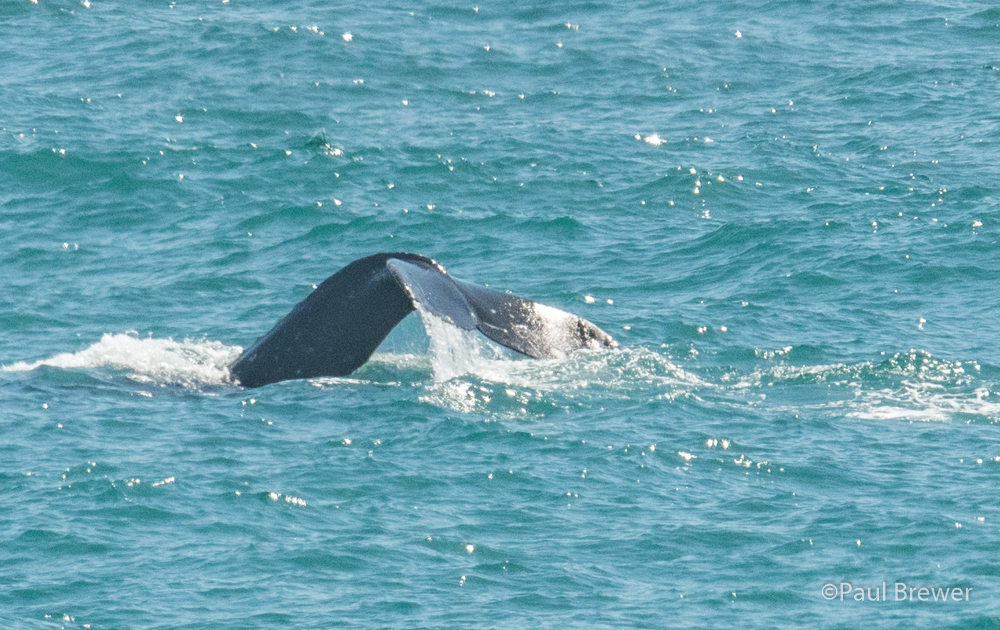
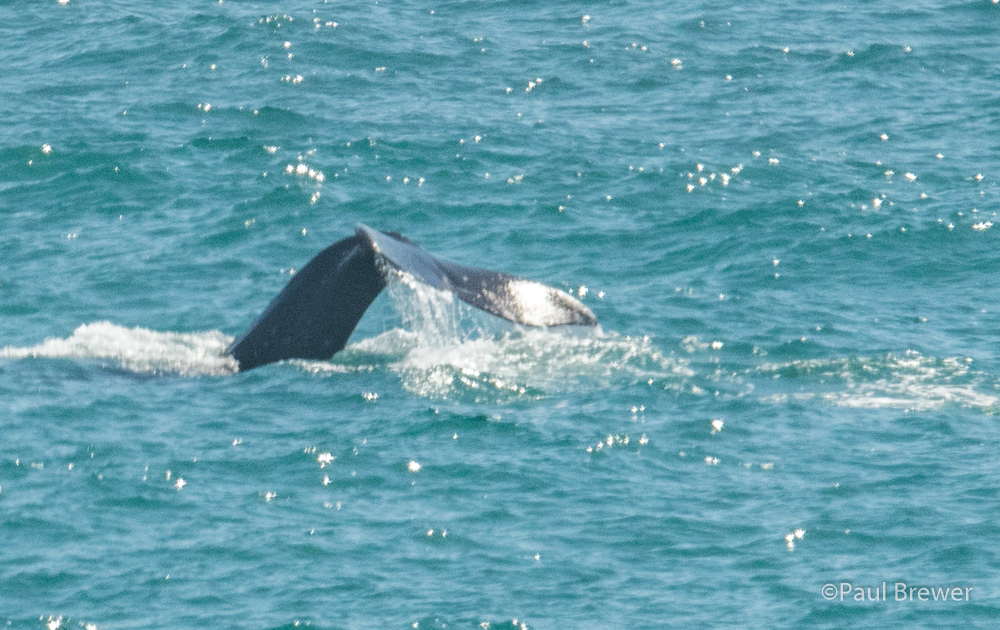
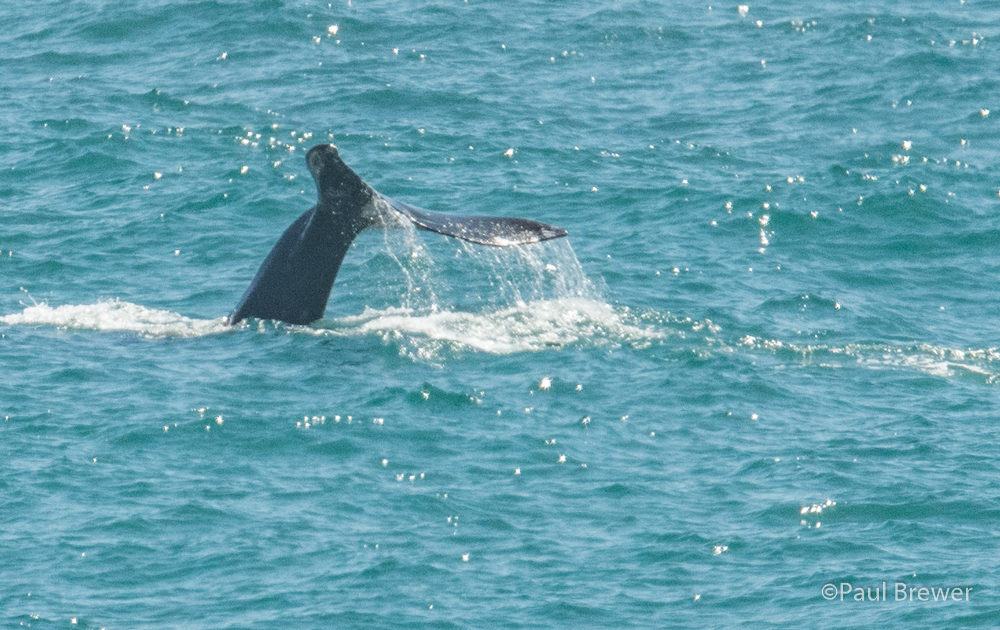
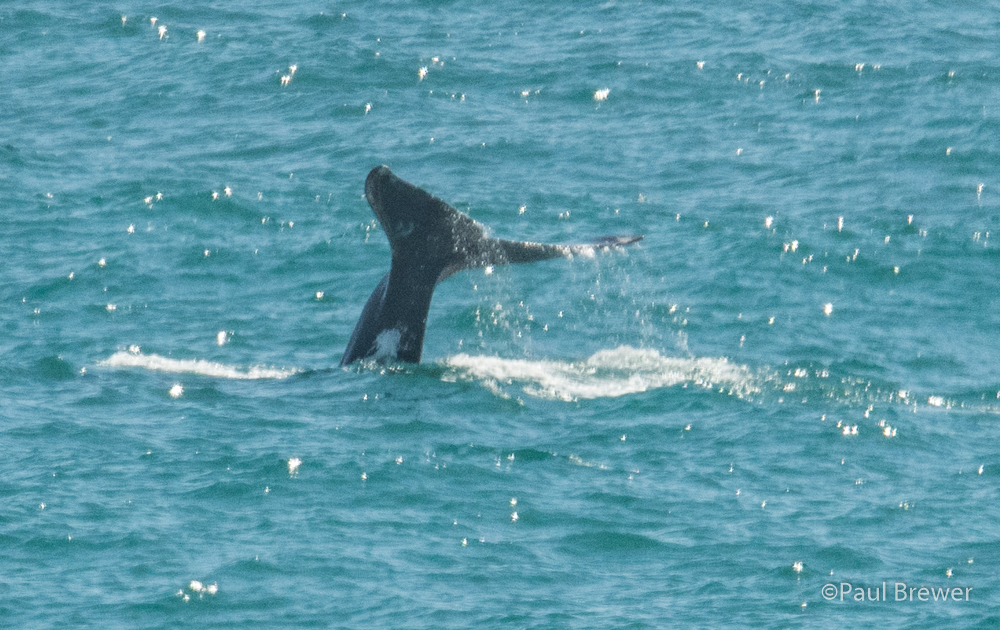
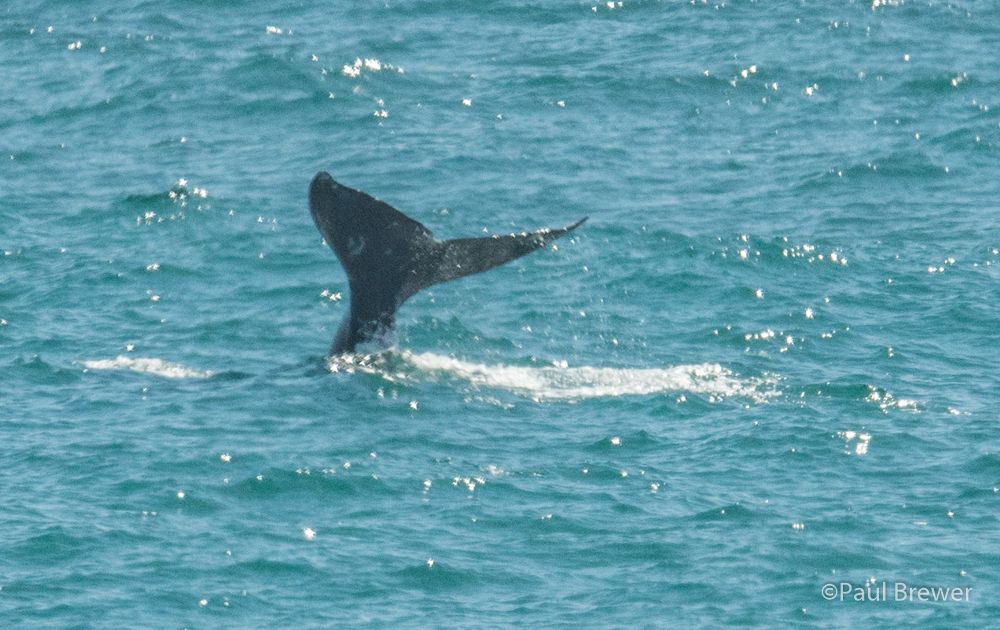
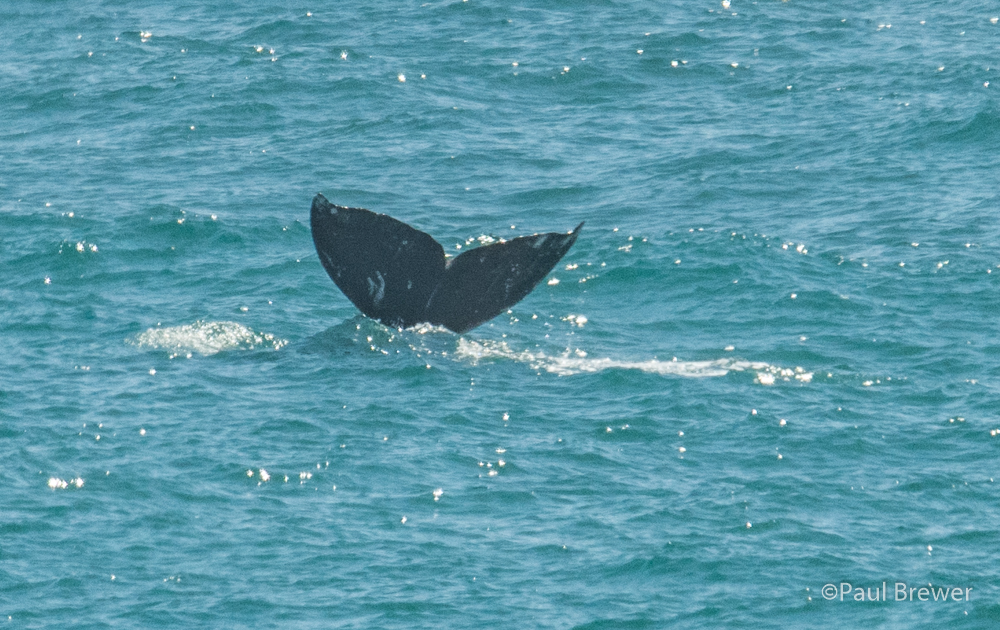
Paul Brewer photographed a Gray Whale recently, catching part of the back, and the tail.
Paul captured the entire sequence as the whale dove.
Thanks to Paul for allowing me to share his photos with you here. To see much more of Paul's nature photography, here is the link to his website: http://www.capturingnatureswonders.com/
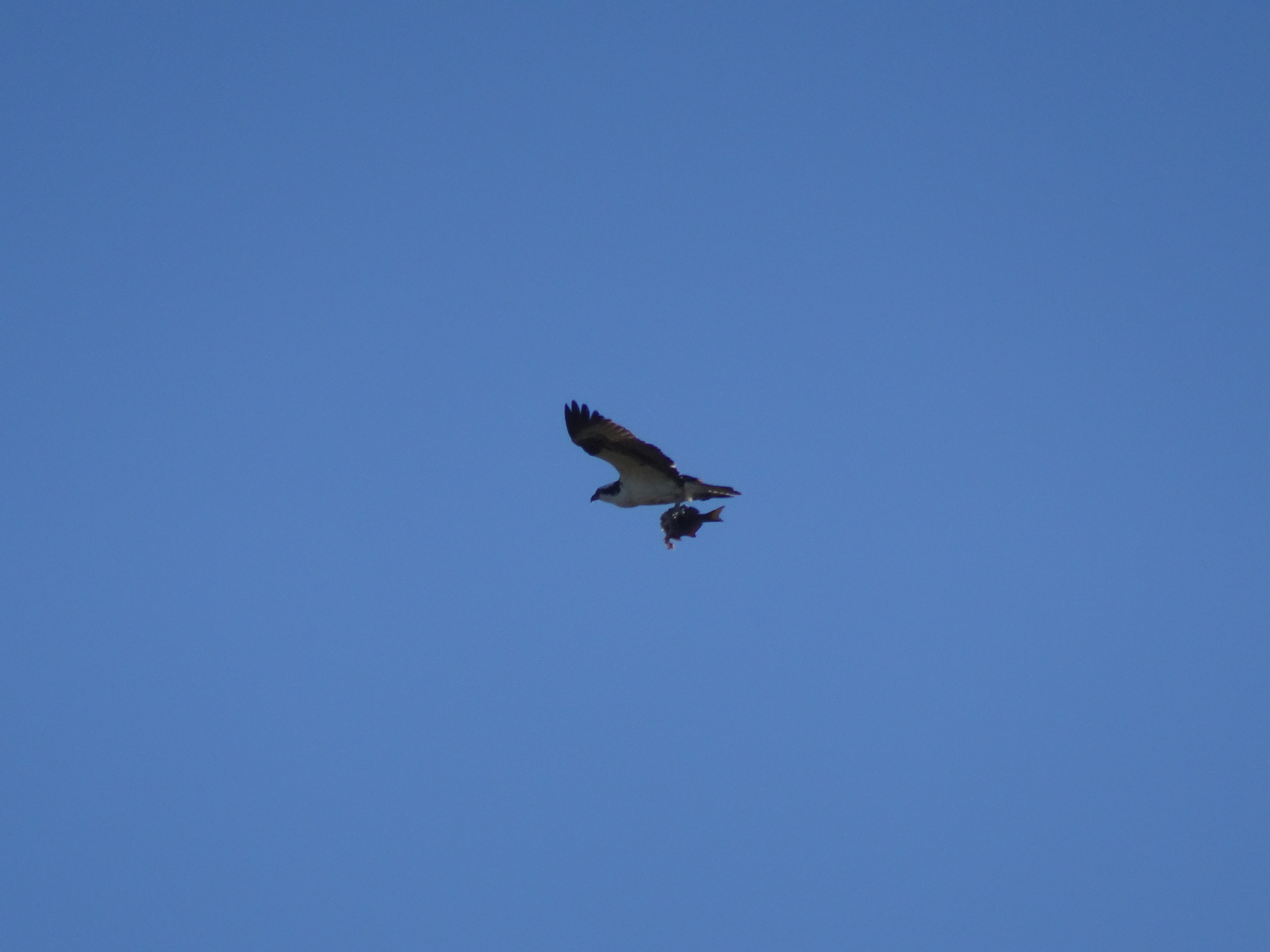
Location, location, location...the mantra for valuable real estate. Ospreys love to nest on the Mendonoma coast, as there are rivers and the vast Pacific Ocean. Dinner is only a successful dive away. Rick Denniston recently photographed an Osprey with a fish in its talons.
The chick in the nest that I watch is really getting big and beginning to exercise his/her wings. The parents are beginning to leave the chick alone in the nest now and then, but the father always brings a fish to the mother and chick in the early morning hours.
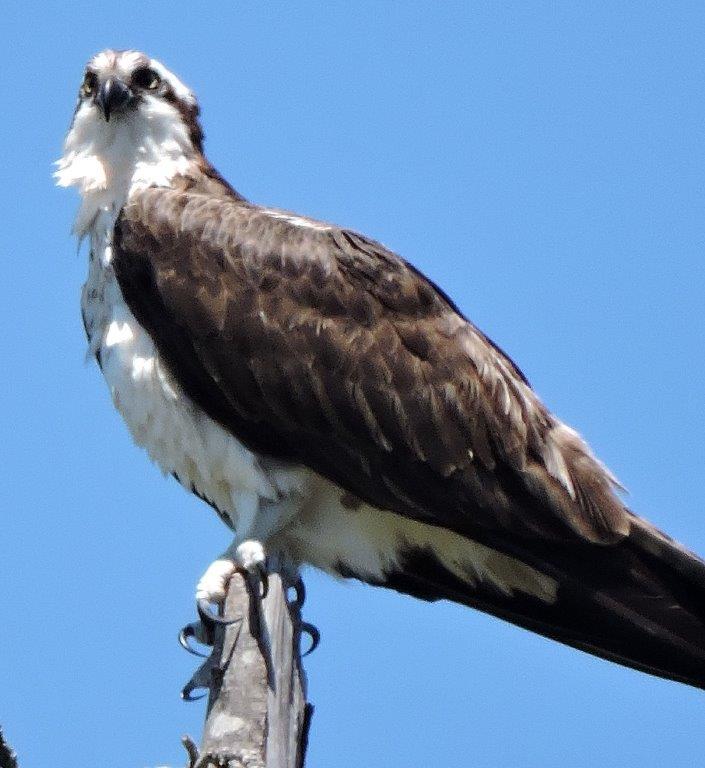
Here is a close-up of an Osprey taken by Jim O'Brien.
Ospreys migrate far south in the early part of autumn, but while they are here, we very much enjoy watching and hearing them.
Thanks to Rick and Jim for allowing me to share their photos with you here.
 This beautiful butterfly was feeding - nectaring - on Mary's lavender blossoms. Pretty as a picture!