Sightings

It takes a talented photographer to get a photo of an insect while flying! Craig Tooley wrote, “I was out looking for little creatures the other day and thought this one was an interesting bee, or fly, or wispy creature. I thought you might enjoy seeing it. They move so fast, a lot of times you don't get a good look at these impressive little creatures. Where did it get those sunglasses?”

I sent Craig’s photo to entomologist Mary Lou Flint. She wrote, “It’s a Syrphid Fly, sometimes called a Hover Fly or Flower Fly because it hovers over flowers to feed on pollen and nectar. These are wonderful beneficial insects. Their larval stages are little maggots that feed on aphids and sometimes other soft-bodied insects. They can clean up an aphid infestation in a jiffy! The adults resemble bees or wasps, and this mimicry may protect them from some predators. However, as you can tell from Craig’s photo, they only have one pair of true wings, thus they are called Diptera. The rear wings have been reduced to knobs called halters. Bees and wasps have four full wings.”

I also learned these important pollinators, unlike bees and warps, do not sting!

Thanks to Craig for allowing me to share his photo with you here. To see much more of Craig's nature photography, here is the link to his website: http://www.ruffimage.com

It's sunny and breezy today!
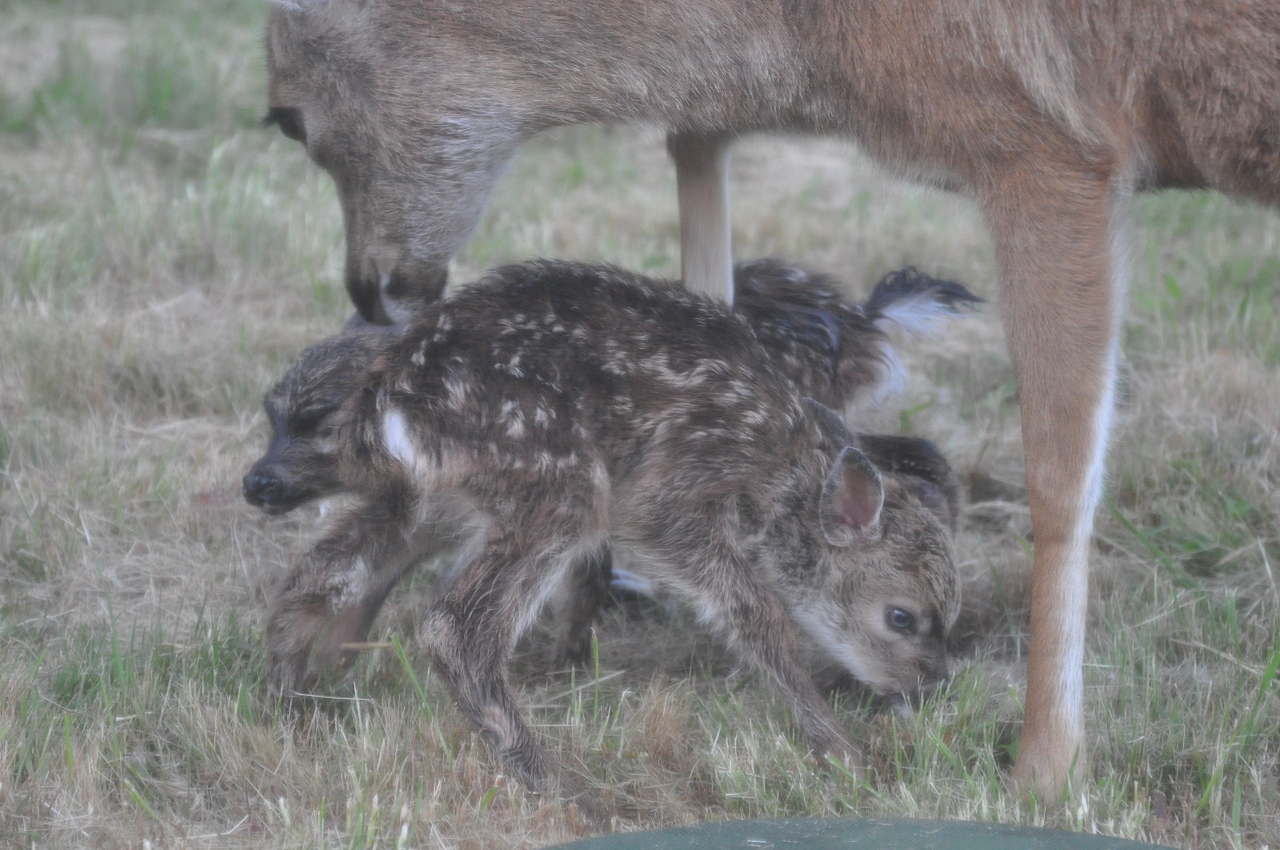
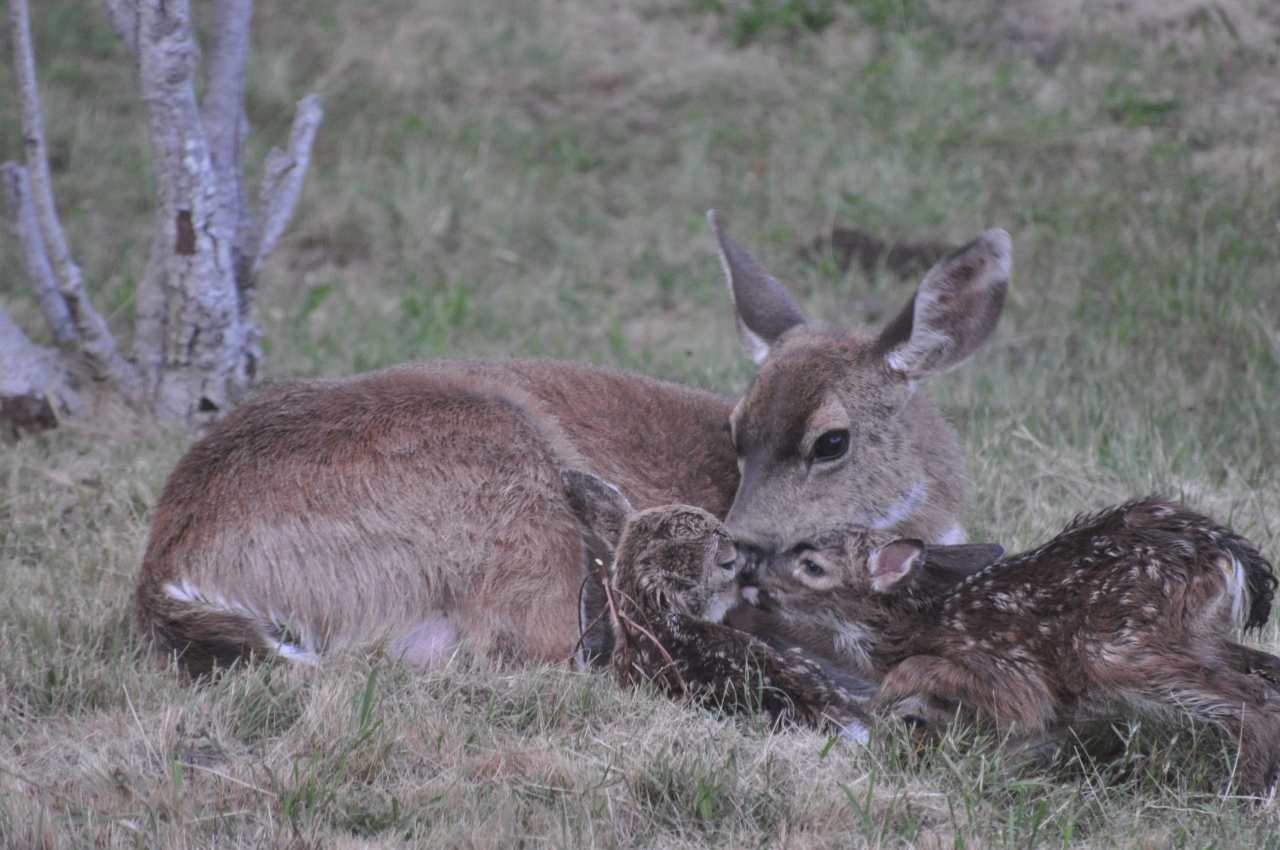
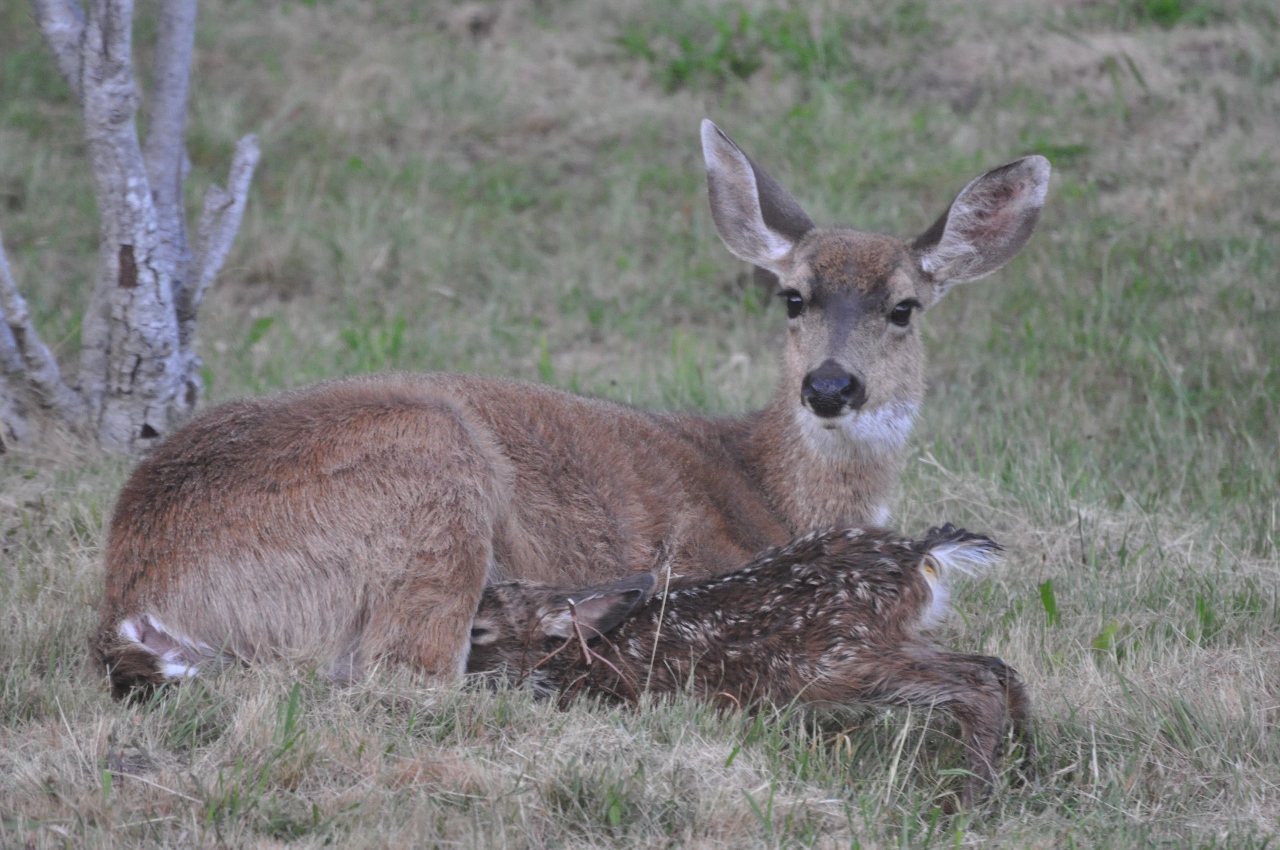
Joe Cassetta was in the right place at the right time. Near his Sea Ranch home, around 7 p.m., he saw this Doe give birth to twins. The tiny Fawns are still wet from their birth.

Here they are beginning to explore their mother and begin nursing.

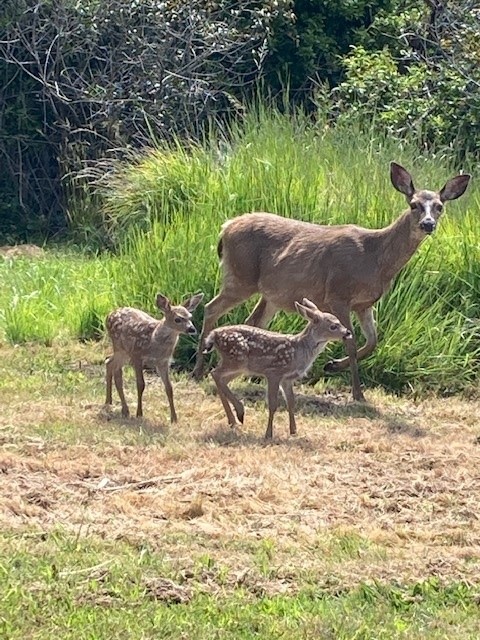
About a week later, Joe spotted the family again, and look how confident the Fawns look now!

Remember to watch for these little ones when driving the coast's roads. If a Doe crosses the road, wait a minute to see if a Fawn...or two...or even three might be following her.

Thanks to Joe for allowing me to share his photos with you here.

Sunny, warm and WINDY! The Pacific Ocean is full of whitecaps today. Upwelling, igniting the marine food chain, is surely taking place courtesy of this northwest wind.


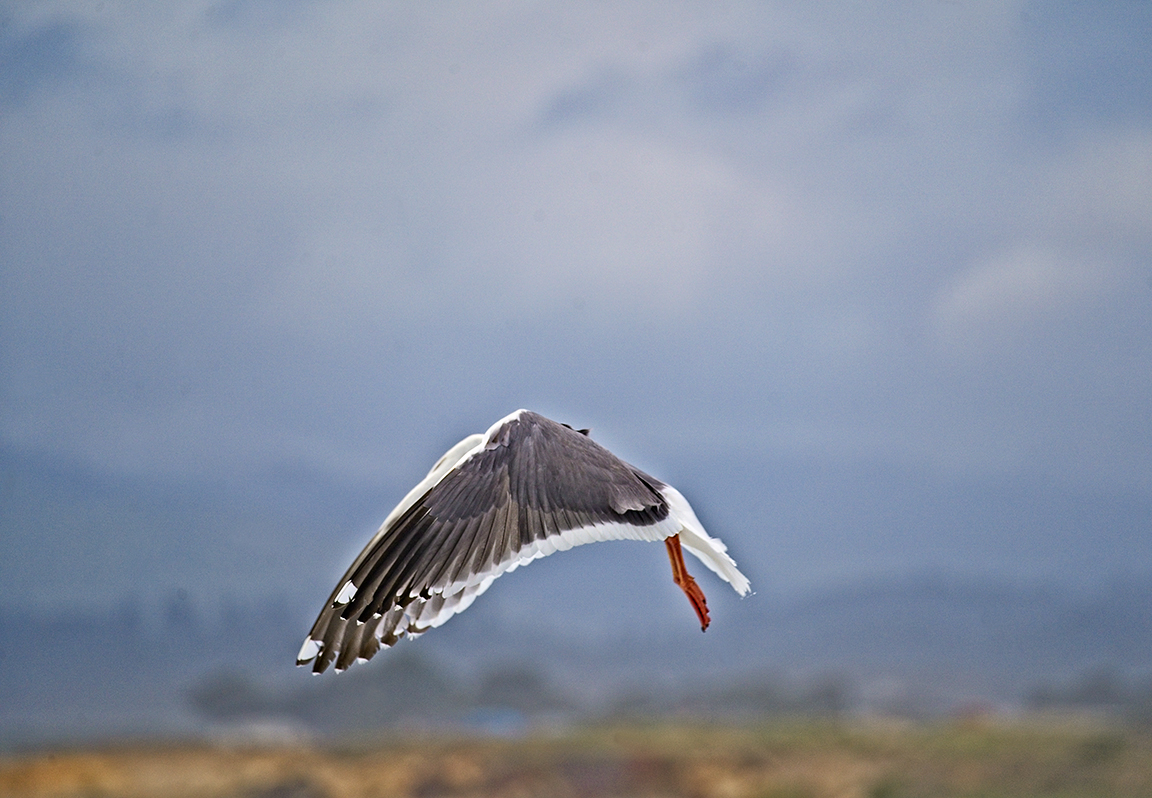
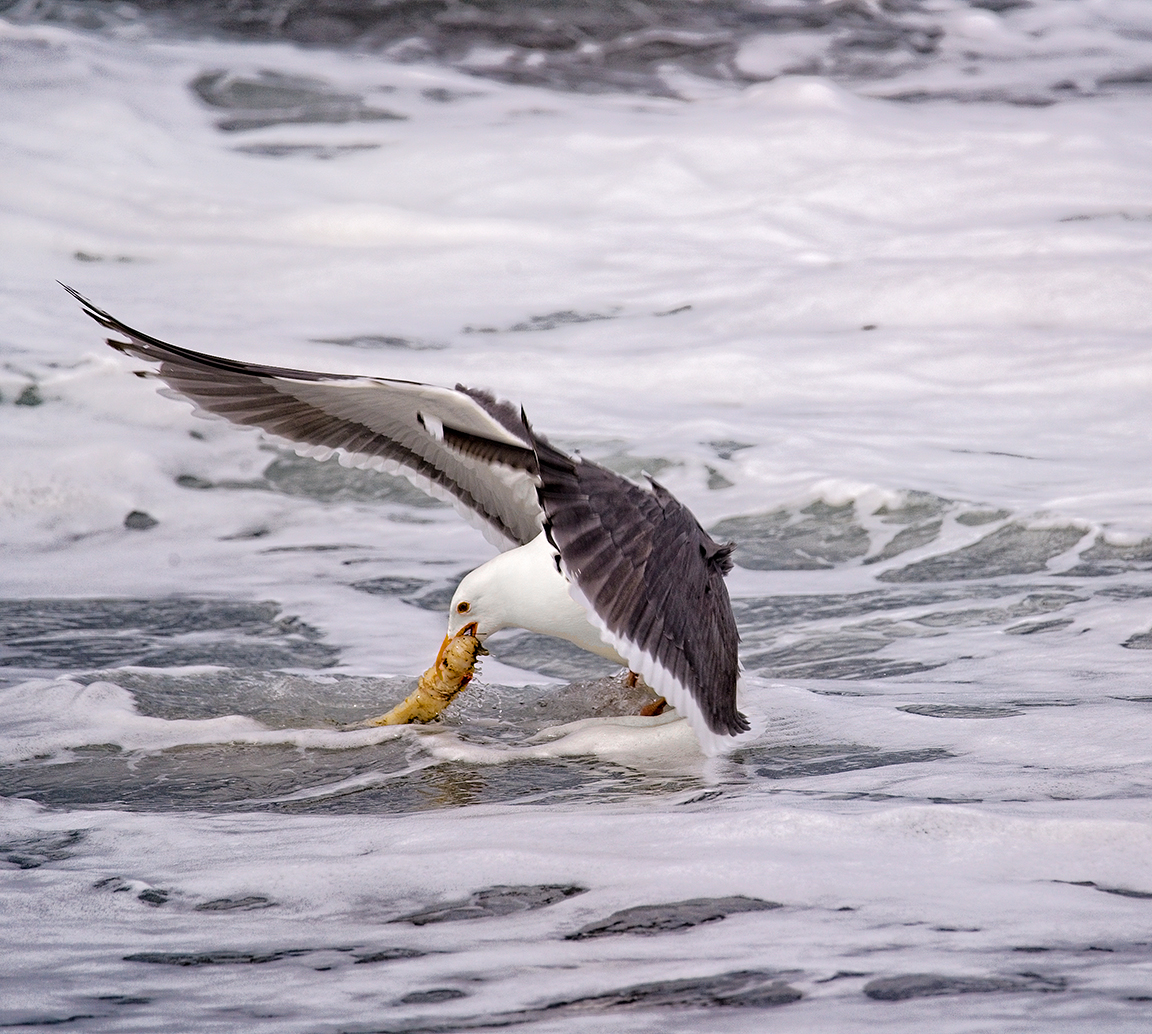
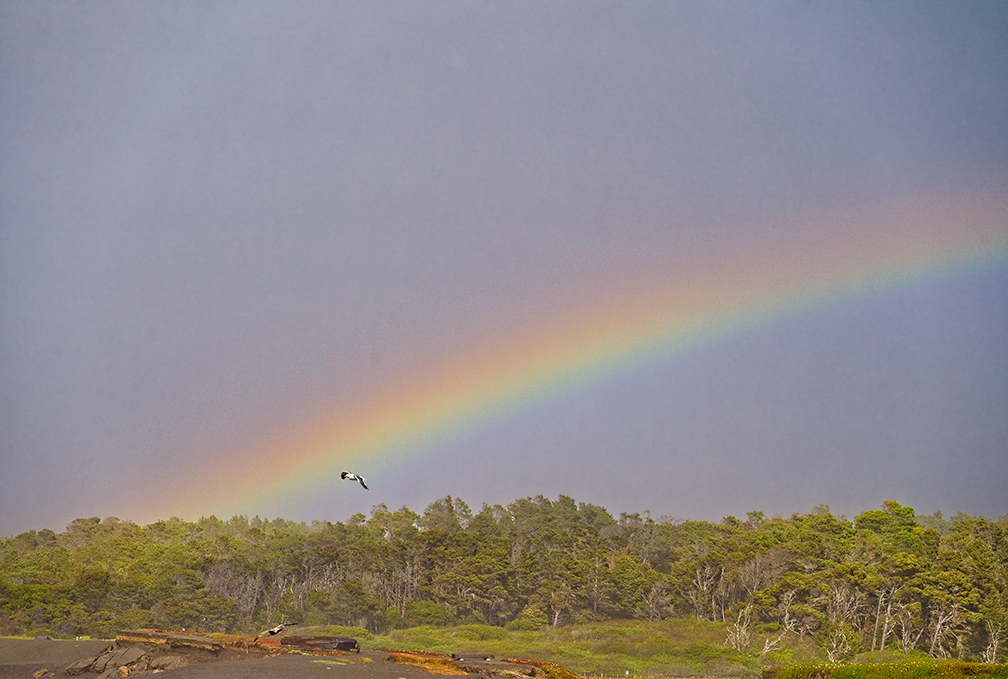
On Sunday May 8th, Jeff Goll was at MacKerricher State Park during the most recent rains. He got this beautiful and unusual photo of a Western Gull in flight. Jeff calls this a hooded gull.

He then spotted a Western Gull - perhaps the same Gull? - nab a Shrimp for its meal.

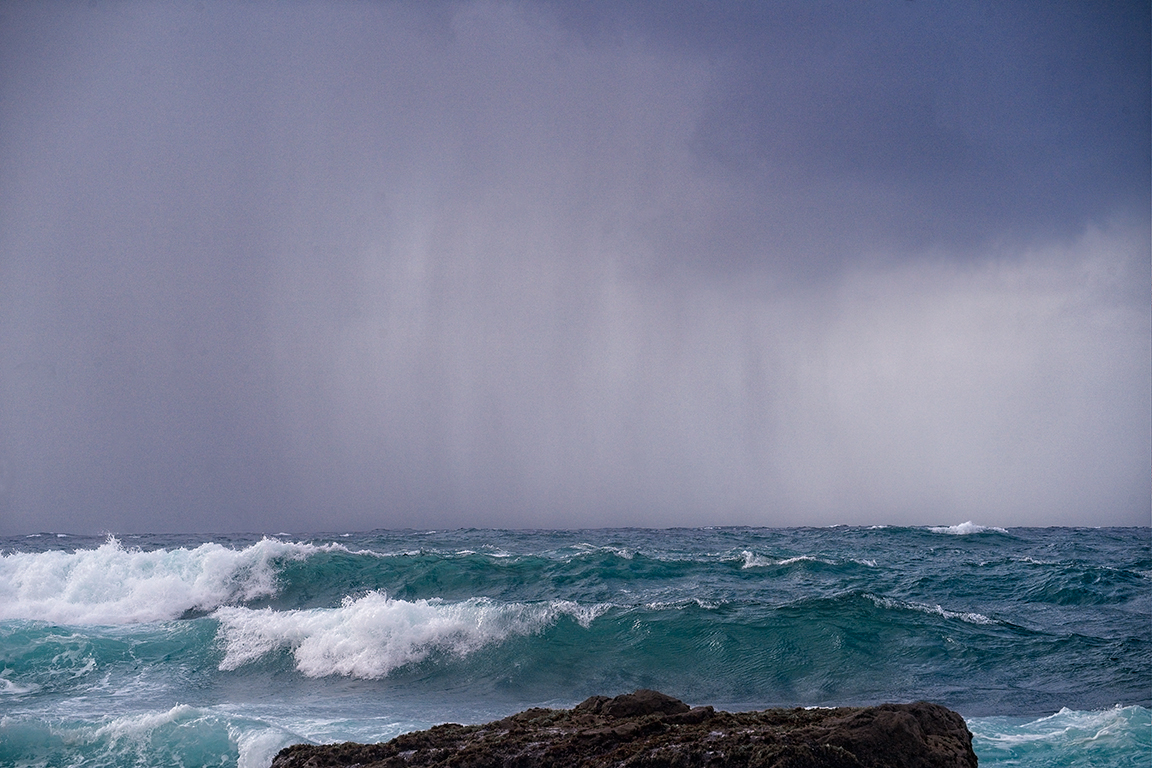
Rain showers coming in!

Followed by a rainbow.

MacKerricher State Park  is located three miles north of Fort Bragg in Mendocino County. It has nine miles of coastline to explore. You can learn more about this wonderful park at this link: https://www.parks.ca.gov/?page_id=436

Thanks to Jeff for allowing me to share his photos with you here.

It's sunny, but there is fog hovering over the ocean, which keeps the temperature nice and cool. It's springtime breezy too!

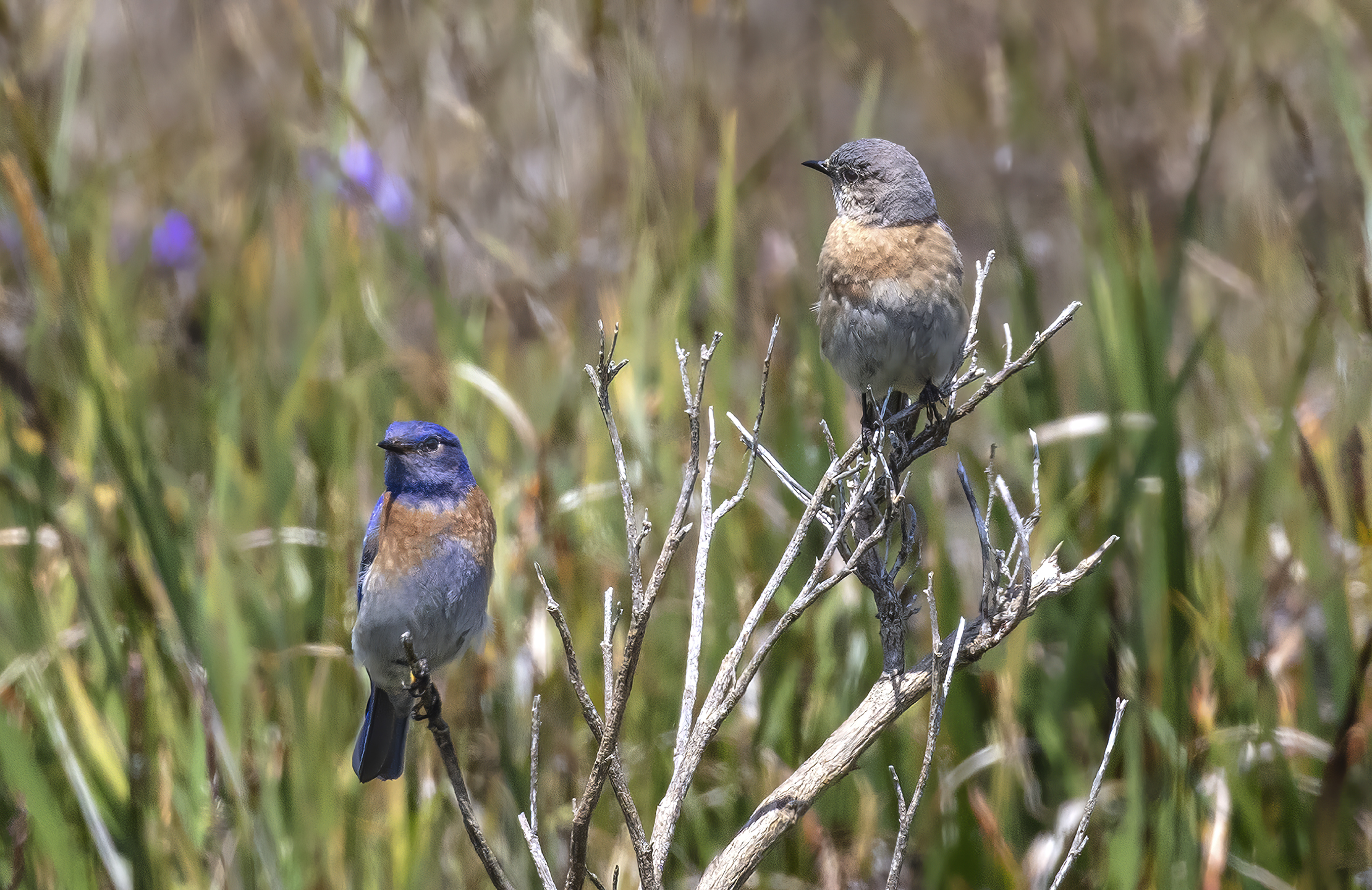
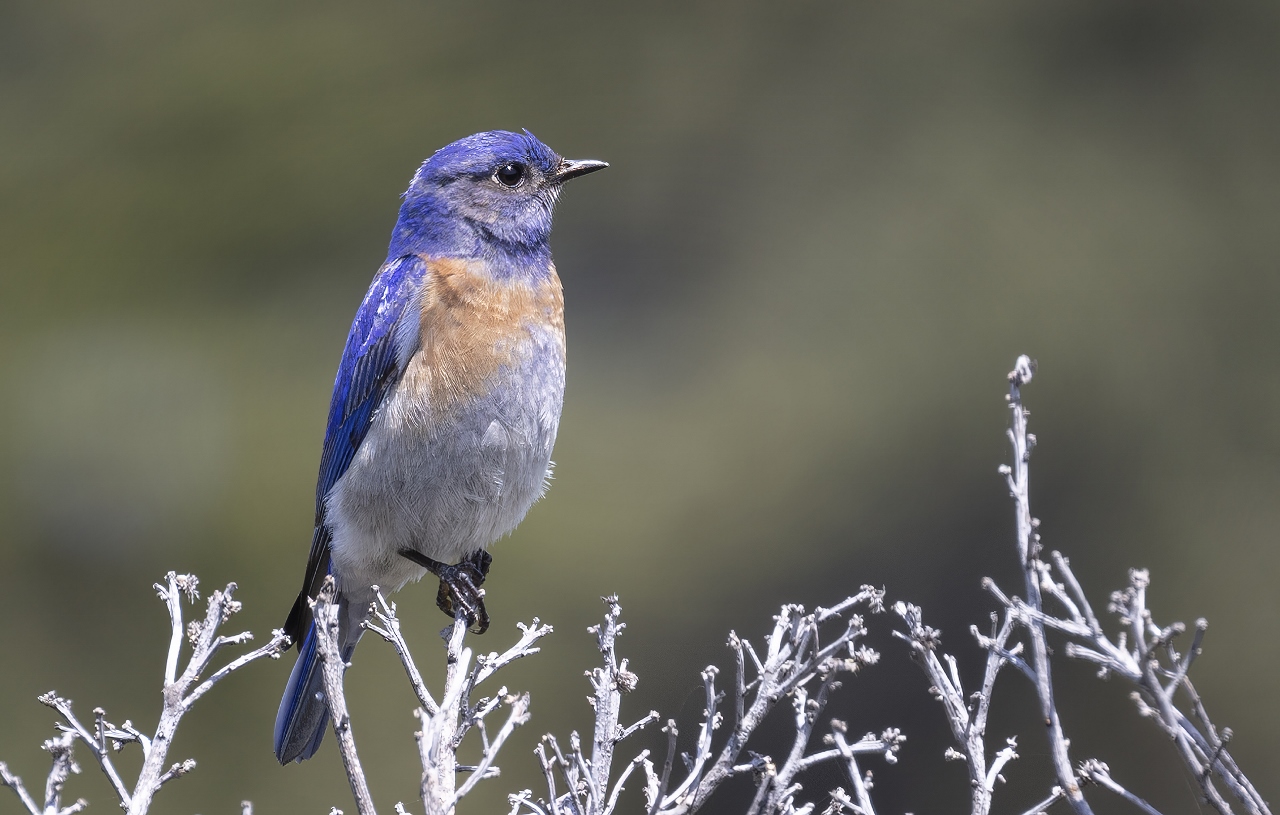
Ron Bolander found a Western Bluebird couple. The male is the more brightly-colored bird on the left.

Here is a photo of the male. Yes, he's quite handsome!

Thanks to Ron for allowing me to share his photos with you here.

It's a lovely day on the Mendonoma Coast. Fog is out over the ocean, but away from the bluff edge, it's sunny with gently breezes. It's in the 70's this afternoon.

Michael Reinhart spotted this young Buck, a Black-tailed Deer, looking at him. It sure looks like the Buck is smiling!

Thanks to Mike for his fun photo and for allowing me to share it here with you.

We had clouds this morning, but they have disappeared, leaving behind sunny skies with strong breezes. And it's a chilly breeze! Wildflowers are amazing now. But watch out for ticks. A friend told me she picked eight of them off of her after a walk through grasses at Manchester State Park this morning. And I found one on me after a hike today. Yikes!