Author Archives: Jeanne Jackson

Emily Martinek and family were visiting parents Claire Skilton and Bill Ranseen. Claire wrote, “We had a very successful trip to the tidepools: Gulls feasting on Abalone, Sea Urchins with spines, the tiniest Hermit Crab ever, Chitons, Sea Anemones…thrills galore!”  Emily and her young daughters, Colette and Katherine, noticed an unusual creature. Claire wrote further, “Emily is sending you a photo of a strange-to-us tidepool critter. Maybe you know it.”
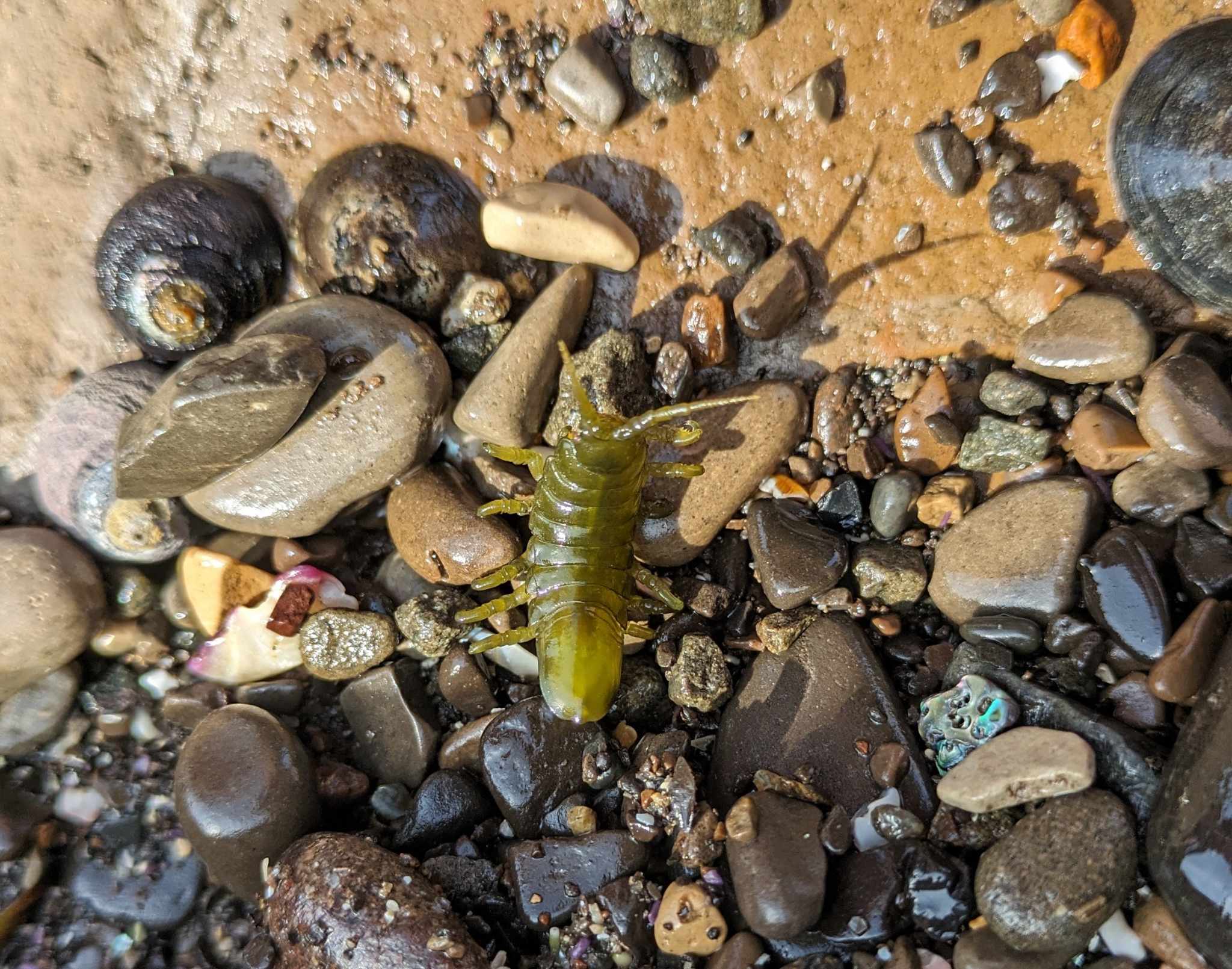
I didn’t know what it was, but Bob Van Syoc came to the rescue. He wrote, “The little green critter is an Isopod in the genus Pentidotea…probably Pentidotea resecata, the Eelgrass Isopod. They tend to take on the color of the plants they eat, so some are greenish, some reddish, and some brownish.  The sharp tips of their legs function nicely for gripping eelgrass or algae or your finger!”

I didn’t hear of any pinched fingers, so it sounds like Colette and Katherine were looking and not touching, a good idea when exploring the tidepools.

Thanks to Emily for allowing me to share her photo with you here.

It's sunny or foggy depending on where you are, but the constant today is the WIND!
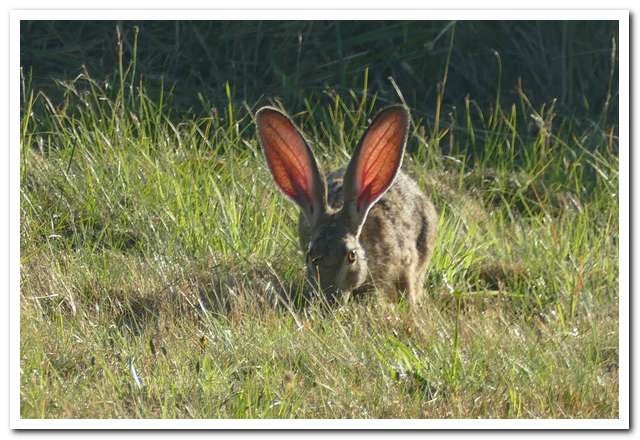
Jan de Vries noticed this Black-tailed Jackrabbit in a meadow with the sun shining through his or her ears.

Thanks to Jan for allowing me to share his fun photo with you here.

The fog rolled in early this morning. Those of us who live away from the bluffs are likely in sun this afternoon - I am. Those on the immediate bluffs look to be in fog. It's cooler today, with our air conditioning, aka the fog,  back.

1 Comment

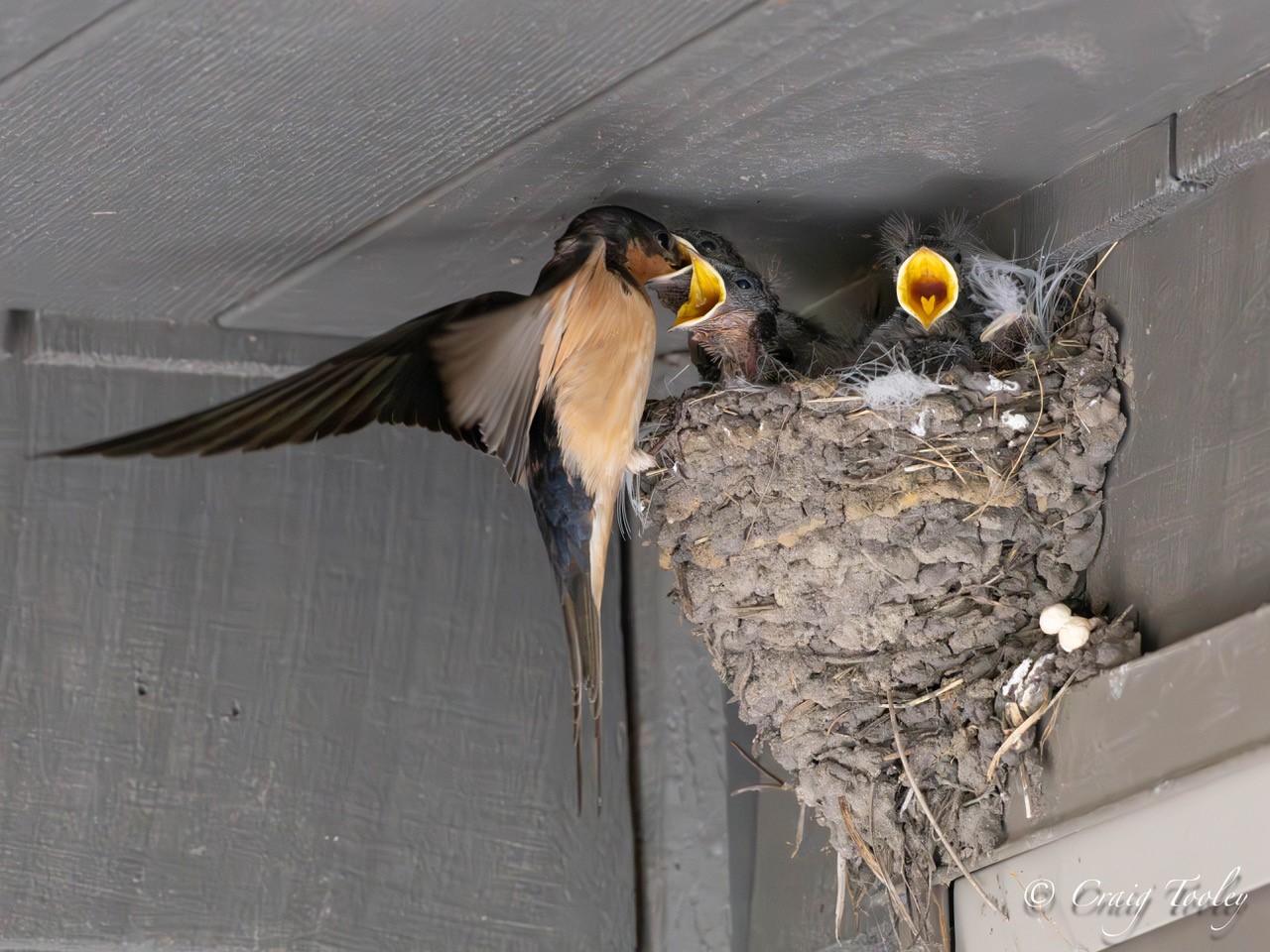
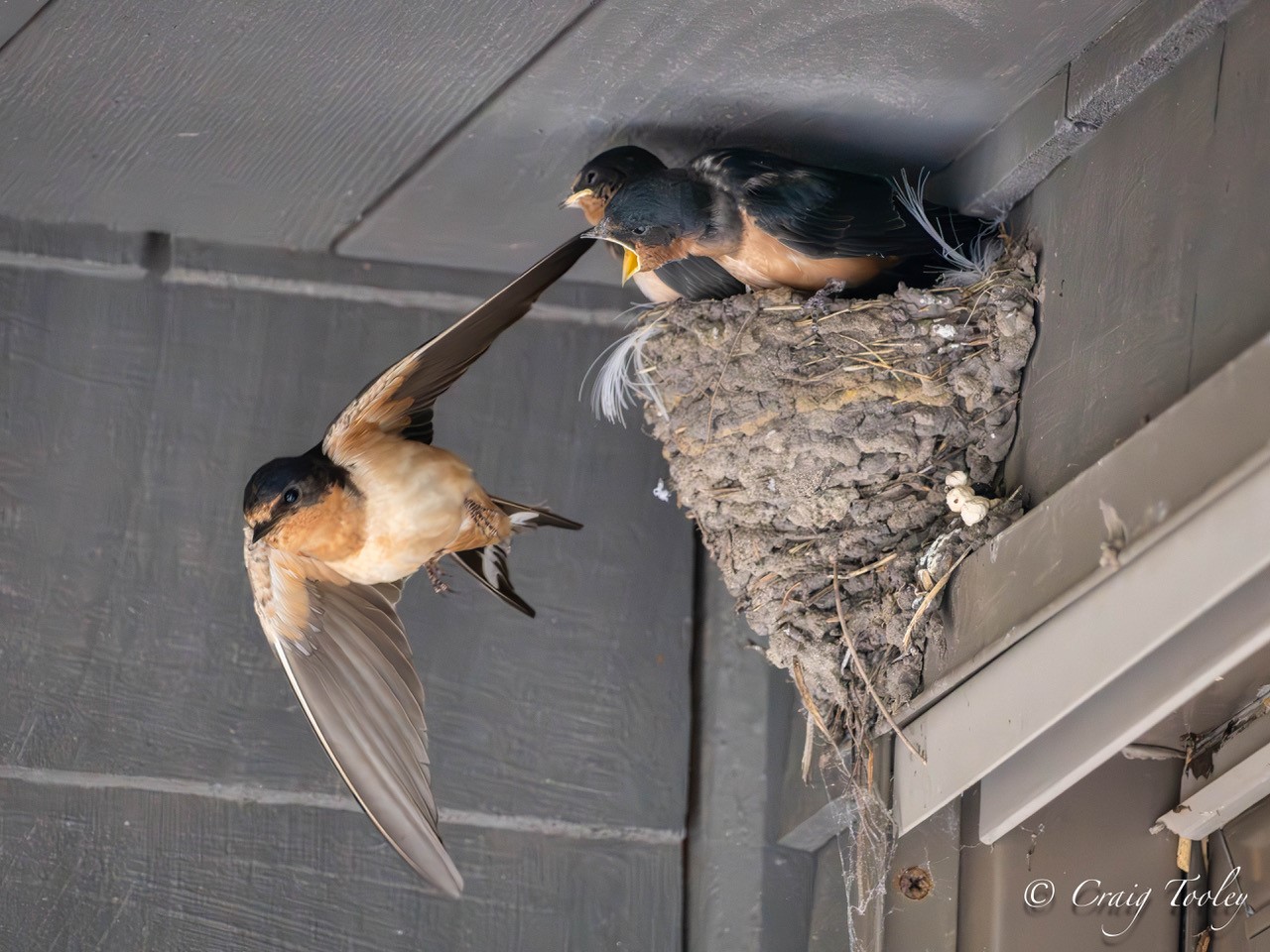
Several species of swallows migrate northward to the Mendonoma Coast to build their nests, lay their eggs and then diligently feed their chicks. Craig Tooley wrote, "These little Barn Swallows are perched above the front door of friends of ours. Our friends have graciously decided to enter and exit their house through the back door until the chicks fledge. The swallow parents are hard-working.”

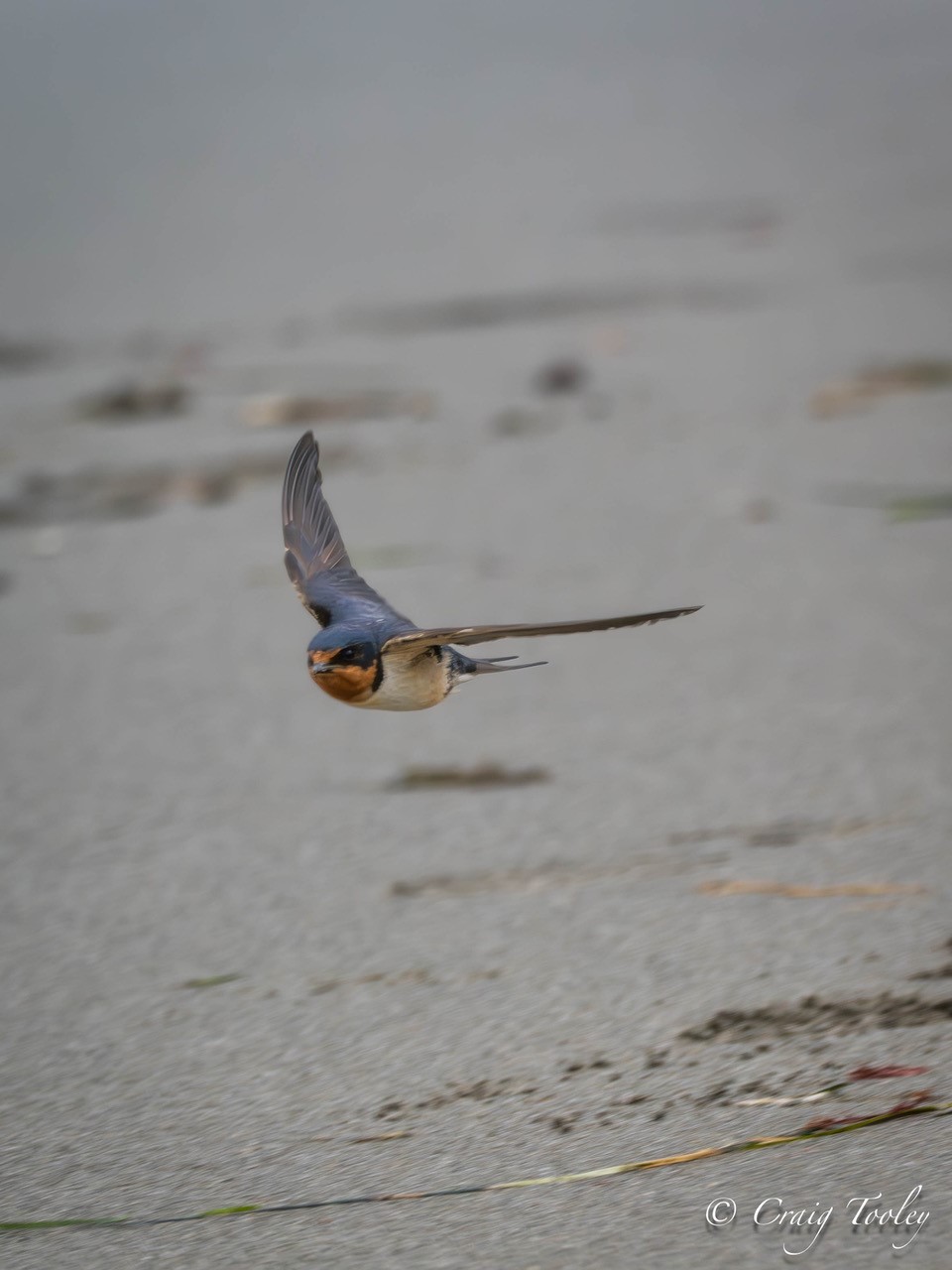
Later Craig noticed this Barn Swallow skimming over the sand, presumably scooping up insects from the wrack on the beach.

Interested to know what beach wrack is? Here's an explanation from the web:

Natural material that washes onto the beach is referred to as wrack and includes algae, sea grasses, and some invertebrates such as sponges and soft corals. Wrack serves as the primary source of nutrients to beach communities and is the foundation for the food chain.

Good to know!

Thanks to Craig for allowing me to share his photos with you here. To see much more of Craig's nature photography, here is his website: http://www.ruffimage.com

It's beautiful here on the Mendonoma coast today, temps in the 70s with a stronger afternoon breeze.

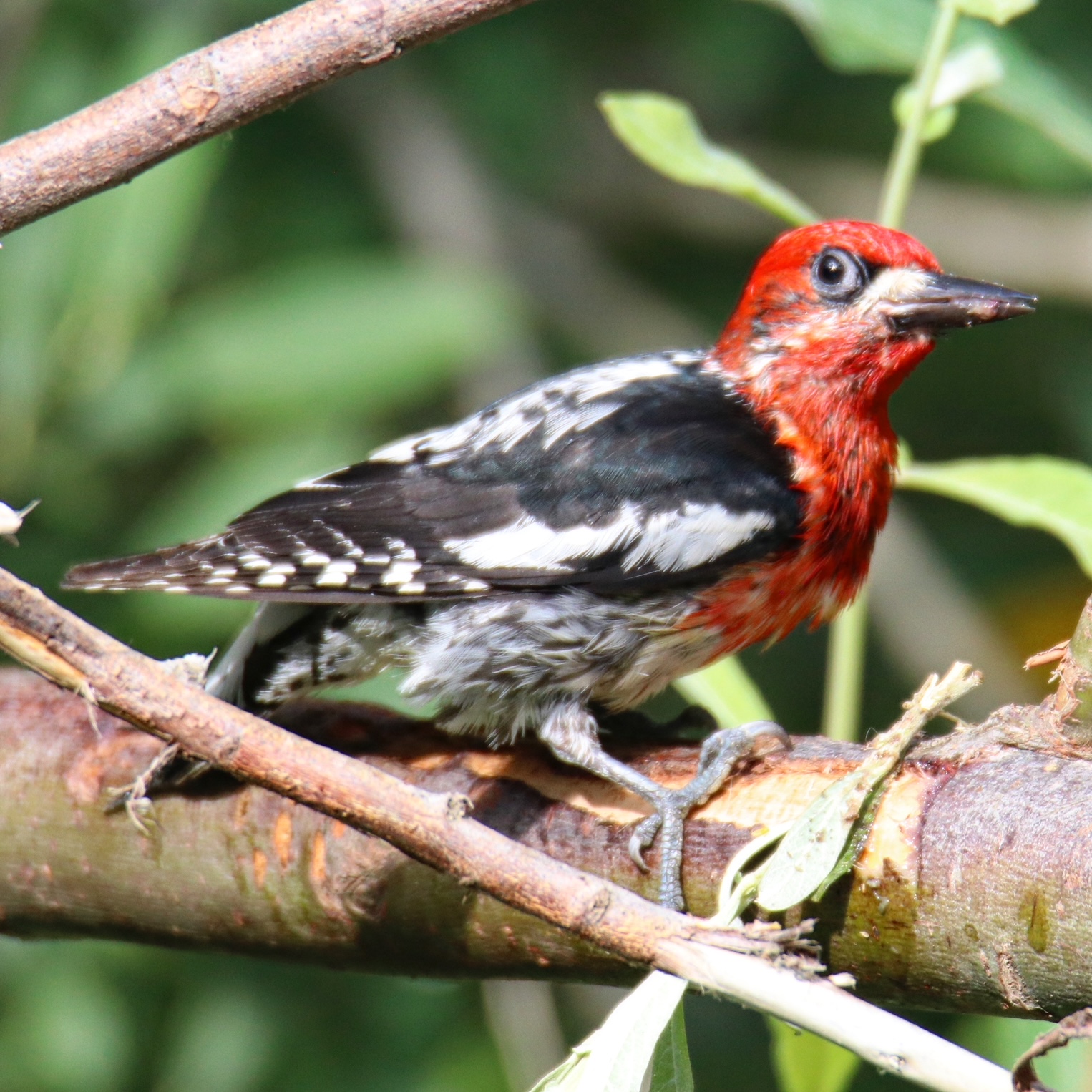
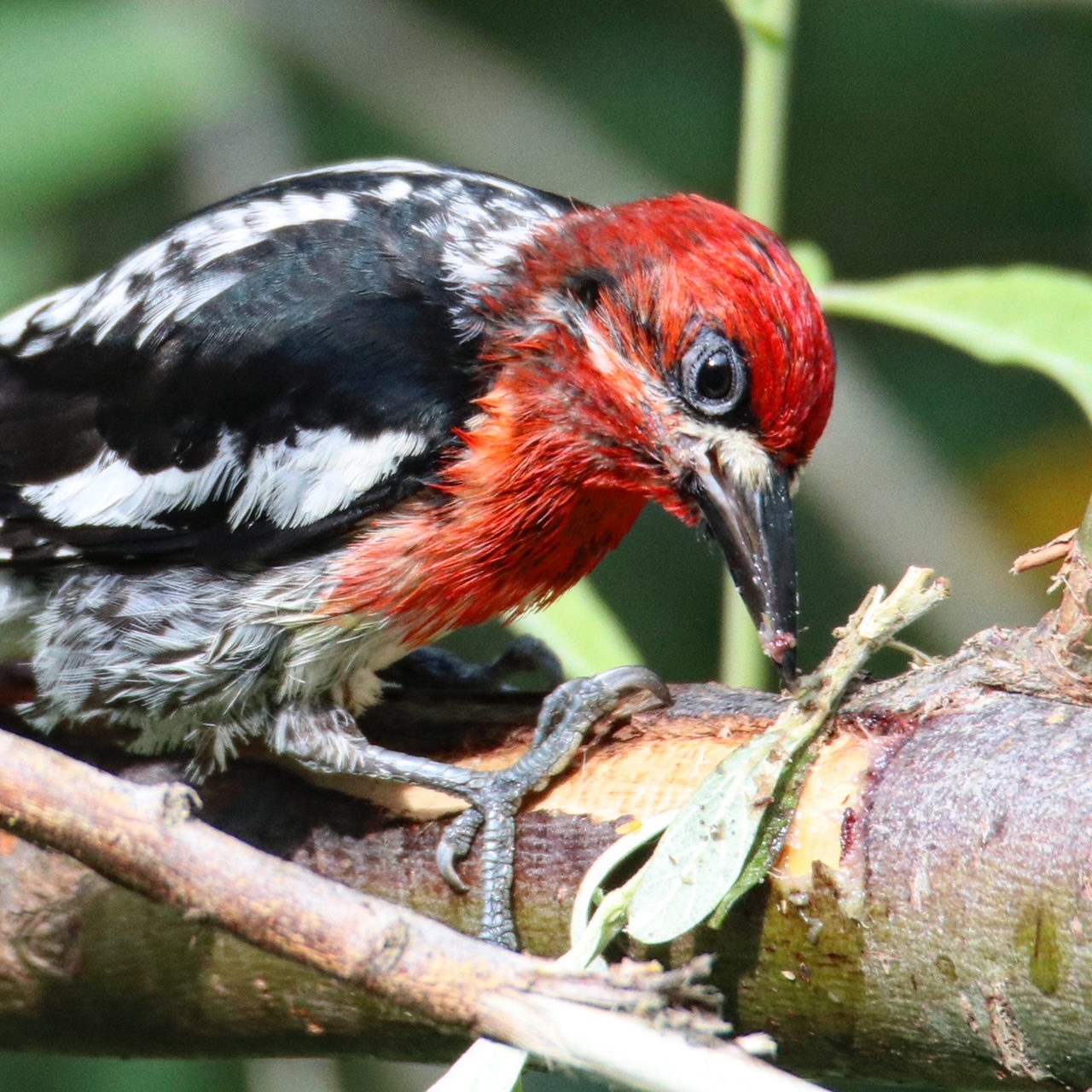
Perry Hoffman found Red-breasted Sapsuckers at the Gualala River.

They are striking birds. Sapsuckers got their name because they drill rows of shallow indentations, called sapwells, in shrubs and trees. When these indentations fill with sap, the woodpecker laps it up with its tongue. Sapsuckers have an important part to play in Nature, because many insects, birds, and mammals use the sapwells for nourishment.

Red-breasted Sapsuckers have quite a few calls. You can listen to them at this link to the Cornell Lab of Ornithology: https://www.allaboutbirds.org/guide/Red-breasted_Sapsucker/sounds They also can be heard drumming with their large and sturdy beak.

Thanks to Perry for allowing me to share his photos with you here. To see much more of Perry's nature photography, here is the link to his website: https://magentaraven.com/

The weather is sublime now - temps in the mid 70s and a gently breeze. Come to the coast!

2 Comments

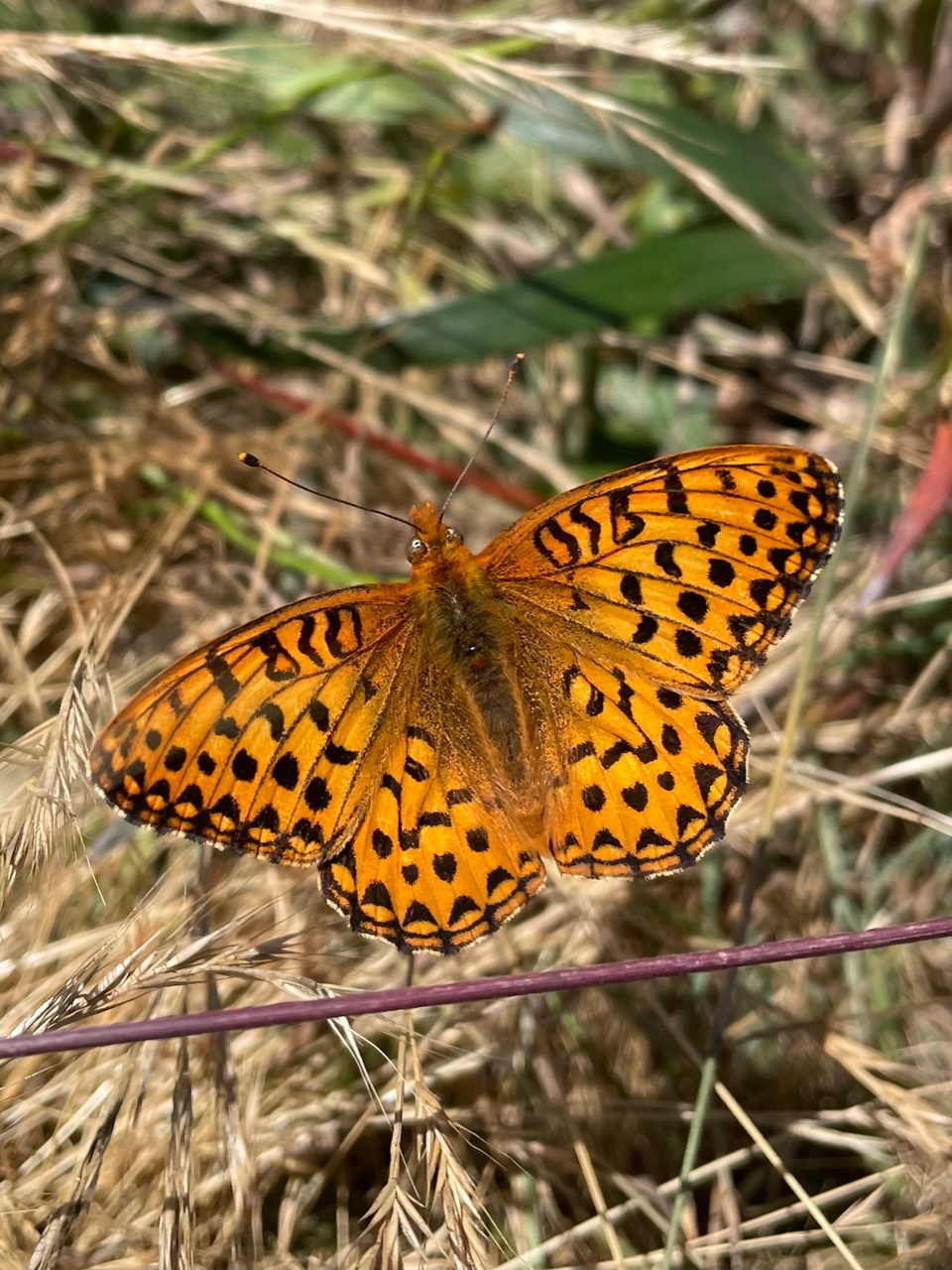
Will Ericson found an endangered butterfly, a Behren’s Silverspot.

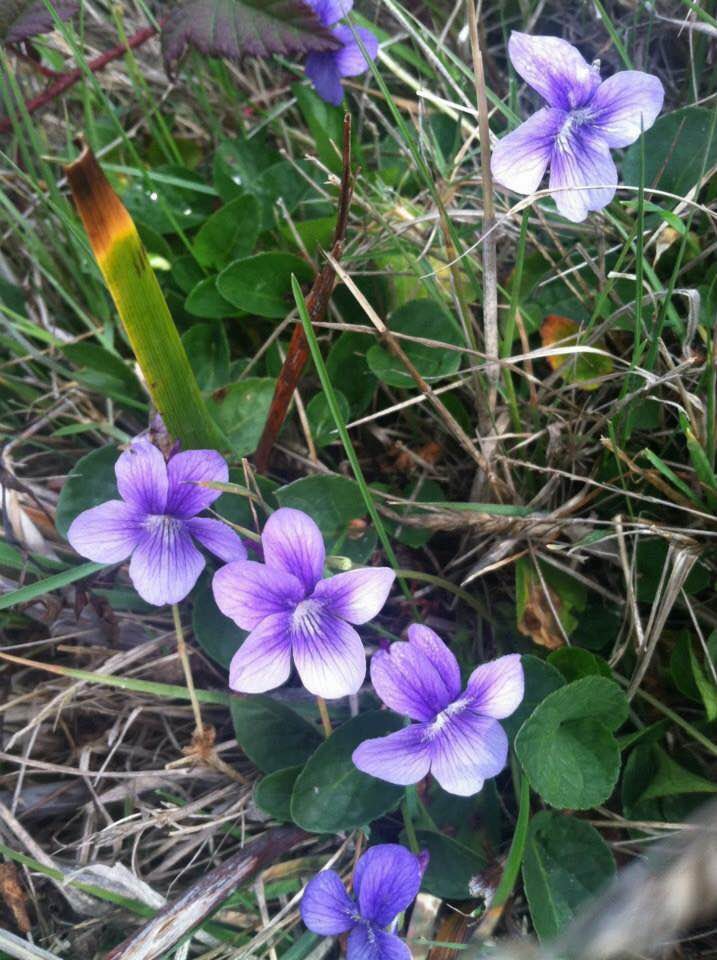
He wrote, “Here is the endangered Speyeria zerene behrensii, seen on the coastal prairie bluffs near Point Arena, it’s host is Viola adunca.” The common name for the host plant is Western Dog Violet. Here's a photo of the host plant, taken a while ago by Margaret Lindgren.

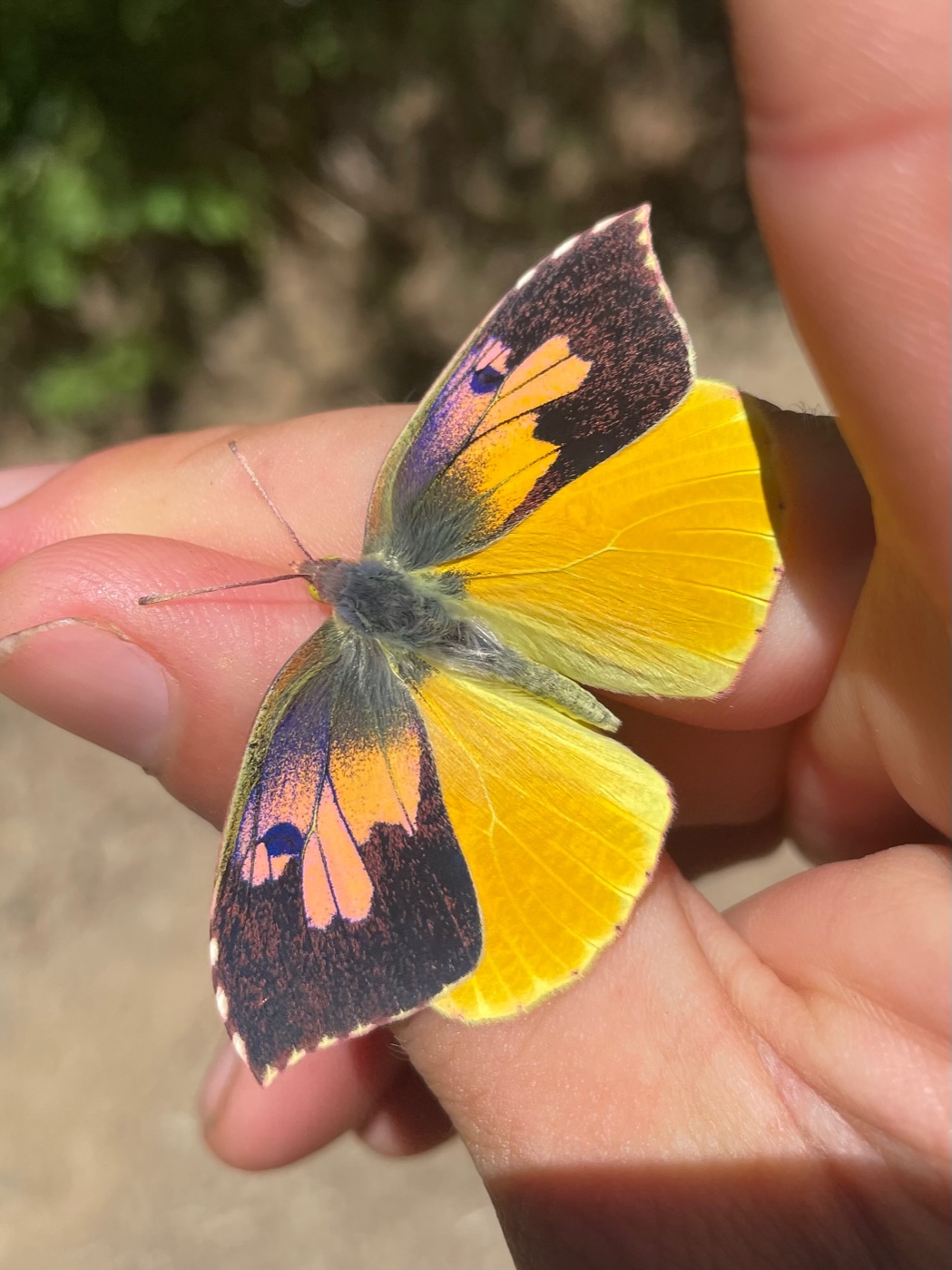
Will also photographed Dogface Butterflies.

He wrote, “The male has a dark egg yolk color with a metallic purple sheen on the forewing that the females do not have. I’ve never seen so many Dogface Butterflies as I have this year.” Will is seeing these colorful beauties in the Annapolis area. I have never seen one on the immediate coast. Let me know if you have.

More butterflies are appearing and gracing us with their presence.

Thanks to Will and Marg for allowing me to share their photos with you here.

It's cooler today due to our coastal air conditioning, ie the fog. It's sunny in Anchor Bay and in the low 70s. Perfect!