Author Archives: Jeanne Jackson

2 Comments

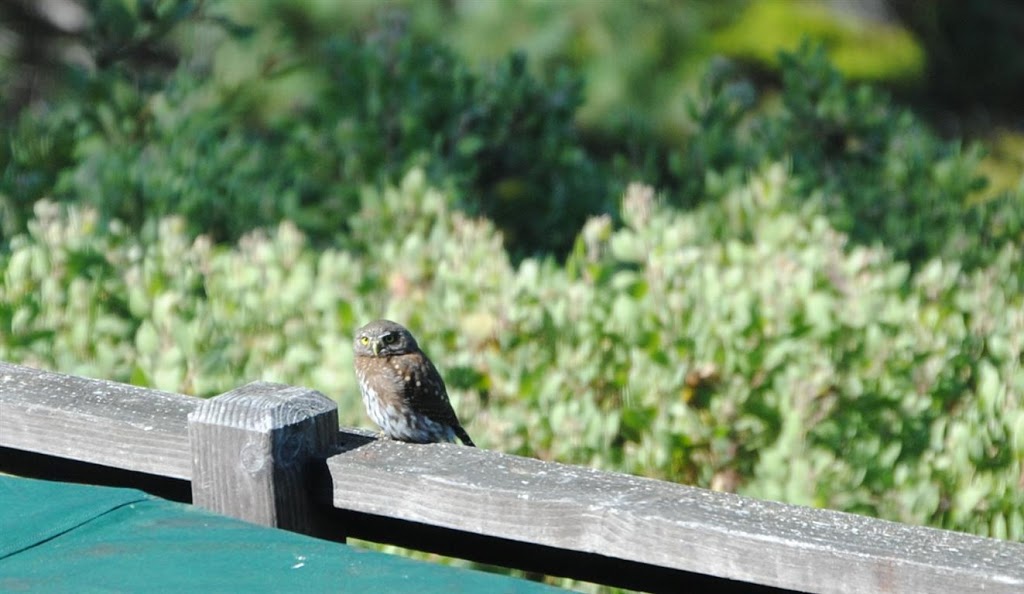
Rick noticed it first - a strange-looking bird sitting on the railing of our deck at 11:00 a.m. Just a foot or so away was a Steller's Jay. I ran for my camera and Rick grabbed his binoculars. Rick said, "It's a tiny Owl!" I took these photo through a window. You can see the "eyes" on the back of its head - a key identifier of a Pygmy. We were thrilled with this Owl's visit.
Below is the back of its head with false eye spots

1 Comment

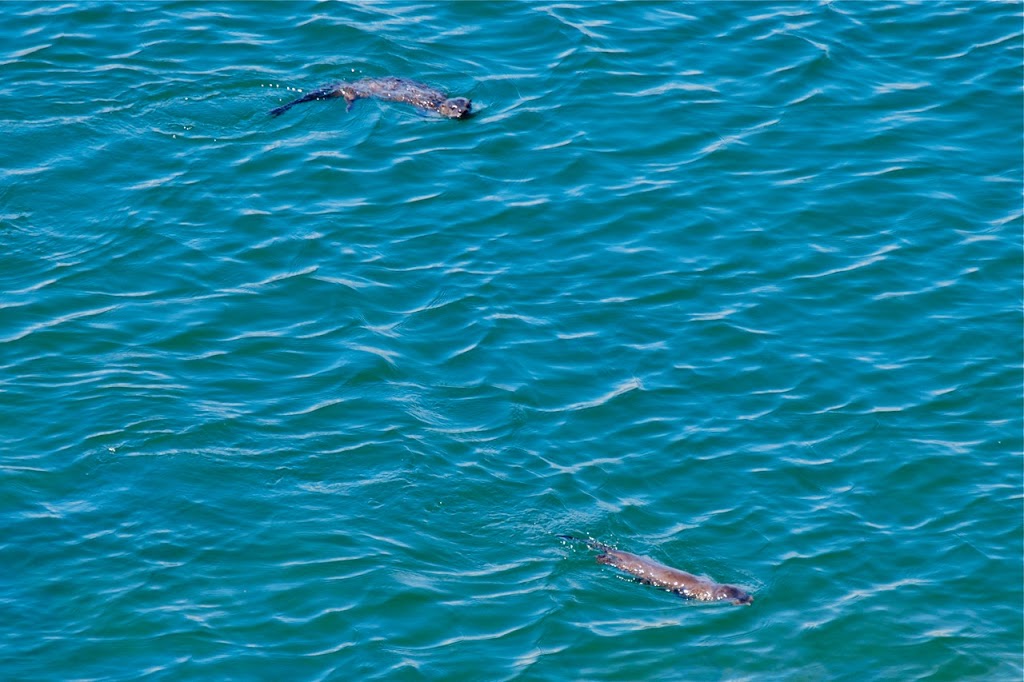
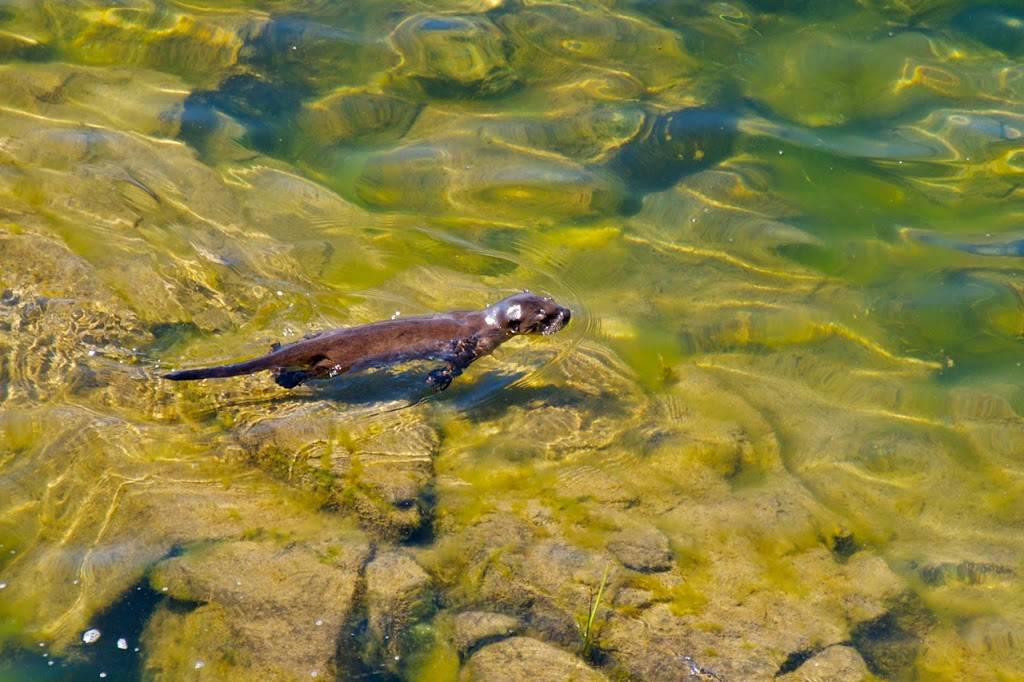
Allen Vinson was walking the Gualala Bluff Trail this week and he saw a mother North American River Otter and her pup in the Gualala River. Lucky for us he had his camera with him!

River Otters are comfortable in water and on land. I've had sightings of them climbing up bluffs. There is at least one den of these critters near the mouth of the Gualala River. They primarily eat fish but they've been seen sneaking up on an unsuspecting Gull now and then.

They are adversely impacted by environmental pollution. The fact that they are thriving on the Mendonoma Coast is a testament to our pristine waters.

                                                                This is the pup.

                                                 And here is the mom with her pup.

Thanks to Allen for allowing me to share these photos. My best to you today, Jeanne

3 Comments

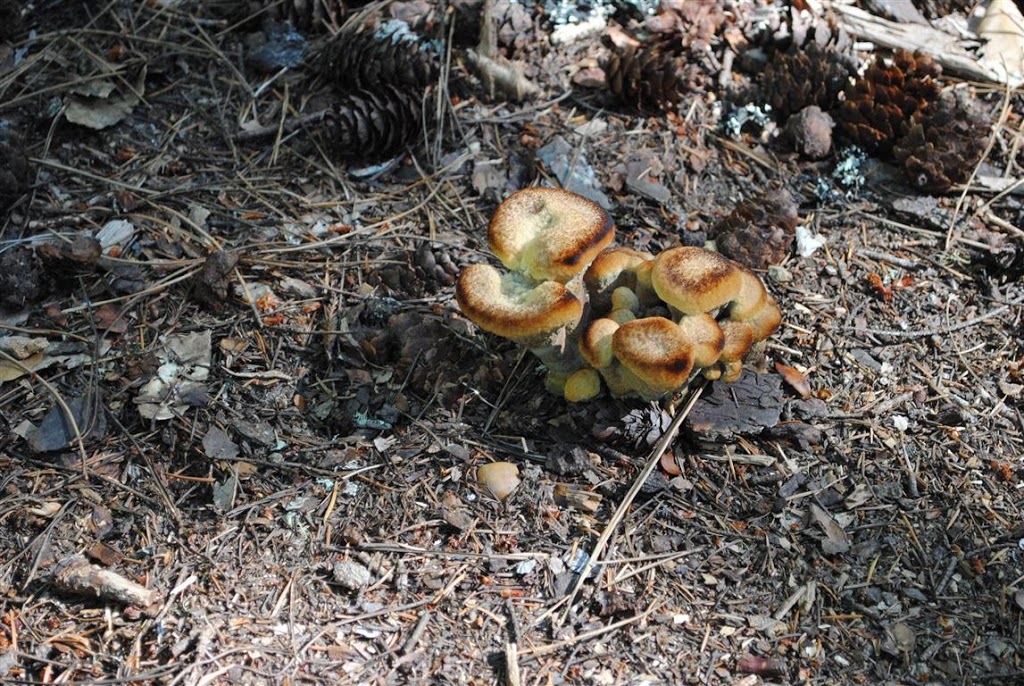
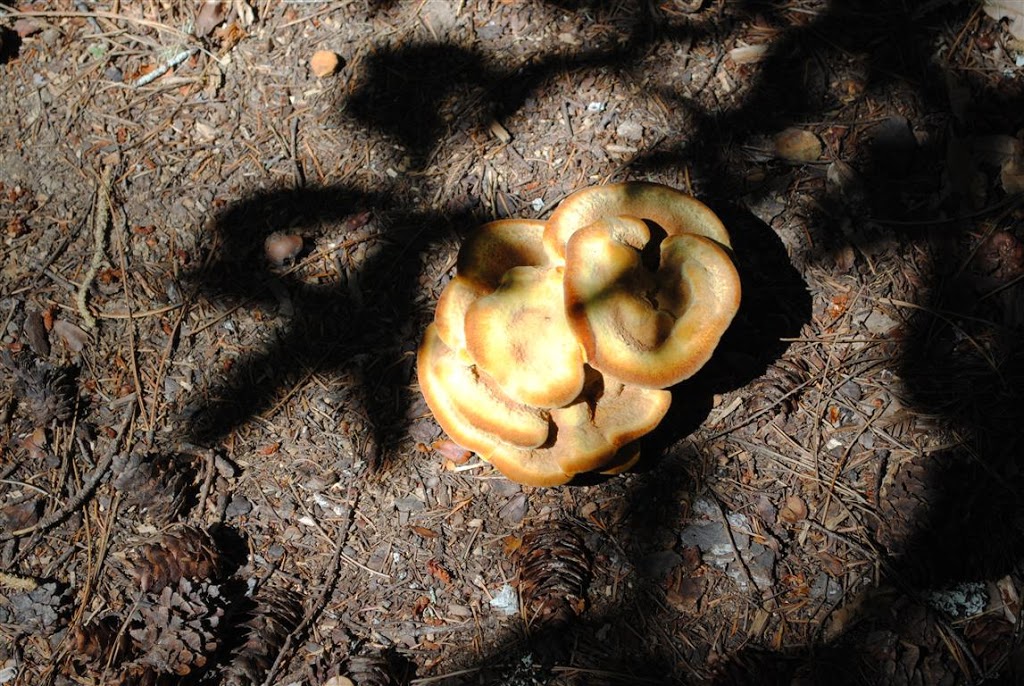
Rick and I walk every day, in fact twice a day, as demanded by our Golden Retriever, Huckleberry. On a path that leads to the forest floor a Dyer's Polypore, Phaeolus schweinitzii, appeared overnight. We were amazed! What life force mushrooms have to grow so fast.

This mushroom isn't good to eat but it has so much pigment that people use it to dye fabric. Depending on the age of the Polypore the color is yellow, gold, brown or orange. It has a part to play in nature as it breaks down dead wood into nutrients. There are several dead trees - snags - where this mushroom grows.

The first picture is the first day it appeared. The second is four days later.

2 Comments

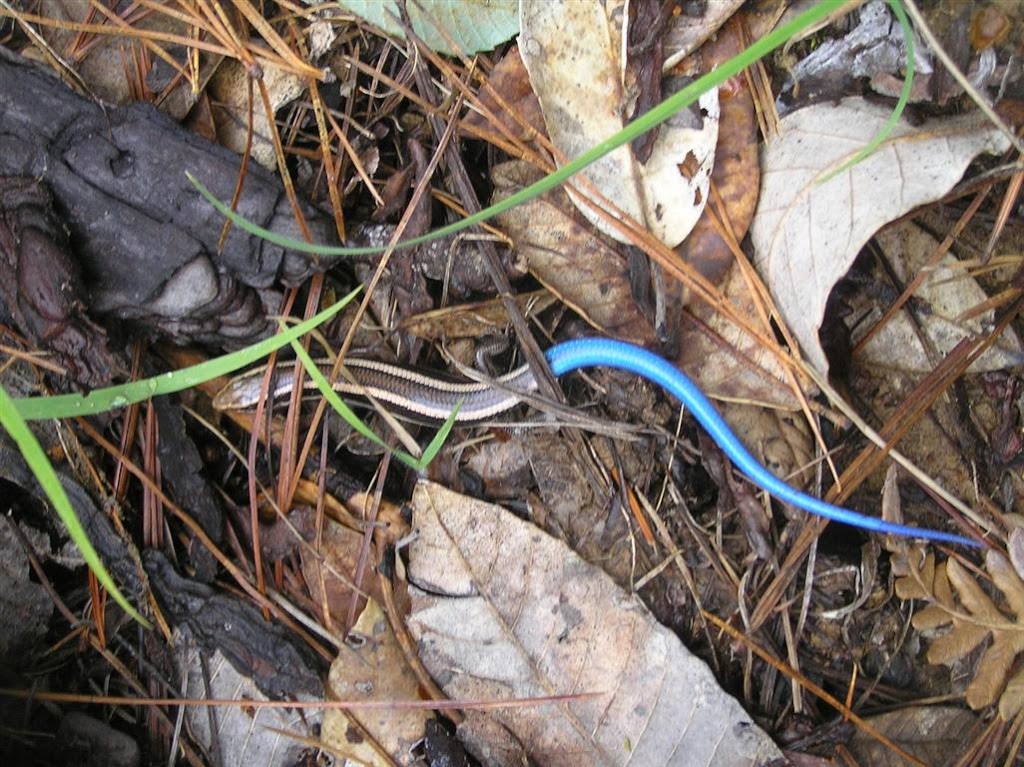
Will Ericson photographed a Western Skink on the Mendocino Coast. This lizard isn't singing the blues, it's wearing blue scales. Just look at the lovely blue on its lower half!

This lizard is active during the day, eating bugs and basking in the sun. The Latin name for this critter was changed in 2008 - it's now known as Plestiodon skiltonianus. Thanks to Will for allowing me to show you this striking Western Skink.

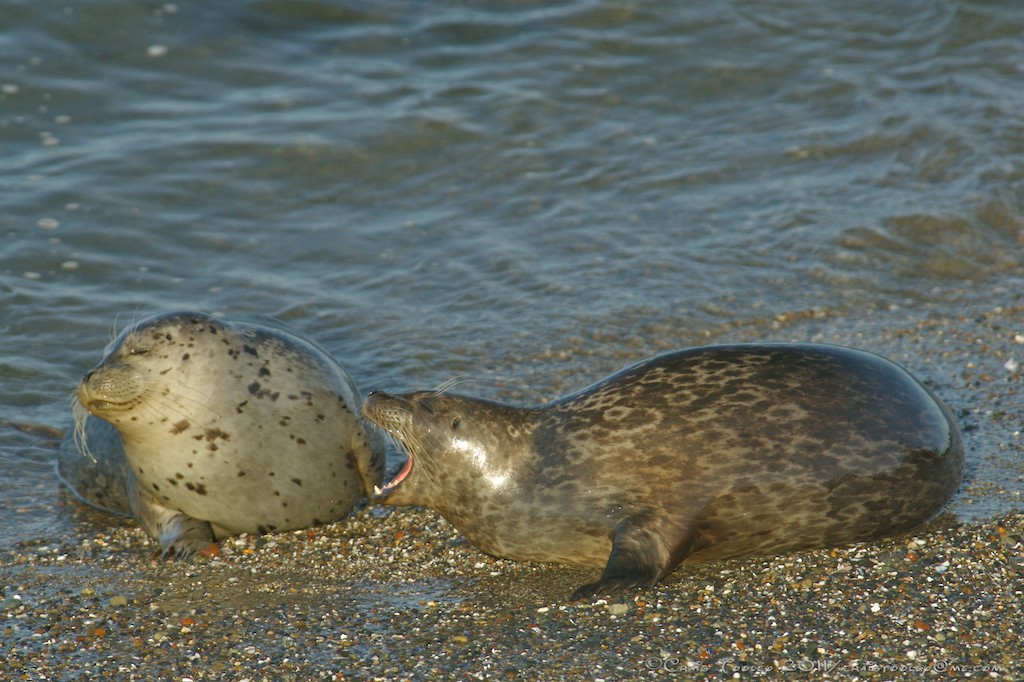
Craig  suggested the caption, "Bad breath?" It sure fits. Take a look at his photo of two Harbor Seals taken at The Sea Ranch. I hope it will make you smile!

To see more of Craig's photos, go to: http://ruffimage.com/