As appeared in the July 6th edition of the Independent Coast Observer and written by Peter Baye and Jeanne Jackson. All photos by Peter Baye except where noted.
Friends don’t let friends drive in the Gualala River.
The Gualala River, now closed to the Pacific Ocean by a huge sandbar, is a coastal treasure. Creatures big and small make it their home. Care must be taken to protect them and this beautiful wild river that is a part of our lives.
The week before Memorial Day weekend, the beds of the Gualala River’s upstream reaches were pristine gravel bars with stream-side shrubs and wetland vegetation, and flowing channels with water up to several feet deep. The week after Memorial Day, the river bed became a gravel road bed, with scores of tire track ruts crossing every bar, and channels two feet deep. This is an annual unauthorized event, with peak off-road vehicle use on holiday weekends – especially Independence Day weekend.
What does the river look like from the windshield of a truck? Perhaps it looks like an inviting partly-flooded gravel highway perfect for off-road vehicles (ORVs). But if you’d just leave your vehicle behind and see the river up close, you’d find the river bed, and even the deceptively barren-looking gravel bars, are teeming with fish and wildlife that survive by hiding or making themselves as inconspicuous as possible. They do this to avoid natural predators. But there is no protection from being crushed by vehicle tires.
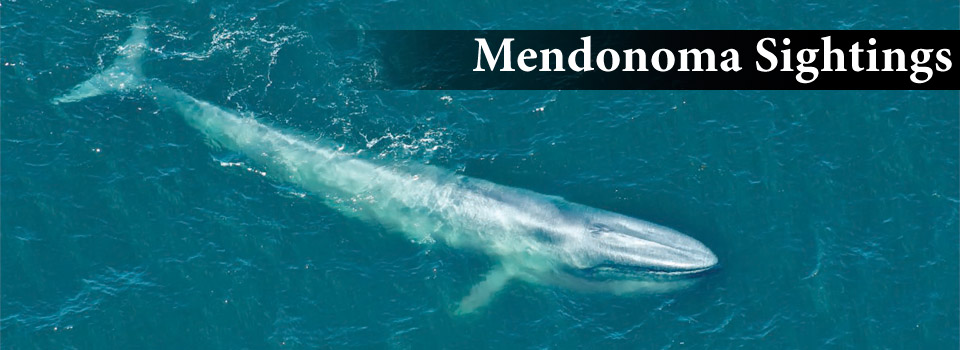
Mendonoma Sightings of wildlife on the river bed are possible only when curious and observant eyes are prepared to see them, and that’s usually not possible through the windshield of a truck. For a closer look at who’s who on the riverbed, and possibly underneath those tires, here is an introduction to some common and uncommon residents of the riverbed in summer.
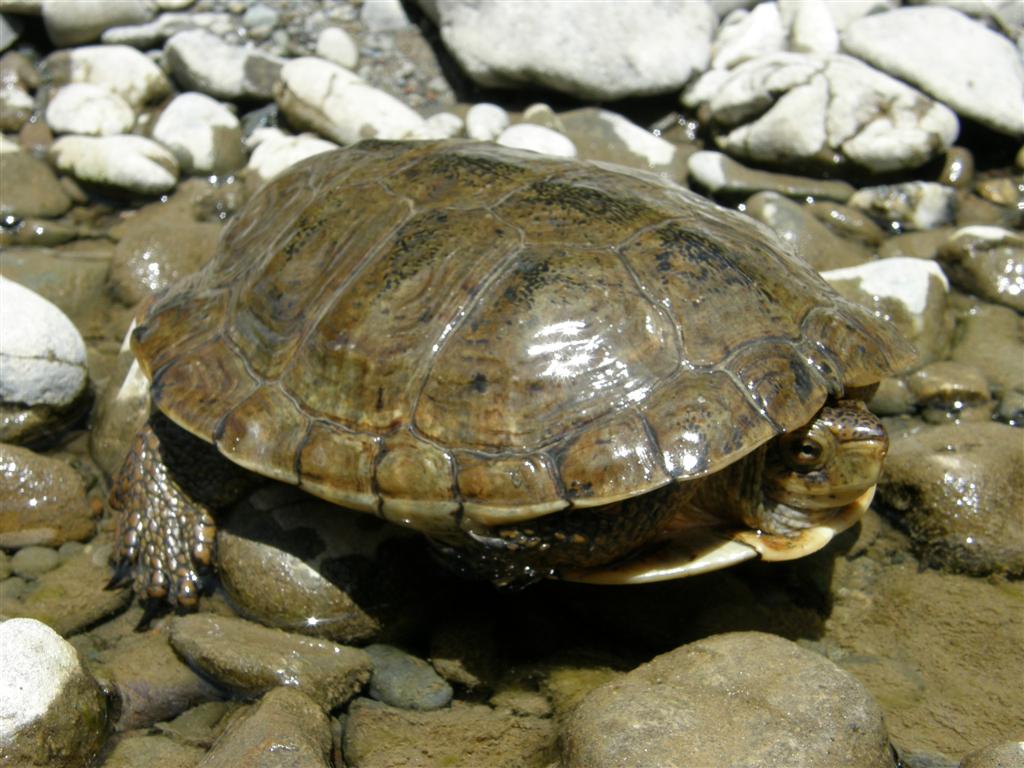
Western Pond Turtle
Western pond turtles are uncommon, but can be found around pools and channels near logs and rocks that provide sun-bathing spots with quick-dive escape access to deep pools. They are a dull, dark-brown/olive color, and are hard to see until they dive. Turtles are easily alarmed, and escape by diving to the bottom of the river bed or pool….right in harm’s way of vehicles crossing channels or pools. When Supervisor Efren Carrillo visited the Gualala River last year, he spotted a western pond turtle hunkered down in the channel bed next to the track of a truck that had just passed and missed by a shell’s width. Did the driver of that vehicle see the turtle? Probably not.
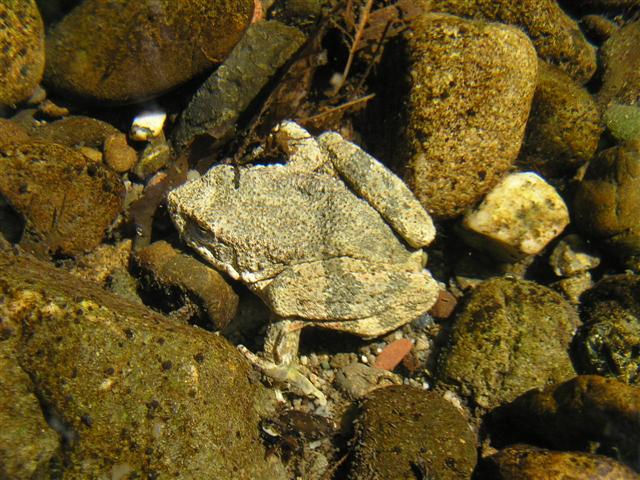
Foothill yellow-legged frog
This is our native stream frog, laying its eggs masses directly on gravel in flowing water in late spring. Adults often bask along the water’s edge, and also rapidly dive to the bottom of the channel or pool when alarmed…safe from predators, but not from ORV tires.
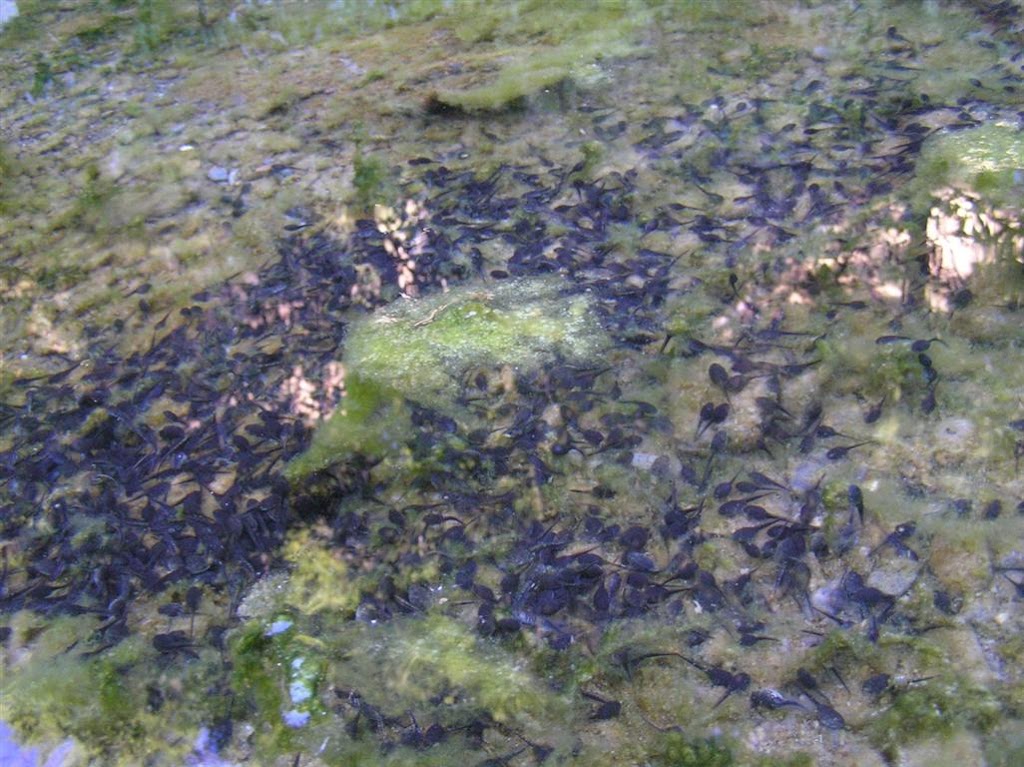
Western toad tadpoles
The blackish tadpoles of western toads and Pacific treefrogs swarm by hundreds along the shallow edges of warm pools and channels of the river in spring and early summer, grazing on algae growing on pebbles and rocks. In mid to late summer, thousands of newly metamorphosed frogs and toads spread over the moist gravel flats within yards of the water’s edge. The size of a small bee and in swarms almost as large, they are hard to avoid even on foot. One pass of a vehicle is likely to crush hundreds on each bar.
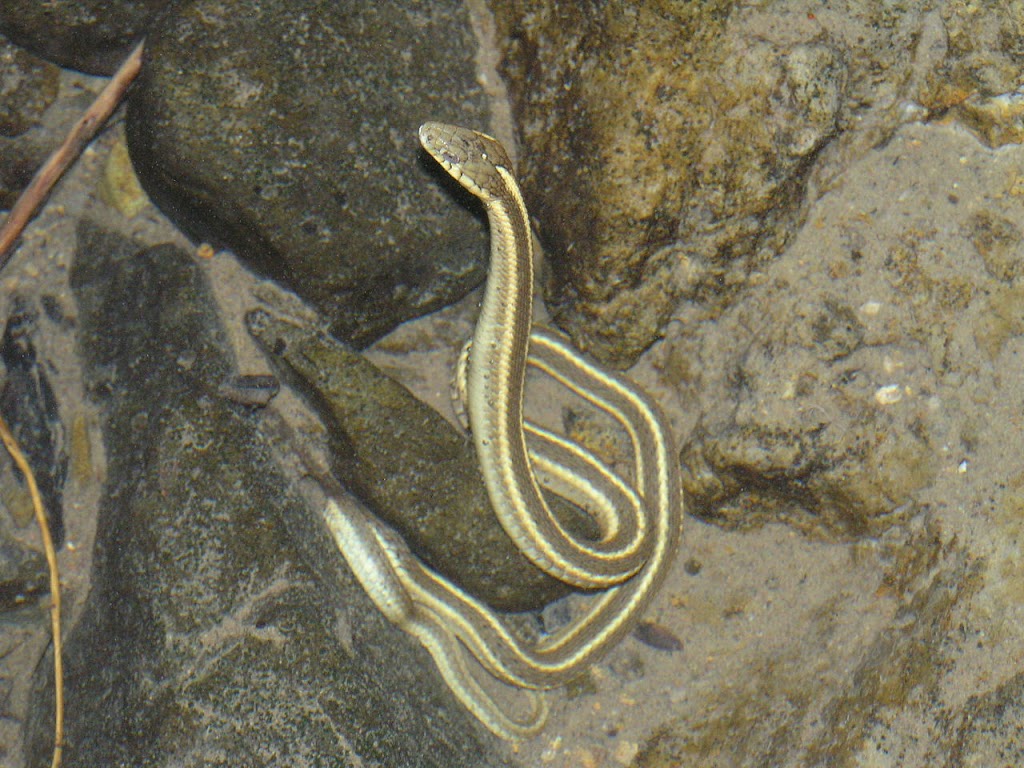
Garter snakes - Western Aquatic Garter Snake
Red-sided terrestrial garter snakes and aquatic garter snakes feed on tadpoles and frogs along the channel edge. Like the turtles and frogs, Aquatic garter snakes dive to the bottom of the channel or pool when alarmed. Red-sided garter snakes like to bask on warm gravels to warm themselves. Both snakes are prone to becoming road kill on the river bed.
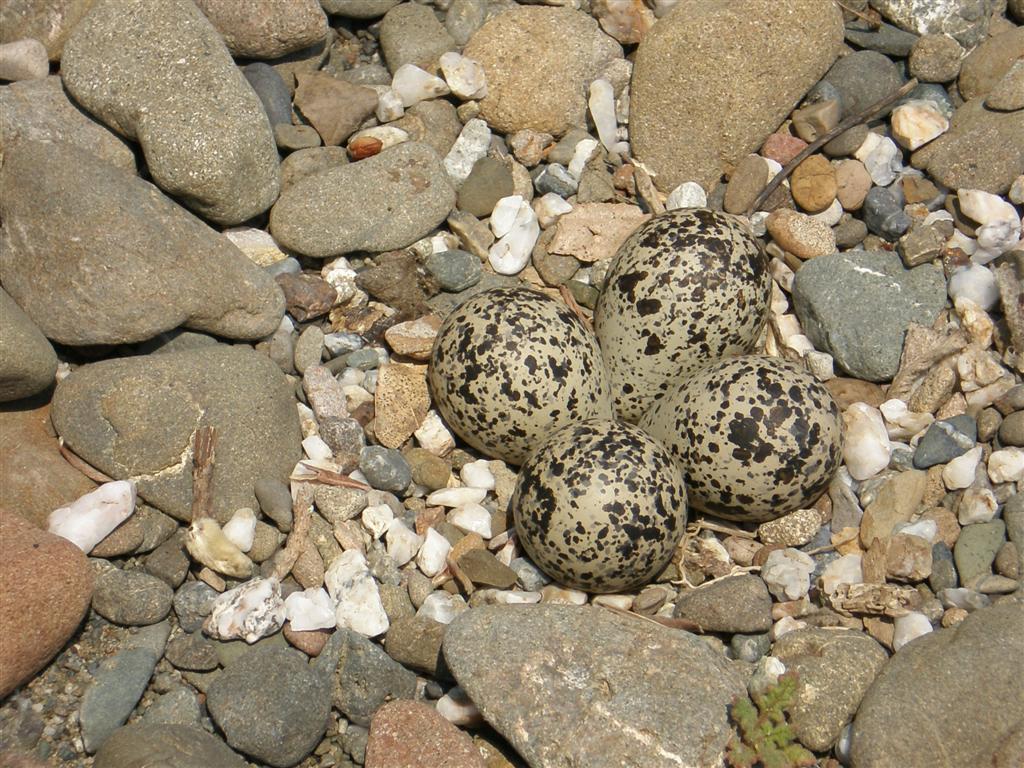
Spotted sandpiper and killdeer - Killdeer eggs, photo by Rae Radtkey
Two shorebirds nest directly on dry gravel bars, using the natural camouflage of pebbles to mask their eggs: the spotted sandpiper and killdeer. Nests are certain to be nearby when the adults feign injury to distract and mislead predators. It’s difficult to spot their eggs on foot; in a truck it would be nearly impossible.
Gualala roach and stickleback
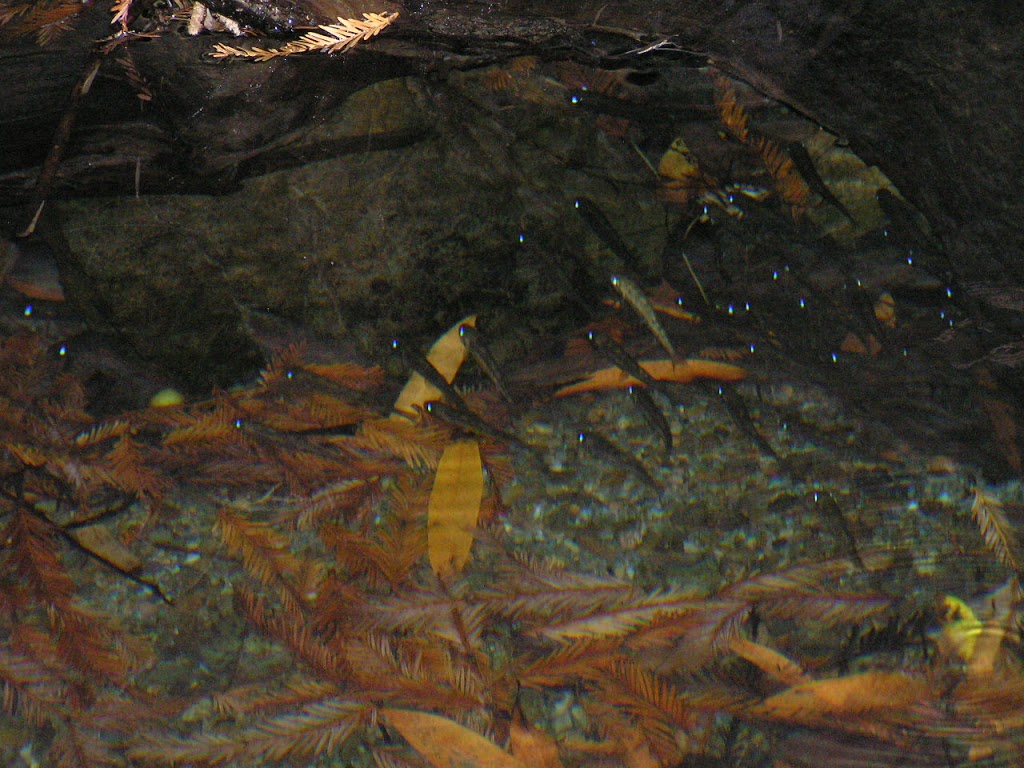
The most abundant warm-water native fish of the river are the endemic Gualala roach (a type of minnow found only in the Gualala River), and the threespine stickleback. The larvae of roach can be seen emerging from shallow submerged sand and gravel in late spring. The adults dart or hide among pebbles when disturbed – not a secure shelter from truck tires.
Steelhead juveniles
Steelhead juveniles are about the same size as Gualala roach, and most years they are abundant in pools with cool seeps or springs and some shelter. They often forage in riffles – the shallow flowing channels which ORVs use avoid deeper water. Their strategy of darting rapidly or hiding under pebbles is no protection against tires. Adult steelhead deposit eggs in redds – circular depressions they excavate in channel gravels. Steelhead are a threatened species that many of us and government agencies are struggling to help recover for their survival, and for return of a vibrant recreational fishery.
All of these wild riverbed residents are part of the beauty of our river, and a part that is not only overlooked from ORVs, but harmed by them. The oil and brake pad metal contaminants from the undersides of trucks are also potentially harmful to aquatic species, too.
It’s time to start a new holiday tradition. Enjoying the wildlife wealth of the Gualala River means leaving your vehicles on the road, getting your feet on the ground, and your eyes on the riverbed. You will be amazed at the wildlife hidden in plain sight.
To learn more about this fascinating wild river, here is the website for Friends of the Gualala River: