Author Archives: Jeanne Jackson

It's practically impossible to tell an Allen's Hummingbird and a Rufous Hummingbird apart. Even experienced birders have  difficult time. Let's face it, they look the same to me! Ron LeValley suspects this is a Rufous, as they migrate through our area as this time of year.
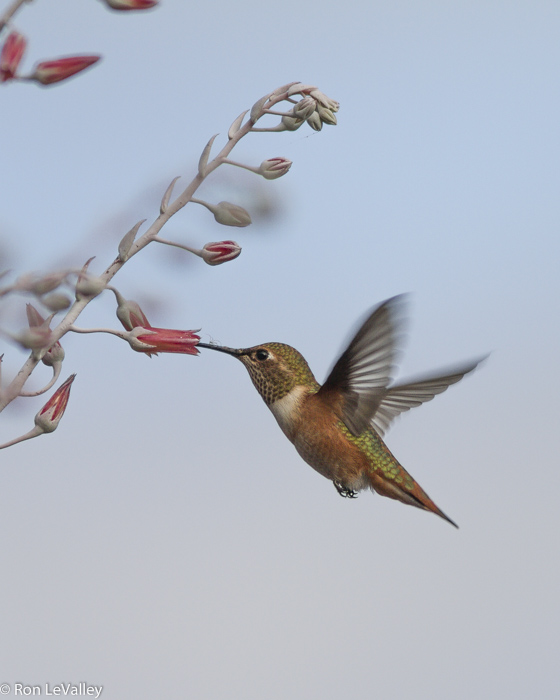
If you look closely at Ron's photo, you will see a tiny spider on the hummer's beak. Great shot! Rufous Hummingbirds migrate north as far as Alaska and then return south in the fall - or in the case of the Mendonoma Coast, late summer - sometimes all the way to Central America. Quite a migration for such a tiny bird.

Rufous Hummingbirds are very feisty. Two have shown up in my garden in Anchor Bay. They are having aerial battles with the resident Anna's Hummingbirds. It's quite a show.

To hear the sound of this hummingbird, here's the link to the Cornell Lab of Ornithology: http://www.allaboutbirds.org/guide/rufous_hummingbird/sounds

Thanks to Ron for allowing me to share his beautiful photo with you here. I can almost hear this hummer's wing beats. To see much more of Ron's photography, here's his website: http://www.levalleyphoto.com/home/
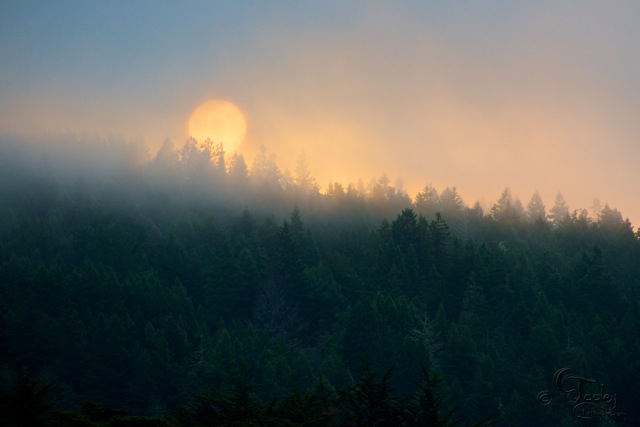
A low pressure system brought a spectacular lightning storm off the San Francisco Bay area yesterday. It is slowly moving northward. Yesterday morning Craig Tooley took this photo at The Sea Ranch.

Craig entitled this photo "Morning Thunder." We hope the storm will stay offshore as dry lightning is never good news for California. Our rains usually begin in late October and until then we worry about the fire danger.

Nevertheless, the low pressure system is giving us beautiful clouds and cool temperatures.

Thanks to Craig for allowing me to share his photo with you here. To see much more of Craig's photos, here's his website: www.ruffimage.com

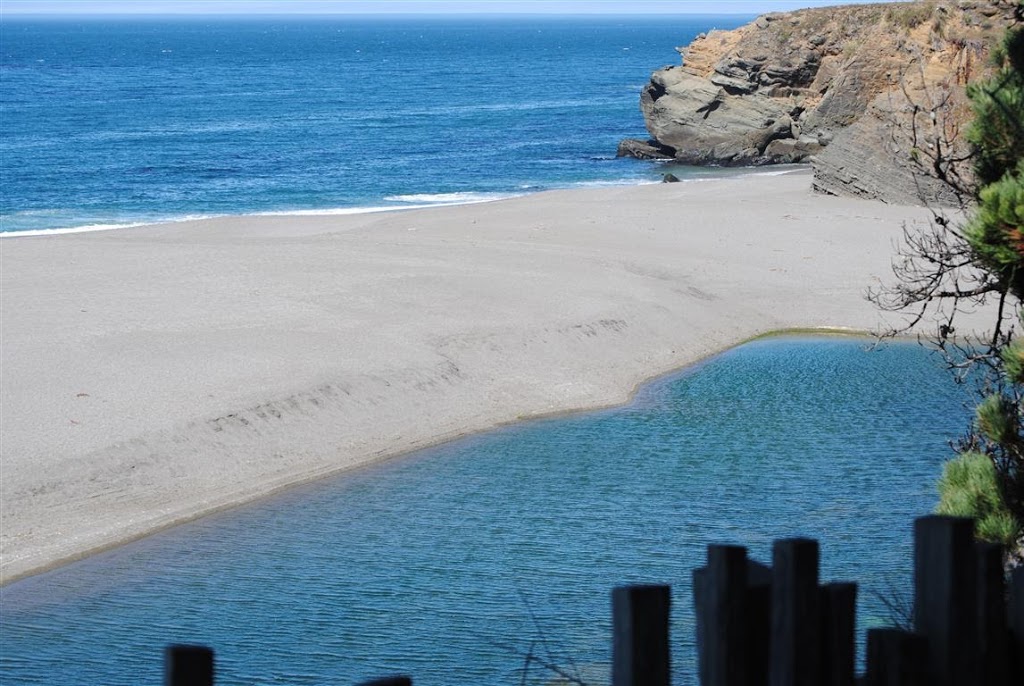
The Gualala River is as low as I've seen it. I recently took this photo showing the closed mouth of the river.

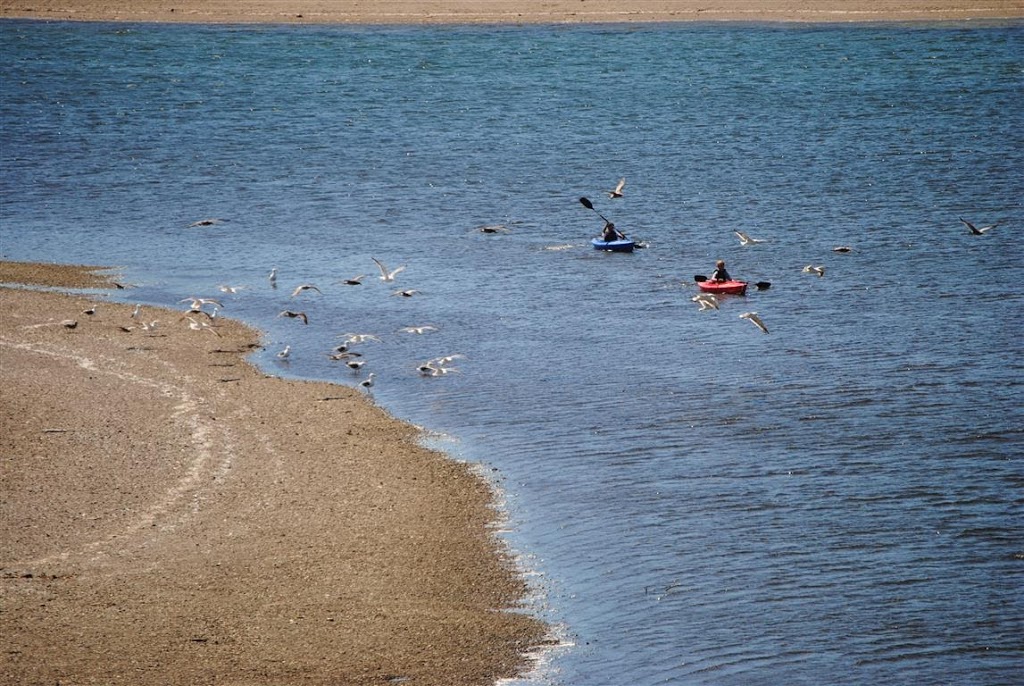
 Kayakers were spotted in the lagoon, where the water is deep enough to paddle.

There are many demands on this wild river. To learn about more about the Gualala River, here is the website for Friends of the Gualala River: http://gualalariver.org/river/default.html.

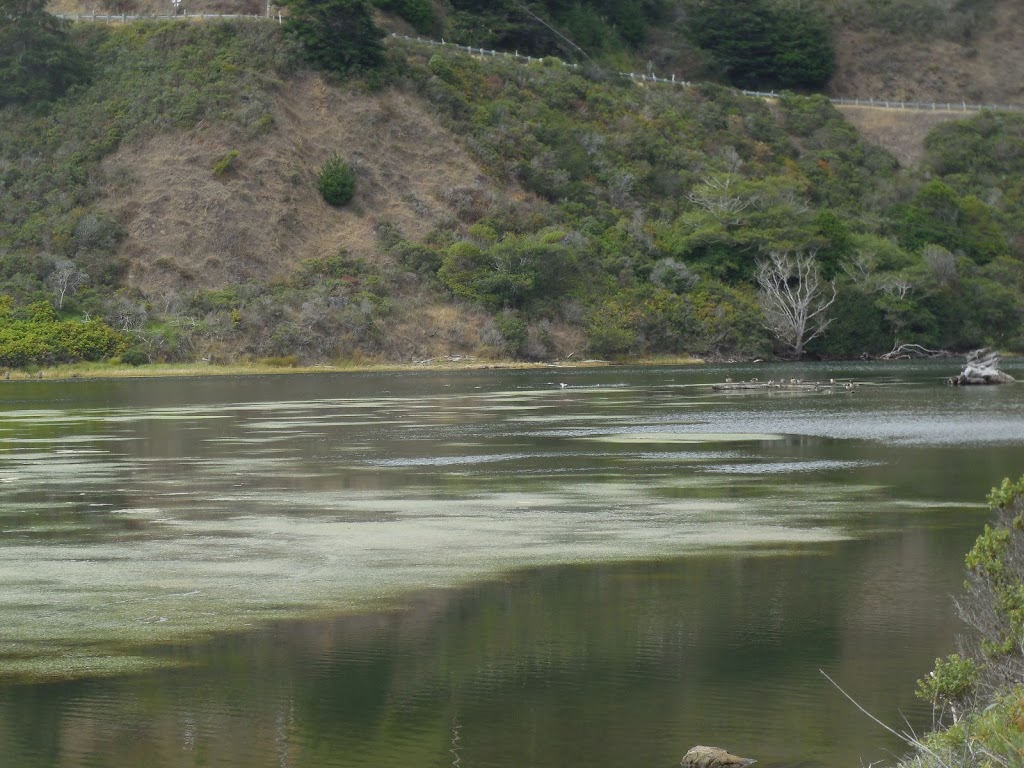
The Navarro River doesn't have the water demands that have caused the low levels in the Gualala. Here's a recent photo taken by Peter Baye of ruppia, an aquatic plant, in the full lagoon of the Navarro.

The ruppia is a good sign, a sign of a healthy river, according to Peter. I thank Peter for allowing me to share his photo with you here.

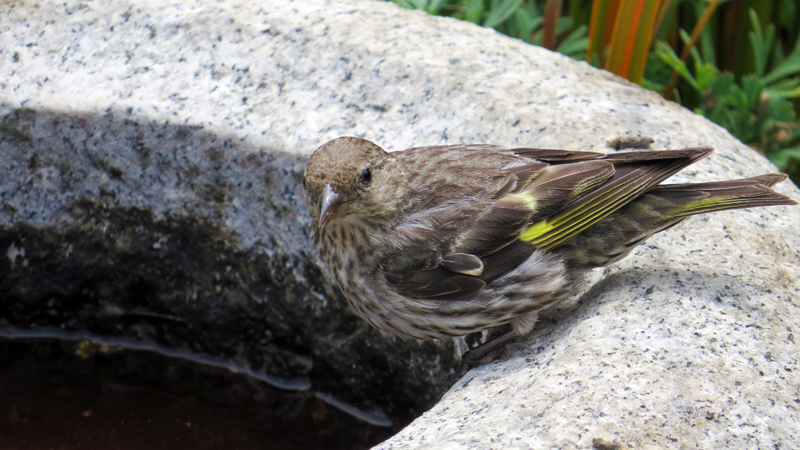
Pine Siskins are named for their love of seeds of Pine trees. They also are attracted to thistle feeders. Richard Kuehn recently photographed one near his home on The Sea Ranch coming for some water.

Pine Siskins are slightly smaller than American Goldfinches. They are year round residents of the Coast.
I love seeing these little birds at my thistle feeder. They seem to get along well with the Goldfinches that also feed there. And one enterprising Acorn Woodpecker has discovered the feeder as well, to the displeasure of the Siskins and Goldfinches.

To hear their call, here's the link to the Cornell Lab of Ornithology: http://www.allaboutbirds.org/guide/pine_siskin/sounds

Thanks to Rich for allowing me to share his photo. To see a photo of a Pine Siskin that landed on George Anderson's finger, here is the link: http://www.mendonomasightings.com/2012/11/09/a-pine-siskin-lands-on-george-andersons-finger/

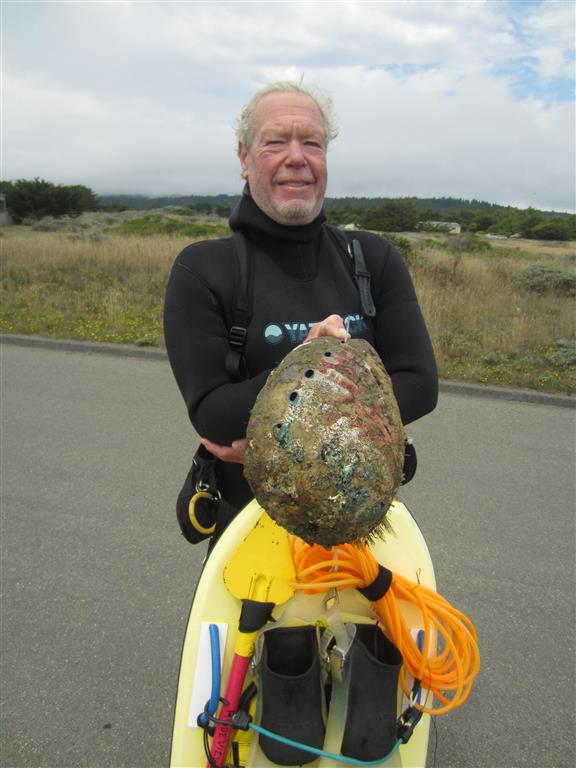
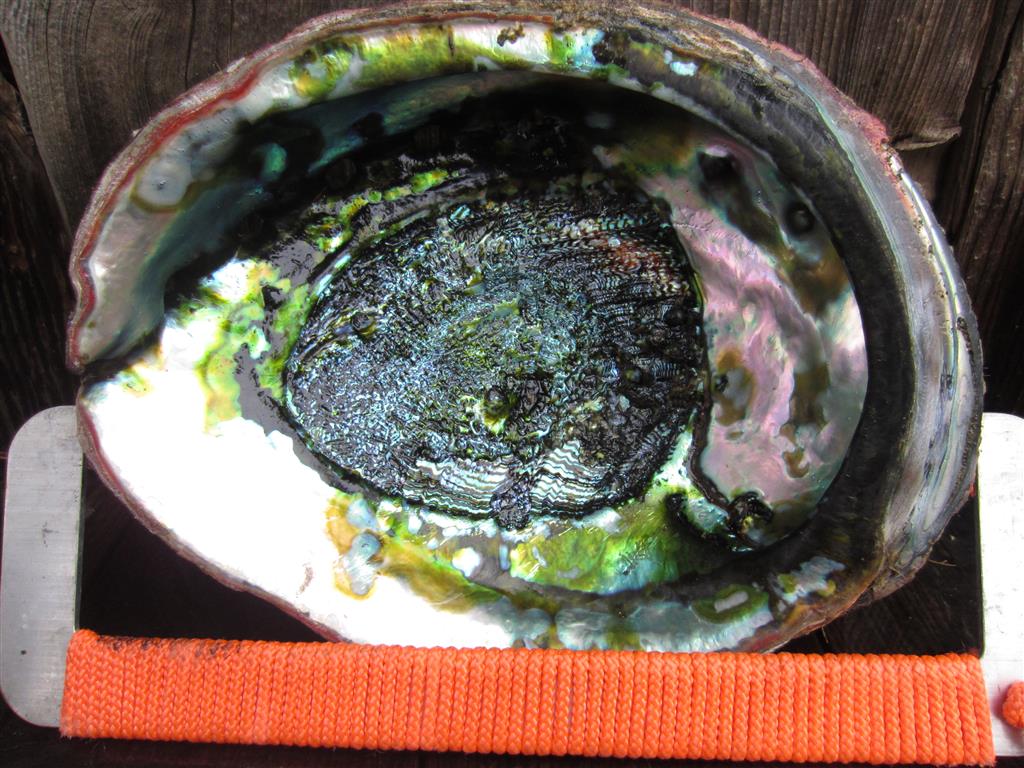
Ten-inch abalones aren't uncommon for Jack Likins. Usually he ONLY takes an abalone that is ten inches or more. So you know he is a incredible diver. Most divers' dream is to find a ten incher. Recently Jack was diving off the northern Sonoma Coast with his friend and fellow diver, Roger Rude. Look what he found.

Jack's abalone measured 11 1/16 inches. He photographed the heavy shell, which shows the 11 inch gauge. That gauge doesn't get used often, that's for sure. Jack said, "I'm stoked!"

Thanks to Jack and Roger for allowing me to share their photos with you here.

To see a photo of Jack with a limit of three ten-inch abalones, here's the link: http://www.mendonomasightings.com/2013/05/21/why-abalone-divers-die-in-their-hunt-for-red-treasure/. Also found on this link is Jack's important article about why abalone divers die in their hunt for red treasure.