Author Archives: Jeanne Jackson

John Sperry recently visited Bowling Ball Beach. At low tide the "bowling balls" are revealed. John photographed some that are waiting their date with gravity.
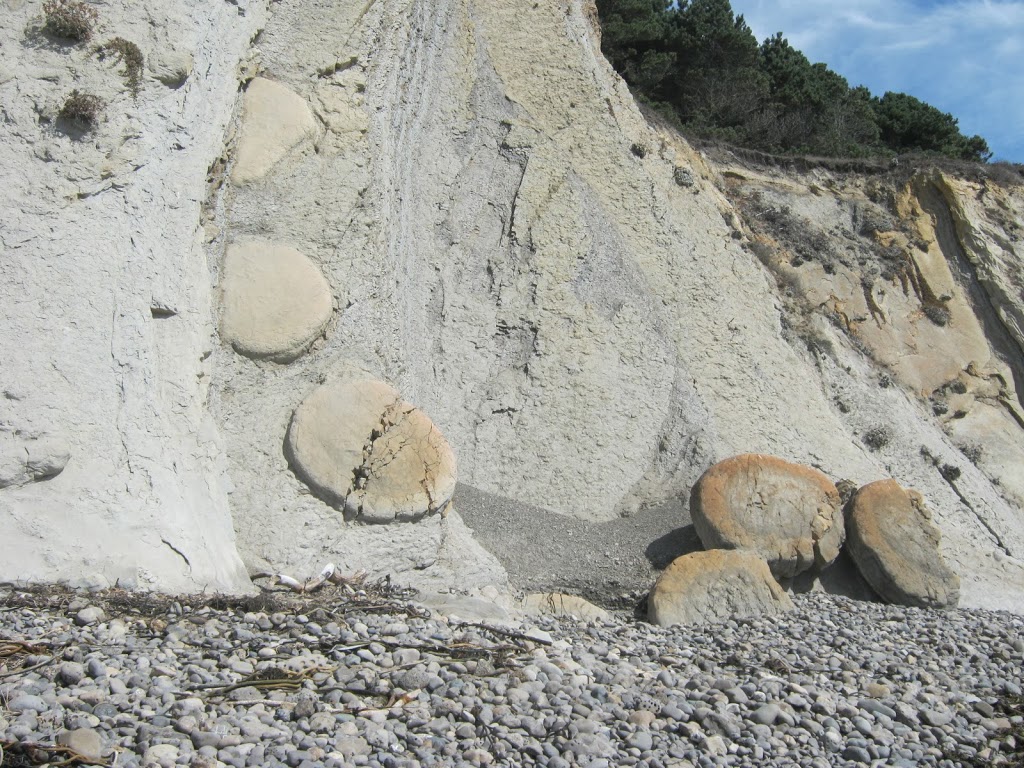
Here's what the beginning of a low tide reveals at this beach as photographed by John.
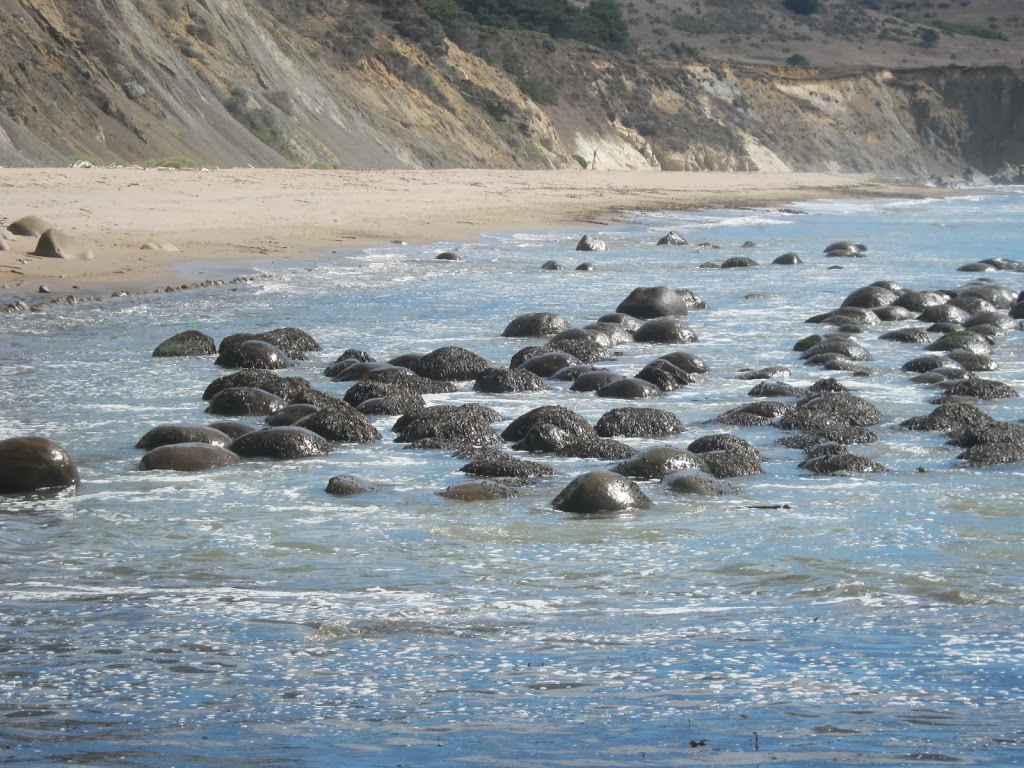
Bowling Ball Beach is adjacent to Schooner Gulch State Beach. The pathway down to Bowling Ball is closed due to erosion but I know some agile hikers have taken it. If you take the path to Schooner Gulch State Beach at low tide you can usually walk over to Bowling Ball. Here's a link to learn more about these two magnificent beaches: http://www.parks.ca.gov/?page_id=446

Thanks to John for allowing me to share his photos with you here.
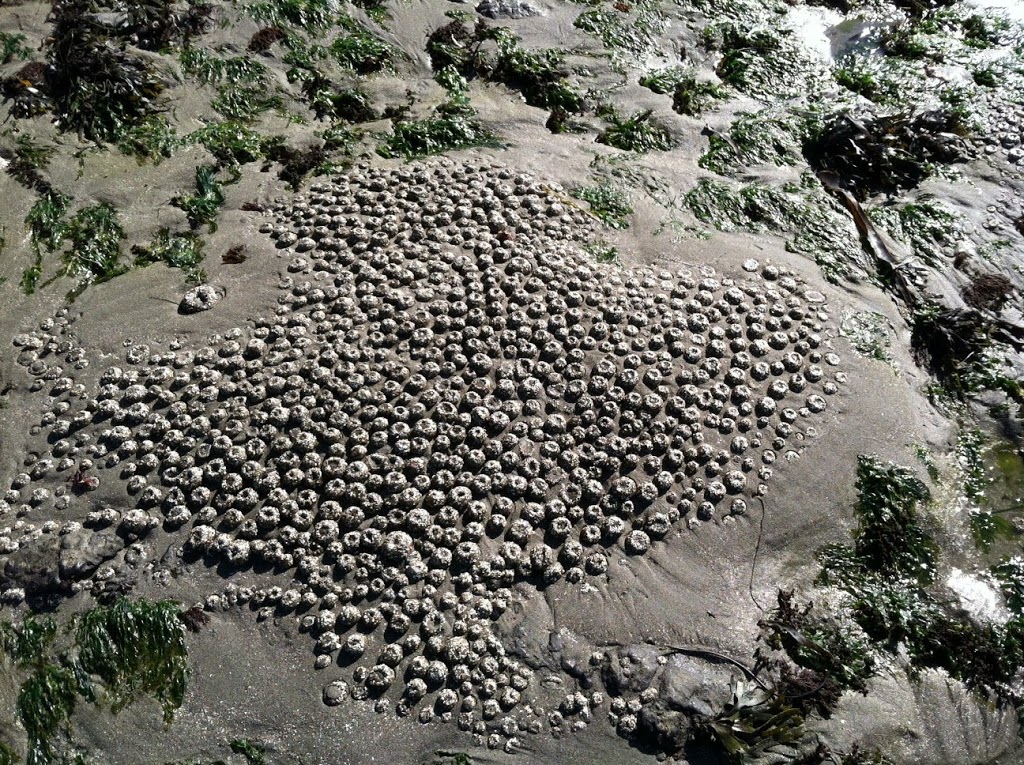
Low tide is the time to tide pool. With the Pacific Ocean pulled back, many treasures are revealed. Ken Holmes recently saw this large group of Sea Anemones.

Ken wrote, “Maybe you have seen these patterns before...almost in rows and columns, a bed of young anemones waiting for the sea to return.”

Sea Anemones eat small fish and shrimp. They have venom that they use to paralyze their prey. Though the vast majority is not harmful to humans, it’s best to admire them without touching.

Thanks to Ken for allowing me to share his photo with you here.

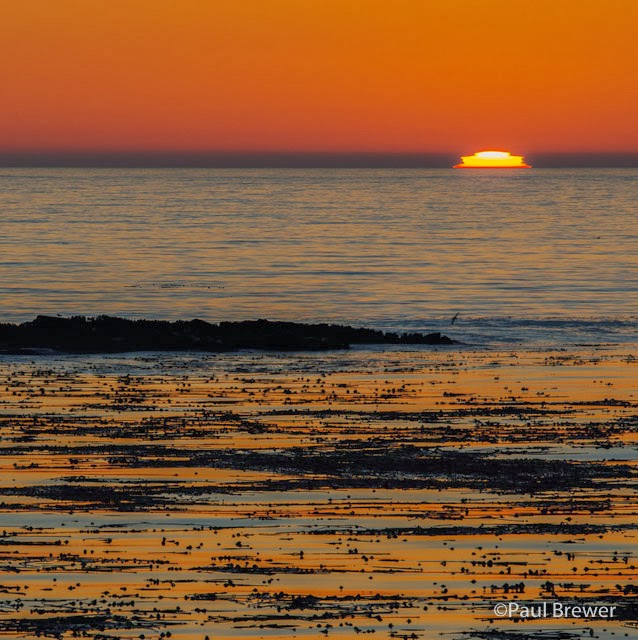
Paul Brewer recently photographed this sunset. Autumn sunsets are the best - layered with gold and orange, turning the Pacific Ocean into liquid magic.

This is the type of sunset that could have a green flash, as the horizon is clear. However not every clear horizon sunset results in a green flash. But what a joy to experience an autumn sunset on the Mendonoma Coast.

Thanks to Paul for allowing me to share his photo with you here. To see much more of Paul's photography, here is the link to his website: http://www.capturingnatureswonders.com/

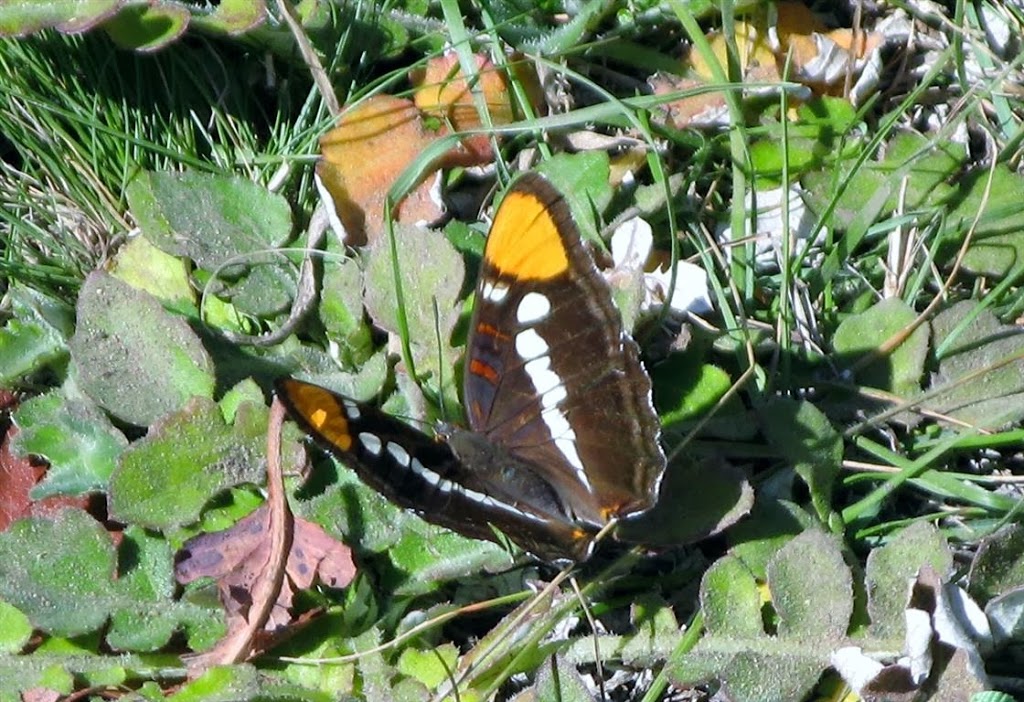
Autumn is a good time to see several species of Butterflies. One of them is the beautiful California Sister, Adelpha californica. Gail Eddy recently photographed one in her garden in Gualala.

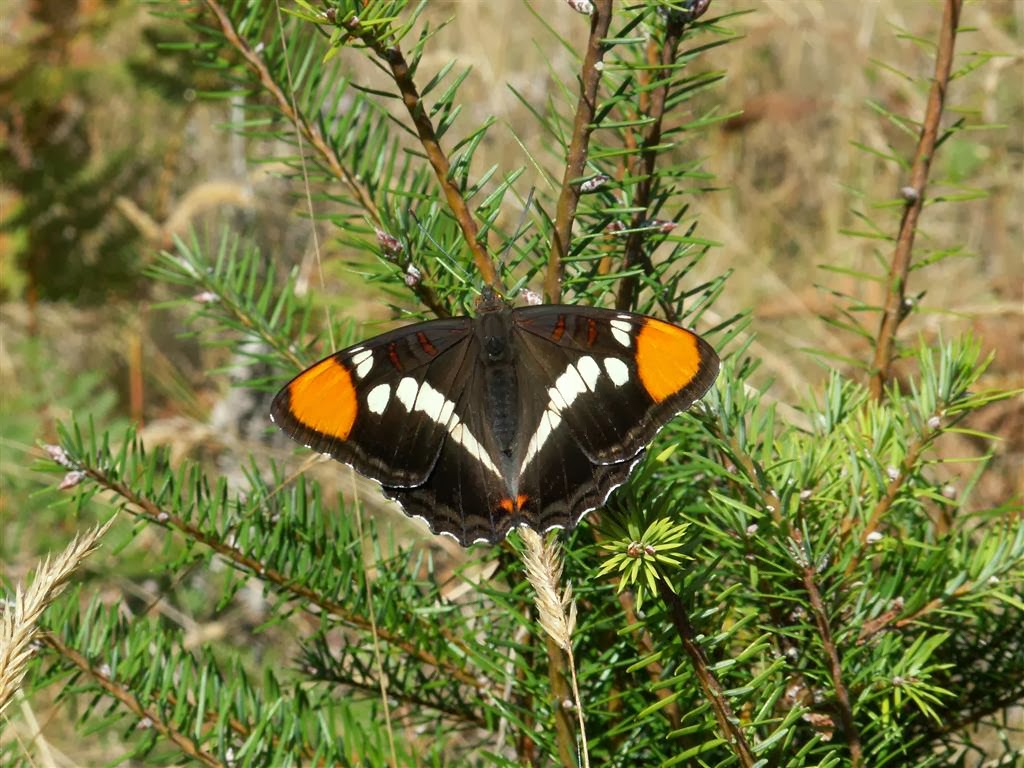
 The photo below was taken by Robert Scarola and lets you see this butterfly with its wings fully extended.

This butterfly is only found on the west coast - in Oregon, western Nevada, Baja California and, of course, California, where they are most likely to be seen. The host plants for the eggs of California Sister Butterflies are Oaks. An interesting fact is that this diet makes them unpalatable to predators.

Thanks to Gail and Robert for allowing me to share their photos with you here.

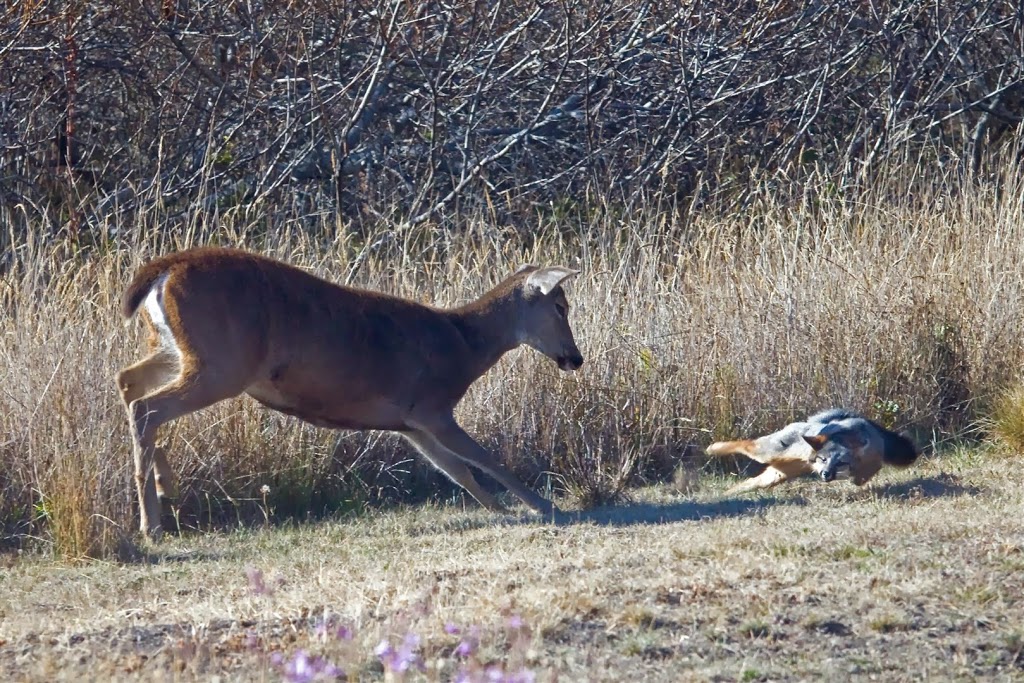
Linda Morley-Wells watched as a Doe and Gray Fox confronted each other and began playing. Then the Doe lunged at the fox. Linda's photo shows what happened next.

The little Gray Fox threw itself sideways and ran over to Linda. The Doe wandered off in one direction and the fox in another and the show was over for the day.

You never know what kind of wildlife experience you will have on the Mendonoma Coast. The lesson is to keep your eyes open and camera close at hand!

Thanks to Linda for allowing me to share her photo with you here.