Author Archives: Jeanne Jackson

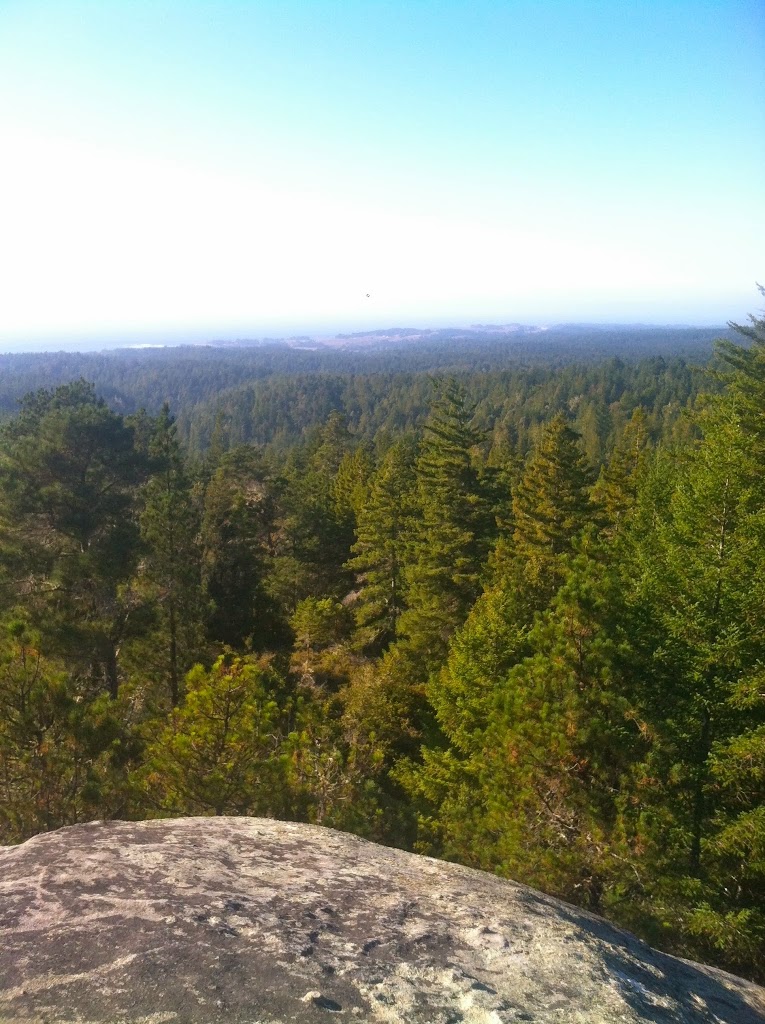
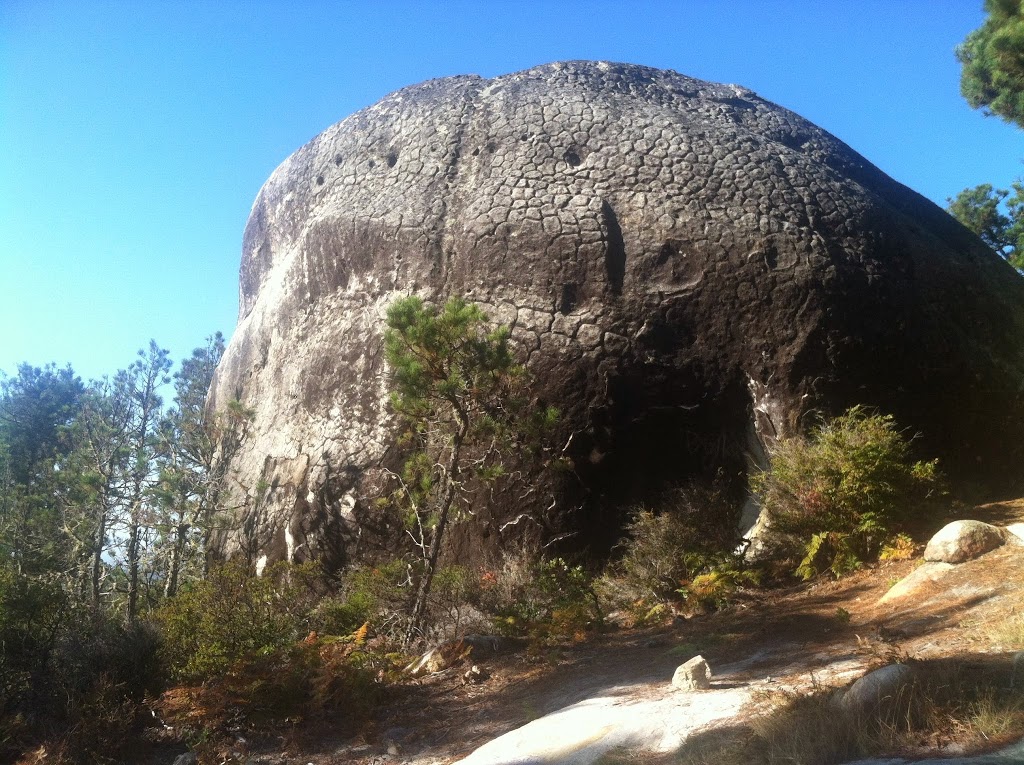
Margaret Lindgren and Harmony Susalla had permission to hike to this magnificent rock, which in Mendocino County.

The two women climbed the rock, but it wasn't an easy assent. Margaret took this photo from the top. She said they could see the Point Arena Lighthouse in the distance.

A dramatic photo of Harmony being embraced by the sun on top of this rock will be in tomorrow's edition of the Independent Coast Observer.

Thanks to Margaret for allowing me to share her photos with you here.

We are waiting for a rainstorm that is due in late tonight. It has been very dry until now but I didn't think it was dry enough for Prince mushrooms to fruit! They are considered a summer mushroom. But right alongside our road, six Prince mushrooms popped up yesterday.

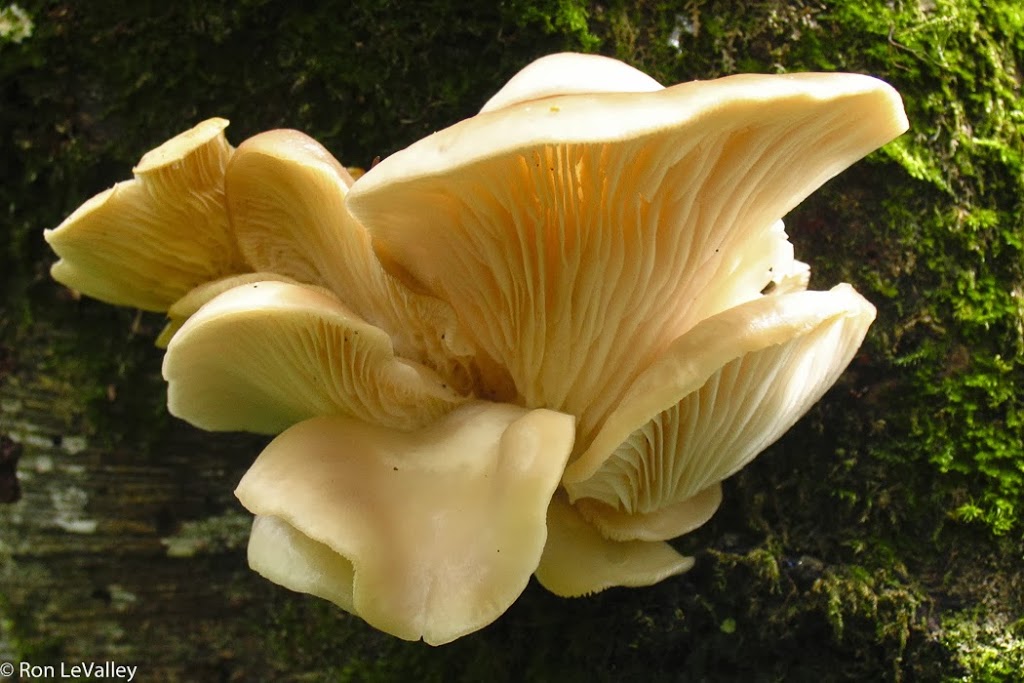
I have noticed a fresh bloom of Oyster Mushrooms on a standing dead Tan-oak tree in our forest. Here is a photo Ron LeValley took of several pristine Oyster Mushrooms. Ron advises getting them while they are young and delicious.

Thanks to Ron for allowing me to share his photo with you here. To see much more of Ron's nature photography, here is his website: http://www.levalleyphoto.com/home/

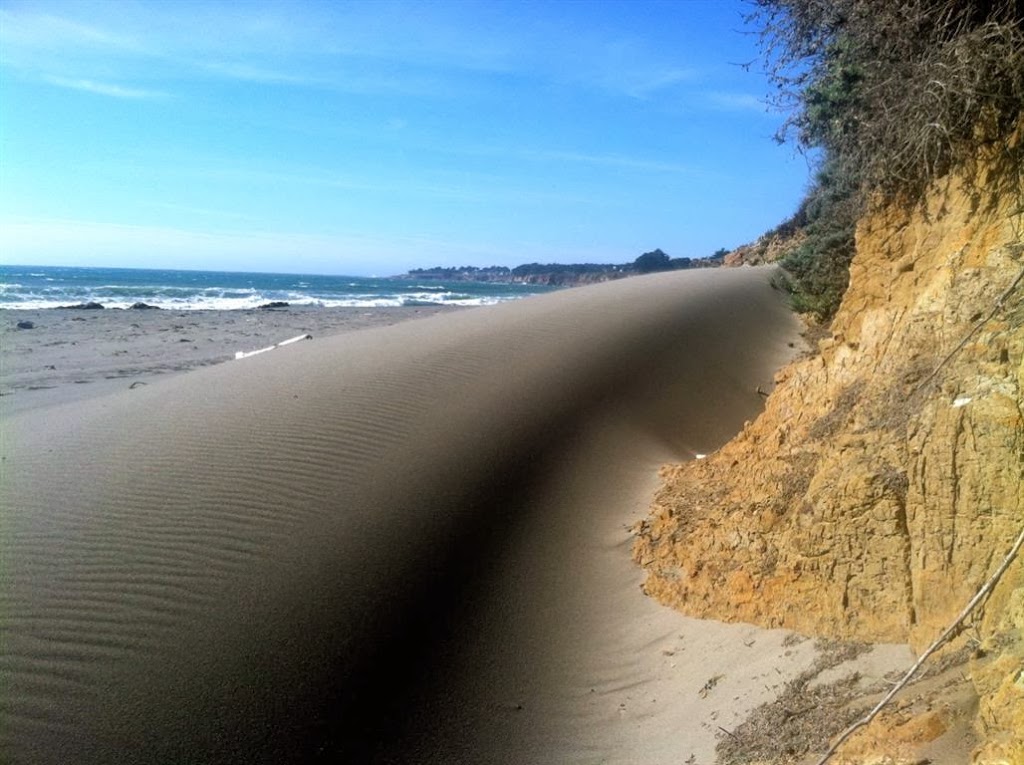
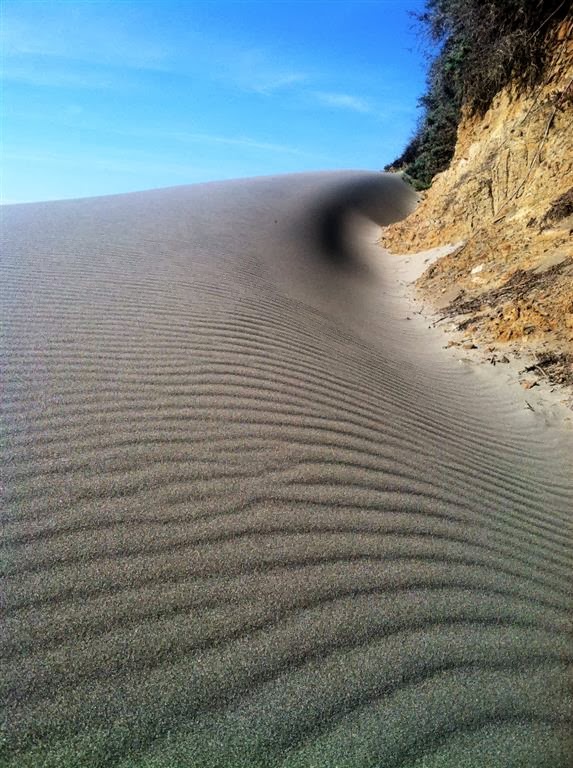
Margaret Lindgren was struck by the beauty of the wind-sculpted dunes at Walk-on-Beach, which is on The Sea Ranch. This lovely beach is found via the public access trail of the same name.

Thanks to Margaret for allowing me to share her photos with you here. To learn more about Margaret's Mendonoma hikes, here is her website: http://www.unbeatenpath.weebly.com/

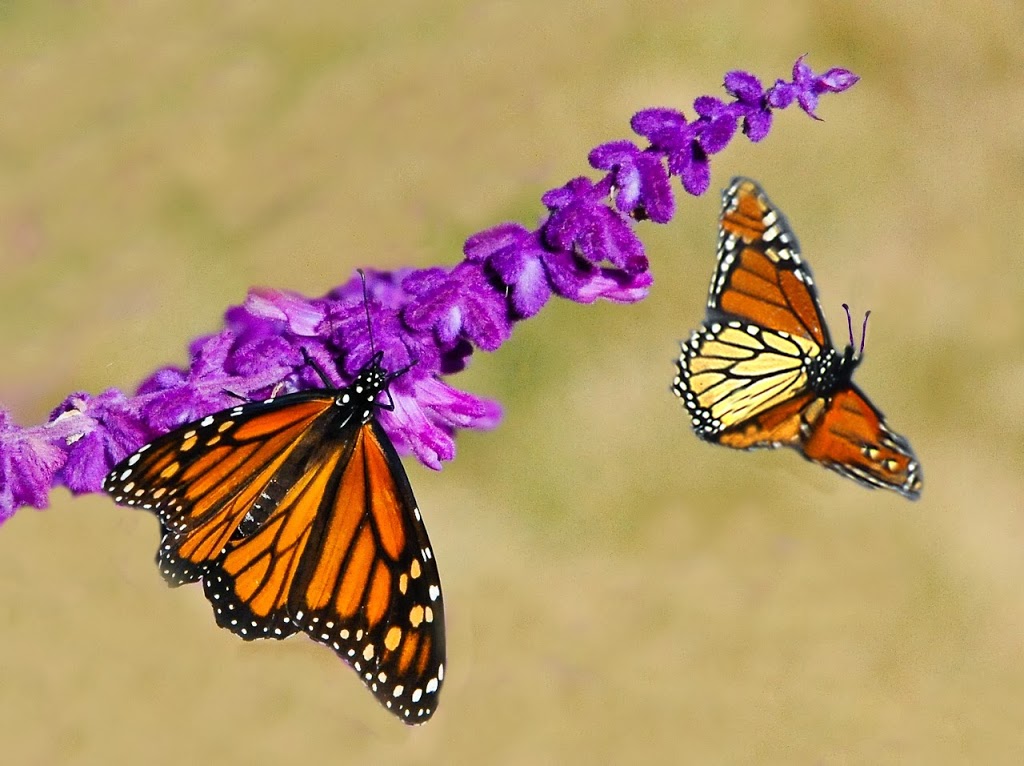
Beautiful Monarch Butterflies migrate through the Mendonoma Coast in the autumn. Several weeks ago Siegfried Matull captured this photo of two Monarchs feeding on his sage plant.

These Monarchs are of the Methuselah generation, the generation that lives for seven months or so.

Barbara Rice studies these butterflies. She wrote, “The overwintering Monarchs, which travel through our area in the fall, will not be laying eggs on their way. In the spring they head inland to look for milkweed and lay the first eggs of the three to four generations. Native milkweed species in Sonoma County are found further inland, such as Lake Sonoma.”

What is important here on the Coast is to plant native nectar plants for butterflies. Barbara advises that long blooming species in the Mint – Sage comes to mind - and Aster families are beneficial. Even better are our native Manzanitas, as they bloom in the winter. Erysimum, also called Wallflower, is very beneficial.

Barbara adds, “Coyote Mint is a great butterfly and hummingbird plant. In a garden you can keep it blooming a long time if you ‘deadhead’ the spent flowers. Coast Goldenrod is also a good late fall Monarch plant and two local Manzanitas – Hairy Manzanita and Fort Bragg Manzanita.”

Monarch Butterflies are down in numbers due to pesticide use and loss of habitat. Anything we can do to help them is well worth doing.

Thanks to Siegfried for allowing me to share his photo with you here. And thanks to Barbara for her good advice.
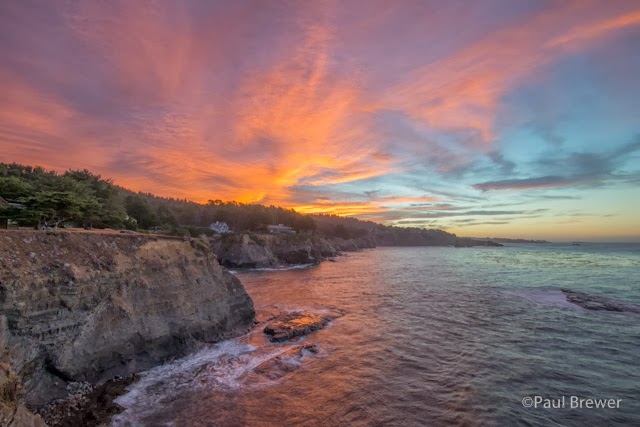
It is easy to rave about autumn sunsets but autumn sunrises can be just a breathtaking. This morning Paul Brewer photographed the sunrise over Gualala.

Just magnificent. I thank Paul for allowing me to share his beautiful photo with you here.

To see much more of Paul's photography, here is the link to his website: http://www.capturingnatureswonders.com/