Author Archives: Jeanne Jackson

2 Comments

Peter Baye found this beauty blooming on a rocky outcrop along the Gualala River. Its common name is Wallflower, and its scientific name is Erysimum capitatum. It doesn't look like a shy, retiring wallflower to me!
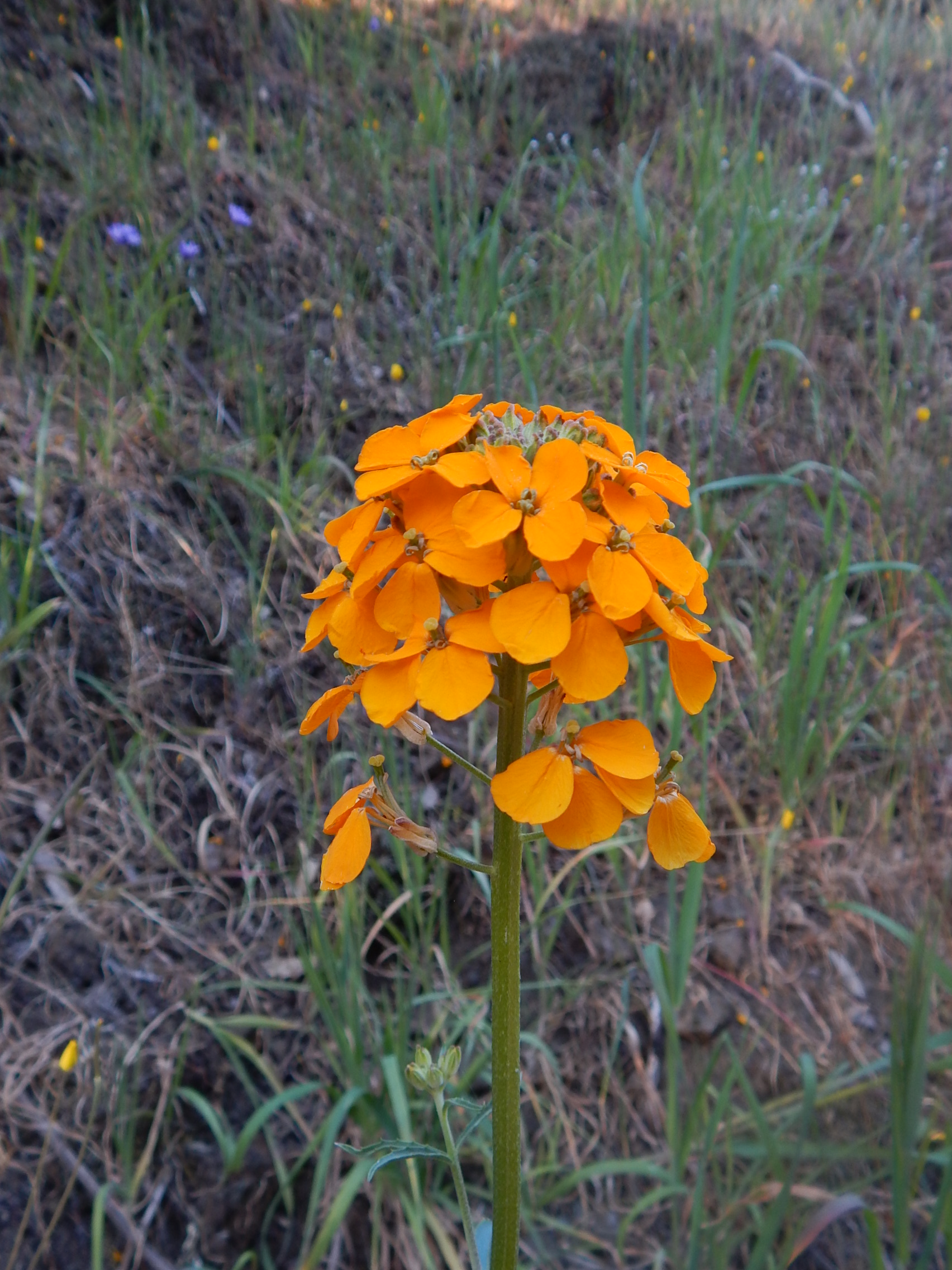
Wallflowers, Erysimum capitatum, by Peter BayePeter describes this flower as egg-yolk yellow, and you can see why. Peter had previously photographed a different species of Wallflower, Erysimum menziesii ssp menziesii.
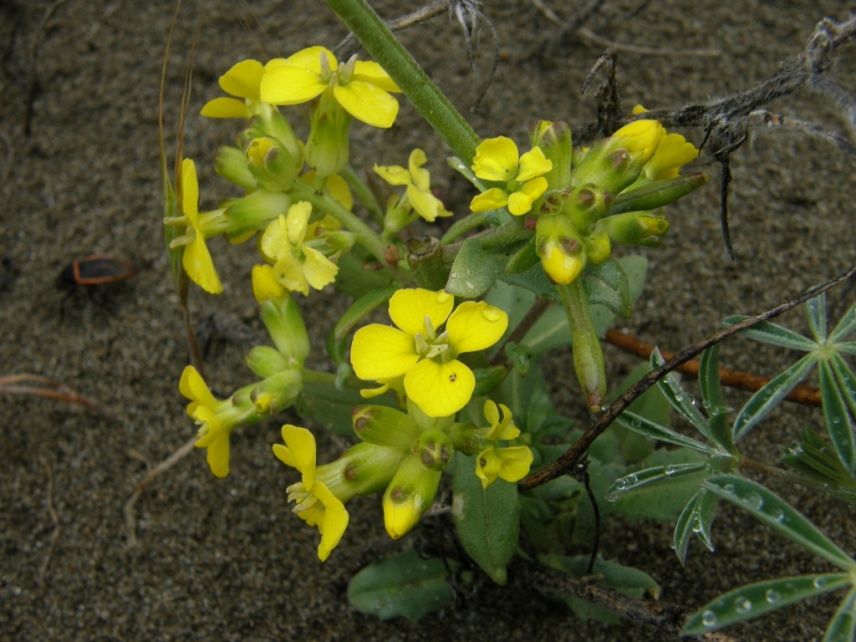
Menzies Wallflower - Erysimum menziesii ssp. menziesii - by Peter Baye

Thanks to Peter for allowing me to share his photos with you here.
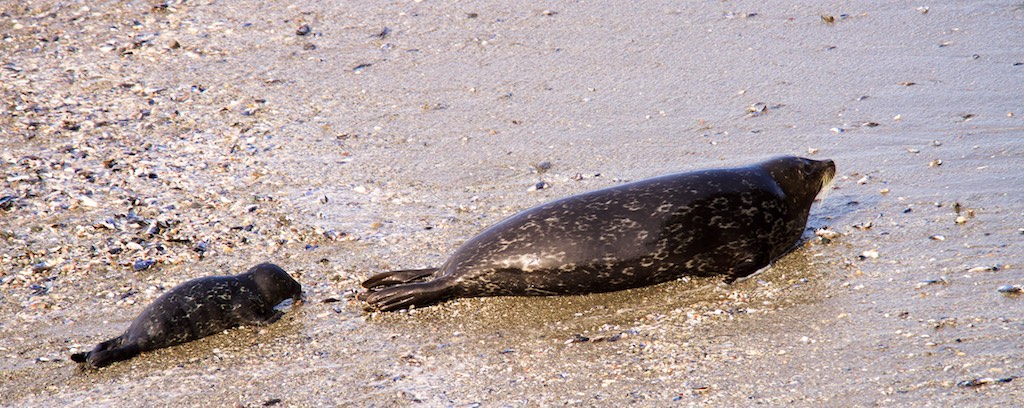
We are always on Harbor Seal pup watch every spring and it's exciting when the first one appears. Allen Vinson was there on a bluff at The Sea Ranch when it happened on the first of April.

The first Harbor Seal pupof 2015 is born by Allen Vinson

And soon the little pup was nursing.

Newborn Harbor Seal Pup nursing by Allen Vinson

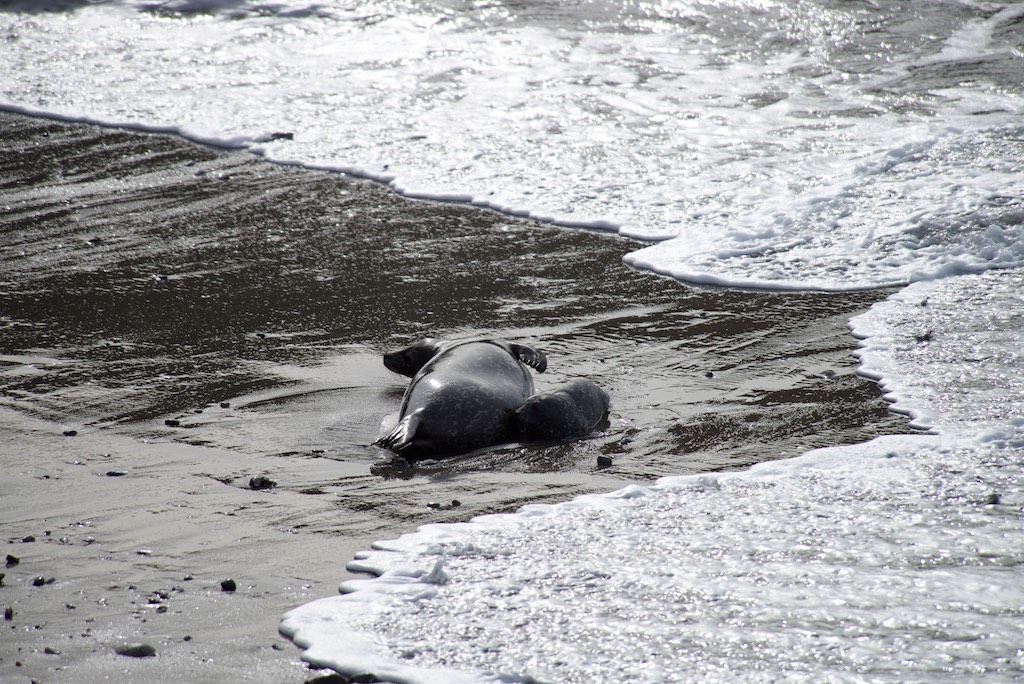
Since then 18 more have been born. It's that time of year to especially keep your dogs on leash when approaching a beach. Pups are very vulnerable. Never "rescue" one. The mother leaves her newborn soon after birth so she can fish for herself. She will return to her sweet pup. If you do find a marine mammal in distress, call the Marine Mammal Center at 415 289-7350.  They will send a trained local to assess the situation.

Thanks to Allen for allowing me to share his photos with you here.
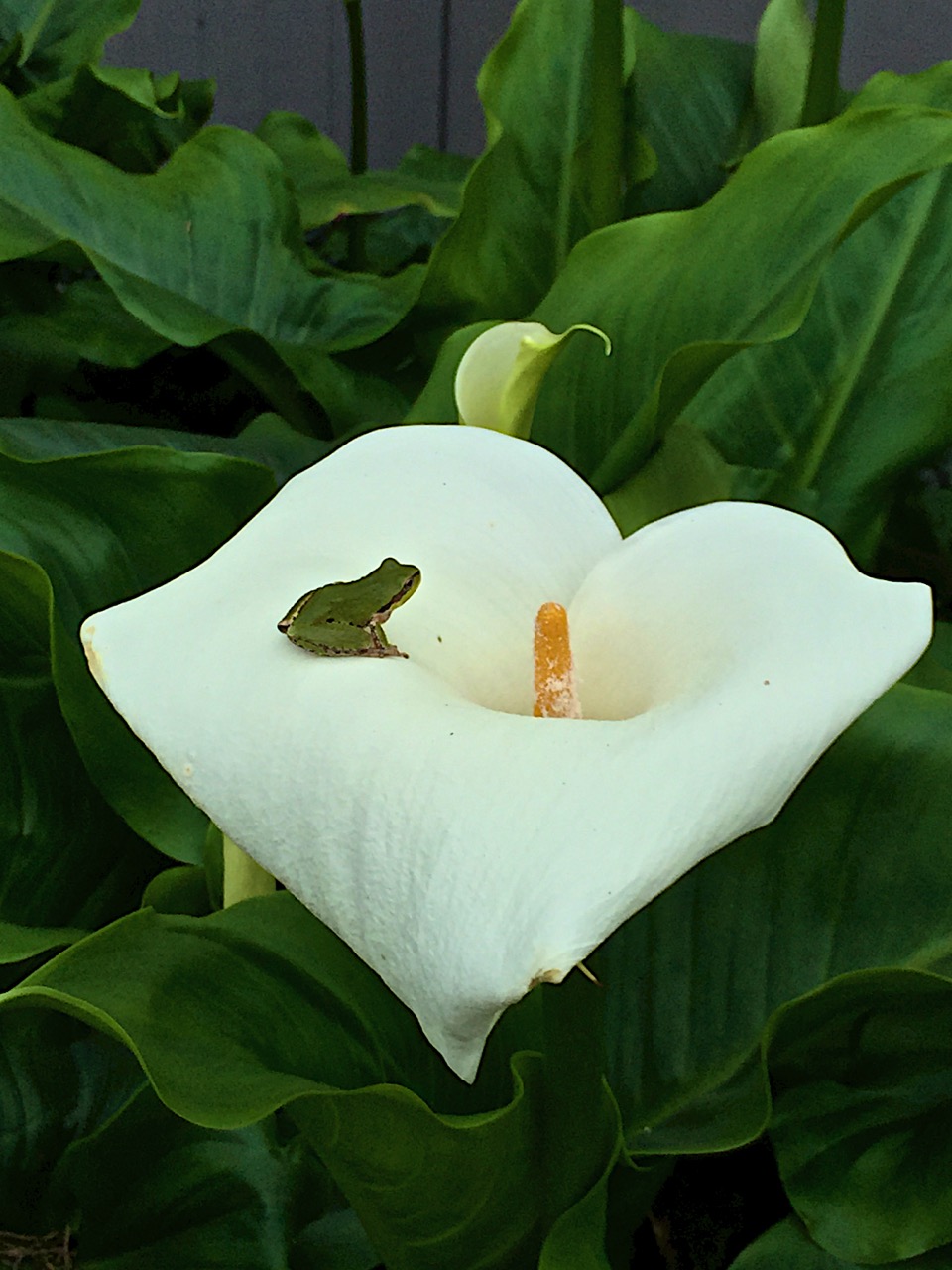
Richard Kuehn noticed the little green frog posing on a Calla Lily. It's a Sierran Treefrog, also called a Chorus Treefrog.

Sierran Treefrog on a Calla Lily by Richard Kuehn

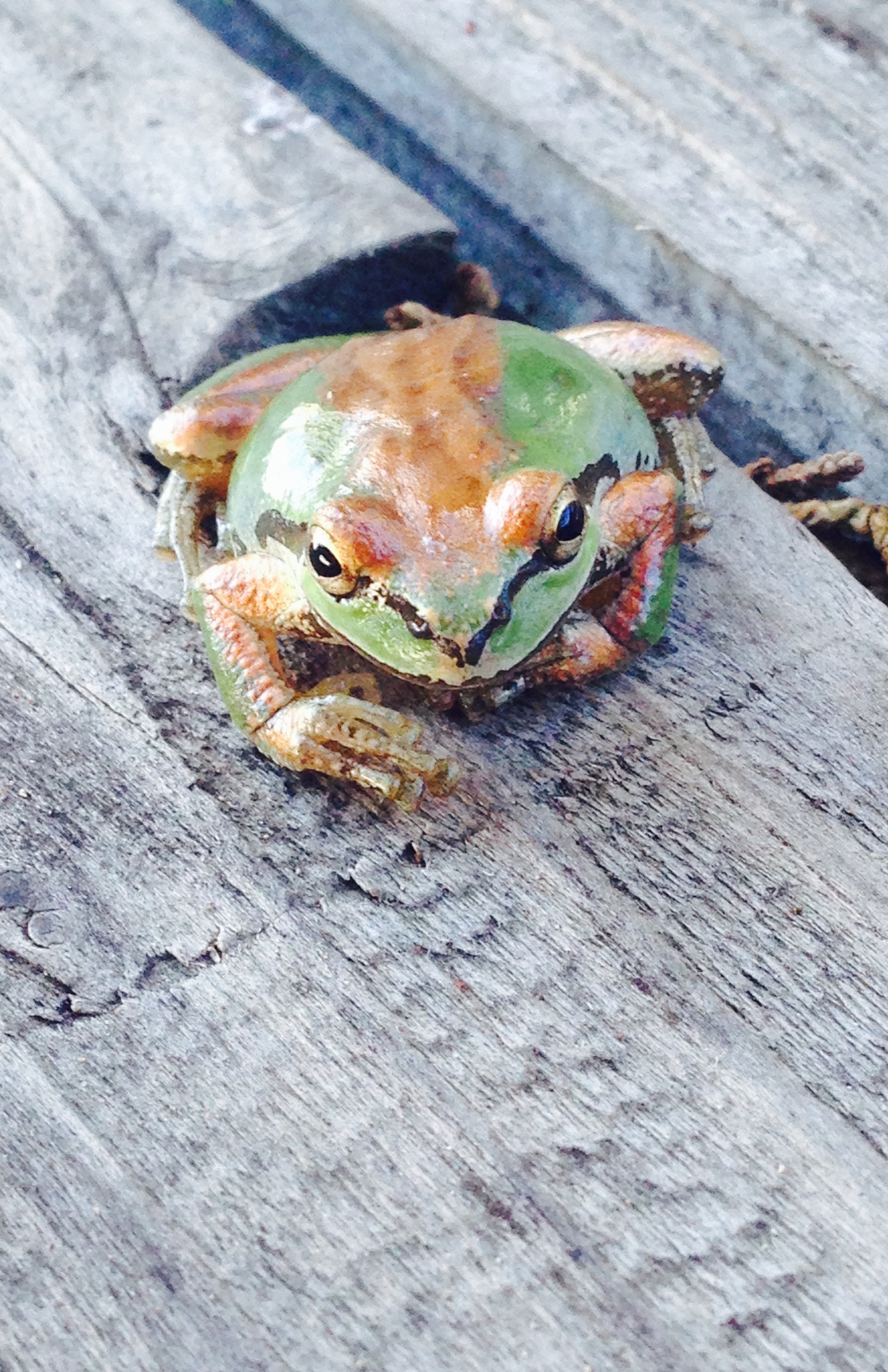
They have the ability to change their color to match certain environments. They seem to enjoy being close to hot tubs. Here's a photo by Rich of one changing to match the wood.

A Sierran Tree Frog changing color by Richard Kuehn

I love these little frogs. At the first hint of moisture they begin to vocalize.
Thanks to Rich for allowing me to share these photos with you here.

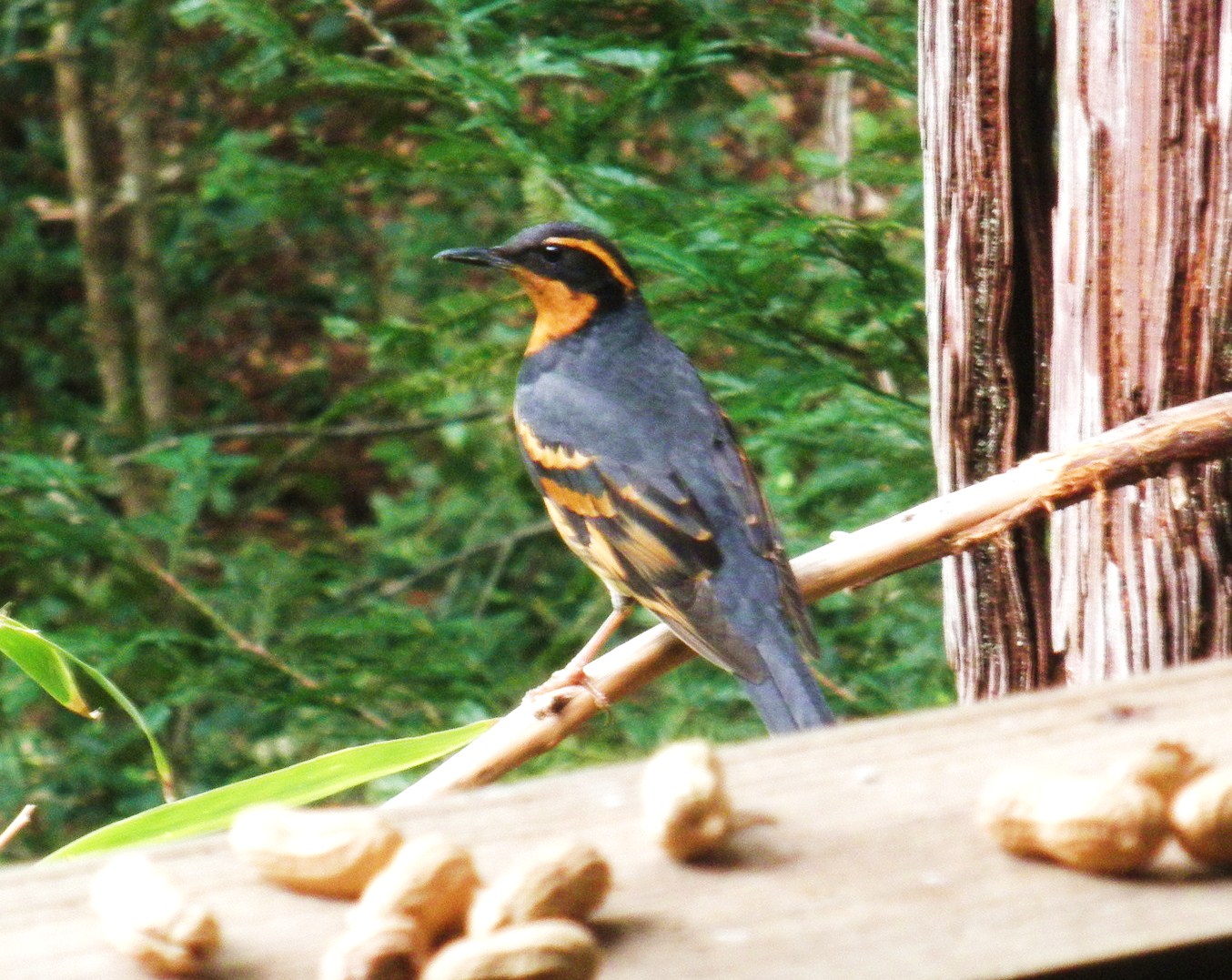
Varied Thrushes are such beautiful birds. We seem to have had more of them overwinter on the Mendonoma Coast this year. Bill Clark recently photographed one.

OLYMPUS DIGITAL CAMERA

Varied Thrushes are sometimes mistaken for American Robins, as they are similar in size. Varied Thrushes eat insects when they are breeding to our north, but in the winter they switch to berries and nuts.

To hear their one-note call, here is a link to the Cornell Lab of Ornithology: http://www.allaboutbirds.org/guide/Varied_Thrush/sounds

Thanks to Bill for allowing me to share his photo with you here.


4 Comments

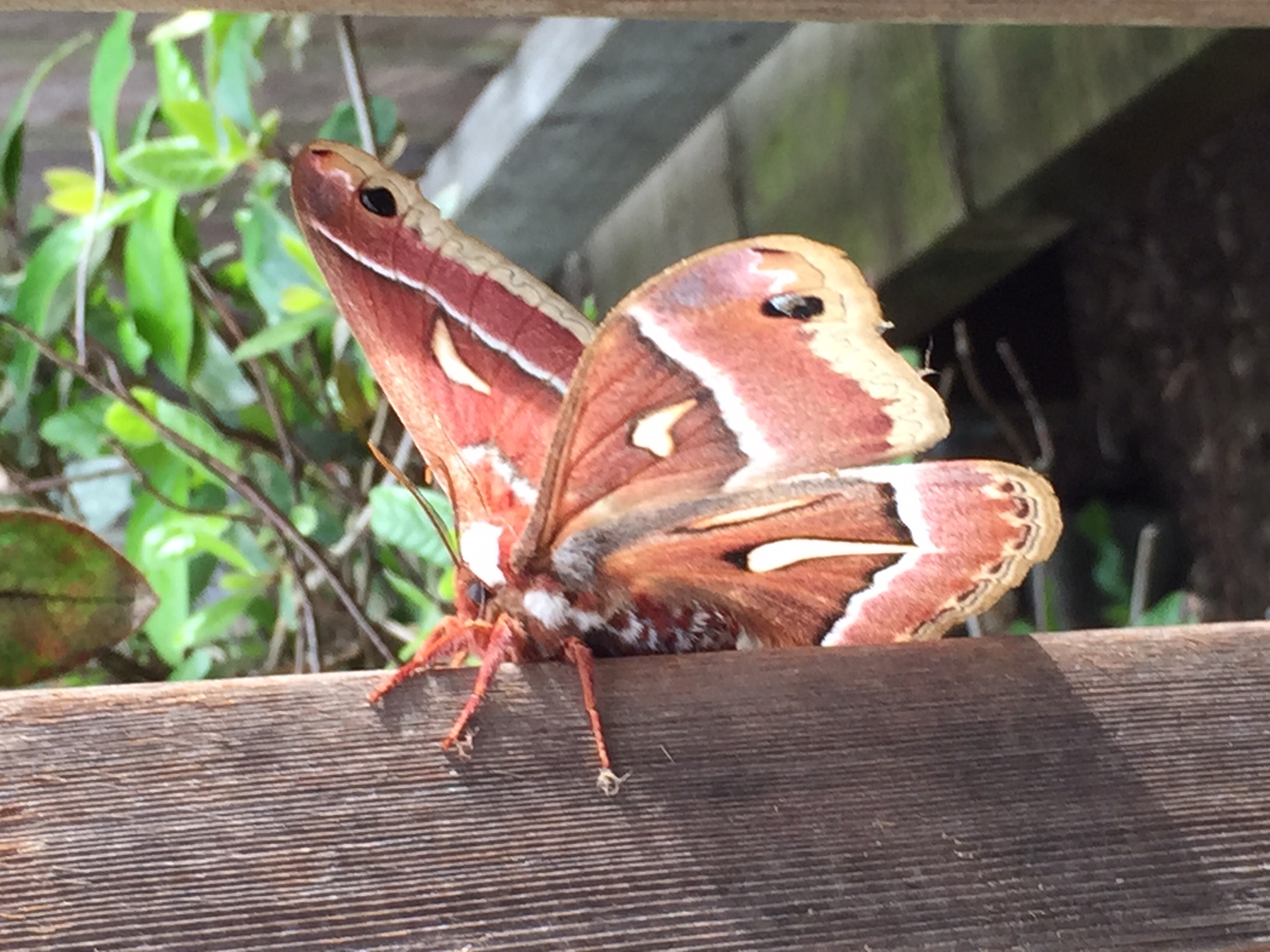
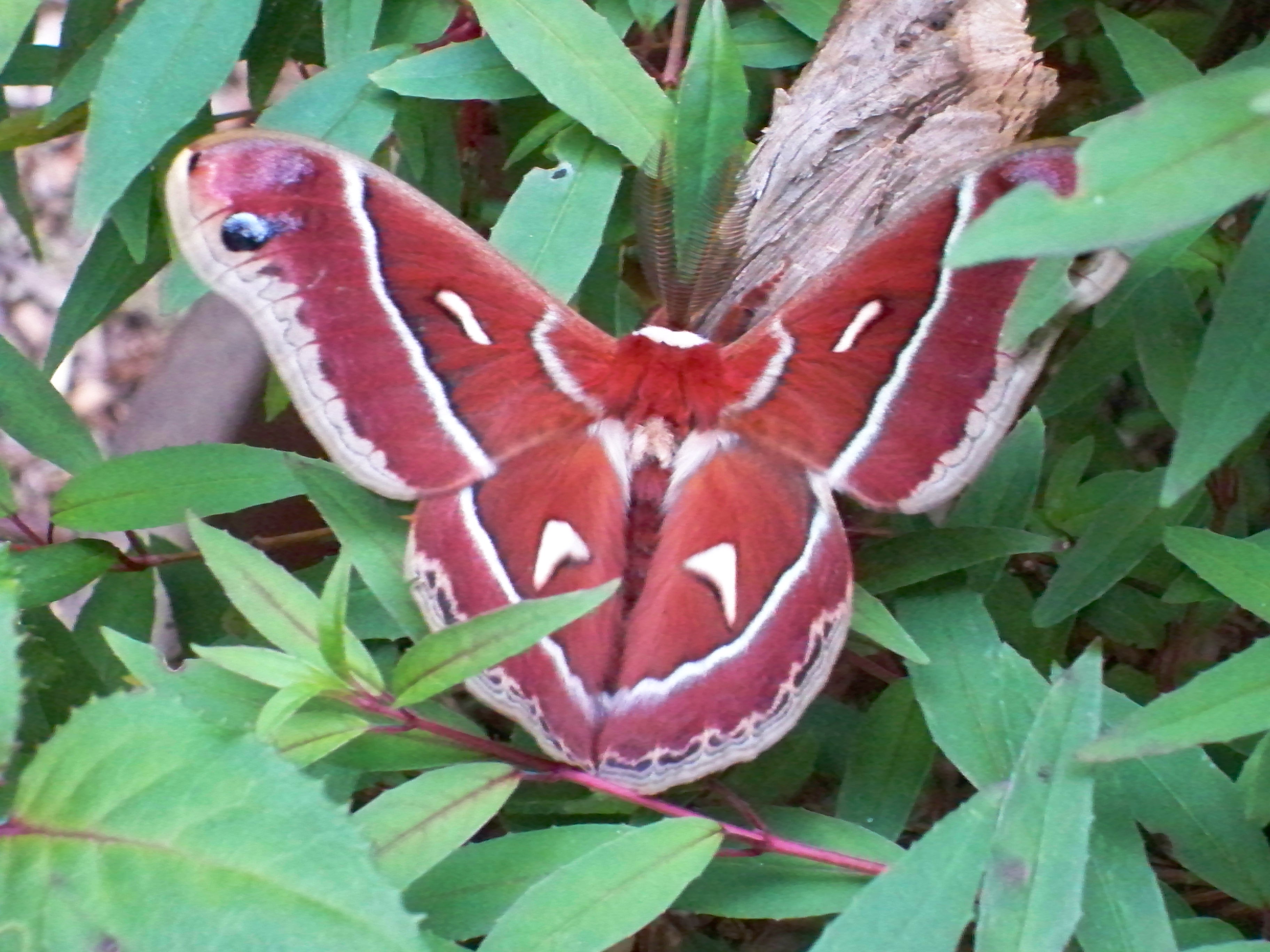
Ceanothus is blooming up and down the coast, so it's no surprise that beautiful, big Ceanothus Silkmoths should appear. Frances Anderson photographed one outside Action Network in Gualala.

Ceanothus Silkmoth by Frances AndersonWillie Brown also photographed one.

Ceanothus Moth by Willie BrownI've wondered if Nike got their idea for their swoosh from Ceanothus Moths!

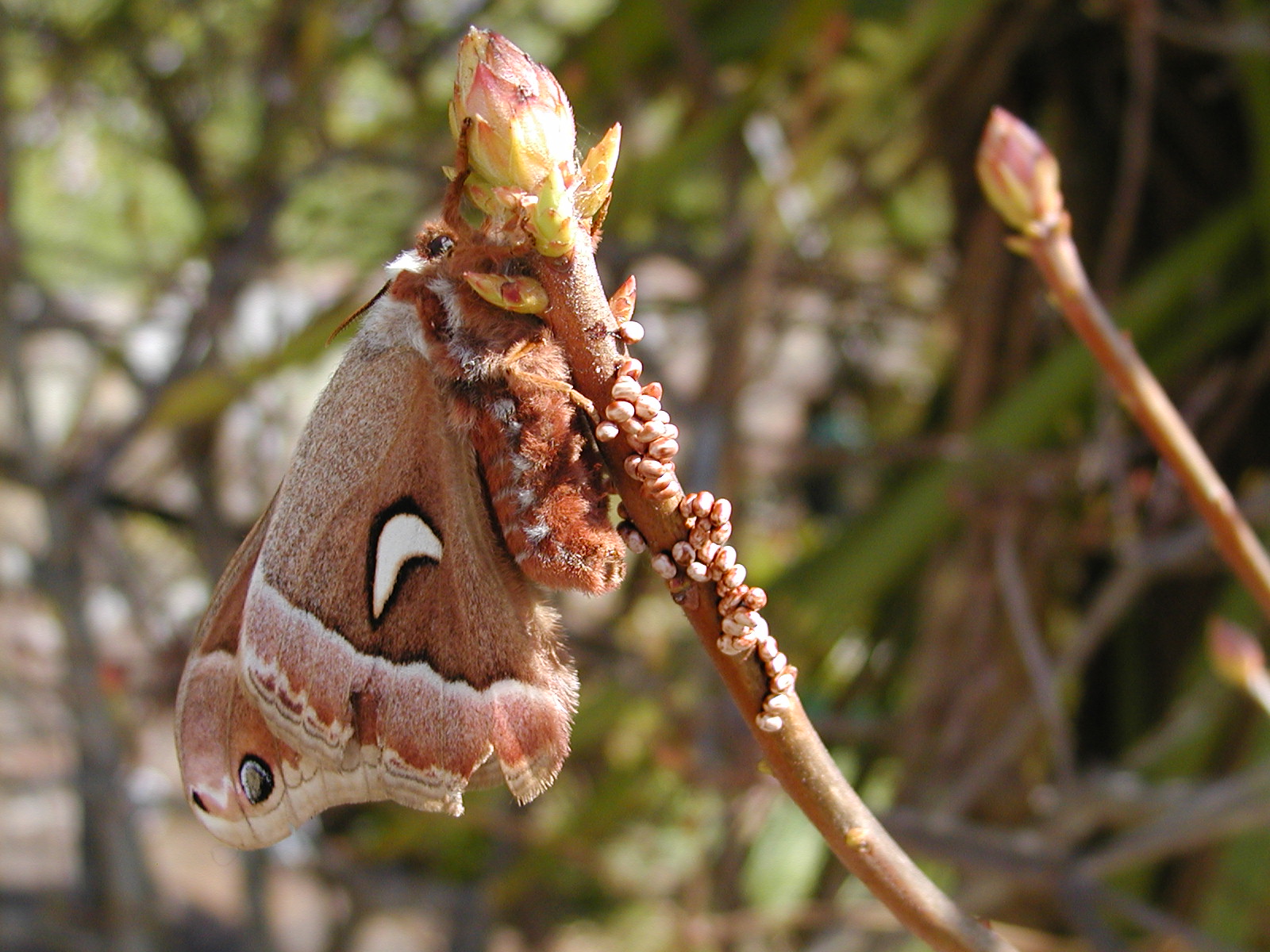
One of the most interesting and unusual photos of these moths was taken by Jerry Rudy in Timber Cove. His photo shows a female laying her eggs on a stem.

OLYMPUS DIGITAL CAMERA

Thanks to Frances, Willie, and Jerry for allowing me to share their photos with you here.