The Gulf of the Farallones Sanctuary has been extended northward along the entire coast of Sonoma, and up to Manchester Beach. The celebration begins with a bird walk at Gualala Point Regional Park at 8:30 am. The main event is from 11 am to 3 pm at the Gualala Arts Center. I'll be there...with bells on! Here is an article Chris Kelley, Executive Director Farallones Marine Sanctuary Association, and I wrote about this expansion. It was first published in Destination Mendonoma, a year-round feature of the Independent Coast Observer.
Protected and cherished – the waters off our Coast.
By Jeanne A. Jackson and Christopher S. Kelley
It starts in the spring when the northwest wind begins to blow. The wind can wreak havoc with boating activities, beach adventures, and hairdos. Whitecaps dance across the Pacific Ocean. While some bemoan the ubiquitous spring winds, something wonderful is happening in the ocean – upwelling! And it takes place right off the promontory where the Point Arena Lighthouse resides.
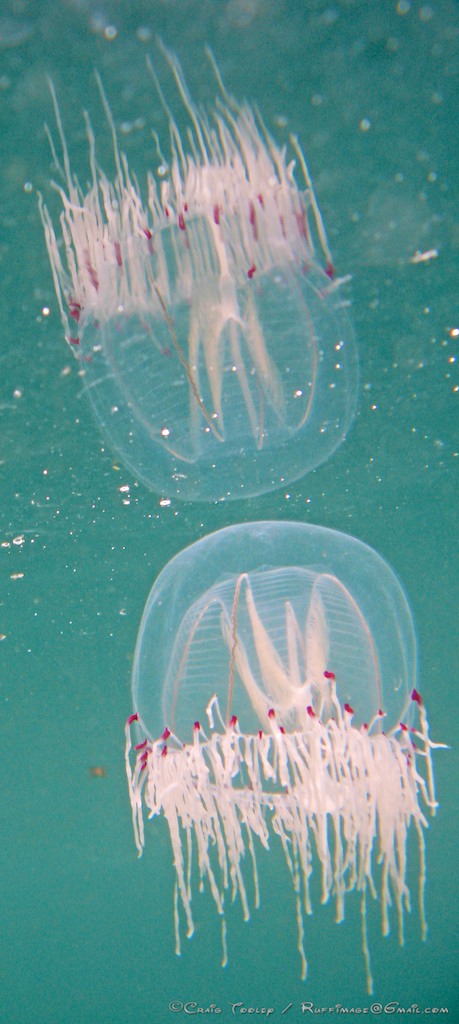
Upwelling occurs when the winds deflect surface ocean waters away from shore, and deep water, rich in nutrients, rises to replace it. Aided by the sun, these nutrients can cause a phytoplankton bloom. Phytoplankton are microscopic marine plants. They are the basis of almost all ocean food webs. Krill and jellyfish, among others, eat them.

Bell Jellies by Craig Tooley
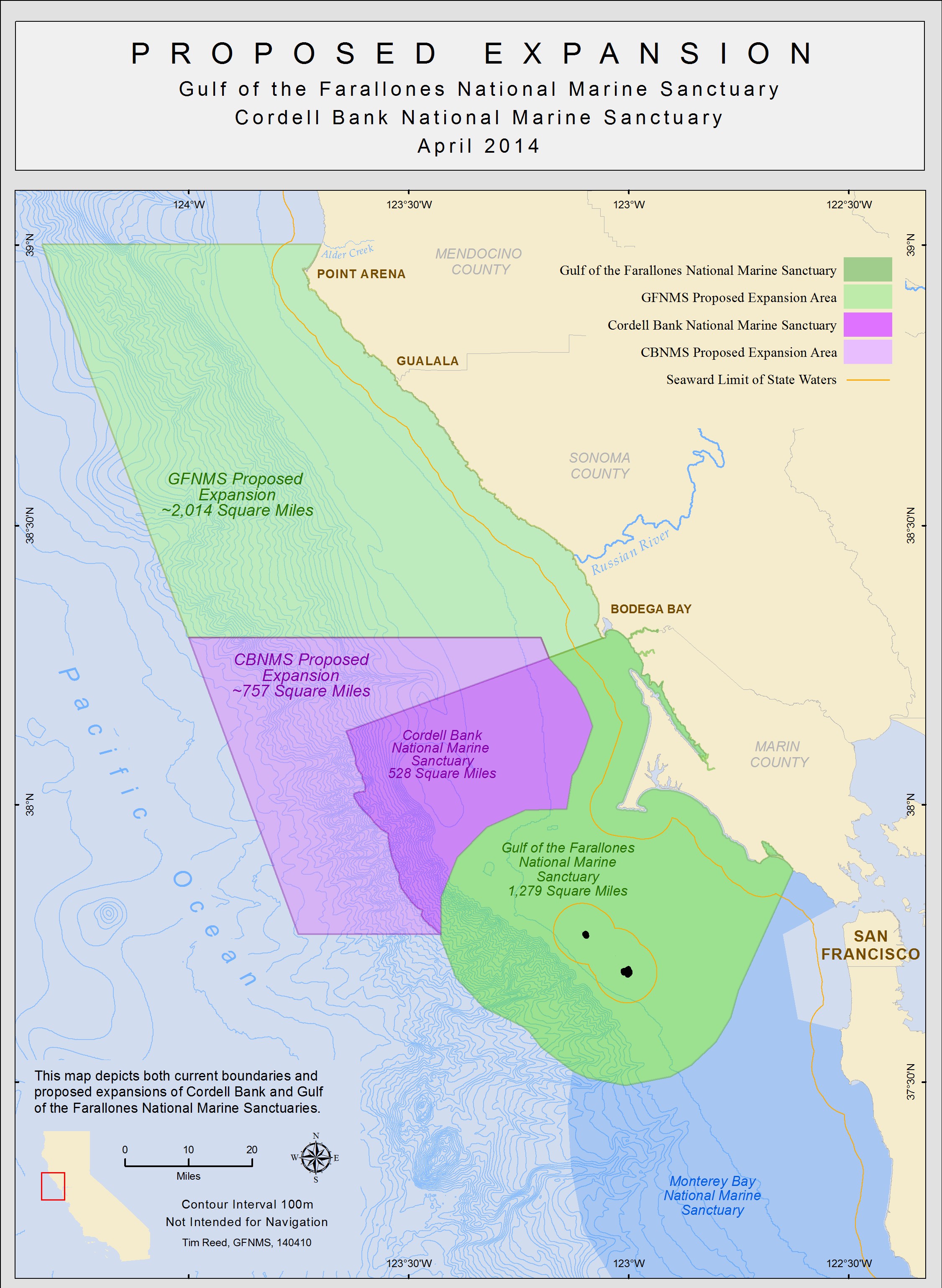
The California Current carries the nutrients to our south, creating a thriving marine ecosystem. In the 1980’s 2,000 square miles of ocean off San Francisco were protected under the auspices of the National Oceanic and Atmospheric Administration, NOAA. The two national marine sanctuaries created were the Gulf of the Farallones and Cordell Bank.
Now the Gulf of the Farallones sanctuary has been extended northward to just north of Point Arena, more specifically Manchester Beach, an additional area of 2,014 square miles. Cordell Bank has increased by another 757 square miles of offshore waters, including Bodega Canyon.
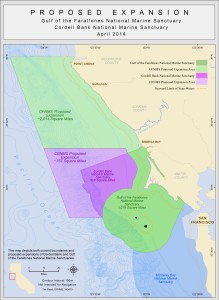
What does this new status mean to those who treasure the Mendonoma Coast? For one, it means there will be no gas, oil, or mineral exploration or extractions. Slant drilling from outside the sanctuary into the seabed of the sanctuary is also prohibited. Dumping is illegal as well.
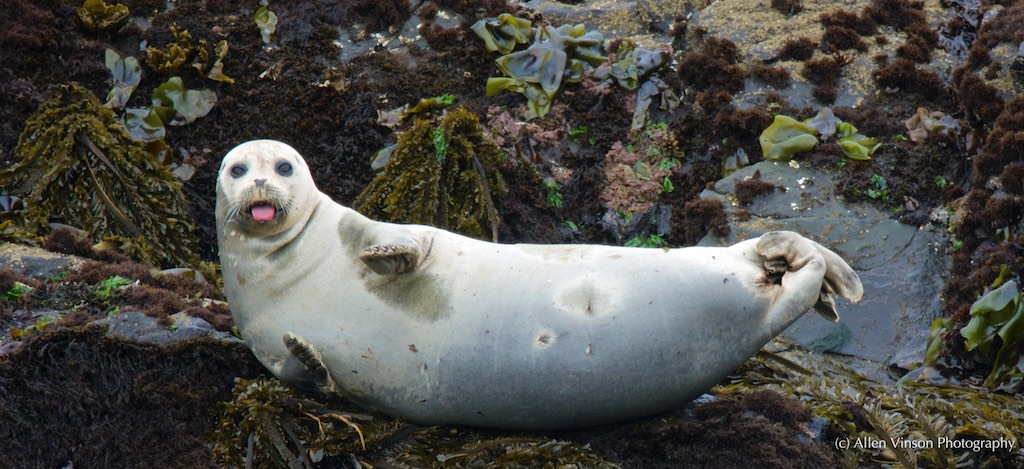
The waters off our coast are relatively free of pollution. The wealth of marine life proves that. Northern fur seals migrate through sanctuary waters. Fur seals and seabirds can’t abide pollution, and they are thriving along the coast. The sanctuary will protect them and other marine life.
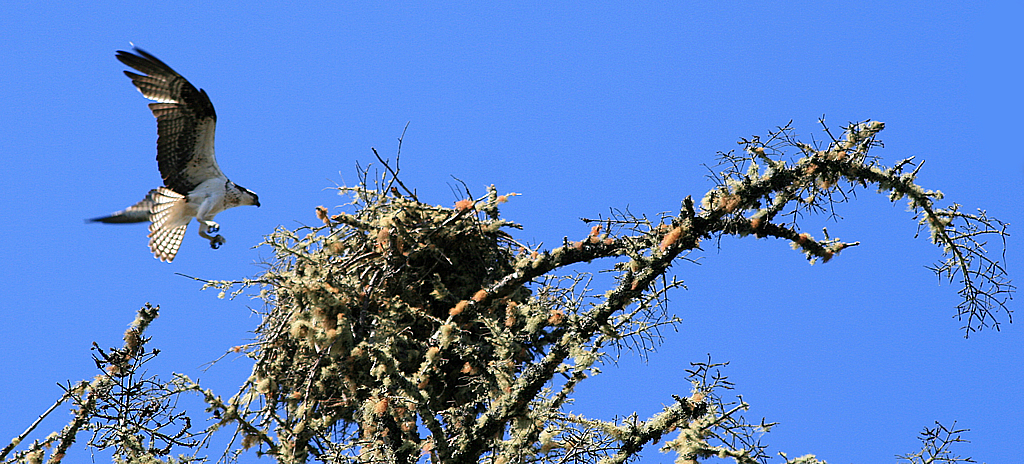
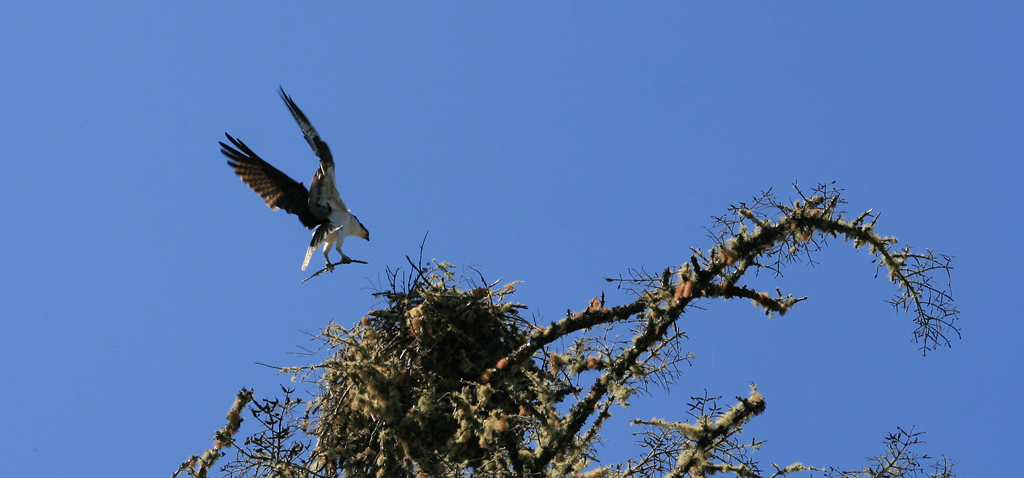
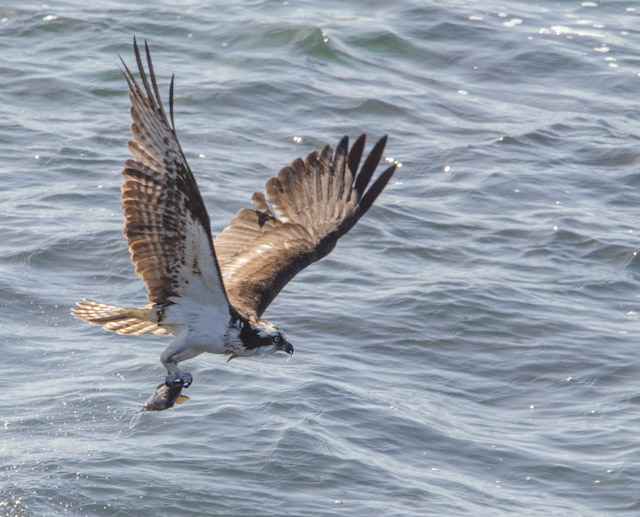
Fishing, whether it is salmon, sea urchins, rockfish, or diving for abalone, is permitted in the sanctuary, subject to the rules of the California Department of Fish and Wildlife, and the National Marine Fisheries Service. The sanctuary will protect the water quality for these productive fisheries, for commercial fishing, recreational fishing, and wildlife such as ospreys.
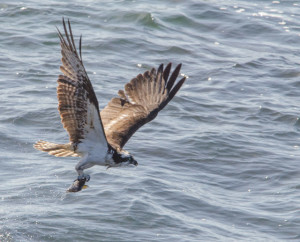
Osprey with a fish by Paul Brewer
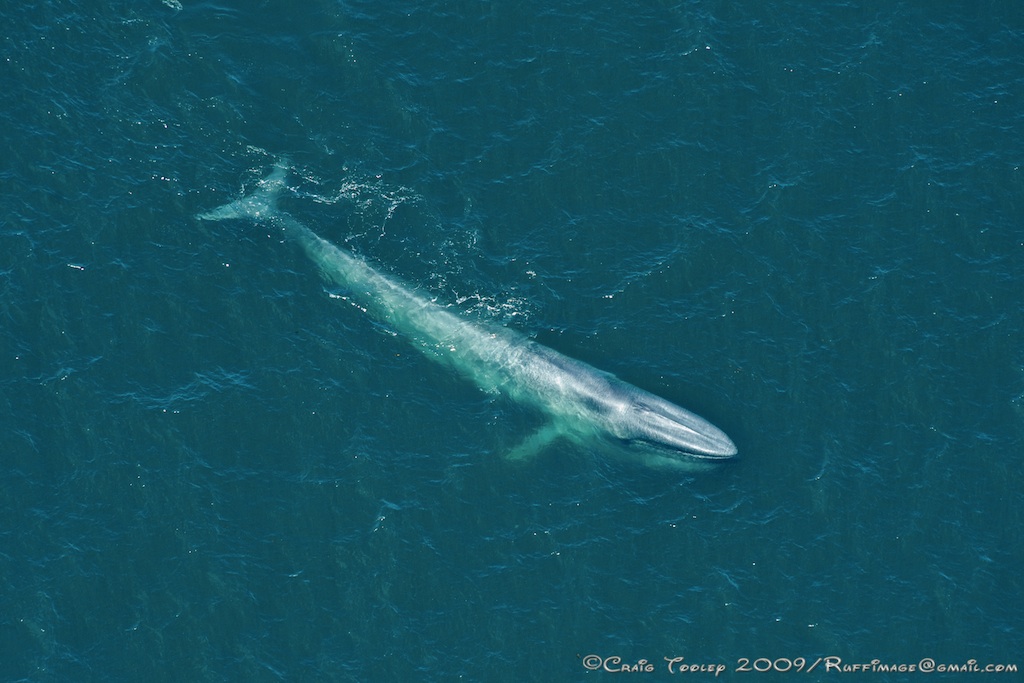
The newly expanded sanctuary is a rich feeding ground for endangered blue and humpback whales. In all there are 36 species of marine mammals in these waters, including whales, dolphins, seals, and sea lions. Gray whales on their thousands-of-miles migration pass by twice a year.
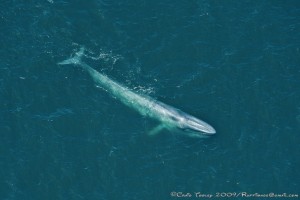
Blue Whale by Craig Tooley
These waters are a vital feeding area for one of the most important populations of white sharks in the world. The sanctuary is home to 25 threatened and endangered species. Scientists recently discovered a new species of deep sea coral here while exploring our underwater seamounts and canyons, revealing unusual marine life interrelationships. There is much to protect in the waters off our coast.
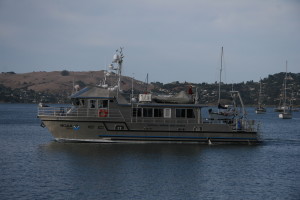
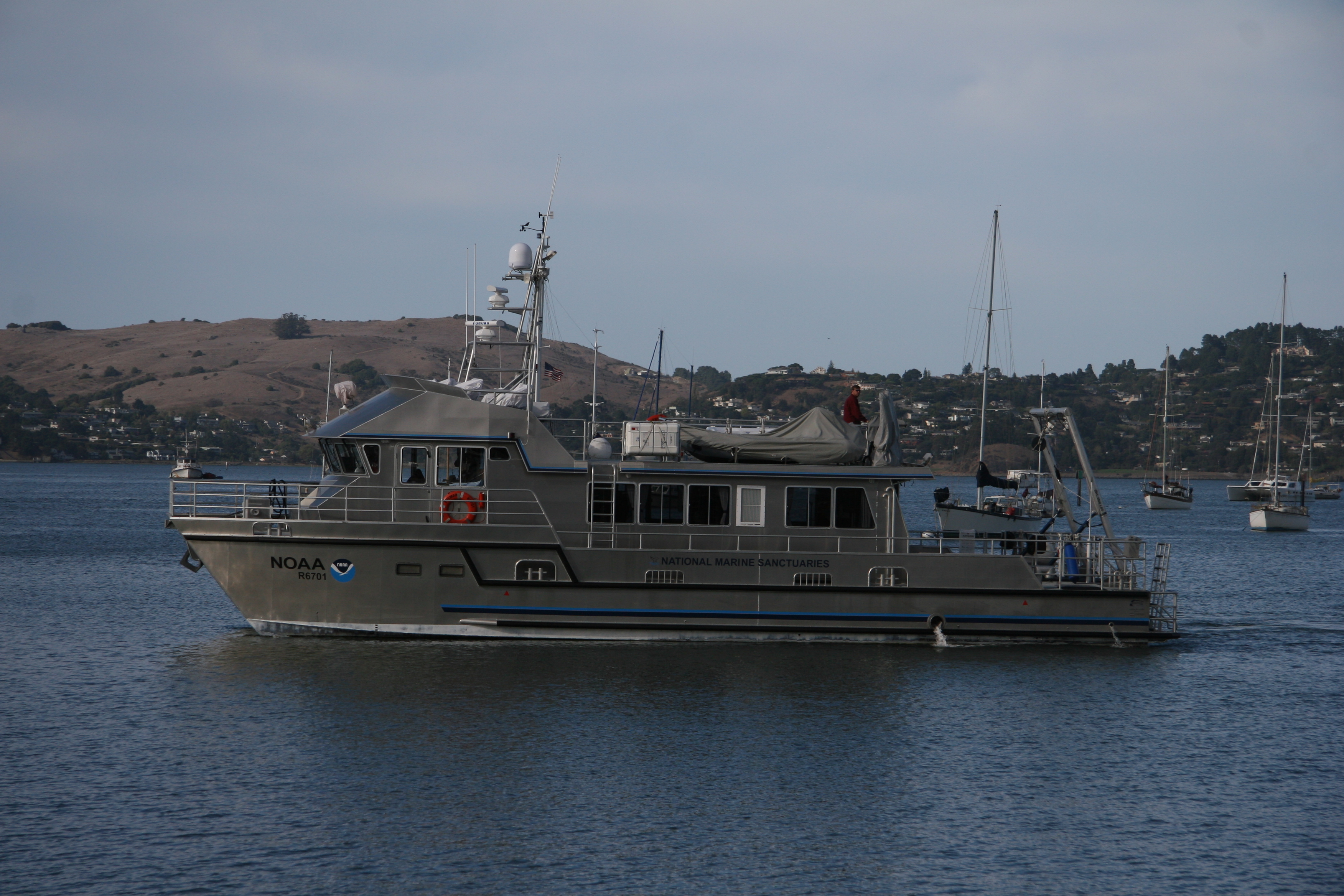
The Research Vessel Fulmar by Jamie Hall, FMSA
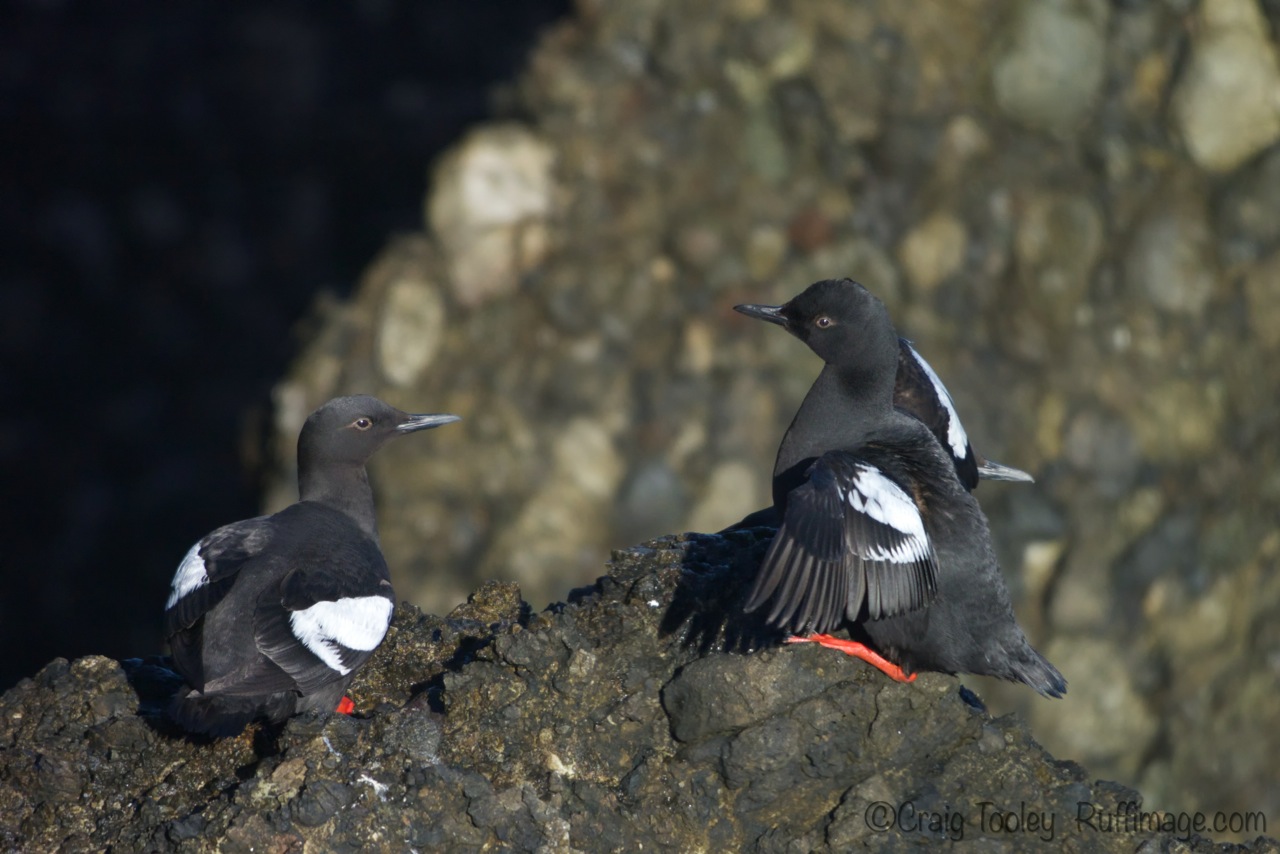
The sanctuary will also afford protection to seabirds. The largest concentration of seabirds in the contiguous United States is found in the expanded sanctuary. Cormorants, common murres, pigeon guillemots, and more nest on bluffs and rocky islands just off our shore.
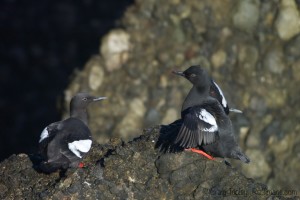
Pigeon Guillemots by Craig Tooley
The sanctuary encourages people of all ages to visit and learn about the abundant life along our shores. Education programs and volunteer opportunities are an important part of this protection. The sanctuary sponsors such programs as Beach Watch, LiMPETS, and the Seabird Protection Network. It also conducts vessel-based offshore research.
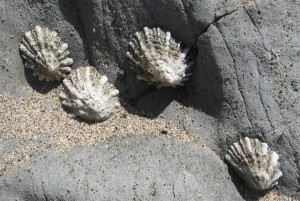
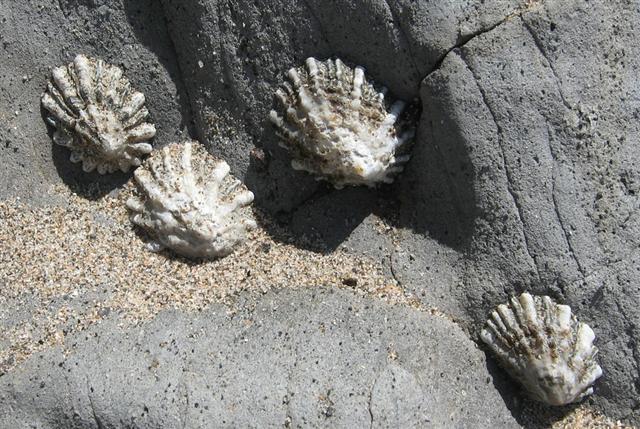
Rough Limpets by Larry Riddle
A community celebration will be held June 28, 2015 at the Gualala Arts Center from 11 am to 3 pm. It’s a free event combining science, education, and fun, with many activities highlighting the sanctuary and its programs, including nature activities. Visit facebook.com/gfnms or farallones.noaa.gov.
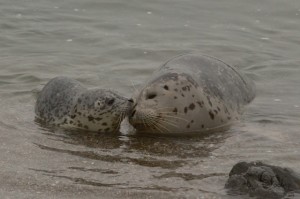
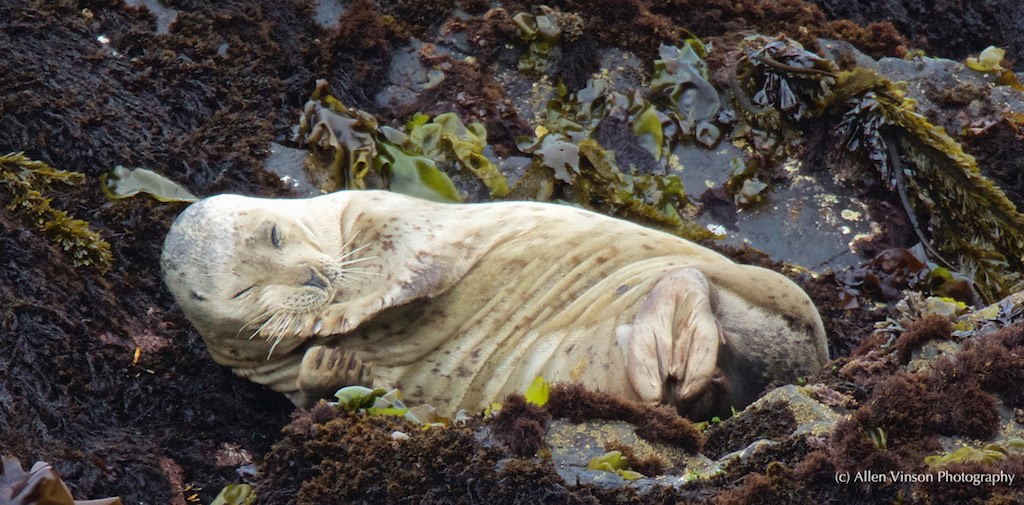
Harbor Seal pup nuzzling its mom by Craig Tooley
The more one learns of the abundant life in the sanctuary and along its shores, you can’t help but want it protected and cherished.
Jeanne A. Jackson writes Mendonoma Sightings in the Independent Coast Observer.
Christopher S. Kelley is the Executive Director of the Farallones Marine Sanctuary Association, www.farallones.org.