Author Archives: Jeanne Jackson

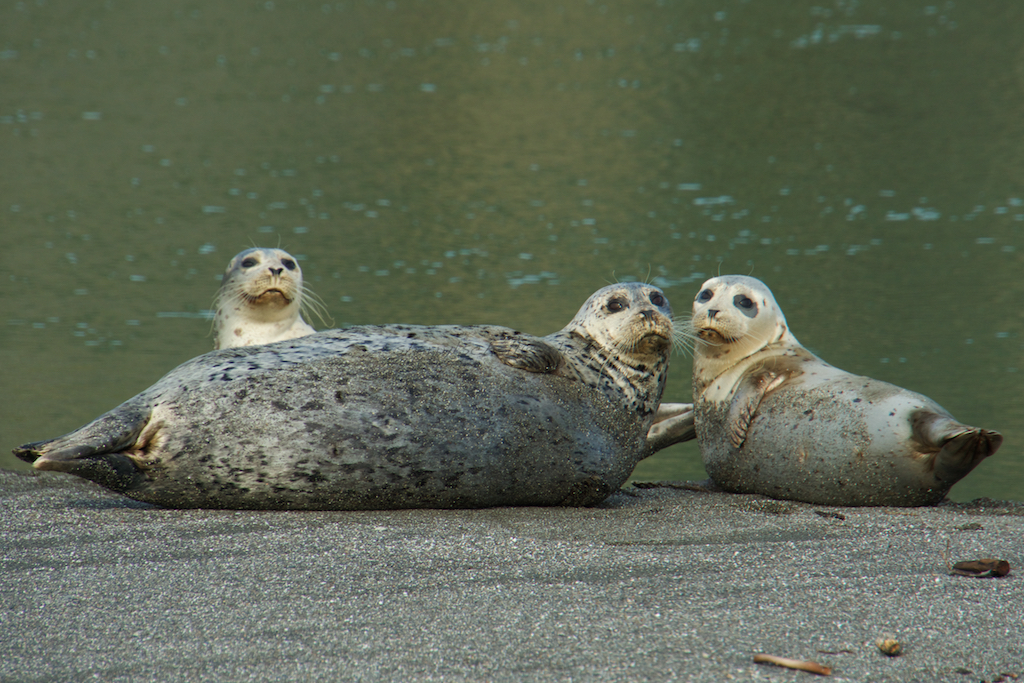
Sherry Scholl spotted this adult Harbor Seal with two smaller seals. Laura Cortright confirmed the two smaller ones are last year's pups.
It's just about time for pupping season. It's important to realize that mothers leave their newborn pups alone on secluded beaches so they can go feed. Never try to "rescue" a pup. If you see a Harbor Seal pup, or any other marine mammal in distress, the correct thing to do is call the Marine Mammal Center at 415) 289-SEAL. They will call a trained local resident to come and assess the situation.

And remember to keeps your dogs leashed when approaching any beach this time of year. We are fortunate that Harbor Seals thrive here, and we don't want to stress them in any way. Here's to many healthy pups this year!

Thanks to Sherry for allowing me to share her photo with us here.
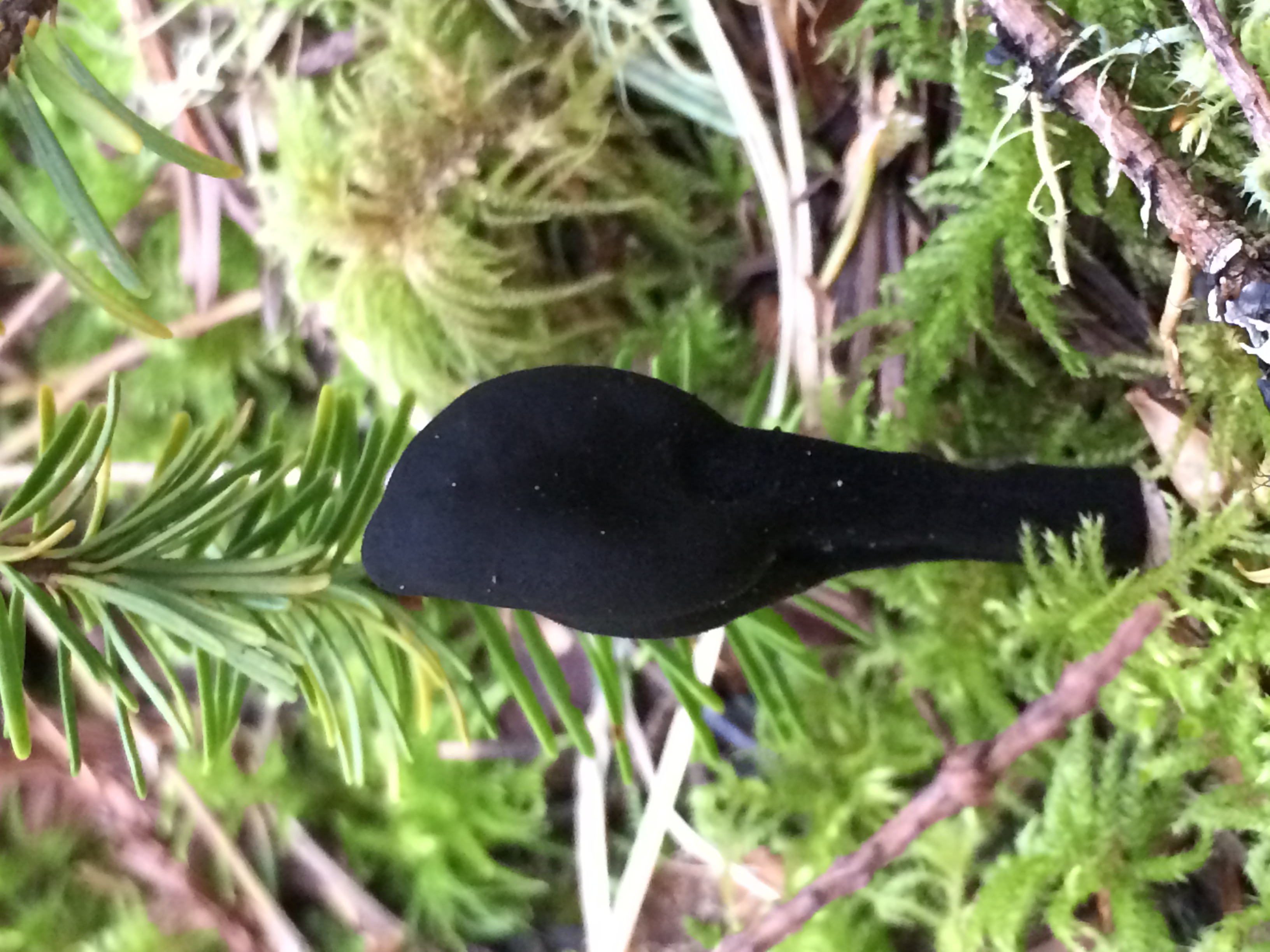
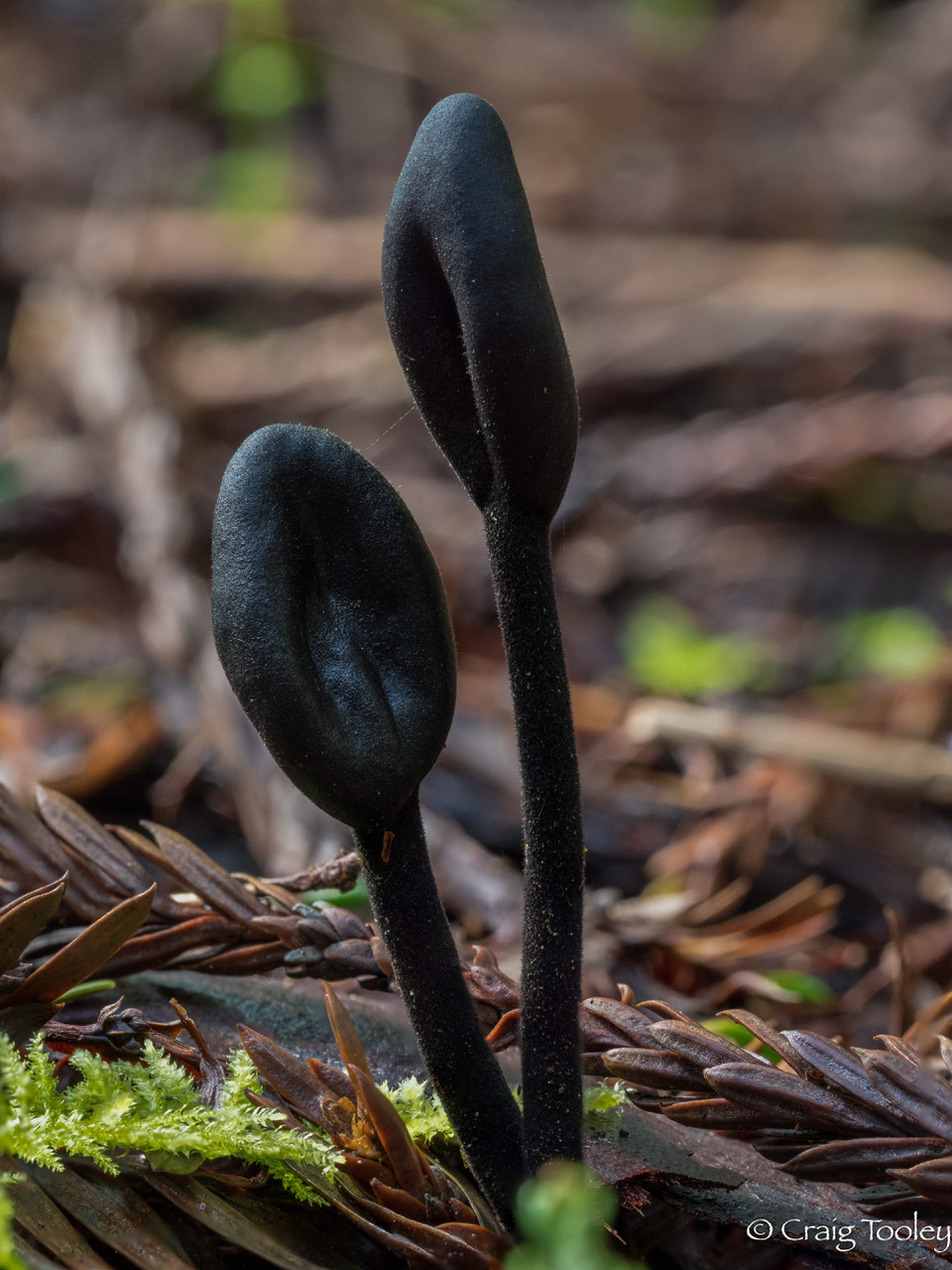
Craig Tooley and Amy Ruegg trained their cameras on a strange-looking black fungus, which turned out to be Velvety Black Earth Tongue, Trichoglossum hirsutum.

Amy Ruegg photographed several Earth Tongues.

In David Arora's book "Mushrooms Demystified," he states that they are common in our area, which doesn't explain why I've never spotted one. He does go on to say they are hard to spot, making me feel a little better. Possibly edible, but Arora says they are much too tough to eat. The velvety texture, Arora writes, comes from hundreds of minute hairs.

Thanks to Craig and Amy for allowing me to share their photos with you here. To see much more of Craig's wildlife photography, here is his website: www.ruffimage.com

Mike Nelson visited one of his favorite beaches, Cooks Beach, recently. He was surprised to find this beautiful stone sculpture balanced on a log.

With the clouds, the ocean and the setting sun, don't you wish you were at Cooks Beach too? Here's a closeup of the stacked stones.

Cooks Beach is a Public Access Project of the Redwood Coast Land Conservancy. To learn more about this special place, here is their website:  http://rclc.org/

Thanks to Mike for allowing me to share his photos with you here.

We have sunny, breezy weather today. It feels like spring!

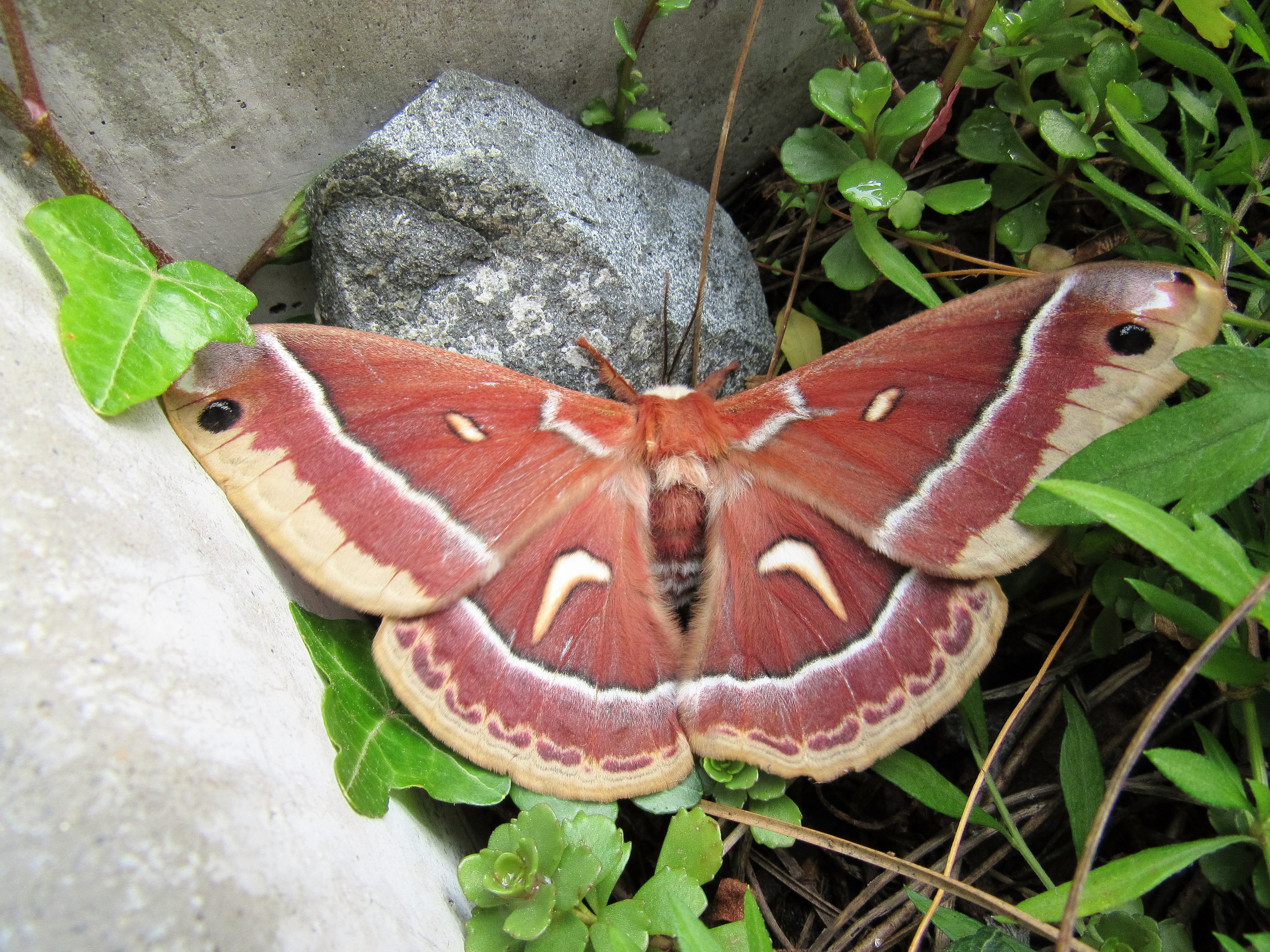
Bob Rutemoeller and Sandy Hughes both noticed this big moth resting at the Gualala Post Office. It's a Western Cecropia, or Giant Silkmoth.

Harm Wilkinson photographed a Ceanothus Moth just a block or two away.

They each have the distinctive white markings on their wings, but the colors are different and the markings on the bottom of their wings is different. Still, at first glance, I would have thought Bob's moth was a Ceanothus. We are seeing wild lilac, Ceanothus, in bloom right now, which always attracts Ceanothus Moths. They are quite large and exciting to see. The Giant Silkmoth is a rarer sighting for us.

Thanks to Bob and Harm for allowing me to share their photos with you here.

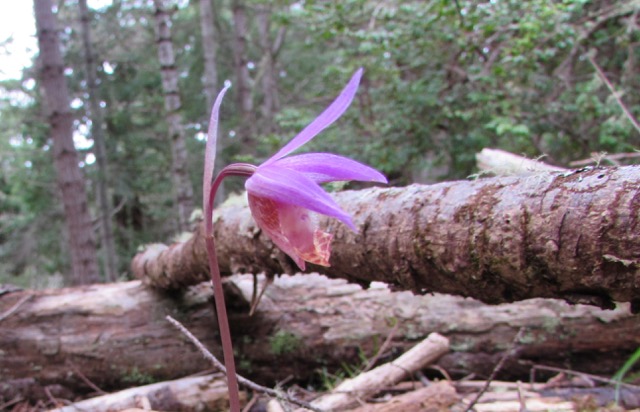
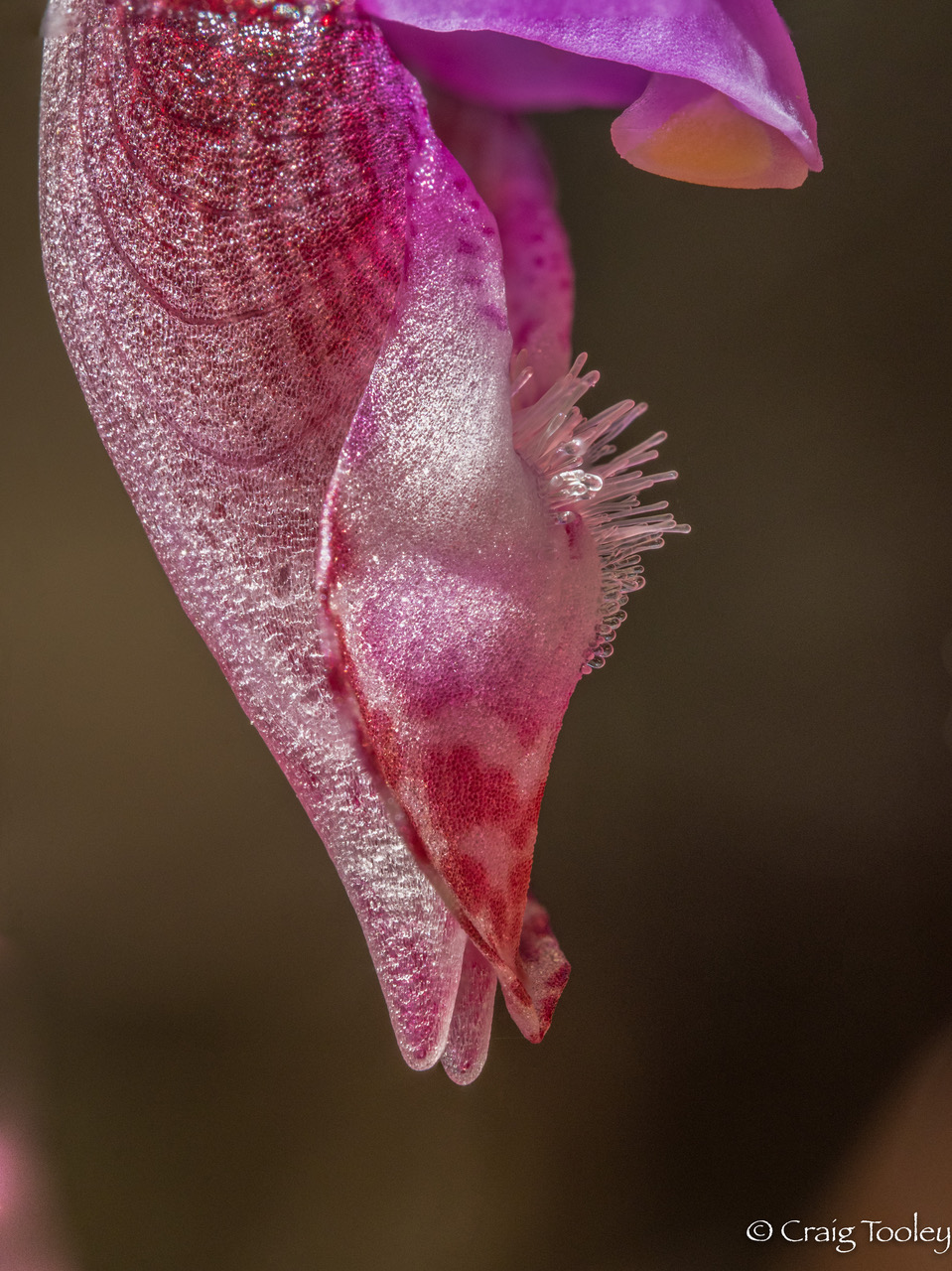
Paul Nordstrand found the first reported Calypso Orchid in bloom and Jinx McCombs photographed it.

They are so tiny, I usually spot them by their single leaf, which rests on the forest duff.

Amy Ruegg found one recently too.

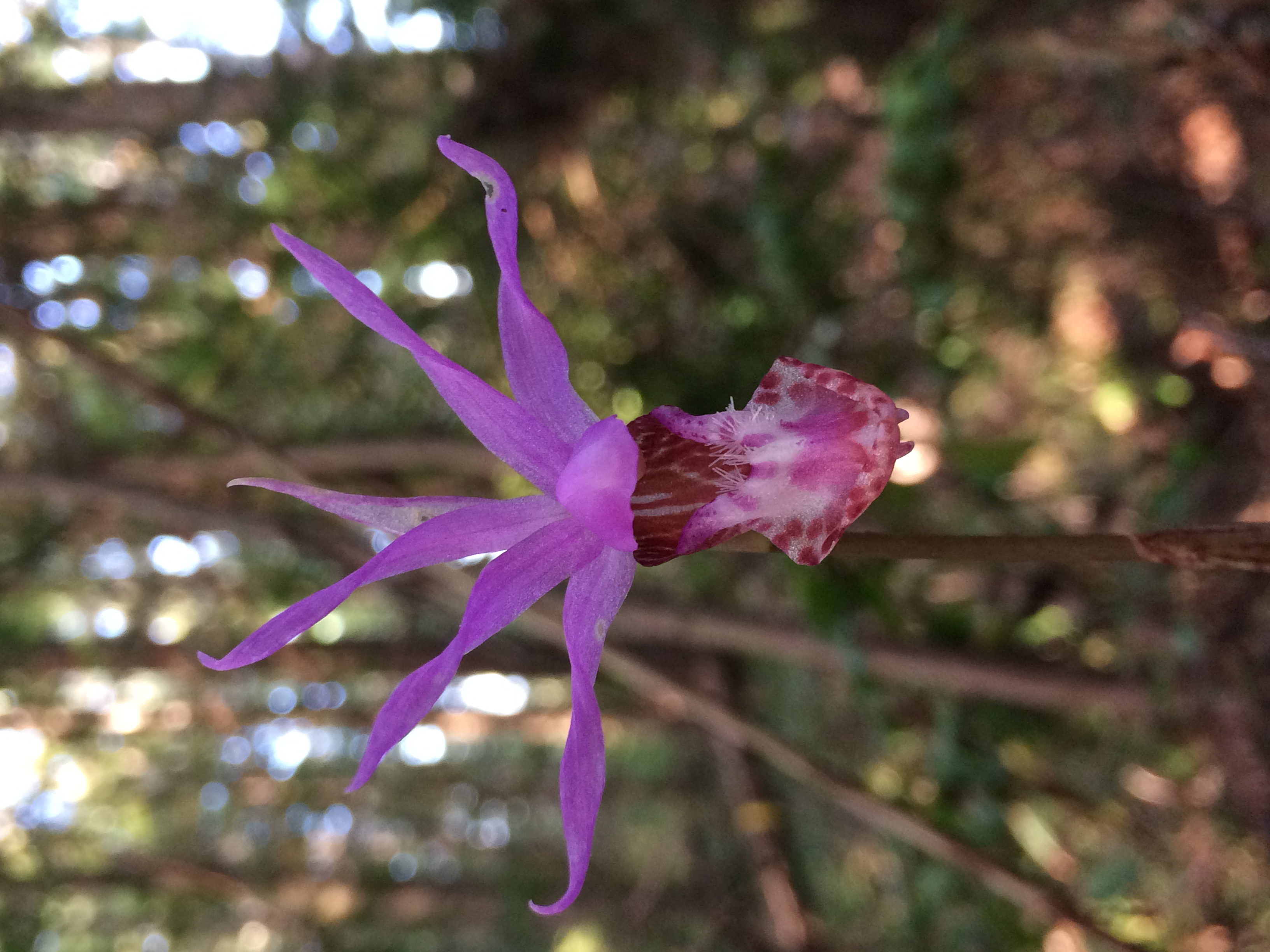
Craig Tooley took this super-close-up photo of one, showing its intricate beauty.

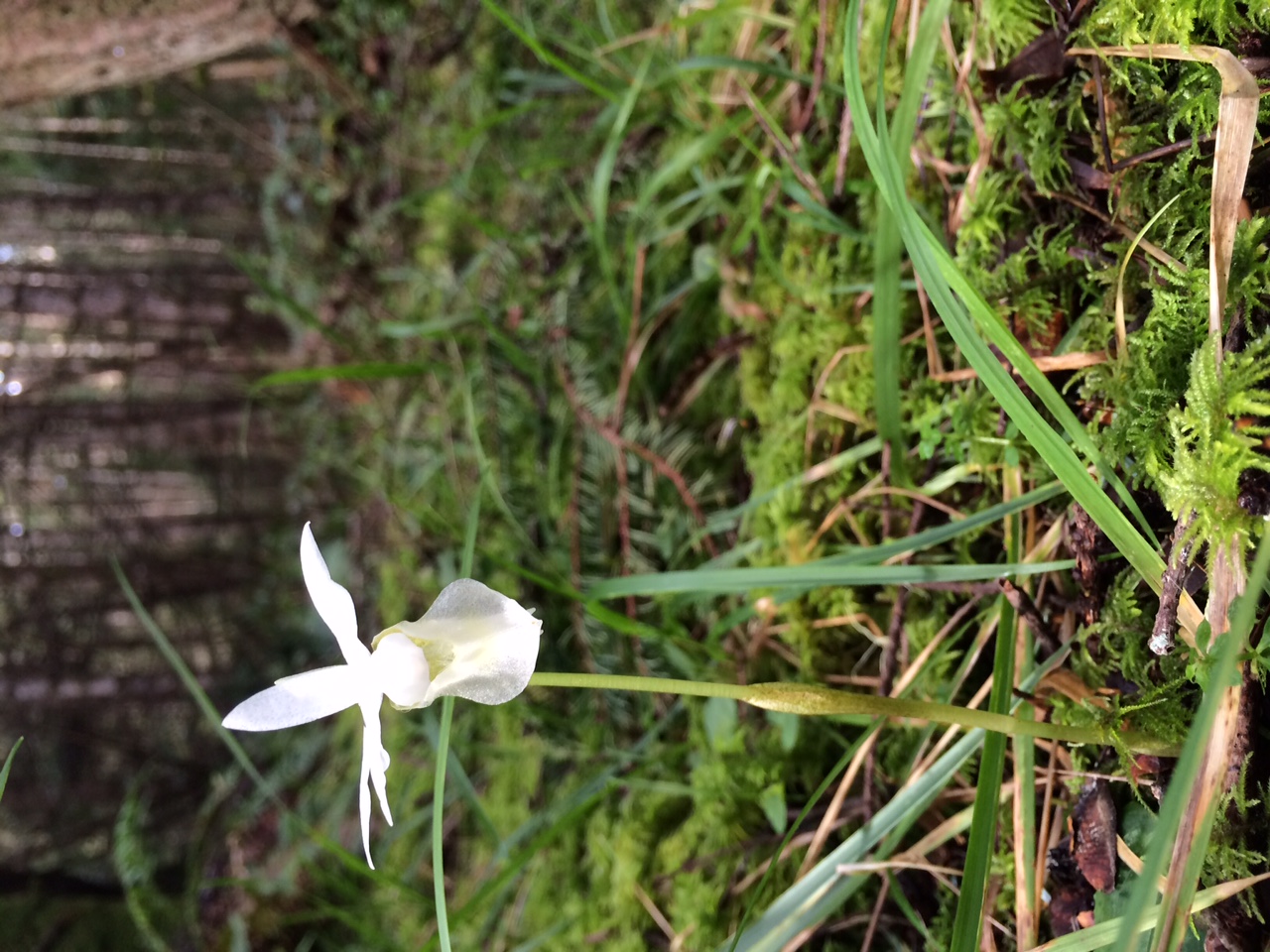
And Grace O'Malley was surprised to see a completely white Calypso Orchid blooming amidst the normal colored ones.

Thanks to Jinx, Craig, Amy and Grace for allowing me to share their photos with you here.