Author Archives: Jeanne Jackson

Peggy Berryhill noticed these unusual clouds a few weeks ago. Scott Gasparian identified them as mammatus clouds, often a predictor of wild weather.
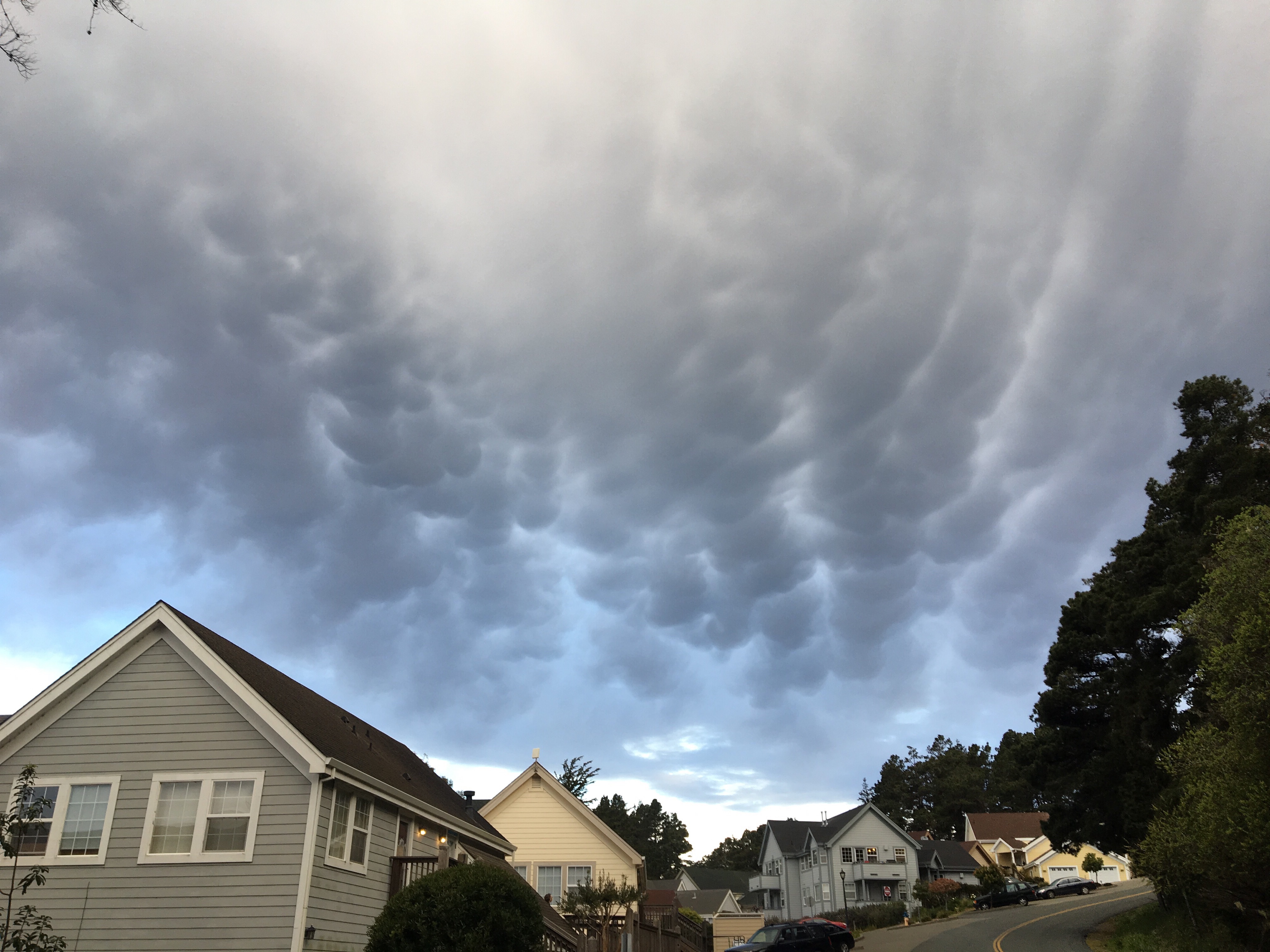
Scott wrote, "When I used to fly paragliders cross county, I found there are two sizes of clouds: those that are small and fed by an updraft, and those that get big enough to internally generate lift. We refer to the second type as 'cloud suck.'

"The normally flat bottom of the cloud starts to dome upwards as the freezing/cooling water in the clouds starts to accelerate. When the vertical column reaches up far enough to get into the really cold air zone, then we get hail, and thunder and lightning.

"If it keeps getting higher, with enough warm wet air to feed into it, tornadoes and waterspouts can spawn. If you see mammatus, and they start to rotate, duck. If moving away from you and rotating, sound the alarm. I lived in flat Missouri for a while and have seen two tornado starts, and a bunch of almosts, scary thrilling power to behold."

We Mendonomans will stick to a little hail and lightning, thank you very much.

Thanks to Peggy for allowing me to share her photo with you here, and thanks to Scott for teaching us about mammatus clouds.
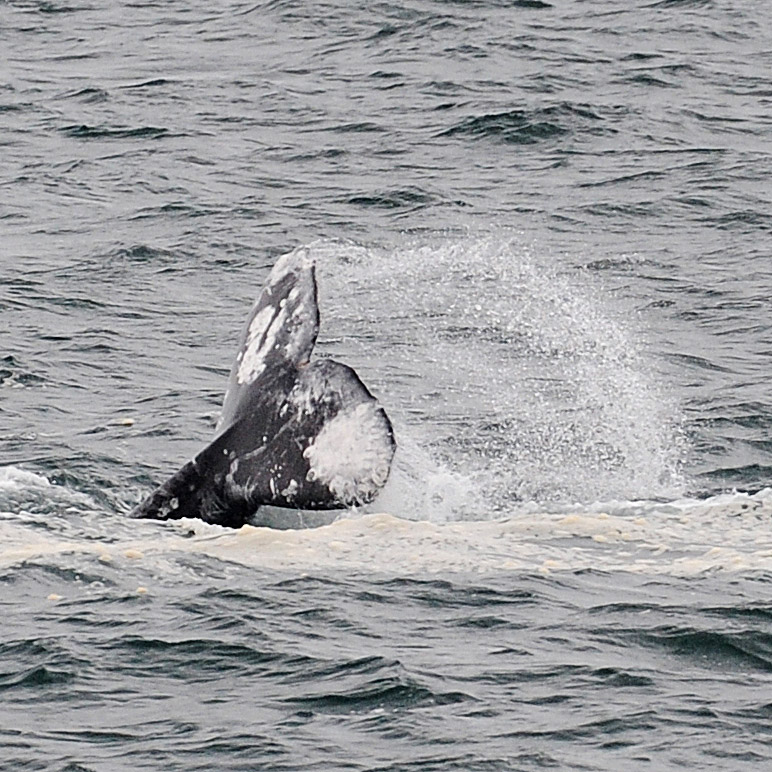
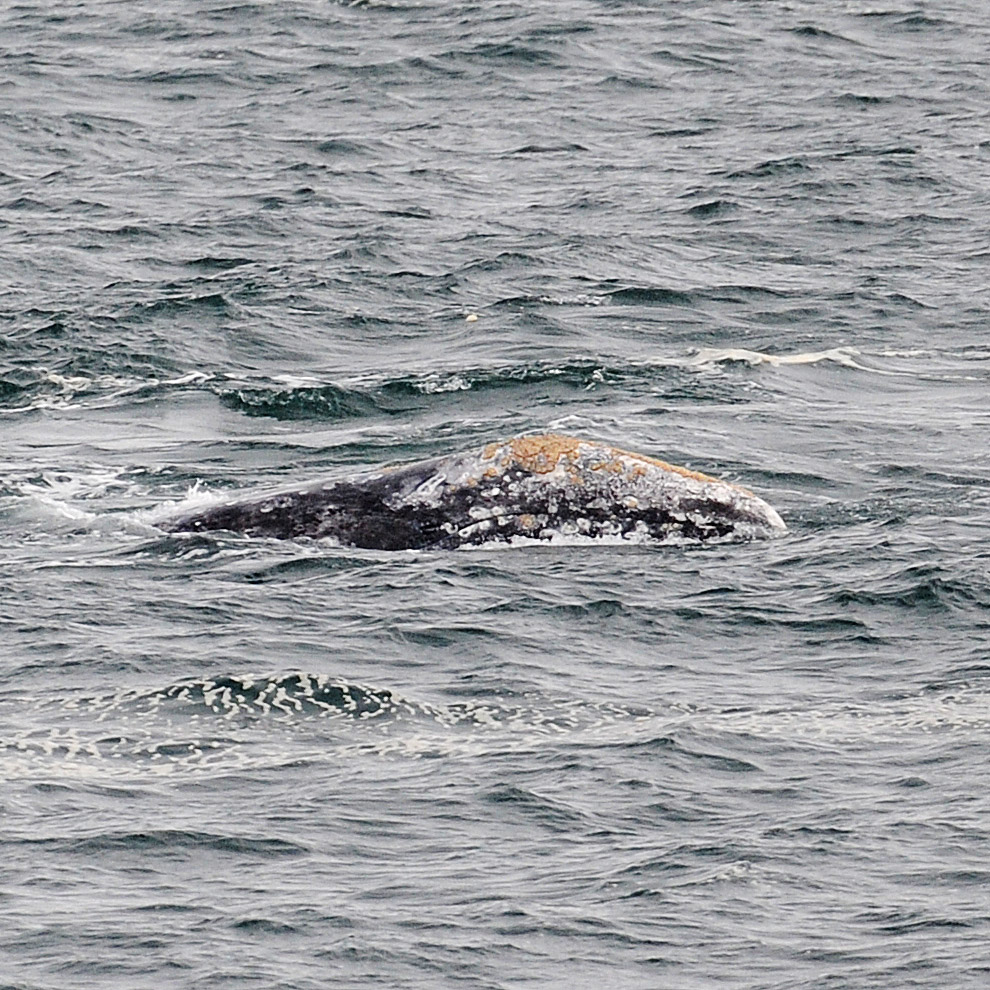
 

It's always exciting to spot a Gray Whale. They are migrating northward now. Ken Bailey photographed the distinctive tail.

And a barnacle-encrusted head.

The mother/calf pairs aren't too far behind. In the weeks to come, we should be seeing them off our coast. The calves have to get strong enough while in the lagoons off of Baja before they begin their 5,000 mile journey with their mother.

Thanks to Ken for allowing me to share his photos with you here. To see much more of Ken's nature photography, especially his beautiful underwater photography, here is his website: http://www.seadreams.org/

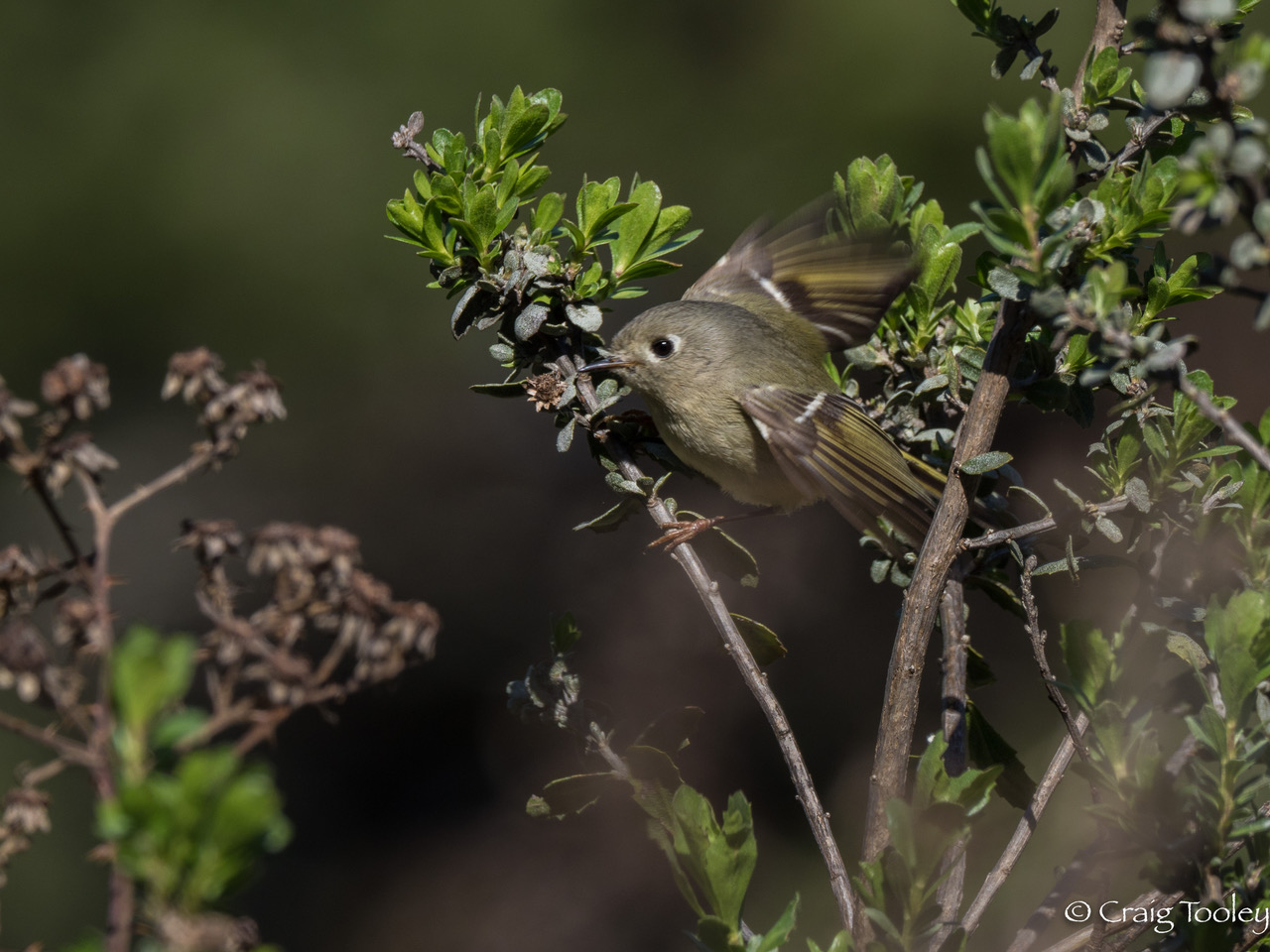
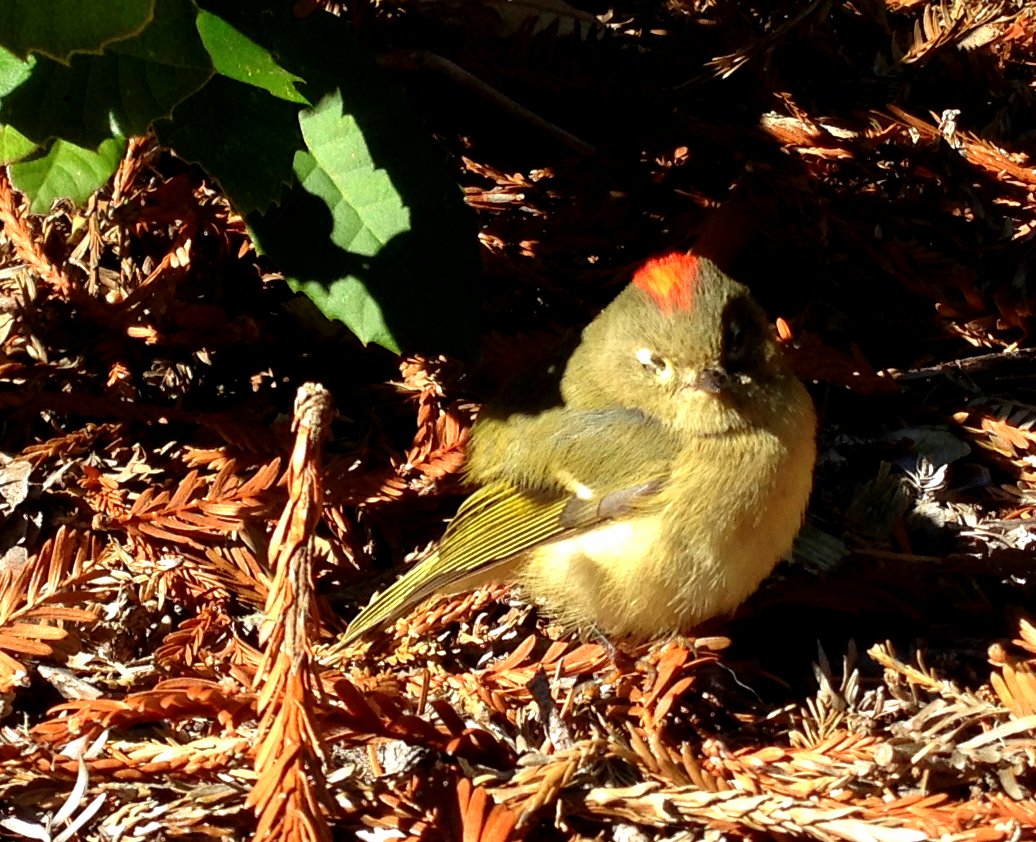
It's rare to see the red on top of a Kinglet's head. The "ruby-crown" doesn't show in Craig Tooley's photo. This tiny bird constantly flicks its wings, making it even more difficult to photograph.

Susan Ruschmeyer was the lucky photographer who came across a Kinglet showing off his beautiful red top. This songbird has a beautiful song. You can hear it at this link: https://www.allaboutbirds.org/guide/Ruby-crowned_Kinglet/sounds

Thanks to Craig and Susan for allowing me to share their photos with you here. To see much more of Craig's nature photography, here is the link to his website: www.ruffimage.com

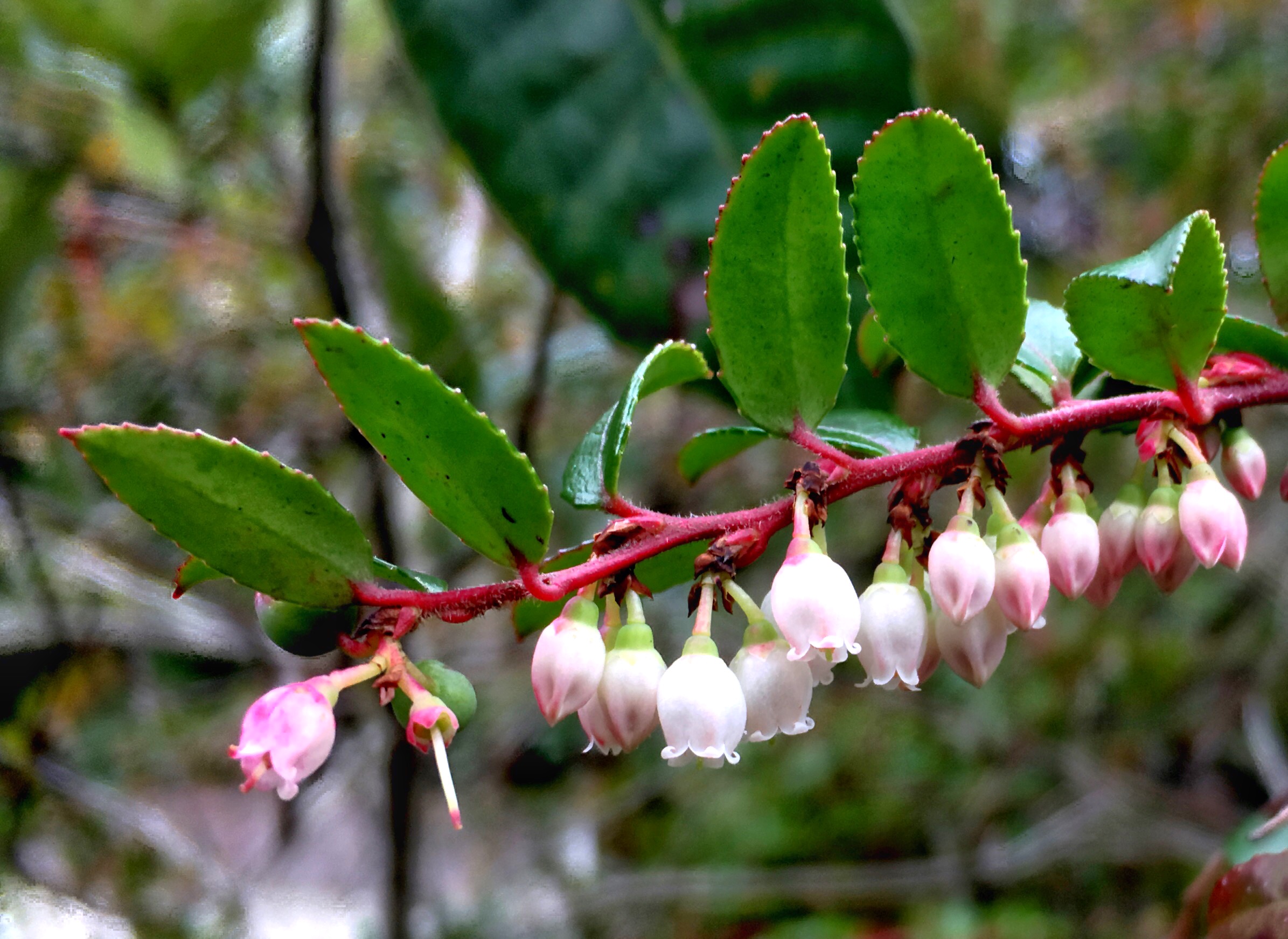
Huckleberries, wild blueberries, are prized by pretty much everyone. Birds love the berries, as do four-legged animals like Deer. Two-legged animals - humans - love them too. This spring the bushes are absolutely load with beautiful white blossoms - they obviously loved all the rain we received this winter. Hall Kelley recently photographed one branch, saying the blossoms looked like a string of pearls.

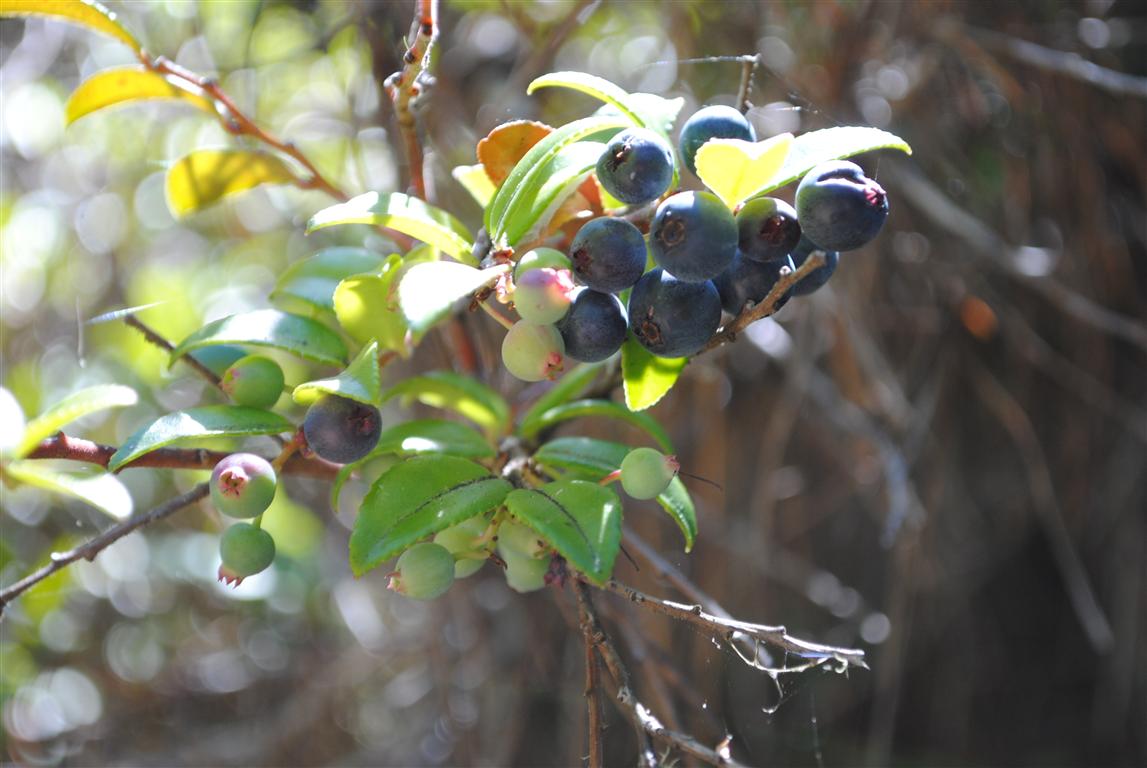
If you note which bushes are laden, it's easier to find the ripe berries beginning in August. The berries are either dark blue or black. Here is a photo of mine showing the first huckleberries ripening. The green ones will continue to ripen through September, October and even November.

I call huckleberries "Mother Nature's antioxidant pill." They are rather tart, but delicious. I put them in sourdough pancakes - delish!

Thanks to Hall for allowing me to share his photo with you here.

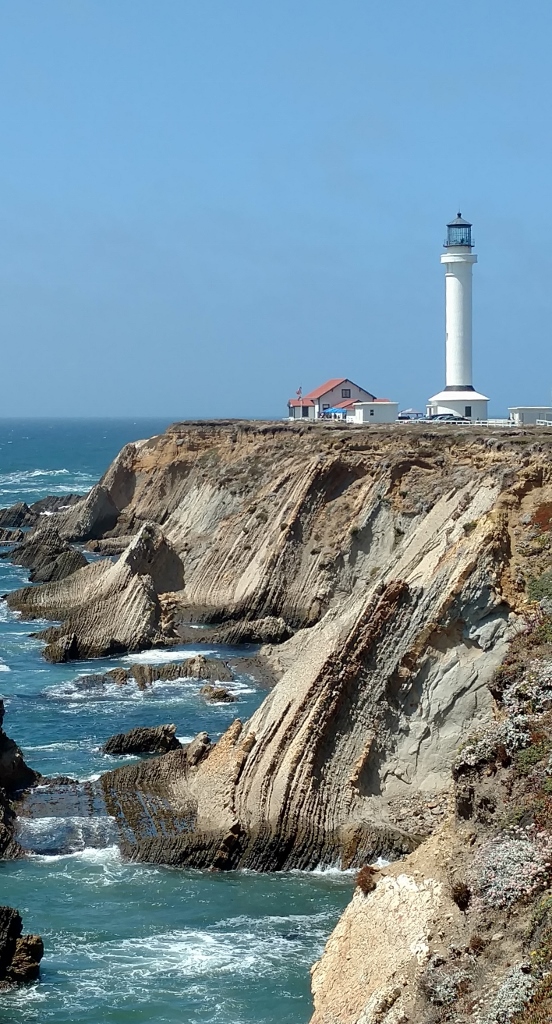
It is another glorious day on the Mendonoma coast. It's the perfect time to explore the Point Arena-Stornetta Lands. Bonney Ely was there recently and captured this beautiful sight from the Lands of the Point Arena Lighthouse.

Wildflowers are beautiful now too. It's hard to go wrong when it's springtime on the coast!

Thanks to Bonnie for allowing me to share her photo with you here.