Author Archives: Jeanne Jackson

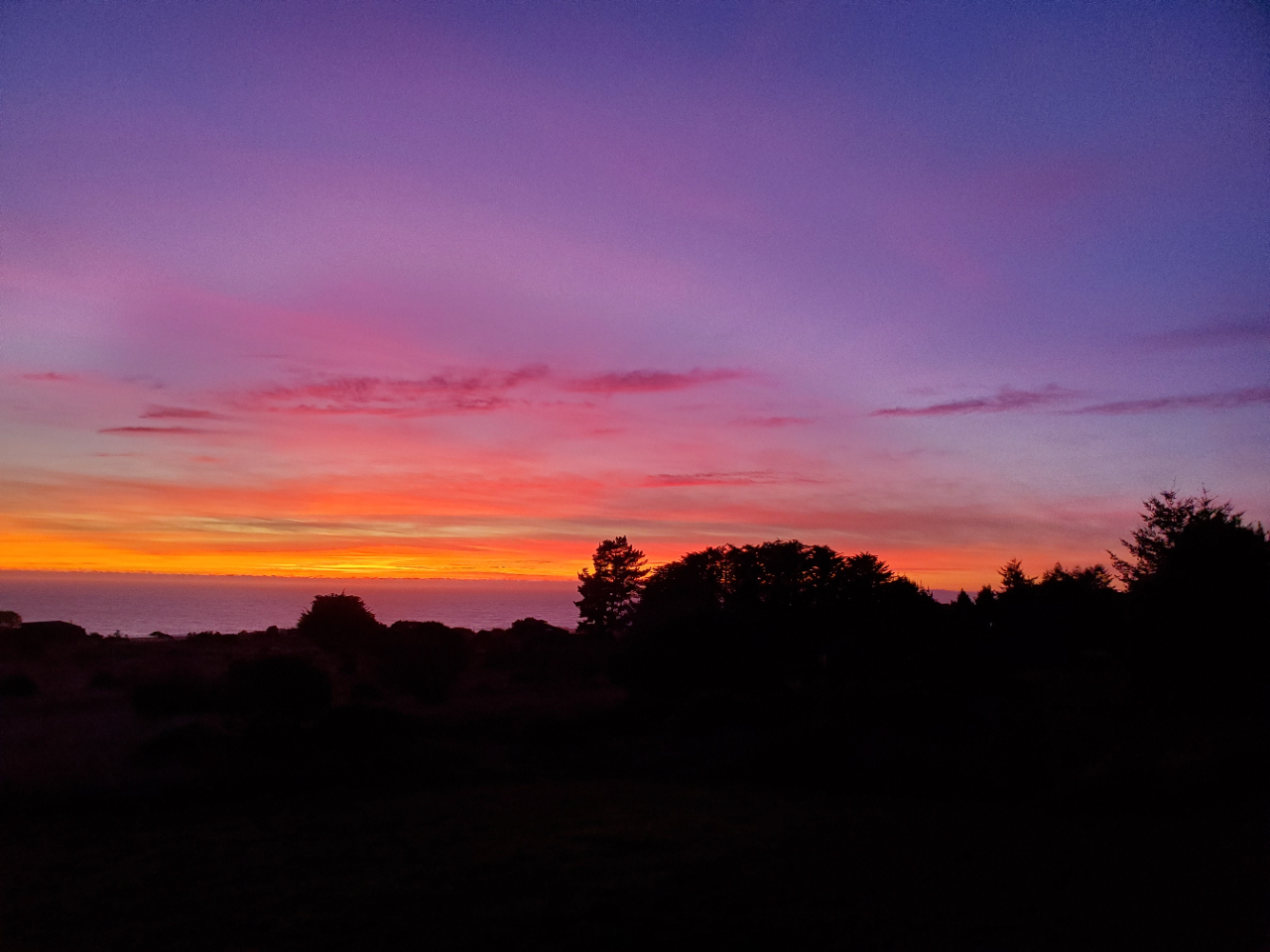
Tricia Schuster photographed the unusual sunset. Can you see the white arc? Almost like a white rainbow. Tricia described it as an aura.

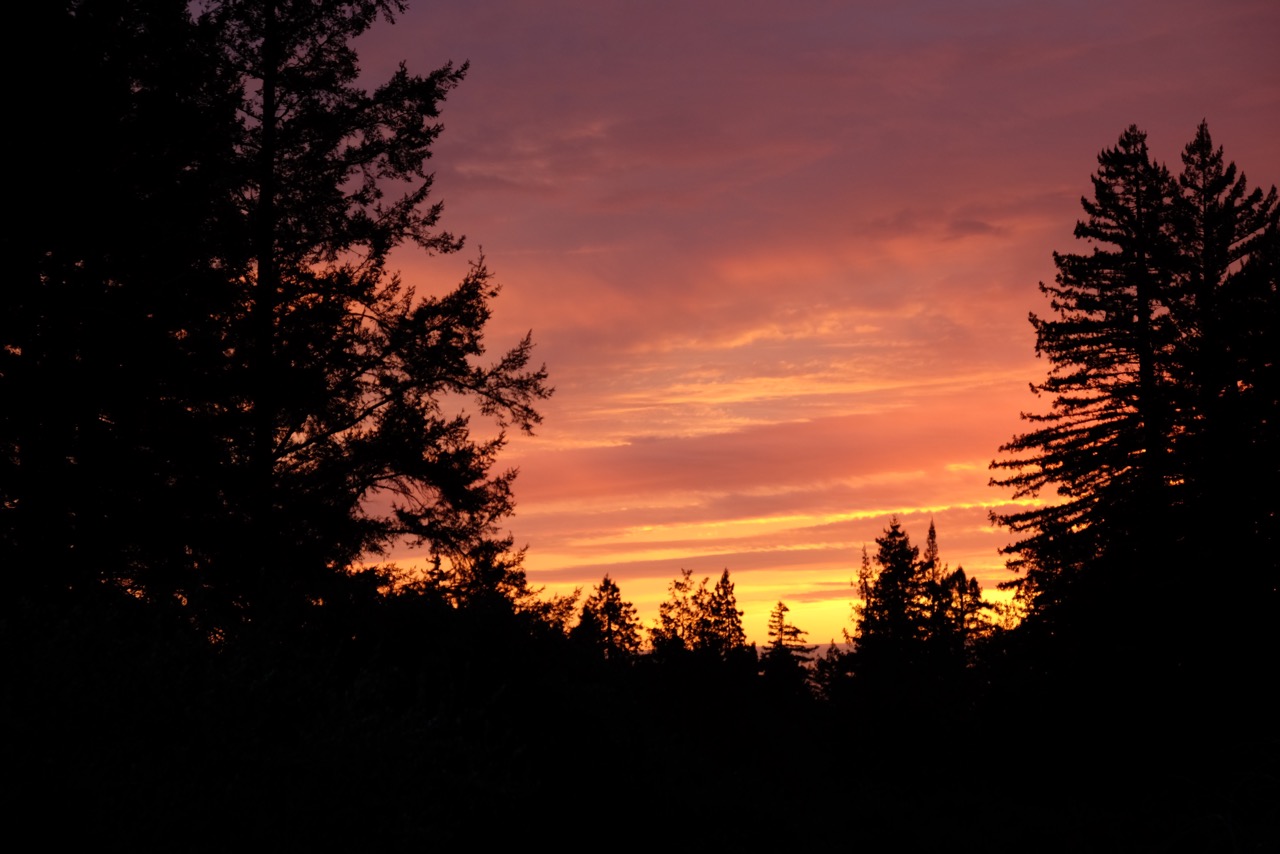
Maurice Franco photographed this beautiful sight through the trees.

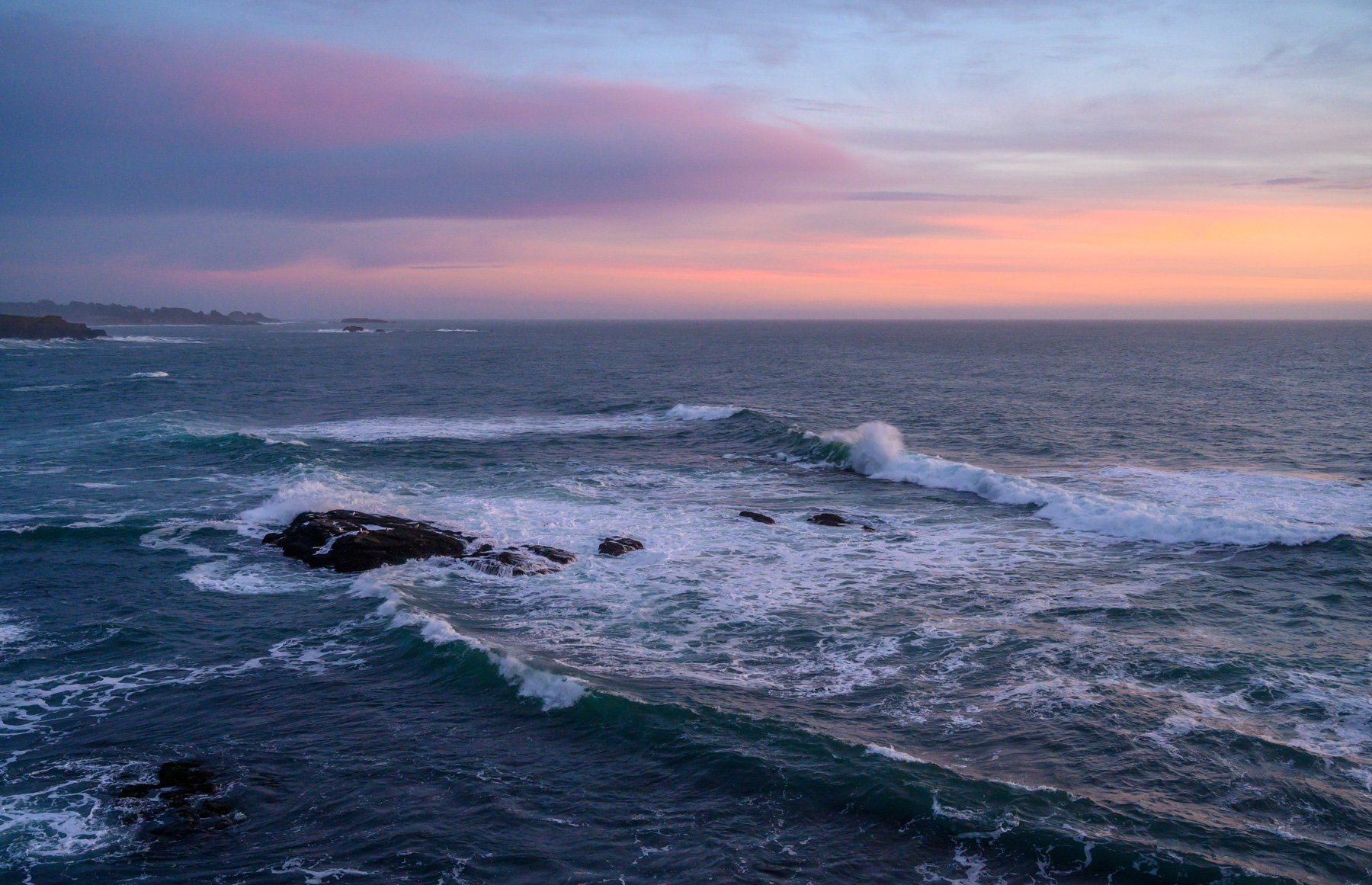
And Paul Brewer was the edge of the Pacific Ocean to get this lovely photo.

Thanks to Tricia, Maurice and Paul for allowing me to share their photos with you here. To see much more of Paul's nature photography, here is his website: http://www.capturingnatureswonders.com/

Sunny and cold here today. It was a very cold 36 degrees at our place in Anchor Bay at sunrise. brrrr!

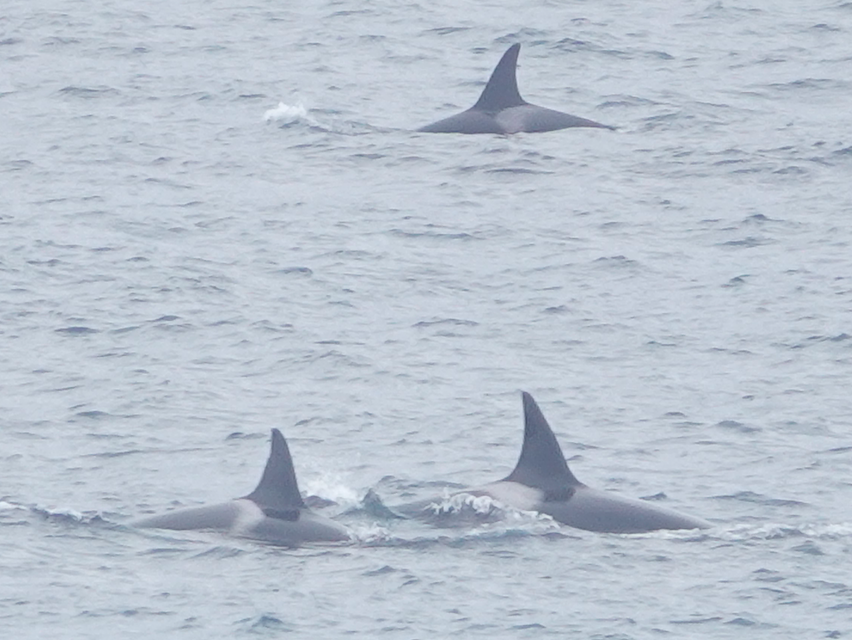
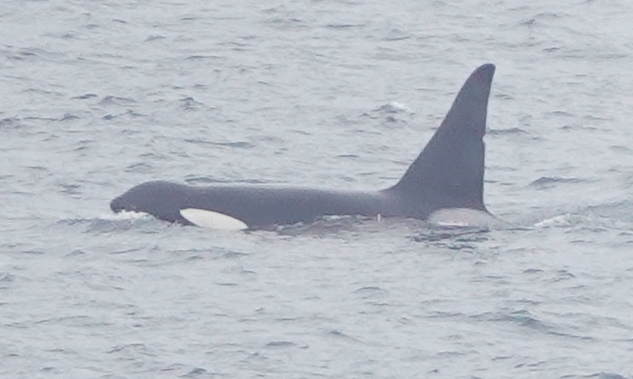
A week ago Thursday, eagle eyes at the Point Arena Lighthouse spotted a pod of Orcas. Sara Bogard and Scott & Tree Mercer were notified. Luckily they were out on the bluffs already, and Sara had her long lens camera. Sara wrote, “Scott, Tree, and I were blessed with this amazing sighting of eight Orcas a half-mile out on January 23, 2:30 to 4 pm. There were two males, and a mother and calf with the pod. This was the most amazing sighting after finishing up my Harbor Seal survey of 111 total count. Also, a North American River Otter was foraging. I’m so grateful for this sighting.”

The Mercers were excited too. Scott wrote, “The excitement this week arrived on Thursday afternoon with the surprise arrival of eight Killer Whales arriving from the northwest. OrcaNetwork in Washington, Orca experts Alisa Janiger and Nancy Black, and Jodi Smith of Naked Whale Research were notified immediately and were sent photos. Janiger and Black quickly identified the Orcas as meat-eating transient Orcas. We see Orcas on average, once a year, and rarely close, so this relatively close sighting was very exciting. Sara Bogard’s excellent photos made identification possible.”

This second photo is of one of the males. Note the very tall dorsal fin. The Orca experts were able to identify several of the females, CA26 and CA180. Nancy Black wrote, “CA26 is one of our oldest females. She lost her son many years ago so she now often travels with the other older females. [They are called] ‘the golden girls.’”

You can read about these golden girls at this link: https://ftw.usatoday.com/2019/09/orcas-golden-girls-grab-spotlight-monterey

Thanks to Sara for allowing me to share her photos with you here.

A spring-like day, full of sun and warmth, today.
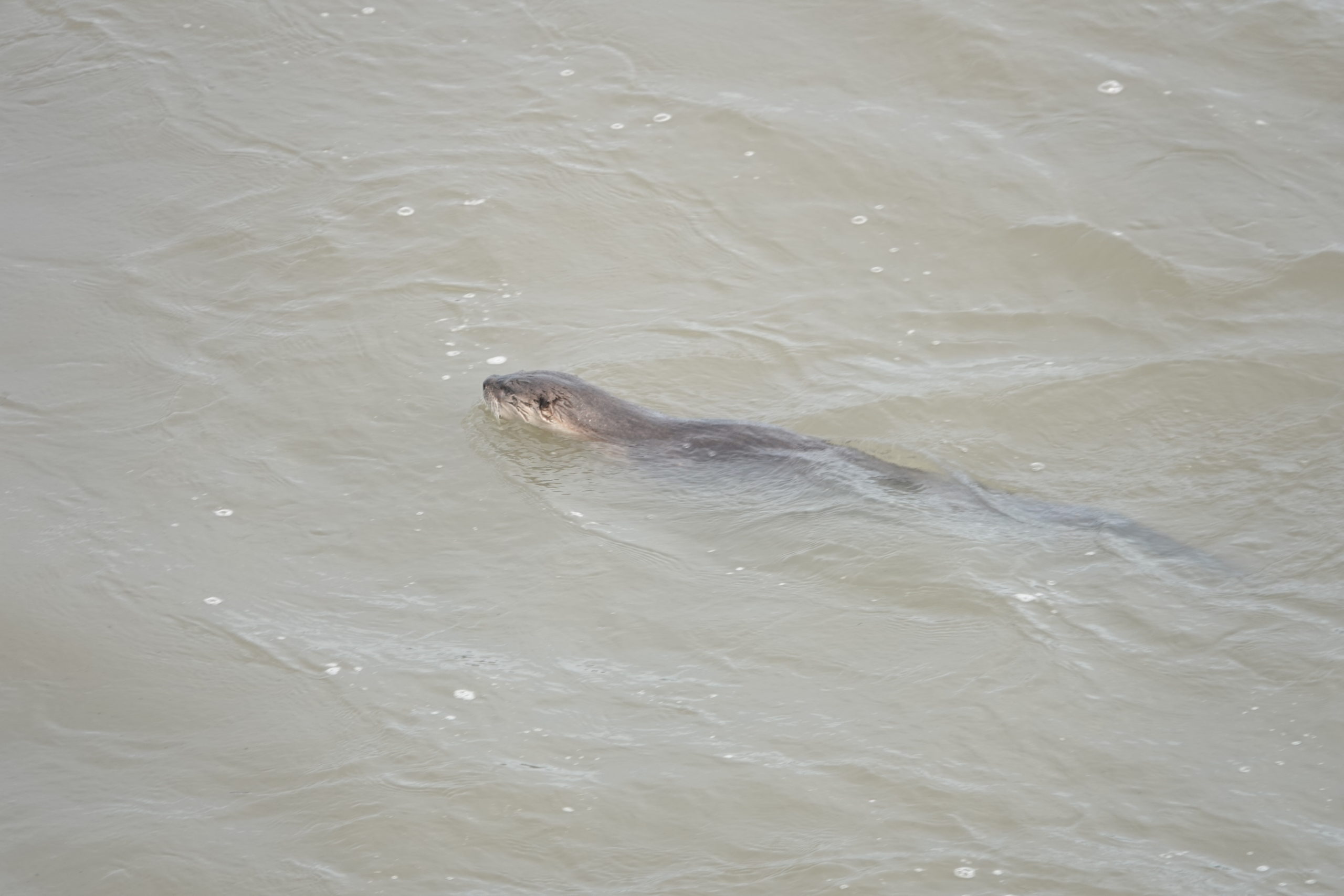
Sara Bogard spotted this River Otter in the Pacific Ocean off the Point Arena-Stornetta Lands.

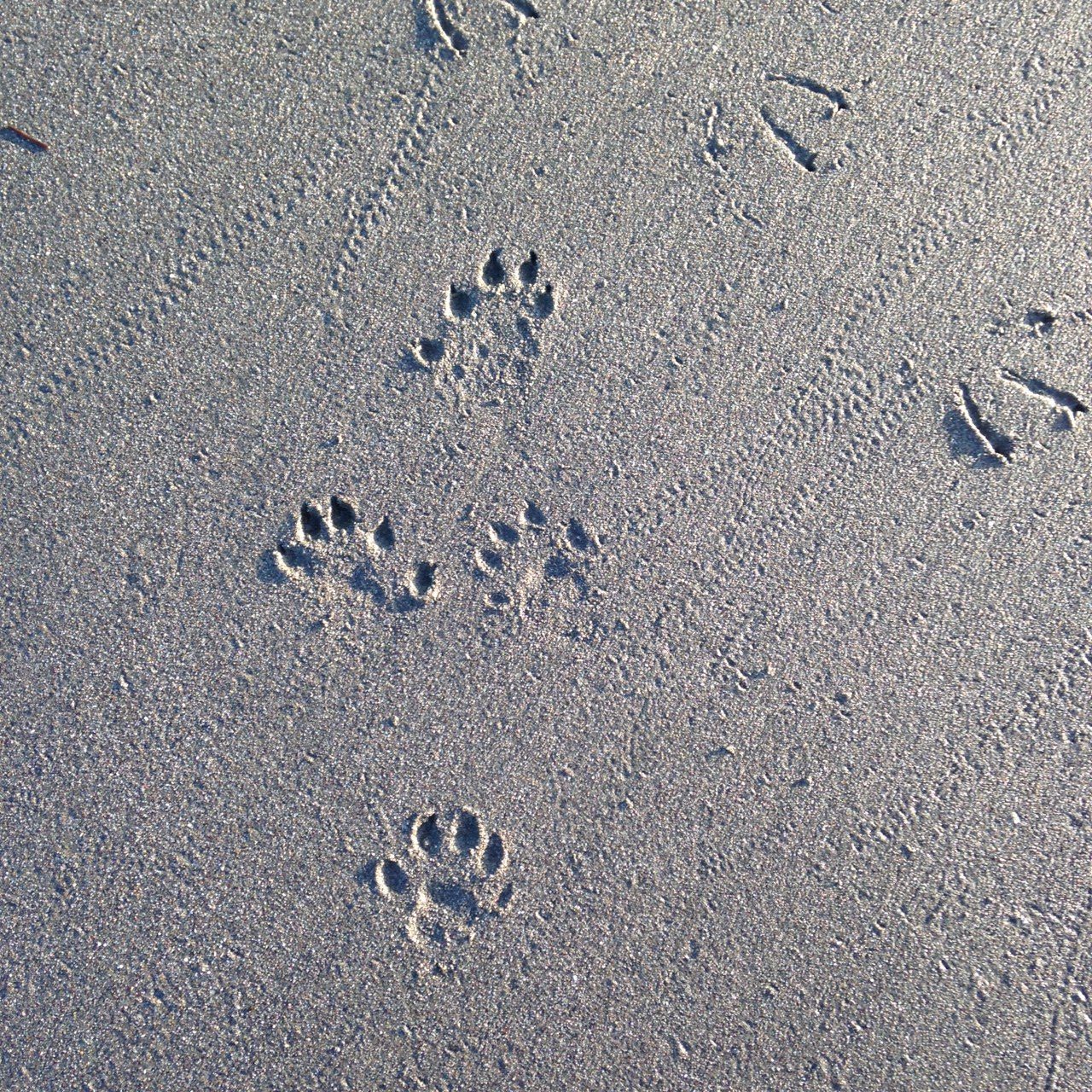
Yes, North American River Otters swim in the ocean, in rivers and creeks, and can walk on land. Here's a photo of of River Otter tracks taken by Catherine Miller - five toes!

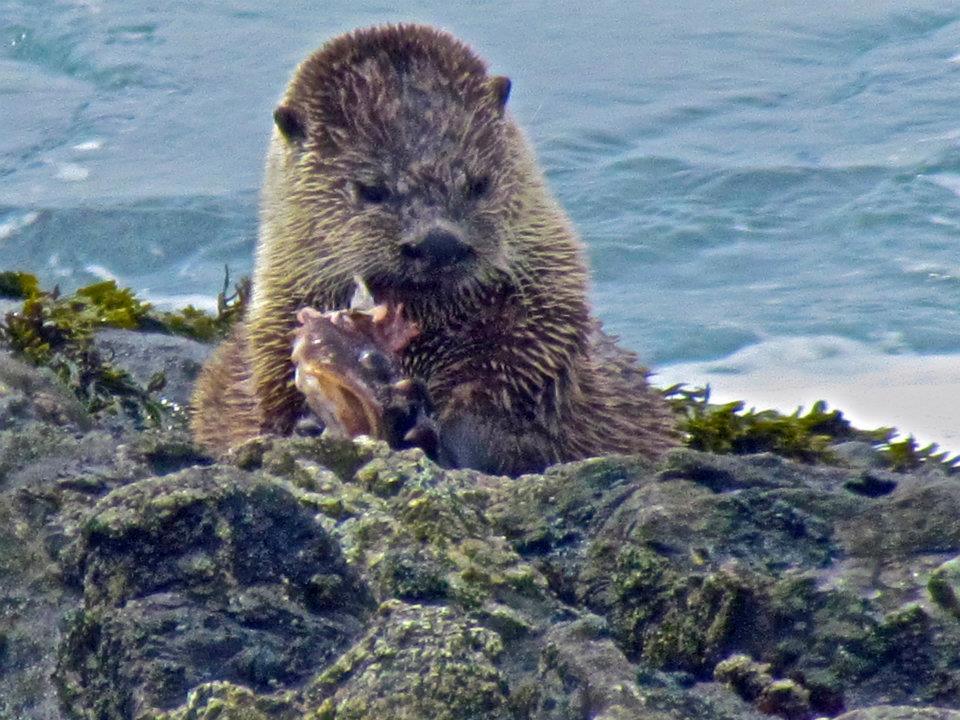
And a favorite photo taken by Rich Kuehn of a River Otter eating octopus.

Thanks to Sara, Catherine and Rich for allowing me to share their photos with you here.

• 2 Comments

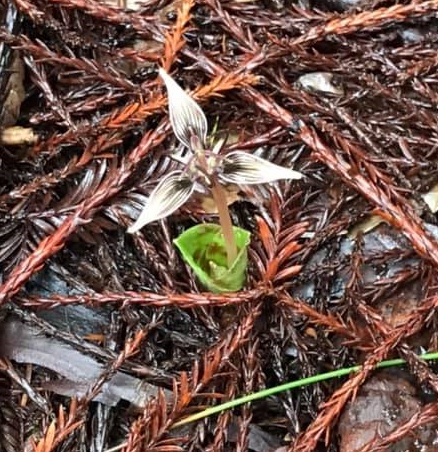
Every winter, beginning around Christmas, Rick and I look for Slink Pod, Scoliopus bigelovii, also called Fetid Adder's Tongue. This year we found our first one mid-January.

They can be very hard to spot, as they are quite tiny. They are members of the Lily family and the two leaves you can see just peeking up through the forest duff, will grow in the weeks ahead to be quite large. These leaves are oblong and mottled and if you see them later in the year, then next winter look for the tiny orchid-like bloom in the same spot.

Amy Ruegg found the first blooming Douglas Iris, Iris douglasiana.

Now that does seem early! I am looking for Milkmaids, Cardamine californica. The first leaf has appeared in spots but no sign of the flower stalk yet.

Thanks to Amy for allowing me to share her photo with you here.

Another dose of rain overnight, along with a few showers today. Coastal streams are full, creating beautiful waterfalls when they spill over bluffs. The weather forecast calls for sunny, warm days. Pretending to be spring?

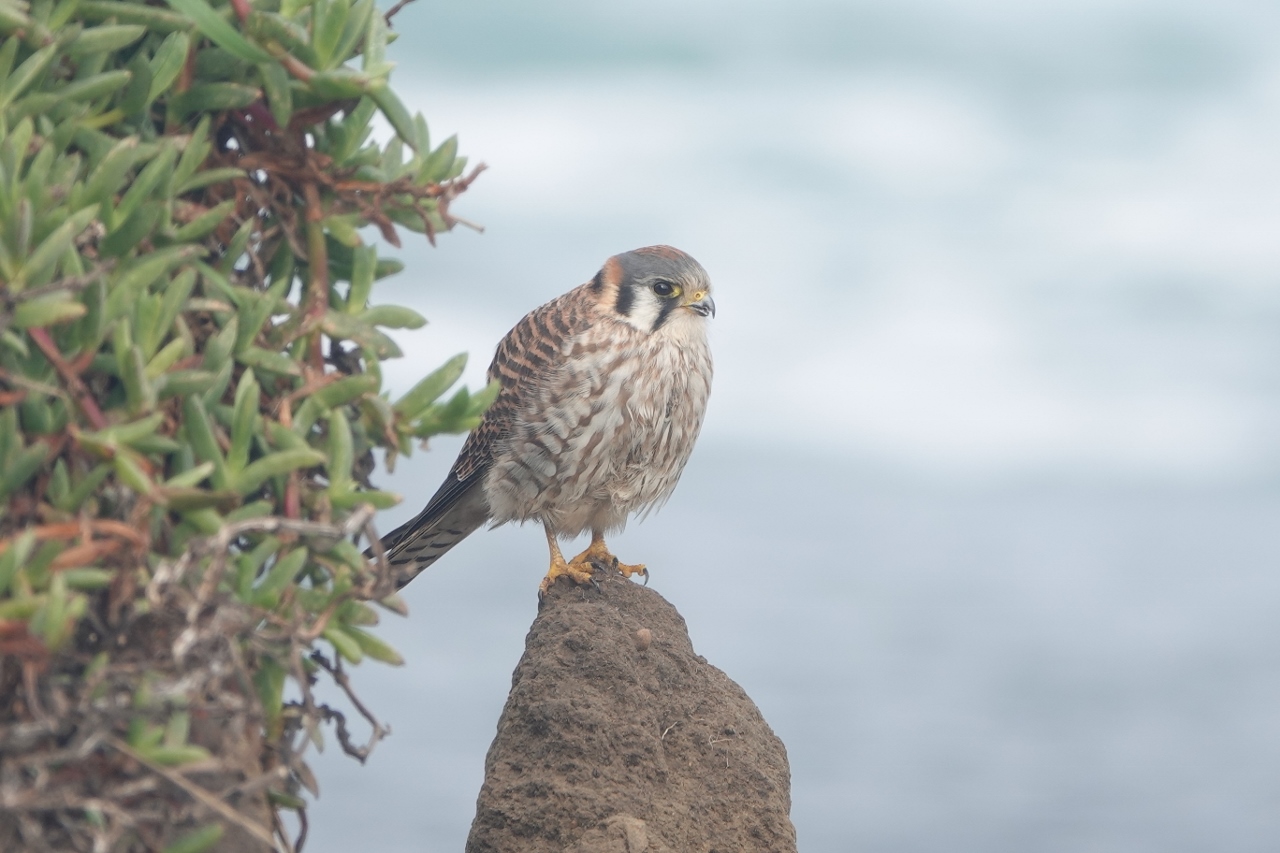
Sara Bogard was at the bluffs of the Point Arena Lighthouse and the Point Arena-Stornetta Lands counting Harbor Seals, as she usually does once a week. Citizen science at it's best! She saw this American Kestrel.

These Kestrels are the smallest falcons in North America. They are fierce hunters, though, of insects and small prey. The Cornell Lab of Ornithology says their numbers are declining and you can help them by putting up a nesting box. You can learn about how to do so at this link: https://nestwatch.org/learn/all-about-birdhouses/?__hstc=75100365.3ba4c962035e2b46bef5a13526048f2b.1532470093277.1578698034623.1579993283940.72&__hssc=75100365.2.1579993283940&__hsfp=942012614#_ga=2.46727719.1805588219.1579993283-500012005.1532470093

American Kestrels have a distinctive call that can help you identify them. You can listen at this link: https://www.allaboutbirds.org/guide/American_Kestrel/sounds

Thanks to Sara for allowing me to share her photo with you here.

Bonus sighting - a pod of Orcas, Killer Whales, was seen off our coast yesterday!

As I type this at 3 o'clock Saturday afternoon, it has begun to pour!