Tag Archives: Timber Cove

Grace O'Malley spotted this Hummingbird Moth, Hyles lineata, in her garden near Timber Cove. In Grace's first photo you can see the very long tongue of this moth.
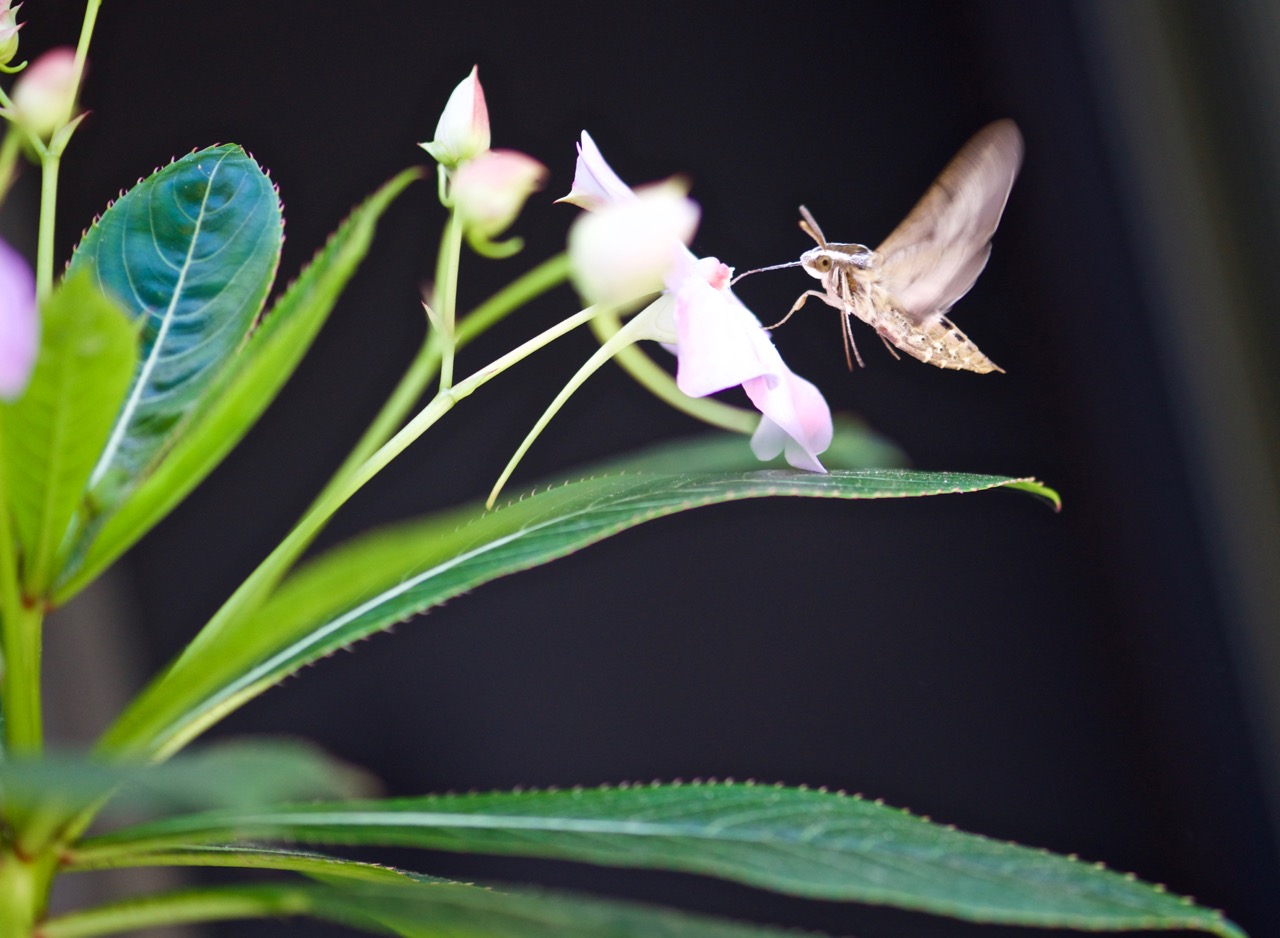
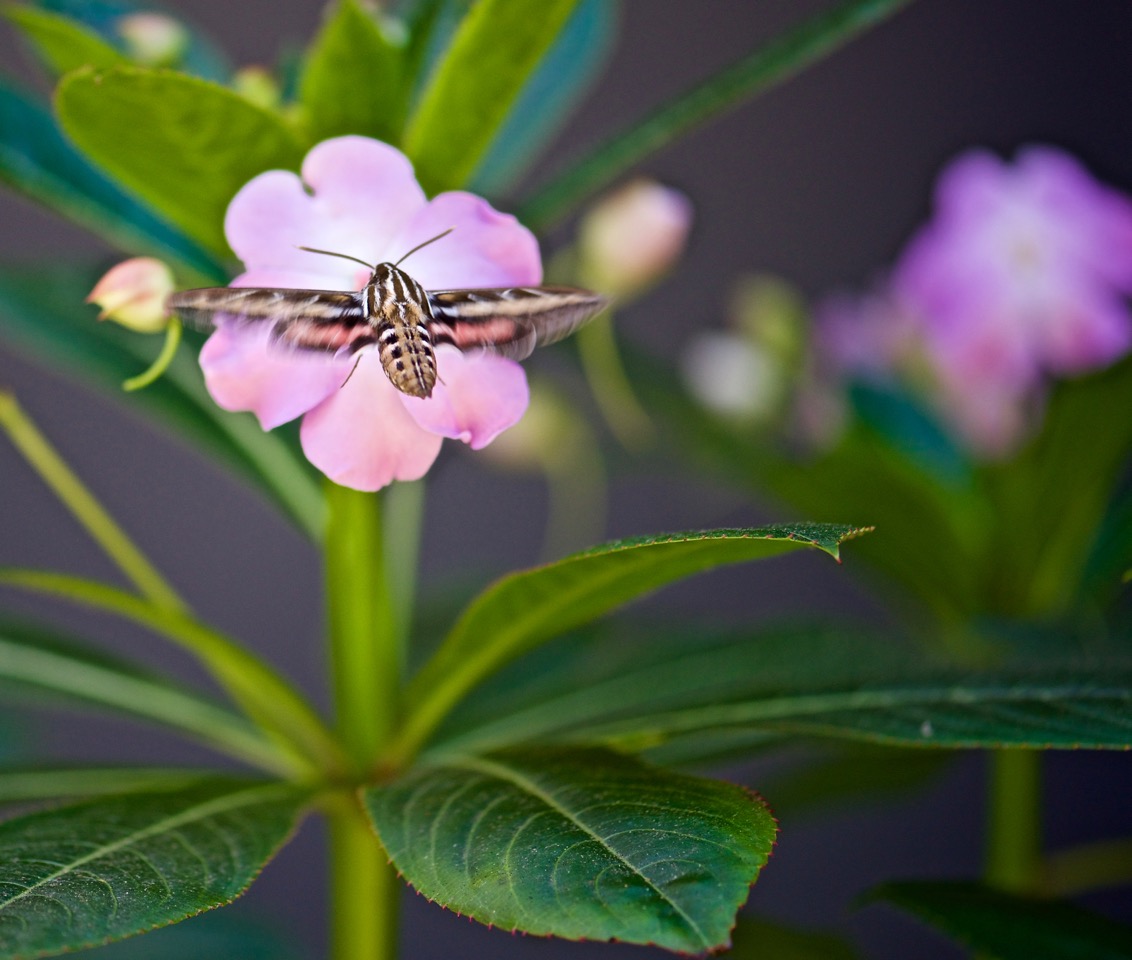
Grace wrote,“A Hummingbird Moth appeared in my garden, hovering around and sipping nectar from the Giant Impatiens.  The U.S. Forest Service advises ‘like most moths, they have a very long tongue which they carry rolled under their chins’ and unfurl to reach the nectar of the long-necked flowers they prefer."

These spectacular moths are most often seen around dusk. Thanks to Grace for allowing me to share her photos with you here.

The Mendonoma coast is free of smoke from the terrible fires. Many evacuees have come here and their stories are heartbreaking. Rain is in our forecast for next Wednesday. We hope it will come sooner than that and put out all the fires.
1 Comment

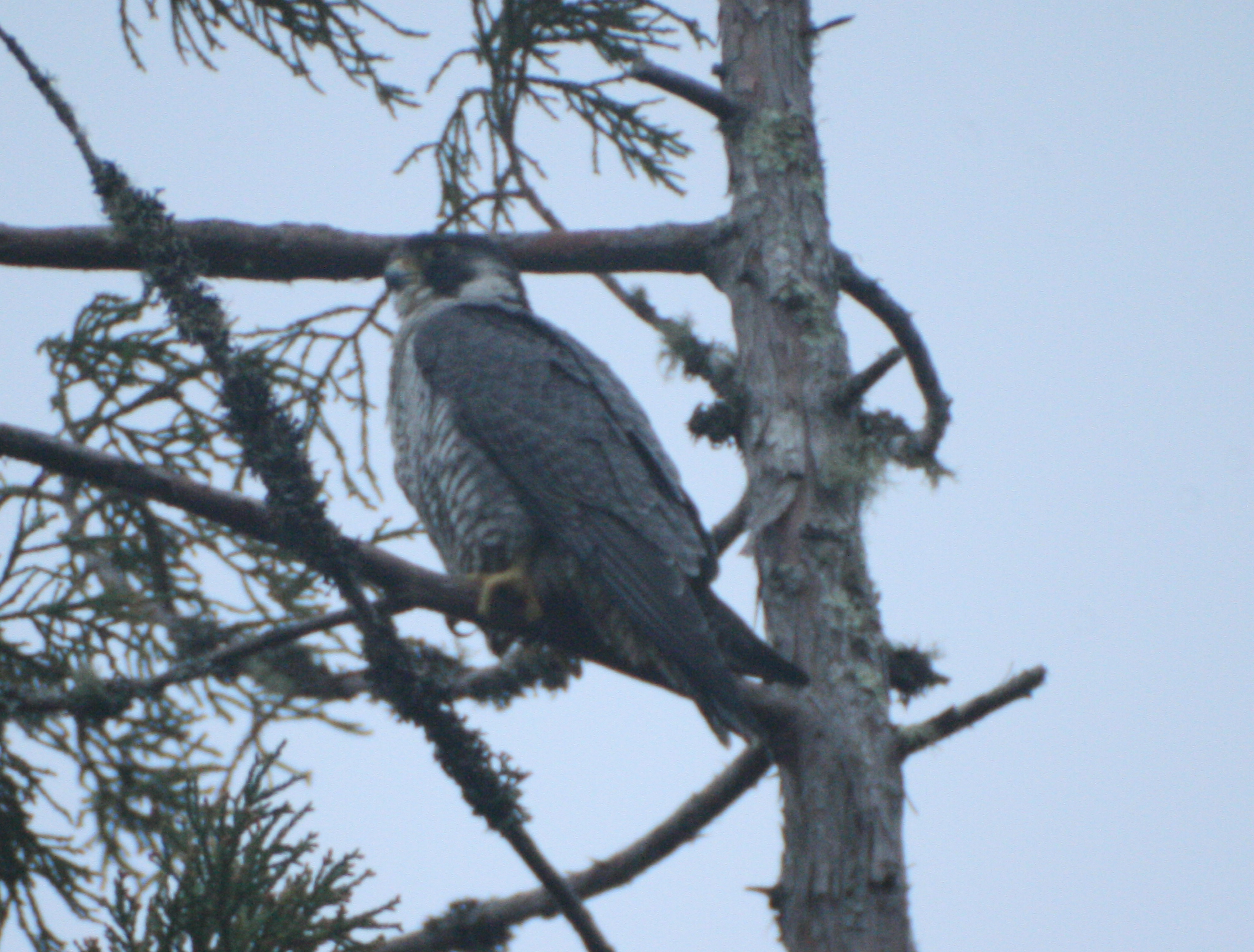
Zak Rudy recently photographed a Peregrine Falcon near his home in Timber Cove. Here's his story:

Zak Rudy wrote, “It’s been months to get a good photo. This one was almost by chance rather than intention, as most of the best shots do come. This is a male Peregrine Falcon waiting for his female. They’ve been having their courtship in my back woods off Timber Cove Road. Unconcerned with the flock of chickens literally below him, blinded perhaps by desire!”

Peregrine Falcon by Zak RudyTo hear the call of a Peregrine, here is a link to the Cornell Lab of Ornithology: http://www.allaboutbirds.org/guide/peregrine_falcon/sounds

There are many fun facts on the site, including the fact that Peregrine means wanderer. Peregrines have one of the longest migrations of any North American bird. Some travel more than 15,000 miles in one year! And nary a frequent flyer reward to be found.

Thanks to Zak for allowing me to share his photo with you here.


John Sperry has been enjoying the wildflower show in the Timber Cove area in Sonoma County. The first photo is of Seaside Daisies, Erigeron glaucus. They grow in sunny places right in the sand.

Seaside Daisies by John Sperry

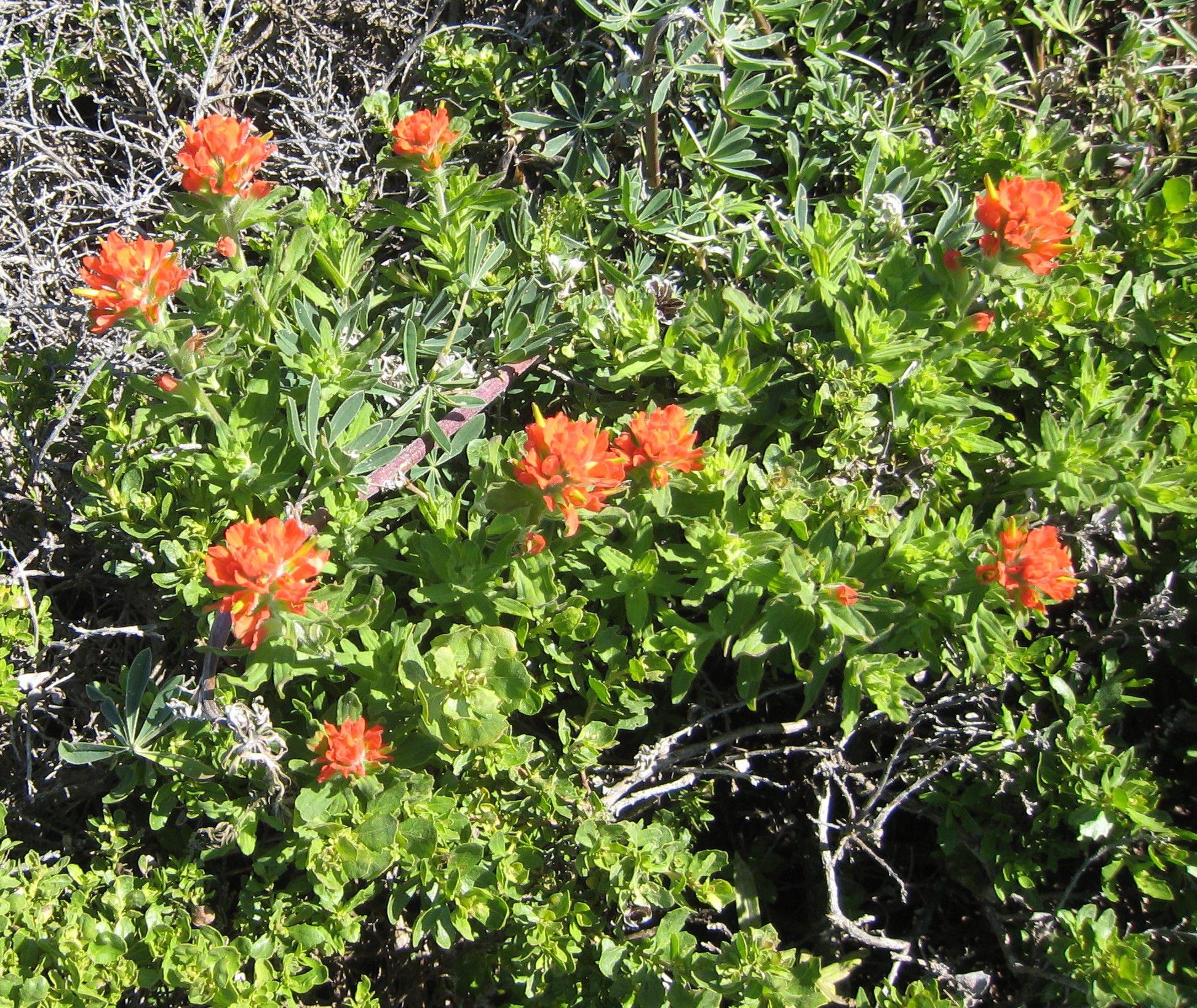
Paintbrush, Castilleja, is another striking wildflower blooming now. It is often called Indian Paintbrush. Indeed, native peoples used this plant for various uses.

Indian Paintbrush at Windermere Point by John Sperry

Thanks to John for allowing me to share his photos with you here.

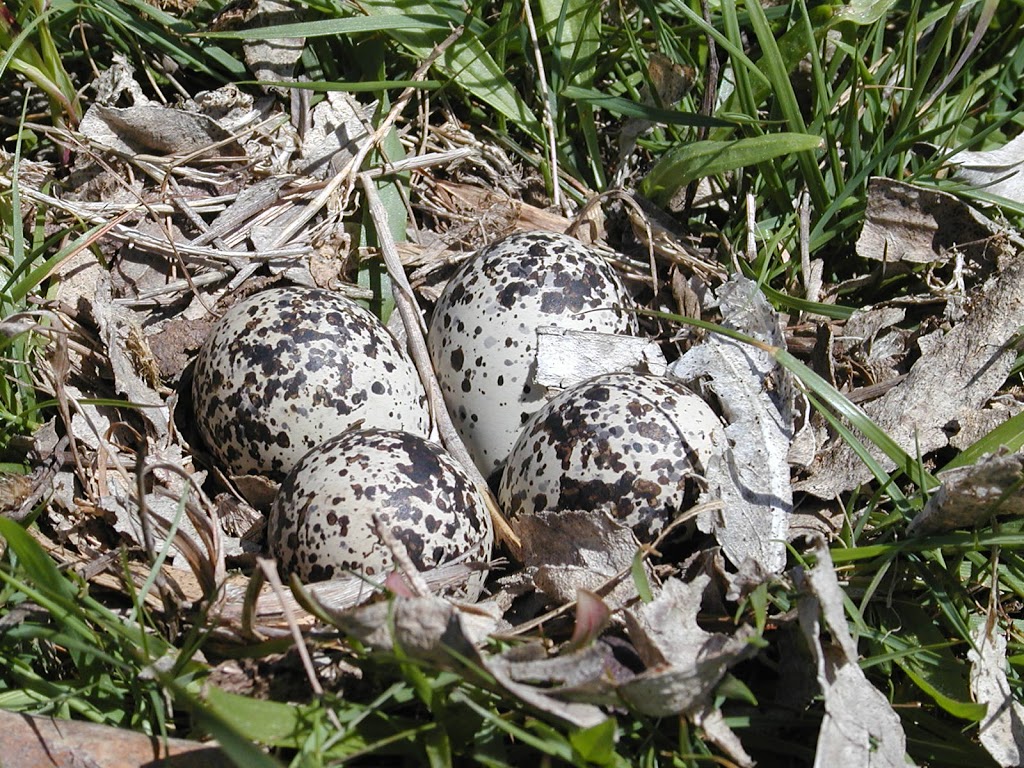
Jerry Rudy discovered a nest of Killdeer eggs in a meadow behind his home in Timber Cove. They are truly hidden in plain sight.

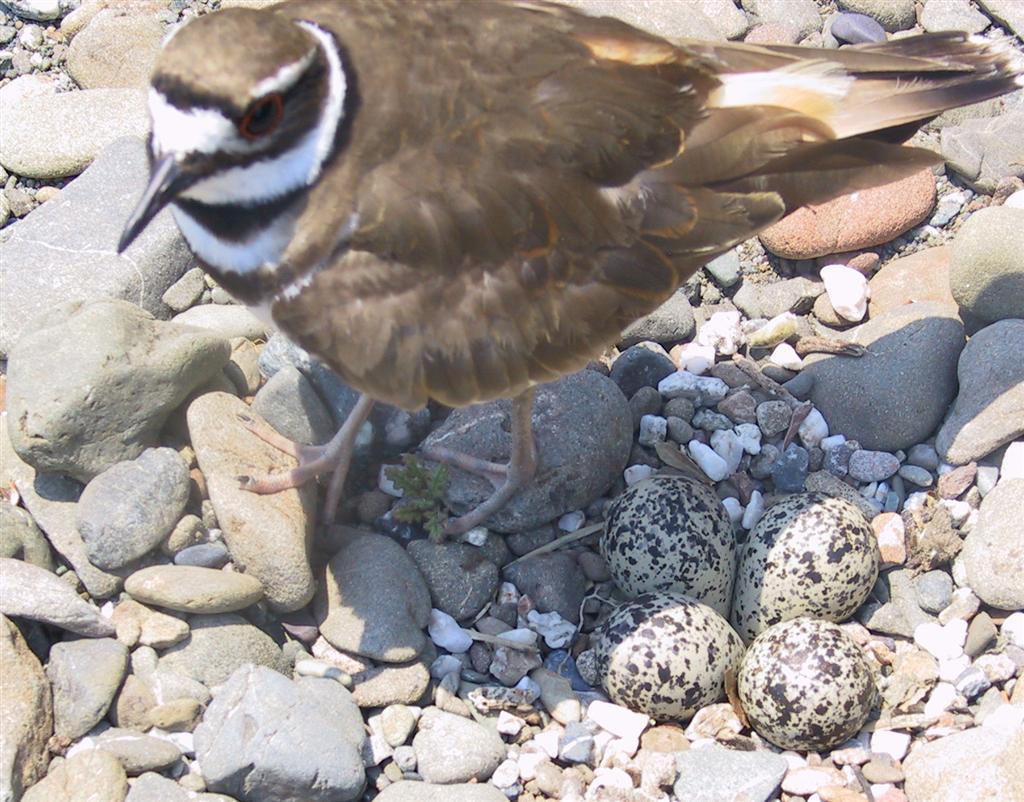
You can see how the Killdeer mother chose a spot that closely resembled her eggs. Here's a photo of an adult Killdeer next to its eggs, which was taken by Rich Perry.

Killdeer often lay their eggs this time of year in gravel riverbeds, as Rich's photo shows. That's one of the very good reasons to never drive in a river like the Gualala River.

Thanks to Jerry and Rich for allowing me to share their photos with you here.

2 Comments

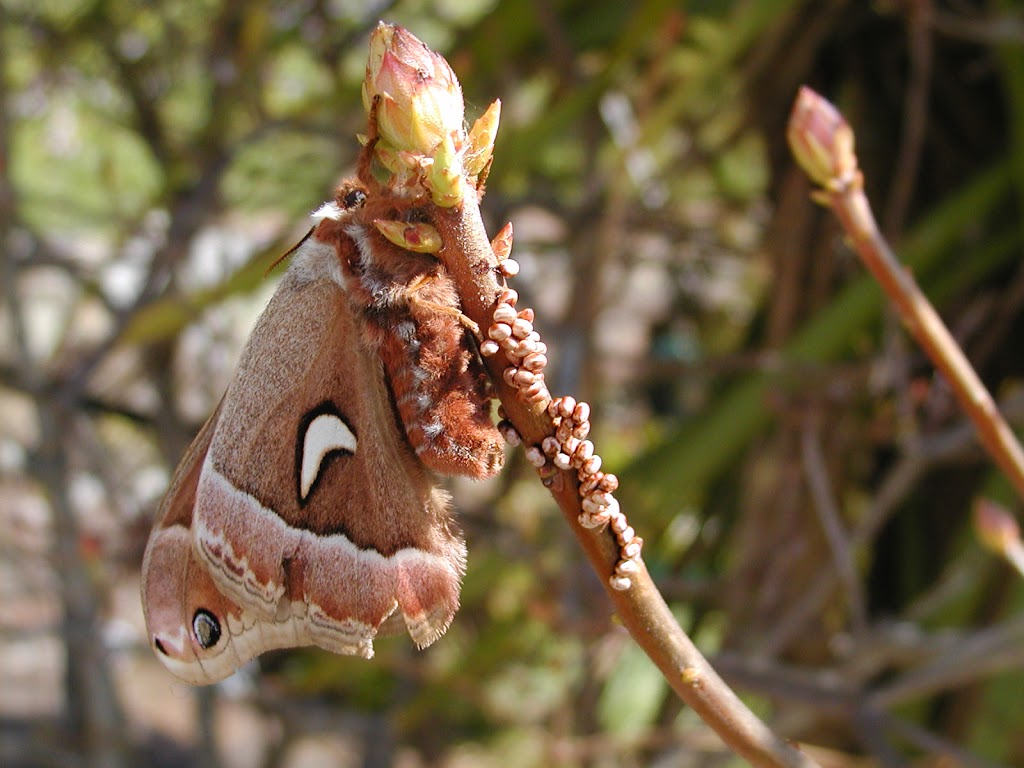
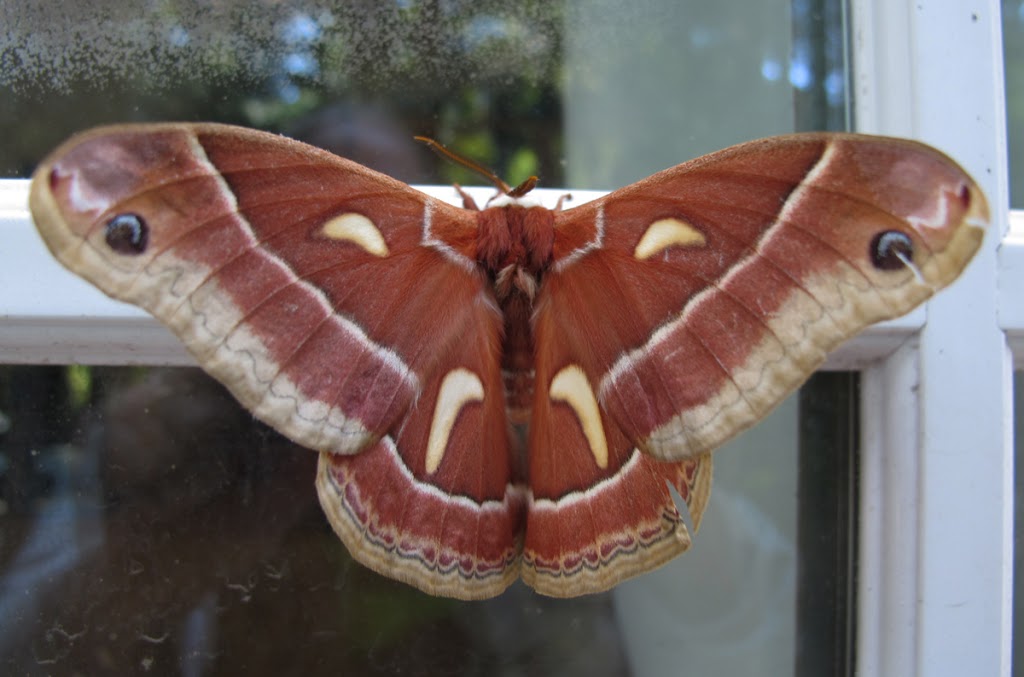
Jerry Rudy had a Ceanothus Silkmoth pay a visit to his Timber Cove home. And she was pregnant. Here's what Jerry wrote,  “This mother moth showed up on our doorstep last week. We set her on a native azalea and she promptly laid about 50 eggs. I believe they hatch in about 10 days and I am considering moving them onto our local Ceanothus.”

You can see the eggs on the azalea stalk. Amazing photo!

And here is a photo Wendy Bailey took a few weeks ago of this beautiful, big moth.

Thanks to Jerry and Wendy for allowing me to share their photos with you here.