Tag Archives: Laura Baker

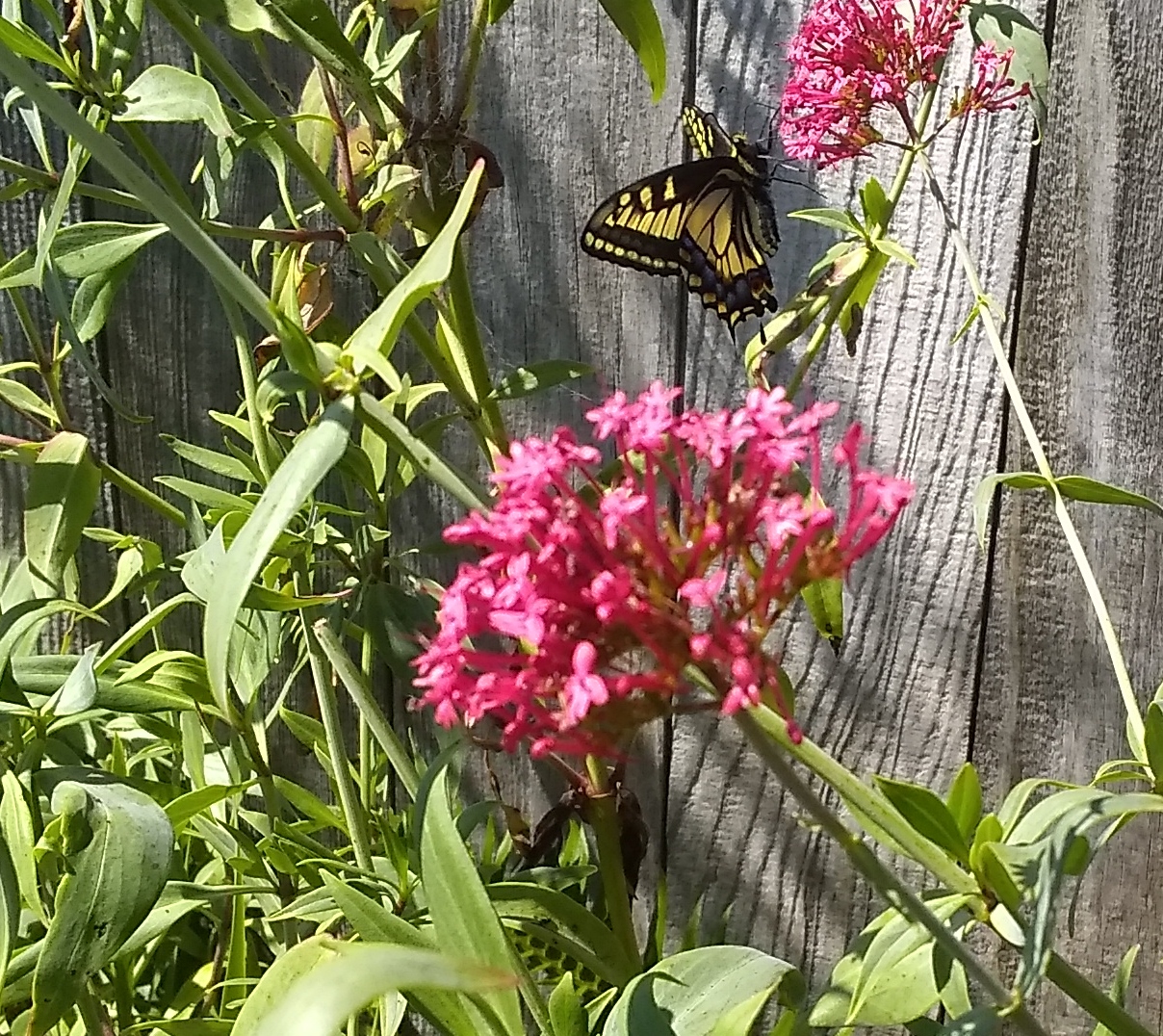
Adrian Bennett recently photographed this beautiful Anise Swallowtail Butterfly feeding in her garden at The Sea Ranch.
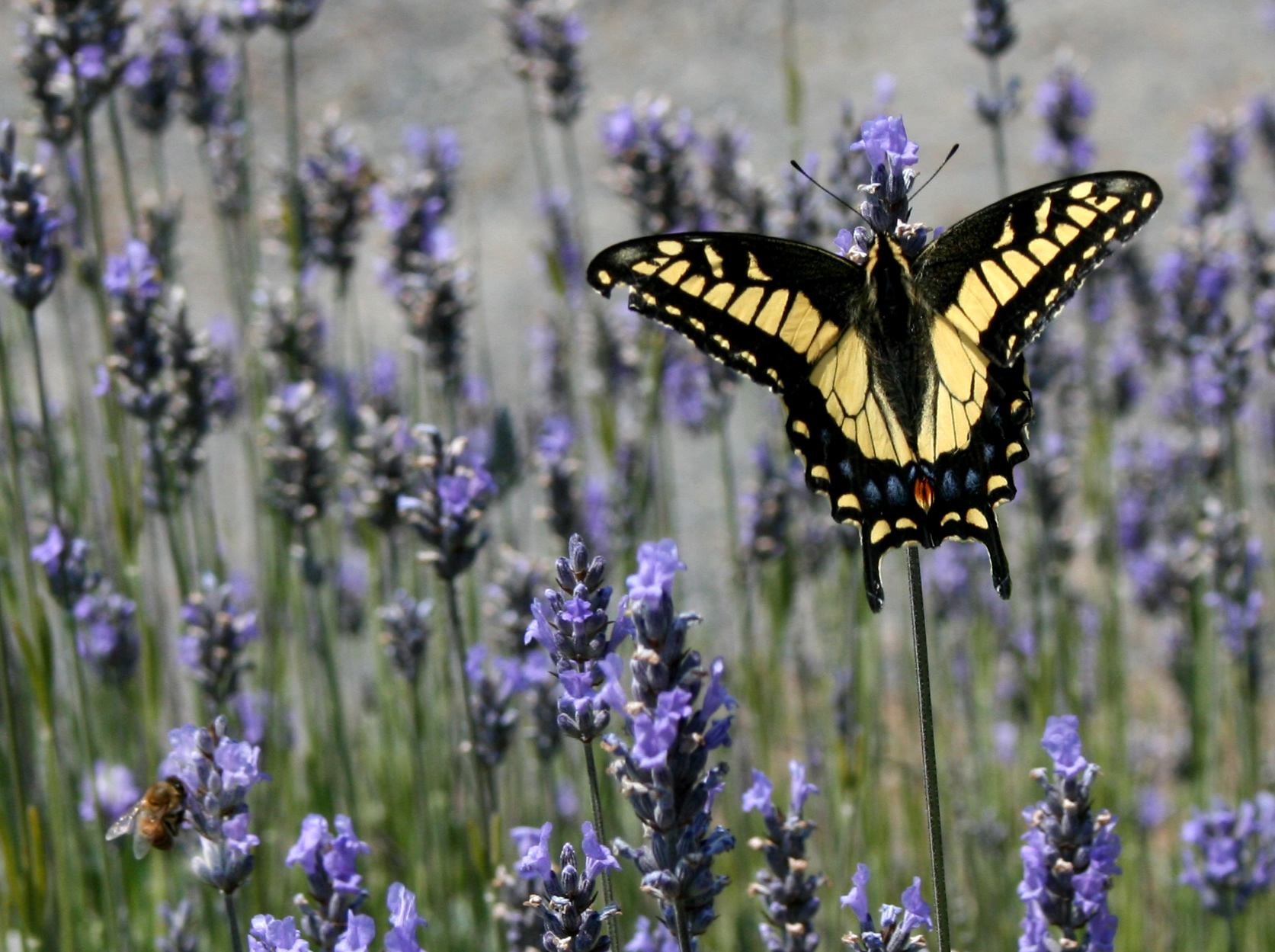
Here is a close up of this butterfly taken by Drew Fagan.
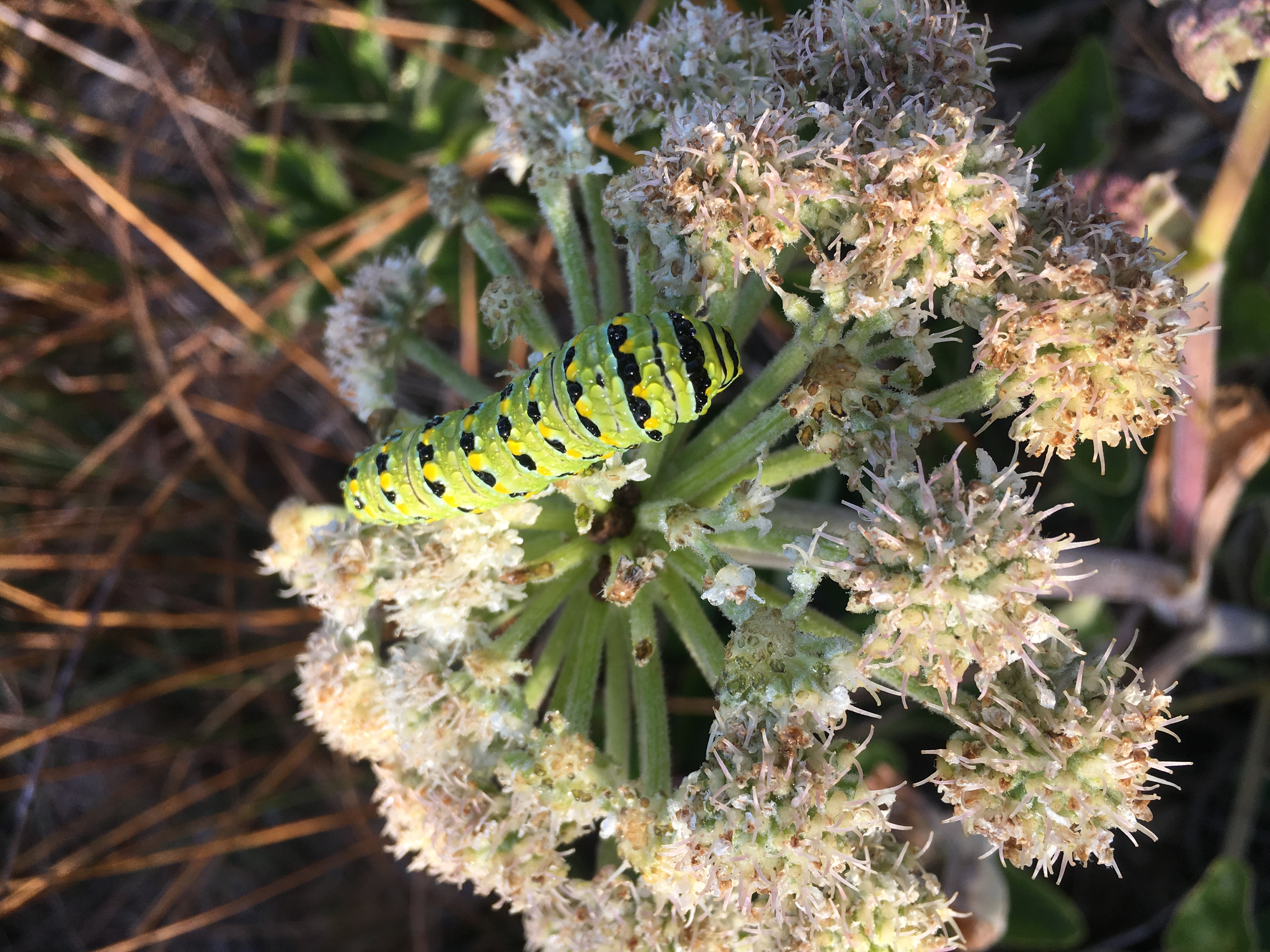
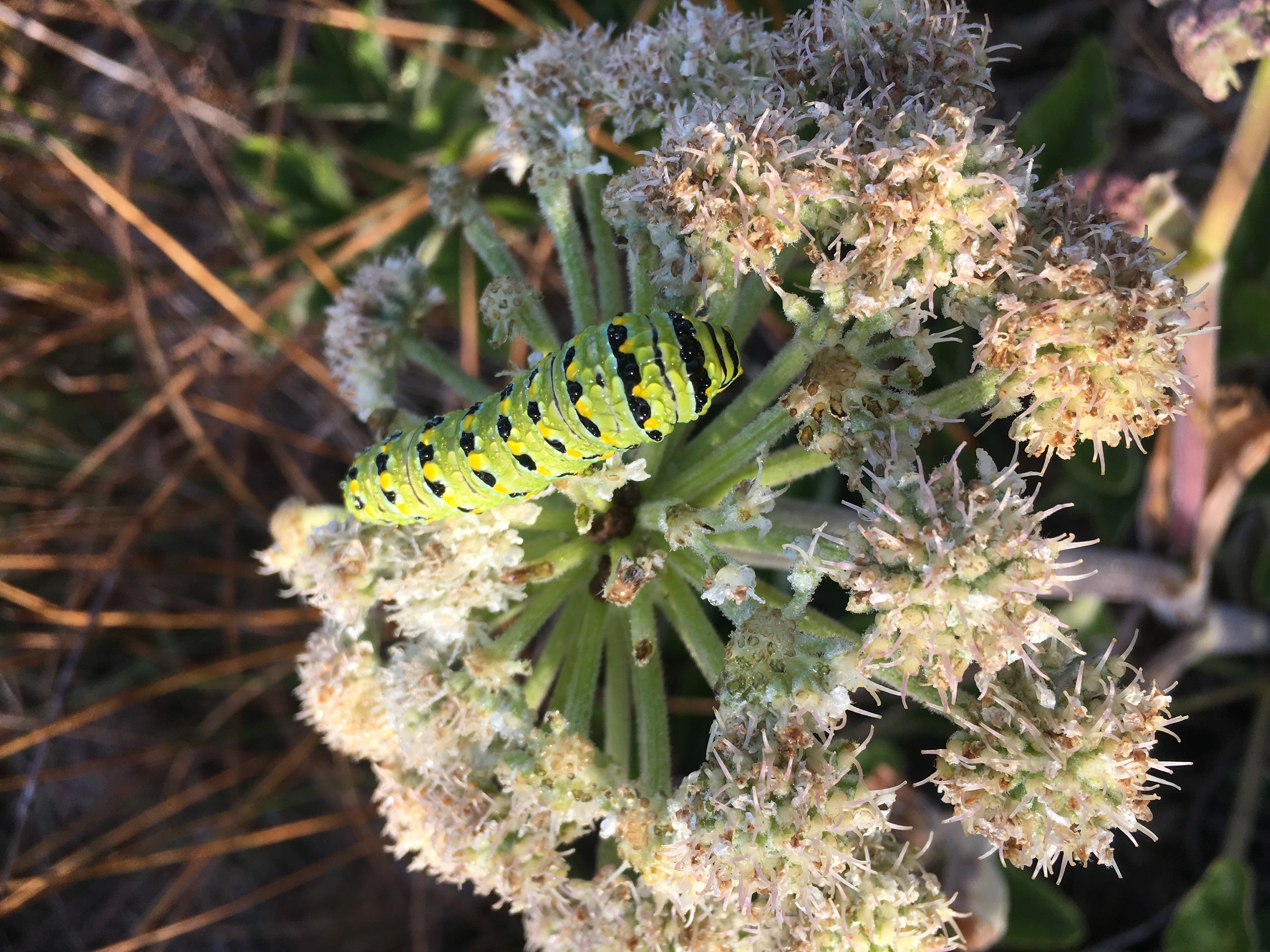
And several years ago Laura Baker photographed the caterpillar of an Anise.
It's always lovely to see a butterfly, don't you agree?

Thanks to Adrian, Drew and Laura for allowing me to share their photos with you here.

We are having a spectacular day on the Mendonoma coast. Nothing but blue skies and a gently breeze. Tonight might bring a green flash at sunset as the horizon is clear.
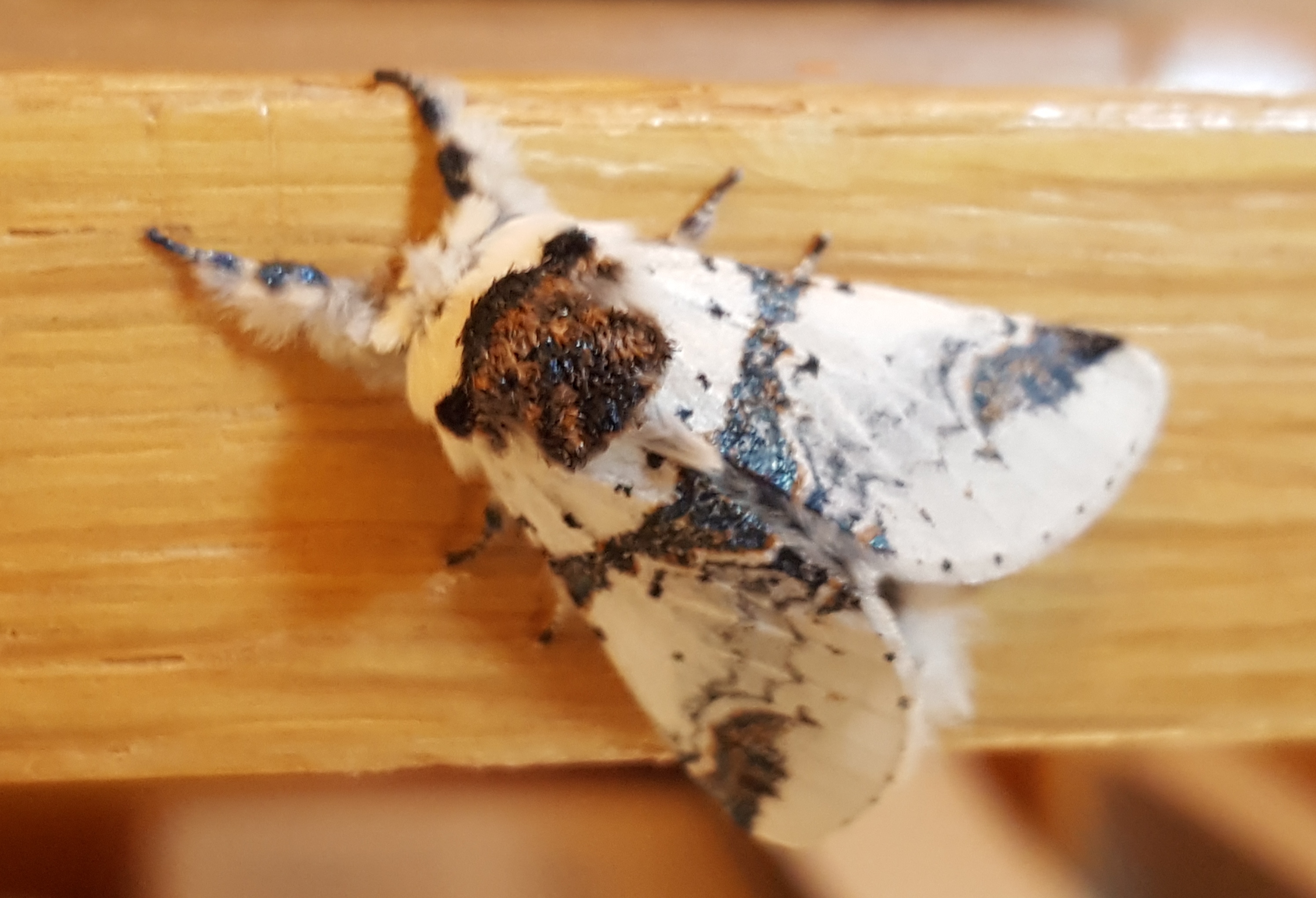
Linda Bostwick noticed an unusual moth. She wrote, “I discovered this beautiful moth but was unsuccessful in looking it up. We call it the Monkey Face Moth. Check out the beautiful blue iridescent scales, and the great brown face on its back.”

Laura Baker helped find the ID, which is surprisingly enough not the Monkey Face Moth, but a Zigzag Furcula Moth. Its host plants are willows, cottonwoods and birch.  It is also called a Poplar Kitten Moth.

Thanks to Linda for allowing me to share her photo with you here.

Fog over the ocean, sunny a little inland - sounds like summer on the Mendonoma coast!

Laura Baker noticed this colorful caterpillar, which she knew was an Anise Swallowtail Caterpillar. It was feeding on Coast Angelica, a native wildflower.

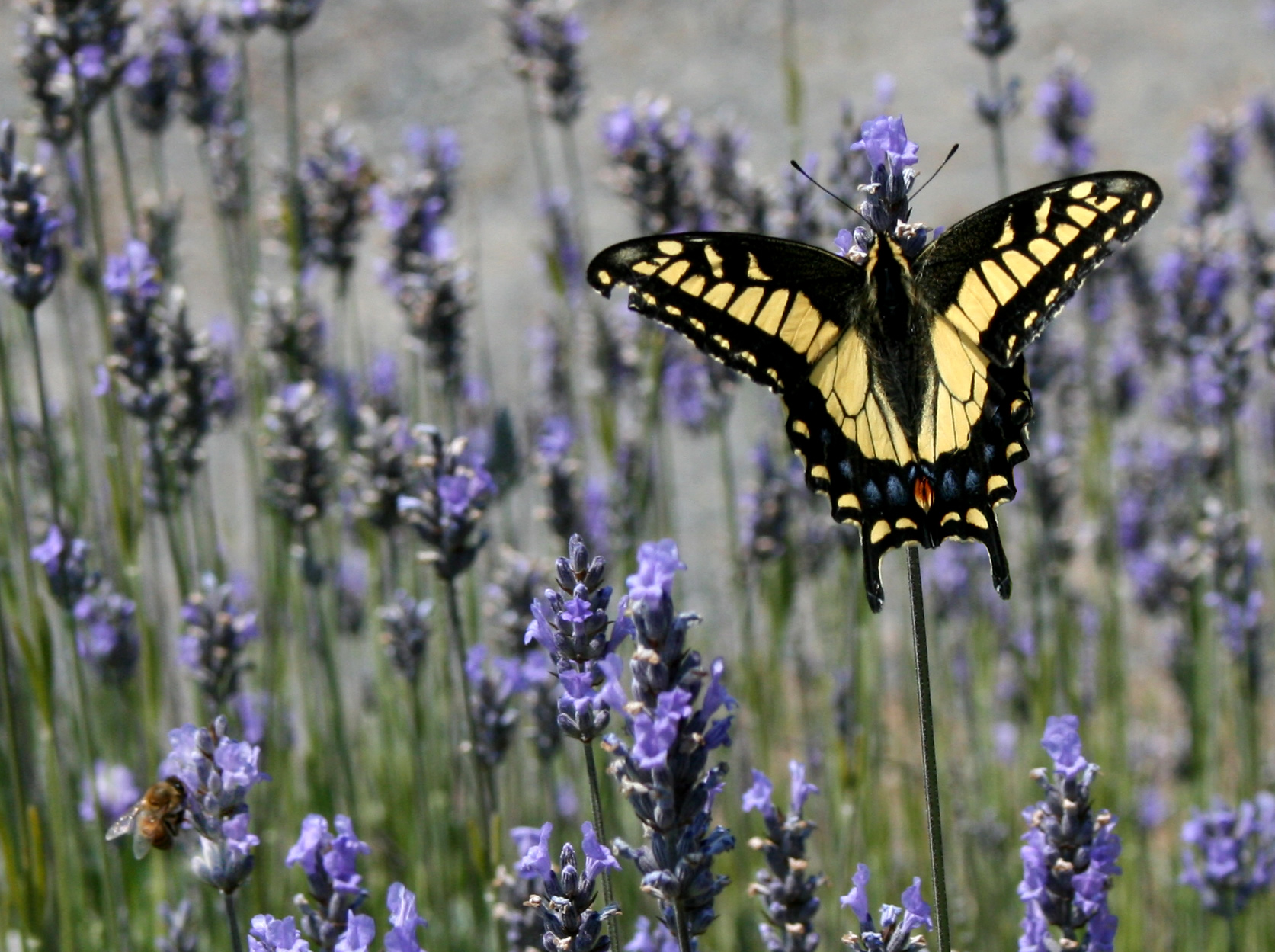
Here is the beautiful butterfly it will become. Drew Fagan took this photo of the Anise Swallowtail Butterfly feeding on lavender.

Seeing a butterfly makes me happy. How about you?

Thanks to Laura and Drew for allowing me to share their photos with you here.

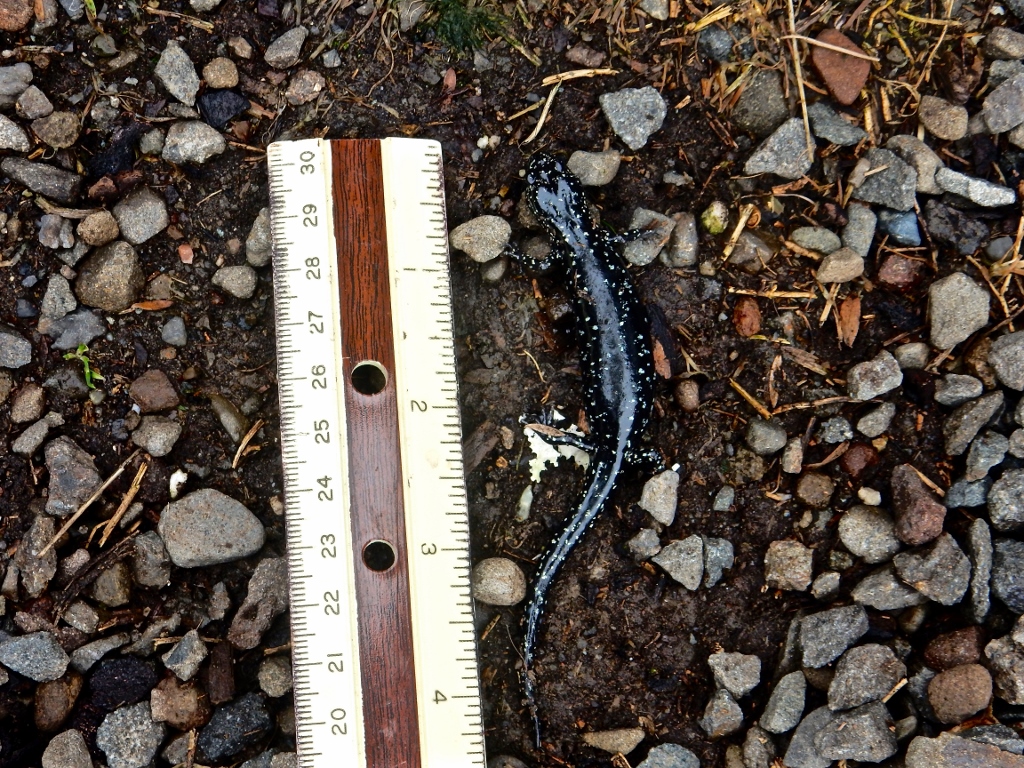
The Salamanders are enjoying the wet winter we've been having. Several have recently been spotted. Bettye Winters photographed a Speckled Black Salamander. You will see this salamander measures a little more than four inches.

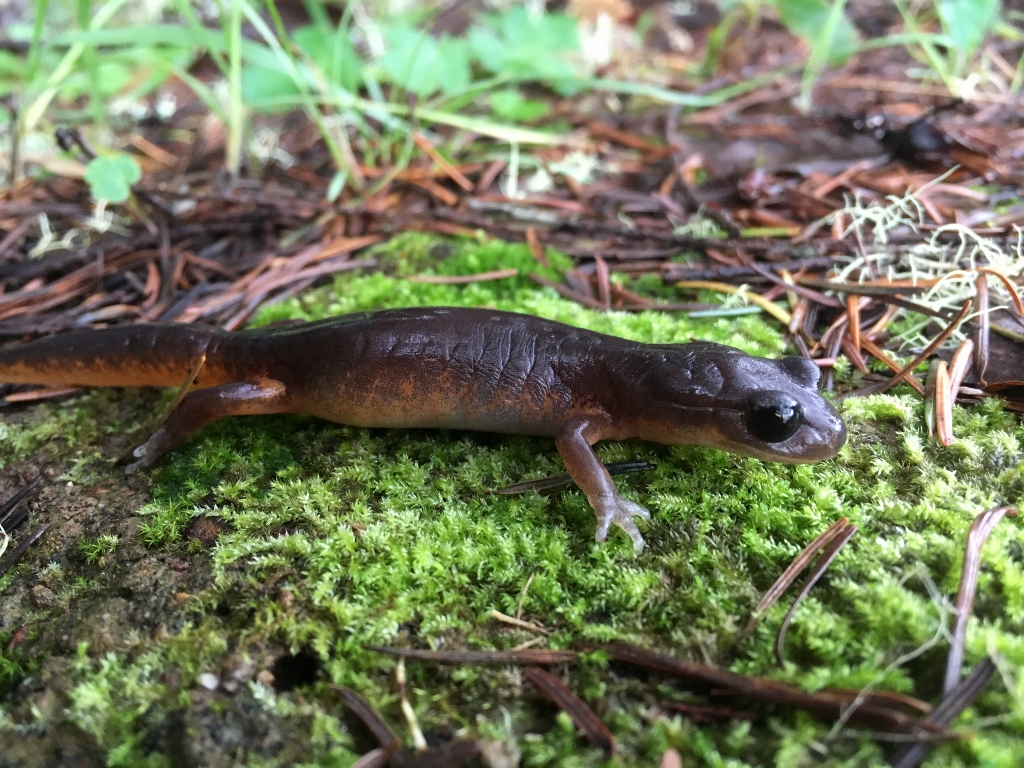
Laura Baker spotted a different salamander, an Oregon Ensatina Salamander.

I learned that the Ensatina can be found under logs or brush, by or in streams and lakes, and other moist places, like the Mendonoma coast! It’s better not to touch this Salamander, as they rely on cutaneous respiration. Their skin is very sensitive and they are easily distressed by handling.

There is a great website to learn more about all things Herps. Gary Nafis created the website California Herps, a guide to amphibians and reptiles in California. Here's the link: http://www.californiaherps.com/index.html

Thanks to Bettye and Laura for allowing me to share their photos with you here.

We have three storms on the way, so we are in for another rainy period. Breaking the drought feels really good!

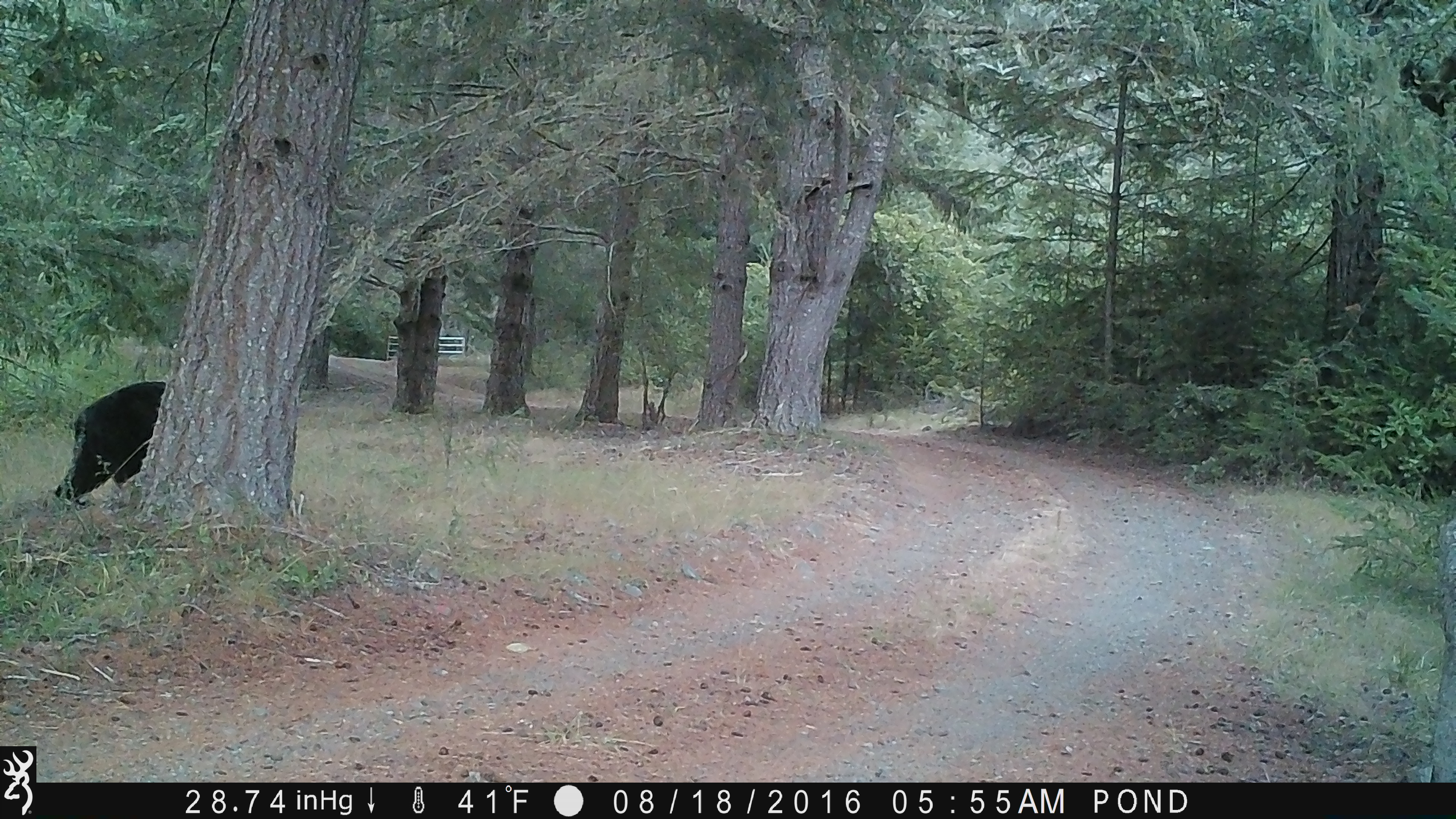
Motion detector cameras are giving us a view of wildlife we might not get to otherwise see. Laura Baker's camera caught the backside of a Black Bear.

0555:081816:41F:2874:POND      :4

Laura wrote, “Our trail camera caught the backside of a Black bear as it was leaving our property, no doubt after eating its fill of apples and pears from our trees. The funny part is that in reviewing the photos from the past month, we found an earlier, almost identical shot. It appears that the bear would prefer to put a tree between it and the camera, rather than take the easy path along the road, which would put it in closer proximity to the device. But who knows?”

Here's a print a Black Bear left in the mud, this one taken by Terry Bold.fresh-bear-track-by-terry-bold-large It's pretty exciting to see a Black Bear. They do love apples, so if you are on the Mendonoma coast and have apple trees, be prepared to share!

Thanks to Laura and Terry for allowing me to share their photos with you here.