Tag Archives: Gualala River

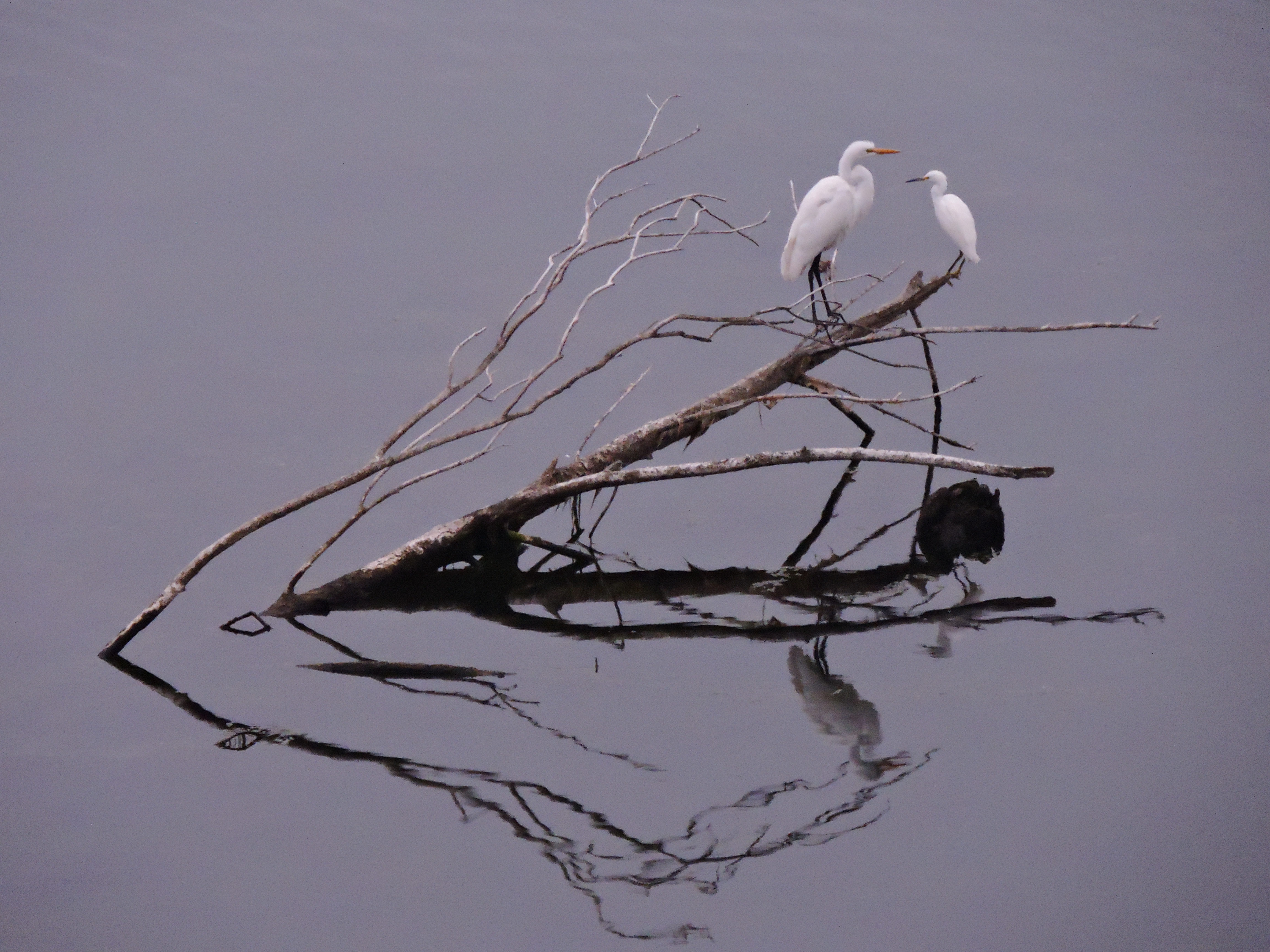
Eric Zetterholm noticed the larger Great Egret and the much smaller Snowy Egret perched on the same snag in the Gualala River. It's a rare sighting to see these two egrets perched together.

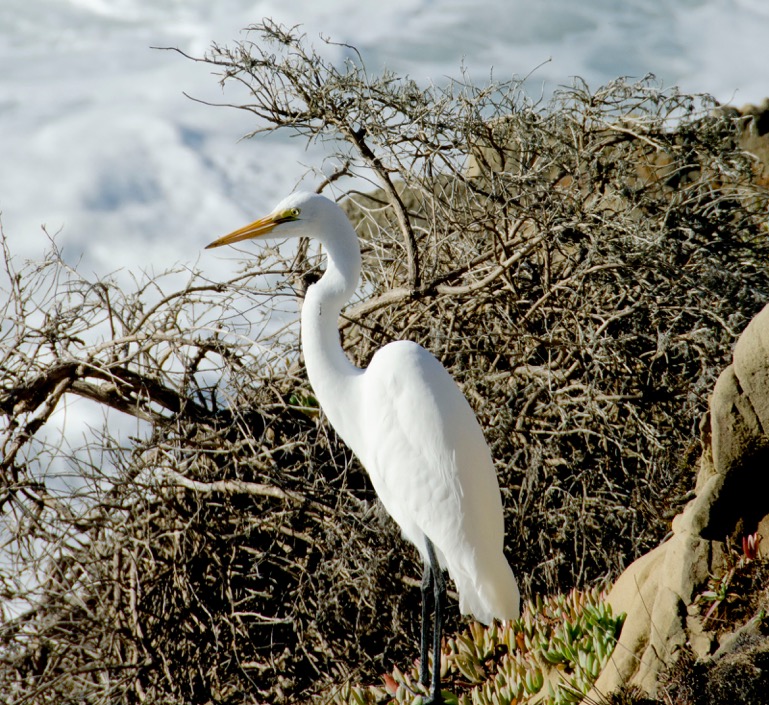
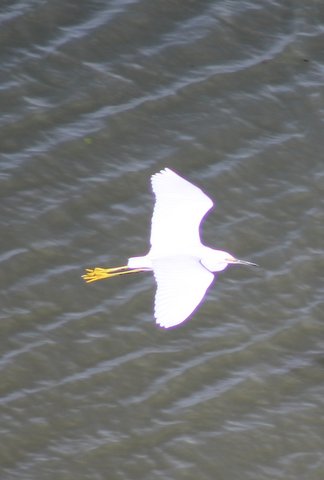
Other than their size, the way to tell them apart is Great Egrets have yellow beaks and black feet. Snowy Egrets have black beaks with bright yellow feet!

Here's a close-up of a Great Egret taken by Rozann Grunig.

And here's a photo of a Snowy Egret in flight by Beth Petit, showing those yellow feet.

Thanks to Eric, Rozann and Beth for allowing me to share their photos with you here.

Fog over the Pacific Ocean is keeping the Mendonoma coast nice and cool today!

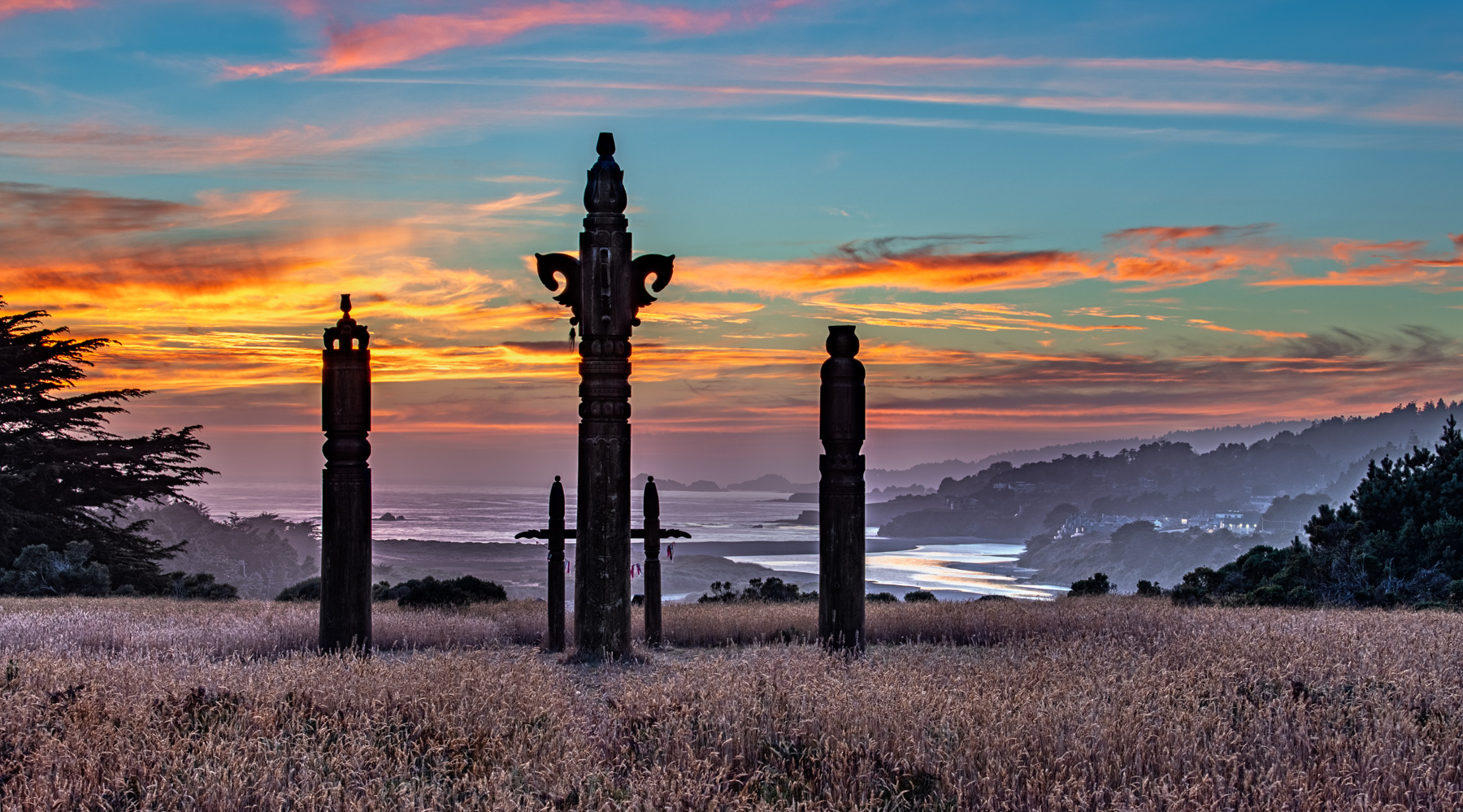
With the Serge, a ceremonial hitching post structure, in the foreground, the sunset is beautifully framed behind it. Paul Brewer captured this lovely sight.

Gualala Point Regional Park is such a treasure. The Gualala River is just to the north of the park, and the town of Gualala just north of the river.

Thanks to Paul for allowing me to share his photo with you here. To see much more of Paul's nature photography, here is his website: http://www.capturingnatureswonders.com/

It's a beautiful, cool day here today, with lots of visitors celebrating the Labor Day holiday.

Hundreds of young Brown Pelicans have been migrating northward. These hatched-this-year pelicans have brown heads and white underparts. They are accompanied by a few older pelicans. The adult pelicans have white heads and brown underparts. They are also accompanied by dark gulls, Heermann’s Gulls. These smart gulls let the pelicans find fish for them, sometimes even stealing it out of a pelican’s mouth.

When there is forage fish in the water, many birds feast. Craig Tooley photographed a feeding frenzy by Gualala Point Island with Brown Pelicans and several types of Gulls. Brown Pelicans plunge dive, beak first, for fish. It’s quite a sight.

Brown Pelicans also rest in rivers and on offshore rocks. Paul Brewer wrote, “There was a congregation of Brown Pelicans behind Breaker’s Inn having a spa day [on the Gualala River.] I got a few interesting shots from the Gualala Bluff Trail when they all decided to fly at once. They did that twice while I was there. They enjoyed their spa day, but all headed north about 6:30 pm.”

We almost lost Brown Pelicans due to the pesticide DDT, which made their eggshells so thin that they broke when the mothers sat on them. Since DDT was banned, the pelicans have recovered in numbers. To see them flying just over the bluffs is a thrilling sight.

Thanks to Craig and Paul for allowing me to share their photos with you here. To see much more of Craig's nature photography, here is his website: www.ruffimage.com. And to see more of Paul's nature photography, here is his website: http://www.capturingnatureswonders.com/

Bob Rutemoeller and Mary Sue Ittner were the ones who spotted the well-camouflaged Green Heron by the Gualala River. Bob wrote, “We were skipping flat rocks across the Gualala River when a Green Heron flushed and landed on a tree that is leaning over the river. It blends in so well it was hard to see through the camera on full zoom."

As seen by Bob and Mary Sue, they can be spotted by water, often hidden behind foliage. They use the awesome beak you can see in Bob's photo to stab fish for their meals.

Fun Fact: Green Herons are one of just a few bird species that actually use tools to tempt fish to come their way. They create their own fishing lures using insects, feathers and even bread crumbs. They lay their lure on the water to entice small fish - pretty clever, don't you think?

To hear some of the calls of this small heron, here is the link to the Cornell Lab of Ornithology: https://www.allaboutbirds.org/guide/Green_Heron/sounds

Thanks to Bob for allowing me to share his photos with you here!

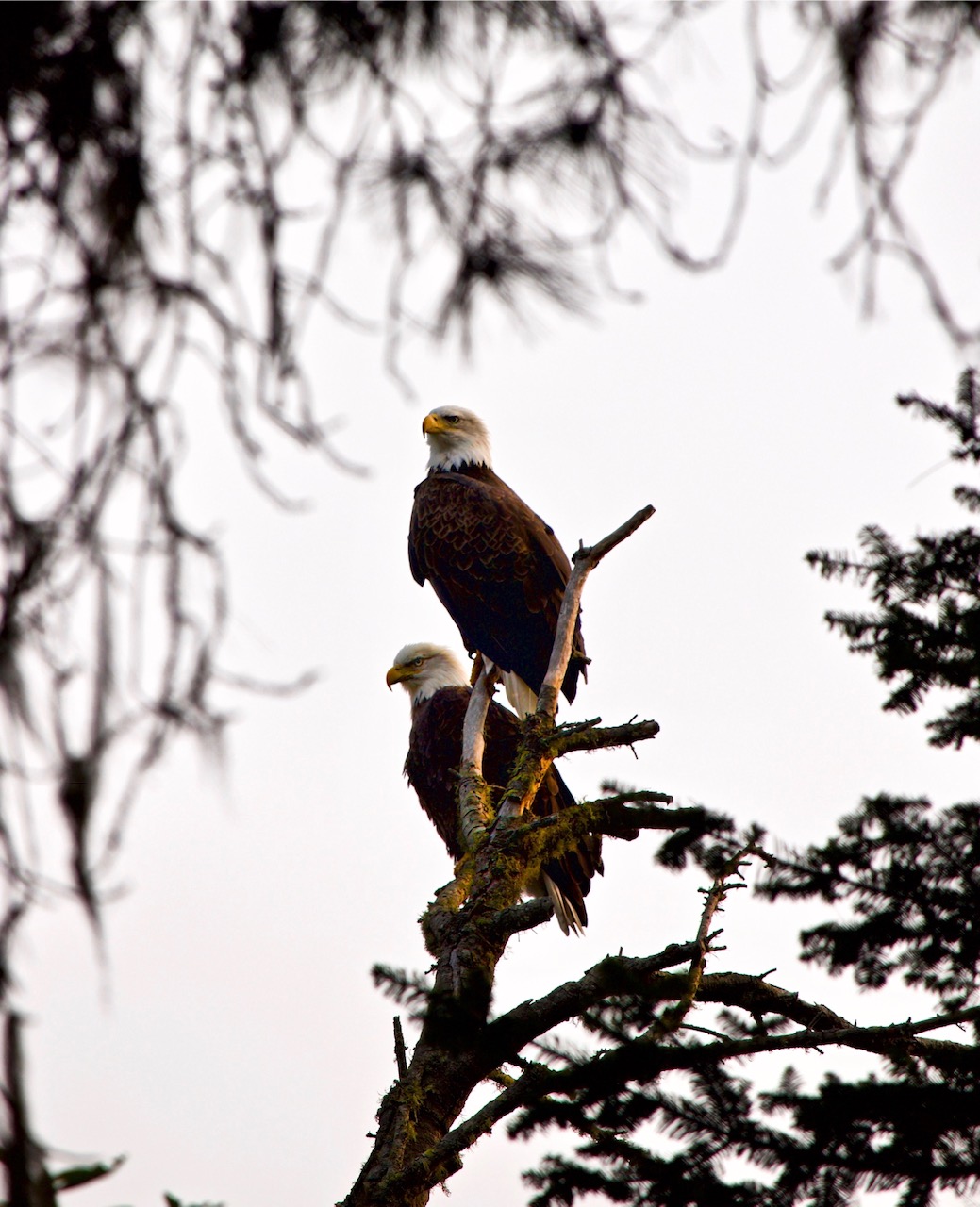
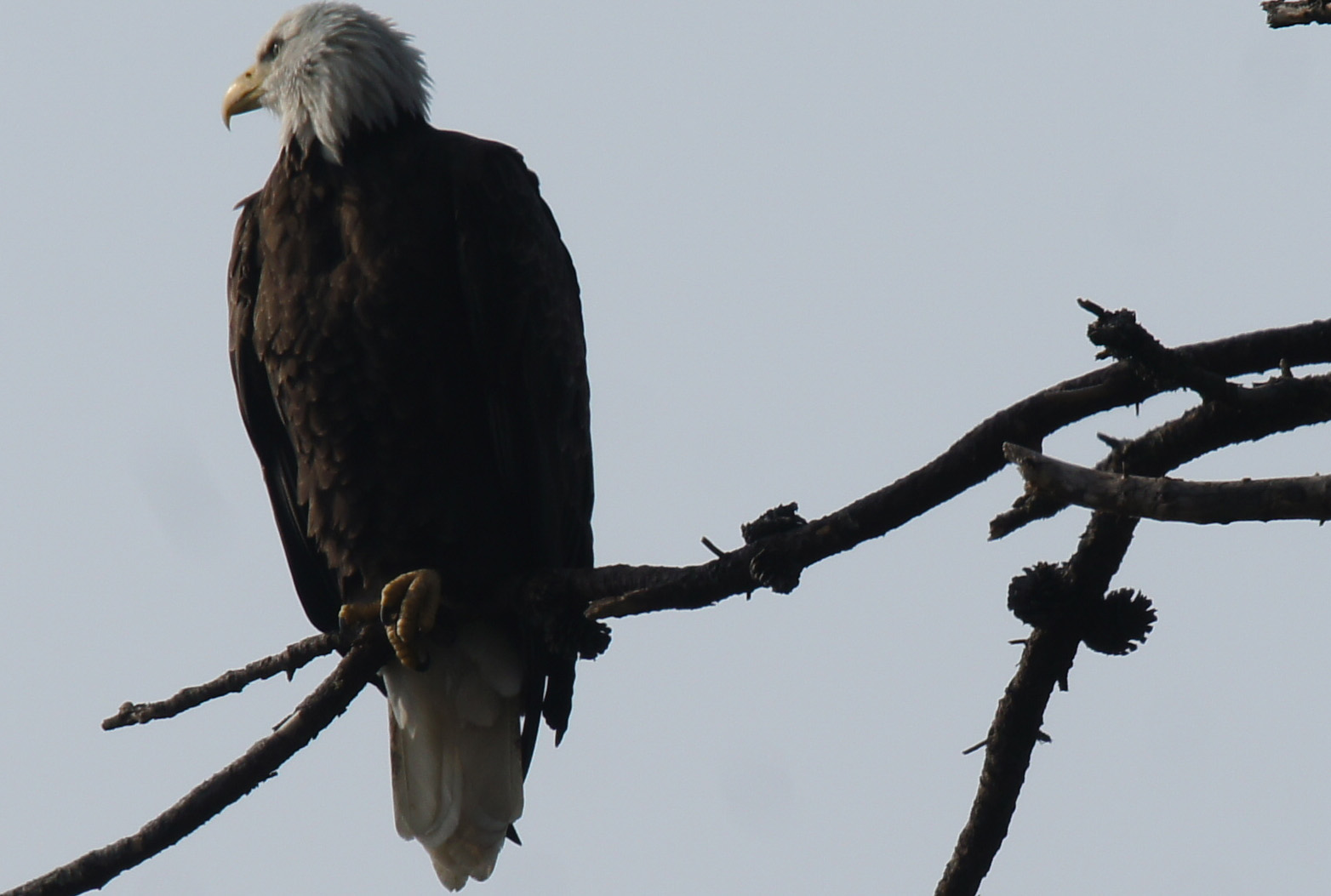
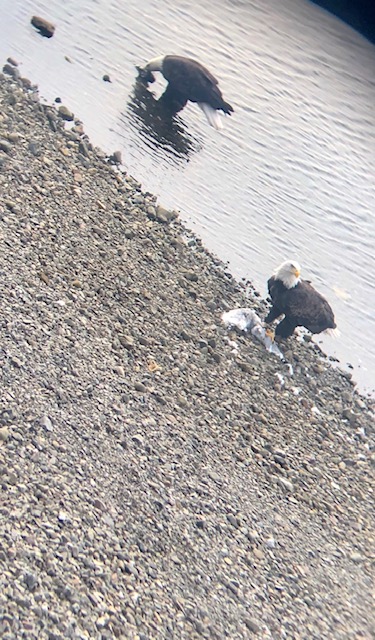
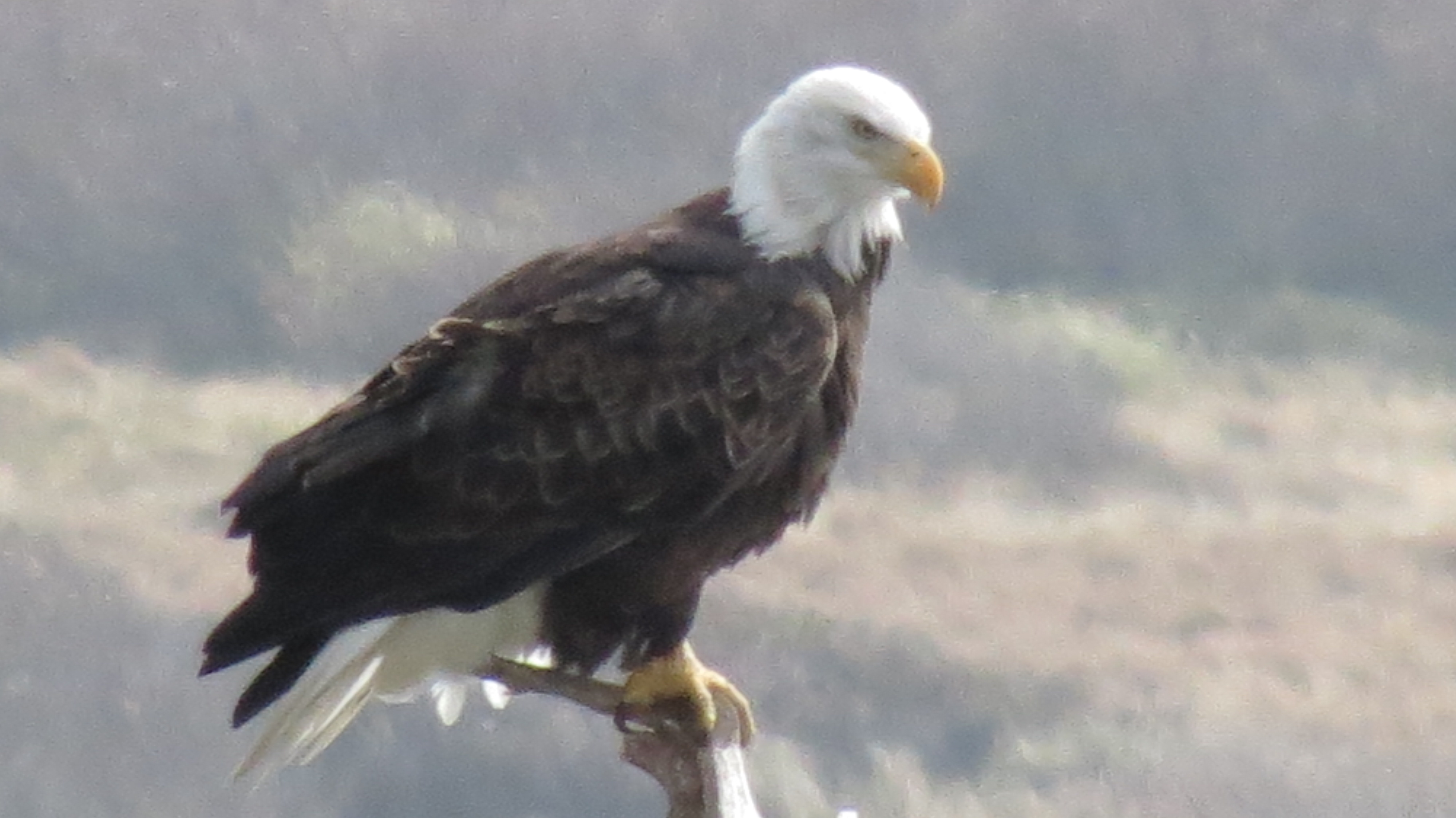
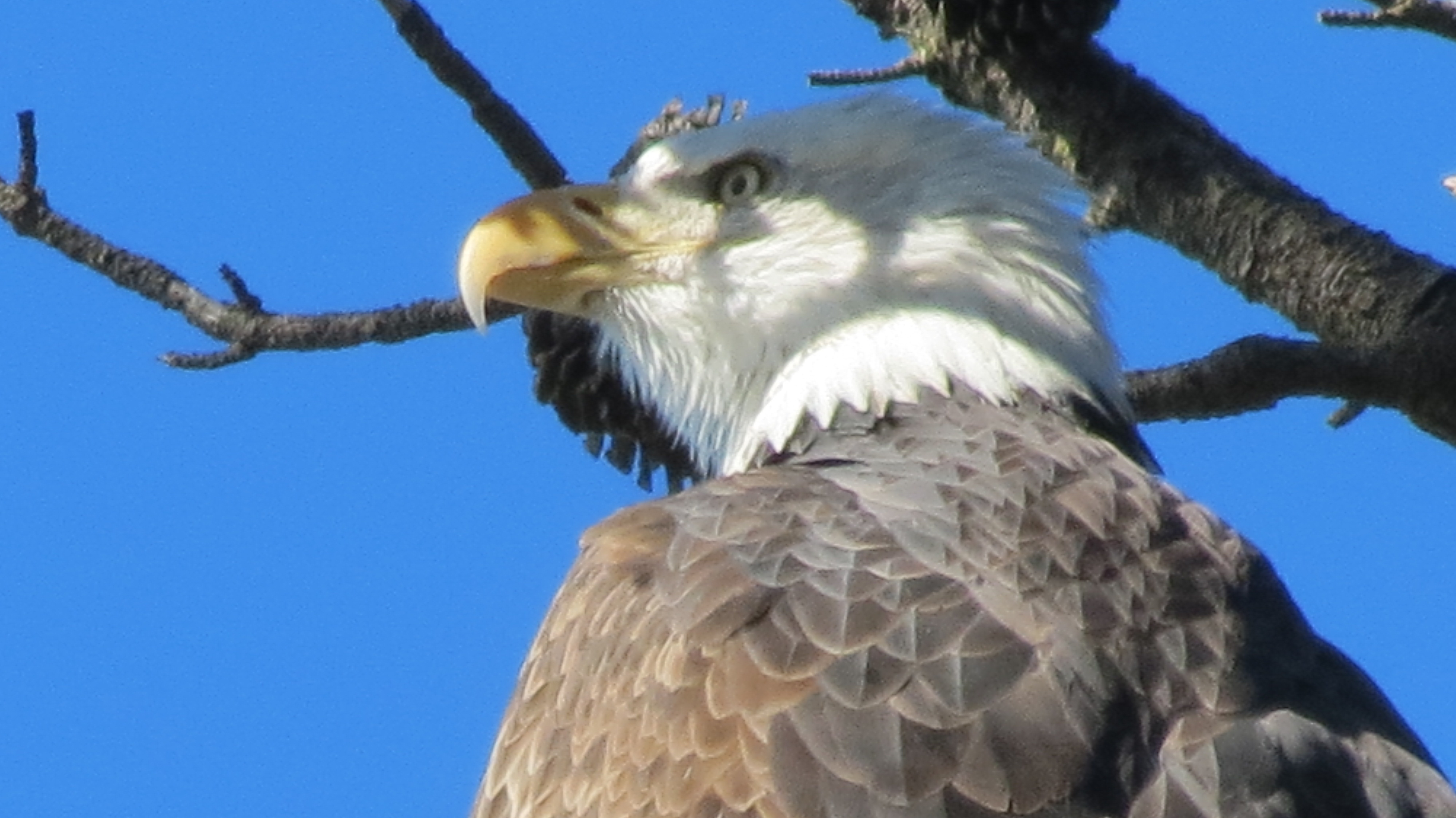
I haven't had a sighting of the two Bald Eagles for over a week, so I was glad to hear they were both seen this morning at the Gualala River. Eric Zetterholm photographed them several weeks ago perched on a tangle of branches and dead trees in the river.

We didn't seen any signs of nest building or nesting this year, but they certainly mated a lot! Hopefully next year they will find the perfect spot in the watershed of the Gualala River to nest and raise a chick. We'll be wishing and hoping!

Thanks to Eric for allowing me to share his photo with you here.