Tag Archives: Craig Tooley

Western Meadowlarks are very beautiful and also difficult to photograph as it is hard to get close to them. Craig Tooley recently succeeded and here is the result.
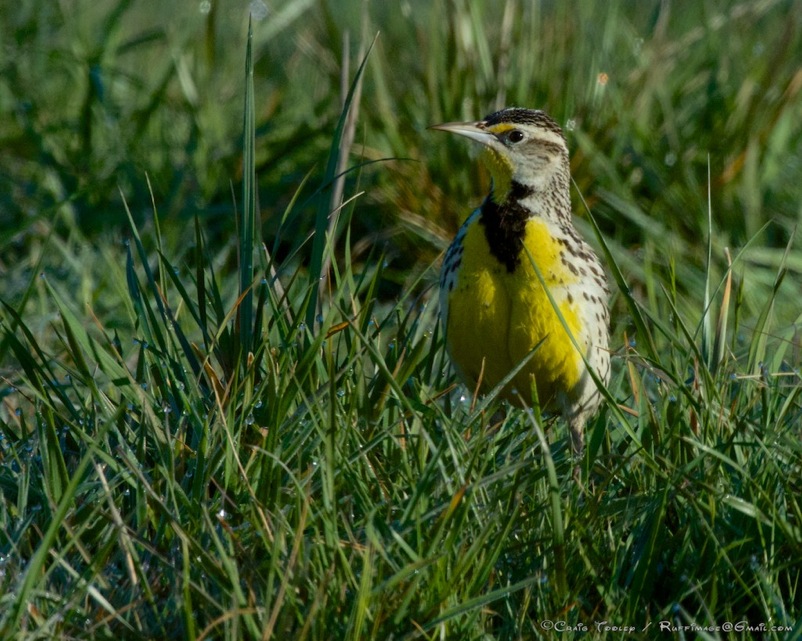
Meadowlarks are easier to hear, with their flute-like call. They eats seeds and insects.

Thanks to Craig for allowing me to share his photo with you here. To see much more of Craig's Coast photography, here's the link: www.ruffimage.com

And to hear the call of the Meadowlark, here's the link to the Cornell Lab of Ornithology:
http://www.allaboutbirds.org/guide/western_meadowlark/sounds
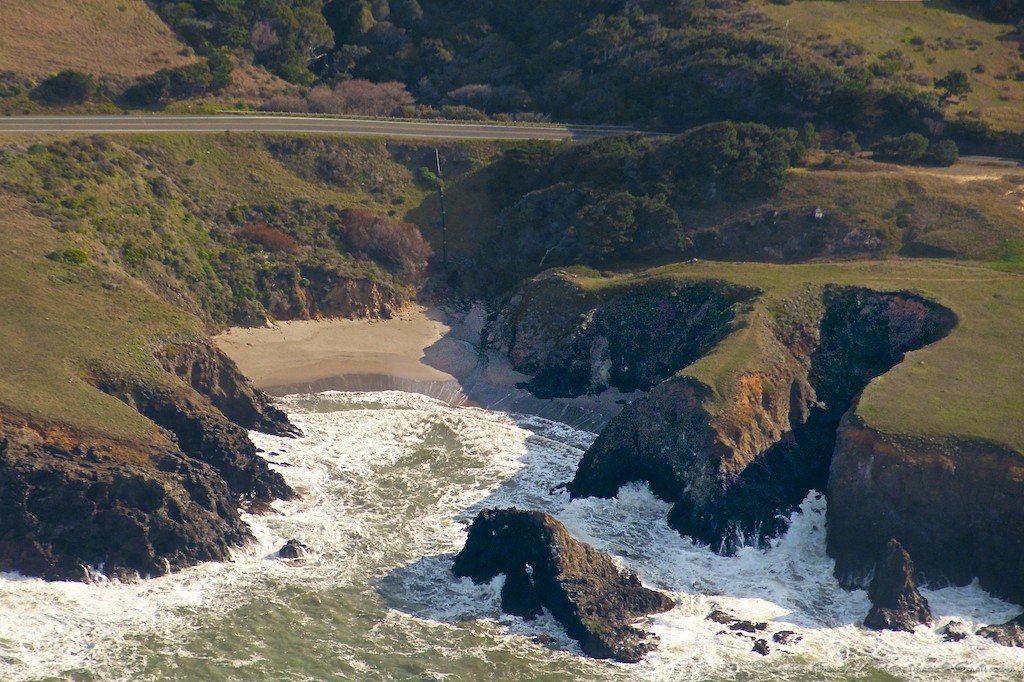
Craig Tooley photographed more than just Gray Whales when he was up in an airplane last week. He photographed Hearn Gulch.

This is a new public access bluff and beach brought to us by the wonderful folks at Redwood Coast Land Conservancy. You can learn how they accomplished this acquisition and read about their other projects at this link: http://www.rc-lc.org/pages/proj-hearn.html To find this beach, park at mile marker 10.0 and hike north.

To see photos of a recent hike Rick and I took there, here's that link: http://www.mendonomasightings.com/2013/02/08/a-visit-to-hearn-gulch-is-always-a-treat/ The wave action there can be phenomenal.

And to see much more of Craig Tooley's photography, here is the link to his website: http://ruffimage.com/

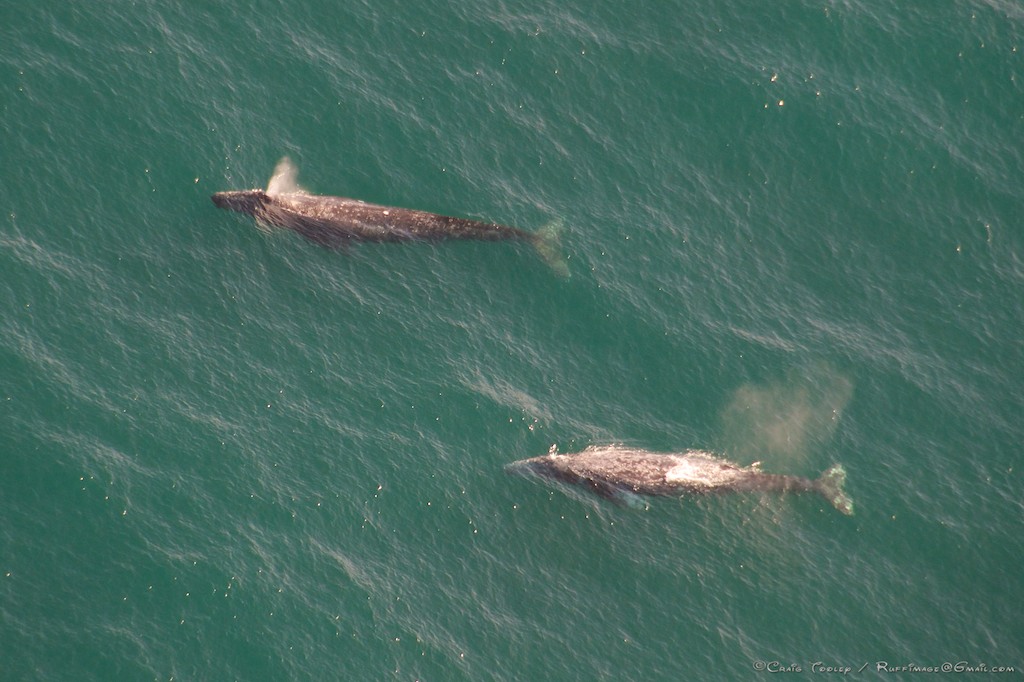
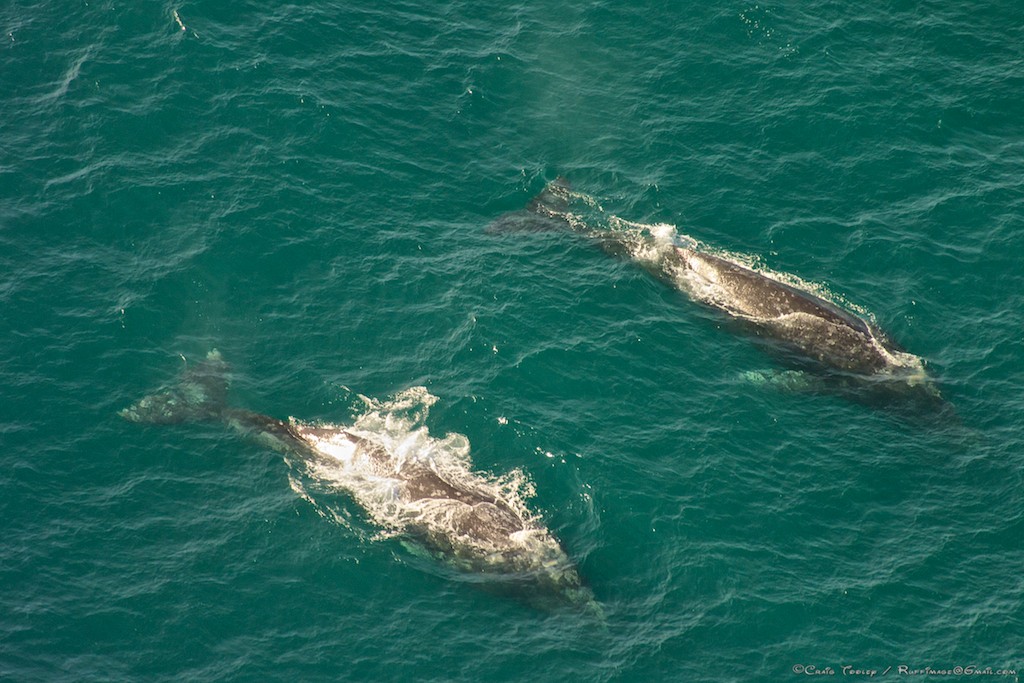
Craig Tooley was photographing from an airplane last week when he came across a pod of Gray Whales.

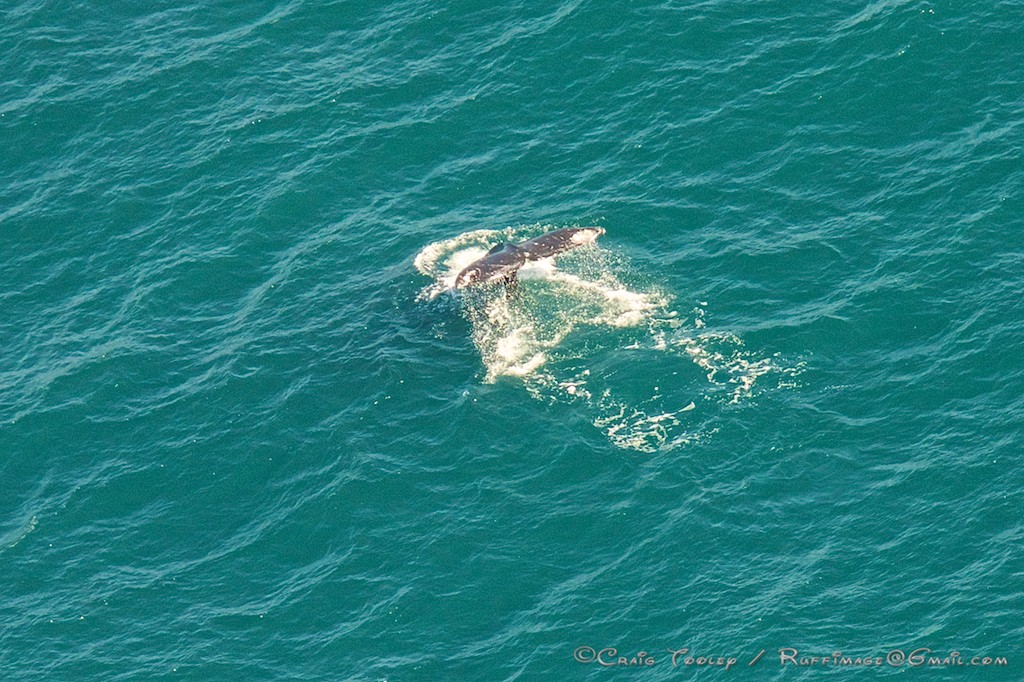
 The plane circled around and Craig got this second photo.

 Here's a photo of the distinctive Gray Whale tail.

There were thirteen Gray Whales with three mother/calf pairs - a wonderful sighting off the Mendonoma Coast.

Thanks to Craig for allowing me to share his photos with you here. To see much more of Craig's photography, here's the link to his website: http://ruffimage.com/

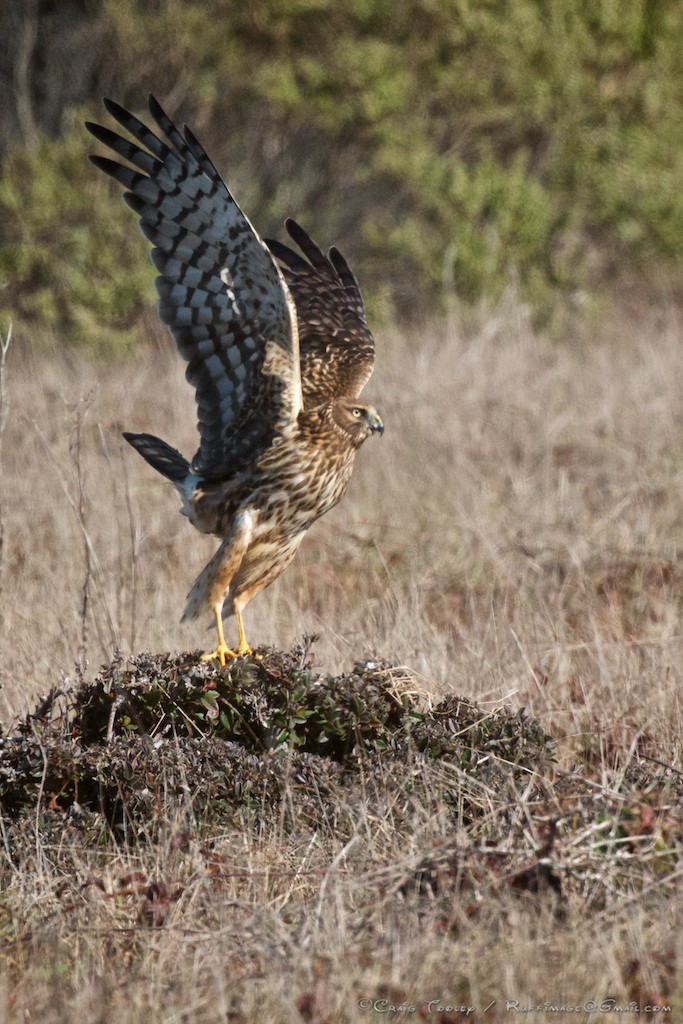
Craig Tooley was out with his camera when he spotted this beautiful Northern Harrier, Circus cyaneus, just lifting off the ground. She's magnificent!

This Hawk is a year round resident here on the Mendonoma Coast. Northern Harriers use their ears as well as their sight to spot prey. They fly low over the ground looking for small mammals such as mice. They also eat frogs and small birds. To hear the call of this hawk, here's the link to the Cornell Lab of Ornithology: http://www.allaboutbirds.org/guide/Northern_Harrier/sounds

Thanks to Craig for allowing me to share his wonderful photo with you here. To see much more of Craig's photography, here's the link to his website: http://ruffimage.com/

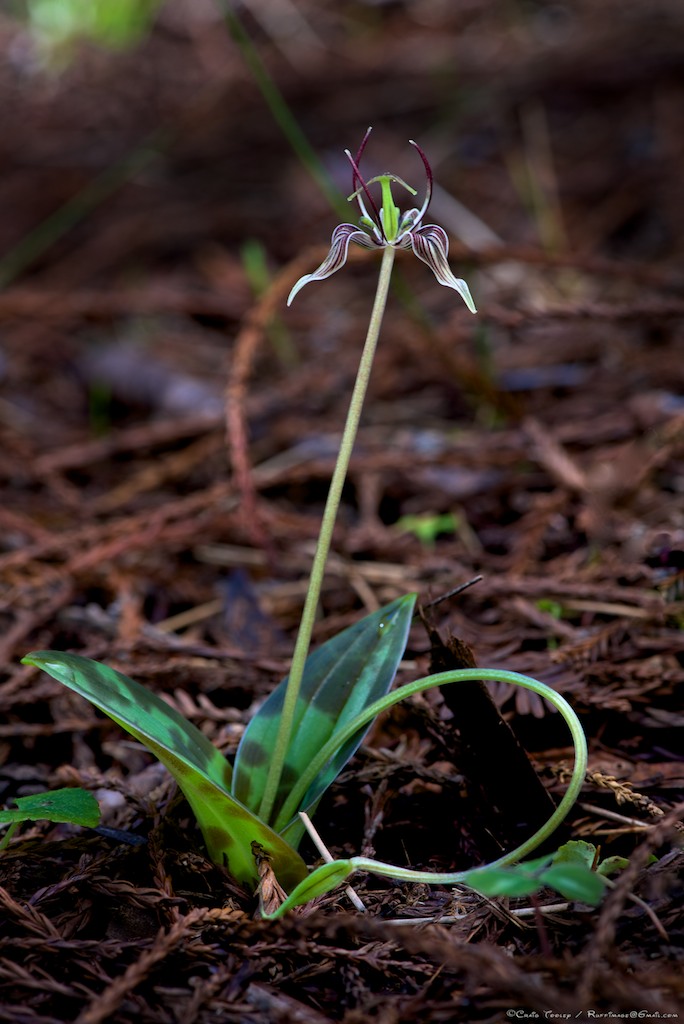
This wildflower has a horrible name - Fetid Adder's Tongue. It refers to its ill-smelling flower. Scoliopus bigelovii is the Latin name for this orchid-like flower. It blooms in the winter and few are fortunate enough to see it. Craig Tooley recently photographed one. You can see the first bloom is over but the second one is up. The leaves will grow in the weeks and months to come, becoming nearly a foot long is some cases.

I love this first wildflower of the year. It's not more than two inches tall, if that. If you find the distinctive leaves but see no flowers, note the spot. Then next winter you can find the flower in January or February.

I noticed the first Trilliums up, along with Milkmaids - they are early signs that spring is not too far away.

Thanks to Craig for allowing me to share his photo with you here. To see much more of Craig's Coast photography, here is the link: http://ruffimage.com/