Tag Archives: Craig Tooley

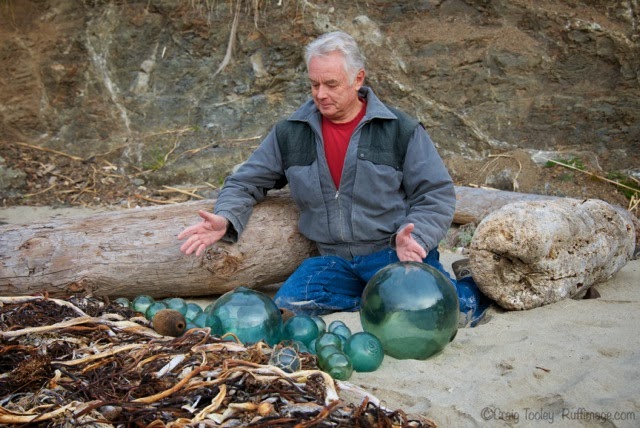
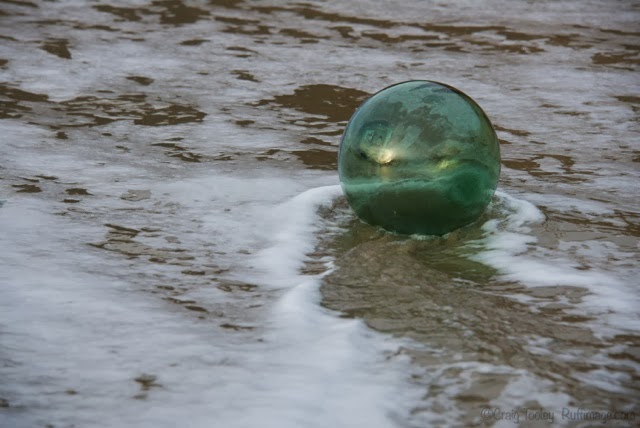
Glass fishing floats were used by deep sea fishermen in days gone by. However many are still floating in the world's oceans. Mel Smith has a collection of glass fishing balls and cylinders - a collection of a lifetime. Mel met photographer Craig Tooley at Cook's Beach recently to photograph his finds.
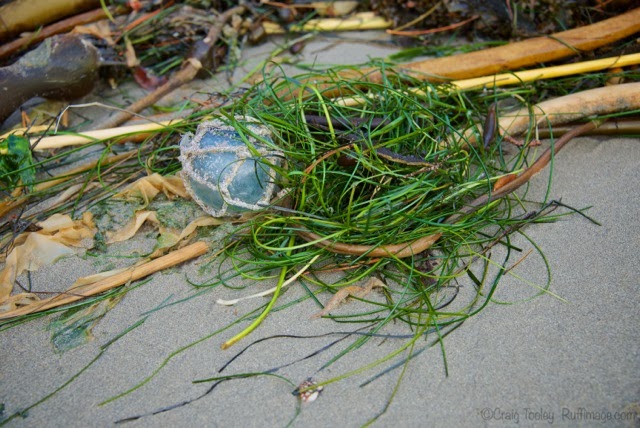
In the photo below, the glass float still has its rope, which is quite rare.
After a storm, you might choose to go beach combing. May you would be lucky to find a glass fishing float nestled in some kelp.
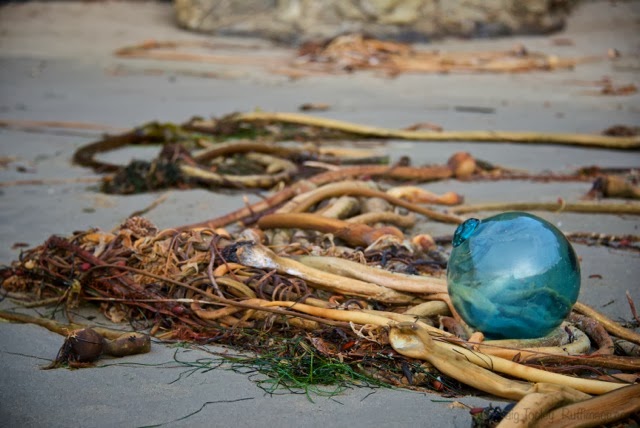
Or one washed up in the surf.
Below is one of the glass fishing cylinders that Mel has found.
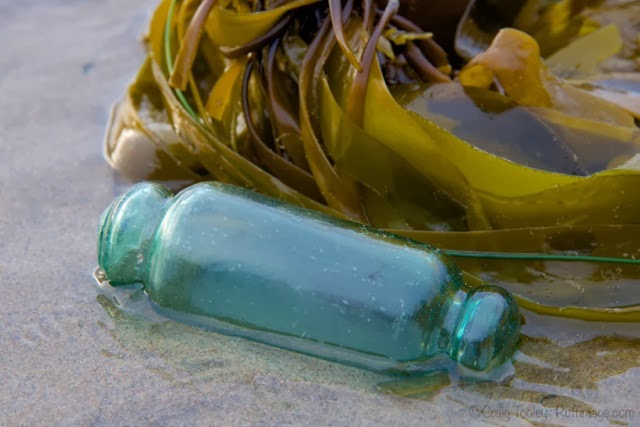
It's amazing to think that glass balls could survive for decades, riding the currents, and traveling halfway around the world to then be tossed up on a Mendonoma beach.

Thanks to Mel for sharing his collection and to Craig for allowing me to share his photos with you here. To see much more of Craig's nature photography, here is his website: www.ruffimage.com
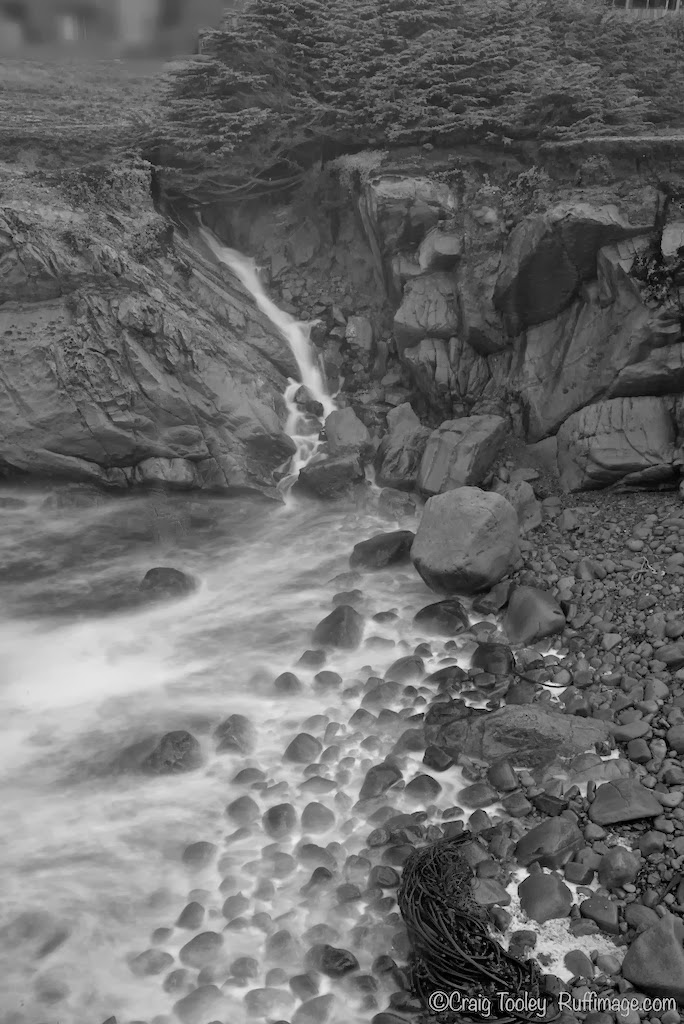
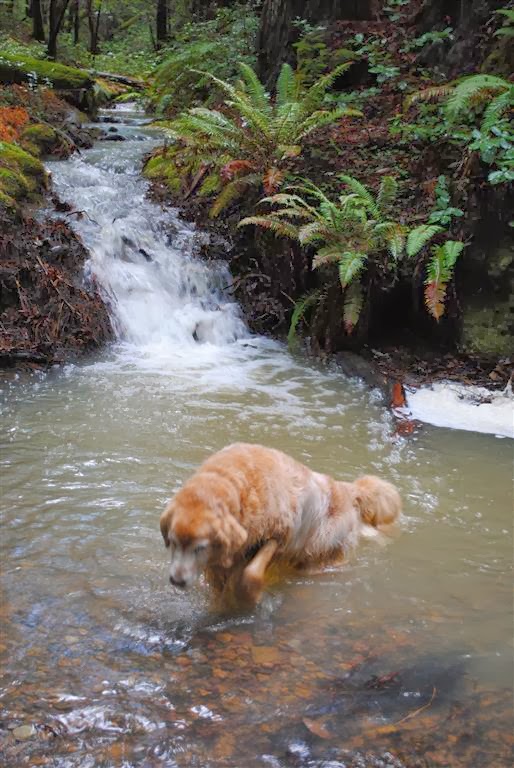
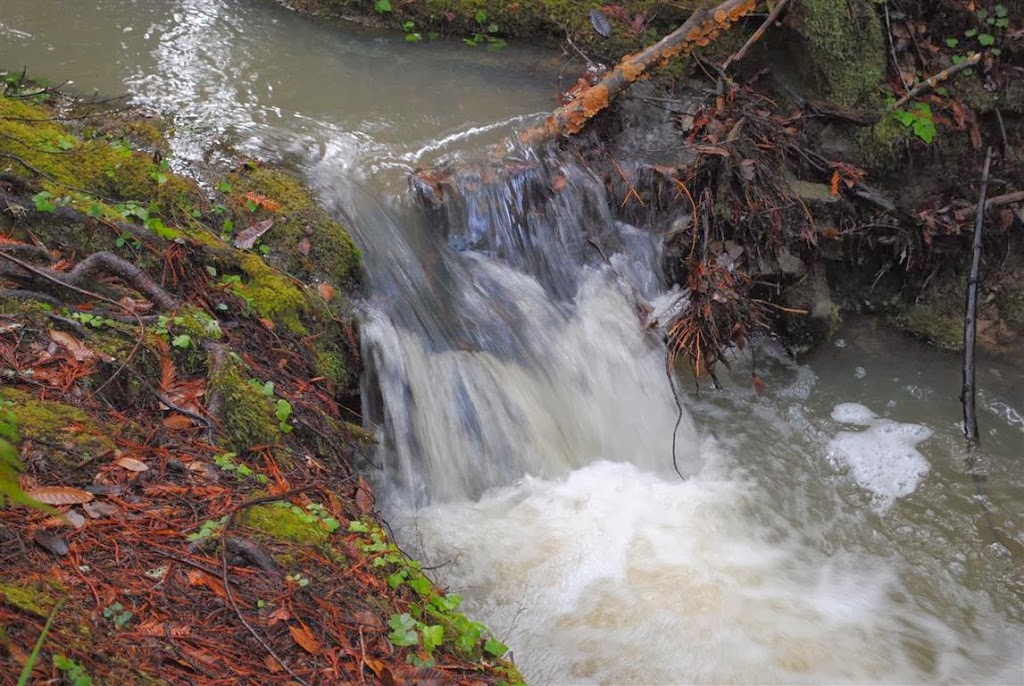
We've had nearly fifteen inches of rain since February 1st at our place in Anchor Bay. It had been so dry, the rain was especially welcome. Seasonal creeks came to life and the sound of them is glorious. Craig Tooley photographed one this past week.

The creek that crosses our property is now running clear. Quinliven Creek brings Rick and me much joy.

A certain golden retriever loves the creek too. Here Huckleberry is leaving one of the many ponds, not caring in the least that he is soaked.

It finally feels like winter. We are having brilliant sunshine today. Mushrooms are popping up in abundance. I will share some photos of them soon.

Thanks to Craig for allowing me to share his photo. To see much more of Craig's nature photography, here is the link to his website: www.ruffimage.com

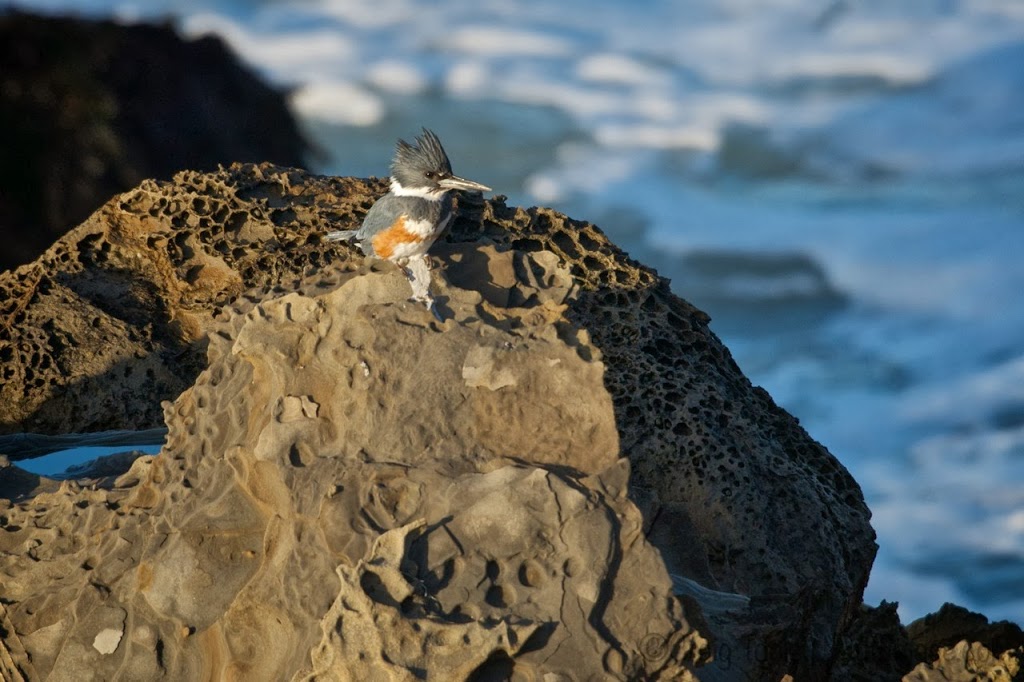
This is a fun bird to see as it looks like it is having a bad hair day! Belted Kingfishers, Megaceryle alcyon, are seen on the Mendonoma Coast more often in the wintertime. Craig Tooley recently photographed one, this one a female.

You can tell this is a female because she has two breast bands, one gray near her neck and a brownish one further down. Belted Kingfisher females are more brightly colored than their male counterparts - something rather unusual in the birding world.

Kingfishers mostly eat fish and they fish by either plunging directly from their perch or by hovering over the water. They breed far to our north.

To hear their call, here is the link to the Cornell Lab of Ornithology: http://www.allaboutbirds.org/guide/belted_kingfisher/sounds

Thanks to Craig for allowing me to share his photo of this fascinating bird. To see much more of Craig's nature photography, here is the link to his website: www.ruffimage.com

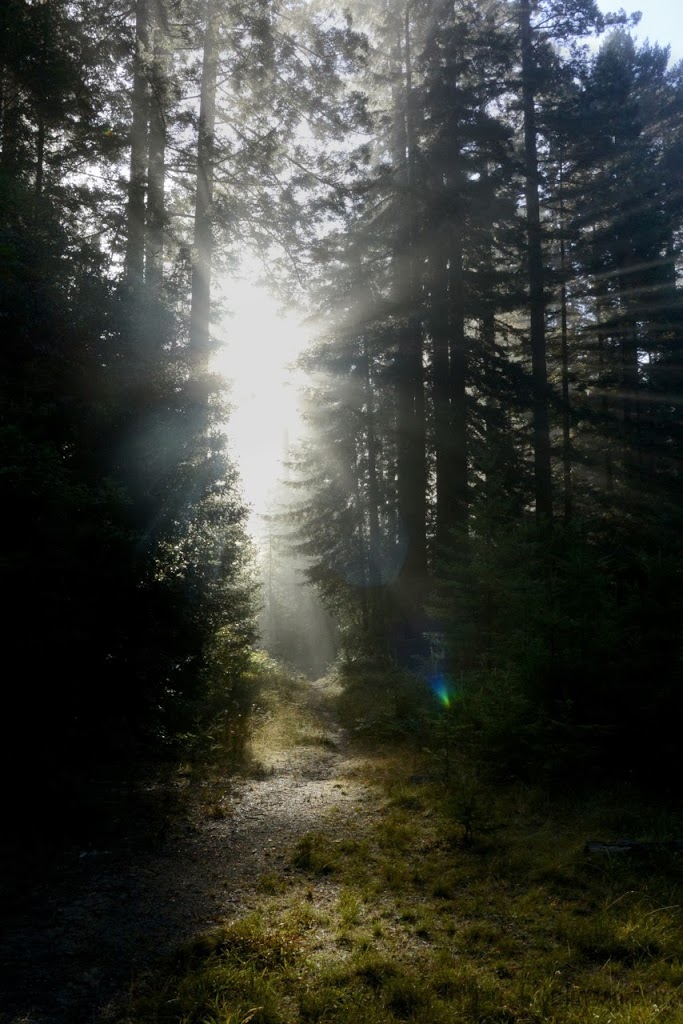
Rick and I are fortunate to have trails weaving their way into a mixed forest. Huckleberry, our golden retriever, demands two walks a day, rain or shine. So we hike the forest every day. It's wonderful to see the light slanting through the trees.

Craig Tooley recently captured a beautiful photo that speaks to the serenity and beauty of a forest.

I'd certainly take this path...would you?

Thanks to Craig for allowing me to share his photo with you here. To see much more of Craig's nature photography, here is his website: www.ruffimage.com
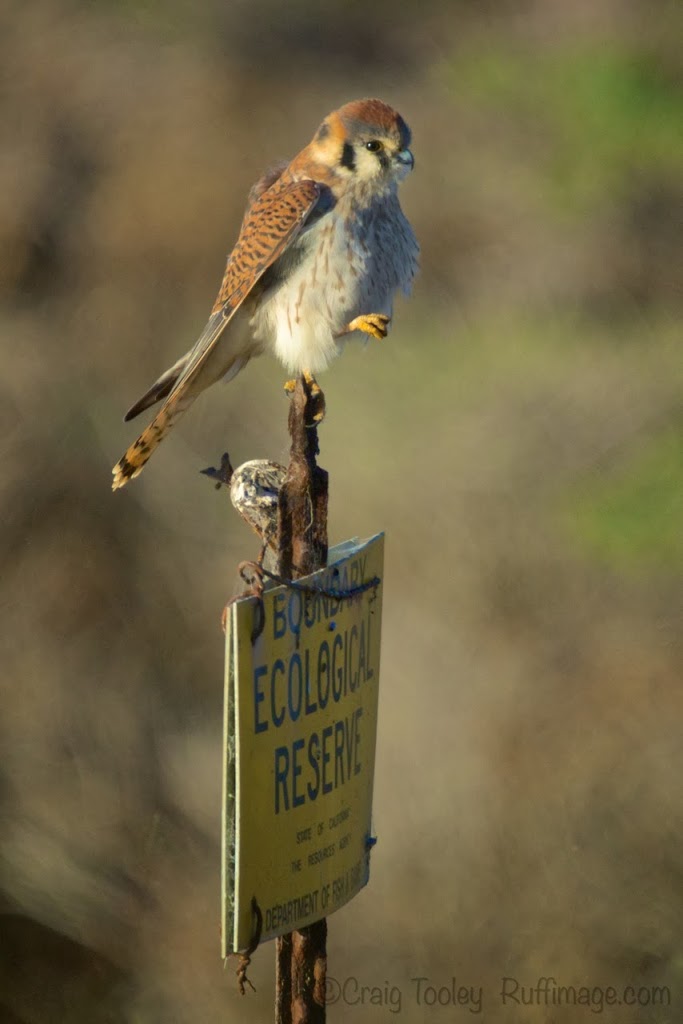
That's what Craig Tooley theorizes! Craig photographed this American Kestrel in a unique pose.

This small falcon eats insects, snatching them out of the air. Am. Kestrels are year round residents on the Mendonoma Coast.

To hear the call of this bird, here is the link to the Cornell Lab of Ornithology: http://www.allaboutbirds.org/guide/american_kestrel/sounds

Thanks to Craig for allowing me to share his photo with you here. To see much more of Craig's nature photography, here is his website: ruffimage.com