Tag Archives: circumhorizontal arc

This fire rainbow, or more properly, a circumhorizontal arc, appeared and several coastal residents got a photo of it. Donna Woodbury photographed it from Anchor Bay Beach. In Donna's second photo the fire rainbow is at the bottom and a portion of the halo around the sun appears. A halo can often predict rain.
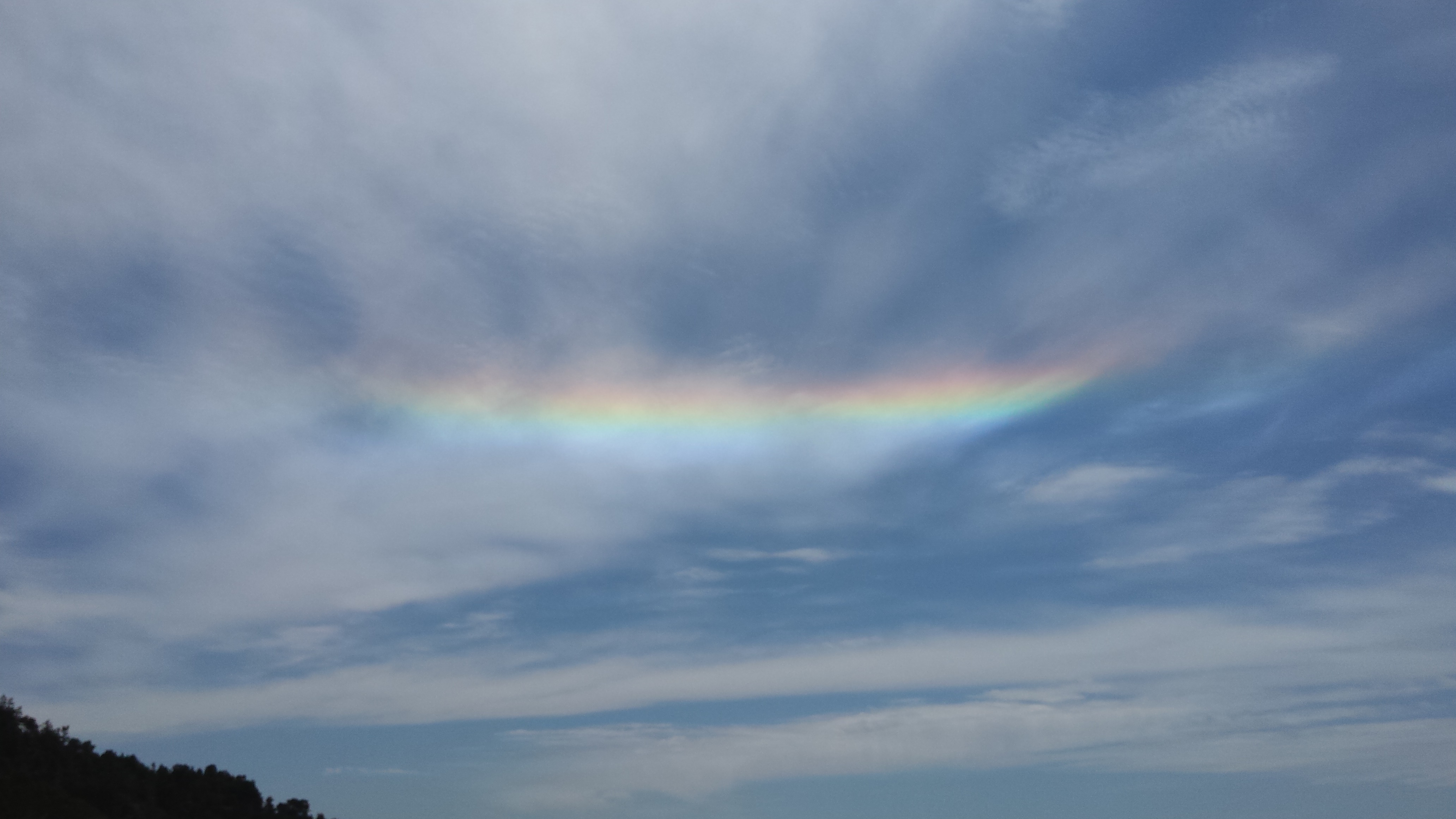
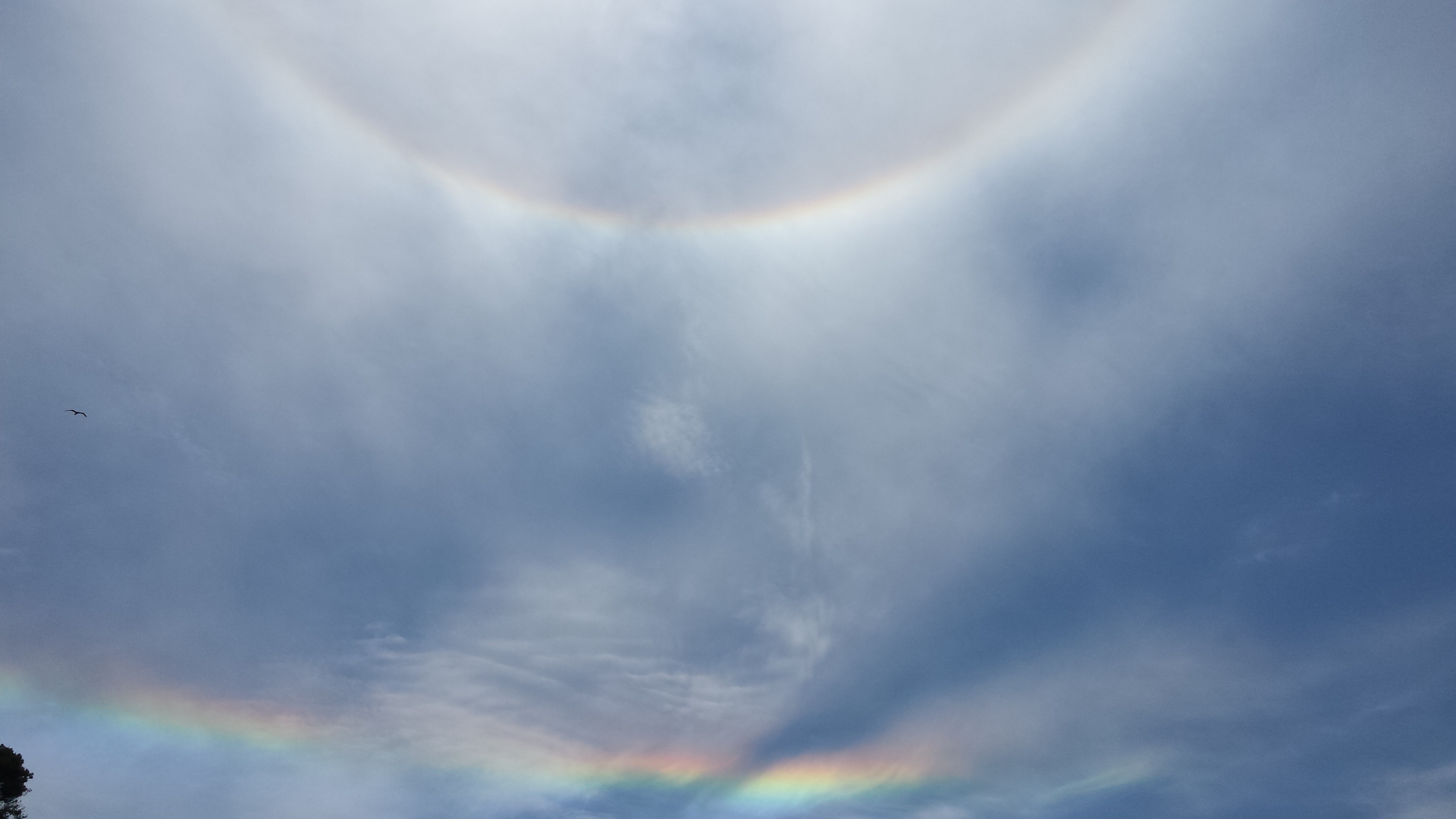
Fire Rainbow at Anchor Bay Beach by Donna Woodbury Halo around the sun and a fire rainbow at Anchor Bay Beach by Donna Woodbury

Connie King capture it from The Sea Ranch.
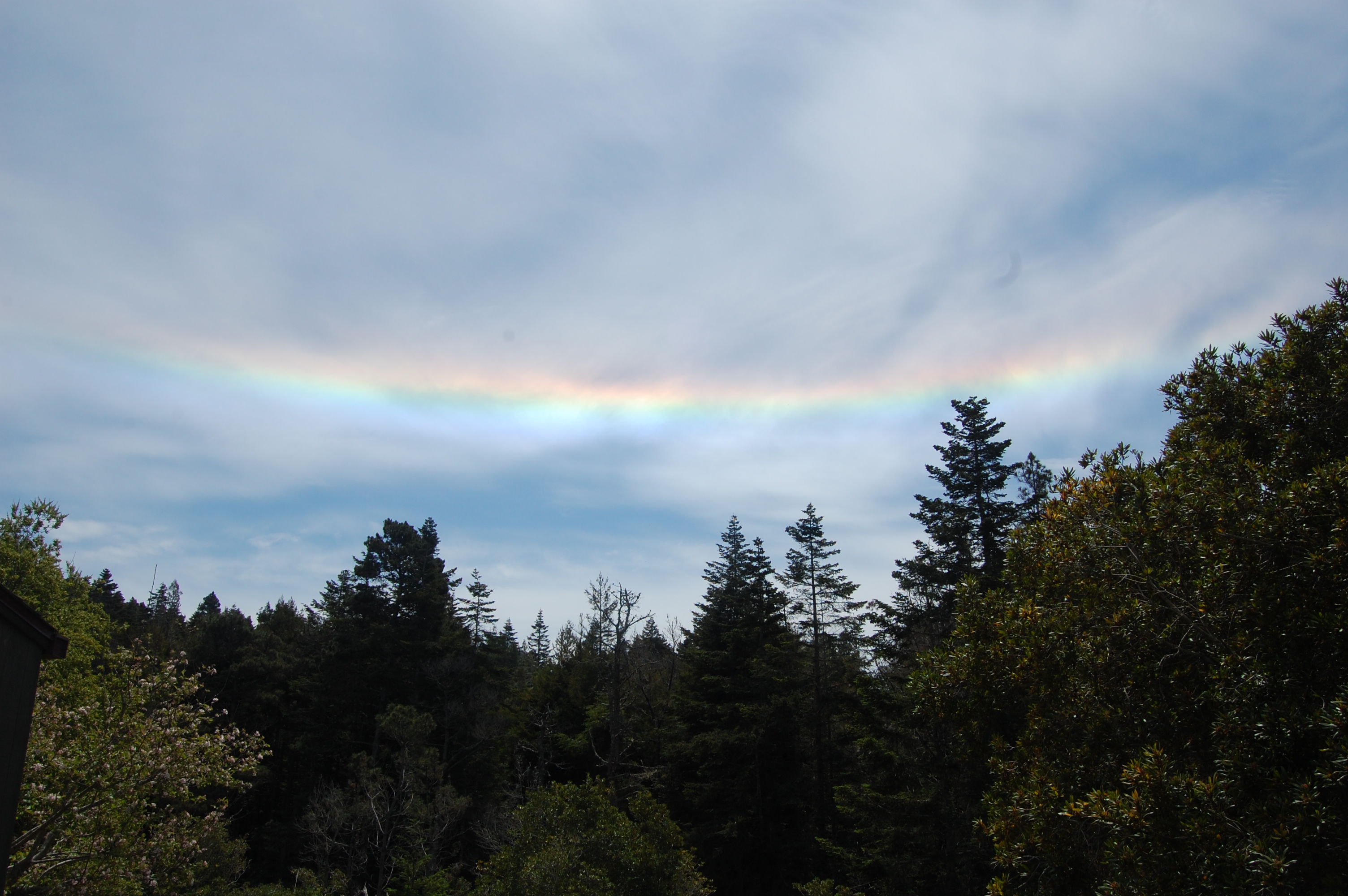
A Circumhorizontal Arc, aka a Fire Rainbow by Connie King

Peggy Berryhill only had her phone camera but she captured it too. She said the colors were much more vibrant that what her photo shows.
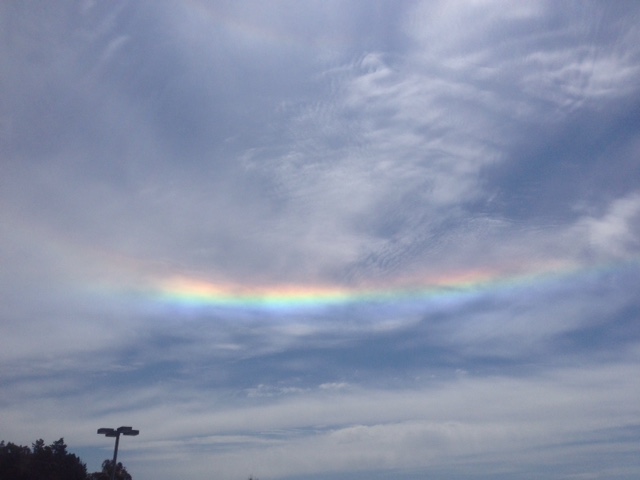
Fire Rainbow by Peggy Berryhill

And lastly Christina Chapman got this photo, which also shows the halo around the sun.
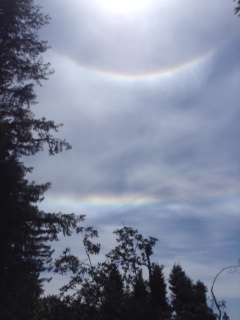
Halo around the sun and a fire rainbow by Christina Chapman

A circumhorizontal arc occurs when the sun is refracted through ice crystals.

Thanks to Donna, Connie, Peggy, and Christina for allowing me to share their photos with you here.
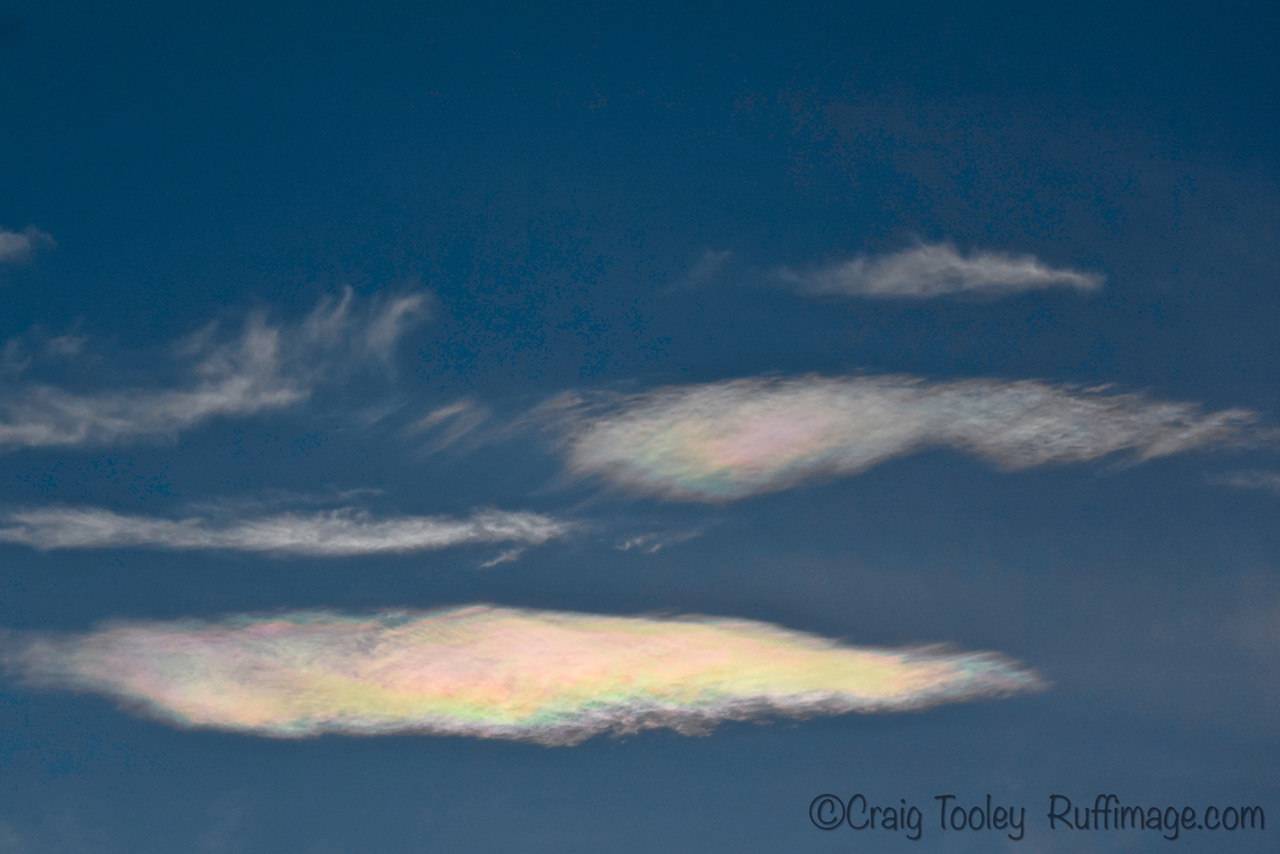
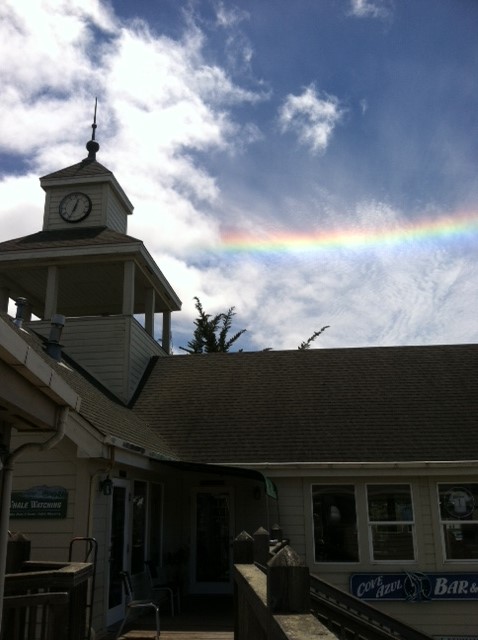
Craig Tooley photographed a rare fire rainbow. Actually, if you look closely, there are two fire rainbows.

Fire Rainbows by Craig Tooley

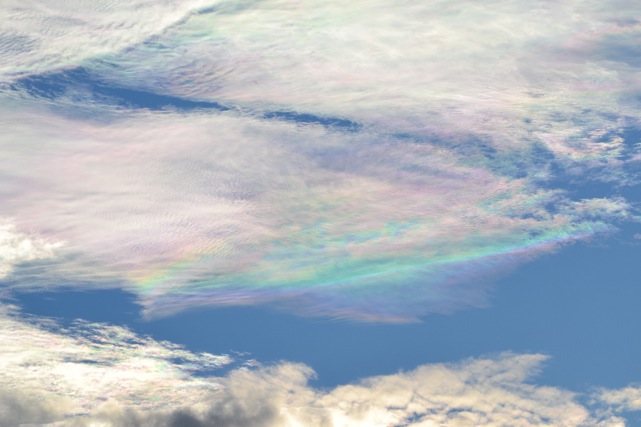
This phenomenon is more properly called a circumhorizontal arc. Rather than a rainbow, it is an ice halo, caused by ice crystals in cirrus clouds. It is rare to see one.

Here is one taken by Susan Cerruti. The fire rainbow appeared over the Cypress Center in Gualala

Fire Rainbow by Susan Cerruti

And another by Don Spear.

Fire Rainbow by Don Spear

They are beautiful to see, that's for sure! Thanks to Craig, Susan, and Don for allowing me to share their photos with you here. To see much more of Craig's nature photography, here is the link: www.ruffimage.com
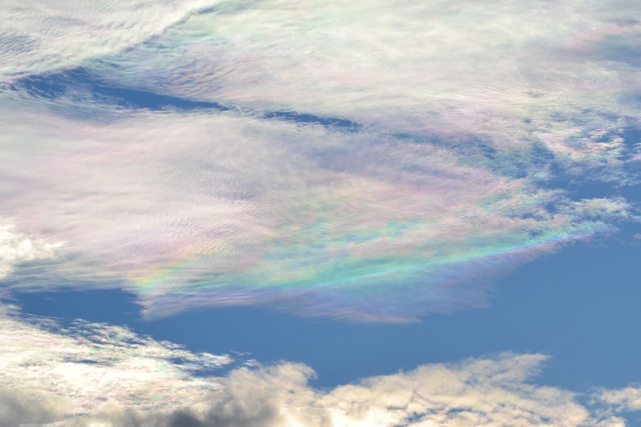
One of the rarest phenomenon, conditions have to be perfect to see a Fire Rainbow or a circumhorizontal arc. Don Spear was lucky to see and photograph one recently.

Fire Rainbow by Don Spear


The sun needs to be very high in the sky, so around the summer solstice is ideal. The sun needs to hit the clouds at exactly 58 degrees. Rather than being on fire, though, it is cold as ice.

Thanks to Don for allowing me to share his photo with you here. To see a photo of another unusual event caused by light refraction, here's a link to see a Fog Bow. http://www.mendonomasightings.com/2012/10/29/fog-bow-as-photographed-by-peggy-berryhill/