Tag Archives: Bowling Ball Beach

2 Comments

Ethan Artunian wrote, “My kids and I were lucky enough to see this rare sighting on [a week ago} Monday at Bowling Ball beach. Here are a couple of photos and a video. Good enough to make it in Jeanne's column?” You bet, and her blog! The Artunians were gifted with a sighting of a Ruby Octopus, Octopus rubescens.
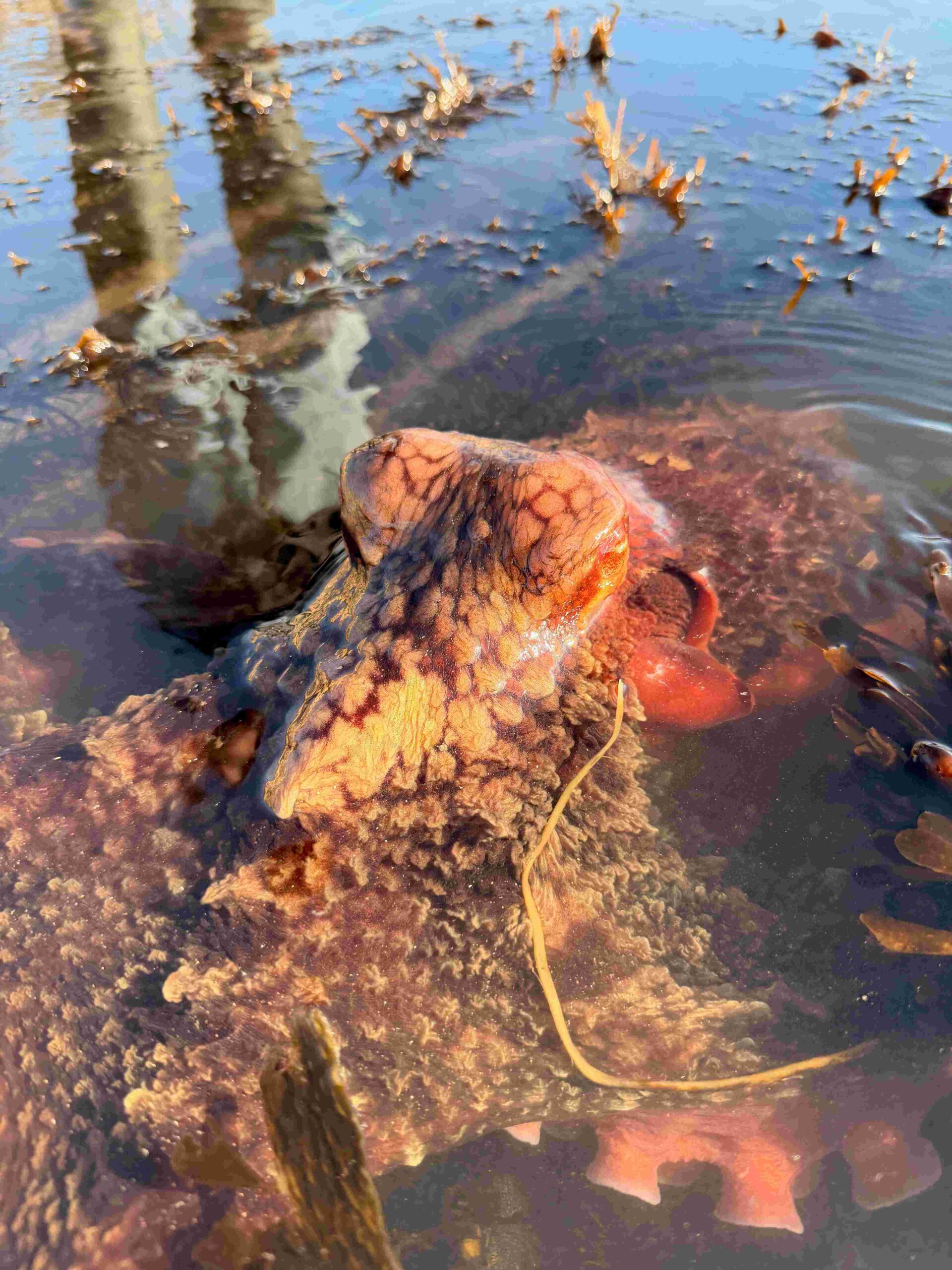
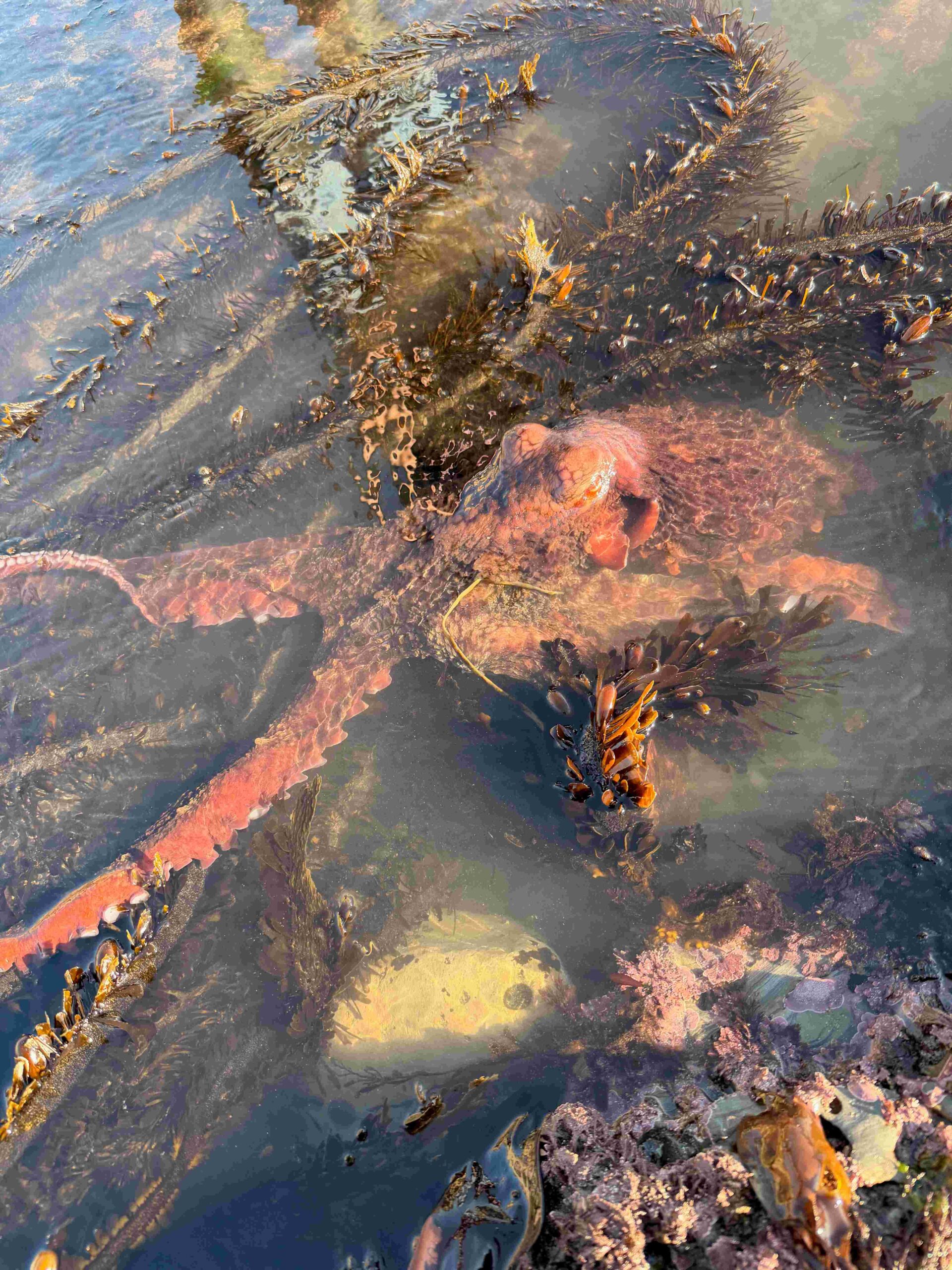
These small octopuses reside along the entire west coast and can be found as deep as 980 feet. They are solitary predators and are considered the most intelligent of all invertebrates. They use their sharp sense of touch and smell to locate prey such as crabs, clams, and scallops.

Here is a video of the fascinating octopus taken by Ethan.

Ruby octopus, Octopus rubescens, video by Ethan Arutunian

Thanks to Ethan for allowing me to share his photos and video with you here.

Rain came in overnight - 1.08 inches, 13.82 season to date. Our first rain since Nov. 19th! Much more to come...
2 Comments

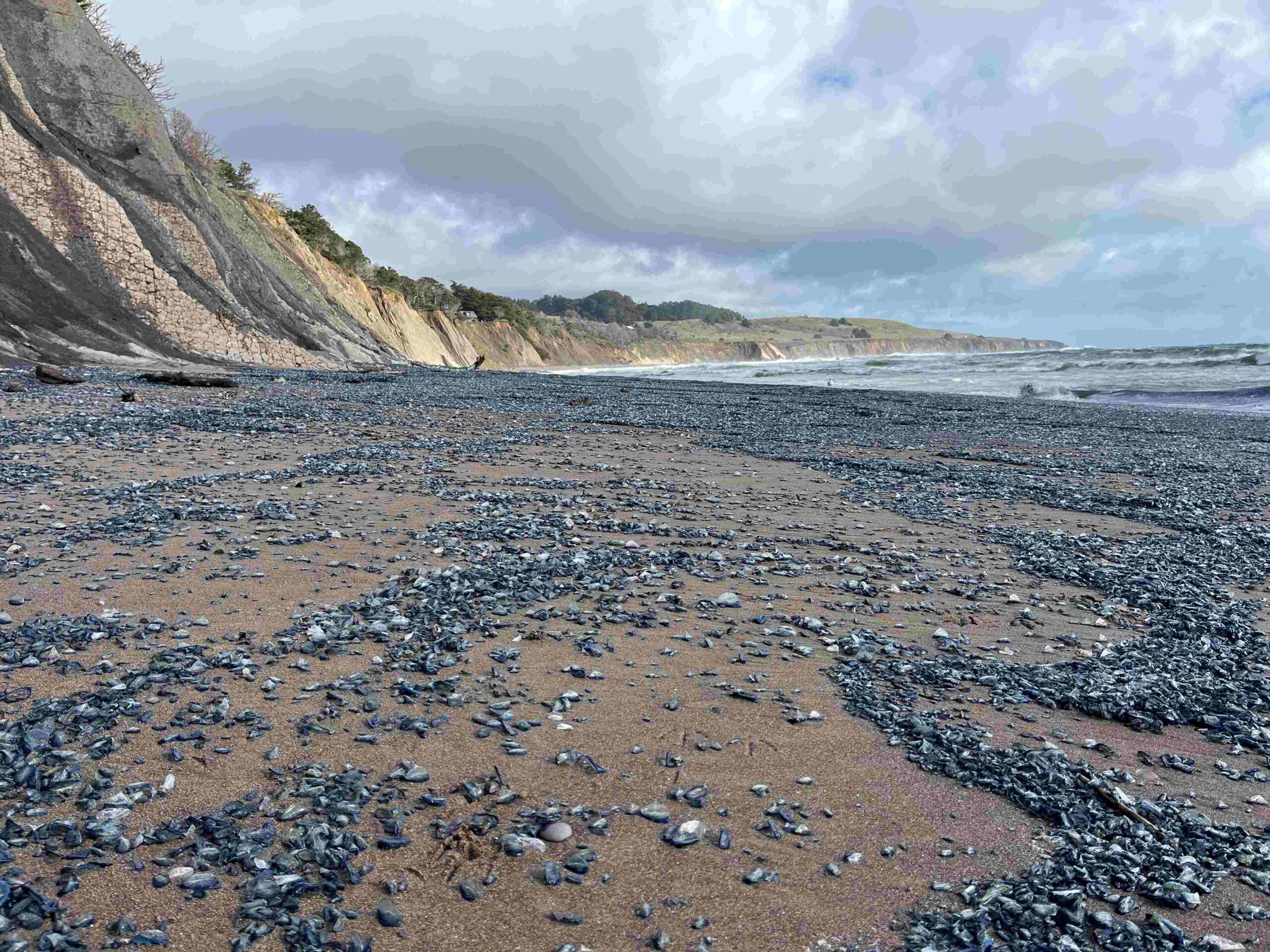
Dara Otwell wrote, “These were at Bowling Ball Beach Monday, 17 March.”

When I wrote back, I told Dara I had never seen so many washed up - her photos showed thousands of these animals - and she responded, “I’ve never seen so many either. It was wild; as with Nature, it changes constantly as the beach was back to normal the next day.”  

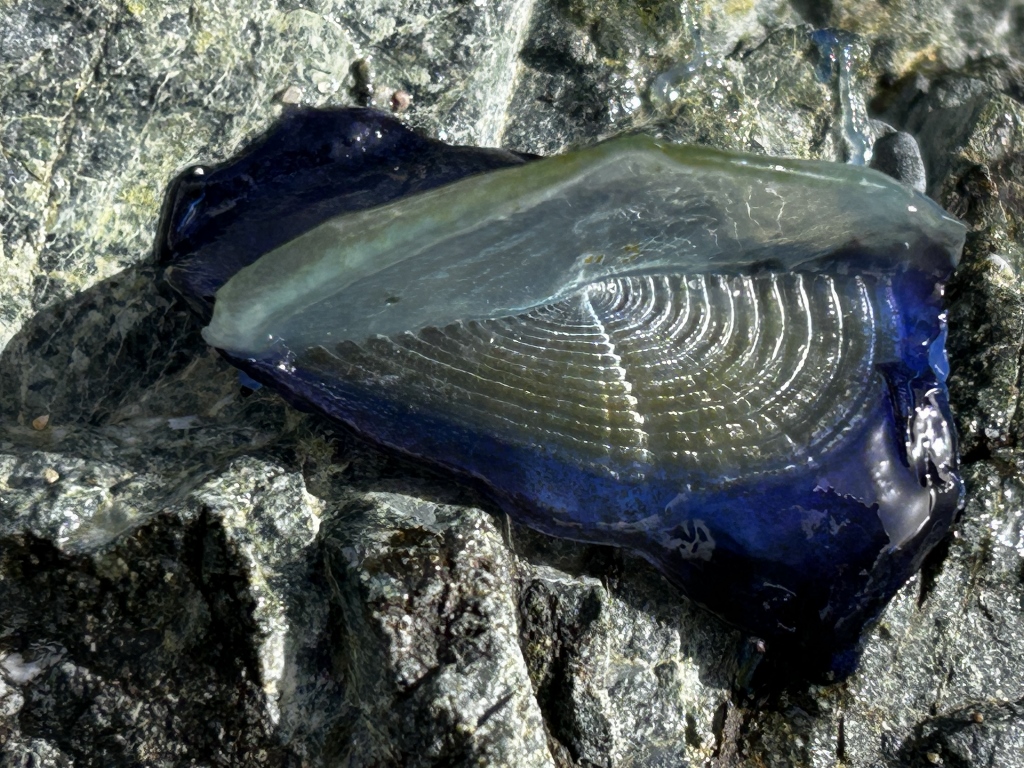
Carl Shapiro found a newly washed up Velella at Black Point Beach. It still had its vibrant blue color.

You can see the "sail" on top of this animal. About half of Velella velellas have sails tilted one direction, and the other half have it tilted in the opposite direction. This way, when the spring winds blow, half of them get blown further out to sea, while the unfortunate ones get washed up on the beach. Other creatures will eat them, and the tide will take some of them back into the ocean to be a part of the food chain.

2 Comments

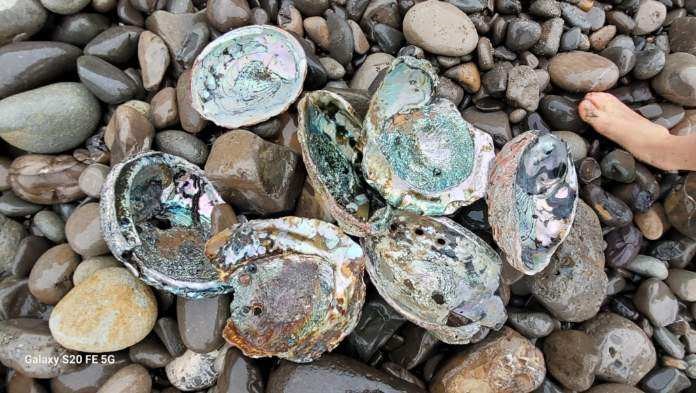
Nikki and Jack Smith, along with their children, went to Bowling Ball Beach after one of the recent big storms. This is what they found - iridescent Abalone shells, treasure on the beach!

Thanks to Nikki for allowing me to share her photo with you here.

One last storm has plastered us with rain, including a thundercloud with hail and lightning this afternoon. Sun is now breaking through and we have a pause from the rain for perhaps a week. Over 40 inches of rain at Rick's and my place so far this season. Last year at this time, it was 18.75 inches.

Happy New Year, everyone!

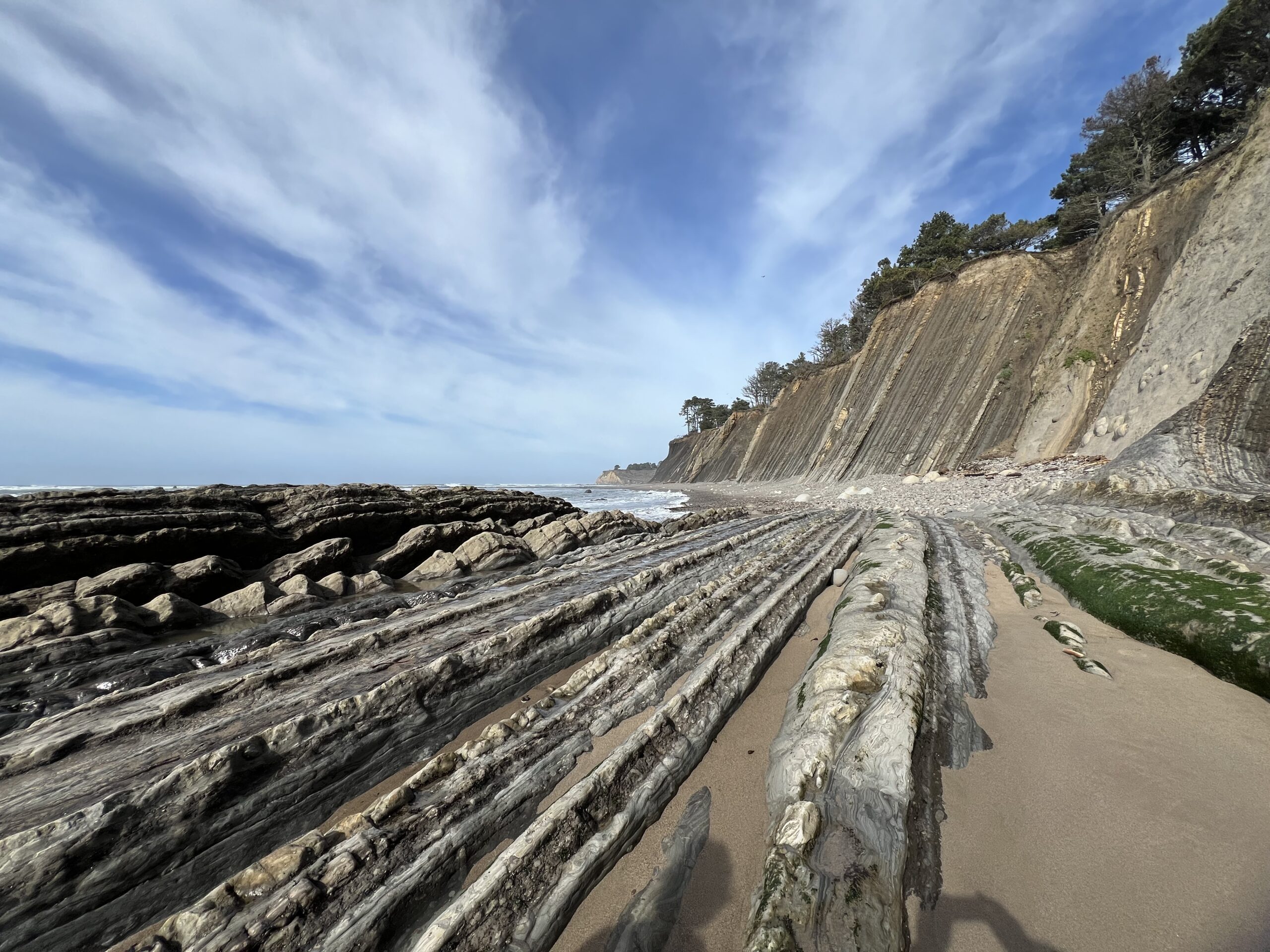
Bowling Ball Beach is a wonderful place to explore, especially after a storm. Catherine Miller and Hal Ferguson were exploring there recently at low tide. And what a glorious day they had!

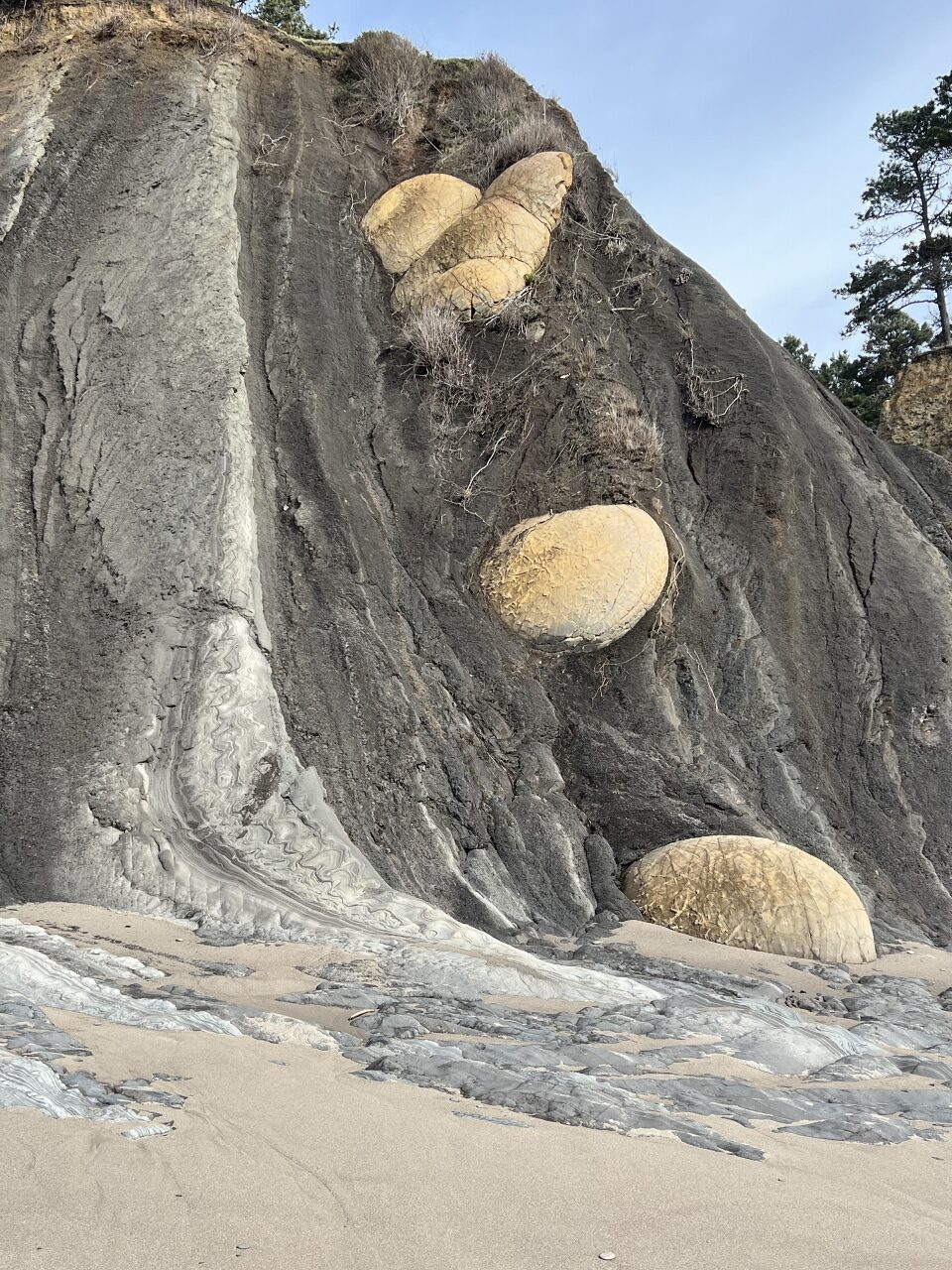
Here are some "bowling balls" about to join others on the beach, giving this beach its name. They are sandstone concretions.

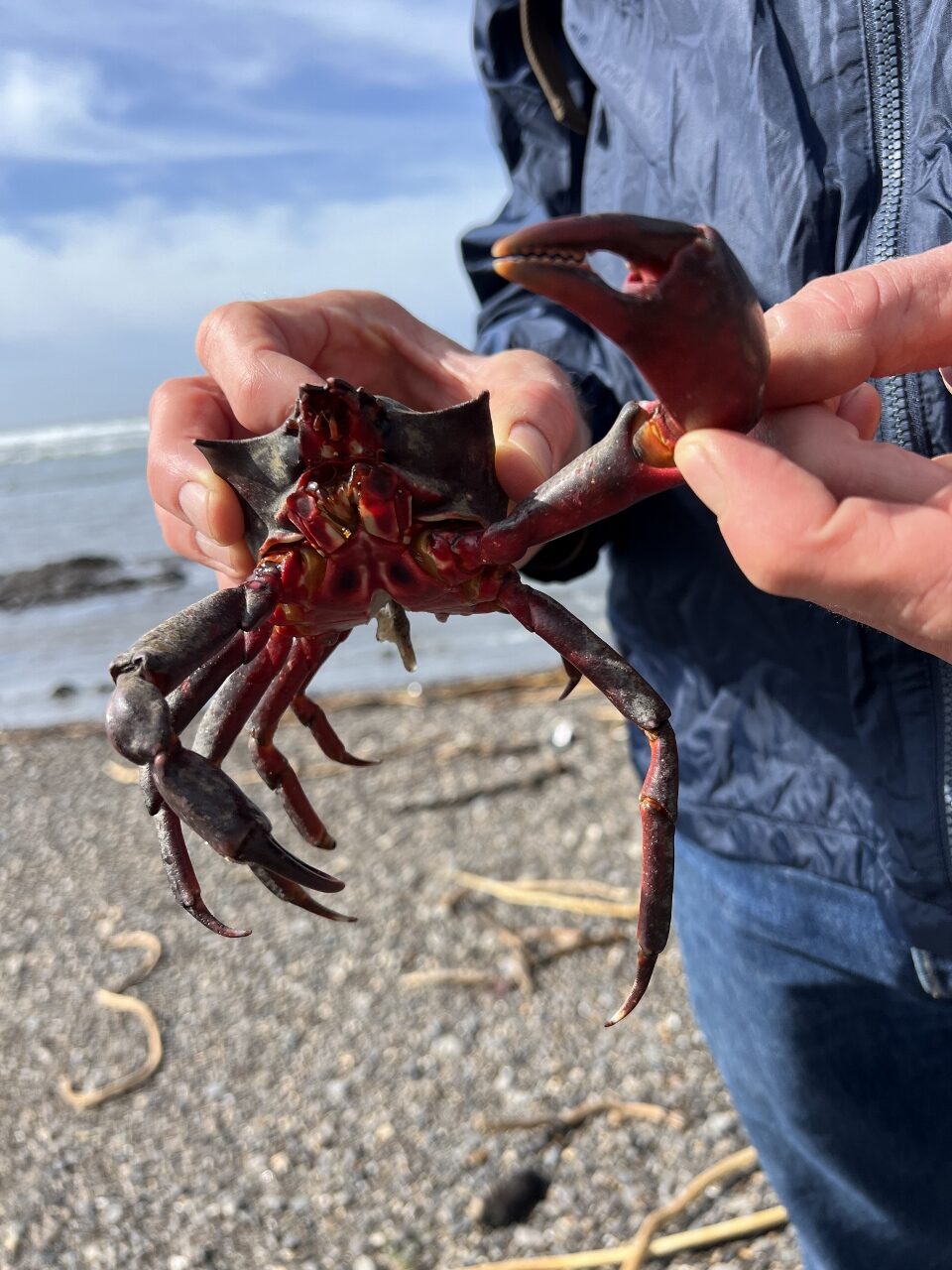
Below Hal is holding a Rock Crab found on the beach. It was a catch, photograph and release moment!

Bowling Ball Beach is part of Schooner Gulch State Park. You can learn more about this park at this link to CA State Parks: https://www.parks.ca.gov/?page_id=446

Thanks to Catherine for allowing me to share her photos with you here.

We are having wild weather today, Friday. Tremendous downpours followed by brief sun. It's a wait five minutes kind of day.

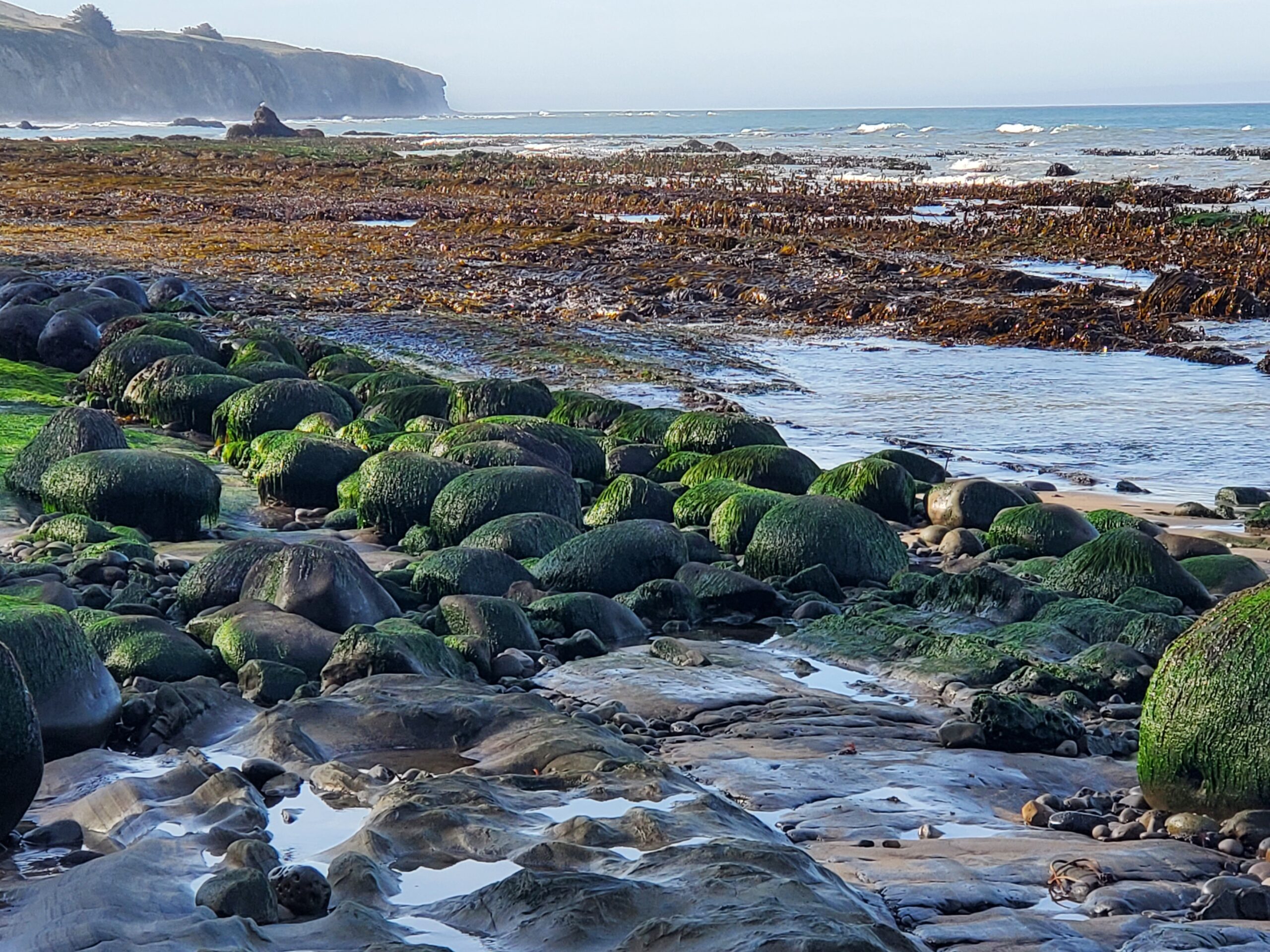
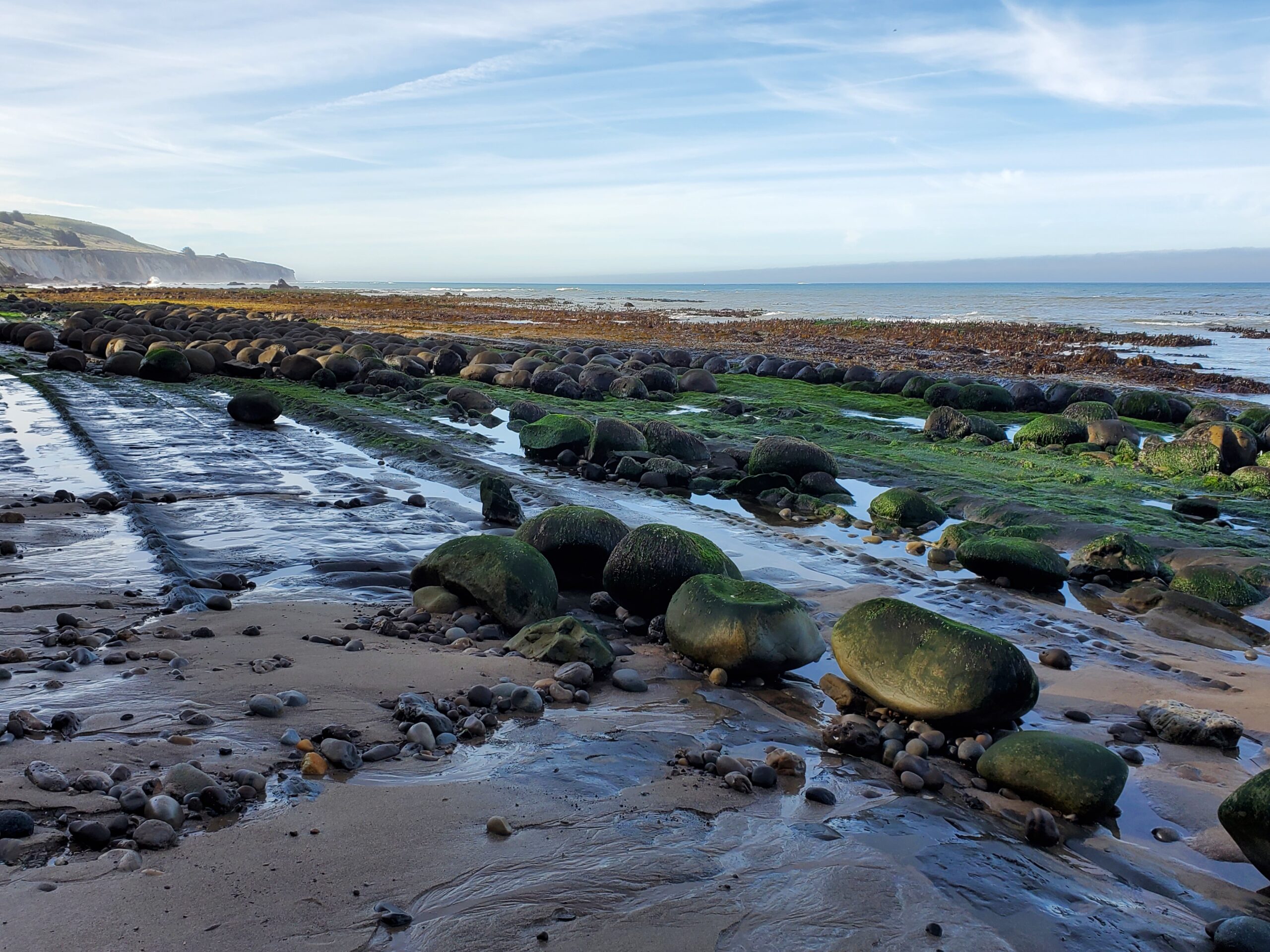
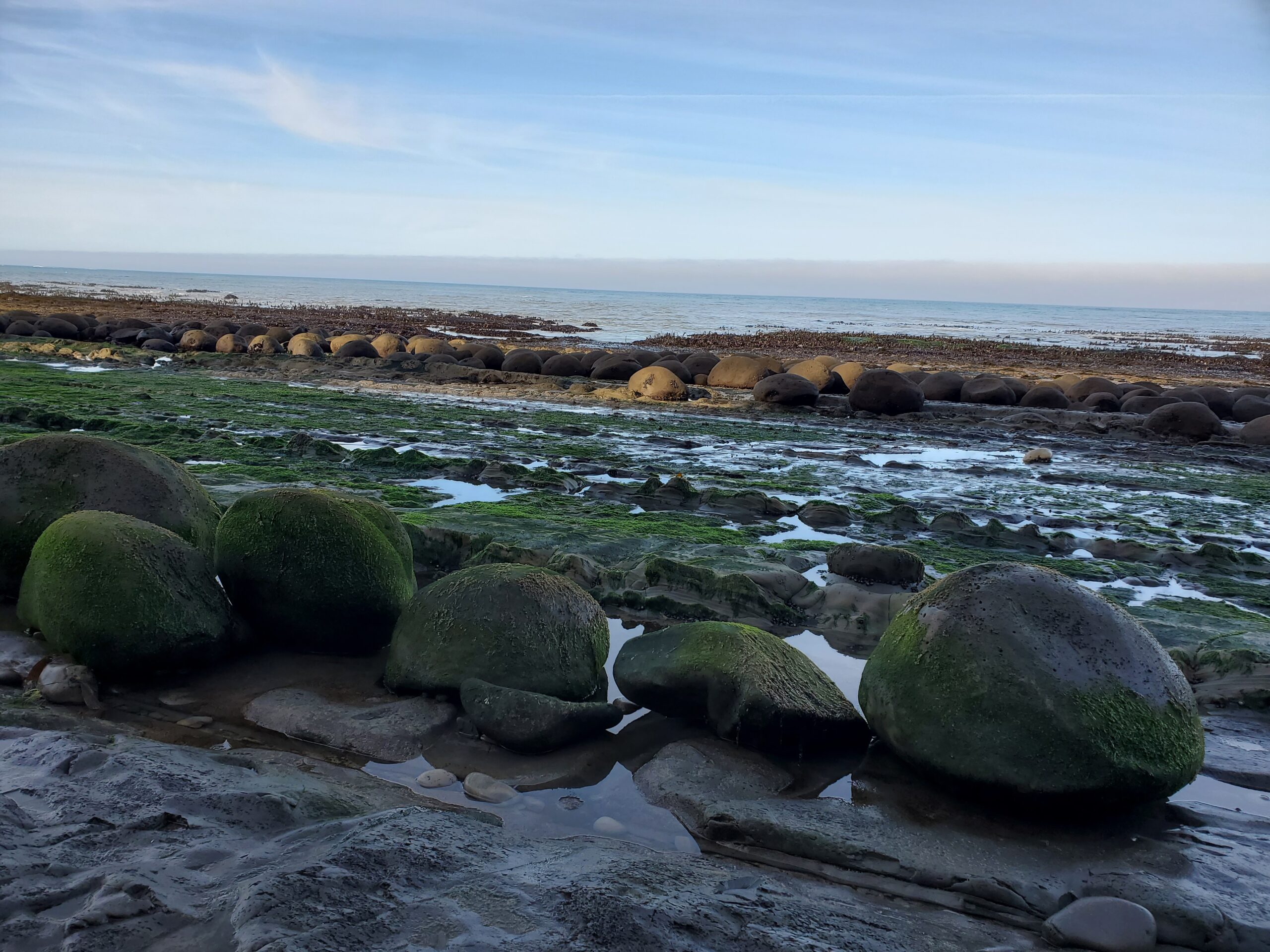
Bowling Ball Beach is part of the California State Parks system. It's known for these round rock formations that fall away from the cliffs. At low tide they do look like bowling balls. Mark Hancock recently visited at a minus tide and got these photos.

Mark wrote, "The tide was so far out beyond the bowling balls and the colors of the seagrass and mosses against the sandy tone of the balls was beautiful. A truly magical morning walk on one of the most unique beaches in the world!”

To learn more about Bowling Ball Beach and  the adjacent Schooner Gulch State Beach, here is their website:https://www.parks.ca.gov/?page_id=446

The Schooner Gulch access to the south is much easier than the direct route to Bowling Ball. That route is challenging until State Parks repairs the access.

Here is a description of how the "bowling balls" were formed, from the website atlasobscura: "...the so-called bowling balls are actually a geological phenomenon known as “concretion,” sedimentary rock formed by a natural process wherein mineral cements bind grains of sand or stone into larger formations. These boulders are the result of millions of years of concretion and erosion, exposing the hard spheres as the mudstone of the cliffs receded around them."

Thanks to Mark for allowing me to share his photos with you here. Another of Mark's photos will be in Thursday's Independent Coast Observer with my column, Mendonoma Sightings.

Fog, fog and more fog close to the ocean, but it's sunny on the ridge. I have fog in front of our house and sun behind it!