Sightings

Craig Tooley was at The Sea Ranch photographing the group of Pelagic Cormorant nests. He was startled to see a nest with eggs unattended.
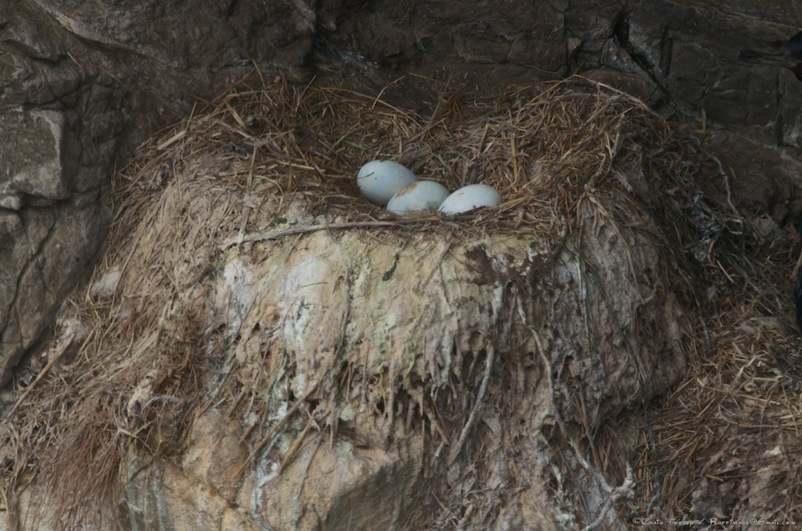
 You will see three eggs in the nest. The nests are made on steep cliffs, facing the ocean.
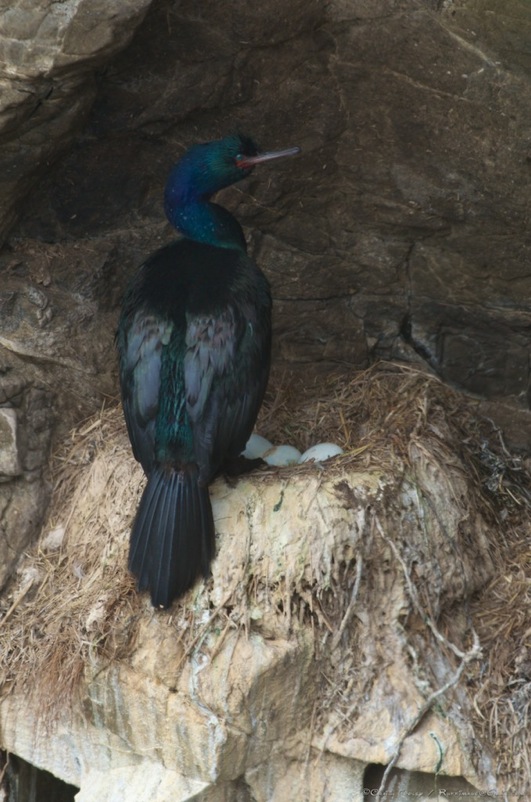
And here the parent has returned to care for the eggs. Several nests now have babies and I'll share that with you soon.

Thanks to Craig for allowing me to share his photos with you here. To see much more of Craig's Coast photography, here's the link to his website: ruffimage.com

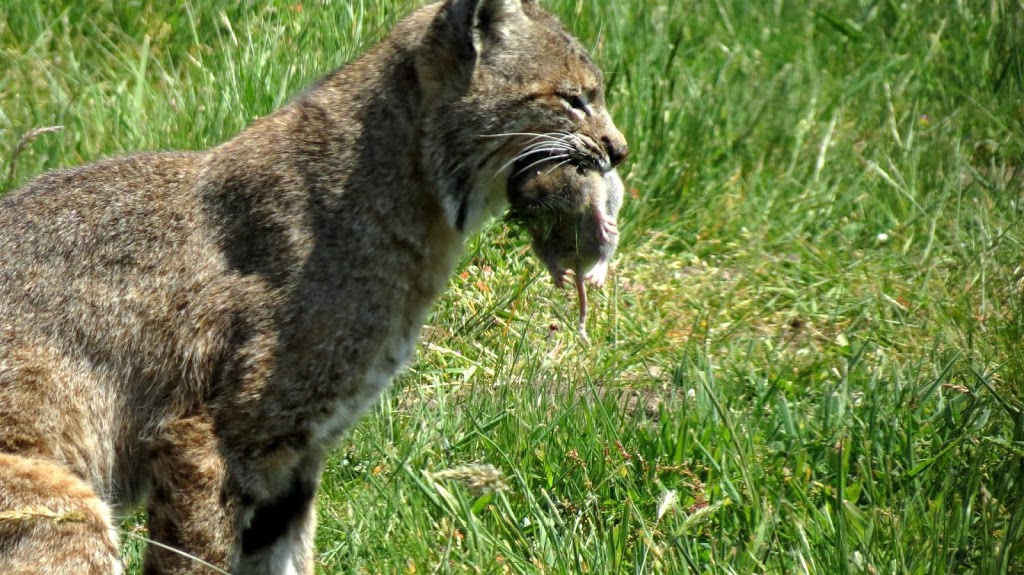
Mark and Kitty Simkins have a resident Bobcat that gives them multiple chances for sightings of the cat with the tufted ears and bobbed tail. Here are two recent photos. Mark titled the first one "Bobcat looking at me."

 And below the Bobcat has found a nice fat gopher for dinner.

Thanks to Mark for allowing me to share his photos with you here.

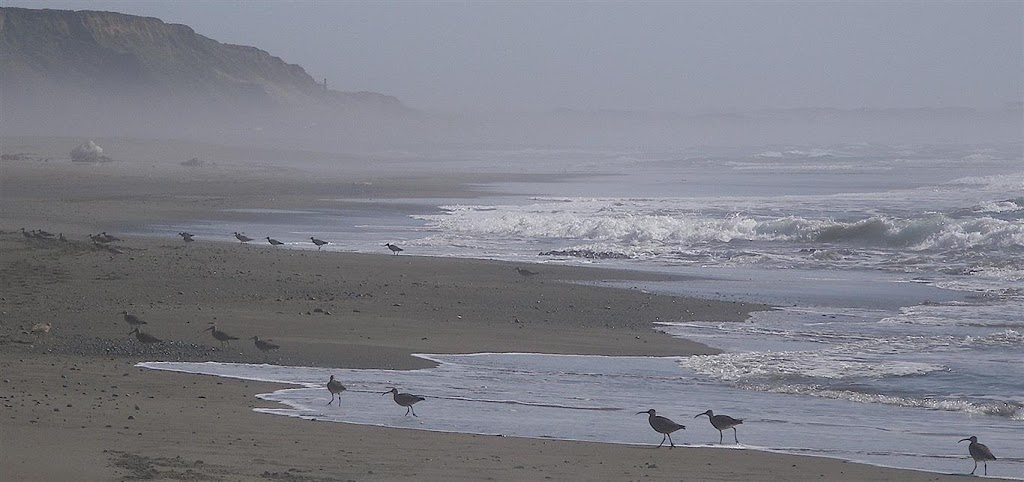
Bettye Winters was walking with her dog, Hunter, when she came across this large group of Whimbrels feeding and resting on the beach at Manchester State Park.

Whimbrels have incredibly long migrations. Some actually migrate 2,500 miles, from southern Canada to South America.

To hear their call, here's a link to the Cornell Lab of Ornithology: http://www.allaboutbirds.org/guide/Whimbrel/sounds

Thanks to Bettye for allowing me to share her photo with you here.

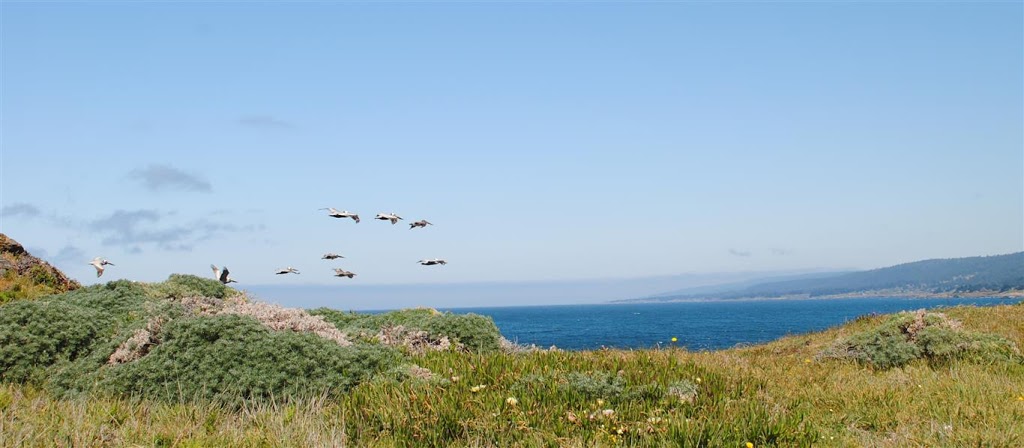
Rick and I were enjoying the beautiful Thursday morning, looking at the wildflowers and hoping to see some Gray Whales. We were just south of Black Point Beach. There's a rock where a few Western Gulls are nesting. As we approached, a squadron of Brown Pelicans flew by, almost at eye level. It's our first sighting of them this spring.

These are adult Brown Pelicans. You can see their white heads.

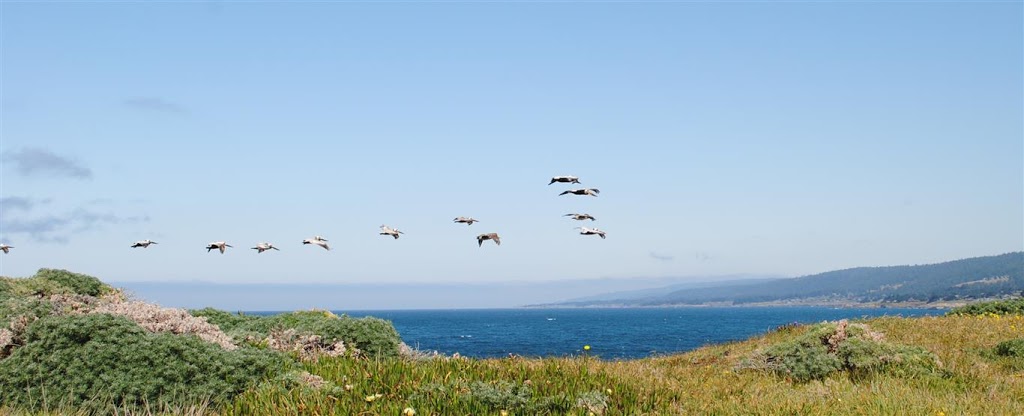
At this point the Pelicans headed towards land and they gained altitude before heading off to the north.

They are air surfers! It is always thrilling to see them as they glide across the sky.
To see a close-up of an adult Brown Pelican, here's the link: http://www.mendonomasightings.com/2012/04/26/brown-pelican-splash-down-as-photographed-by-siegfried-matull/

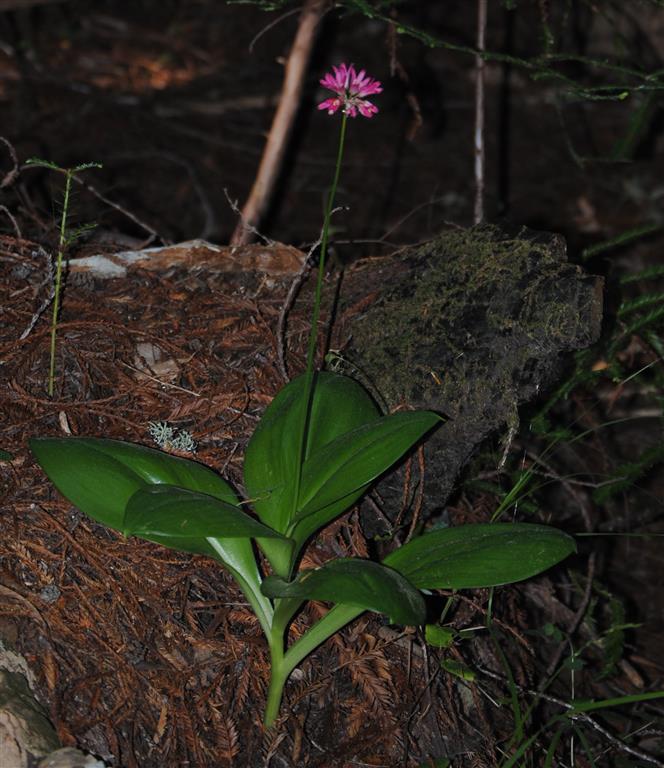
Andrew's Clintonia, Clintonia andrewsiana, is a lovely member of the Lily family. They grow in shaded forests. We have a few on our land in Anchor Bay and we cherish them. This Clintonia is about a foot and a half tall.

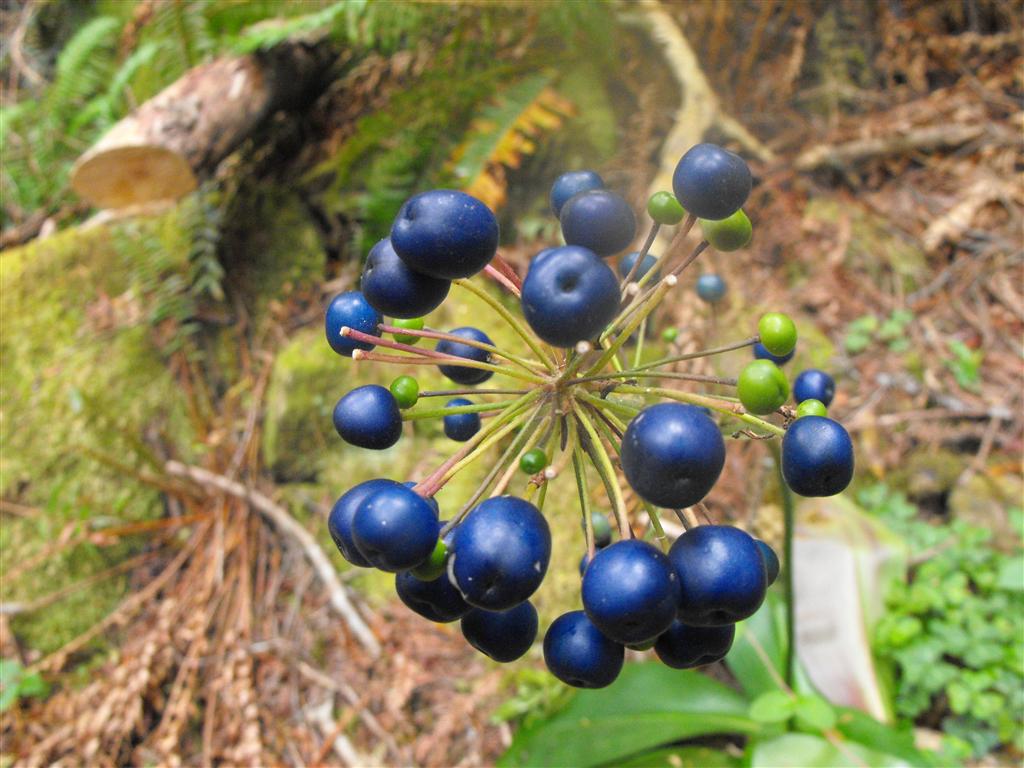
 In the summer, if a Deer doesn't eat the flower head, the flowers turn into blue berries. Rozann Grunig photographed this Clintonia last year. It's other common name is Blue Bead Lily. Now you can see why!

This is another wildflower that should never be picked. The flowers need to develop into these seeds. They will fall to the ground and, if they find a nurturing spot, will take root. They are very slow to develop. We have several "babies" and, even after ten years, they aren't big enough to flower.

Thanks to Rozann for allowing me to share her photo of the blue berries.