Sightings

Hearn Gulch is found just north of Iversen Road at mile marker 10.0 in Mendocino County. It is a fairly new public access point. Rick and I recently hiked there, along with our golden retriever, Huckleberry. The sky was amazing with beautiful clouds.
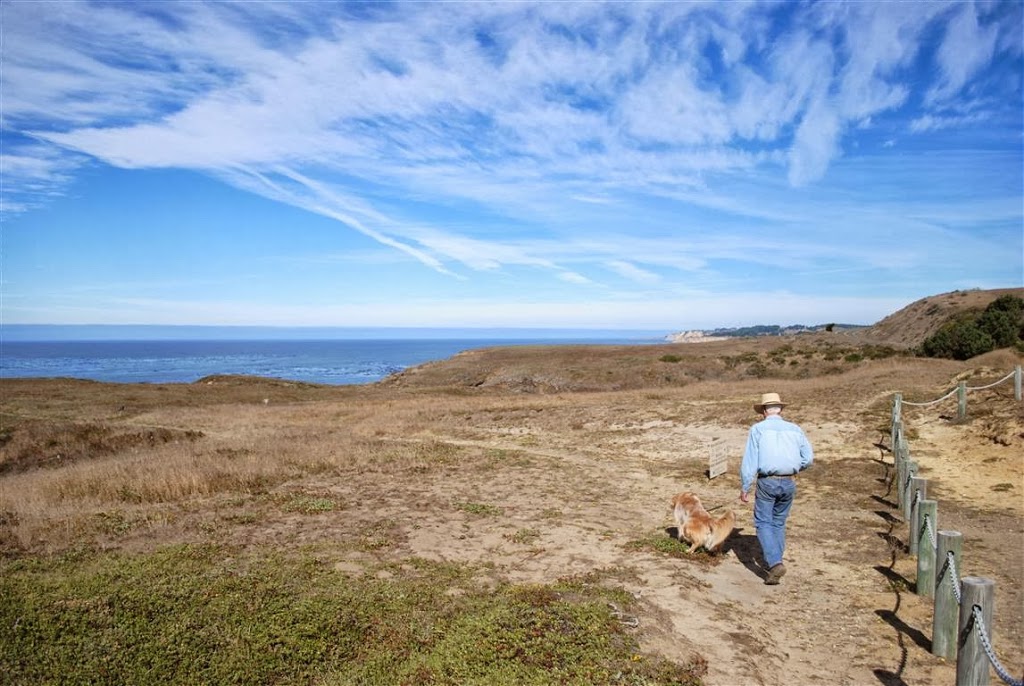
 This is the view to the west. Bishop Pine trees are clinging to the bluff face.
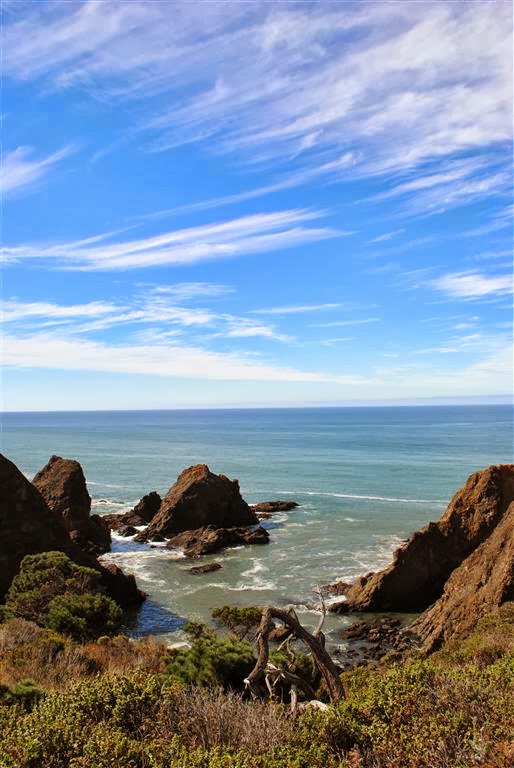
And this is the view to the south.
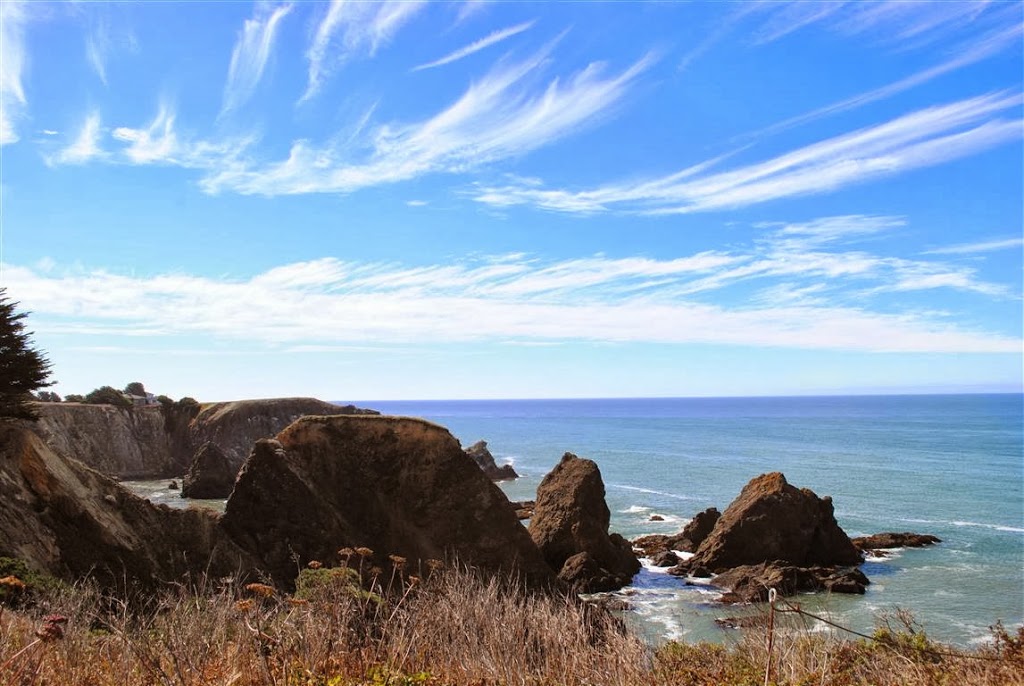
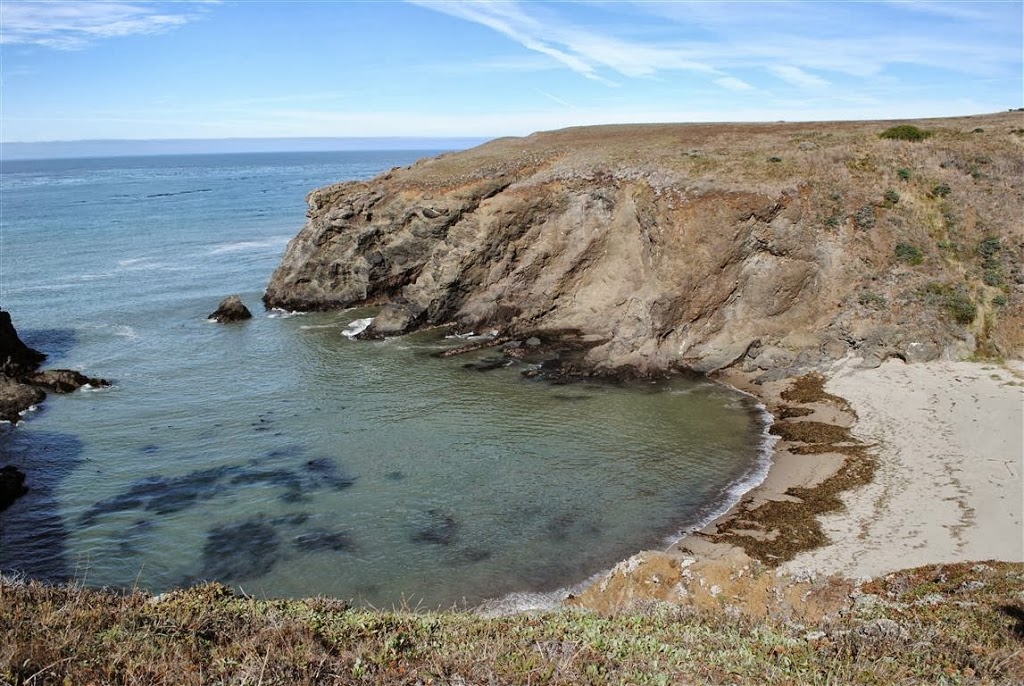
If you walk to the north you will find this pocket beach. You can see some kelp has already washed ashore. There is a trail to the beach. While it is steep there is a rope to help you on your way down and back up.
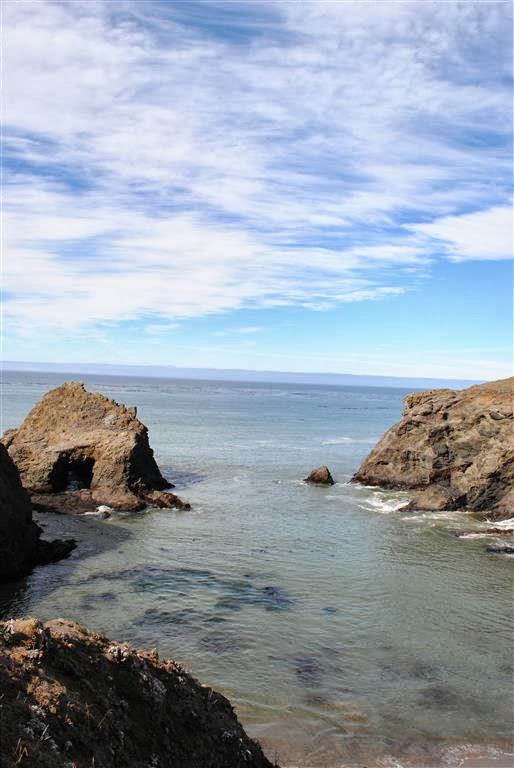
There wasn't much wave action the day we were there. There is a sea tunnel on the left. In the days to come, with the ocean beginning to be more active, this would be a great place to visit.
The Redwood Coast Land Conservancy works to provide public access to scenic spots like Hearn Gulch. And, wow, are they doing a great job! To learn more about RCLC and other access spots on the Mendonoma Coast, here is the link to their website: http://www.rc-lc.org/
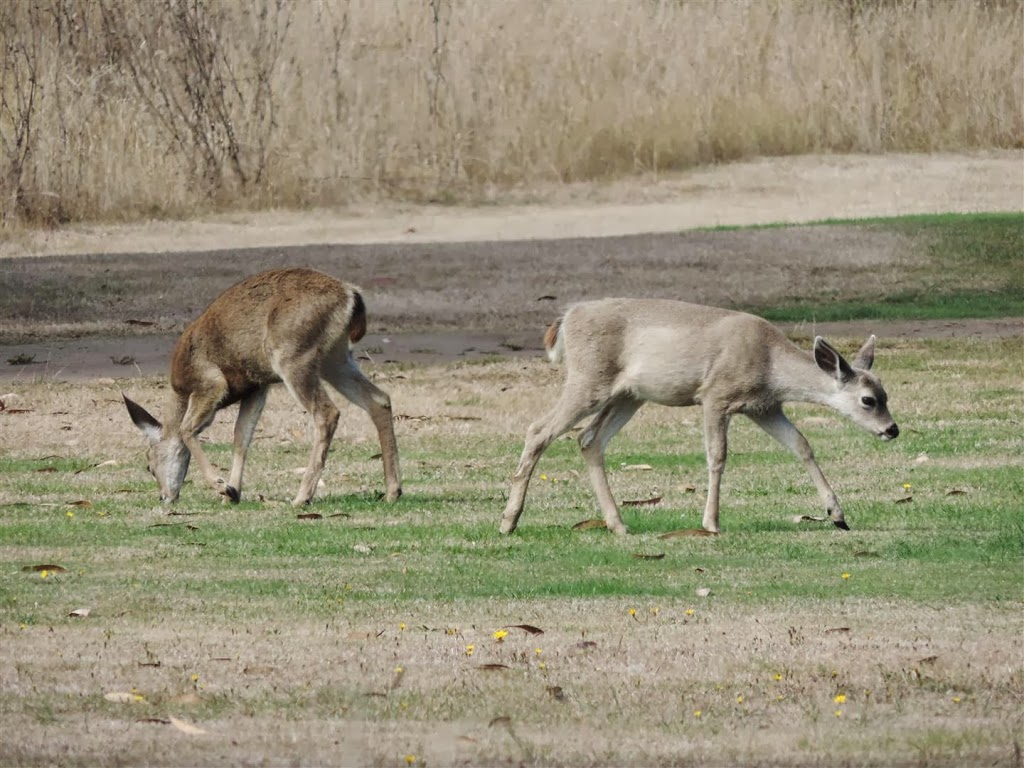
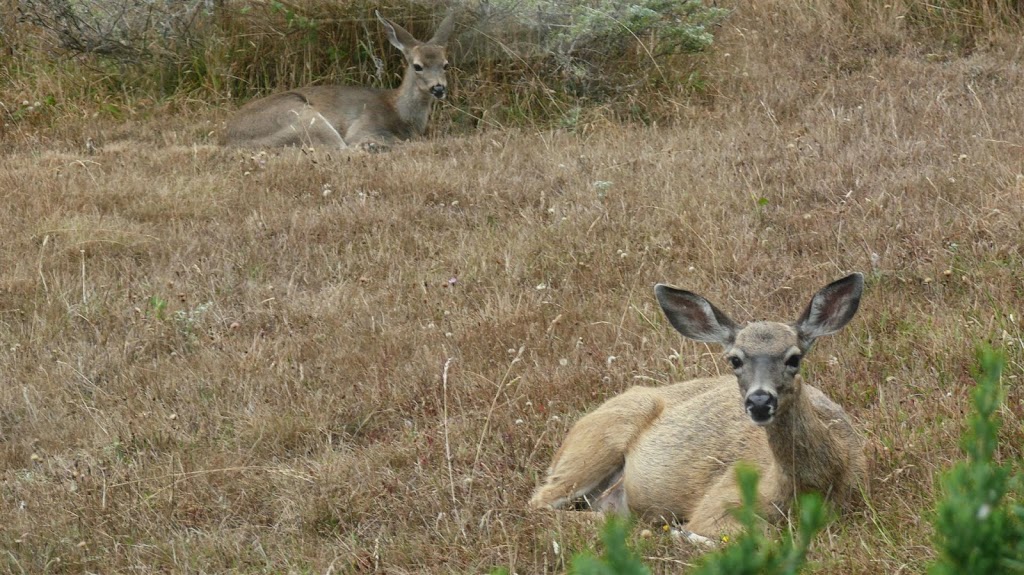
It's unusual to have a white Fawn born but it has happened in 2006, 2009 and now in 2013. In each case they colored up, proving that they weren't leucistic but tow-heads. Mike Mee got a recent photo of the white Fawn with its normal-colored sibling.

 Here is how the two fawns look on July 10th.

The mother of these fawns is light colored. Peggy Mee sent in this photo and theorized that she might have been the white fawn born in 2009.

A wonderful mystery to contemplate here on the Mendonoma Coast. Thanks to Peggy and Mike for allowing me to share their photos with you here.

A storm has just passed through bringing .65 inches of rain at our place in Anchor Bay. Early rains are always welcome, freshening up the plants and dampening down the fire danger. Can wild mushrooms be popping soon? I will most certainly let you know!

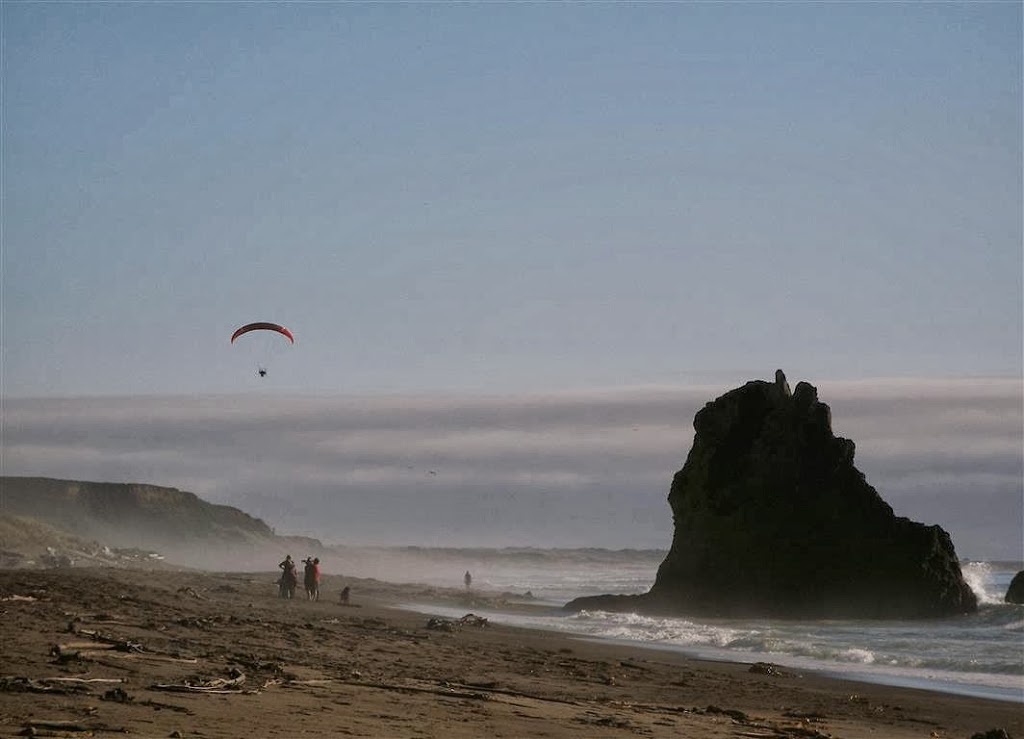
Bettye Winters loves to walk on this huge crescent-shaped beach. She has sent me photos of so many different creatures she sees on her walks. But this is a first. She saw a hang glider!

The several people on the beach were sure surprised to see this person glide by.

Thanks to Bettye for a unique sighting and for allowing me to share her photo with you here.

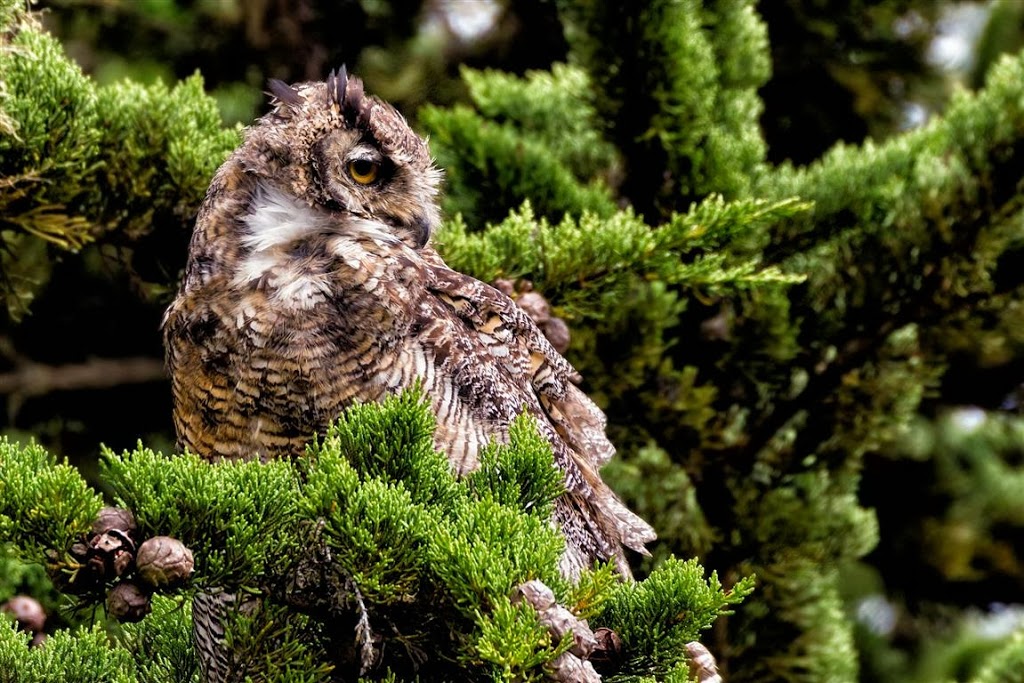
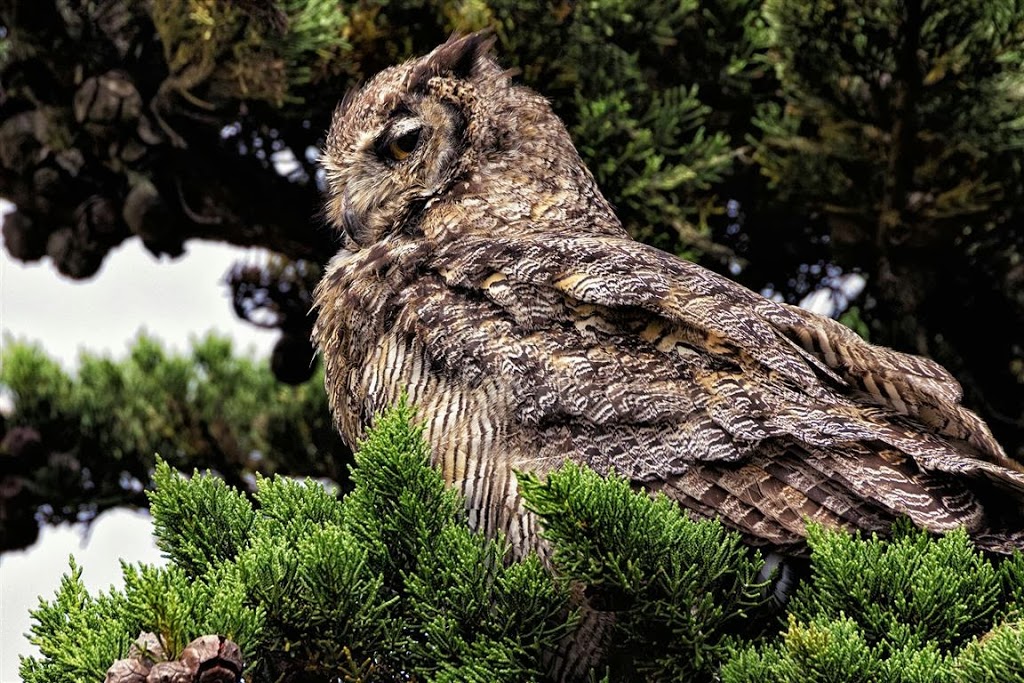
Kathy Bishop came across two Great Horned Owls that were roosting. She snapped a couple of photos and then beat a quick retreat. One of Kathy's photos was published in yesterday's Independent Coast Observer in my Mendonoma Sightings column. You can see it on-line at mendonoma.com. The other two photos I am pleased to share with  you here.

What beautiful owls! Here it what the Cornell Lab of Ornithology says about Great Horned Owls:

"With its long, earlike tufts, intimidating yellow-eyed stare, and deep hooting voice, the Great Horned Owl is the quintessential owl of storybooks. This powerful predator can take down birds and mammals even larger than itself, but it also dines on daintier fare such as tiny scorpions, mice, and frogs. It’s one of the most common owls in North America, equally at home in deserts, wetlands, forests, grasslands, backyards, cities, and almost any other semi-open habitat between the Arctic and the tropics."

That stare is a little intimidating! Their call is the "hoo hoo" call. Hear it at this link:
http://www.allaboutbirds.org/guide/great_horned_owl/sounds

Last year Rick and I were privileged to take part in a release of two Western Screech Owls back into the wild, about ten miles north of where we live in Anchor Bay. Here is the link to learn more about this heartwarming event: http://www.mendonomasightings.com/2012/12/15/two-western-screech-owls-released-back-into-the-wild/

Thanks to Kathy for allowing me to share her photos with you here.

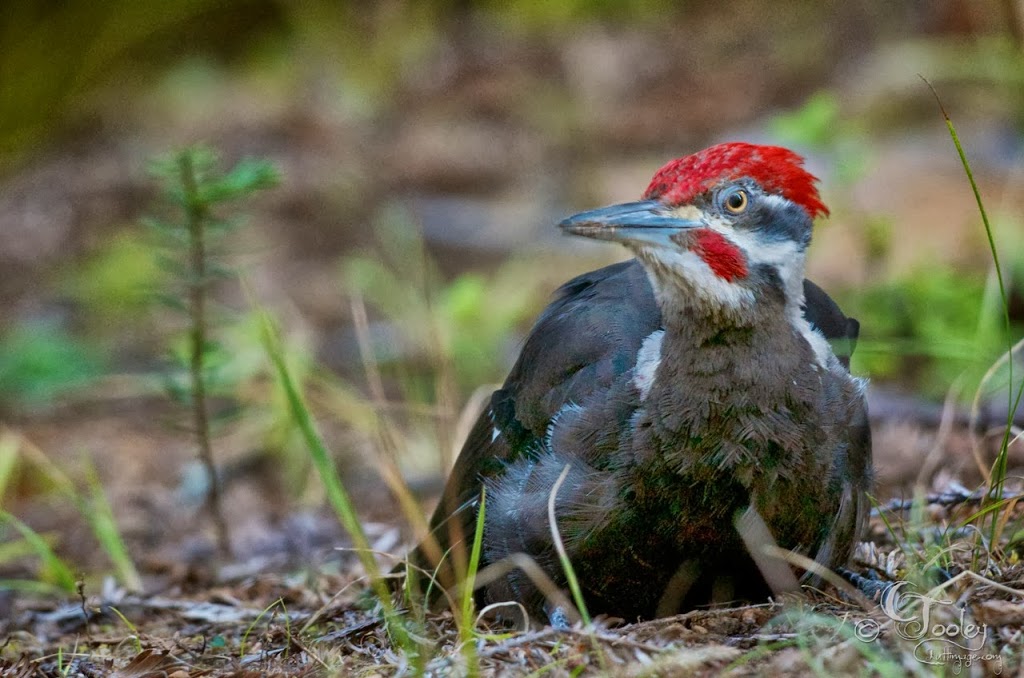
Pileated Woodpeckers are big, as big as a crow. They can be 16.5 inches long with a wingspan of 29 inches. I more often hear these prehistoric-looking birds than see them. One was recently feeding on the ground and Craig Tooley got this photo.

Their favorite food is carpenter ants. But termites are swarming and I'm wondering if that might be what this big bird had found in the ground.

Here is a photo of a female that Craig got another time. Note the lack of red by her beak.

I always feel fortunate when I see a Pileated. Along with hearing their calls, I hear them drumming on snags. They are also unique in that they create rectangular holes while searching for ants.

To hear the calls of a Pileated Woodpecker, here is the link to the Cornell Lab of Ornithology: http://www.allaboutbirds.org/guide/pileated_woodpecker/sounds.

To see much more of Craig's nature photography, here is the link to his website: ruffimage.com.
And thanks to Craig for allowing me to share his beautiful photos with you here.