Sightings

Despite all the valid reasons to deny the Dogwood timber harvest plan, the logging in the floodplain of the Gualala River, CAL-FIRE has just approved it. The logging plan starts at the boundary of Gualala Point Regional Park Campground and then goes up river for more than five miles. The solid red in the photo below shows Dogwood. The red with yellow is "Apple," a recently approved THP.
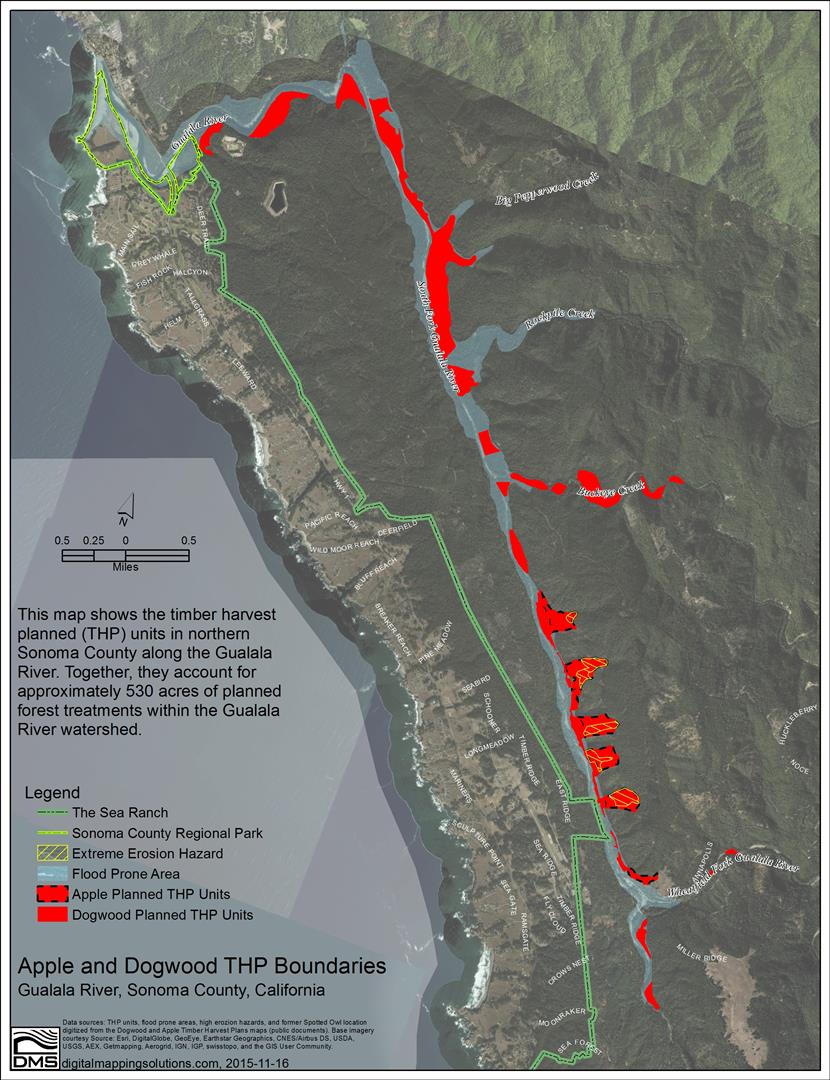
Apple and Dogwood THP Boundaries - Handout (Large)There will be a Community Protest Rally at Gualala Point Regional Park on Saturday July 16, from 11 am to noon. Sonoma County Parks has waived the entrance fee for this event. Enter the park on the west side of Highway One. Just after the pay station, is a parking area called the Salal parking area. We will congregate there, beginning at 10:30 am.
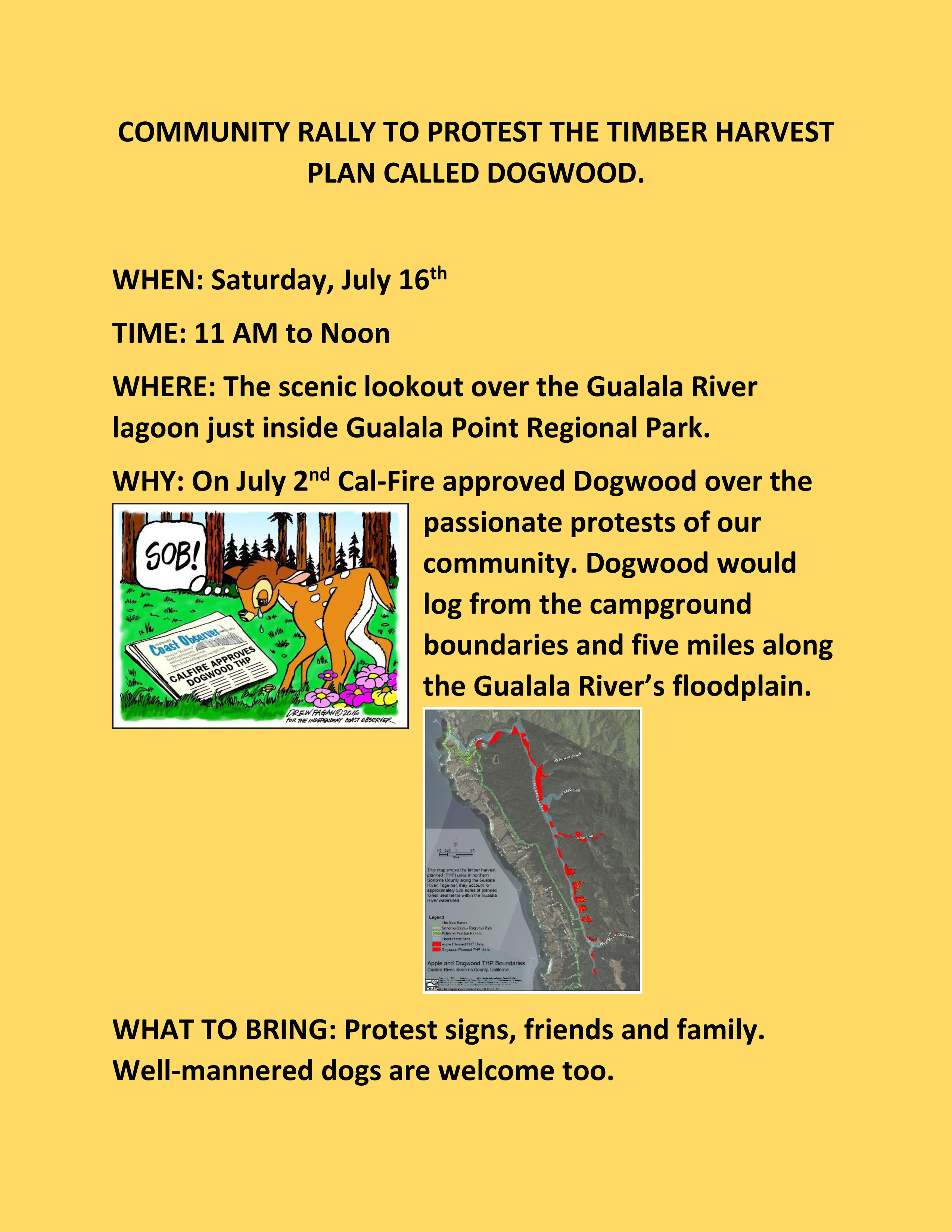
COMMUNITY RALLY TO PROTEST THE TIMBER HARVEST PLAN CALLED DOGWOOD - yellow!At 11 we will walk down the path in the meadow, which passes by the Serge, totems, and then to the parking area which overlooks the Gualala River Lagoon.

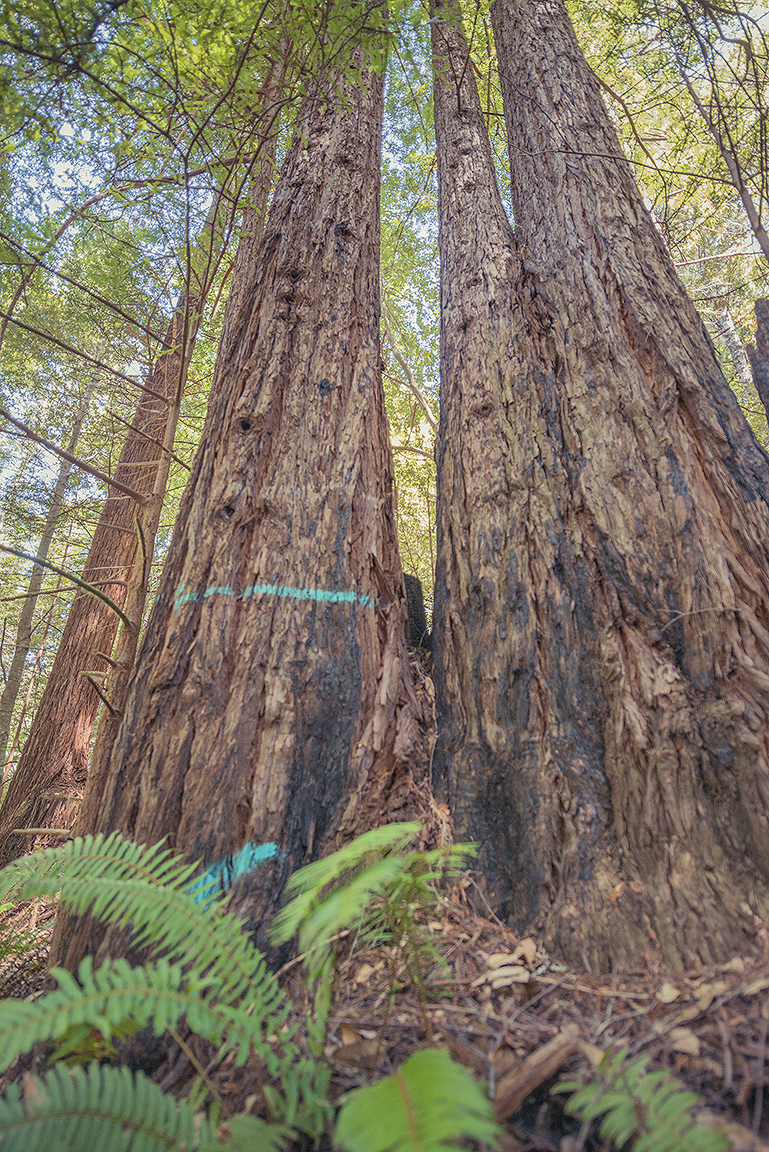
Mike Shoys recently photographed some of Dogwood. You will see mature Redwood trees marked in blue for logging.
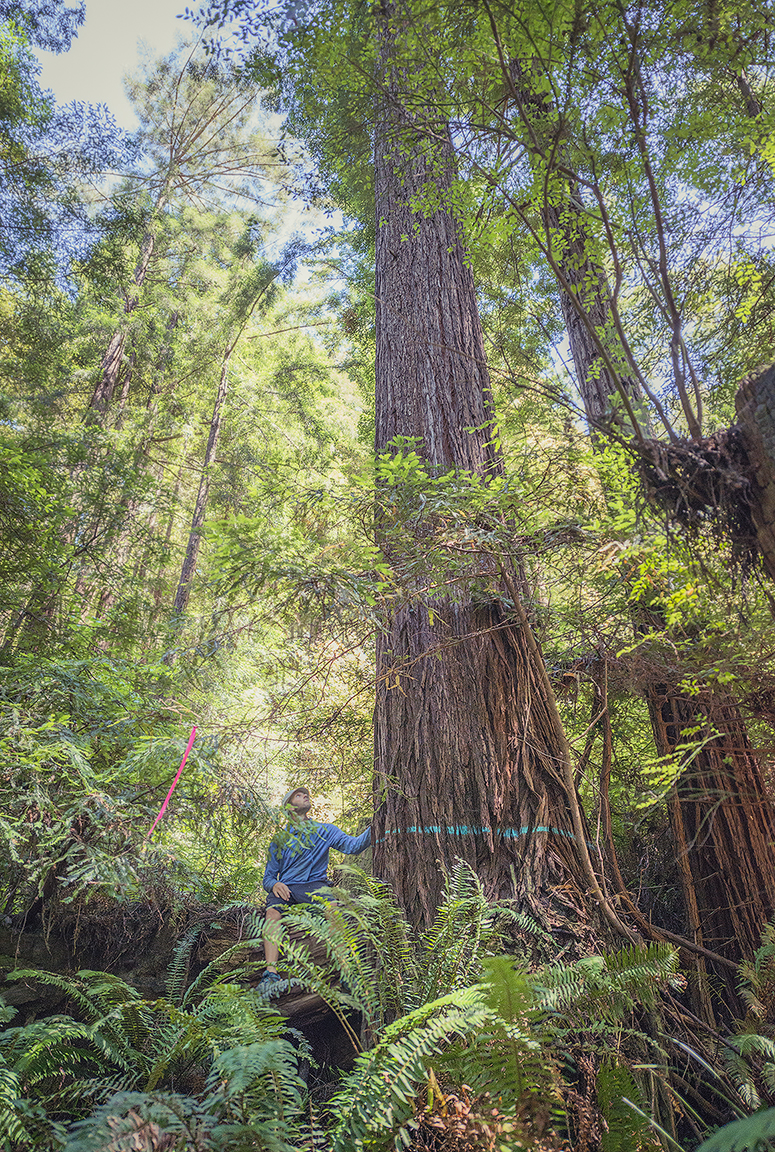
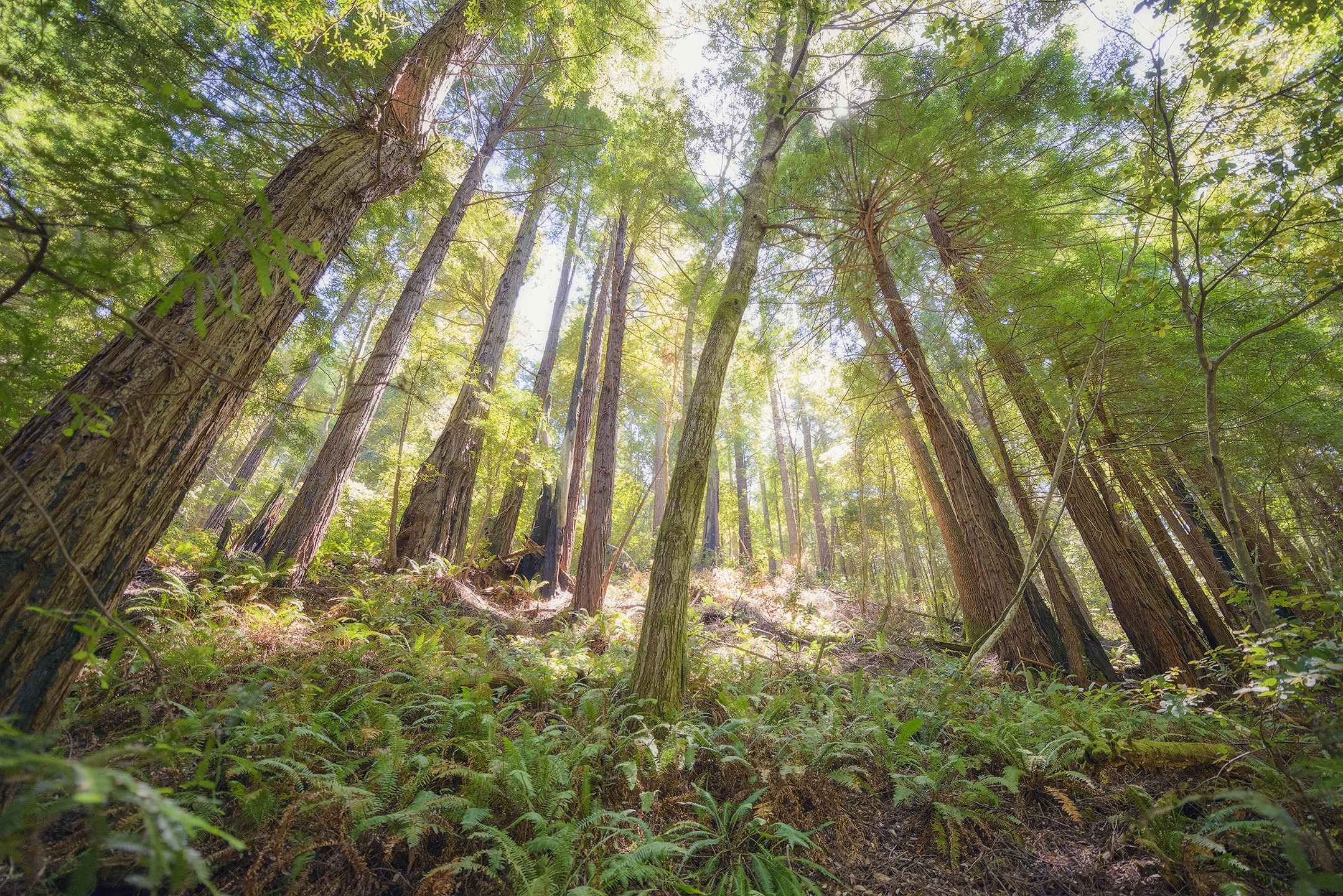
Dogwood3 by Mike Shoy Dogwood2 by Mike Shoy Dogwood4 by Mike ShoyThe new owners of this land, some 29,000 acres, should not be allowed to log in the floodplain of the river. These 400+ acres are a part of the Gualala River's ecosystem.This area was logged nearly a hundred years ago. It shouldn't have been logged then and it shouldn't be logged now.

We urge the Burch family to sell these 400+ acres to Sonoma County Regional Parks where the land would be added to the existing park, giving our community, and those who visit our area, a river park to cherish.

Thanks to Mike for allowing me to share his photos with you here. To learn much more about Dogwood, here is the link to the Friends of the Gualala River's website: http://gualalariver.org/

You will read on FoGR's website that a "Notice of Intent to Sue" has been filed by FoGR and Forest Unlimited. They will need donations for this necessary legal action. Here is Forest Unlimited's website: http://forestunlimited.org/about-us/mission/

Hope to see some of you at the protest rally on Saturday!
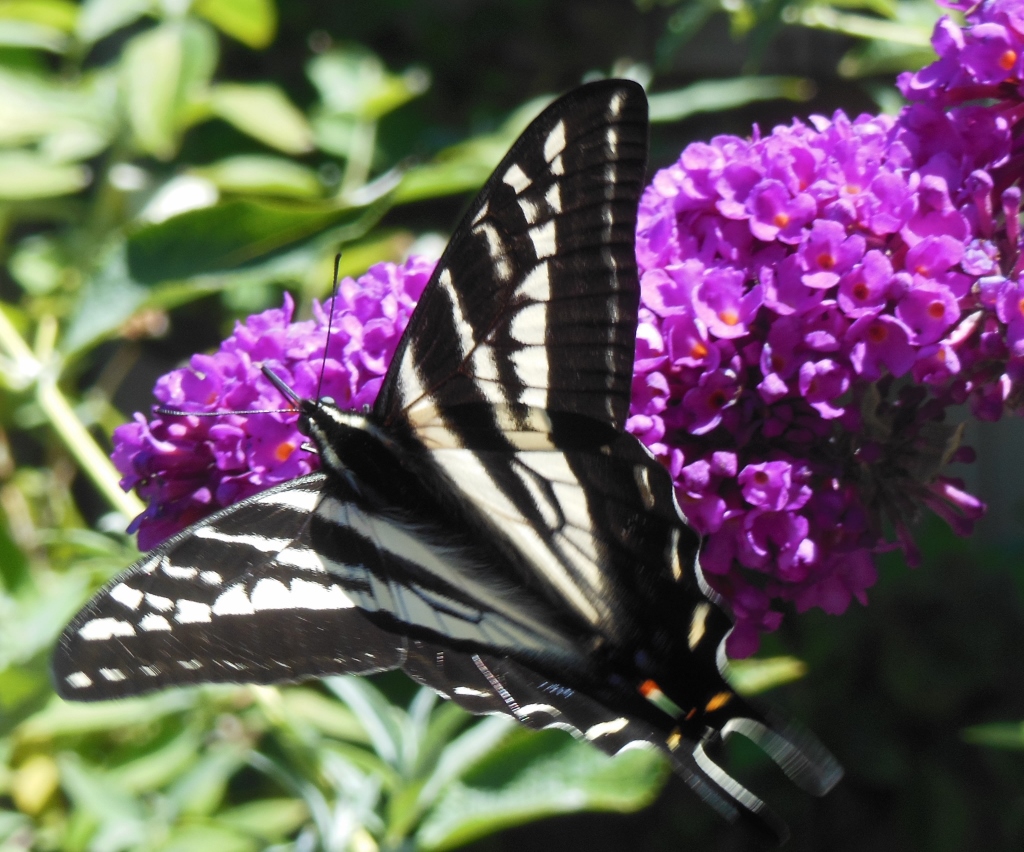
It seems to have been a good year for Pale Swallowtail butterflies, as there has been numerous sightings of them. Andi Kahn recently sent in this photo of one.

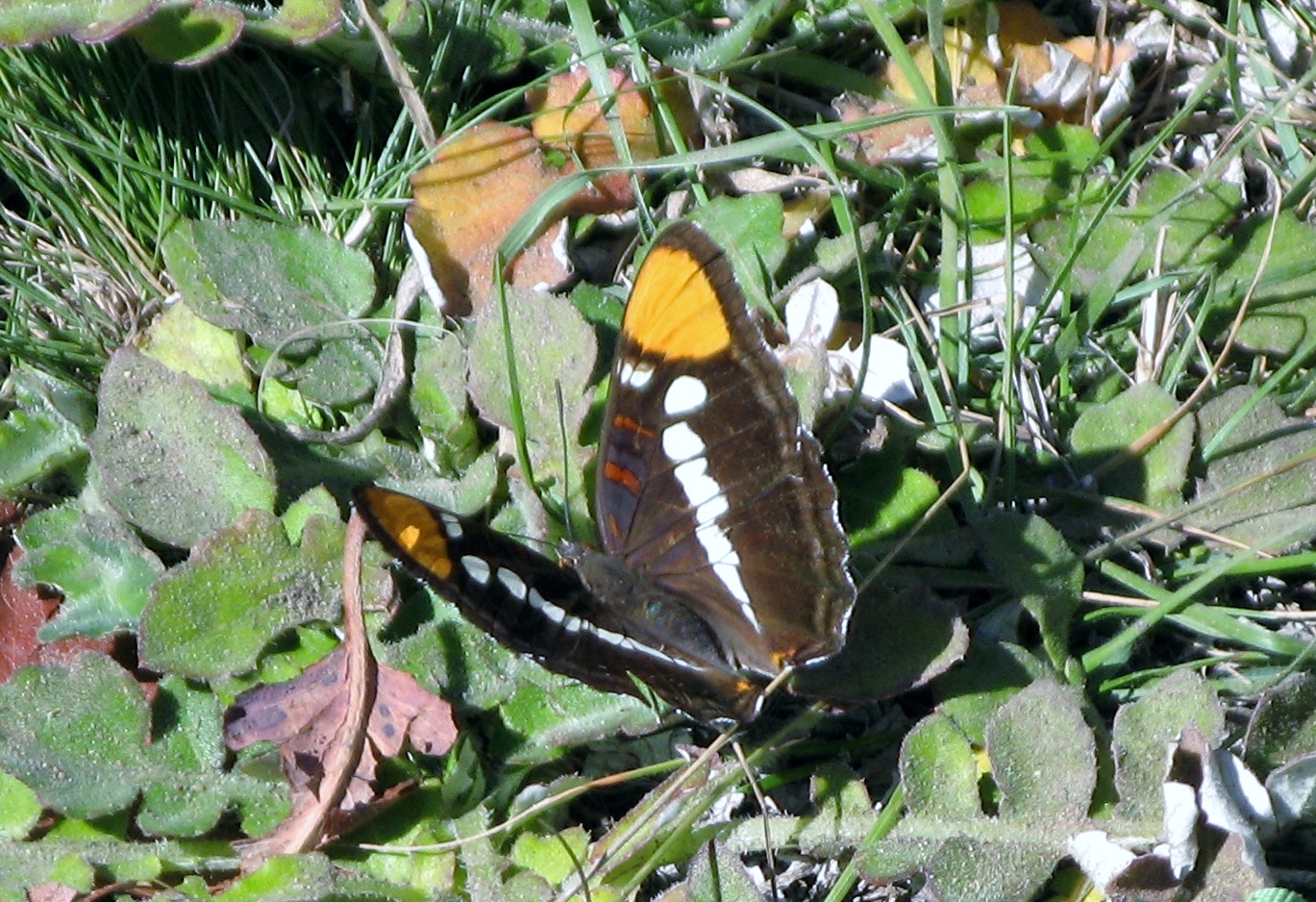
Pale Swallowtail by Andi Kahn (1024x852)It looks like its feeding on a butterfly bush. Another butterfly seen recently is California Sister. Gail Eddy took this photo several years ago, but I saw several just yesterday.

California Sister Butterfly by Gail Eddy

Thanks to Andi and Gail for allowing me to share their photos with you here.

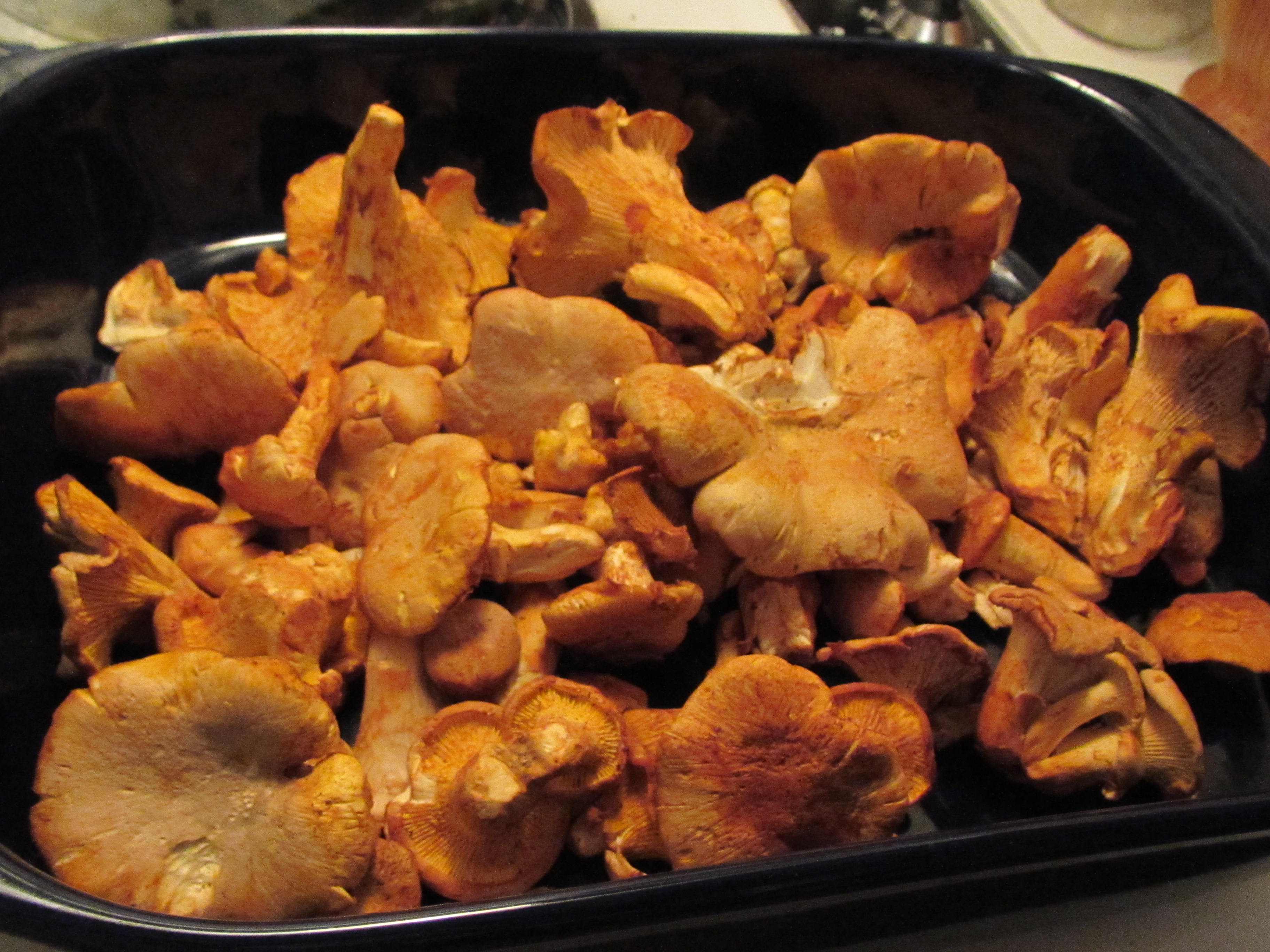
Irma Brandt was the lucky forager several weeks ago. I'll let her tell you about it. “It’s been pretty dry on the Mendonoma coast, not much fog and no fog drip. But we did get rainfall that sent me exploring in the forest. The top layer of forest debris looks parched, but moving the duff proved that the soil underneath was holding some moisture, enough to find a few scattered Cantharellus roseocanus, the dense, meaty, delicious summer chanterelle. It was like looking for truffles – nothing above ground.”

Summer Chanterelles, Cantharellus roseocanus, by Irma BrandtFinding edible mushrooms is always a treat! Thanks to Irma for allowing me to share her photo with you here.

• 1 Comment

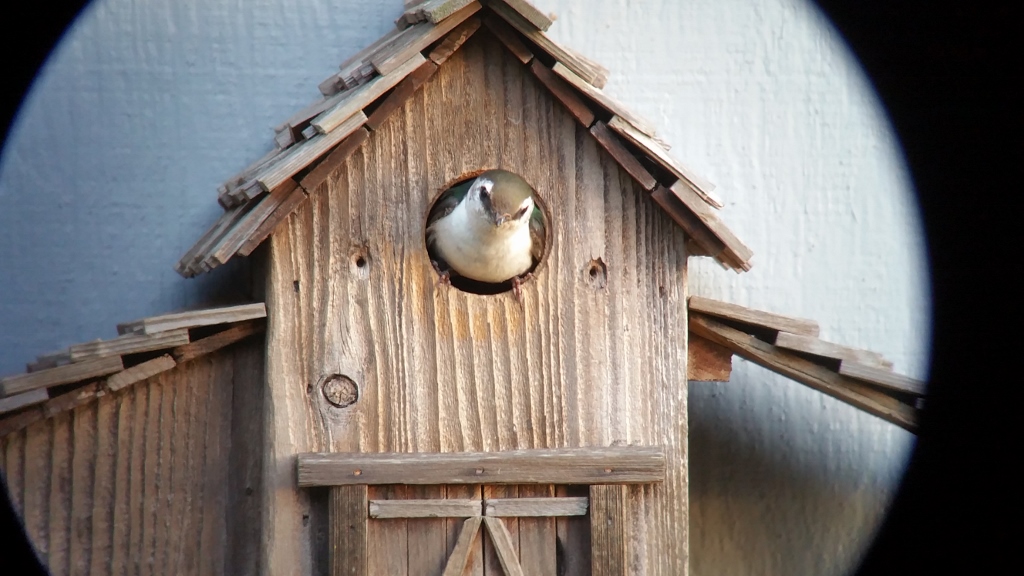
Mel Smith and Linda Bostwick must be doubly fortunate, as they had two sets of birds nest in their birdhouse. The first to occupy the box were Chestnut-backed Chickadees. Once their chicks had fledged, Violet-green Swallows took residence and currently have chicks in the birdhouse.

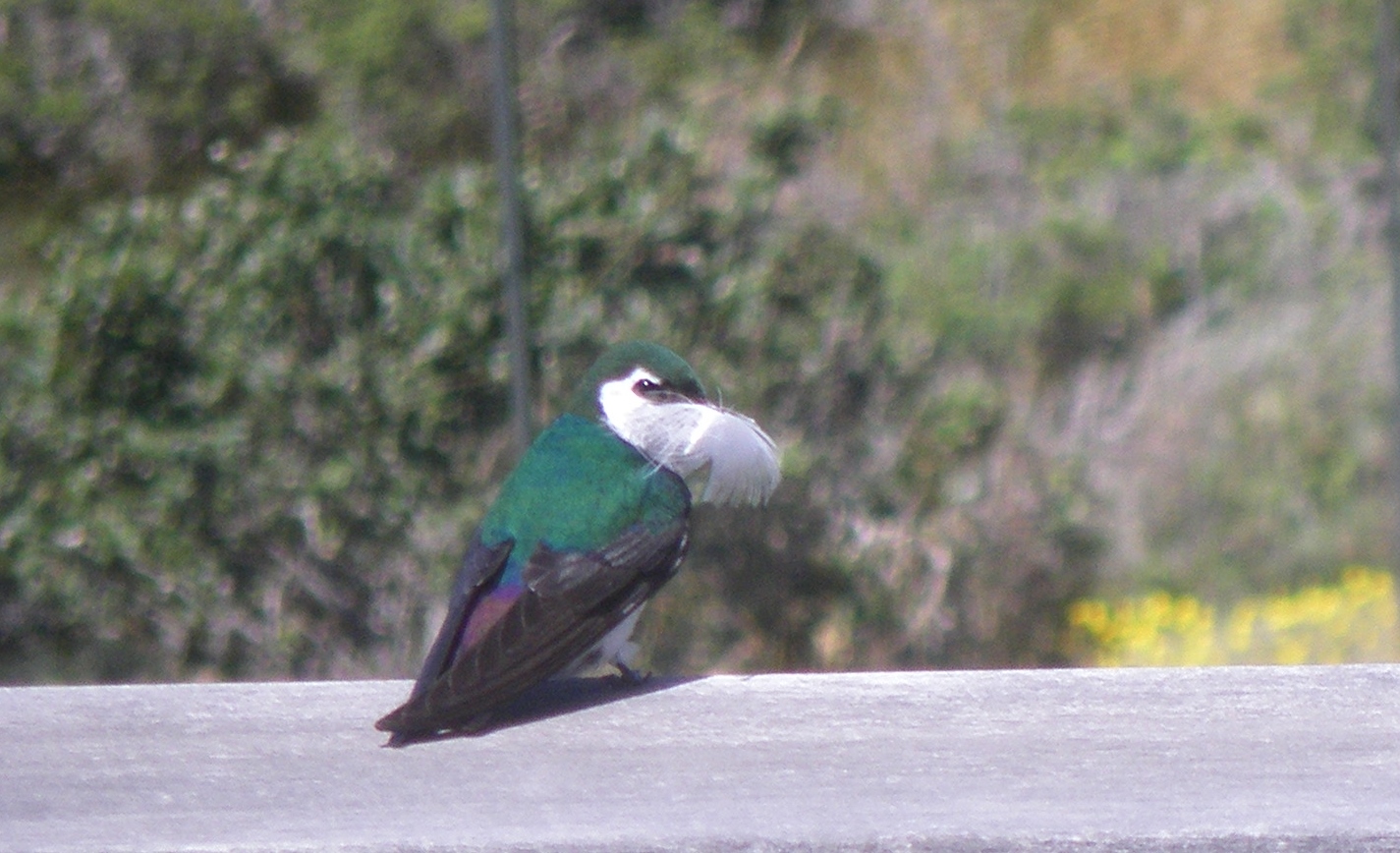
Violet-green Swallow in a nesting box by Mel Smith (1024x576)Here's a photo Linda took a few years ago of a Violet-green Swallow with a feather in its beak. A nice soft touch for a nest!

Male Violet-green Swallow with a feather by Linda BostwickThanks to Mel and Linda for allowing me to share their photos with you here.

• 2 Comments

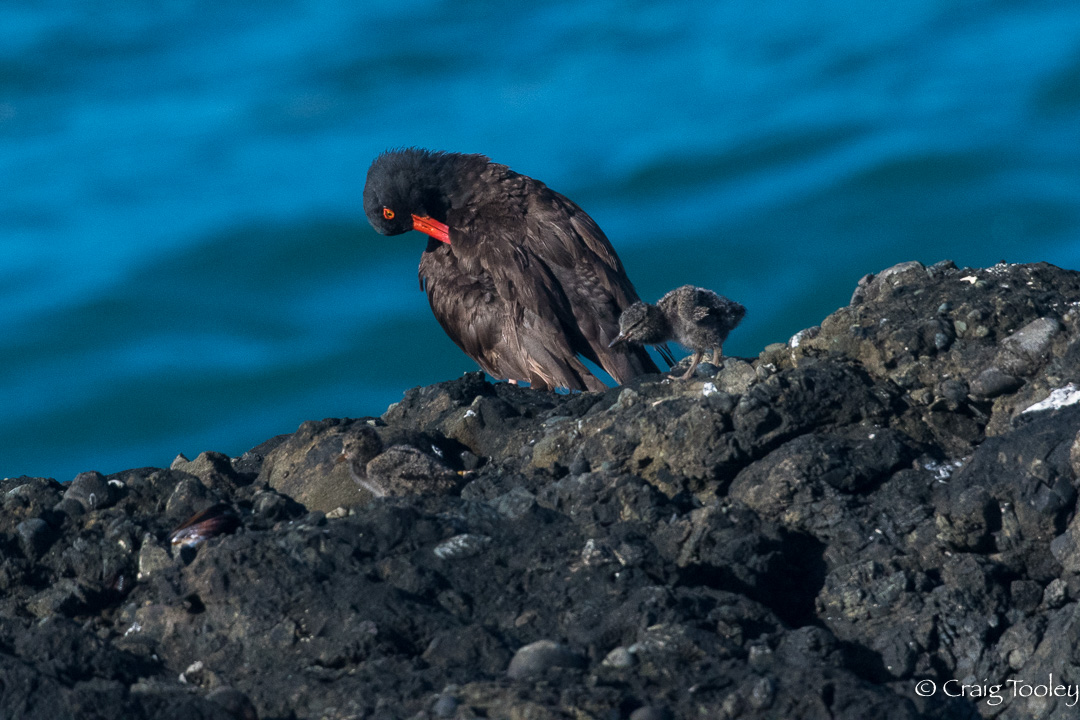
Craig Tooley has been watching a Black Oystercatcher  nest. The other day, the first chick appeared.

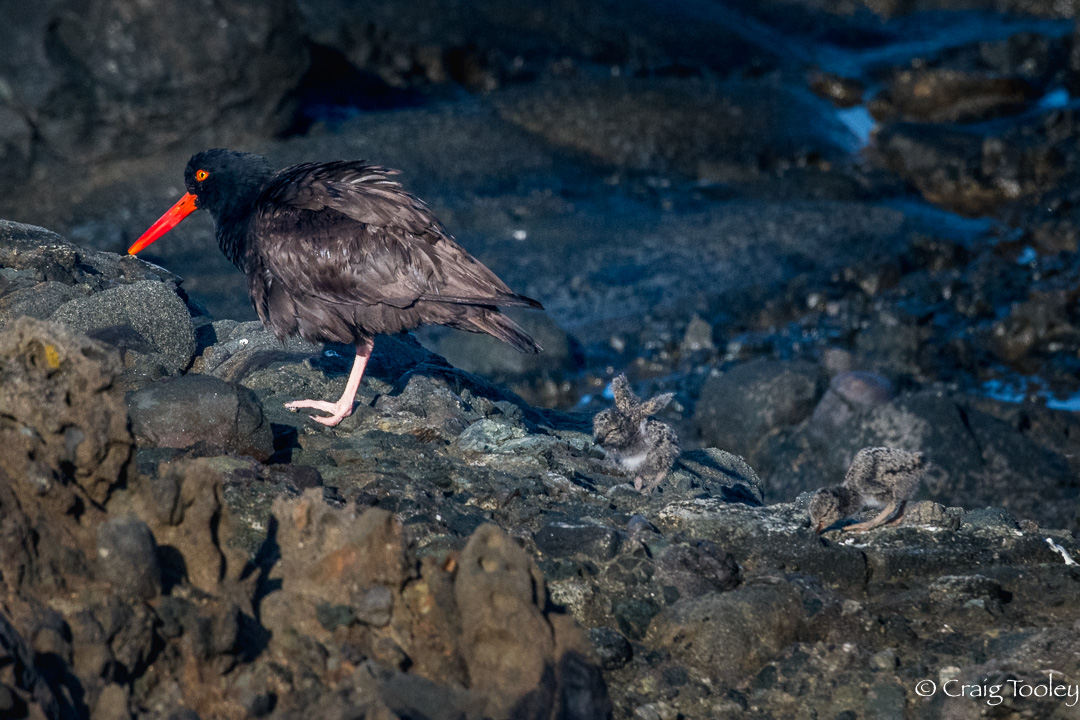
First there was one, a Black Oysterchick by Craig TooleyAnd then there were two.

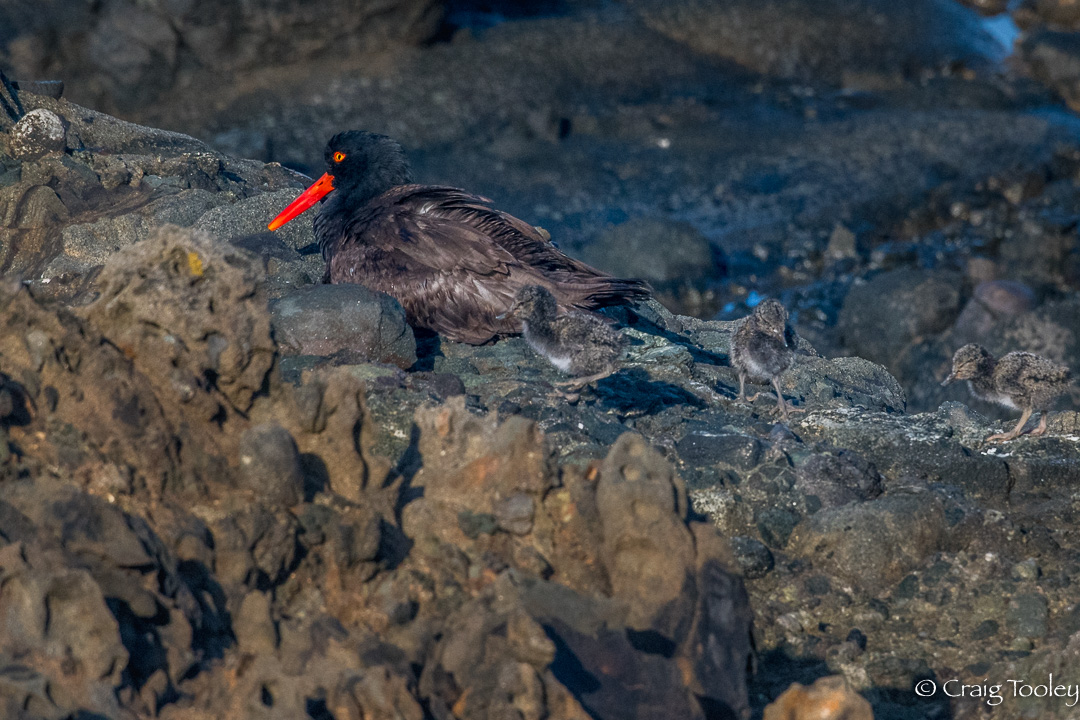
Then there were two, Black Oystercatcher chicks by Craig TooleyAnd finally three little chicks, exploring their new world.

And then there were three, Black Oystercatcher chicks by Craig TooleyWatching wildlife can bring joy!

Thanks to Craig for allowing me to share his photos with you here. To see much more of Craig's nature photography, here is his website: www.ruffimage.com