Sightings

3 Comments

A young, male Mountain Lion with a tracking collar was caught on camera walking along a path on The Sea Ranch on March 7th. Bob Van Syoc wrote, “I saw this young lion strolling by our garage. It was very relaxed with some sort of collar.”
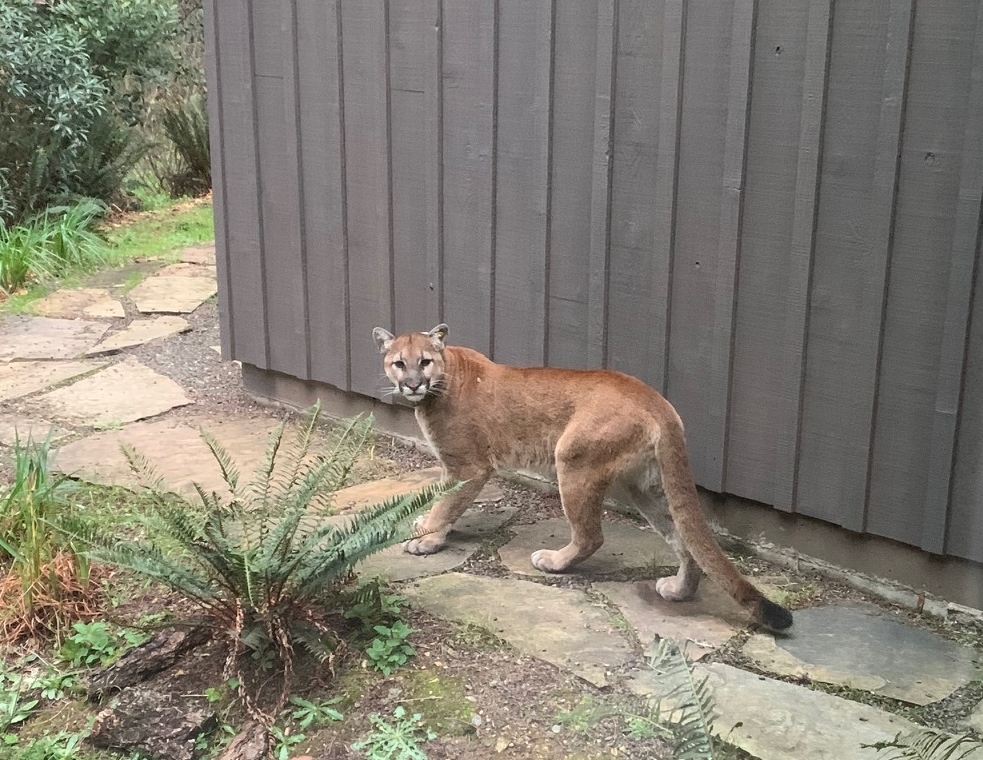
This particular Mountain Lion, P14 or "Paul", was collared by Dr. Quinton Martins and the Living with Lions team in early January. Martins and his team are part of Audubon Canyon Ranch, a non-profit environmental organization. When the news of Bob’s sighting reached Dr. Martins, he rushed up the coast on Friday, as he had lost contact on Jan. 21 with P14’s tracking collar.

A cadre of coast residents helped him over the next three days finally track Paul. Dr. Martins was able to get a GPS download of this cougar’s movements, which showed he had traveled nearly 200 miles since January 7th. You can follow this story at www.egret.org.

Then on March 21st, Mitch Sugarman's motion detection camera videoed Paul at the top of Sunset Drive in Anchor Bay. You can watch the two videos below. Thanks to Bob and Mitch for allowing me to share the photo and videos with you here.

Paul is seen March 21, the collared mountain lion by Mitch Sugarman
Paul, the collared mountain lion by Mitch Sugarman
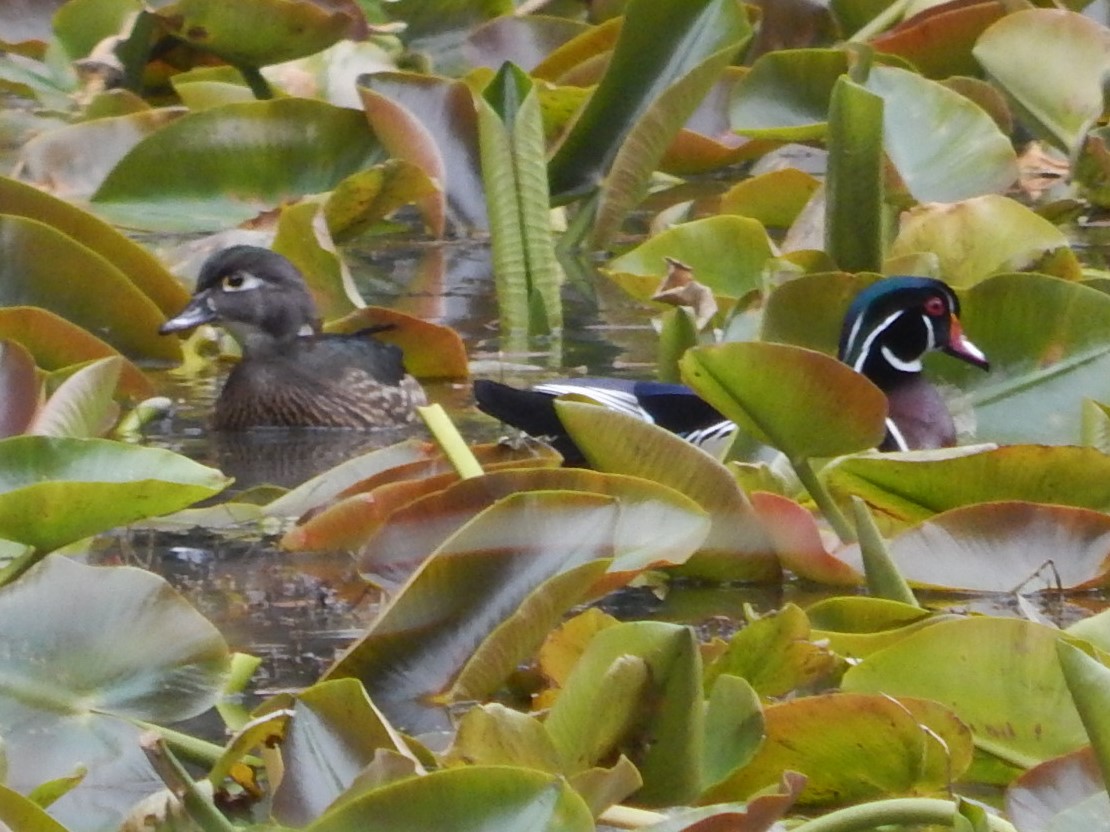
Peter Baye was north, up at Big River, where he found several pairs of elusive Wood Ducks. He wrote, “I almost always hear Wood Ducks on the Gualala River without seeing anything more than their backends in flight. They are even more shy on the water than Pond Turtles, but these were in partial cover in the native Pond-lilies. They were wary but not alarmed, long enough for me to see their painted plumage. They look like fantasy waterfowl.”

Wood Ducks' calls are quite different. You can listen to them here: https://www.allaboutbirds.org/guide/Wood_Duck/sounds

Here's what the Cornell Lab of Ornithology has to say about these beautiful ducks: "The Wood Duck is one of the most stunningly pretty of all waterfowl. Males are iridescent chestnut and green, with ornate patterns on nearly every feather; the elegant females have a distinctive profile and delicate white pattern around the eye. These birds live in wooded swamps, where they nest in holes in trees or in nest boxes put up around lake margins. They are one of the few duck species equipped with strong claws that can grip bark and perch on branches."

Thanks to Peter for allowing me to share his photo with you here.

It's still windy today, but warmer...almost 70 degrees!

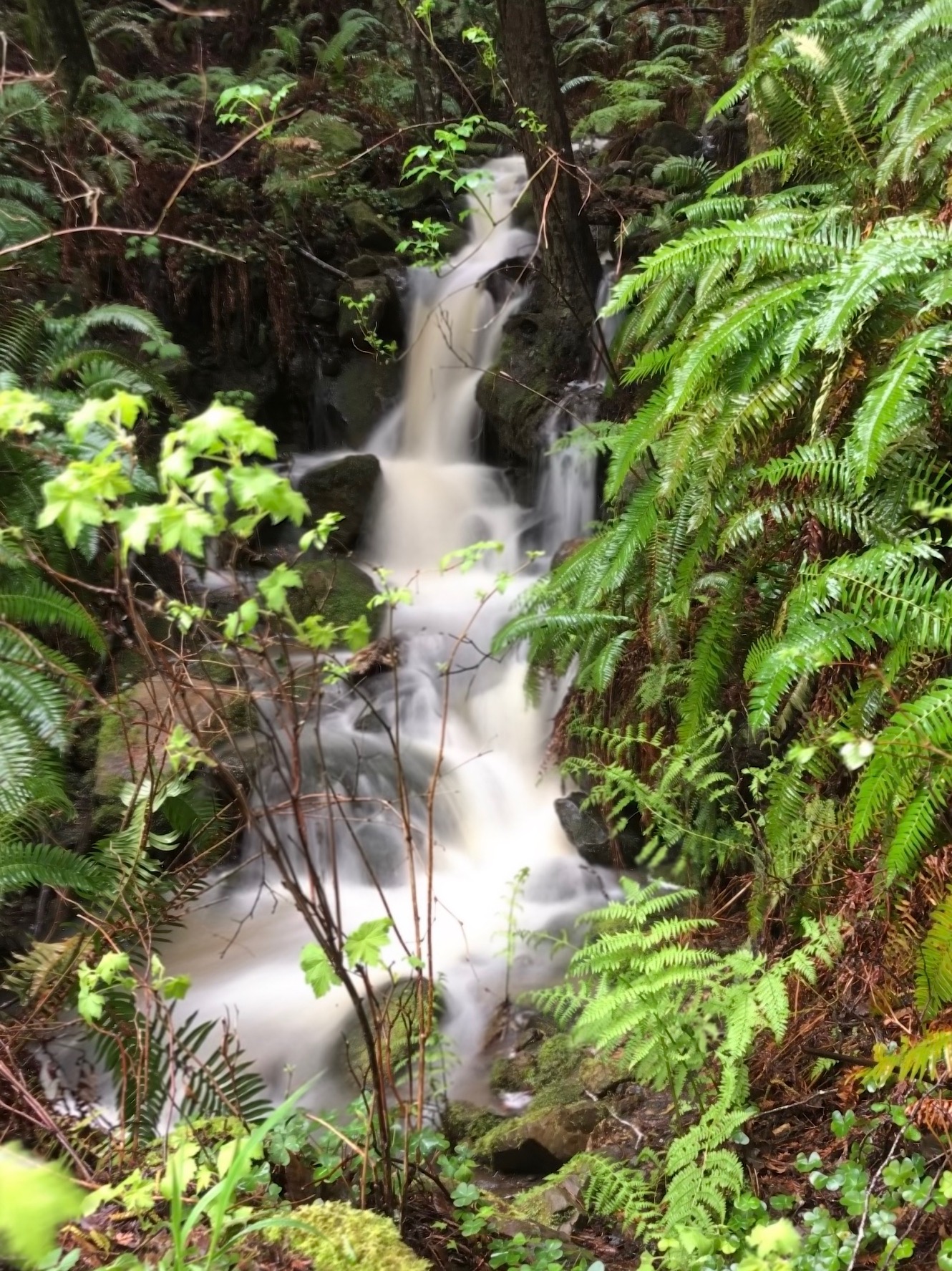
Tom Eckles trained his camera on this beautiful stream. You can almost hear the water as it makes its way to the Pacific Ocean.

Coastal streams and rivers are full from the recent rains, and everywhere you look you see lush, moist moss, ferns and other plants. It's a feast for the eyes.

Thanks to Tom for allowing me to share his photo with you here. To see much more of Tom's photography, here is the link: https://www.flickr.com/people/eckles/

Windy but beautiful today!

2 Comments

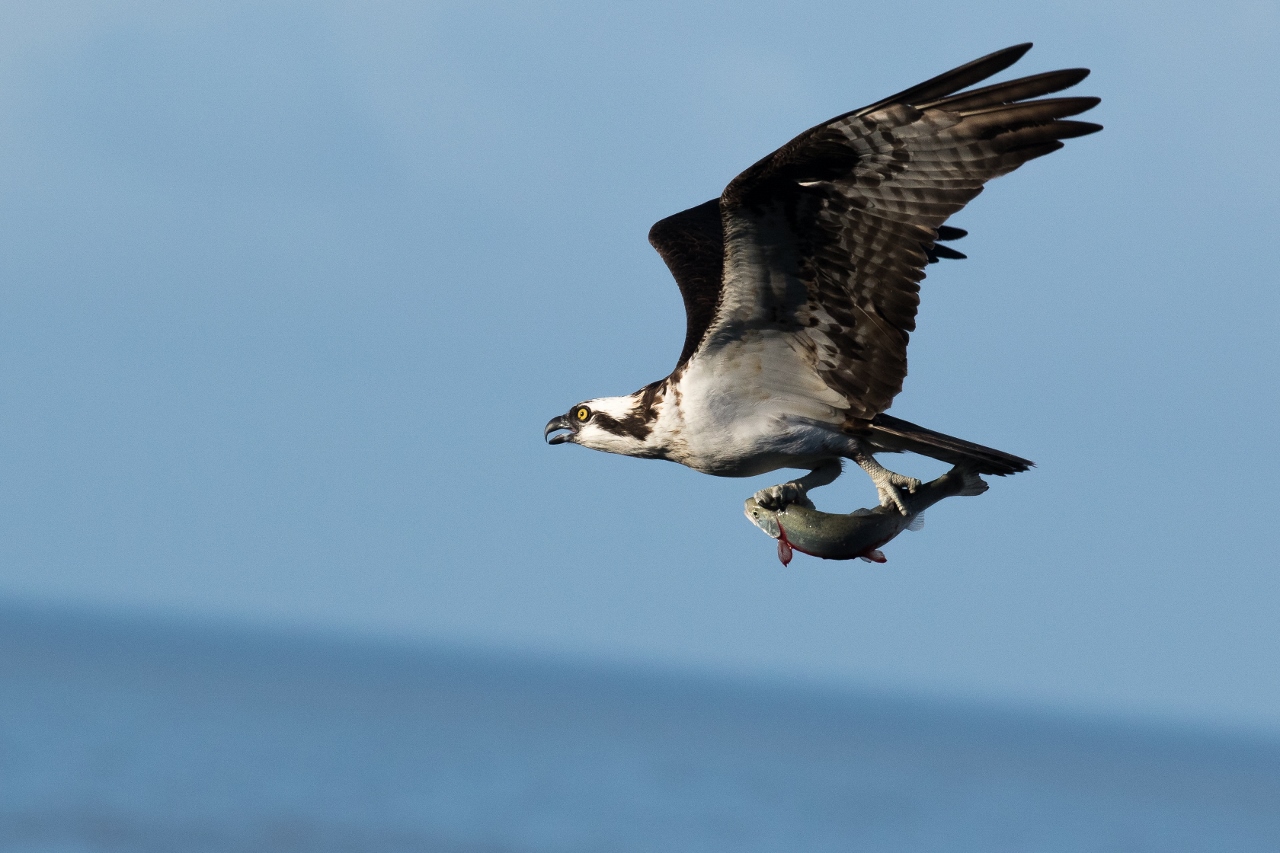
Ospreys return in the late winter or early spring from their over-wintering grounds which can be as far away as South America. It is always heartening to see the first ones return. They start rebuilding their nests, as they like to nest in the same tree, year after year. And they fish to feed themselves. Steve Pearce saw this Osprey with a big Steelhead in its talons.

Notice how the Osprey holds the fish in the most aerodynamic position.

Thanks to Steve for allowing me to share his photo with you here.

After a very wet storm on Monday, we now have sunny and windy weather. Looks like the rest of this week will by dry, allowing us to dry out! We've passed 62 inches of rain season to date  at our house in Anchor Bay. 50 inches is considered a normal winter. Along with the return of the Ospreys, we are grateful for the abundant rain. Wildflowers are popping!

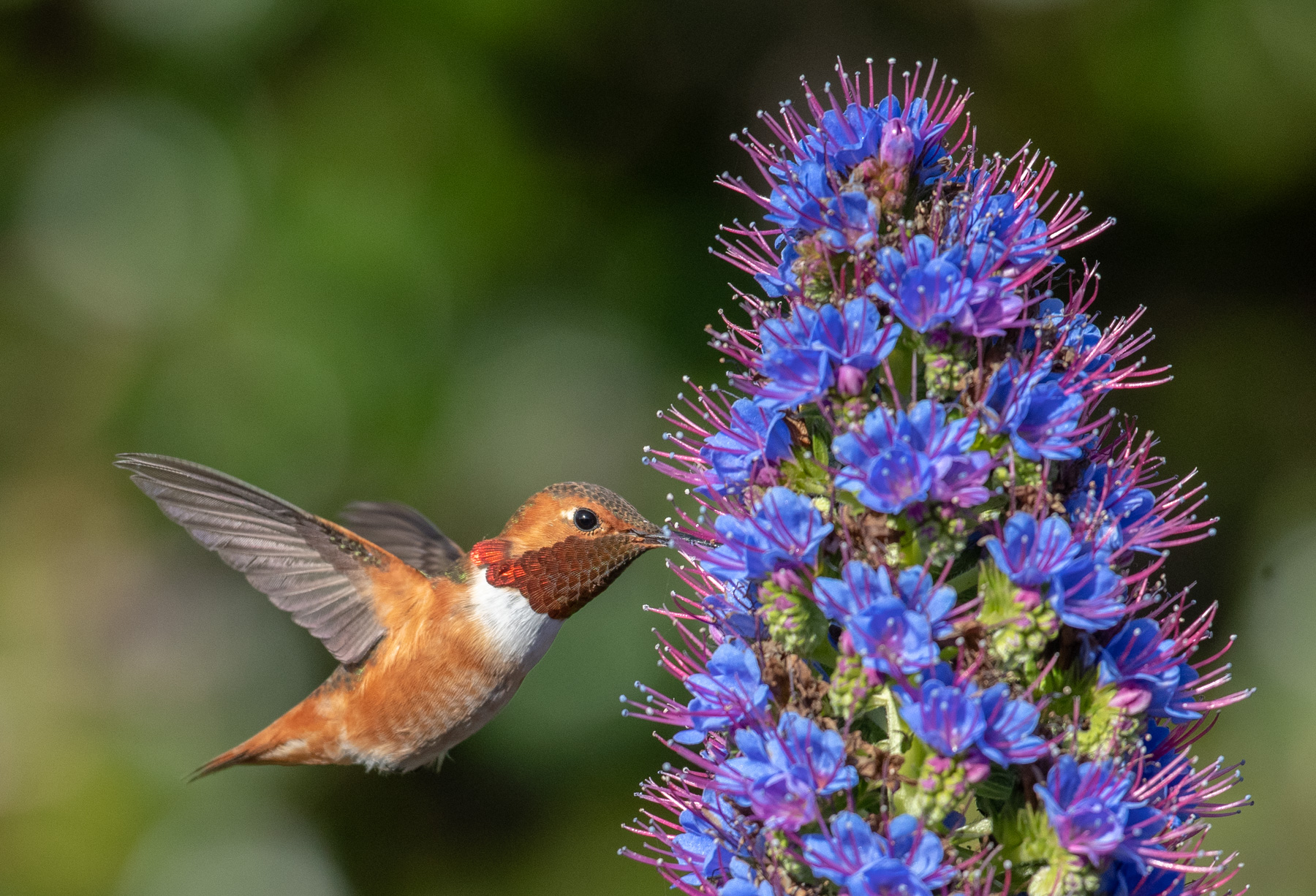
Paul Brewer trained his camera on a Allen's Hummingbird feeding on his Pride of Madeira plant. Allen's Hummingbirds are migrating through our area.

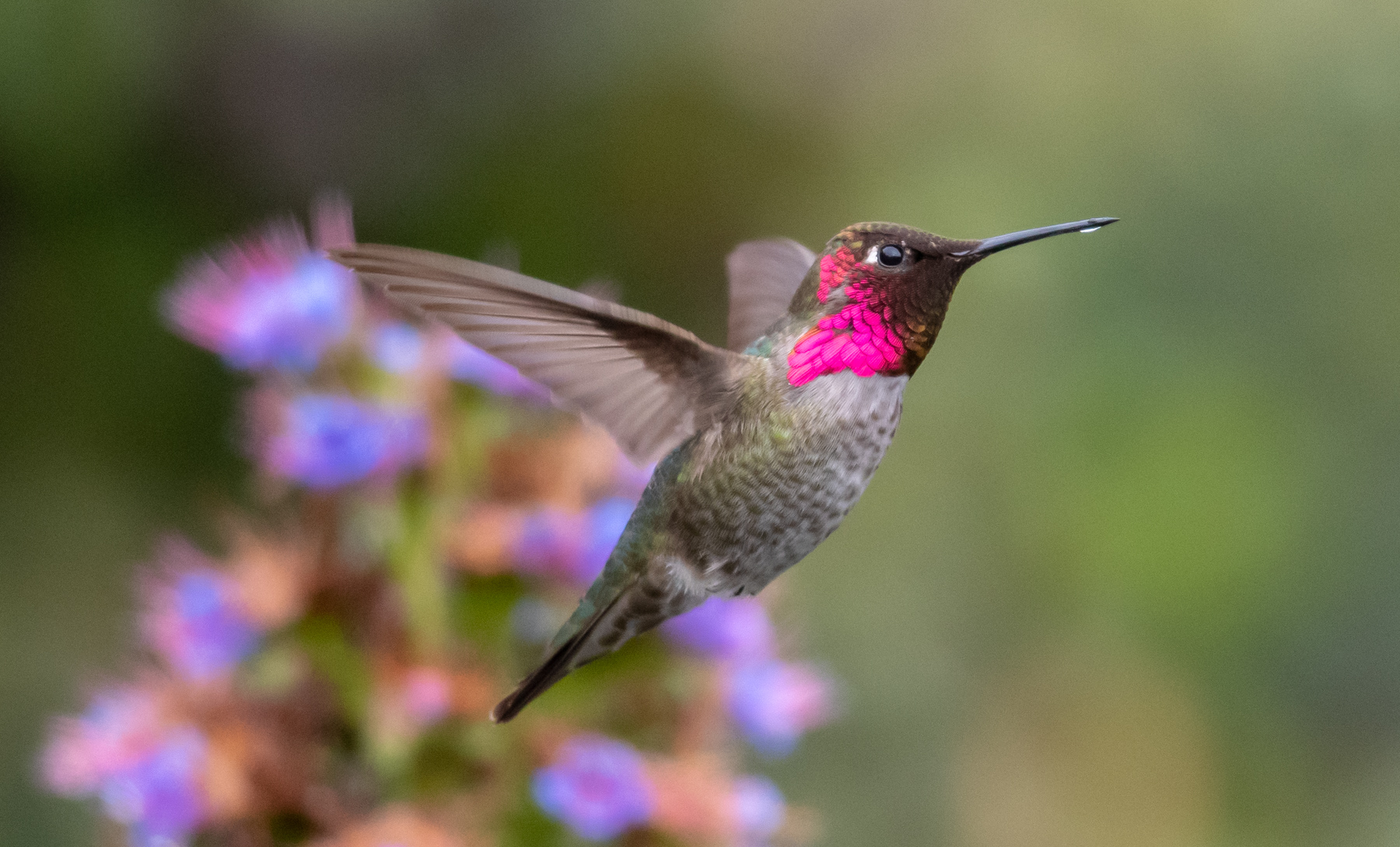
Paul also photographed our year-round hummingbird, an Anna's Hummingbird. I believe there is a drop of nectar on this hummer's beak.

Thanks to Paul for allowing me to share these photos with you  here. It's not easy to photograph hummingbirds as their wings beat so fast! To see much more of Paul's nature photography, here is the link to his website: http://www.capturingnatureswonders.com/