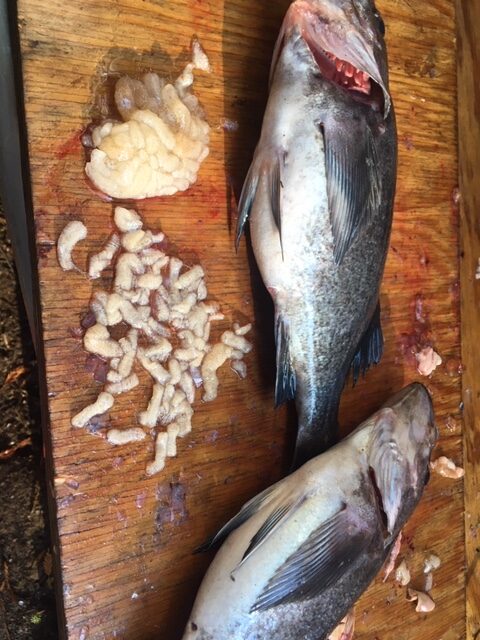
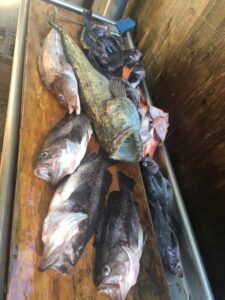
John Sheafe had a nice day fishing. Here is his catch, which includes several Blue Rockfish.
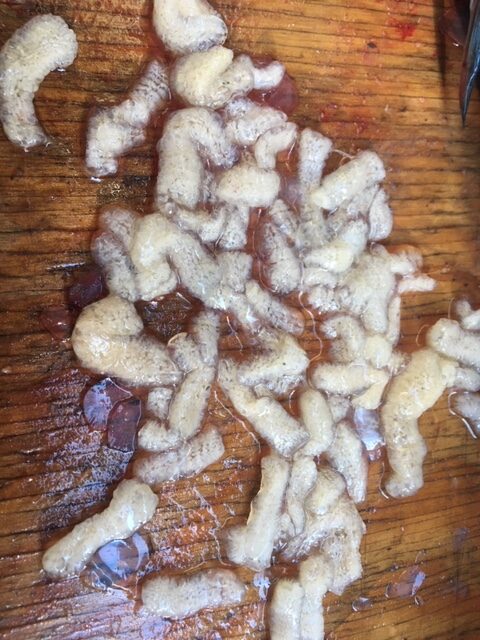
 When he cut into one of the Blues, look what he found in the fish's stomach.
 John wondered if they were eggs. It took a bit of detective work to find out what these were. Mary Jane Schramm of the Great Farallones National Marine Sanctuary and NOAA had the answer. She wrote, "I checked around and my guess was right on, though I’ve seen them bigger. They’re Pyrosomes! Some Salps are in among them, too, possibly Thetys vagina, per Meredith Elliott at Point Blue [Conservation Science].”
Mary Jane told me Pyrosomes are usually found in warmer waters but they showed up off the North Coast several years ago, another signal of our warming waters. I also learned that each Pyrosome is made up of small, multicellular organisms called zooids. A Pyrosome is actually a colony, a tube-like colony, with an opening at one end. They are plankton eaters.
Once I knew they were invertebrates, I then knew to consult with Bob Van Syoc. He took a look at John’s photos and wrote, “Nice. It’s surprising to me the Blue Rockfish will eat them, but I guess the Blues tend to pick off whatever floats past them. I’m pleased to see the fishers catching Blues, too. They like to hang around kelp beds, and I see them making a little comeback on our coast. Fingers crossed!”
So the mystery was solved. It will be interesting to see if these Pyrosomes remain in the future. In the meantime, let's go fishing!
Thanks to John for the mystery and for allowing me to share his photos with you here.
We are having a spectacularly beautiful autumn day today!
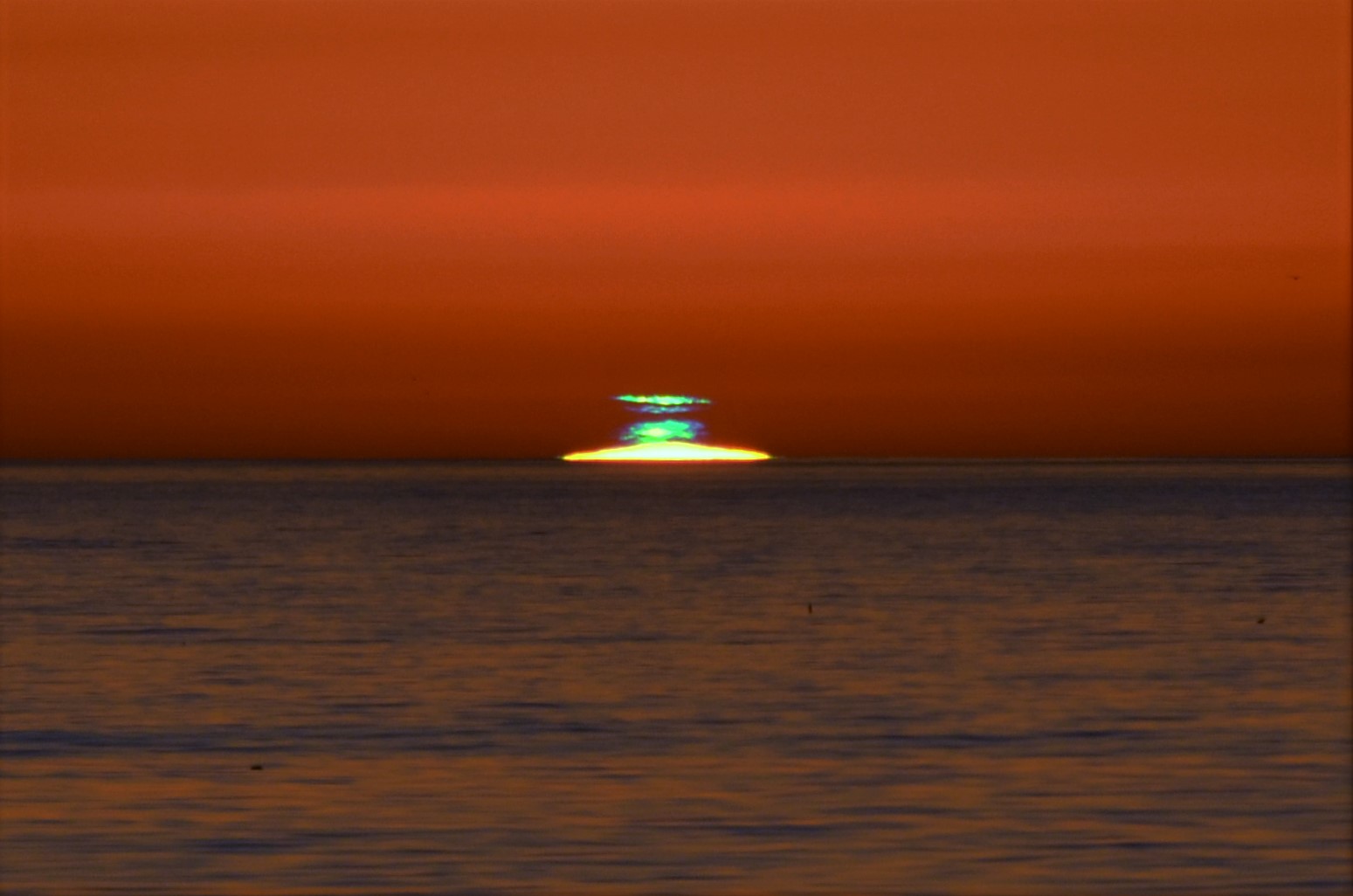 This one was taken by Allen Vinson. Allen almost specializes in green flashes.
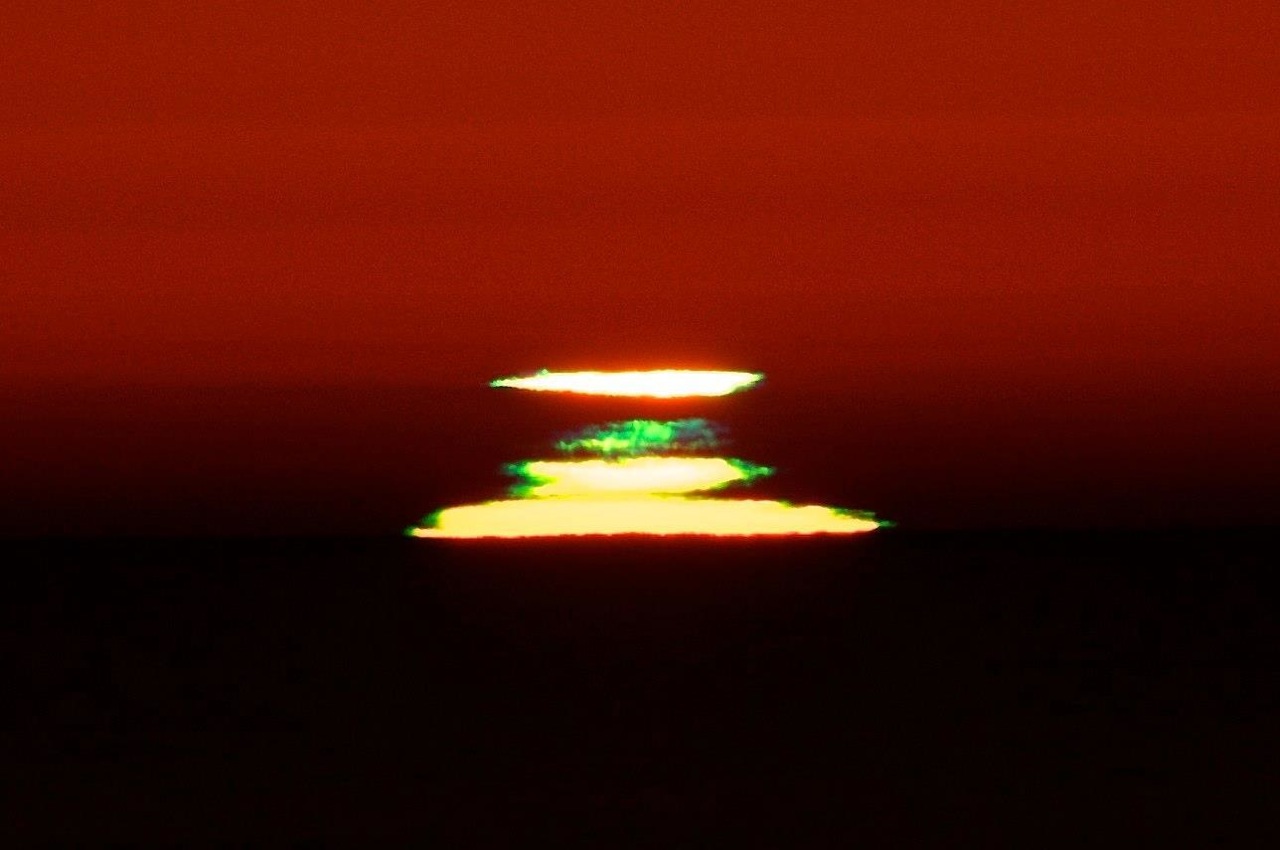 Here's Allen with a green flash cocktail. Nice!
 Thanks to Jim and Allen for allowing me to share their photos with you here.