Sightings

Peter Baye wrote, "The native milkweed, Asclepias cordifolia, is one of my favorites, common elsewhere, but not around here. It’s toxic to livestock, so ranchers historically got rid of it as much as they could. We need them now for Monarch Butterfly recovery! Fortunately, they spread like weeds once they establish. I’m growing some now.”
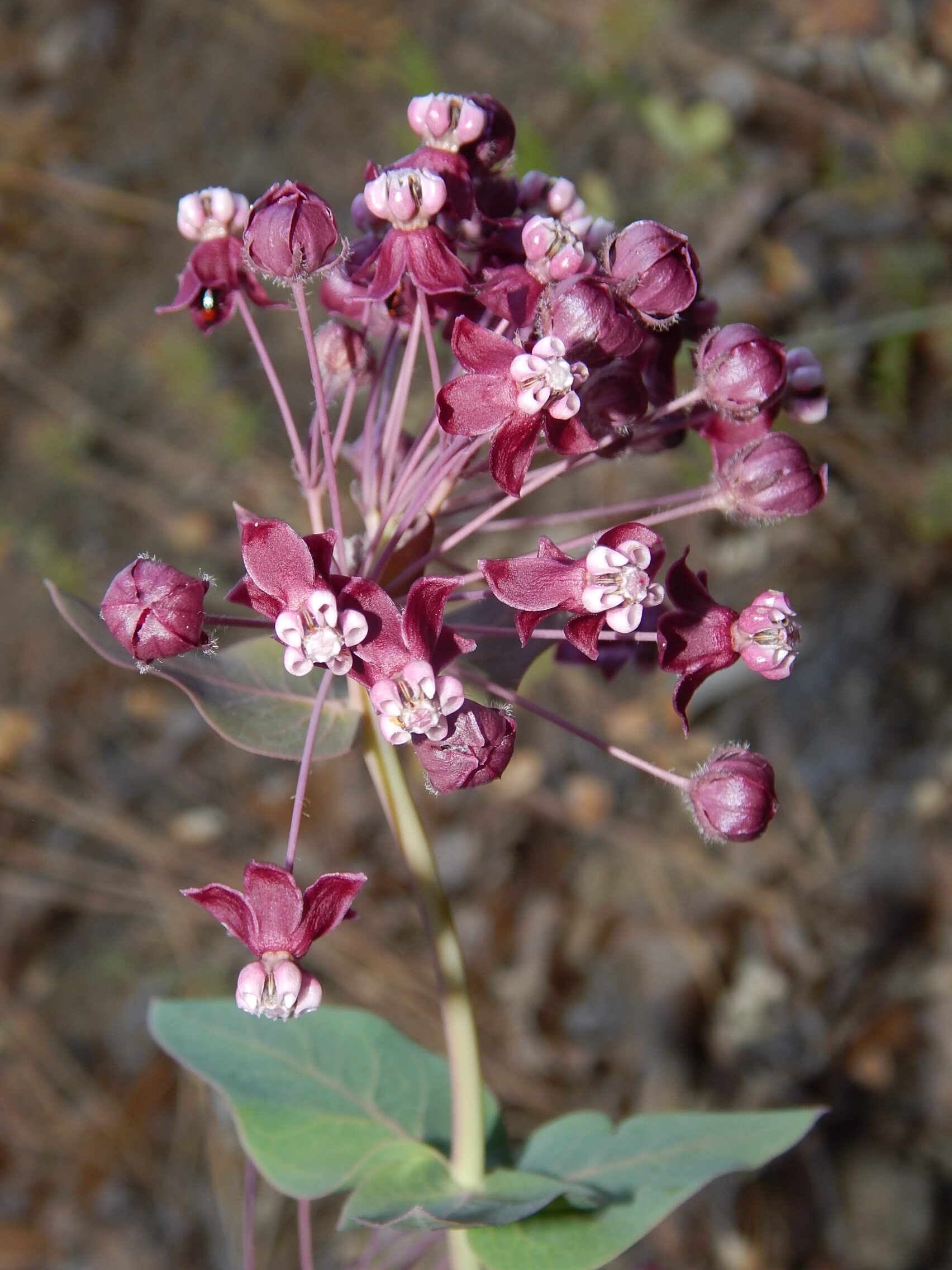
Heartleaf Milkweed is this wildflower's common name. It sure is beautiful!

Thanks to Peter for allowing me to share his photo with  you here.

Very foggy this morning but the sun is trying to break through this afternoon.
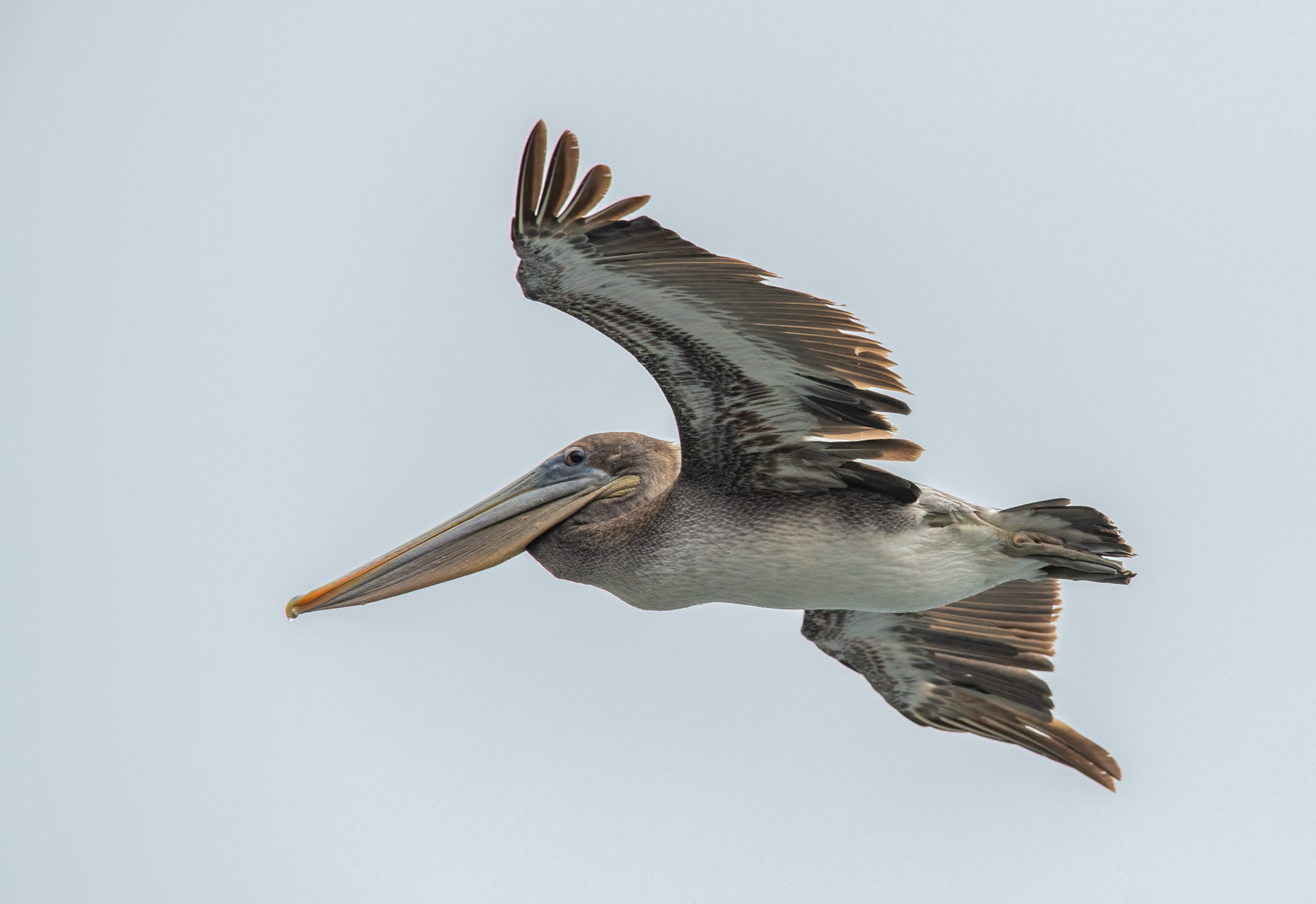
Young Brown Pelicans, born earlier this year to our south, are now flying northward. They have brown heads and white tummies. The adults have white heads and darker tummies. Paul Brewer recently photographed this juvenile Brown Pelican.

Paul also photographed this group of Brown Pelicans in the fog - yes, it's been foggy the past couple of days!

Brown Pelicans are easier to photograph in flight because they have slow wing beats and they glide in between. They fly over or close to the bluffs, giving us wonderful sightings of them this time of year. Yay, Brown Pelicans!

Thanks to Paul for allowing me to share his photos with  you here. To see much more of Paul's nature photography, here is the link to his website: http://www.capturingnatureswonders.com/

Drippy fog this morning and dazzling sunshine this afternoon.

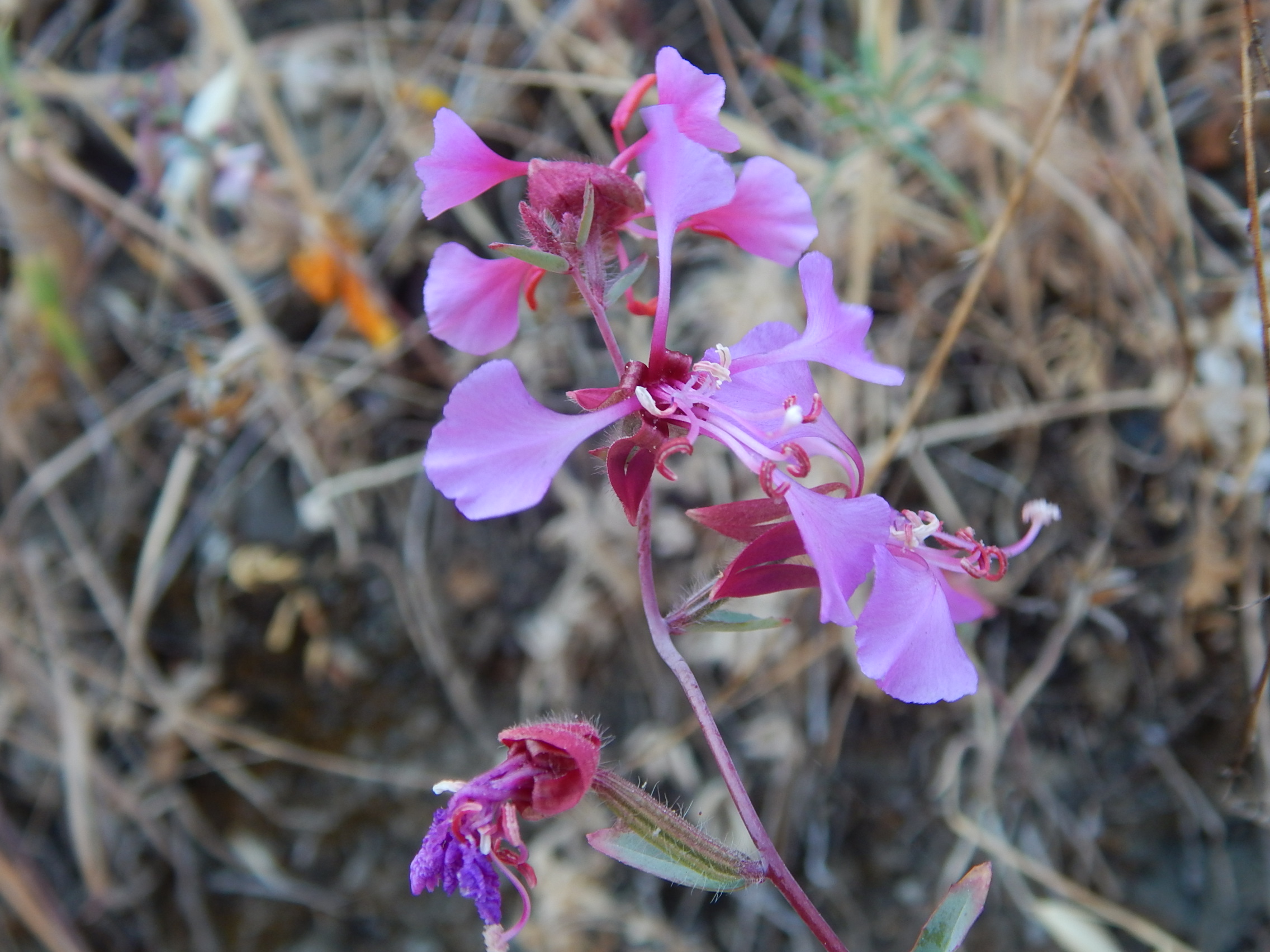
Woodland Clarkia, Clarkia unguiculata, is also called Elegant Clarkia. It's a beautiful native wildflower endemic to California.

I read that bees love these wildflowers - nice to know!

Thanks to Peter for allowing me to share his photo with you here.

We had heavy fog overnight - it sounded like it was raining! But the fog pulled back in the afternoon and, sure enough, there was an ocean out there.

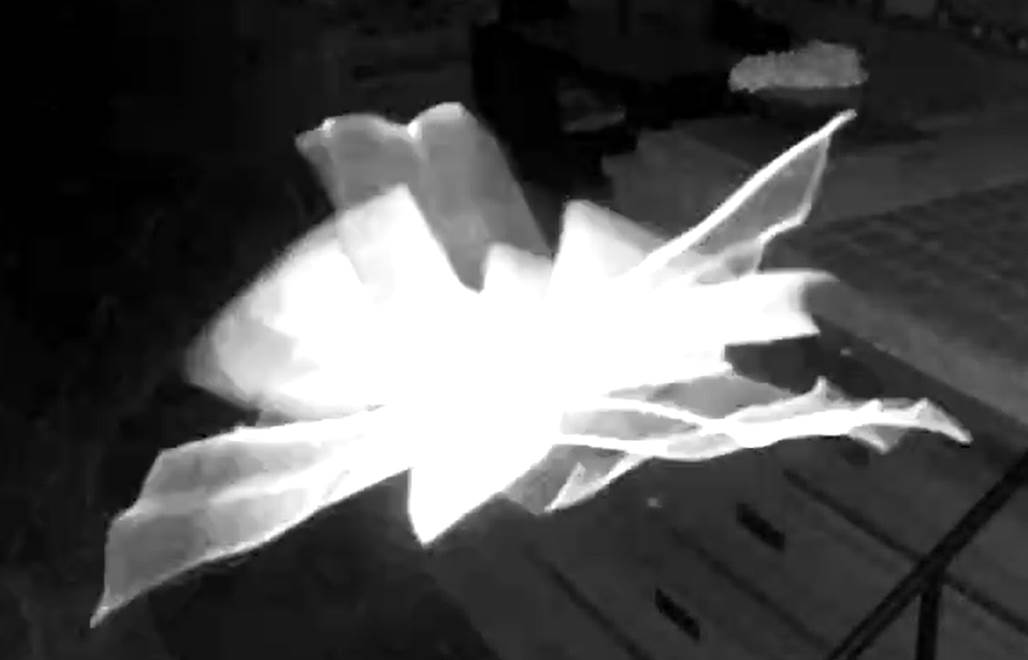
Doug Le Du wrote, "I am hoping you can help me identify this flying creature captured on the evening of June 9 with a motion-sensitive camera with IR lighting about 9 pm. I have seen bats fly by this camera hundreds of times and at first dismissed this as just another bat fly-by. But then I paused the video and realized that not only is this NOT A BAT, but that I had no idea what this flying creature was.”

Naturalist Laura Baker took a detailed look. She wrote, “What a wonderful mystery! Here’s my guess – maybe a Praying Mantis? Males are known to fly around at night, come to lights and engage in bat avoidance maneuvers. Check. Mantids fly with their legs totally splayed out. General flight characteristics look like the Praying Mantises I’ve seen flying in the day.”

Here are the two short videos for you to see.

It's a fun mystery. I guessing a Forest Fairy! Let me know your guess.

Thanks to Doug for sharing his videos and photos with us here.

It's warm right along the bluffs, and downright hot further away from the ocean - a June heatwave. Lots of visitors have arrived, seeking relief from the inland heat and getting some necessary Vitamin Sea.