Sightings

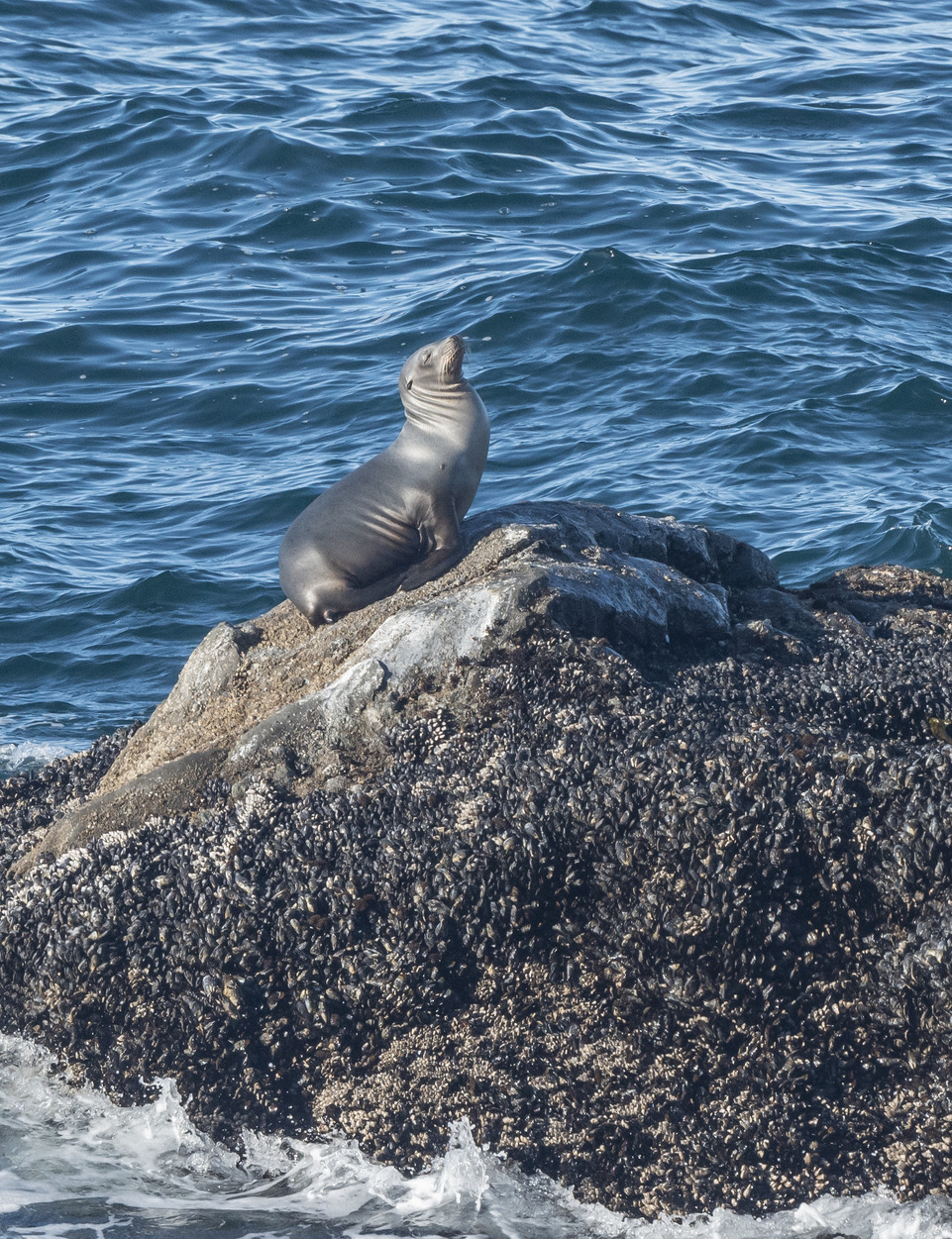
I would never want to body shame, so let's just say this California Sea Lion looks very well fed. Michael Reinhart recently photographed him resting on a rock in the sun. The rock looks to be nearly covered with CA Mussels. This big Sea Lion looks like he is King of his domain!

Thanks to Mike for allowing me to share his photo with you here.

It's a truly beautiful day here today. Temps in the mid-70's and a gently breeze. This morning the ocean was like glass.

They are so beautiful they almost take your breath away. I just love dragonflies! Connie King recently spotted this very handsome male Flame Skimmer in her Sea Ranch garden.

I rotated the photo on the right so you could see it both ways. Kathy Biggs, author of "Common Dragonflies of California," tells me dragonfly season is almost over. And so goes the cycle of life.

Thanks to Connie for allowing me to share her photo with you here.

Sunny and breezy, with some fog over the ocean, a beautiful day.

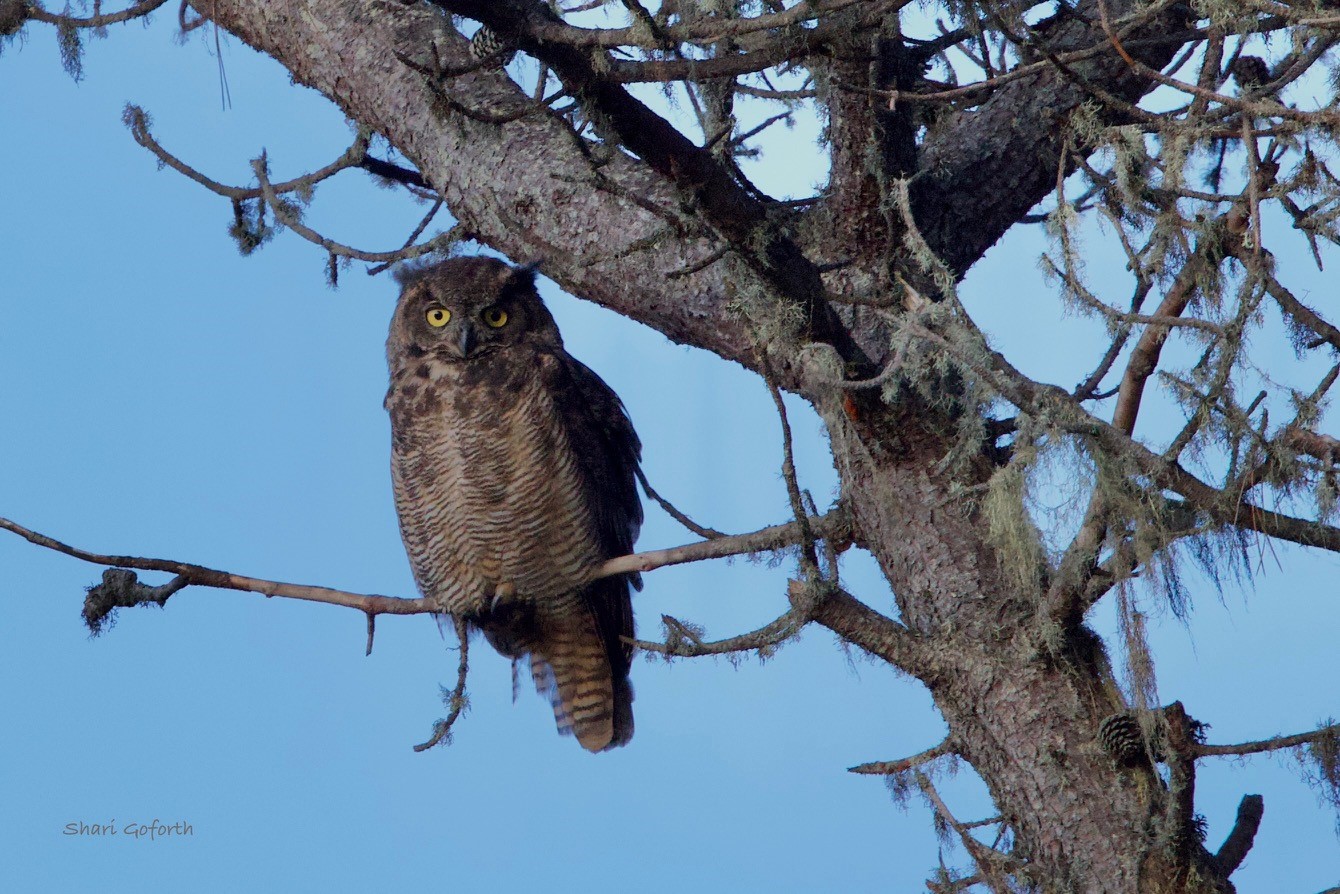
Shari Goforth was at Stewarts Point at dusk to watch the Vaux's swifts enter the old brick chimney. She was rewarded with a sighting of this young Great Horned Owl.
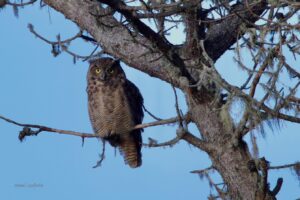
 

Here's what the Cornell Lab of Ornithology's website, http://www.allaboutbirds.org, says about these owls: "With its long, earlike tufts, intimidating yellow-eyed stare, and deep hooting voice, the Great Horned Owl is the quintessential owl of storybooks. This powerful predator can take down birds and mammals even larger than itself, but it also dines on daintier fare such as tiny scorpions, mice, and frogs. It’s one of the most common owls in North America, equally at home in deserts, wetlands, forests, grasslands, backyards, cities, and almost any other semi-open habitat between the Arctic and the tropics."

You can hear their hooting calls at this link, also at the Cornell Lab of Ornithology's website: https://www.allaboutbirds.org/guide/Great_Horned_Owl/sounds

Thanks to photographed Shari Goforth for allowing me to share her great photo with you here.

Today was a beautiful, sunny, breezy day.
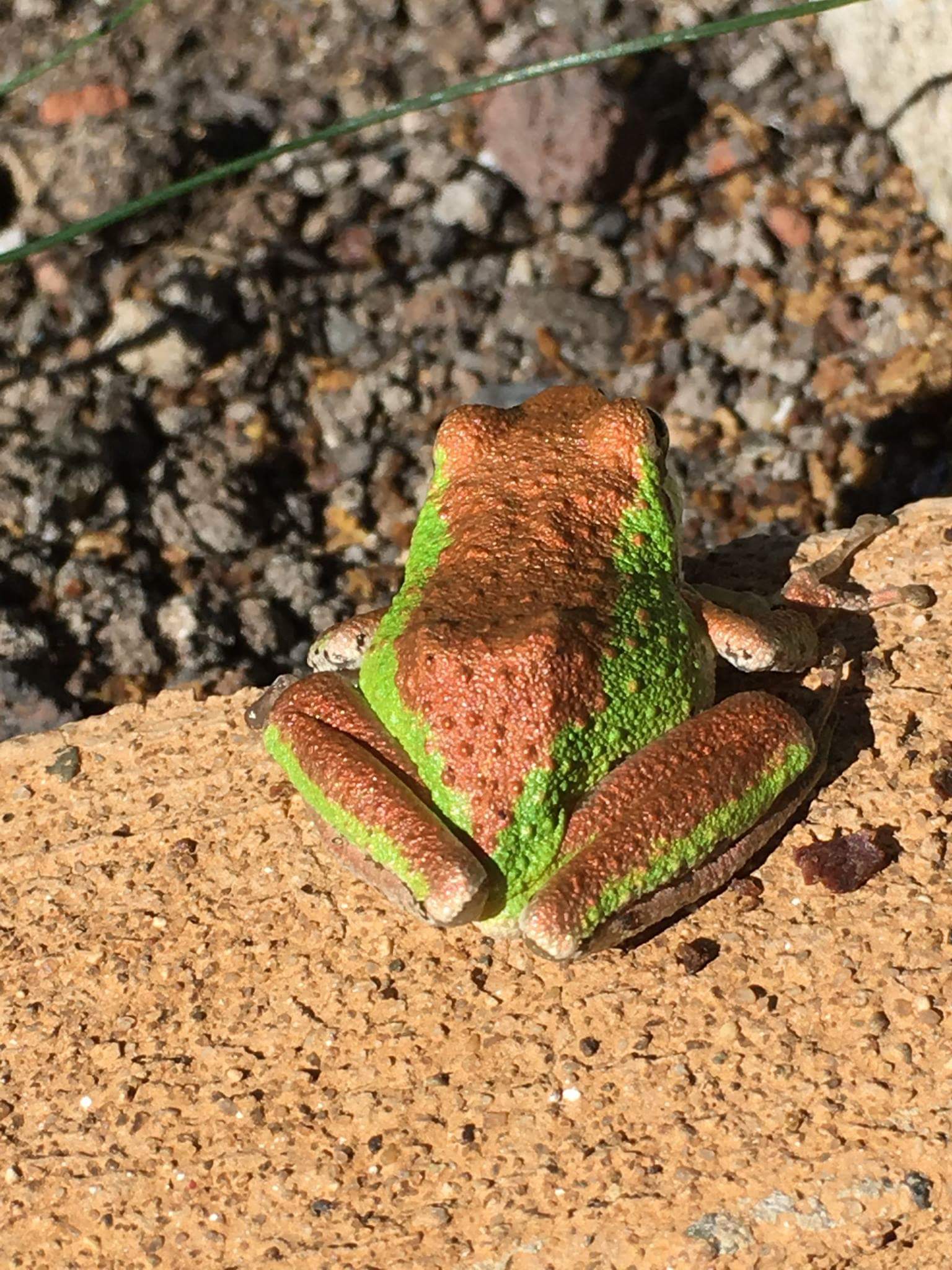
Sierran Treefrogs, also know as Chorus treefrogs, are usually bright green with black markings on their heads on either side of their eyes. John Forte found one sitting still on a leaf, as if waiting for his/her close-up!

This tiny frogs can change their color to a reddish brown. Stacy Lore photographed this treefrog changing from green to brown.

While tiny, the males have a very big voice! I have one in my courtyard now, occasionally giving out "ribbit, ribbit" calls.

Thanks to John and Stacy for allowing me to share their photos with you here.

We had almost a half inch of rain the past two days, a blessing. Today the clouds have departed leaving us with sunshine and the wonderful smells of wet forests. As a friend said, "the forests are singing!"

Michael Reinhart has a real talent for photographing birds. He got this young Bald Eagle flying by recently. I believe this bird is 1 and 1/2 years old, so last year's young.

Bald Eagles go through many changes in their appearance during the first five years. Here's a link to Avian Report that shows the evolving feathers, beak and even the eyes of a developing Bald Eagle: https://avianreport.com/age-and-identify-a-juvenile-and-sub-adult-bald-eagle/

At five and a half they have their mature coloration and they won't change in the years ahead. Males and females look alike, but the female is about one third bigger than her mate.

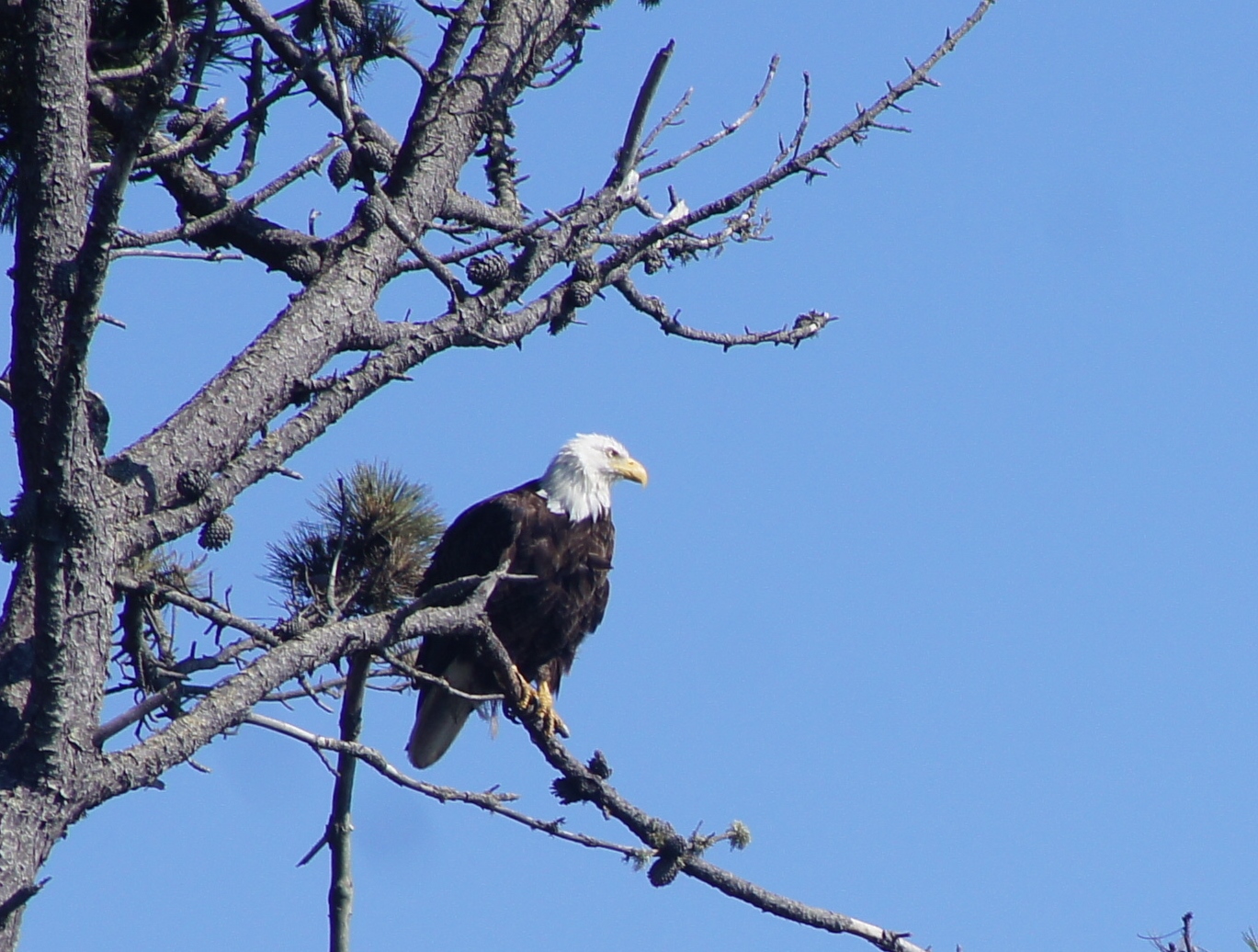
Here is a recent photo of an adult Bald Eagle near the Gualala River, taken by Jim Garlock.


Thanks to Michael and Jim for allowing me to share their photos with you here.

It's lovely here today, high 60's, and a gentle breeze. Huckleberries are ripe and ready for picking. Yum!