Author Archives: Jeanne Jackson

2 Comments

Yes, Horsetails are ancient plants. In the time of the dinosaurs, they grew as trees more than a hundred feet tall. They have evolved to survive in modern times when the dinosaurs obviously did not. They now grow one, two or even three feet tall. The first signs of Horsetails have appeared in and on the banks of Quinliven Creek at our property in Anchor Bay.
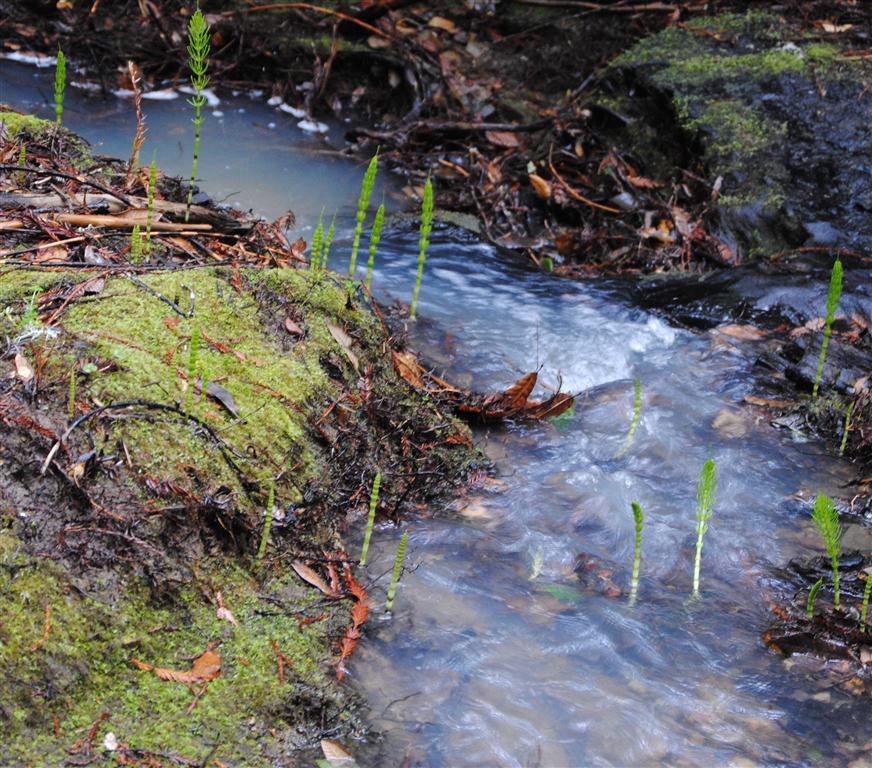
Horsetails are also called Scouring Rush and were used for scrubbing pots. Equisetum is their Latin name and they have medicinal qualities. Native American peoples used these plants to stop bleeding.

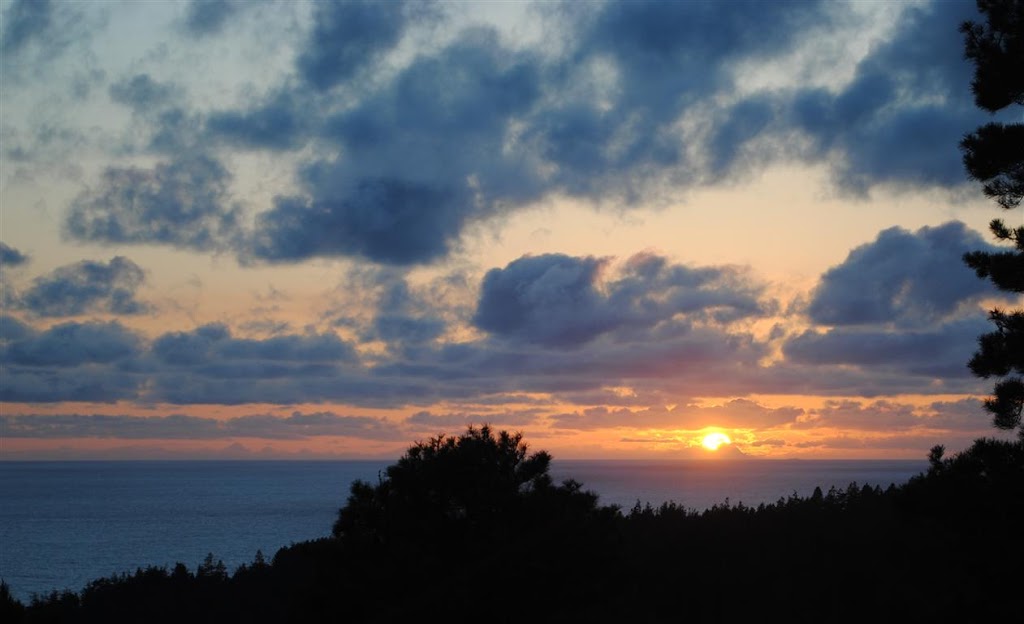
We have a big storm coming in late tonight. Last night's sunset showed the first clouds of the storm. Batten down the hatches!
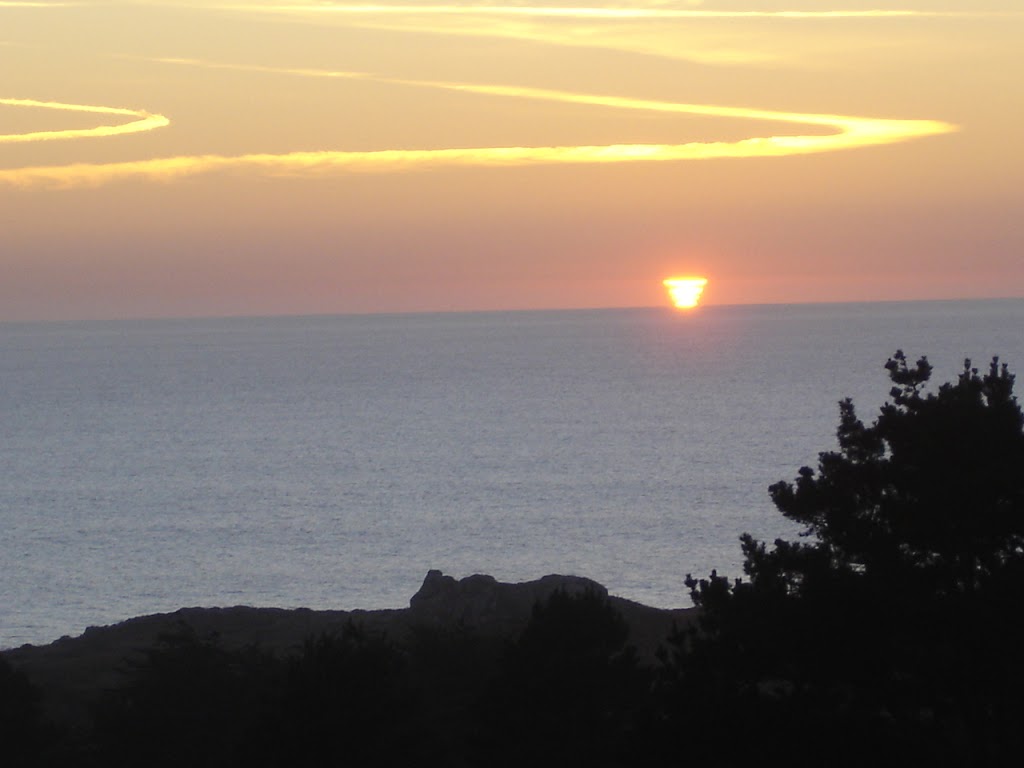
Last month Mark Hancock was driving along Highway One when the sun was about to set. He pulled over and took a series of photos. This one looks just like a golden tornado, don't you agree?

I mentioned to Mark that these are the conditions to look for to see the green flash. He said there was a green flash that night but he missed getting the photograph. I can relate.

To see a green flash that occurred earlier this month, here's the link to Tom Eckle's photo: http://www.mendonomasightings.com/2012/03/08/the-green-flash-as-photographed-by-tom-eckles/

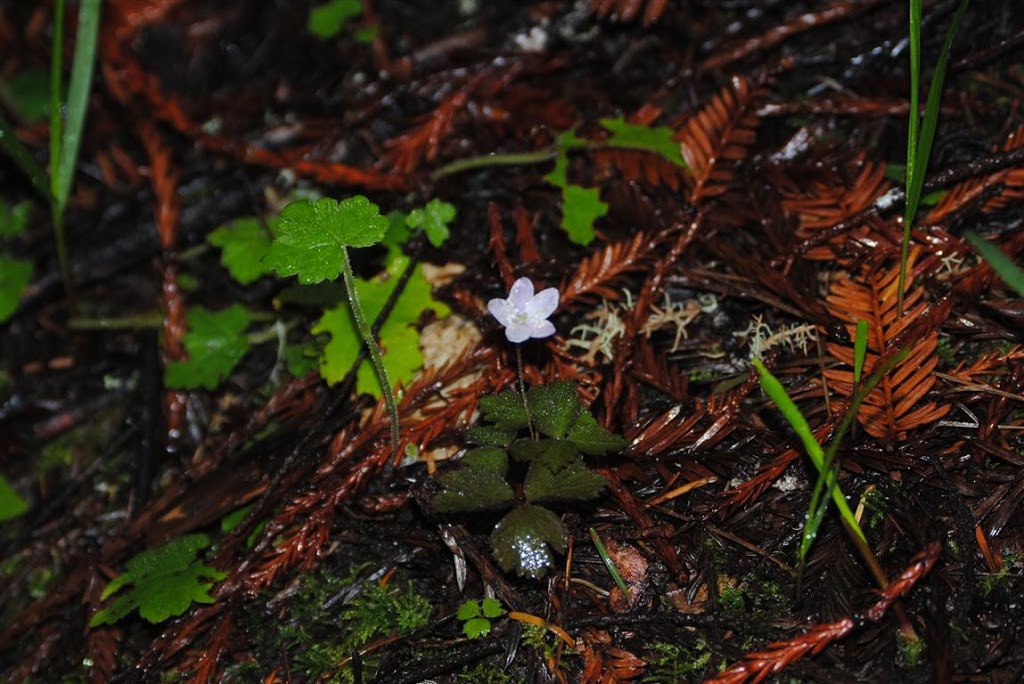
The rains of this week have brought several wildflowers into bloom. One is the delicate Windflower, Anemone oregana. It is also called Western Wood Anemone or Oregon Anemone. It is a California native, though it is also found in a few other western states, including Oregon. It's a perennial herb. The juice from Windflowers can cause skin rashes. Who knew such a lovely little wildflower had a bite?

The petals are so delicate that if you touch them they might fall away. So now we know to look but don't touch. These wildflowers just bloomed on our property in Anchor Bay. They are quite small, perhaps two inches tall, and are on the forest floor near Quinliven Creek.

2 Comments

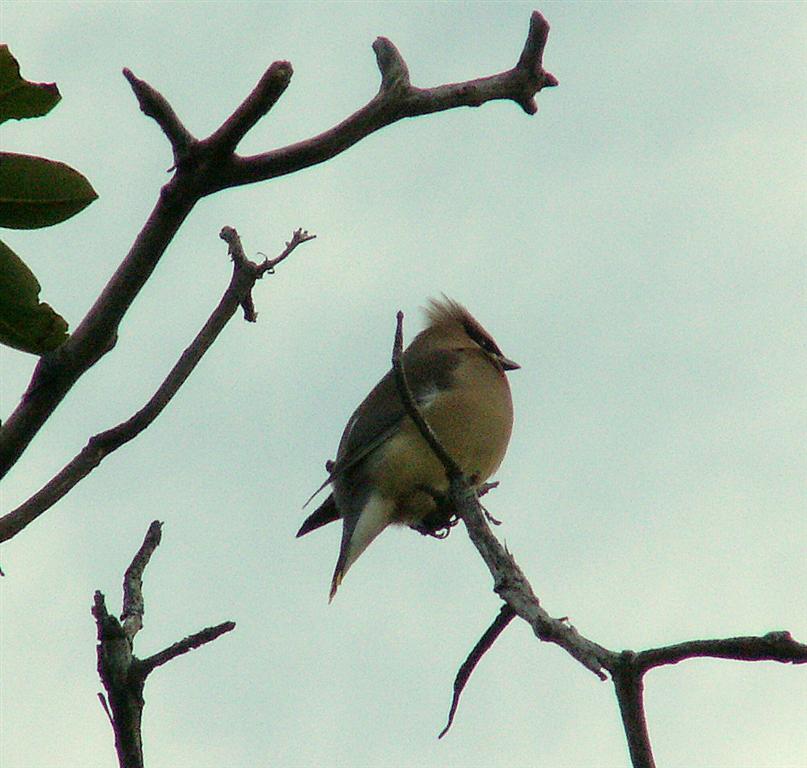
Robert Scarola photographed a Cedar Waxwing recently. This bird loves to eat berries and, when berries aren't available, it can be seen hunting insects, especially over water.

They leave our area and head north for the summer, north to Humboldt County and Canada, if they are breeding. To hear their call, here's a link to the Cornell Lab of Ornithology: http://www.allaboutbirds.org/guide/Cedar_Waxwing/id/ac

Thanks to Robert for allowing me to share his photo with you here.

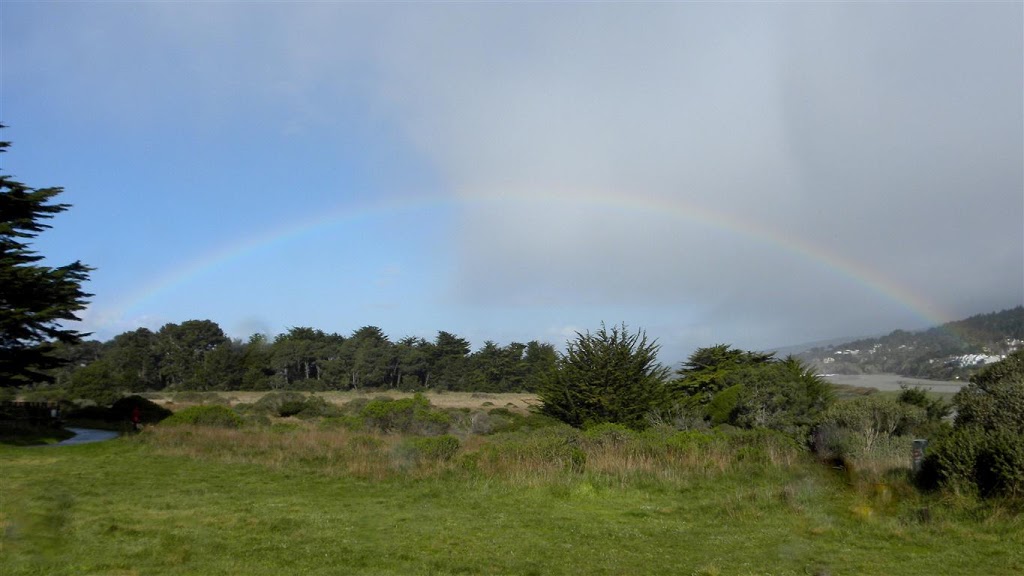
Mother Nature was a drama queen yesterday. Rain, hail, wind, crashing surf, brilliant sunshine and rainbows. Yes, Sunday had it all, weather-wise. But any day you see rainbows is a good day.

Peggy Berryhill was out walking her dogs at Gualala Point Regional Park mid-morning when she was gifted with this rainbow. Lucky for us, she photographed it and has allowed me to share it with you here.

That's a peek of the Gualala River to the right. Further to the right is the town of Gualala, all embraced by a lovely rainbow.

Peggy is the General Manager of Gualala's newest radio station, KGUA, 88.3 FM.
http://www.kgua.org/ You can hear me on Peggy's Place every third Thursday of the month at 9:08 am.