Author Archives: Jeanne Jackson

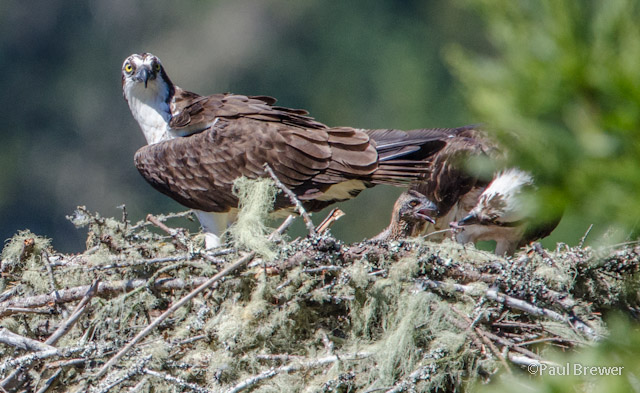
Up river from the town of Jenner in Sonoma County is an Osprey nest. This year only one chick was born. Paul Brewer watched the nest for some hours several times of the past couple of weeks. Here's a photo of the newborn chick with its mother.
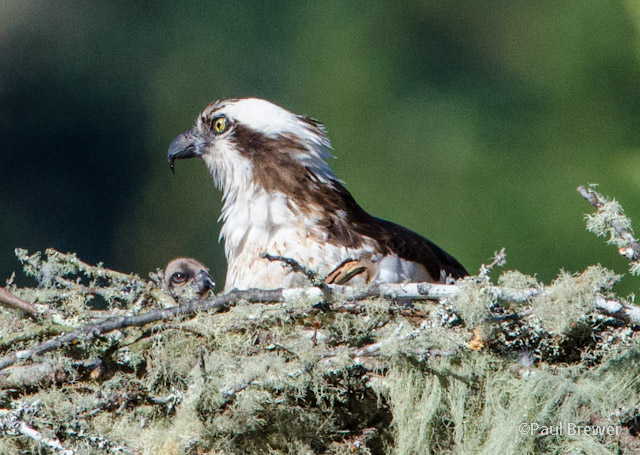
Paul had to wait quite a while last week to get some photos of the Dad bringing home the "bacon." Below the mother and chick are waiting...and waiting.
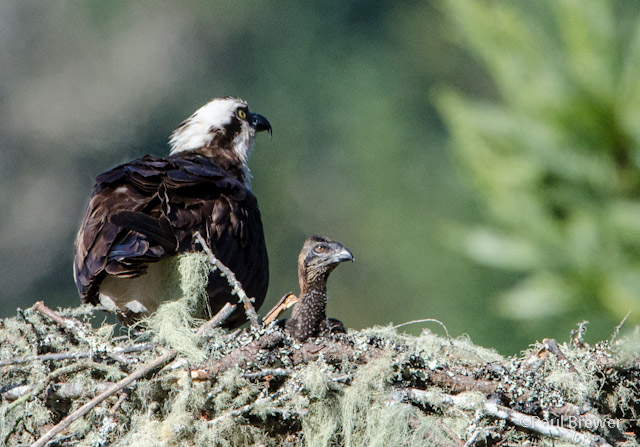
 Below you will see the Dad arriving with dinner.
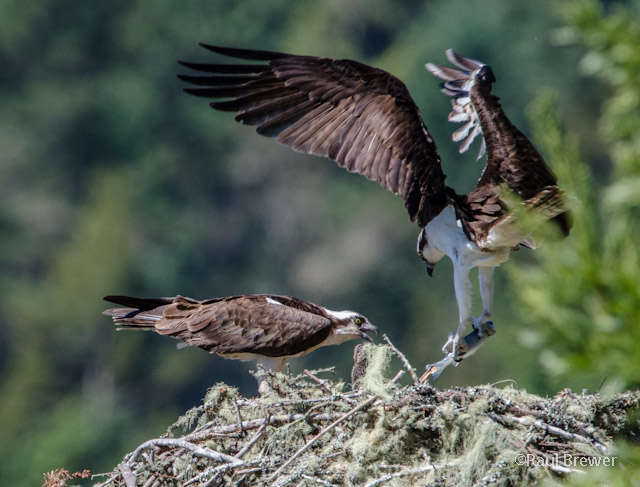
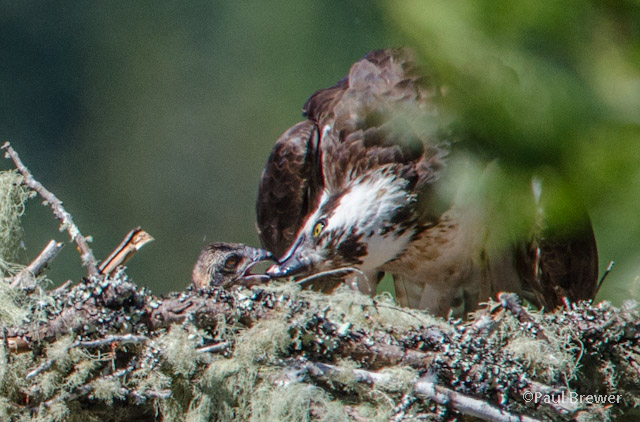
And here the young Osprey is about to be fed.
And Paul titled the photo below, "Open wide!" 
Thanks to Paul for allowing me to share his great photos with you here. To see much more of Paul's photography, here's his website: http://www.capturingnatureswonders.com/
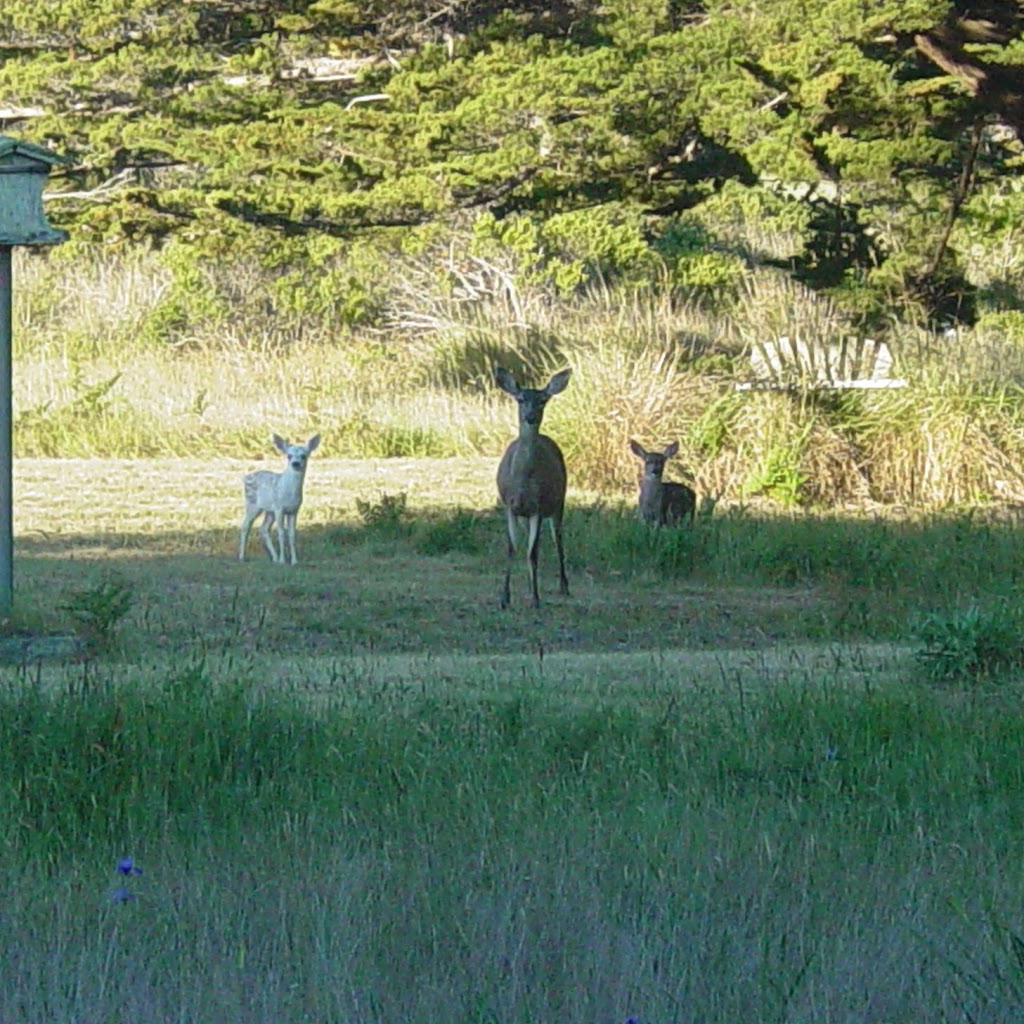
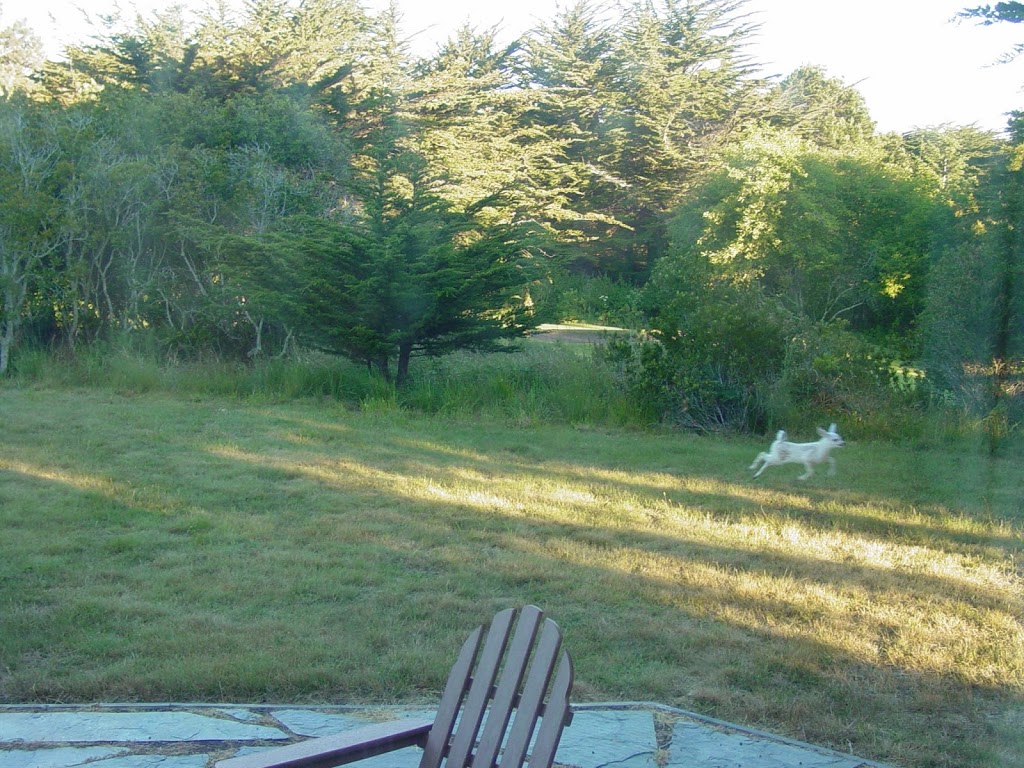
The last time we had a white fawn born on the Mendonoma Coast was spring of 2009. This spring it happened again and Kay Martin was there to photograph the white fawn and its normal-colored sibling and their mom.

Below you can see this special fawn leaping.

This family has been seen near the ninth hole of The Sea Ranch golf course. The white fawn is already starting to show a little color on its flanks. It is not an albino; it is considered a towhead. It will eventually color up if it survives its lack of natural camouflage.

You never know what you are going to see next on the Coast! Thanks to Kay for allowing me to share her photos with you here.

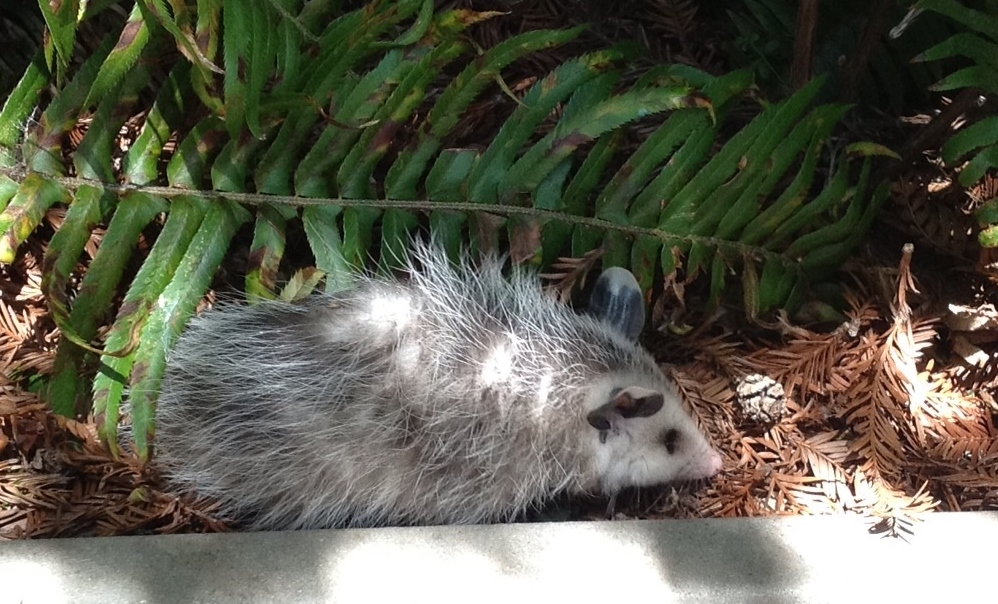
On most holiday weekends there is a fair at the Gualala Arts Center. Memorial Day weekend was no exception. This baby Opossum was seen and photographed by Walt Rush.

Here's what Walt wrote, "At the Gualala Arts Fine Arts Fair we encountered an art enthusiast of a different kind. This little baby possum was munching away on some shrubbery next to where Susan was sitting next to my jewelry display. Thought your readers would get a kick out of this. He was a friendly kind of guy; he didn’t seem to be afraid of people as I was able to get a couple of feet away when I snapped this picture.”

A female Opossum gives birth to as many as twenty babies in a litter and they are no bigger than a honeybee. Fewer than half survive. Those who do survive crawl into their mother’s pouch while they continue to grow. As they grow, some will fall off the mother. That may be what Walt and Susan Rush saw.

I thank Walt for allowing me to share his photo with you here. To see some of Walt's beautiful jewelry, here's his website: http://www.rushstudio.com/

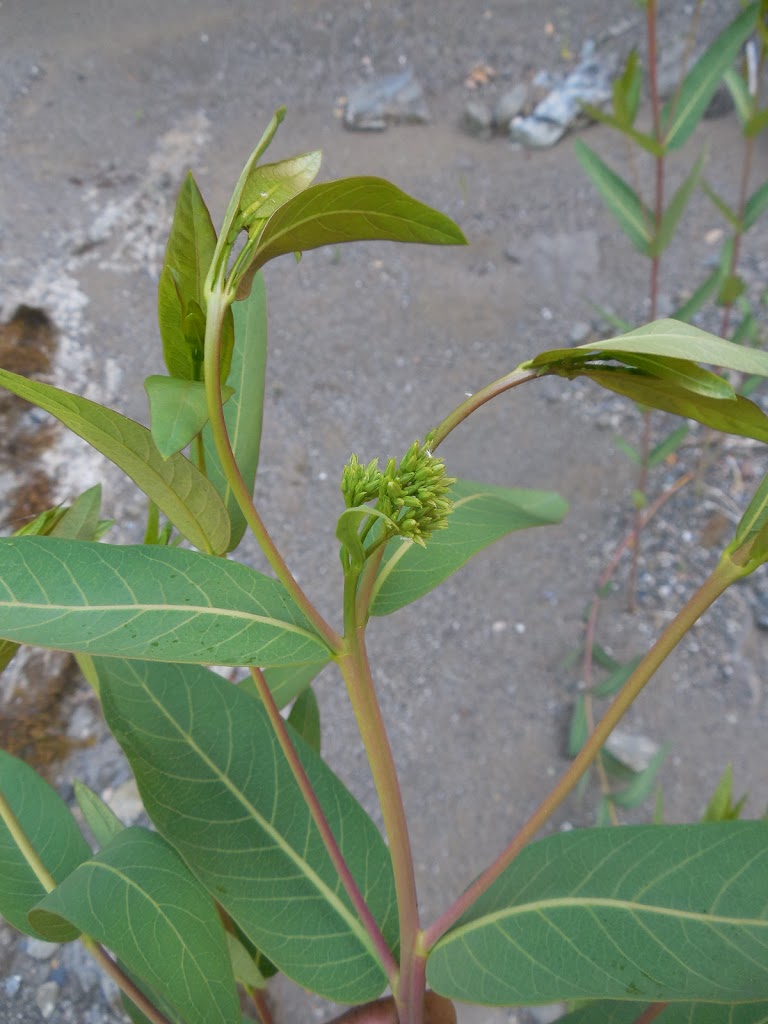
Peter Baye hikes the reaches of the Gualala River. He found Dogbane, Apocynum cannabinum, in bud.

Peter wrote, “It’s a rare occurrence for Sonoma County. It’s also called Indian-hemp, a Pomo textile plant. It has fibers like hemp, not the ‘medical’ properties. It’s the only colony I’ve even seen in the Gualala River watershed.”

Apocynum means Away dog! The plant is toxic for our canine friends.

Would you like to learn more about the Gualala River? Visit the Friends of the Gualala River website at http://gualalariver.org/

Thanks to Peter for allowing me to share his photo with you here.

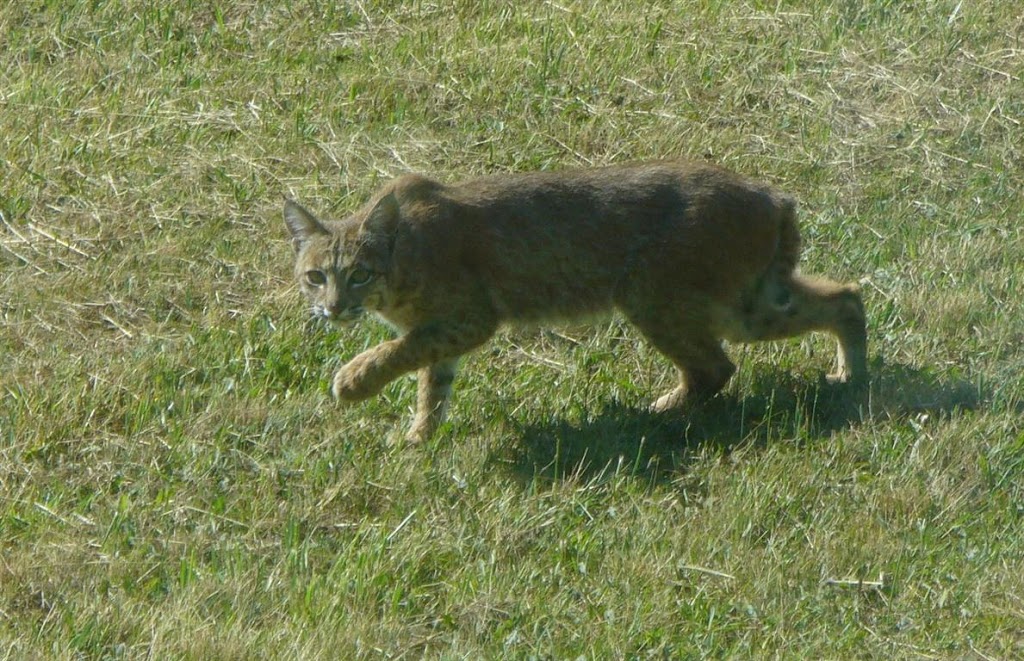
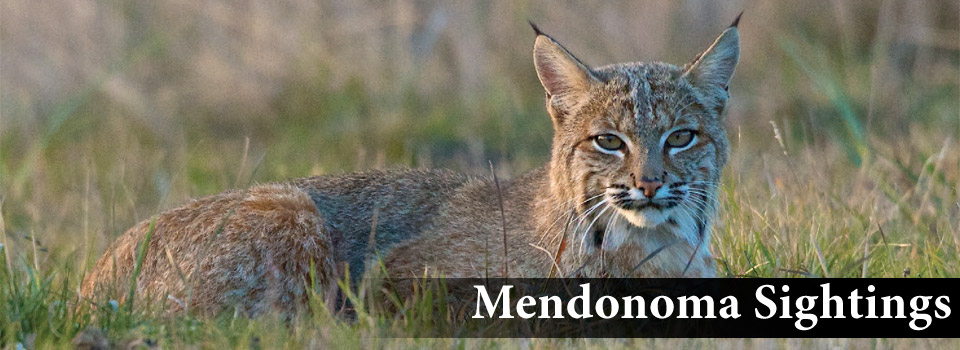
Bobcats are suppose to be nocturnal. But on the Mendonoma Coast they hunt in bright daylight, as shown by Michael Kreyling's recent photograph.

Michael photographed the cat with the bobbed tail and tufted ears in the middle of the day. Perhaps Bobcats have evolved to be out in the daylight hours here on the Mendonoma Coast.
Thanks to Michael for allowing me to share his photo with you here.