Author Archives: Jeanne Jackson

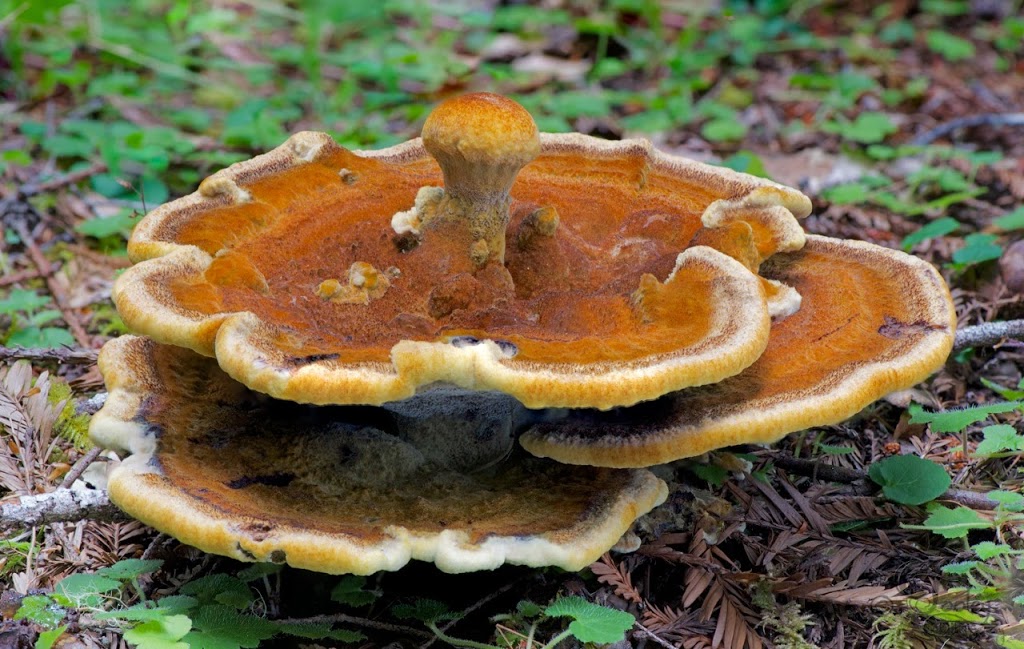
Sometimes it seems like they pop up full grown overnight, and other times you can see them evolve over a period of several weeks; Dyer's Polypores are here. Their scientific name is Phaeolus schweinitzii. Several just made an appearance on our land this week, yet one fruited several months ago in our forest. Craig Tooley was there to photograph it. It has a rather unusual top to it.
Below is one Rick and I just noticed yesterday afternoon. It's quite beautiful, don't you think?
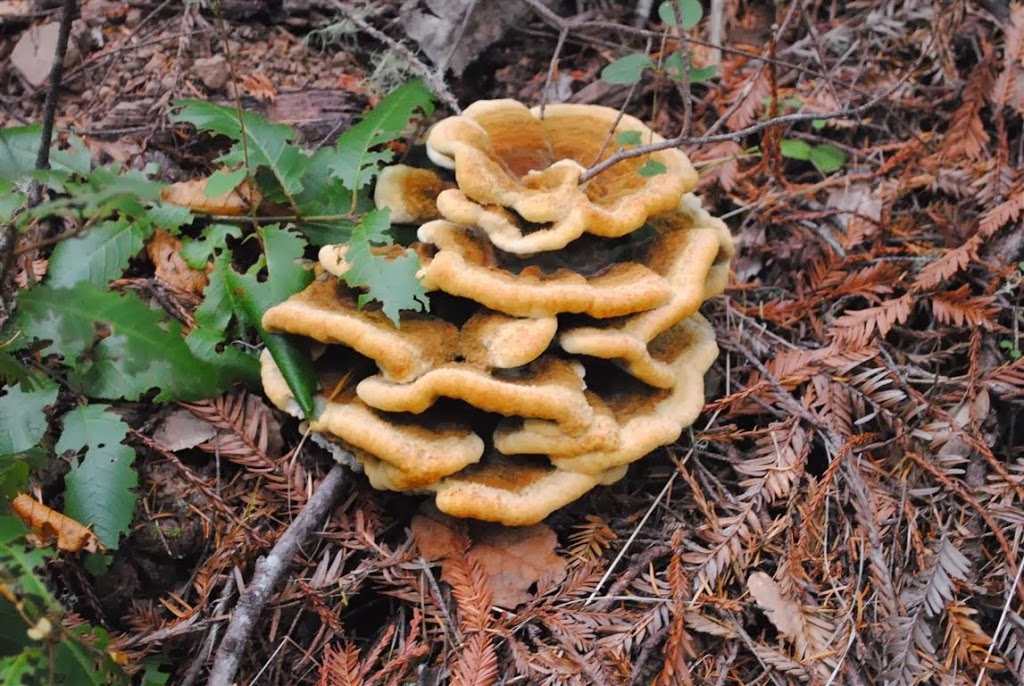
And here is one that is just emerging. It will be fun to watch it as the days go by.
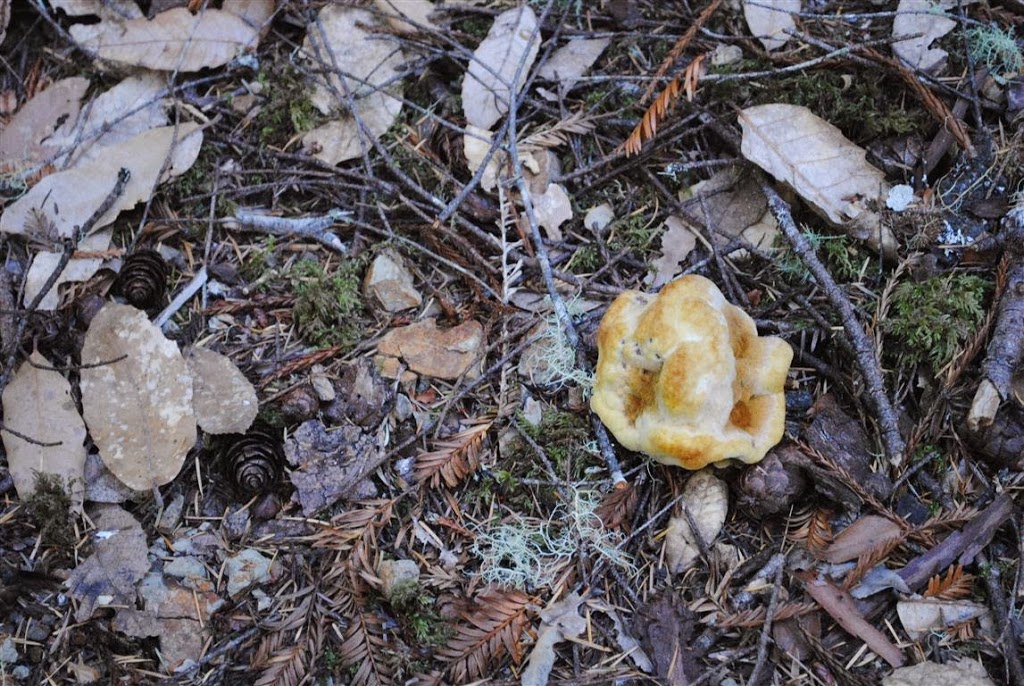
This fungus has its role to play in nature as it helps to decompose dead wood. Dyers of yarn prize this fungus for the pigment it holds. Depending on the age of the fungus, they can dye yarn yellow, orange or brown.

Thanks to Craig for allowing me to share his photo, the first one here, with you. To see much more of Craig's photography, here is his website: ruffimage.com
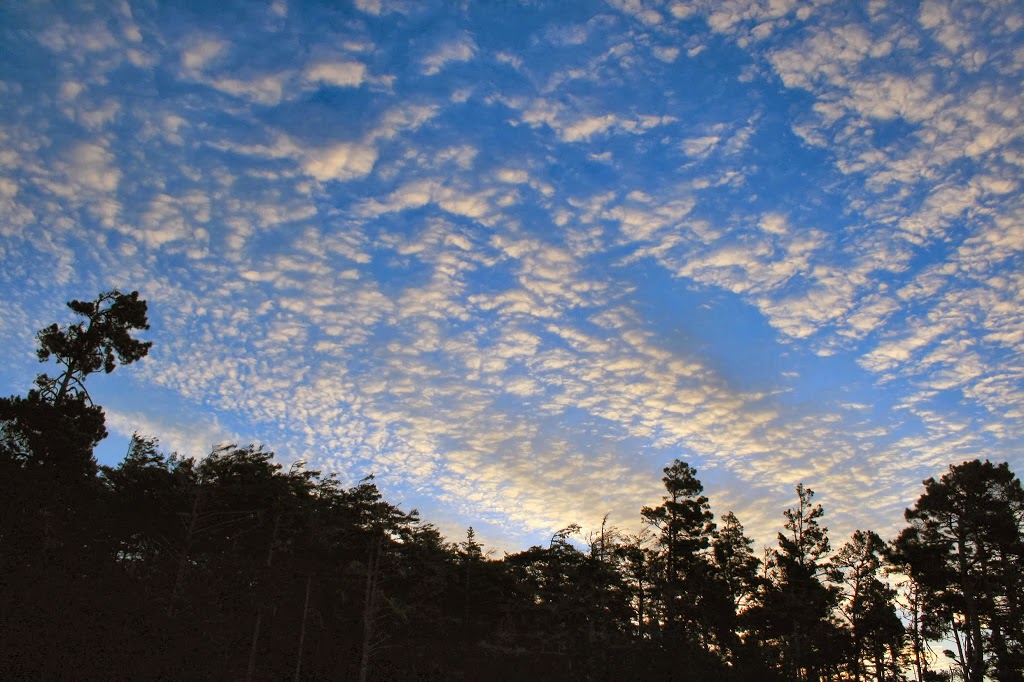
A low pressure system has swept away the fog and brought beautiful clouds. This morning the sunrise was amazing and Drew Fagan captured it with his camera.

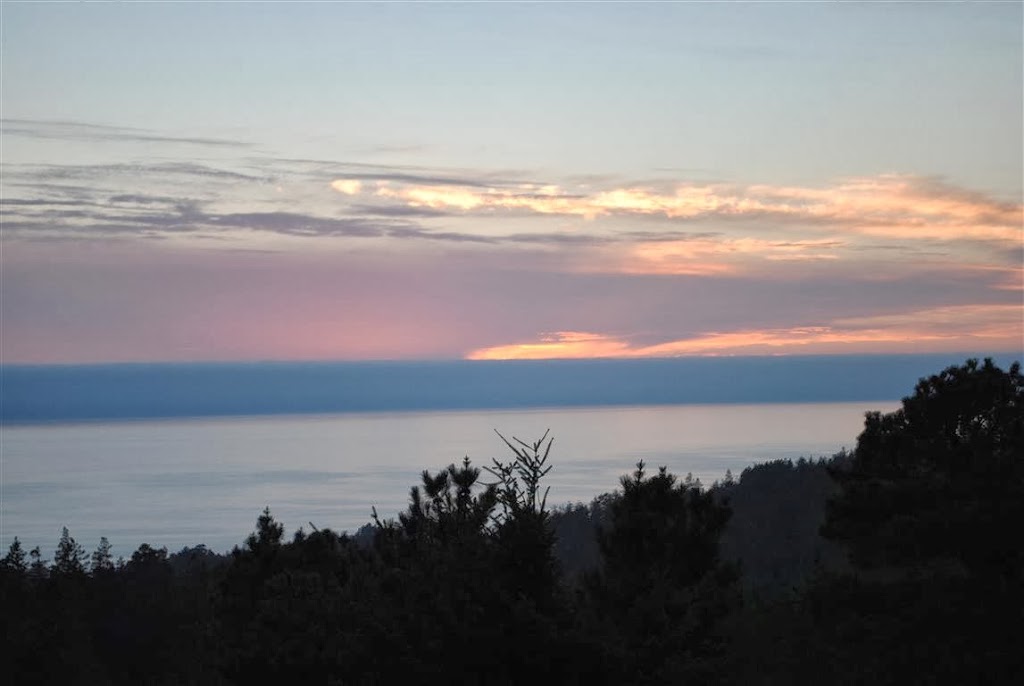
And last night's sunset was beautiful too. I took this photo from our deck in Anchor Bay.

Thanks to Drew for allowing me to share his photo with you here. To see Drew's art, here is his website: http://drewfagan.com/

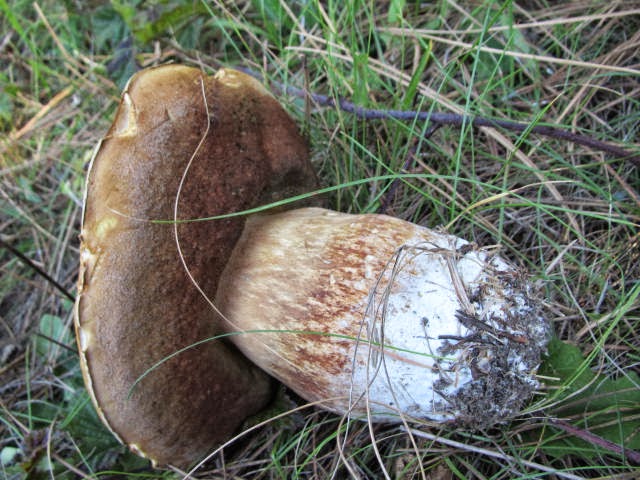
Several King Boletes, Boletus edulis, have appeared, though we haven't had any recent rains. Irma Brandt went out recently, looking for moist soil under pine needles. This is what she found - a nice, fat King Bolete under a Bishop Pine tree.

This mushrooms usually fruits in November, when our first rains trigger their appearance. Rick and I have checked our spots and no mushrooms have appeared. It will be interesting to see what kind of wild mushroom season we have this year.

Thanks to Irma for allowing me to share her photo with you here. To see Irma with the biggest bolete I've ever seen, here is the link: http://www.mendonomasightings.com/2011/10/17/the-biggest-king-bolete-ive-ever-seen-was-found-in-the-manchester-area-a-few-days-ago/

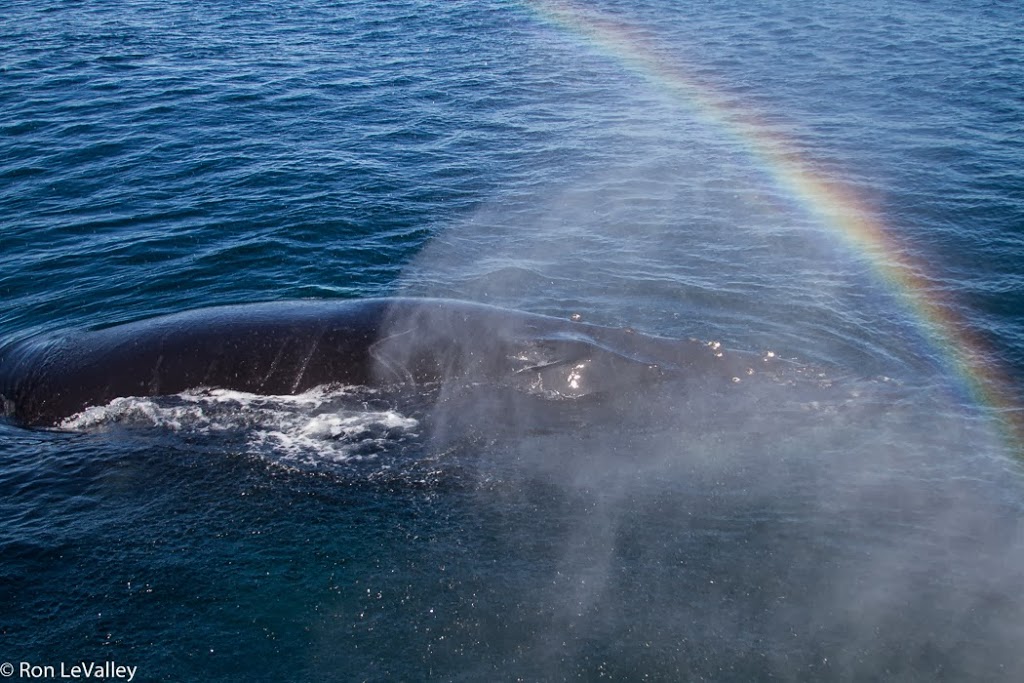
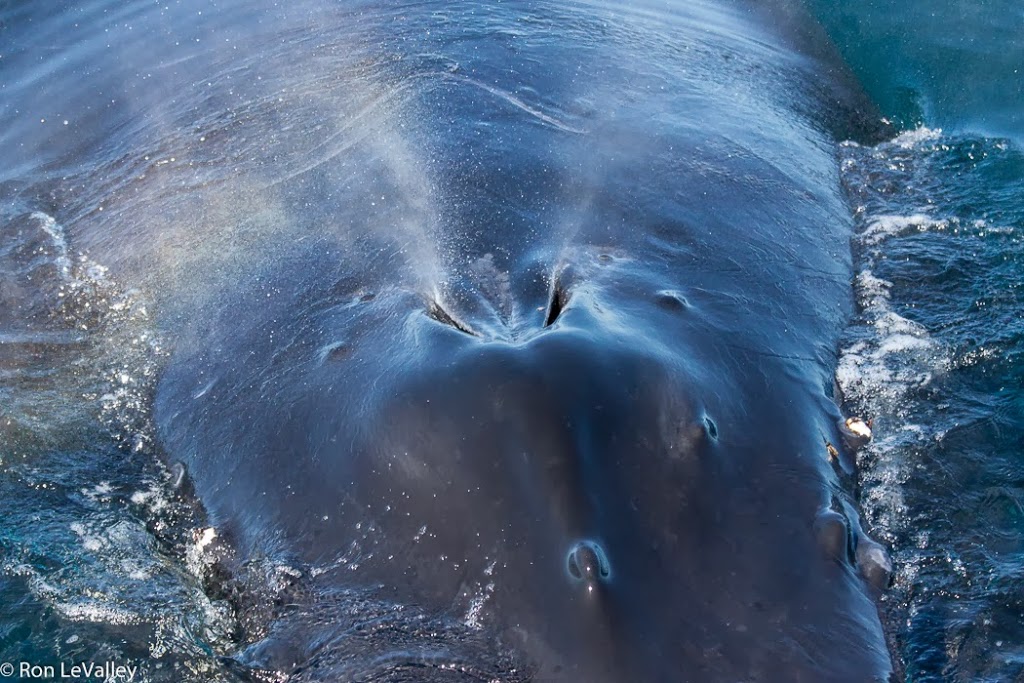
Humpback Whales can be seen off the Mendonoma Coast in the summer and fall, though not in great numbers. Ron LeValley went out on a boat from Noyo Harbor in Fort Bragg and came across two Humpbacks. And they came very close to the boat, obviously curious about the boat filled with people. Ron says they were spouted on several times and he had to clean his camera lens three times!

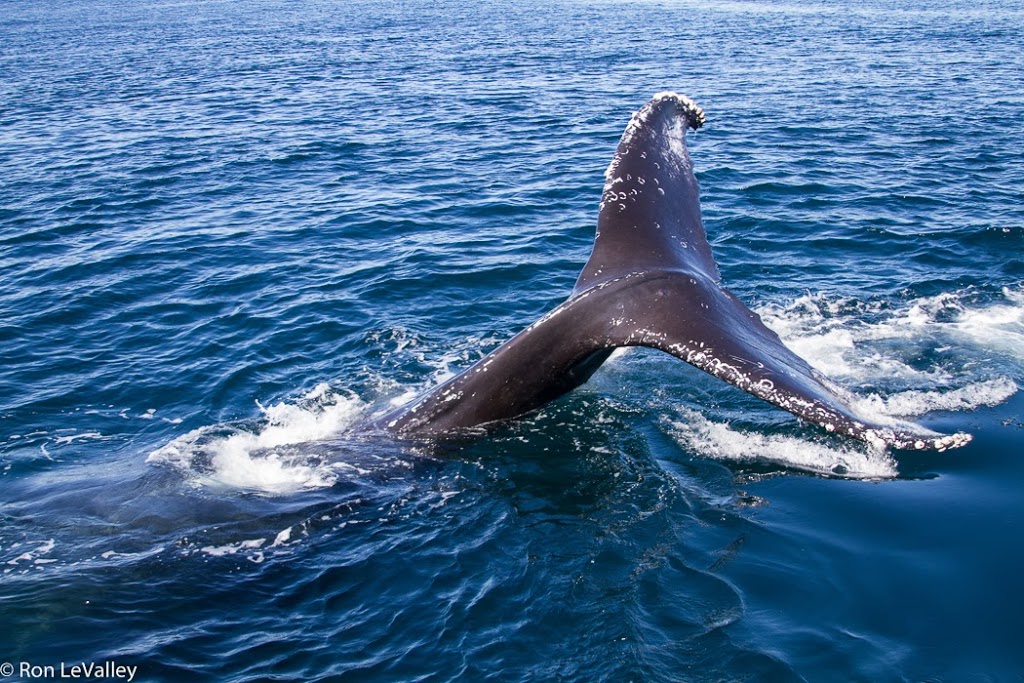
 Below is the tail of a diving Humpback.

 And below the Humpback is about to spout. I have a feeling this is one of the times Ron had to clean his camera lens.

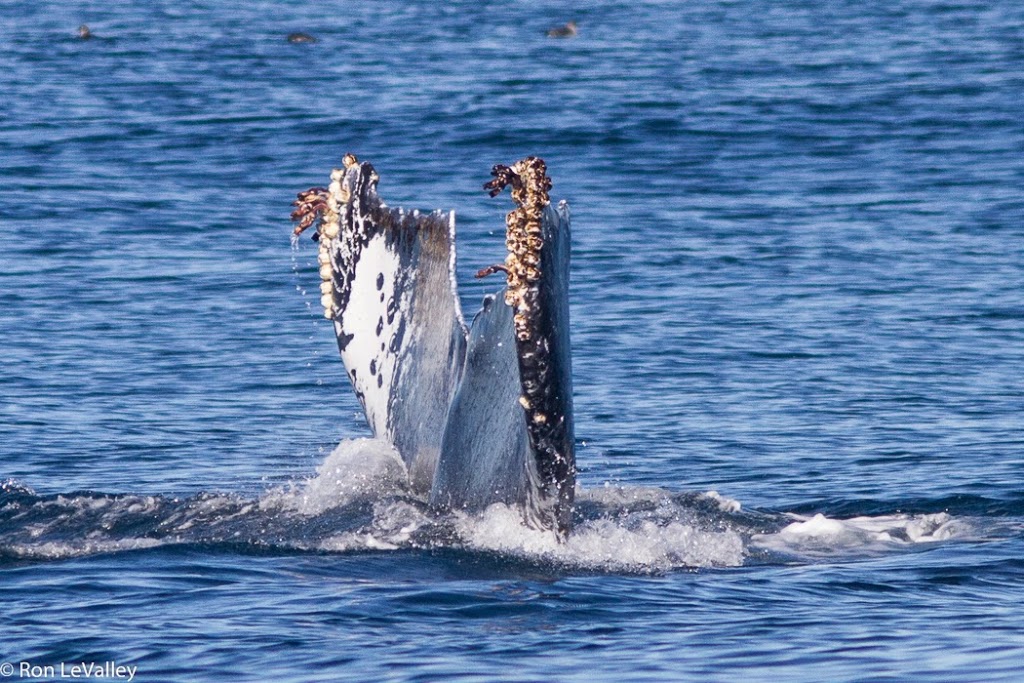
And here is a Humpback's barnacle-encrusted tail fins.  Ron says there are two species of barnacles on this whale - the acorn barnacle, Coronula diadema, which is unique to the humpback and the rabbit-eared barnacle, Conchoderma, a kind of stalked or goose-necked barnacle that settles on Coronula.

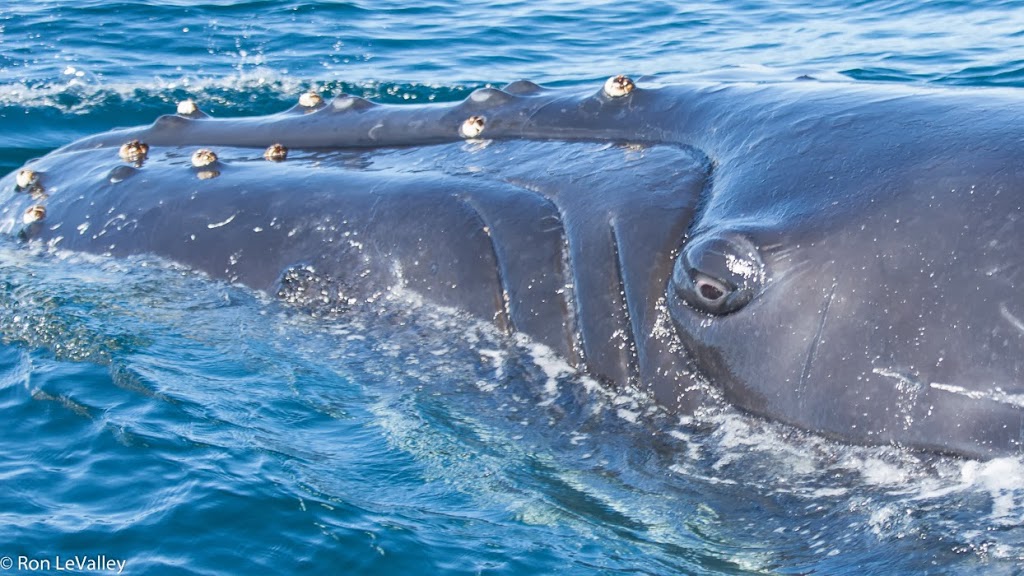
Below you will see this Humpback Whale is taking a good look at Ron!

Thanks to Ron for allowing me to share his fabulous photos with you here. To see much more of Ron's photography, here is his website: http://www.levalleyphoto.com/home/

Today the fog has rolled in and it is cold on the Coast. But just a few days ago it was magnificent. Carolyn André took this photo on her way back up Highway 1. It's not photoshopped, Carolyn says. And I believe her!

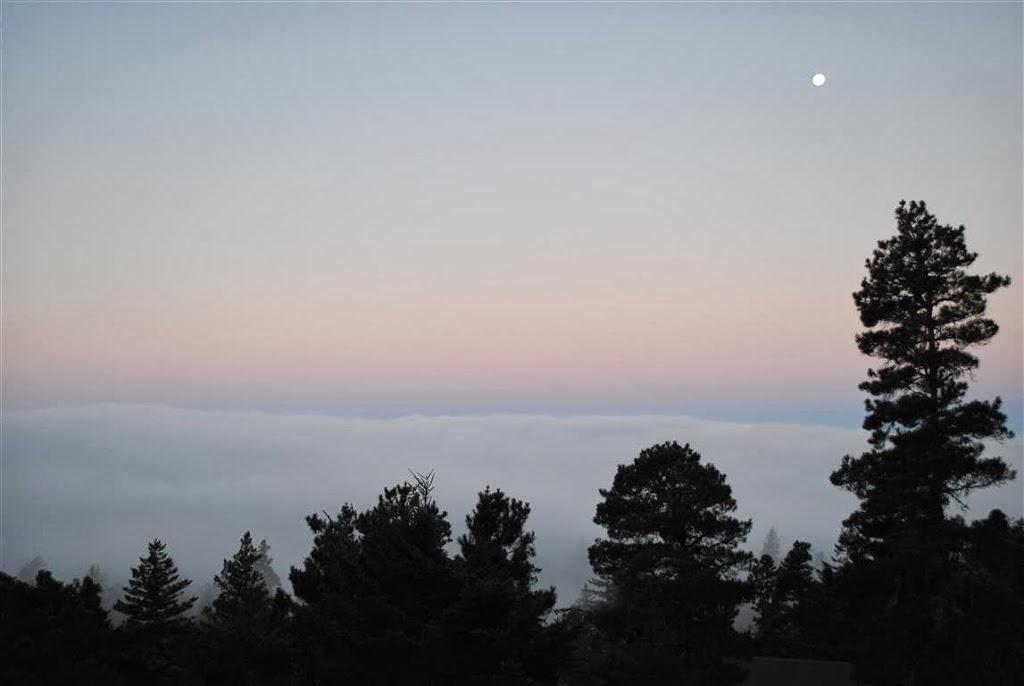
I took this photo of the sunrise yesterday. The nearly full moon, the Hunter's moon, has yet to set. You can see the fog draped over the trees and covering the ocean.

Thanks to Carolyn for allowing me to share her photograph with you here.