Author Archives: Jeanne Jackson

Pelagic Cormorants nest on rocky bluff faces. There is a colony at The Sea Ranch and another at the north end of Hearn Gulch. Craig Tooley photographed a nest full of hatchlings off TSR.

Pelagic Cormorant nest with hatchlings by Craig Tooley

Rick and I didn't know Pelagic Cormorants were nesting at Hearn Gulch but when we hiked there recently we saw these black seabirds coming and going. If you look closely you can see two Pelagic Cormorants on the rock face. Other nests were obviously on the bluff facing west as the birds were flying to and fro.
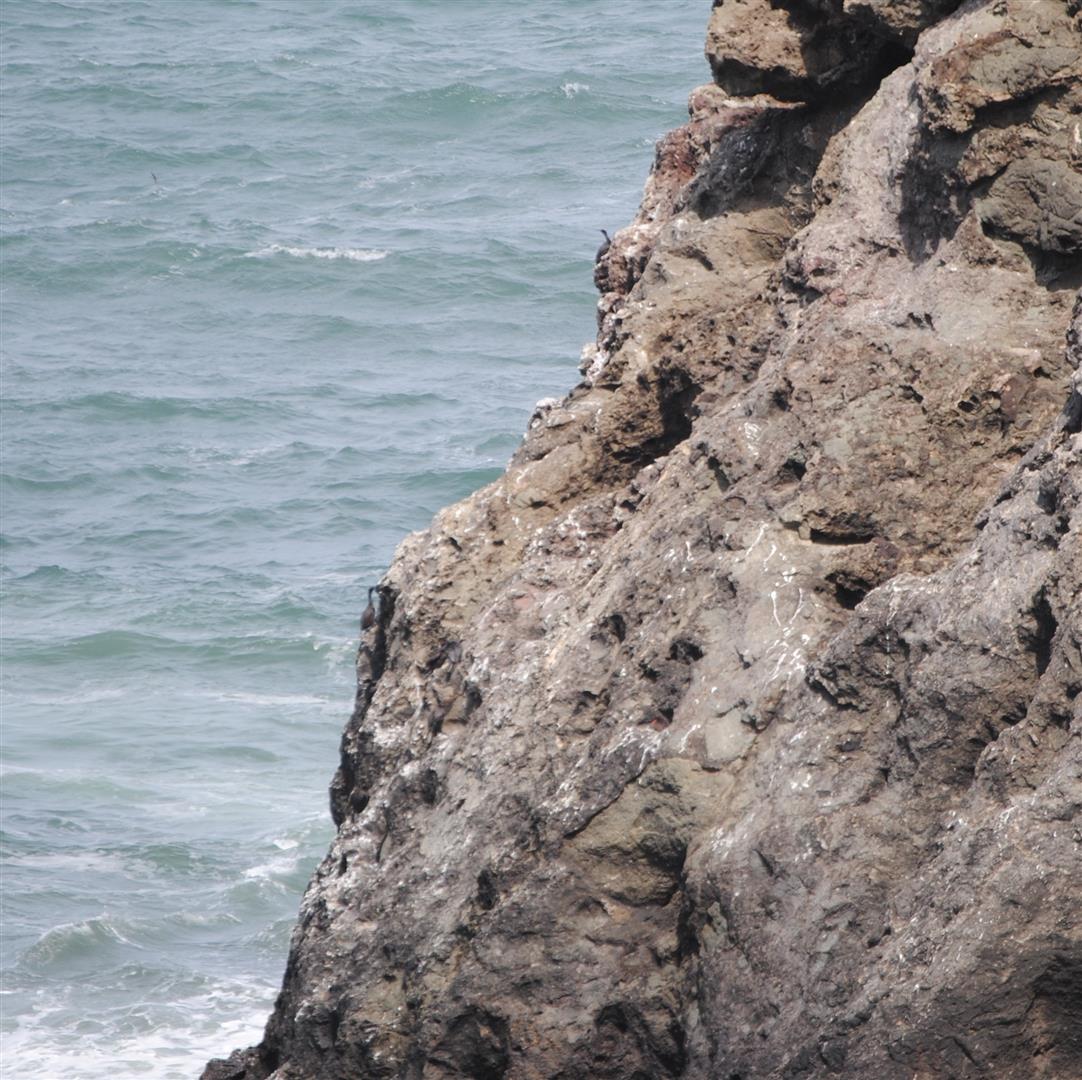
Pelagic Cormorant nest at Hearn Gulch by Jeanne Jackson (Large)

Yes, it's too bad I don't have Craig Tooley's most excellent camera lens! To find Hearn Gulch, a fairly new public access gem, park at mile marker 10.0 just north of Iversen Road in Mendocino County. To learn more about new accesses, visit the Redwood Coast Land Conservancy website at: www.rc-lc.org

Thanks to Craig for allowing me to share his photo with you here. To see much more of Craig's nature photography, here is his link: www.ruffimage.com
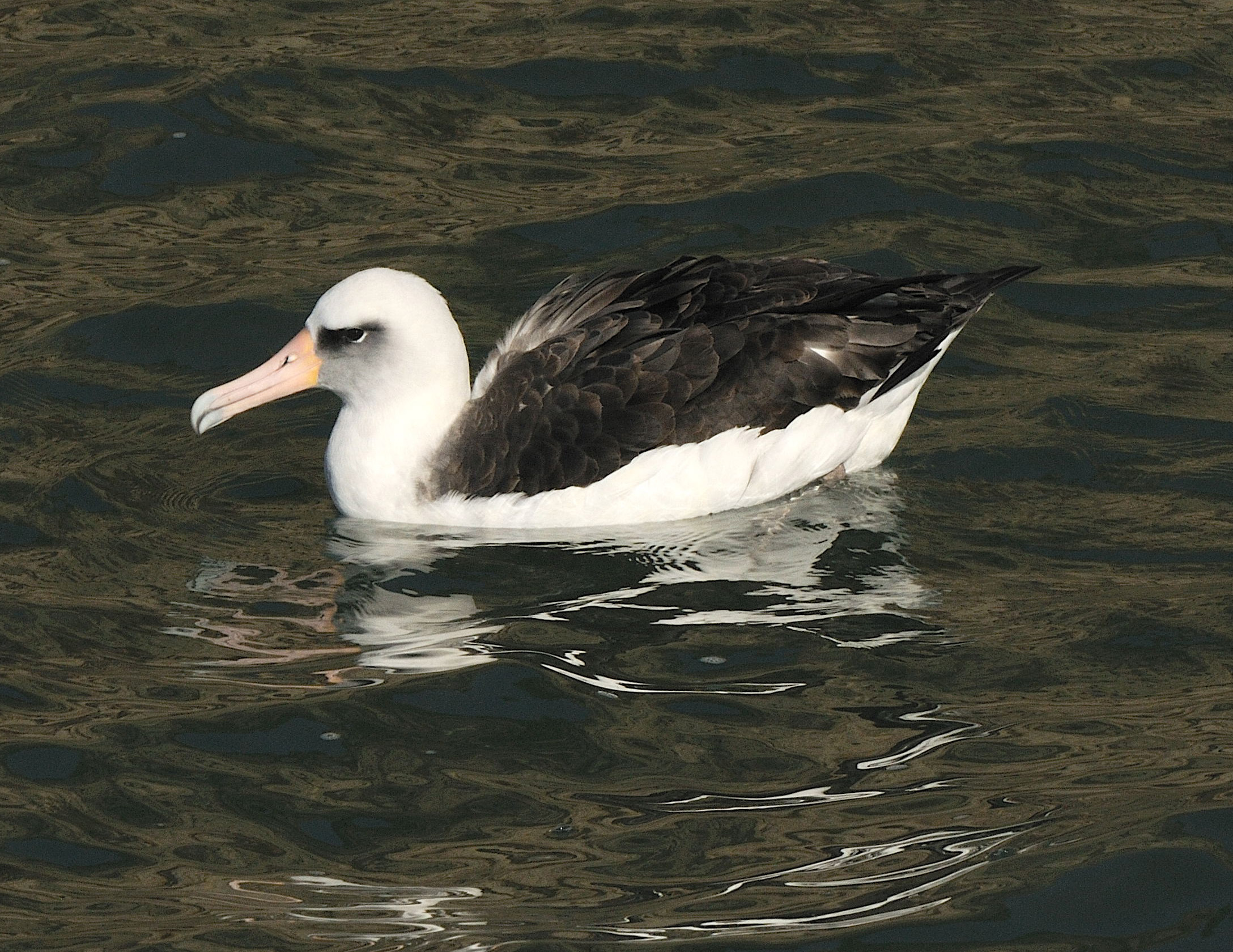
We had such a strange weather year with hardly any rain until February. Al, the Laysan Albatross, usually arrives in November or December, often after a big storm. Since we had no big storm in those months, perhaps that is why Al did not return to the waters off the Point Arena Pier.

Laysan Albatrosses generally do not come near land. We've been fortunate to have Al [or Alice, we don't really know] visit and birders from around the country come to see him. Here is a photo of this unique bird taken by John Batchelder.

Al, the Laysan Albatross, by John Batchelder

We hope this was an anomaly and that our favorite Albatross will return in November or December. The last time Al was here, he arrived on Dec. 22, 2012 and left on March 7, 2013. Previous arrival dates were Dec. 5, 2011, Nov. 22, 2010, and Nov. 18, 2009. I have records going back to 1994.

Thanks to John for allowing me to share his photo with you here.

• 2 Comments

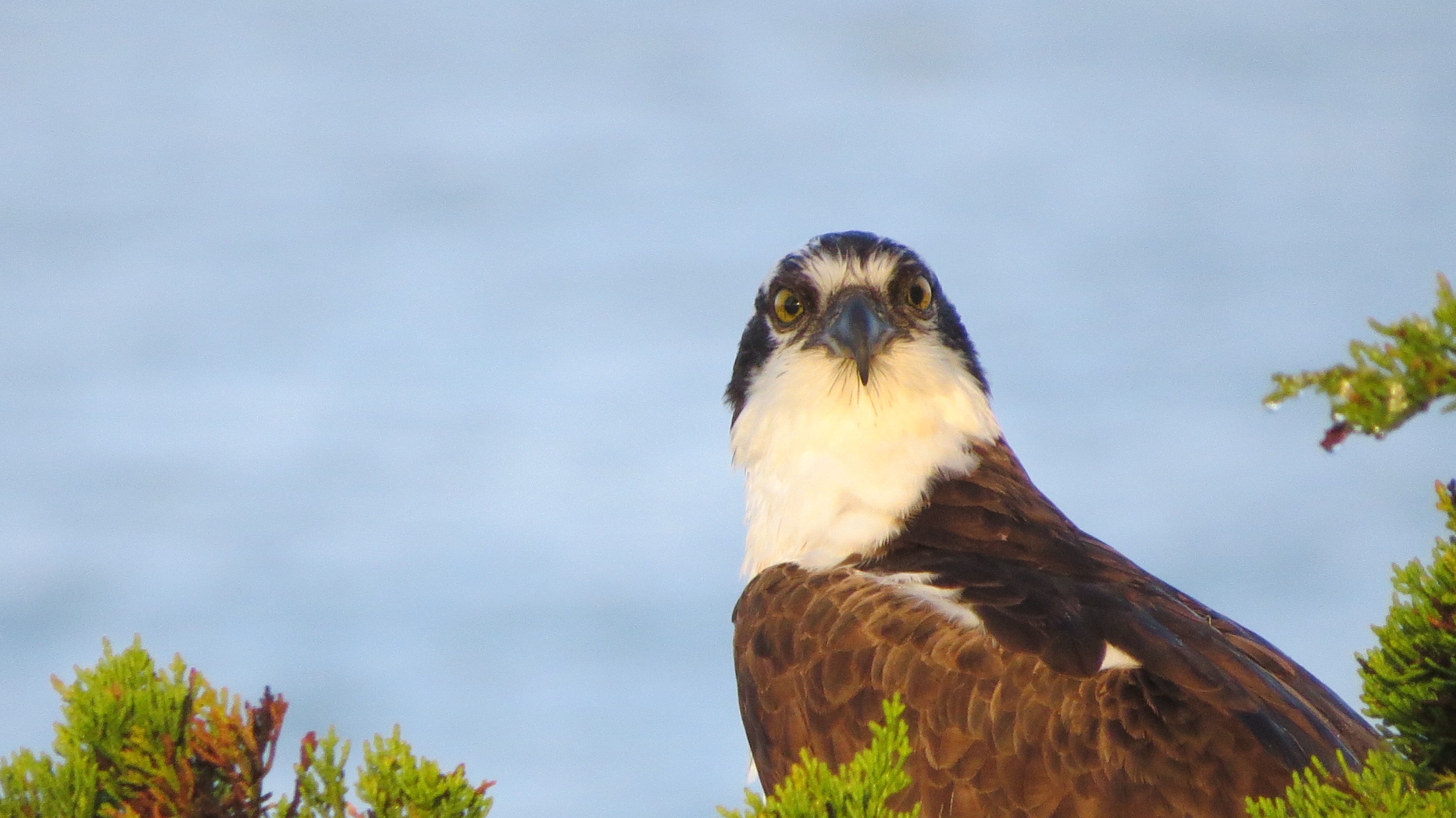
George Marshall caught this dramatic photo of an Osprey peering at him. You can see the yellow eyes, eyes that can see between three to five times better than humans.

The eyes of an Osprey by George Marshall

Ospreys dive for fish but they can only go about three feet underwater. Their excellent eyesight allows them to see their prey in the water.

The Osprey nest that I can see through a spotting scope at our house in Anchor Bay looks to be successful. Yesterday I witnessed the male exchanging places with the female on the nest, allowing her to feed.

These birds have recovered from the effects of DDT, which weakened the eggshells so when the parent sat on them, they broke. Once on the endangered species list, they are now thriving.

To hear their calls, here is a link to the Cornell Lab of Ornithology: http://www.allaboutbirds.org/guide/Osprey/sounds

Thanks to George for allowing me to share his photo with you here.

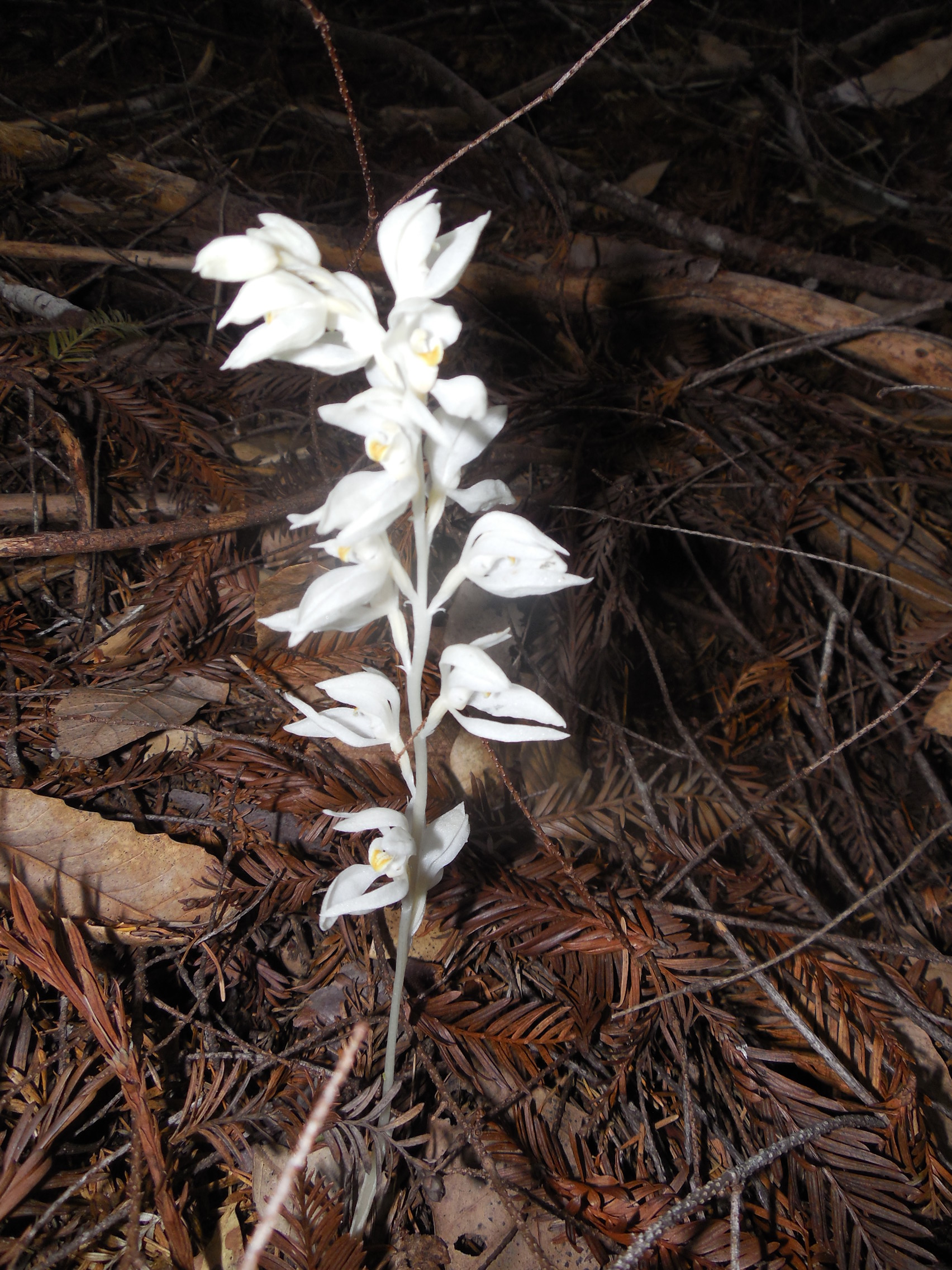
Peter Baye photographed this rare wildflower. It's a Phantom Orchid, Cephalanthera austiniae.

Phantom Orchid, Cephalanthera austinae, Peter Baye

Peter hasn't seen one in seven years so he was very pleased to discover it. This orchid needs a fungus in the soil to survive, just like the Calypso Orchid. It is found in the shade of conifer forests.

Thanks to Peter for allowing me to share his photo with you here.

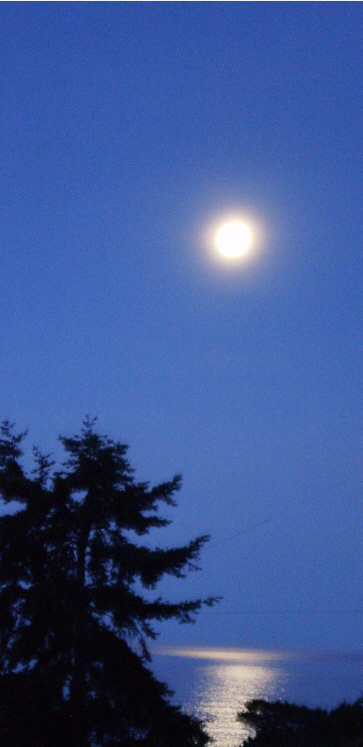
Jan Jewell noticed this beautiful sight - the moon reflected on the calm ocean.

Reflecting Moon by Jan Jewell

A peaceful moment - one of the specialties of the Mendonoma Coast!

Thanks to Jan for allowing me to share her photo with you here.