Author Archives: Jeanne Jackson

Whimbrels fly great distances and often need to rest and feed on quiet beaches. Carolyn Case photographed two of these shorebirds recently.
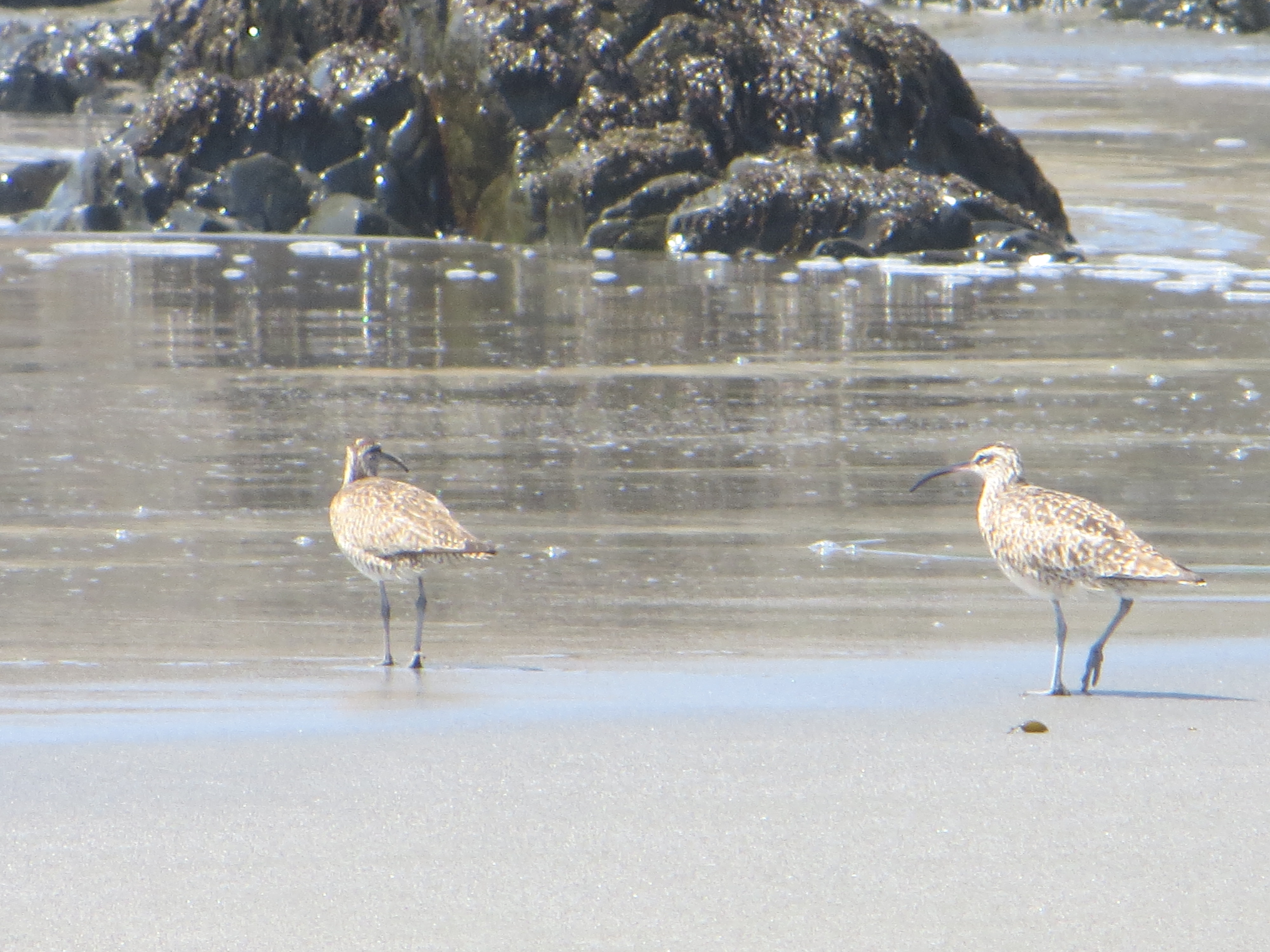
Whimbrels by Carolyn Case

They use their long, curved bill to dig in the sand, searching for invertebrates. They also eat insects and berries.

To hear their call, here is a link to the Cornell Lab of Ornithology: http://www.allaboutbirds.org/guide/whimbrel/sounds

Thanks to Carolyn for allowing me to share her photo with you here.
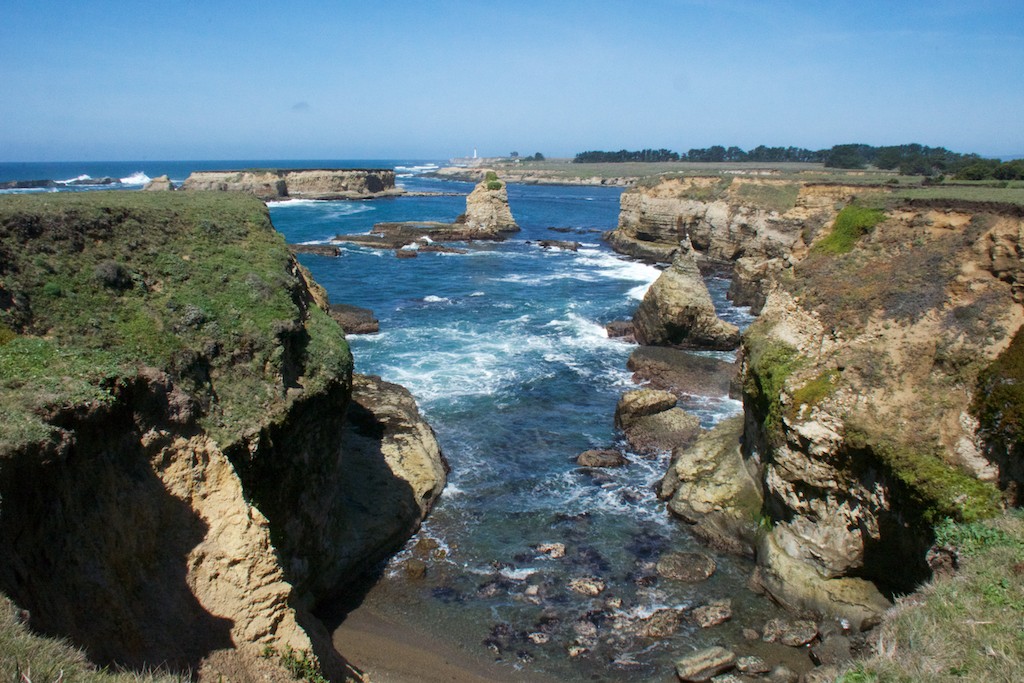
 

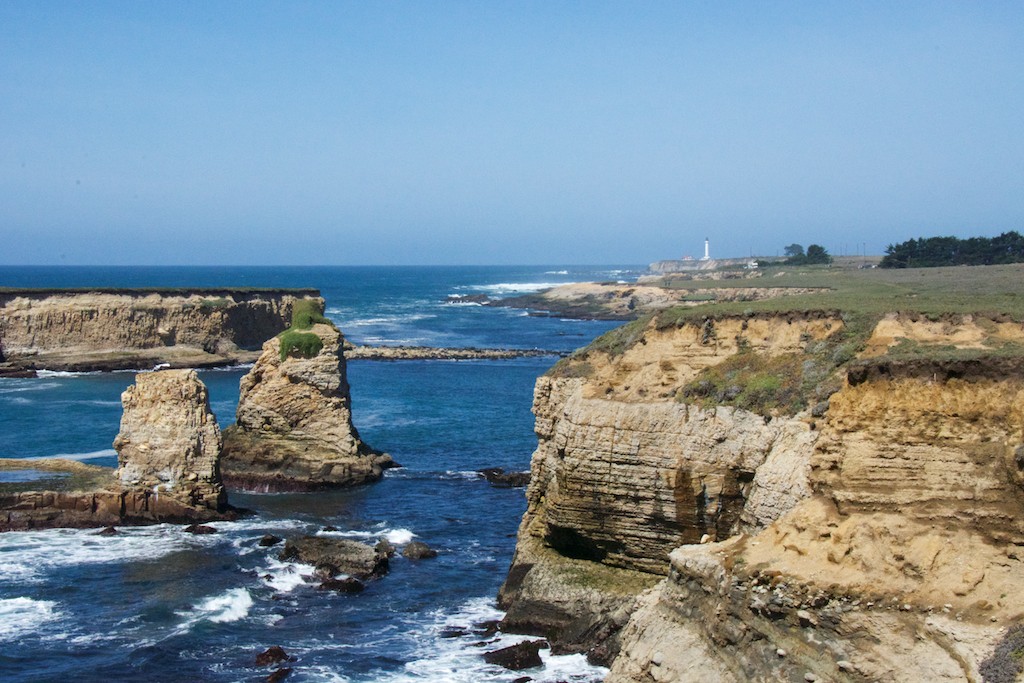
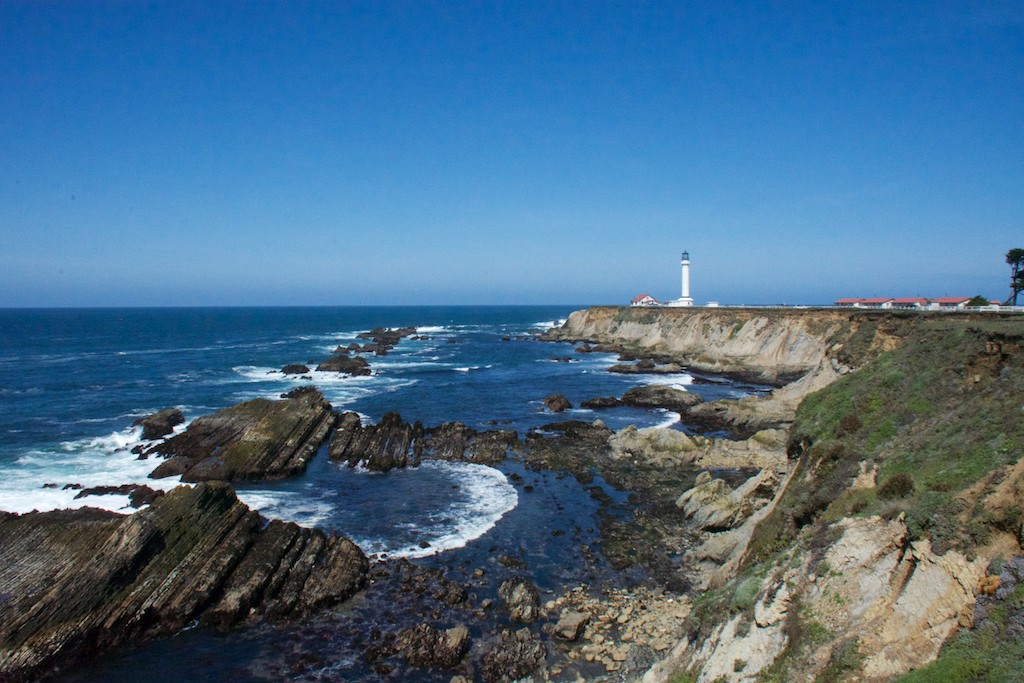
We feel so fortunate that these lands are now in the public domain. Allen Vinson recently hiked part of the lands and took these photos.

The Point Arena-Stornetta Lands by Allen VinsonOffshore rocks of the Point Arena-Stornetta Lands by Allen VinsonSinkhole at the PA-Stornetta Lands by Allen VinsonThe Point Arena - Stornetta Lands with the Lighthouse in the distance by Allen Vinson

This last photo shows the Point Arena Lighthouse in the distance. What a beautiful place!
Thanks to Allen for allowing me to share his photos with you here.

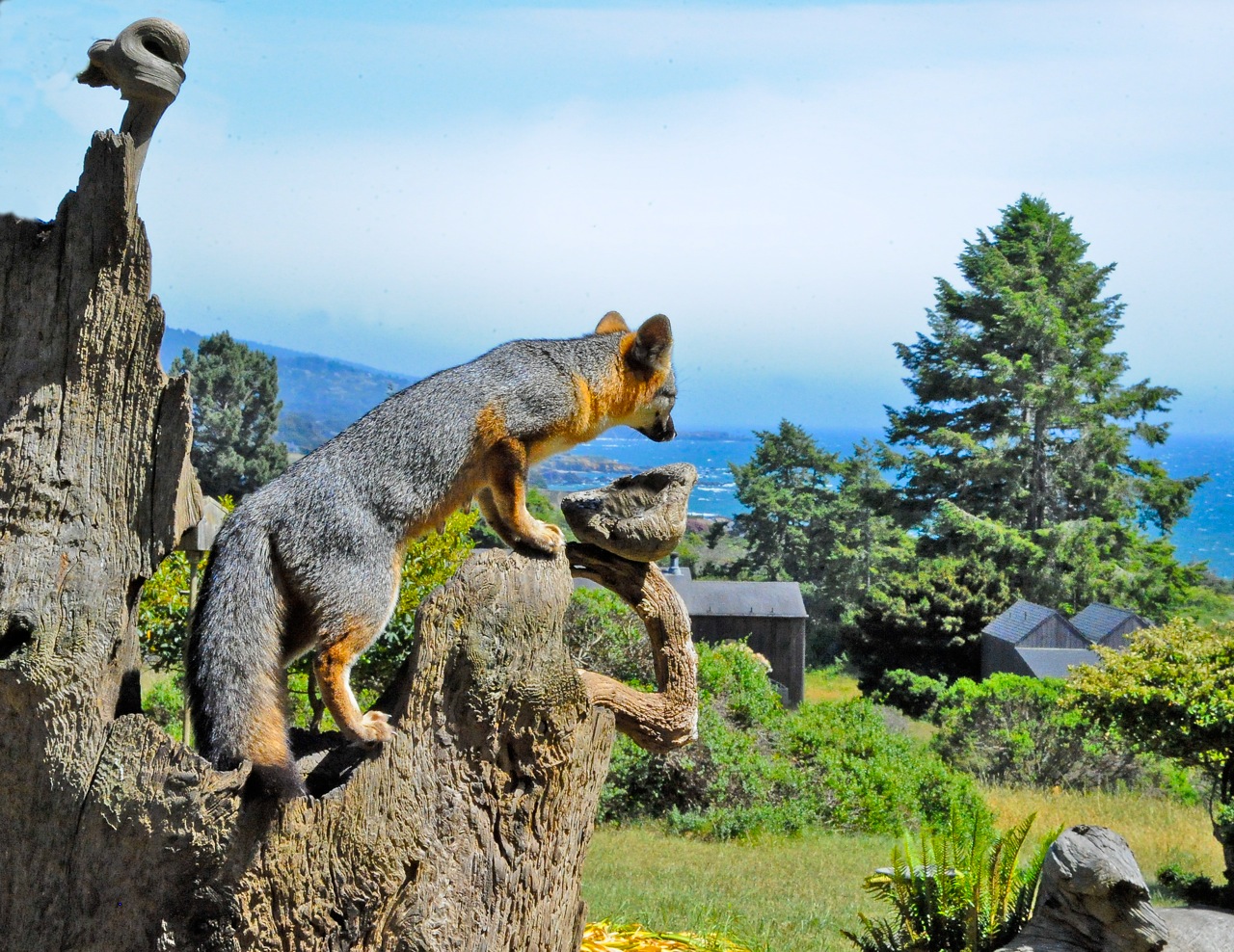
We should be seeing the first Gray Fox kits soon. In the meantime here is Siegfried Matull's photo of a Gray Fox female that recently climbed on a tree stump on his property on The Sea Ranch.

Gray Fox on a tree stump by Siegfried Matull

Gray Foxes are great climbers. Perhaps this fox is looking for lunch or her mate.

Thanks to Siegfried for allowing me to share his photo with you here.

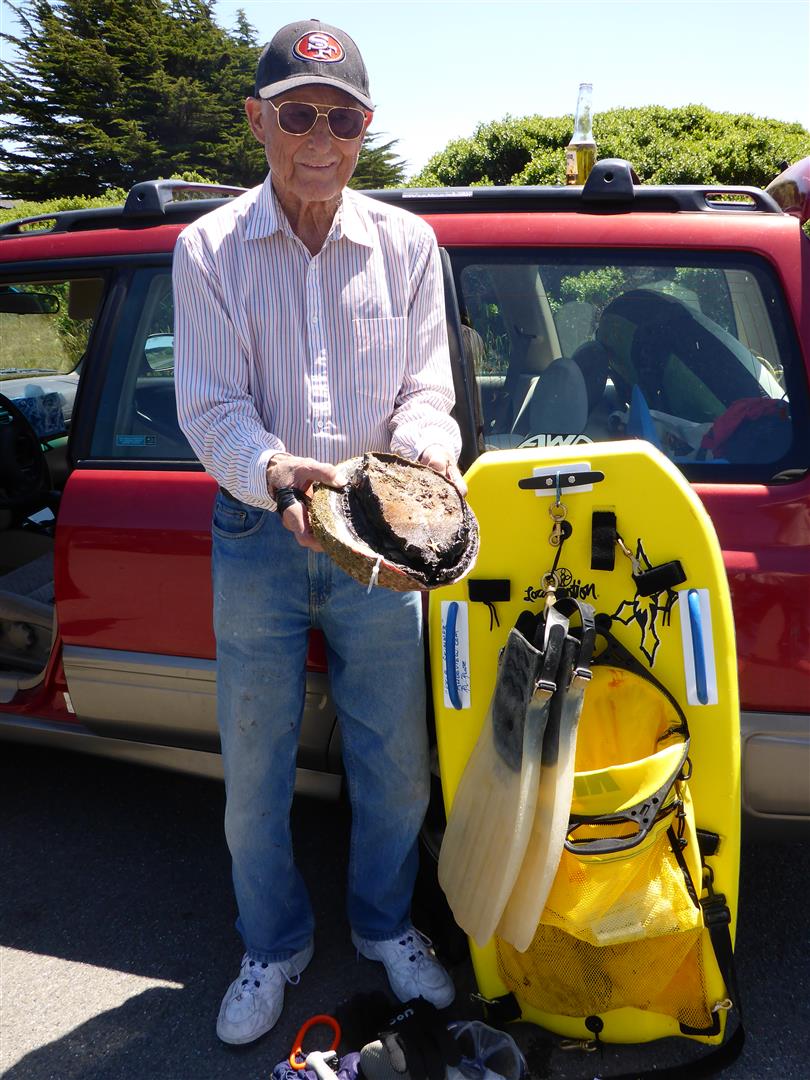
Don Stupfel is 86 years young. He went diving with several friends recently and scored a trophy  Abalone - a ten inch Ab.

Don Stupfel, 86 years young, with a ten inch Abalone by Jack Likins (Large)

Eric Anderson keeps records of everyone who takes a 10 inch Abalone and he believes Don is the oldest person to have accomplished this feat.

Thanks to Jack Likins for this photo and story.

To learn much more about Abalone, here is Eric Anderson's web site: https://sites.google.com/site/abaloneten/

1 Comment

Two years in a row now! A white Fawn is born on The Sea Ranch and Gerda Randolph photographed the special fawn.

2014 White Fawn and its normal-colored sibling by Gerda Randolph

You can see that its sibling is normal-colored. This fawn isn't an albino. It is considered a tow-head and will eventually color up. This white fawn is at risk because it lacks the normal camouflage of a fawn. Hopefully it will thrive, as did last year's white fawn.

Thanks to Gerda for allowing me to share her photo with you here.