Author Archives: Jeanne Jackson

Nancy Trissel was on a hike when she came across this endangered frog, the California Red-legged Frog, Rana draytonii.
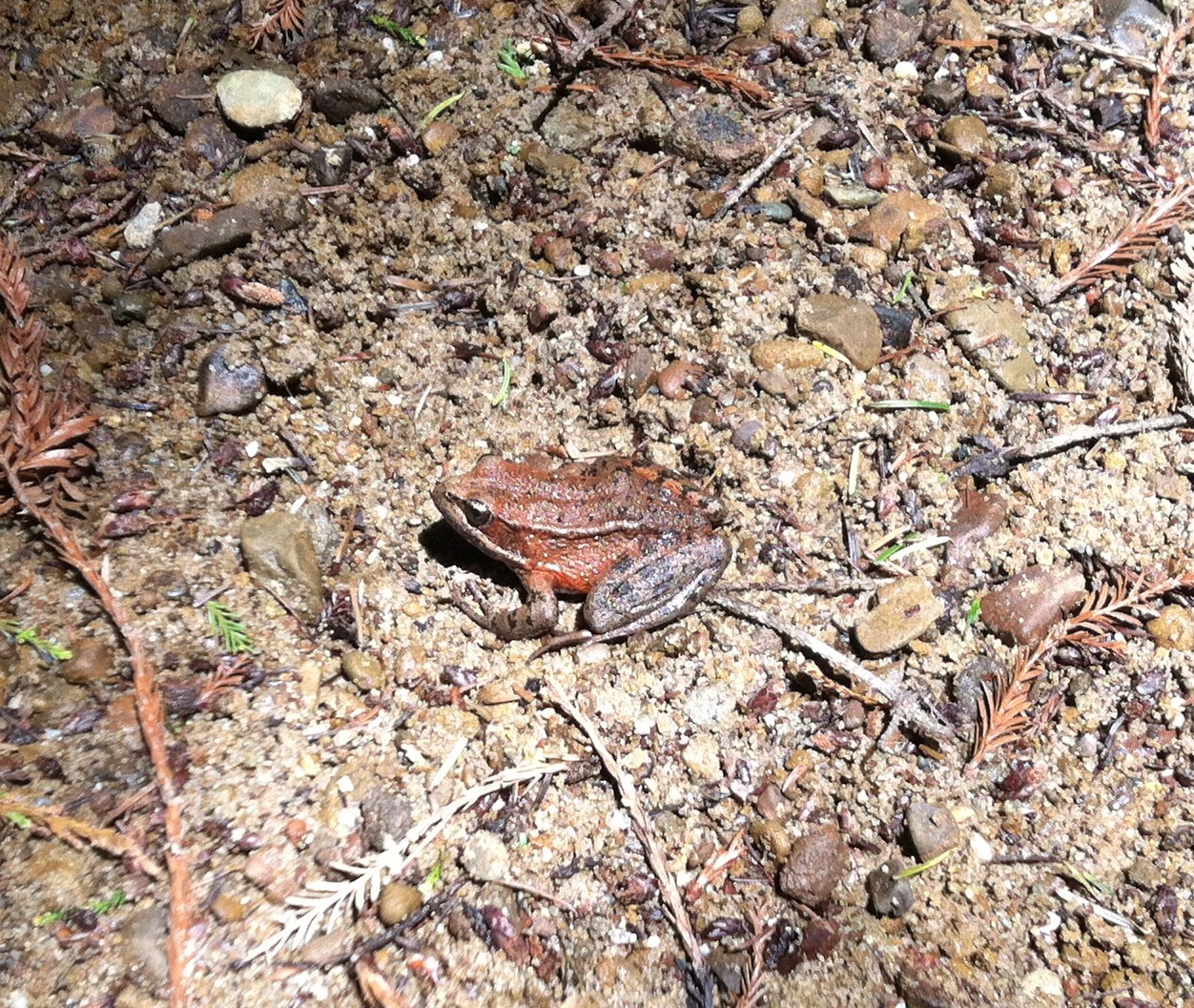
California Red-legged Frog by Nancy Trissel

This frog is only found in California and a small part of Baja California. They are in serious decline due to habitat loss but they can be seen here on the Mendonoma Coast. They lay their eggs in the upper reaches of the Gualala River.

Here is another photo of this frog, taken by Darrell Paige.
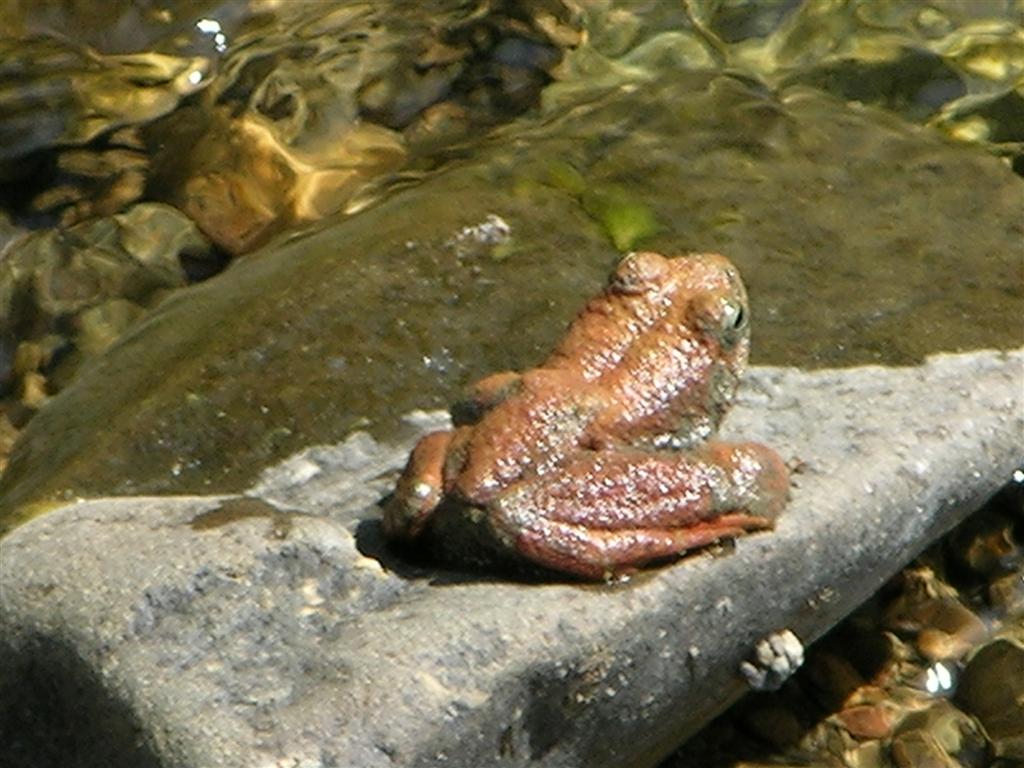
California Red-Legged Frog by Darrell Paige (Large)

This frog is one of the many reasons we have to vigilant to make sure our watershed is protected from development.

Thanks to Nancy and Darrell for allowing me to share their photos with you here.
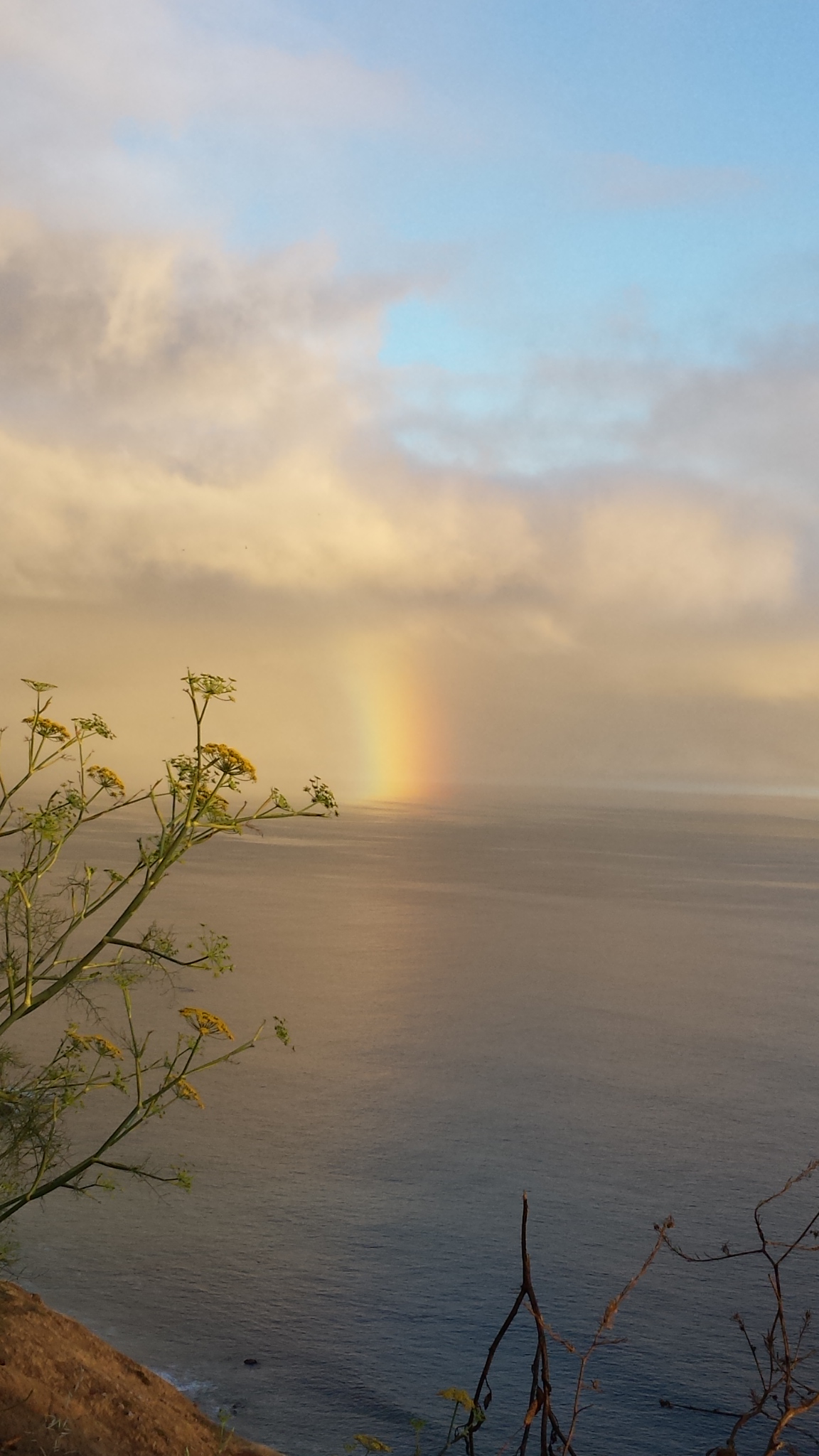
We have had several waves of monsoonal moisture visit the Mendonoma Coast in recent weeks, bringing small amounts of rain and this beautiful rainbow over the ocean photographed by Nancy Padgett.

Sea Rainbow by Nancy Padgett

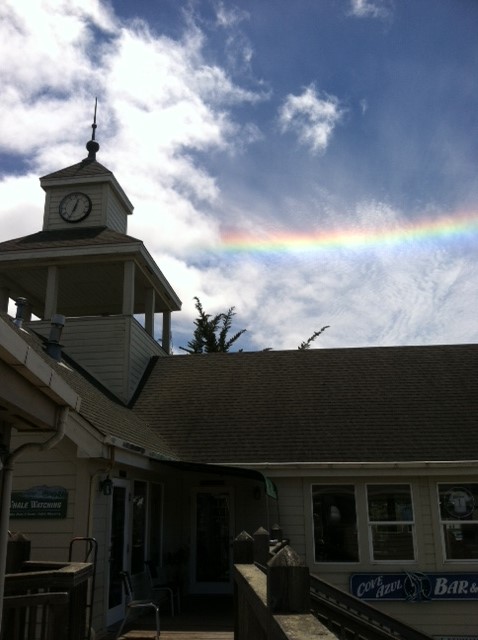
A rare phenomenon, a fire rainbow, was seen over the restaurant Cove Azul in the Cypress Center in Gualala. Susan Cerruti was the lucky photographer who got this photo.

Fire Rainbow by Susan Cerruti

Today the sky is filled with clouds, remnants of a hurricane. The sunset should be amazing and I hope to share it with you here.

Thanks to Nancy and Susan for allowing me to share their photos with you here.
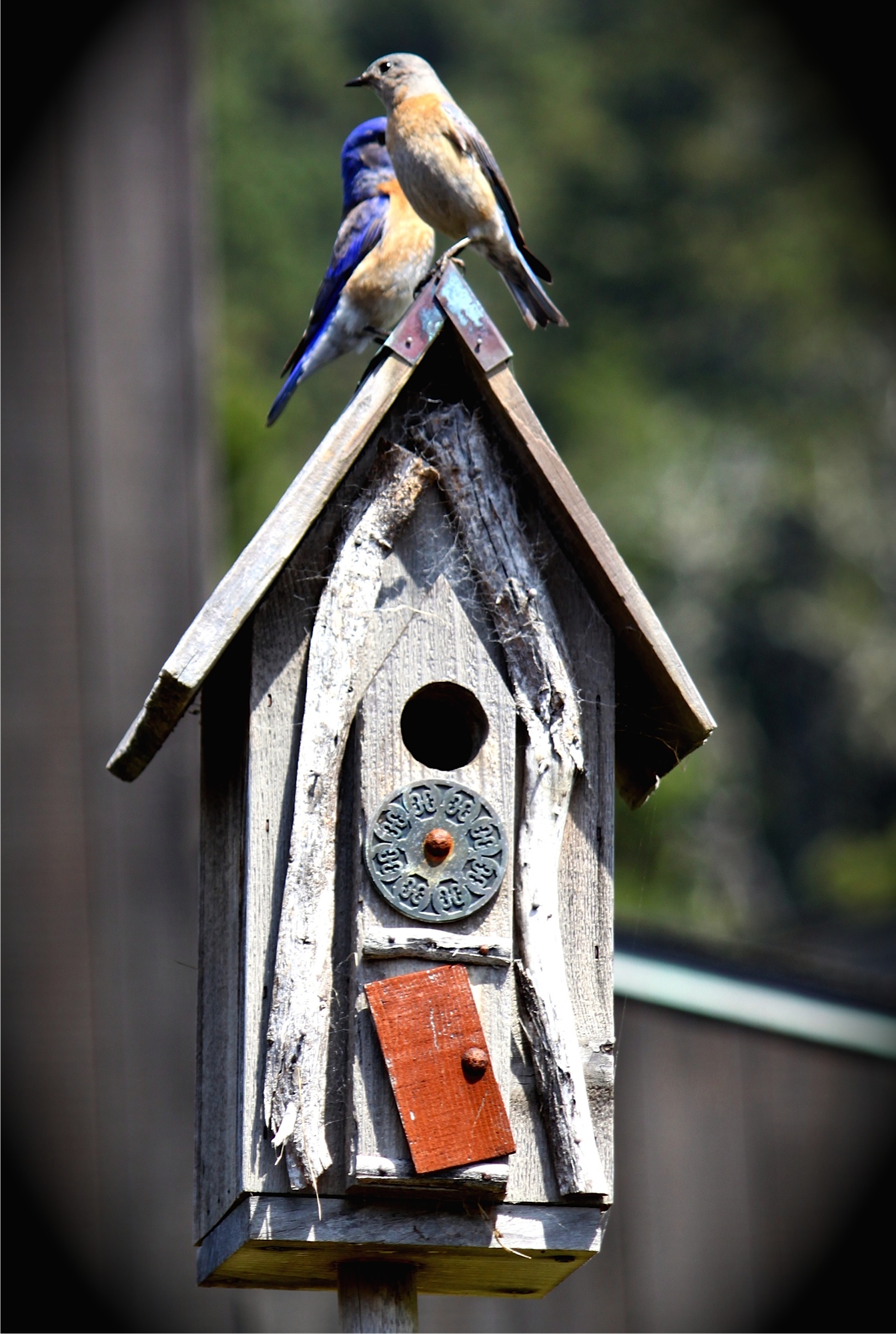
Western Bluebirds nest in cavities so putting up the perfect size birdhouse might lure a pair to nest nearby your home. They are found near the bluffs here on the Coast. Susan and Jim Grenwelge have had Bluebirds coming to this beautiful birdhouse for several years.

Western Bluebird pair by Susan Grenwelge

Small birds, a Western Bluebird weighs only about an ounce. They are charming to see. Bluebirds mostly eat insects, though they will eat fruit and seeds, along with insects in the wintertime. To hear their calls, here is the link to the Cornell Lab of Ornithology: http://www.allaboutbirds.org/guide/western_bluebird/sounds

Thanks to Susan for allowing me to share her photo with you here.

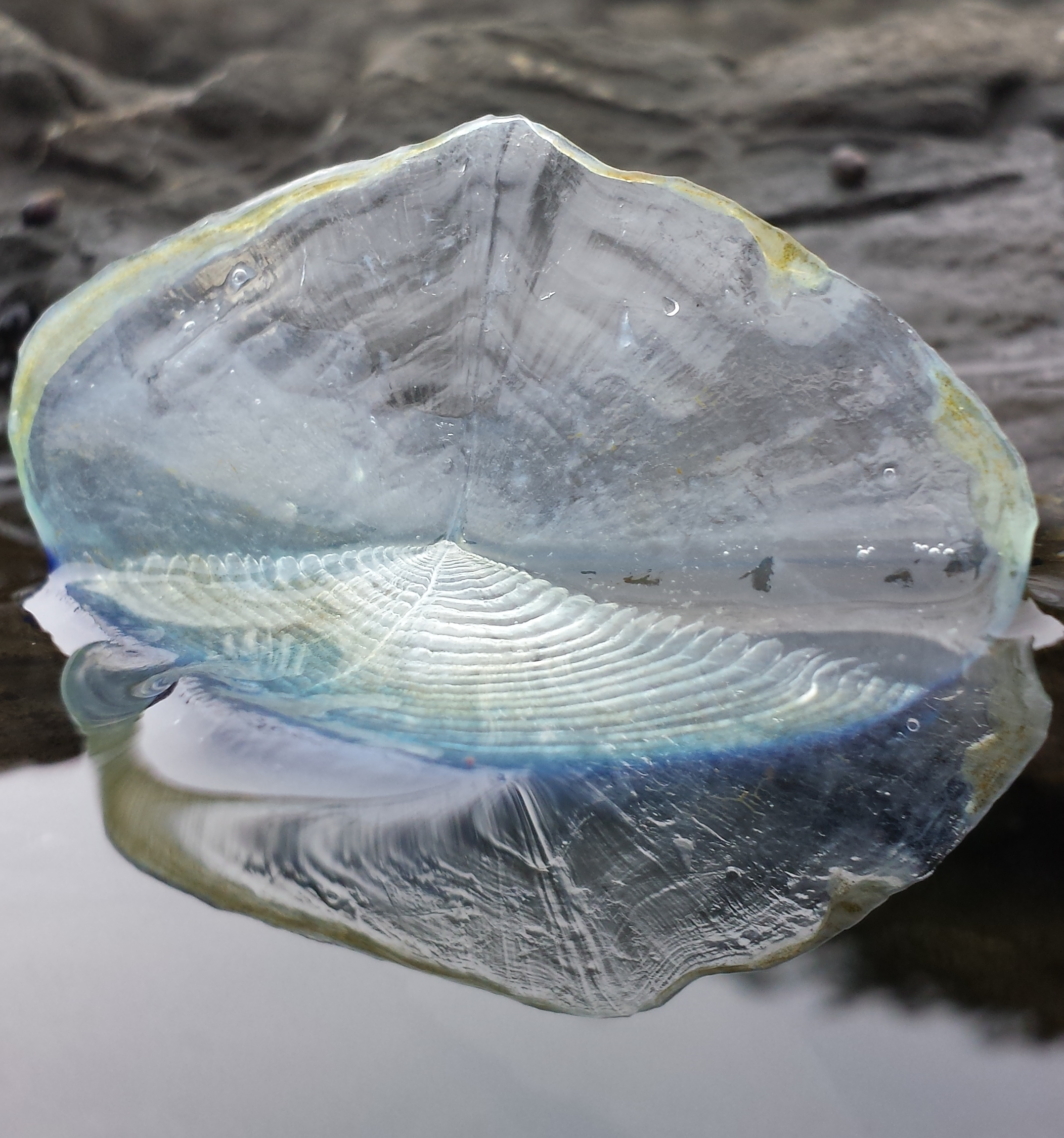
A fascinating creature of the sea, Velella velella, has been seen washed up on local beaches. Paul Horn recently photographed one that ended up in a tide pool.

By-The-Wind-Sailor, Velella velella, by Paul Horn

They are a distant relative of Jellyfish, though they don’t go underwater – they feed from the surface.

They are dependent on the wind for movement, hence their common name, By-the-wind-Sailors; their upper crest acts as a sail. Sometimes the wind shifts and drives them on shore. Paul is correct that this one was lucky to land in a tide pool. They must be in water to survive. I’ve learned that if a wave comes in and returns them to the sea, they will survive being beached for a short time.

Thanks to Paul for allowing me to share his photo with you here. We have much to learn about the creatures that reside in the ocean.

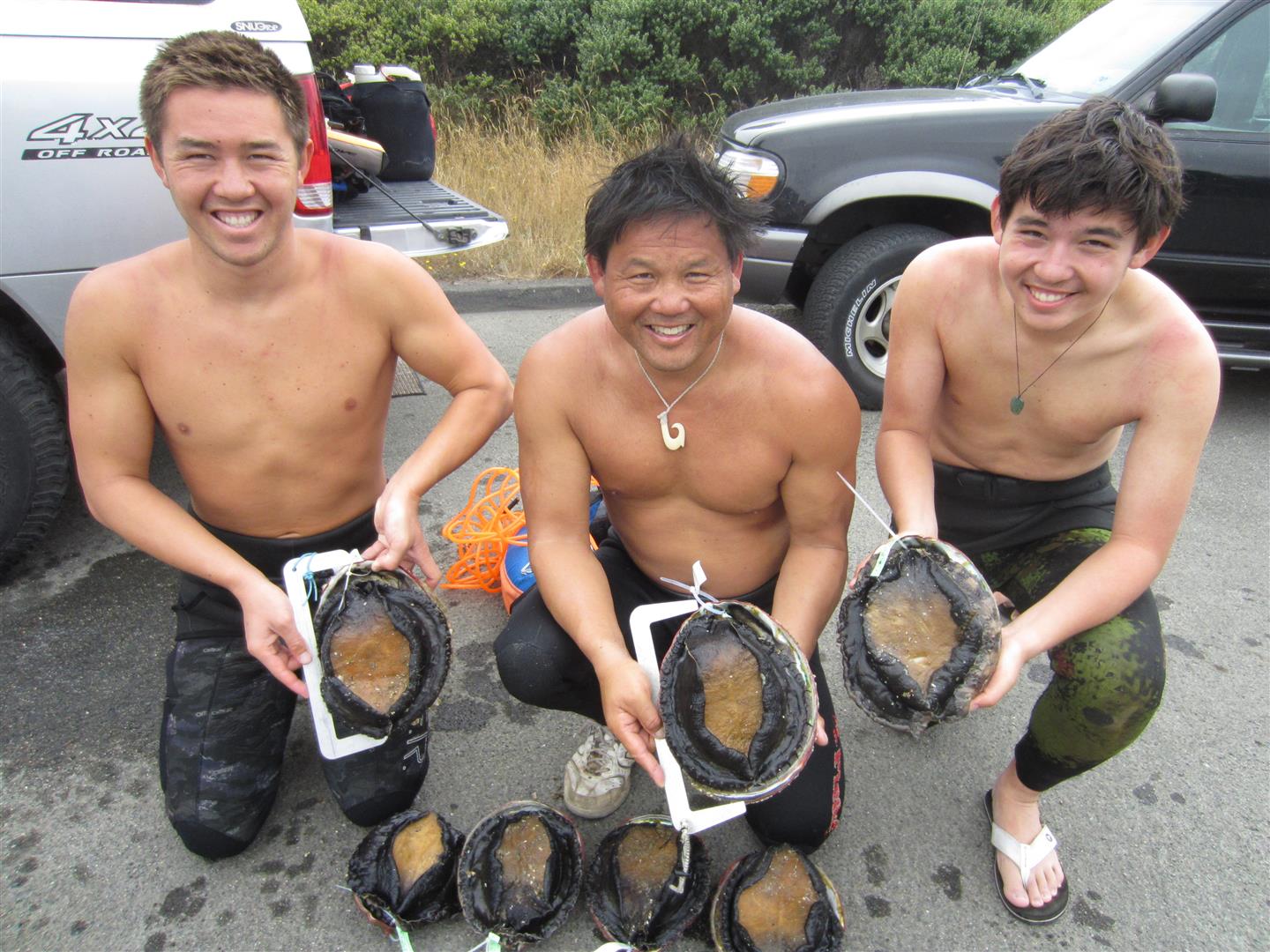
Here you will see Nick, Matt and Hunter Lum after a recent dive for red treasure. Matt is an avid diver. It appears his sons have taken after him in this regard.

Nick, Matt and Hunter Lum after a successful Abalone dive by Jack Likins (Large)

Jack Likins took this photo. He wrote, “My friend, Matt Lum, came from Santa Barbara with his family and a couple of friends and spent the week diving for abalone.”

Roger Rude expressed what it feels like to be in the ocean this past week. He wrote, “Returning to the sea today to refresh my soul in its salty embrace, to fly and soar above the sea floor, to know my place in the universe.”

The beautiful Pacific Ocean, it calls to us with its summertime murmuring. In constant motion, it is home to many wonders, some of which we know well and some yet to be discovered. It’s a place of mystery, a place of danger, and of wonder. We should strive to never take it for granted.

Thanks to Jack for allowing me to share his photo with you here.